

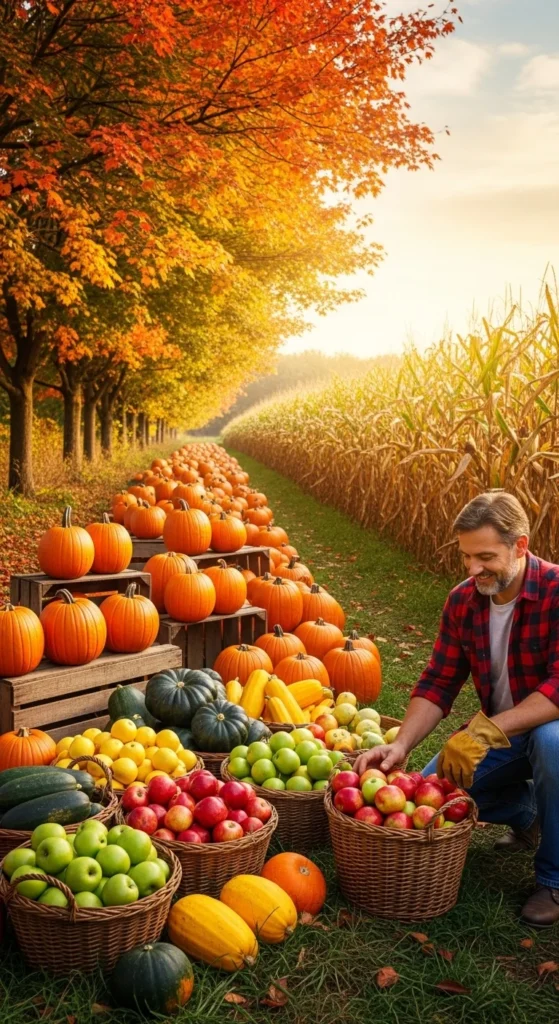
Fall harvest season is when all the hard work in your garden pays off. Cooler temperatures, changing daylight, and soil shifts make it a special time to gather your crops. Whether you’re tending to a small backyard plot or a larger homestead garden, a few smart steps can make your harvest smoother, more productive, and more enjoyable. Let’s explore 25 fall harvest tips that will help you get the most from your seasonal crops — all without fancy tools or expensive gear.
1. Time Your Harvest Right
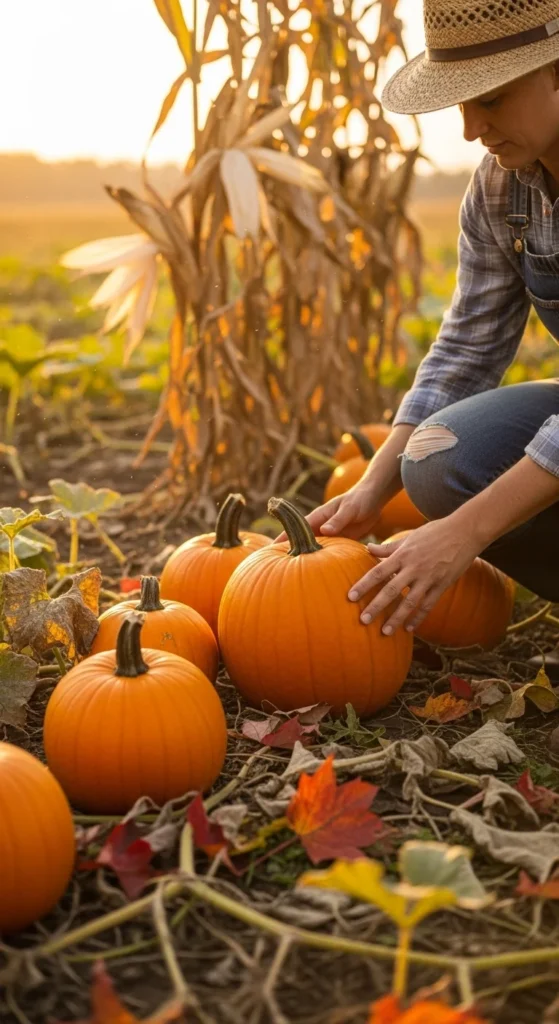
Harvest timing makes all the difference. Picking too early can reduce flavor and storage life, while waiting too long risks rot or frost damage. Keep a close eye on color, texture, and aroma. For example, pumpkins should have a hard rind and deep orange tone. Tomatoes stop ripening once temperatures dip below 50°F, so pick them before frost arrives. Keep a simple calendar with expected ripening times — it helps plan daily harvests efficiently.
2. Check Weather Patterns
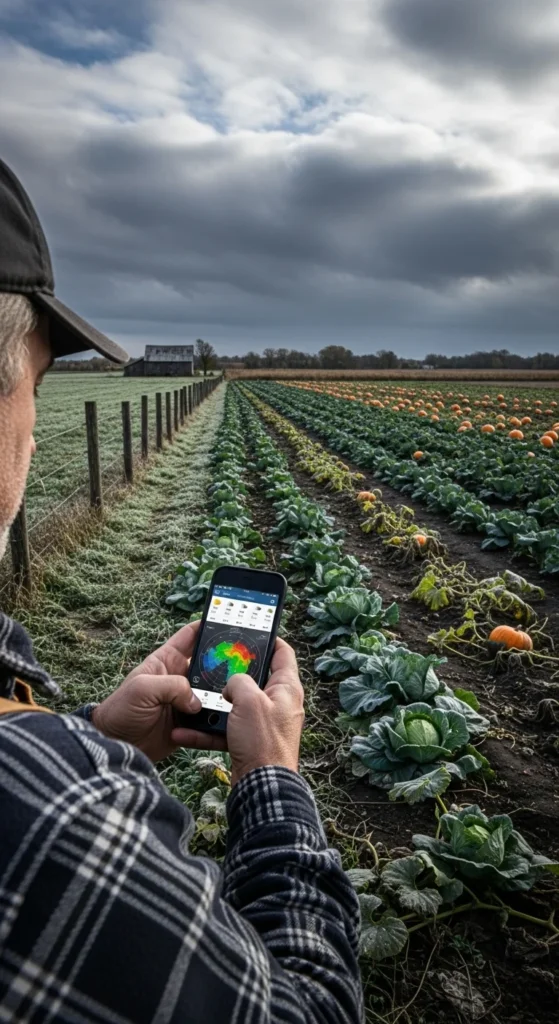
Cooler nights and surprise frosts are common in fall. Watch forecasts daily, especially for low-temperature warnings. Keep old bed sheets, burlap, or row covers ready to protect crops overnight. Even a few extra degrees of warmth can save your plants. Try lightweight plastic tunnels or simple DIY covers made from hoops and painter’s plastic for budget protection.
3. Harvest Early in the Day
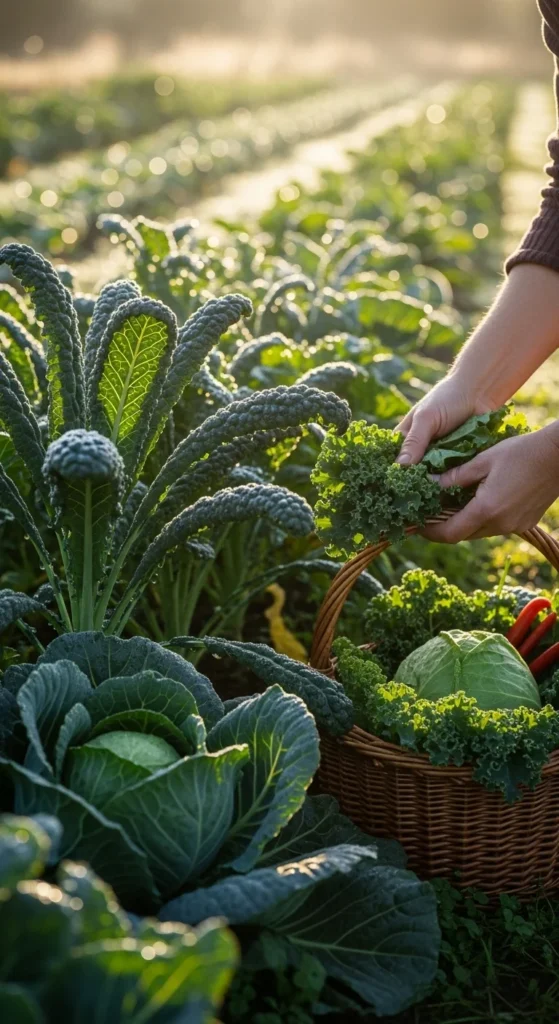
Morning harvests preserve moisture and texture. Vegetables like lettuce, spinach, and kale stay crisp when picked cool. Avoid midday heat — it wilts greens and accelerates spoilage. Bring along a few clean cloths or a small cooler to keep your produce fresh while you work through the rows.
4. Use Sharp, Clean Tools
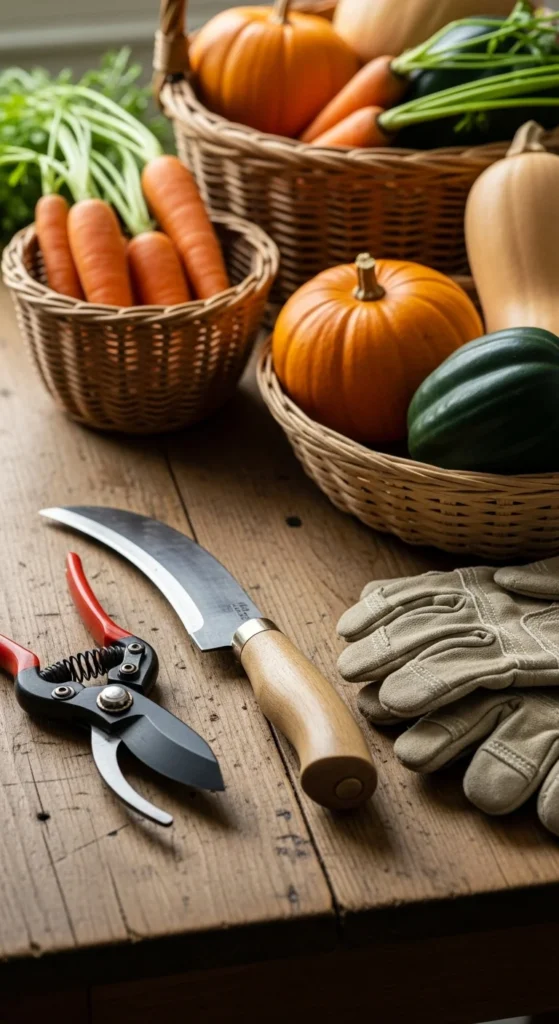
Dull tools can bruise stems or tear fruit. Keep your knives and shears sharp — it helps crops heal faster and reduces waste. A quick wipe with rubbing alcohol keeps blades sanitary between plants. For a budget trick, a piece of fine-grit sandpaper can sharpen most garden tools just fine.
5. Prioritize Perishable Crops
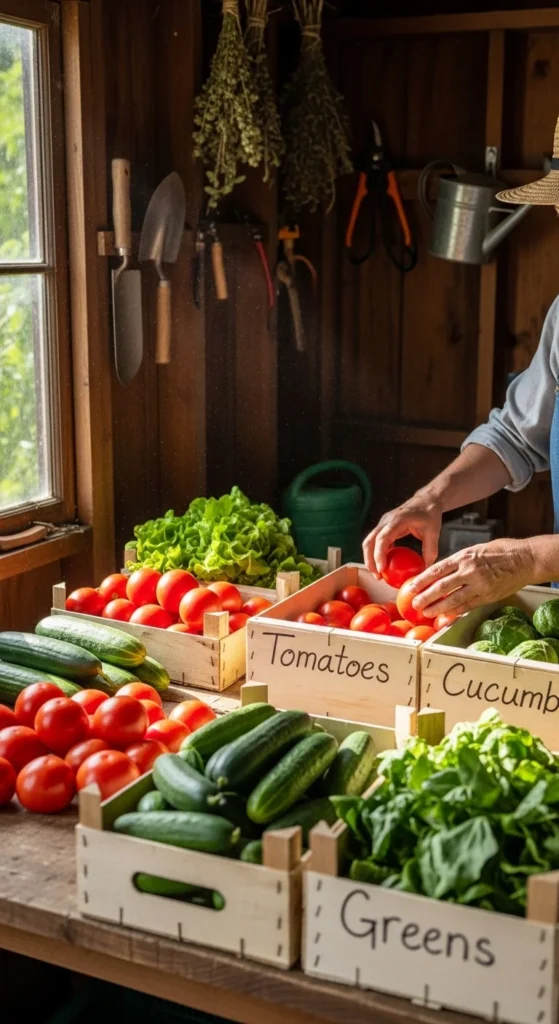
Soft vegetables like tomatoes, zucchini, and greens spoil first. Pick them before harder items such as potatoes or winter squash. Use those delicate crops in meals or preserve them the same day. Label baskets with dates so you know what needs attention first.
6. Cure Root Vegetables Properly
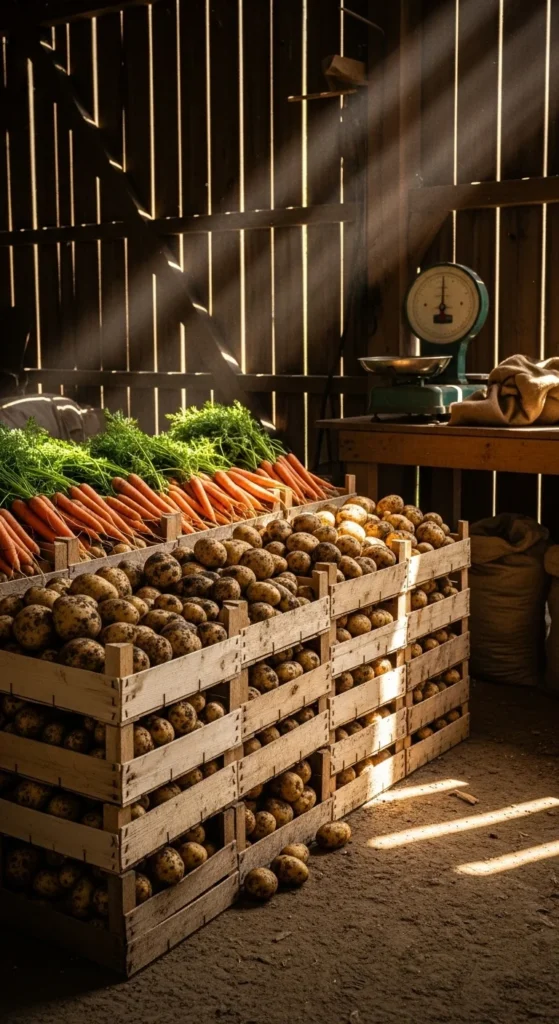
After digging up root vegetables, let them cure before storage. Spread them out in a dry, shaded spot with good airflow for a week or two. This toughens their skins and keeps them from shriveling. Old window screens make great DIY drying racks.
7. Keep Produce Dry
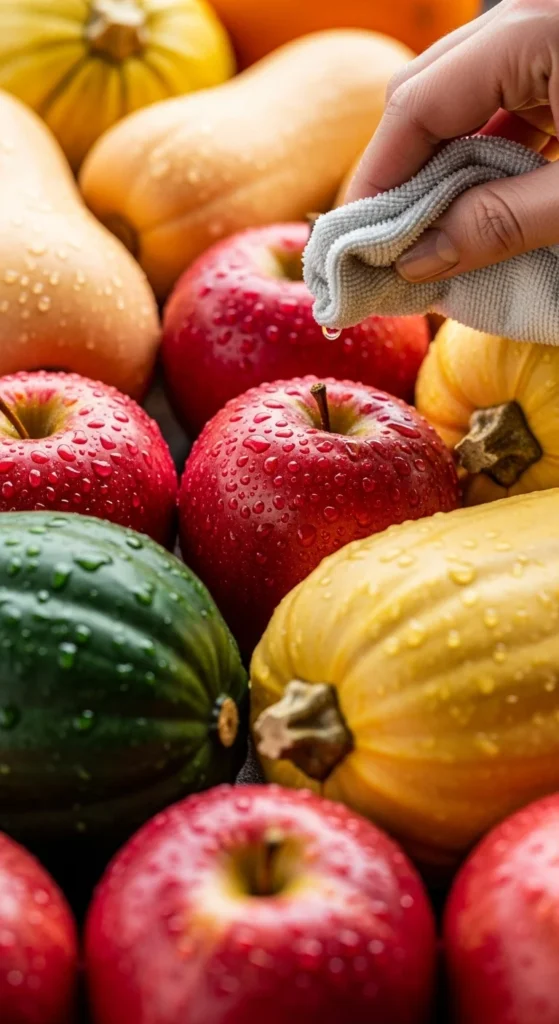
Moisture encourages rot. Always let produce dry completely before storage. Never wash crops like onions or garlic before curing. Store them in mesh bags, paper sacks, or wooden crates — plastic traps humidity and shortens shelf life.
8. Rotate Storage Spots
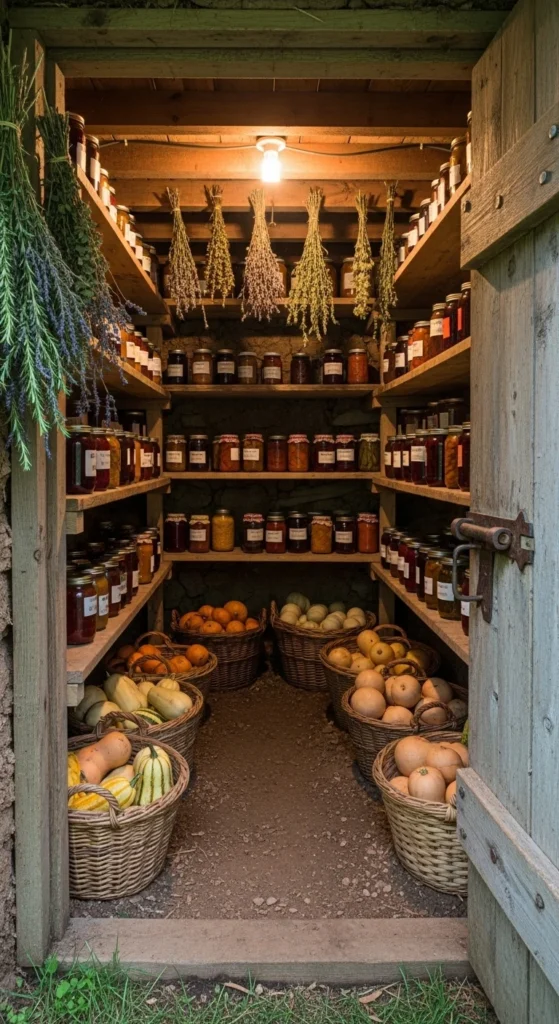
Different vegetables need different environments. For example, potatoes prefer darkness and cool air, while pumpkins enjoy slightly warmer, dry conditions. Rotate your storage setups each year to balance humidity and airflow. A simple thermometer and hygrometer help monitor both.
9. Label Everything
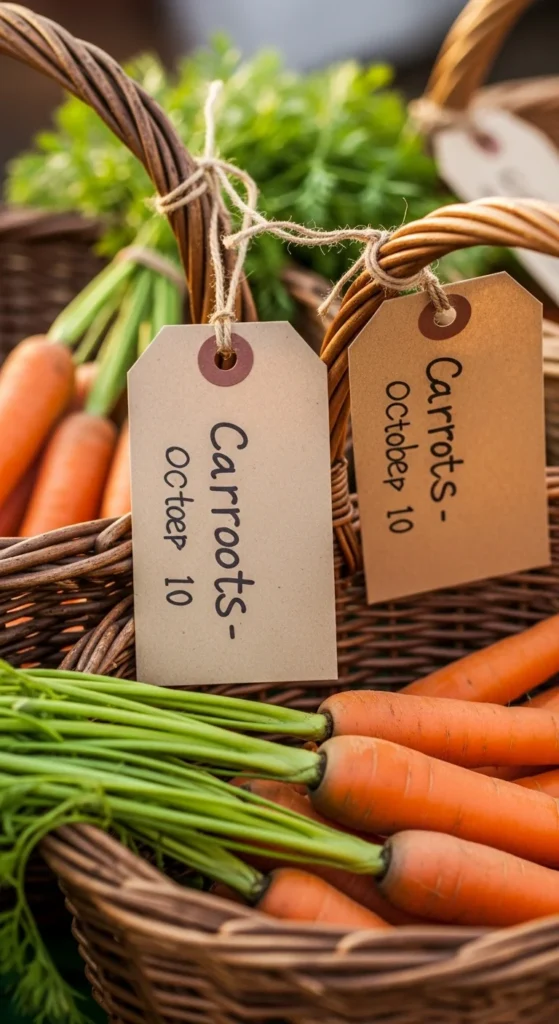
Label crates and jars clearly with harvest dates and crop types. It’s an easy step that saves confusion later. Reuse brown paper tags or even clothespins for eco-friendly labeling. Tracking which batches last longest can improve next year’s harvest planning.
10. Compost Leftovers
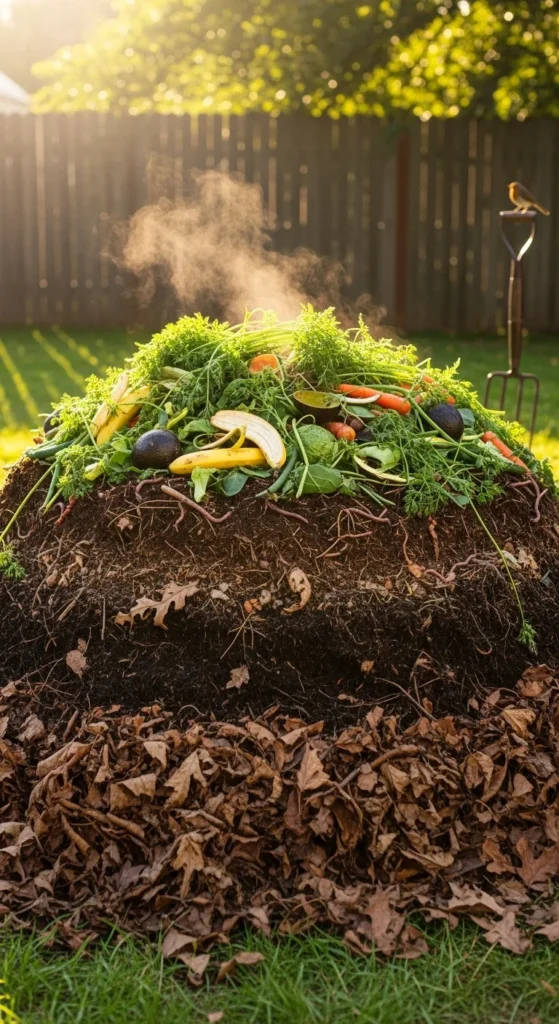
Don’t toss garden waste — compost it. Mix green materials (like veggie scraps) with brown materials (leaves and straw) for balance. Turn your pile weekly to keep it aerated. If you’re short on space, a small plastic bin or bucket works just fine for kitchen scraps.
11. Dry and Save Seeds
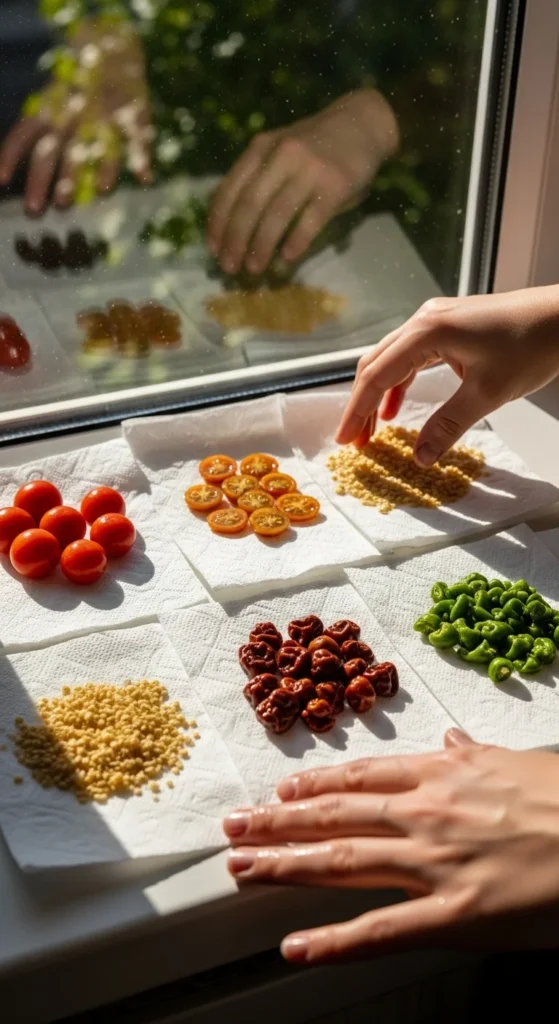
Fall is perfect for seed saving. Choose your best fruits and vegetables for future planting. Dry seeds on paper towels, label them, and store in envelopes or glass jars. This simple step saves money and keeps heirloom varieties alive in your garden.
12. Clean Up Garden Beds
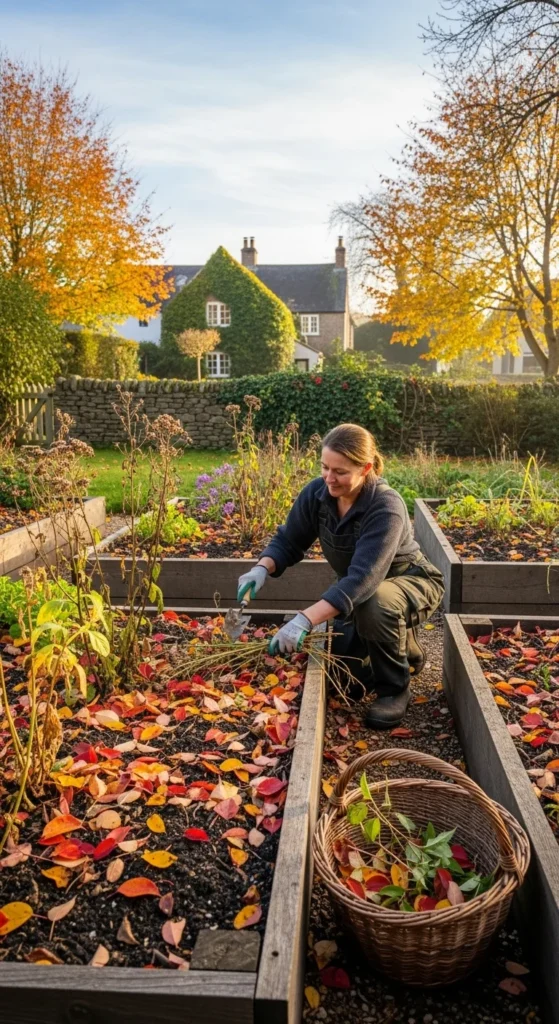
Once harvesting is done, pull up dead plants and weeds. Leaving them invites pests and disease. Rake in compost to enrich the soil for spring. For small beds, adding mulch or straw helps prevent erosion during winter rains.
13. Test and Feed Your Soil
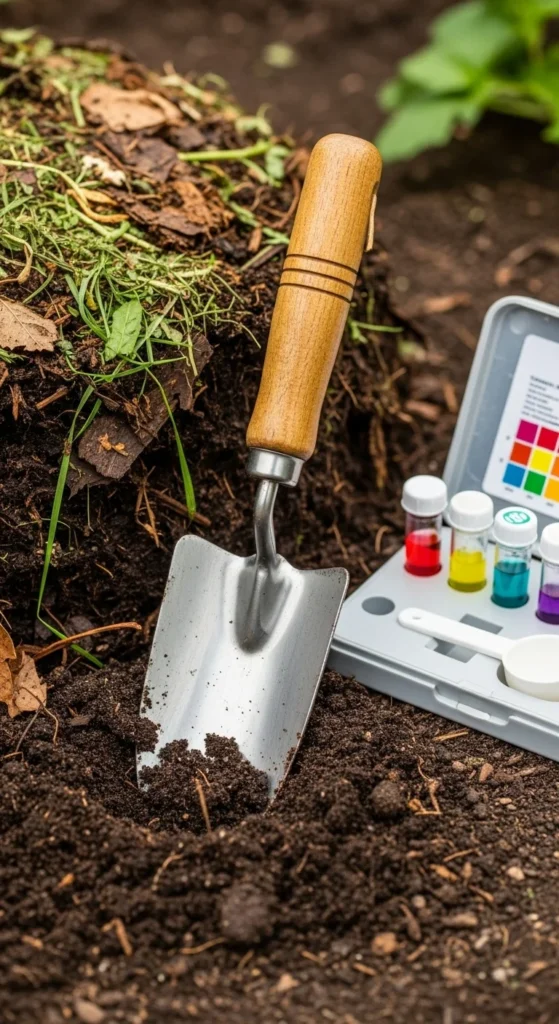
Healthy soil makes stronger crops next year. Use an affordable home soil test kit to check pH and nutrient balance. Add compost, bone meal, or wood ash depending on what your soil needs. It’s a small investment that pays back with bigger yields.
14. Use Mulch to Protect Roots
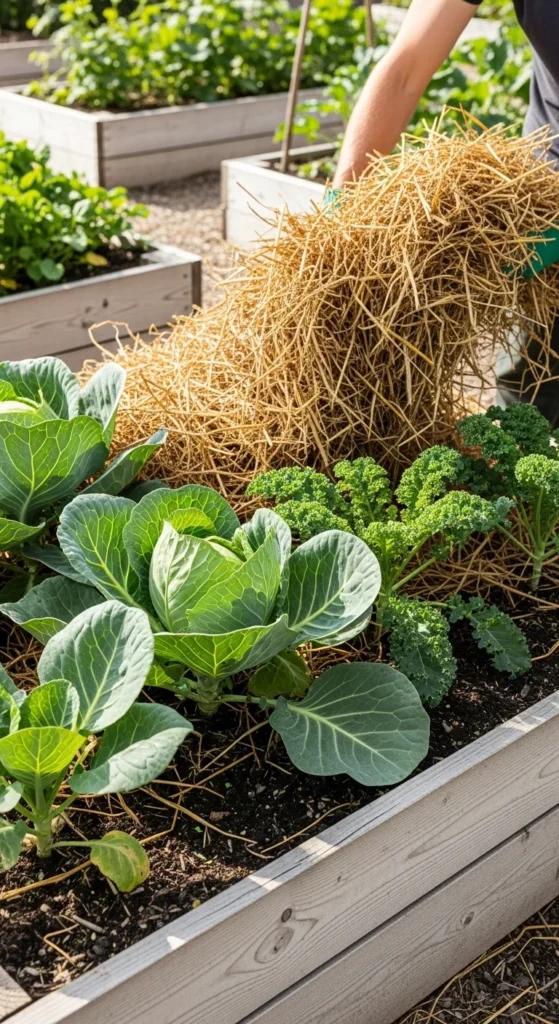
Mulching locks in warmth and moisture while protecting roots from frost. Use straw, shredded leaves, or even grass clippings. It’s one of the cheapest ways to protect your plants. Bonus — it keeps weeds from taking over during the off-season.
15. Store Herbs the Smart Way
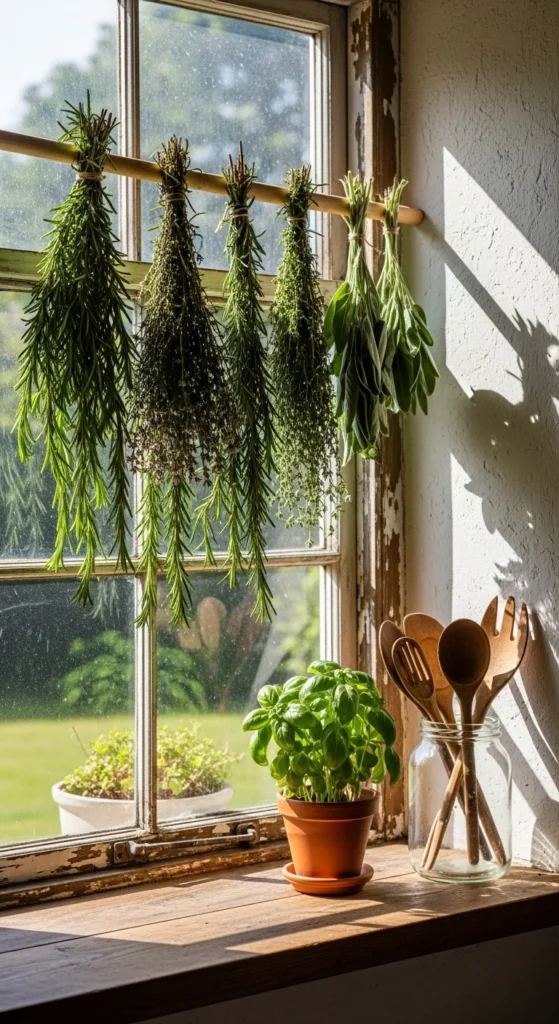
Herbs can last months with simple drying. Hang them upside down in a cool, airy room. Once dry, crumble them into glass jars or resealable bags. Label each one — it’s satisfying to cook with your own dried herbs through winter.
16. Preserve with Simple Methods
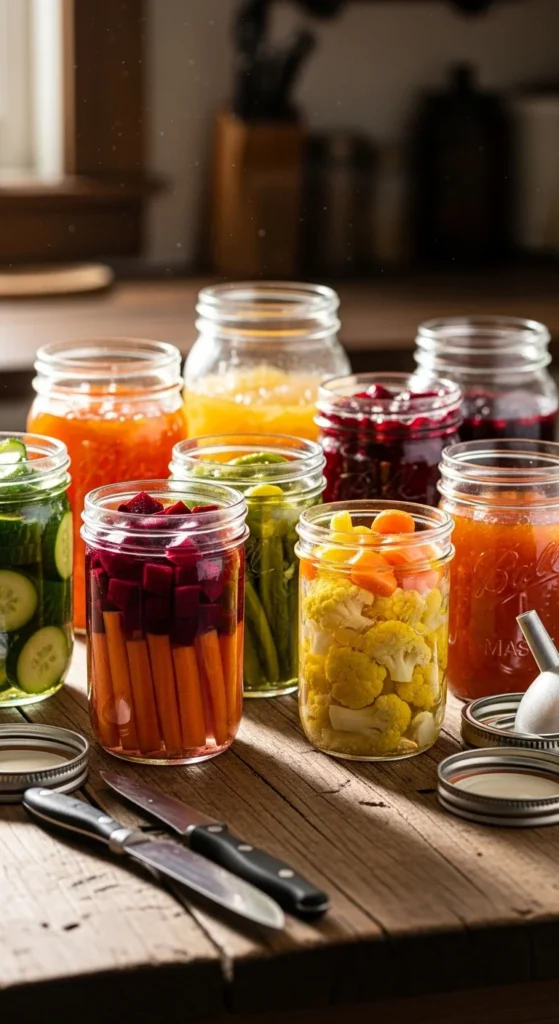
Canning, freezing, or dehydrating helps your harvest last all year. Focus on small batches if you’re new to preserving. Even a freezer bag of roasted peppers can make a big difference in winter meals.
17. Share the Surplus
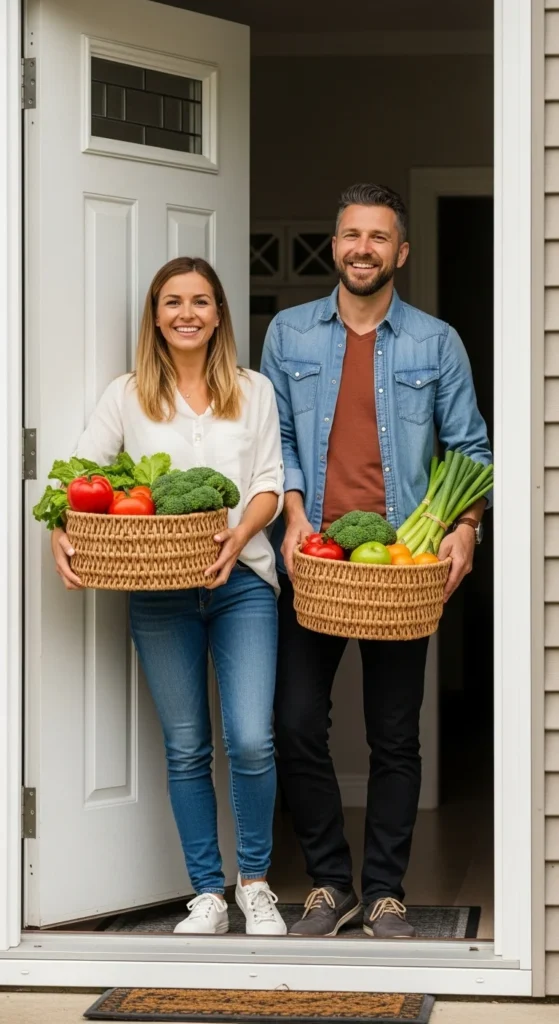
If your harvest overflows, share it. Offer extras to neighbors, food banks, or local community kitchens. It keeps food from wasting and builds great connections.
18. Clean and Store Tools
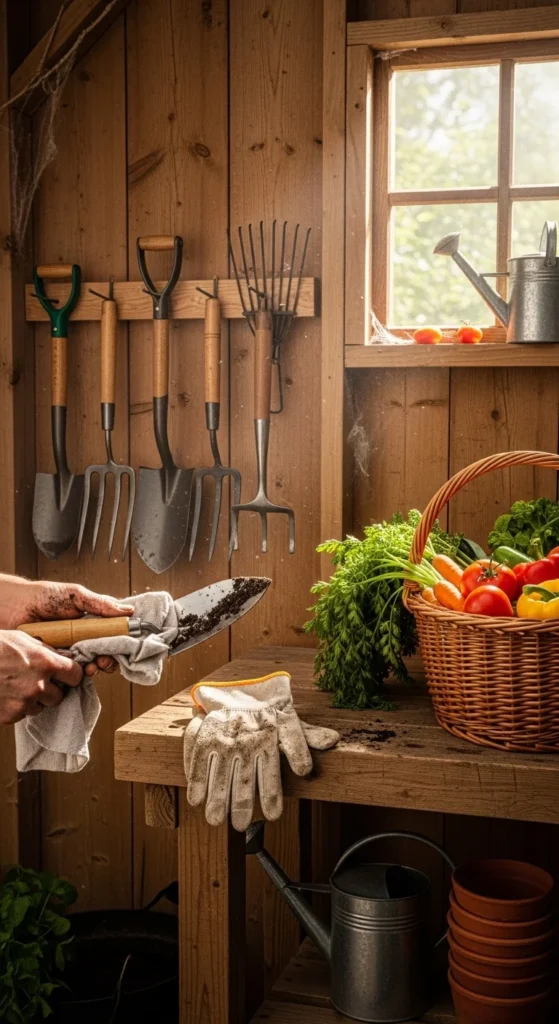
Before winter, wash, dry, and oil your tools. Rust spreads fast in damp sheds. Rub metal parts with a thin coat of vegetable oil and hang them to air dry.
19. Protect Fruit Trees
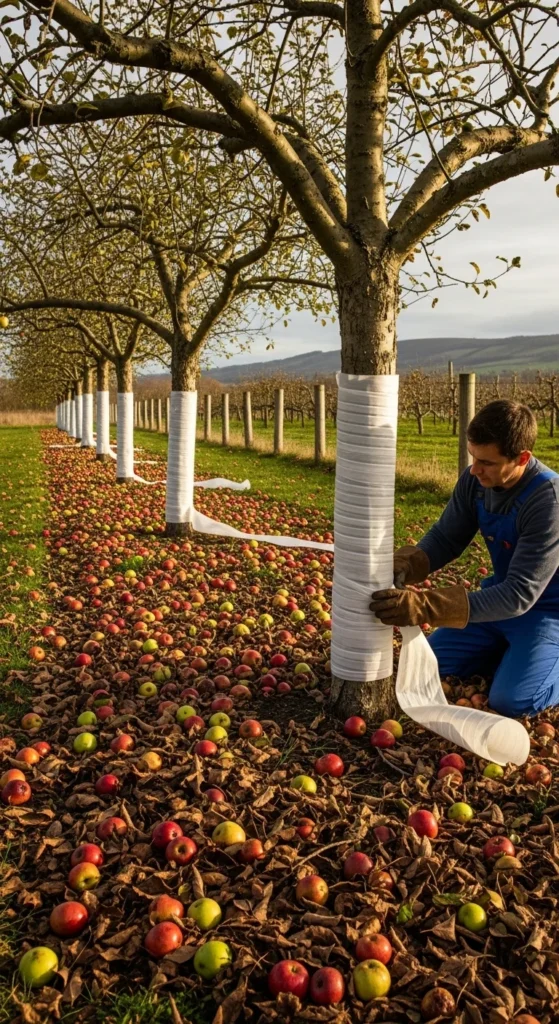
Falling temperatures can crack bark or invite rodents. Wrap tree bases with plastic guards or burlap. For small trees, apply mulch around roots for extra insulation.
20. Keep a Garden Journal
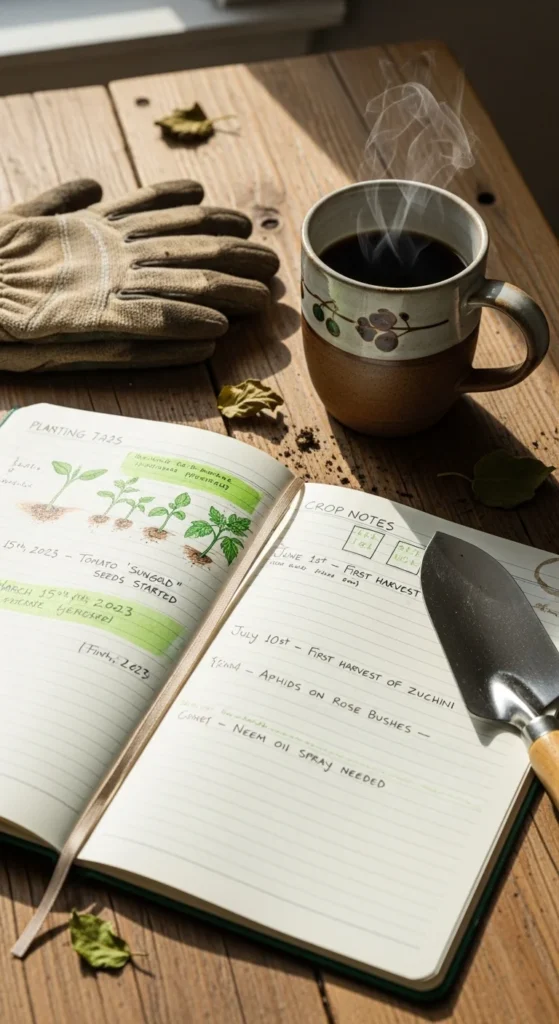
Track what worked and what didn’t this season. Write down crop varieties, harvest times, and yields. Reviewing your notes next year helps you make smarter choices.
21. Use Fallen Leaves Wisely
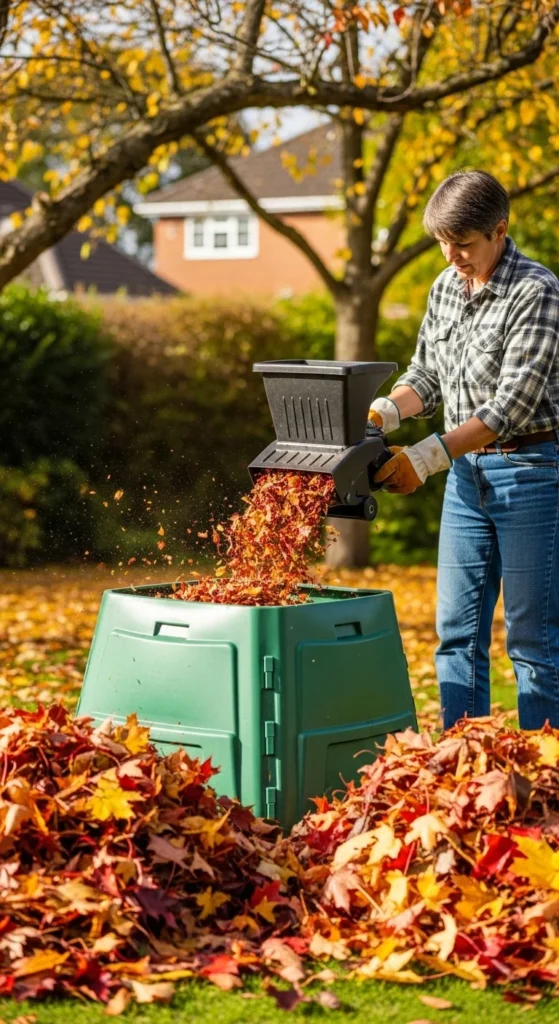
Don’t waste fallen leaves. Shred and spread them over garden beds to enrich soil and block weeds. They also make great compost material mixed with kitchen scraps.
22. Bring Potted Plants Indoors

Many herbs and flowers can’t handle frost. Move them indoors before nighttime temperatures drop. Place them near sunny windows and water sparingly.
23. Harvest Late Crops with Care
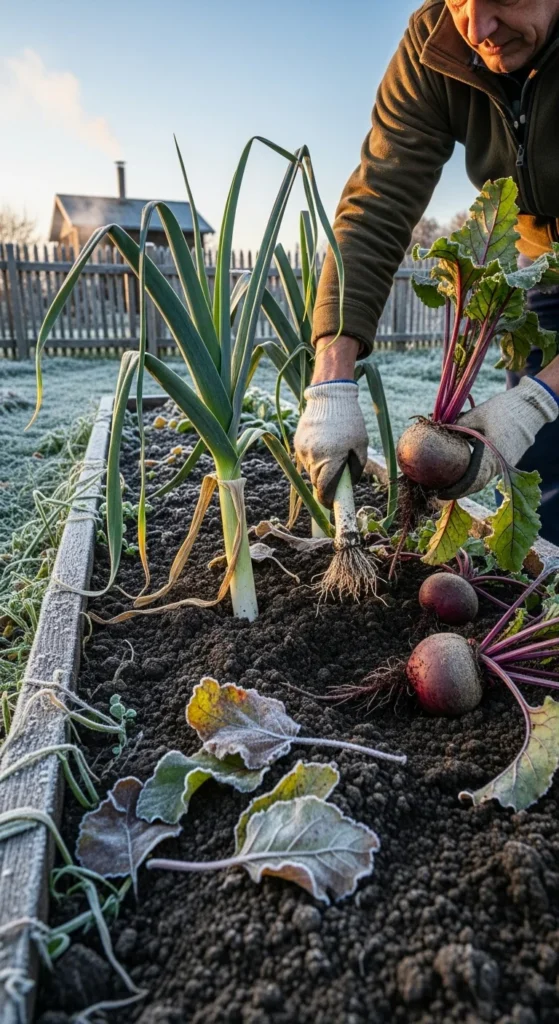
Cool-loving vegetables like carrots, beets, and leeks sweeten in cold weather. Harvest gently with a garden fork to avoid bruising roots.
24. Refresh Garden Paths
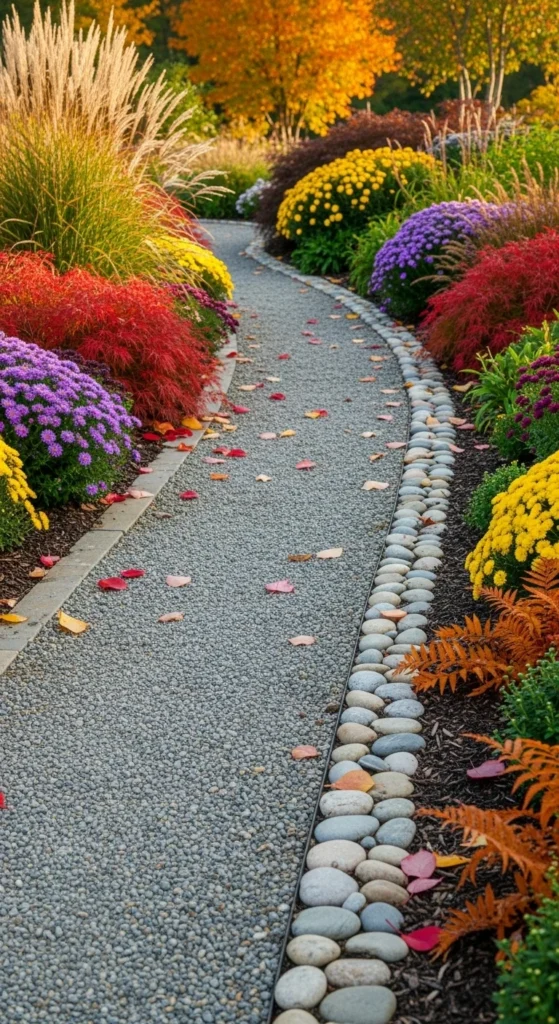
Repair and tidy paths now to make spring gardening easier. Spread fresh mulch or gravel to prevent mud build-up during winter rains.
25. Reflect and Celebrate

Take time to enjoy your hard work. Gather your favorite produce, cook a cozy seasonal meal, and appreciate how far your garden has come this year. A little celebration keeps you motivated for the next planting season.
Conclusion
A successful fall harvest is all about preparation, timing, and simple routines. These 25 easy tips help you handle crops efficiently, protect your soil, and get ready for next year’s growth. With a few mindful steps — and a dash of creativity — your garden can stay productive well beyond autumn. So grab your baskets, sharpen your tools, and make this season your most rewarding harvest yet.

Leave a Reply