

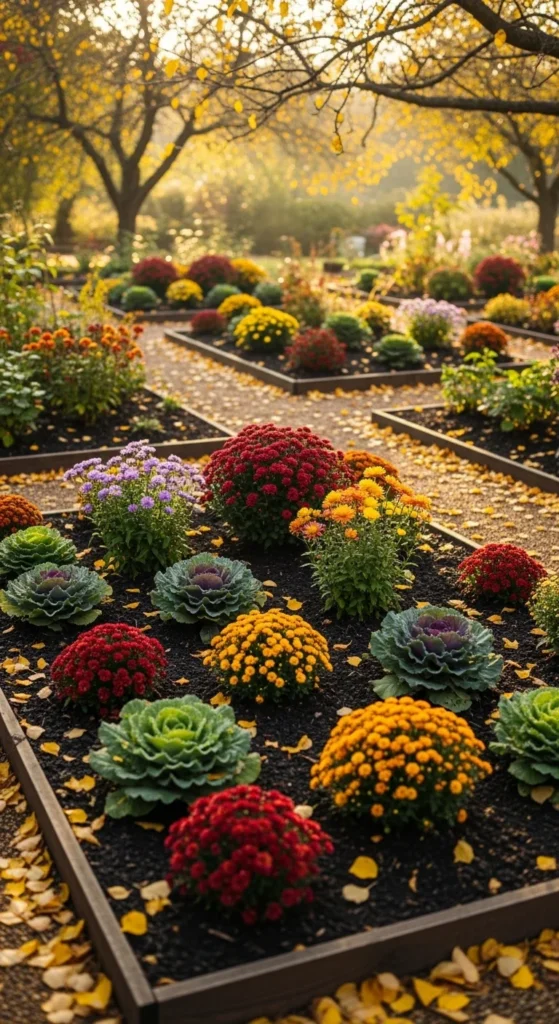
Fall is the perfect time to set your garden up for spring success. Cooler weather, gentle rains, and rich soil conditions make it an ideal season to plant and prepare. Whether you’re growing veggies, perennials, or bulbs, smart fall planting can lead to stronger roots, fewer pests, and more color next year. These 20 simple planting secrets will help you grow a garden that stays vibrant long after the first frost.
1. Choose Cold-Tolerant Plants
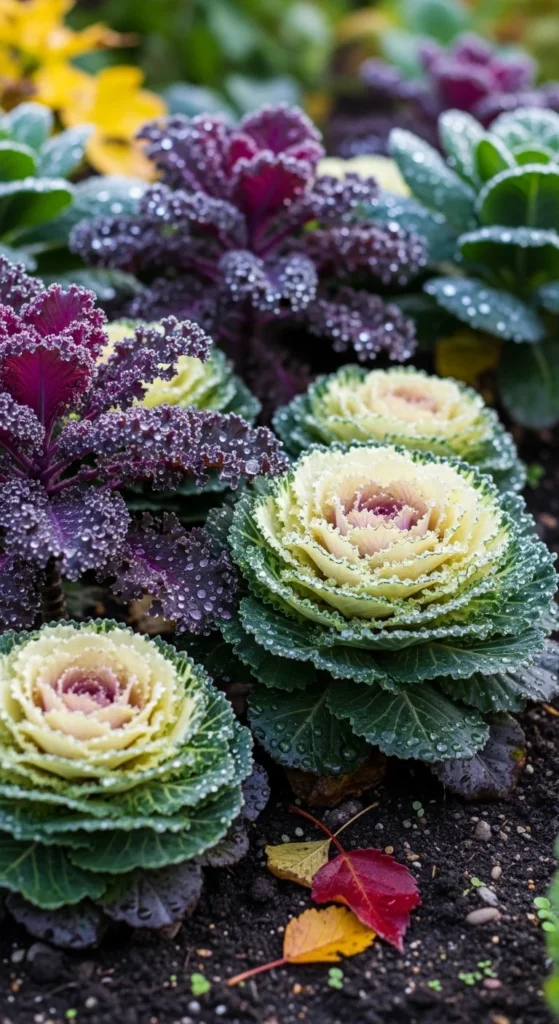
Pick plants that enjoy chilly weather. Think spinach, kale, carrots, pansies, and mums. These thrive when temperatures drop. Check local frost dates to time your planting right. Most cold-hardy plants grow stronger roots before winter, setting them up for early spring growth. Save money by starting from seeds rather than buying mature plants—just make sure your soil stays moist during germination.
2. Prepare Your Soil Early
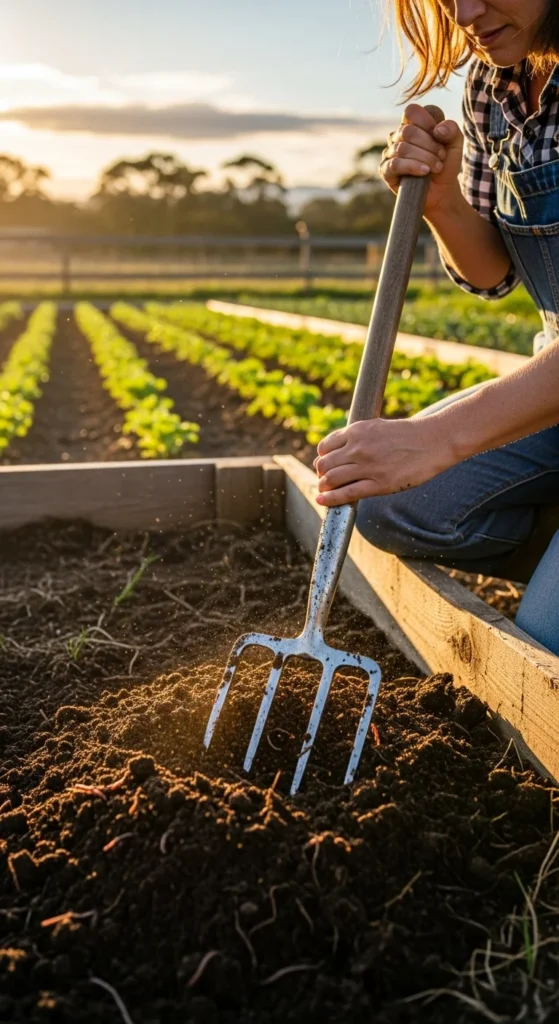
Before planting, loosen compacted soil and add organic compost. Fall soil tends to be softer and easier to work with. Mix in shredded leaves and aged manure for natural nutrients. Skip expensive fertilizers—homemade compost and a bit of sand for drainage can work wonders. Healthy soil now means less weeding and stronger plants later.
3. Plant Bulbs for Early Spring Color
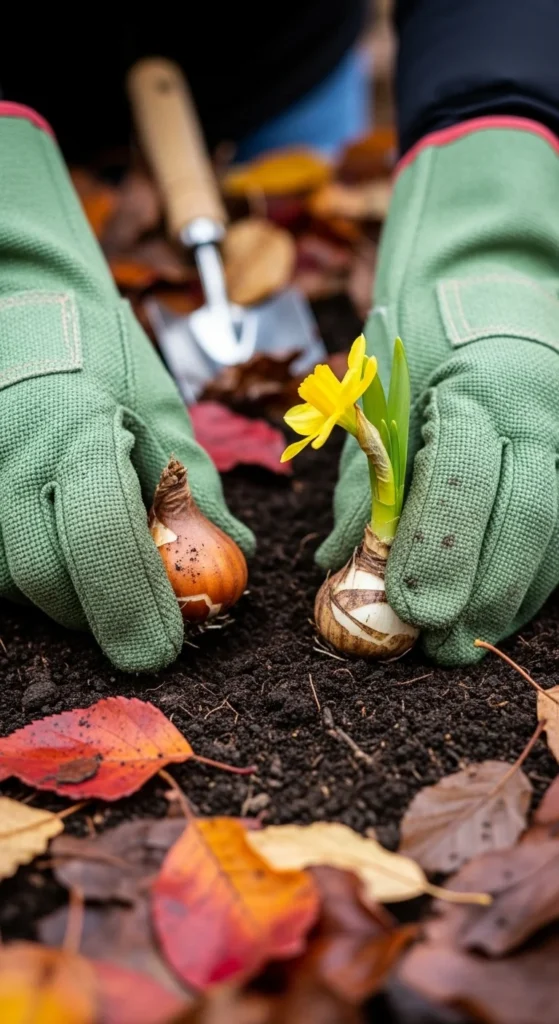
Plant bulbs like tulips, daffodils, and hyacinths six weeks before the ground freezes. Choose a sunny spot with good drainage. Add a handful of bone meal or bulb fertilizer to the hole before covering it. Water thoroughly once after planting, then let winter moisture do the rest. By spring, you’ll have a burst of color when your garden wakes up.
4. Use Mulch to Protect Roots
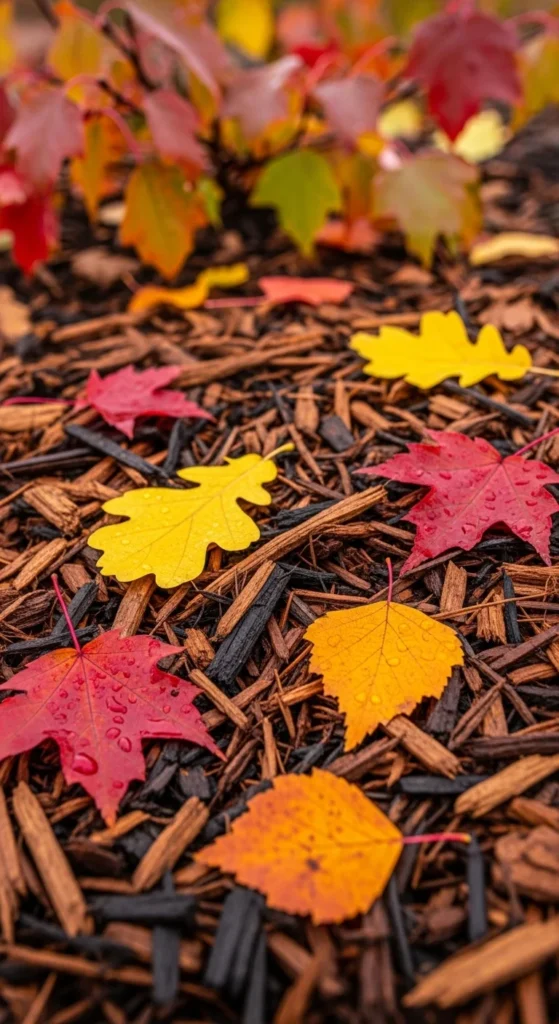
Add a thick layer of mulch—about three inches—around your plants. It acts like a blanket, keeping roots warm and moisture locked in. Use shredded leaves, straw, or wood chips. Avoid piling mulch directly against stems; leave a small gap to prevent rot. Mulching now also helps keep weeds under control during the cold months.
5. Water Deeply Before Frost
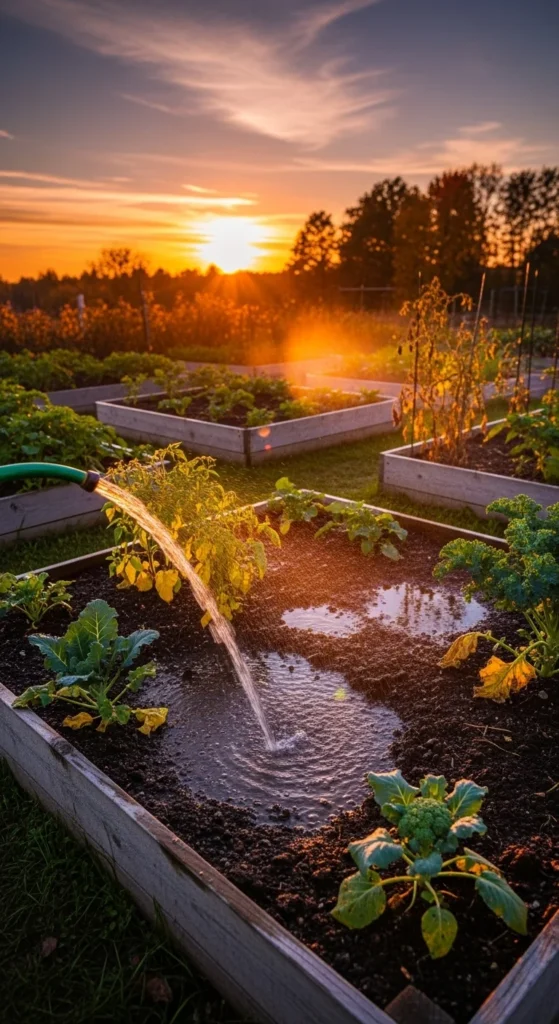
Give your plants one deep watering before the first freeze. Moist soil holds warmth better than dry ground. This step keeps roots from drying out and cracking in the cold. Use a soaker hose for slow, steady moisture absorption. If you’re short on time, focus on perennials and trees—they need it most.
6. Add Compost Directly to Beds
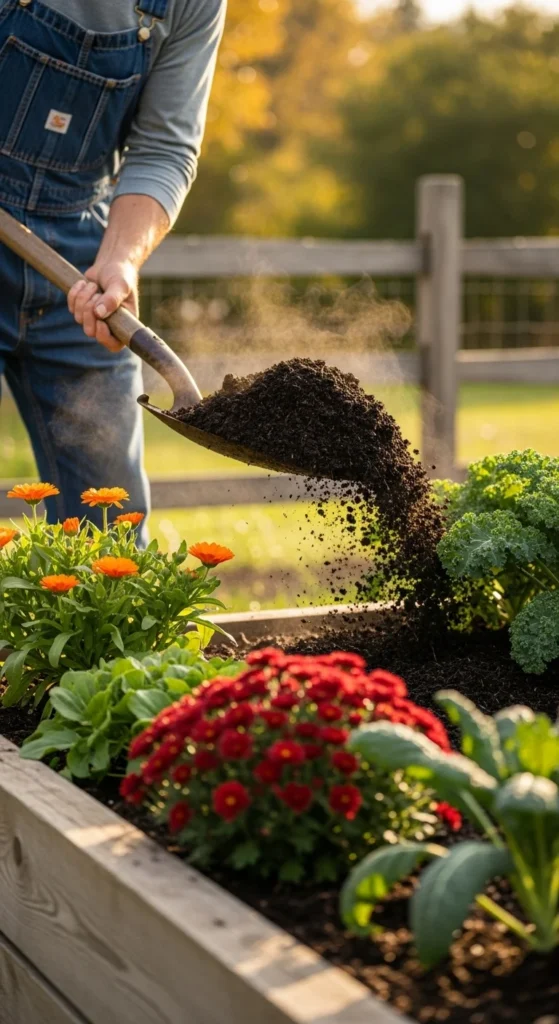
Don’t wait for spring to feed your garden. Top-dress beds with compost now so nutrients can break down over winter. Earthworms will pull organic matter deeper into the soil. Use kitchen scraps, shredded leaves, and grass clippings. Cover with mulch to keep the compost from blowing away. This free nutrient layer gives you a healthy head start come spring.
7. Divide Perennials Before Winter
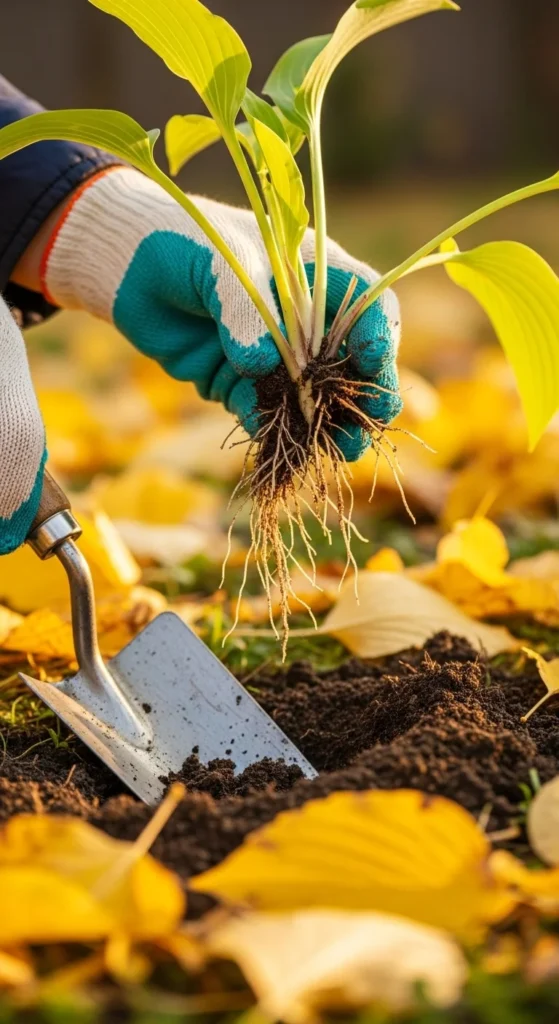
If your perennials are crowded, fall is perfect for dividing and replanting them. Use a clean spade to lift clumps, then separate them into smaller sections. Replant with fresh soil and water well. This helps them grow stronger and more balanced next season. It’s an easy, zero-cost way to expand your garden without buying new plants.
8. Start a Fall Herb Garden
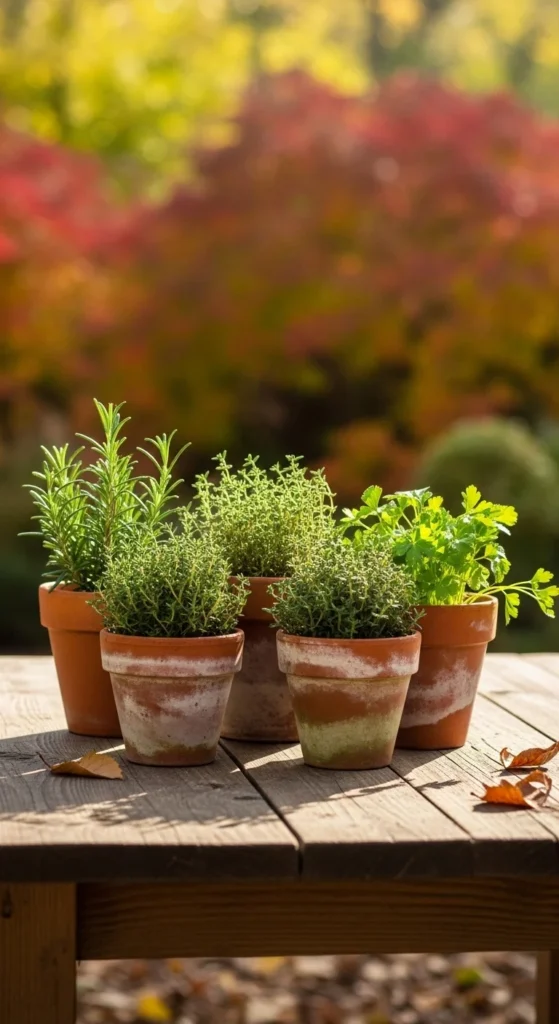
Cool weather is great for herbs like parsley, cilantro, and thyme. These herbs can grow well in pots or garden beds. Keep them near your kitchen for quick harvests. Water lightly but consistently. If frost threatens, bring the pots indoors. Fresh herbs during fall meals make gardening feel rewarding and cozy.
9. Clean Up Dead Plants and Debris
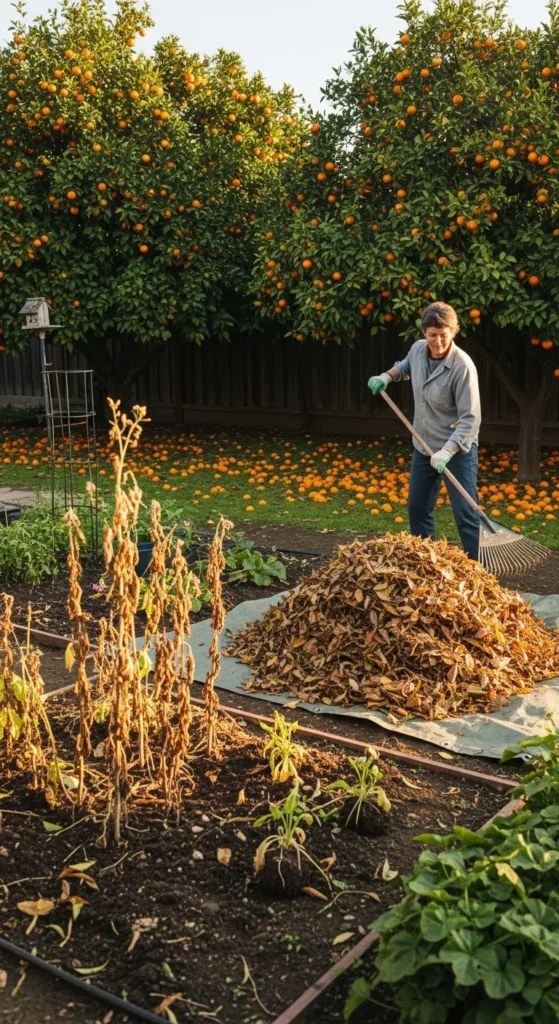
Remove old plants, weeds, and debris before planting anything new. These can harbor pests and diseases. Compost what’s healthy, and toss what looks moldy or damaged. A clean garden bed reduces future problems and gives your fall crops space to thrive. Think of it as clearing the stage for new life.
10. Protect Tender Plants with Row Covers
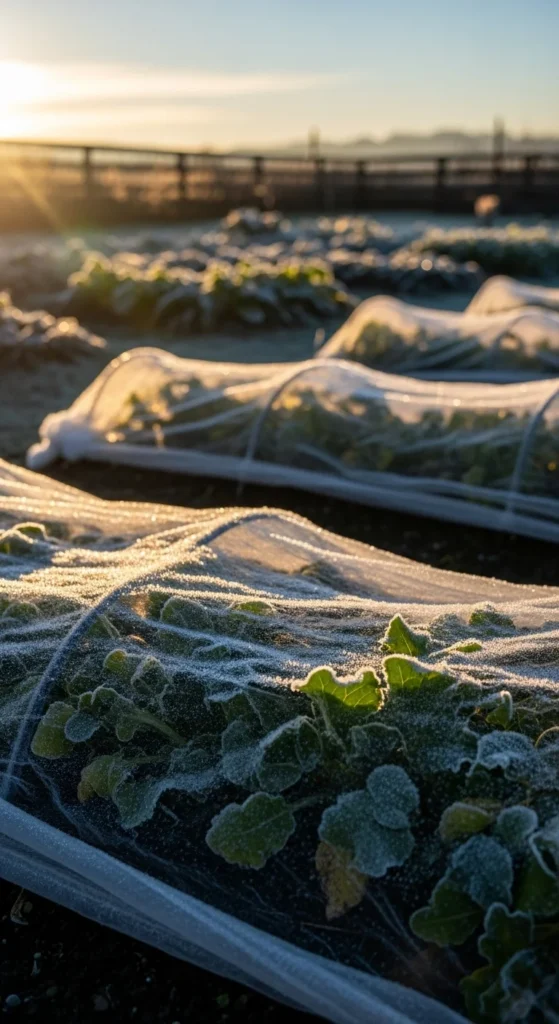
Use row covers or frost cloths to protect delicate greens from cold snaps. They trap warmth while allowing sunlight and rain through. You can make your own with old bedsheets or lightweight fabric. Anchor the edges with rocks or bricks. This small step extends your harvest by weeks without needing a greenhouse.
11. Grow Garlic for a Spring Harvest
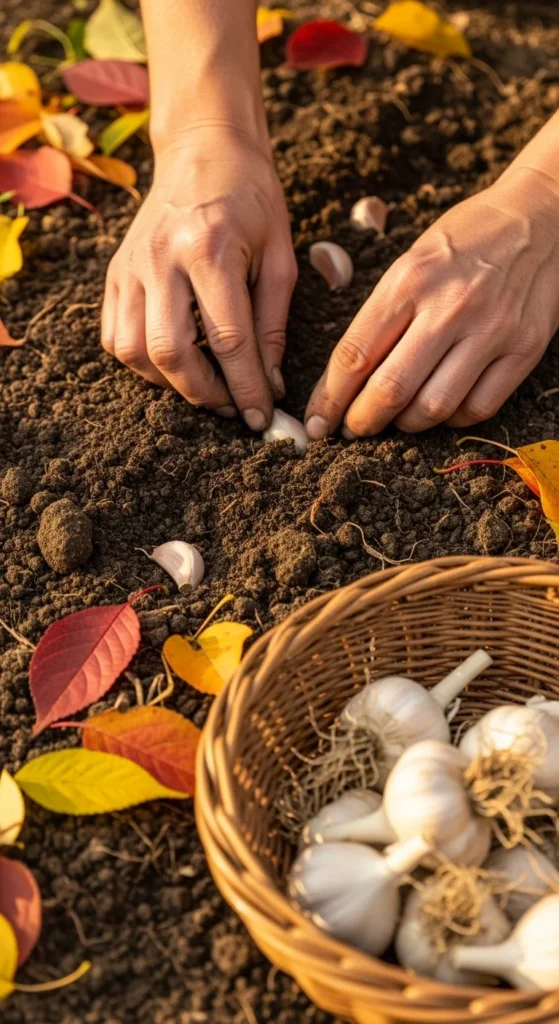
Garlic loves the cold. Plant cloves about two inches deep, pointy side up, in well-drained soil. Add mulch after planting. The cloves will grow roots before winter, then sprout early in spring. Each clove becomes a full bulb by summer. It’s one of the easiest crops to grow with very little maintenance.
12. Create a Simple Leaf Compost Pile
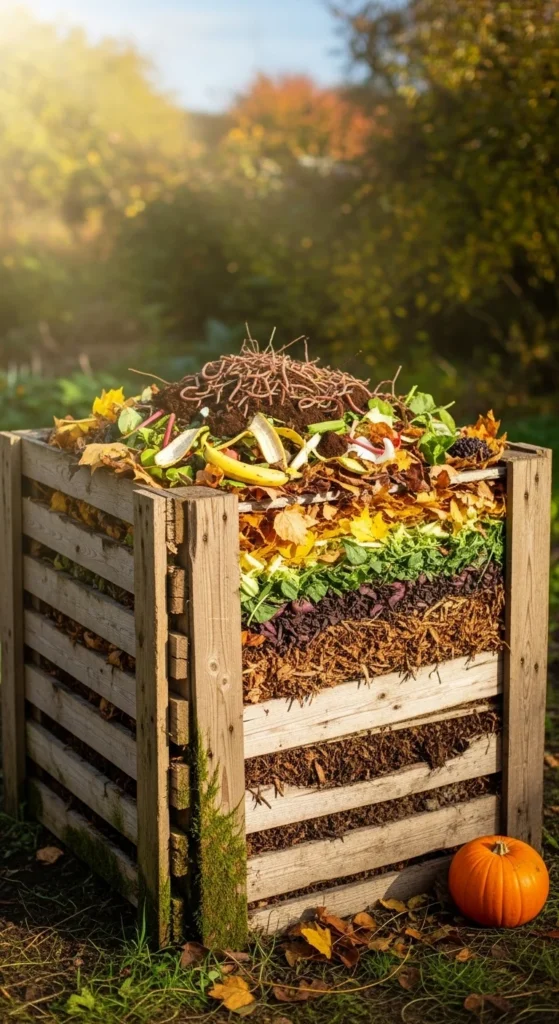
Instead of bagging fallen leaves, turn them into compost. Pile them in a corner or compost bin, mixing green and brown materials. Sprinkle with water every few weeks. By spring, you’ll have rich leaf mold to improve your soil. It’s free, natural, and reduces waste around your yard.
13. Refresh Garden Paths and Borders
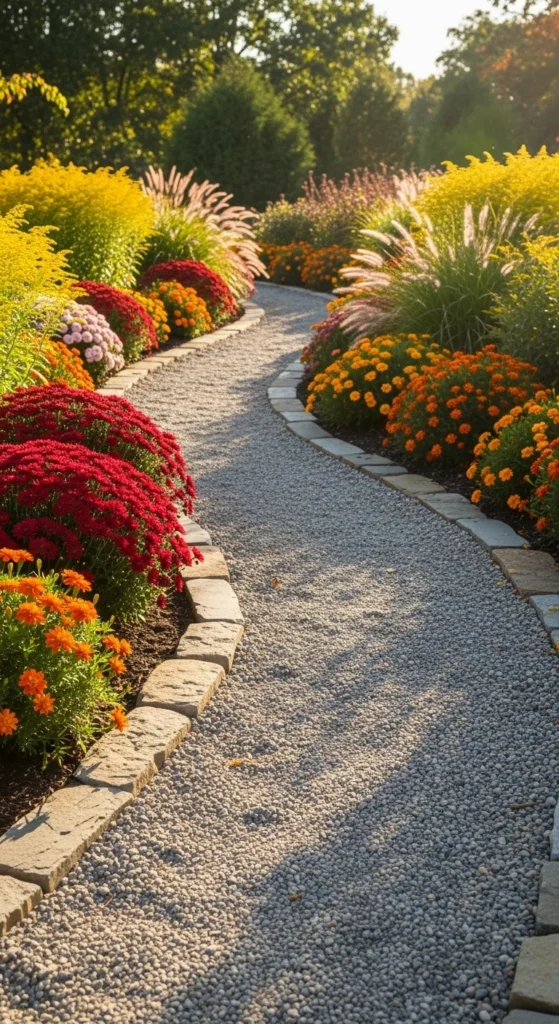
Tidy up paths with new gravel, mulch, or stones. Clean borders make your garden look neat through the off-season. Use leftover bricks or wood for edging to save money. You can also plant low-growing herbs like thyme between stones for a living border that smells wonderful when walked on.
14. Use Raised Beds for Better Drainage
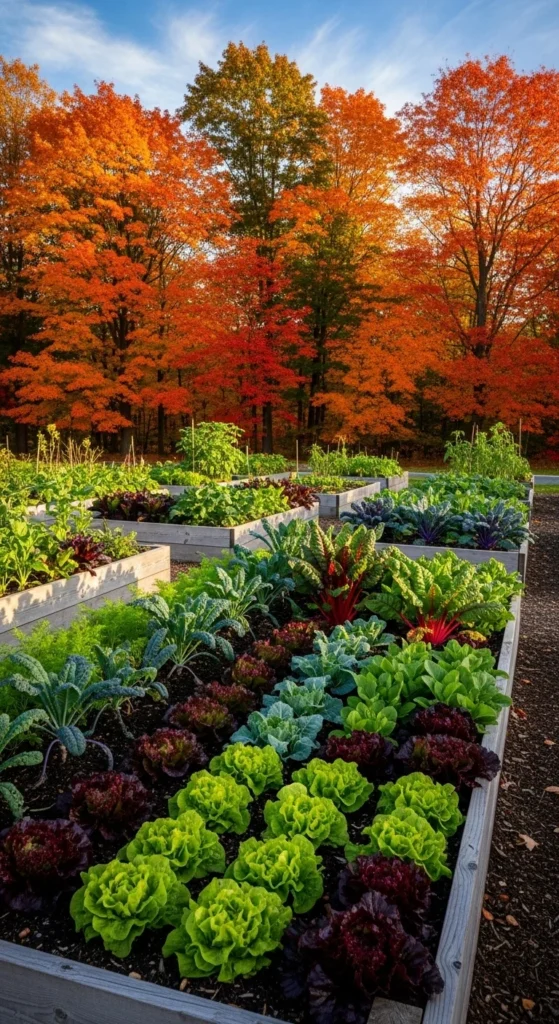
Rainy fall weather can lead to soggy soil. Raised beds prevent root rot by improving drainage. You can build them with reclaimed wood or cinder blocks. Fill with compost-rich soil and mulch. They warm faster, too, letting you grow crops longer into the season.
15. Add Evergreen Shrubs for Winter Color
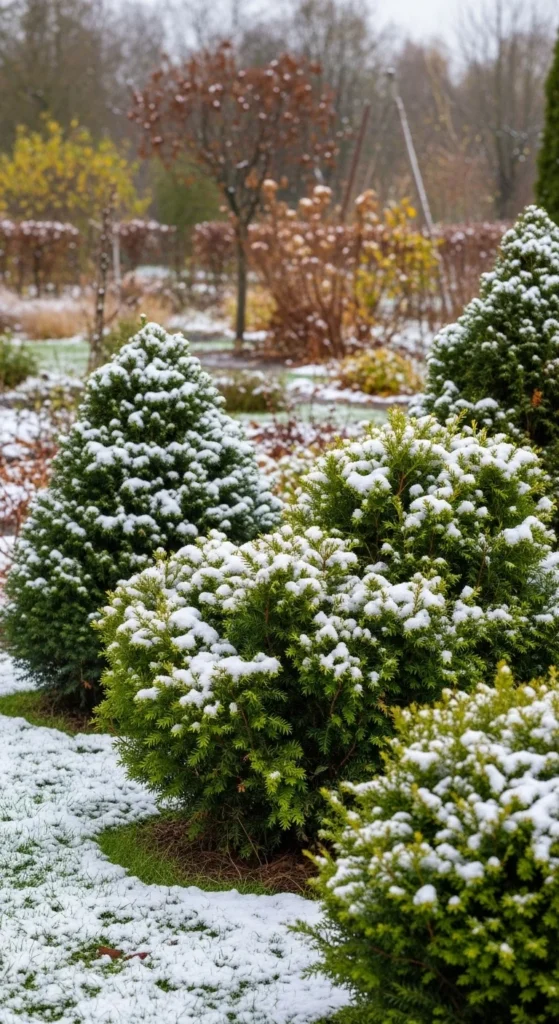
Don’t let your garden go dull. Plant evergreens like boxwood, juniper, or holly for structure and color year-round. They’re low-maintenance and provide shelter for wildlife. Mix them among deciduous plants to keep your landscape lively even when flowers fade.
16. Label Everything Before Winter
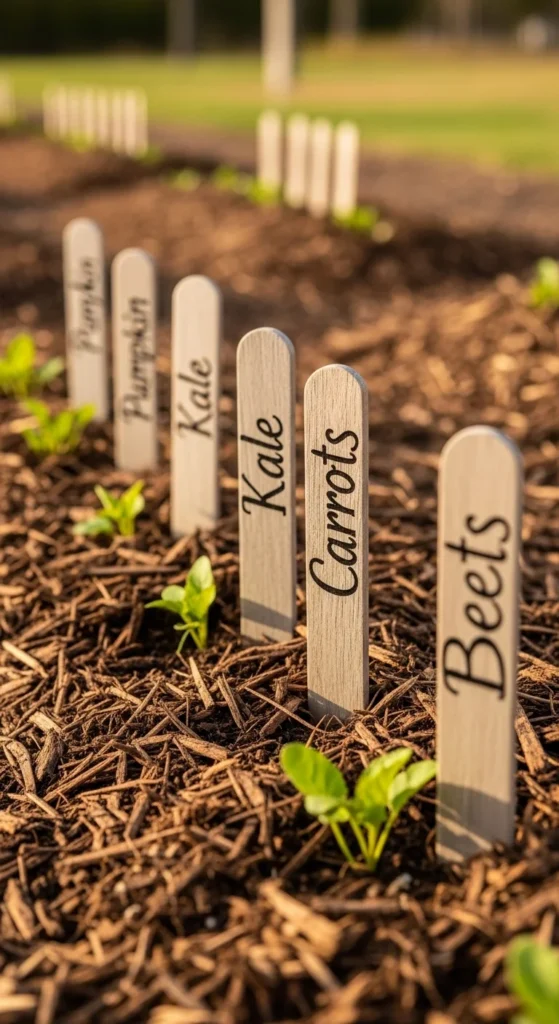
Label new plantings now while you remember where everything is. Use weatherproof garden markers or painted stones. By spring, you’ll know what’s growing where—no surprises or guesswork. It’s a small detail that saves confusion and keeps your garden organized.
17. Test Your Soil’s pH
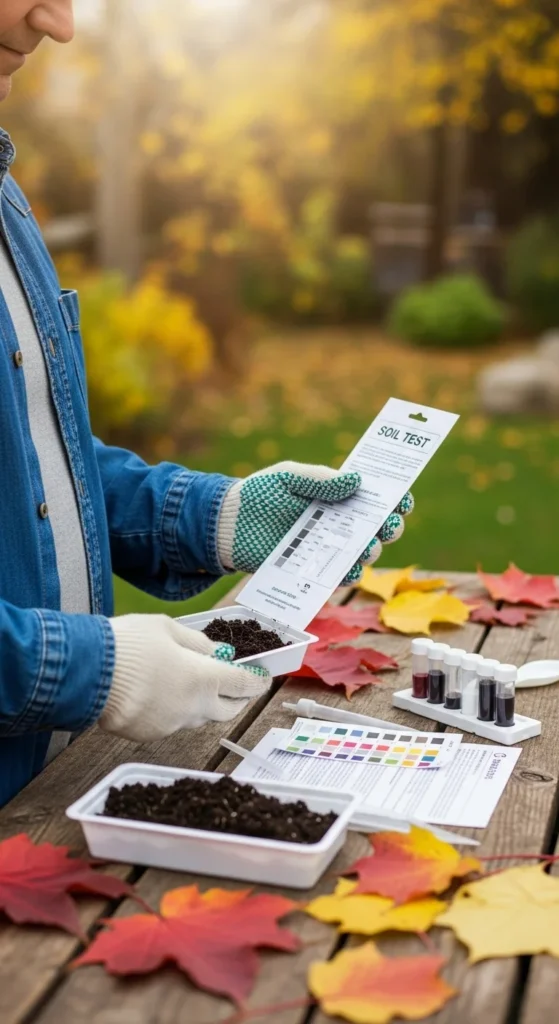
Fall is a calm time to check your soil pH. Use an affordable home test kit. Most vegetables prefer slightly acidic soil around 6.5. Adjust it naturally—add lime to raise pH or sulfur to lower it. Testing now helps you make slow, steady improvements before spring planting begins.
18. Save Seeds for Next Year
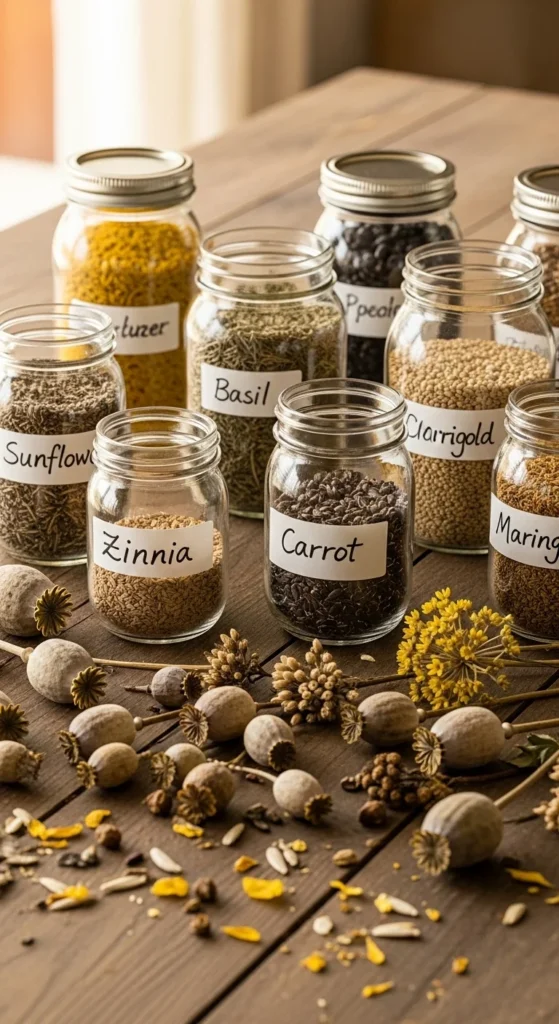
Collect seeds from your healthiest plants. Dry them thoroughly before storing in airtight jars or envelopes. Label each clearly. Store in a cool, dark place. This habit saves money and lets you keep growing your favorite varieties. Over time, your seeds adapt to your local climate.
19. Add Pollinator-Friendly Plants
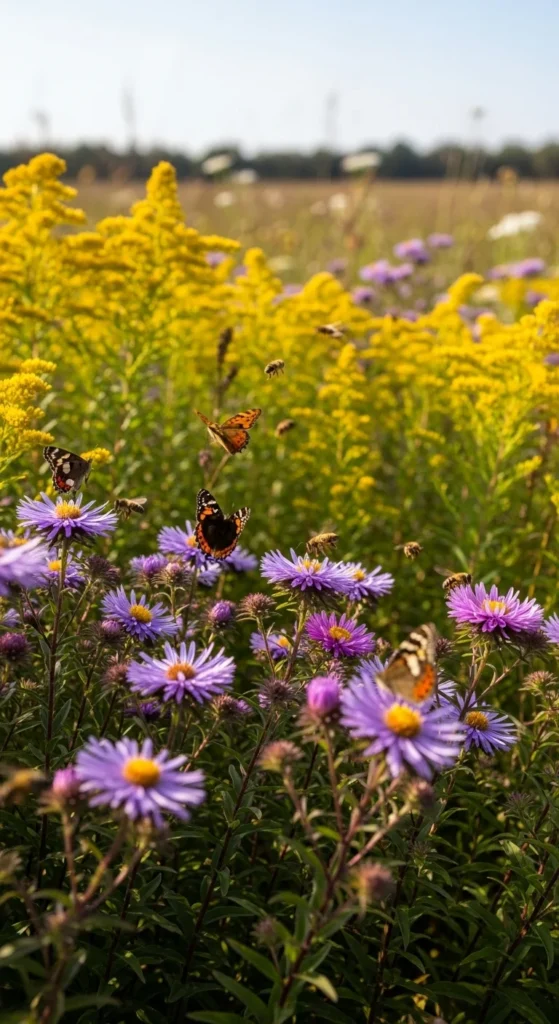
Even in fall, pollinators need food. Plant late bloomers like asters, goldenrod, and coneflowers. These keep bees and butterflies active until frost. A few clusters in your yard make a big difference for local ecosystems. It’s a kind gesture that also adds bursts of color.
20. Plan Your Spring Layout Now
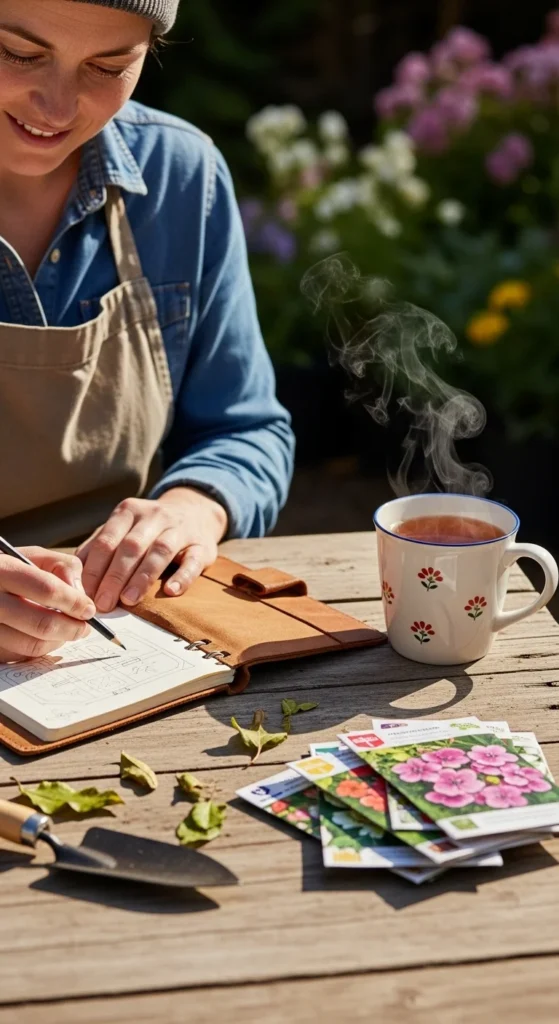
Take a few minutes to map out next season’s beds. Decide where to rotate crops, add flowers, or expand. Planning now prevents overcrowding and wasted space later. Sketch ideas on paper or use a simple garden planner app. It’s a relaxing fall activity that makes spring feel closer already.
Conclusion
A little work in the fall goes a long way toward creating a lush, thriving garden next year. From mulching and composting to planting bulbs and herbs, every small action helps your soil stay alive and ready. Take these 20 planting secrets to heart, and when spring arrives, your garden will reward you with color, growth, and joy all season long.

Leave a Reply