

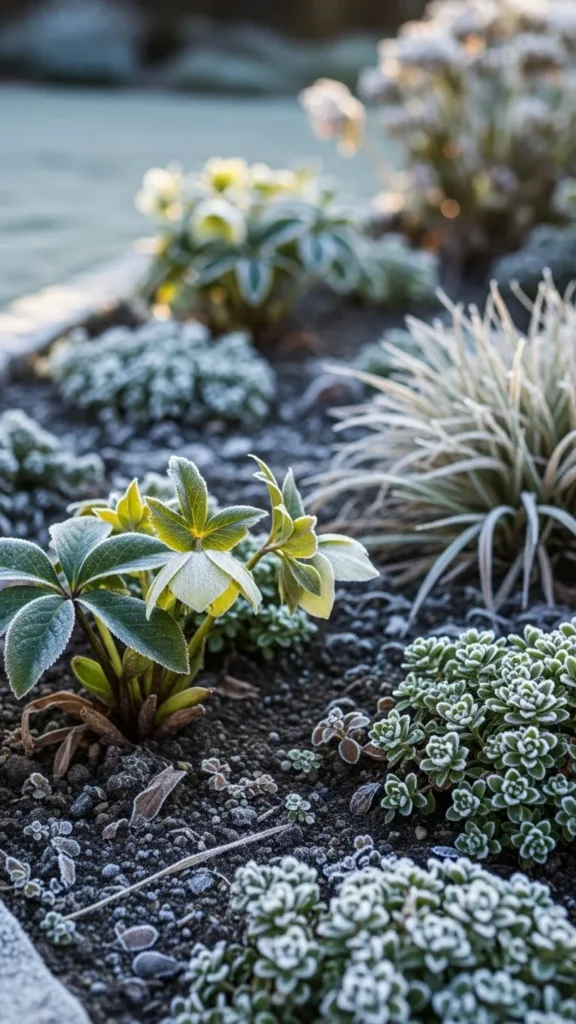
A frost-proof garden doesn’t happen by accident. It comes from choosing plants that keep coming back stronger year after year, even after the coldest nights. These hardy perennials push through icy soil, stay steady during deep freezes, and reward you each spring with dependable color and leafy growth. If you want a low-maintenance garden that doesn’t collapse every winter, these plants are reliable choices. Each option below includes simple, affordable steps that help you grow a landscape that stays alive even when temperatures drop.
1. Hellebores (Lenten Rose)
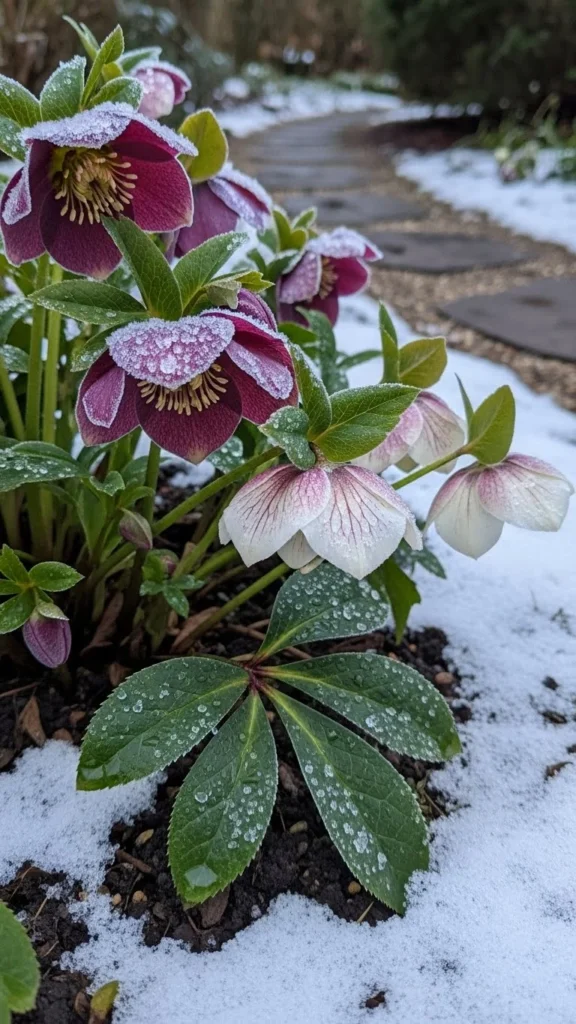
Hellebores are winter superstars. They push up blooms when most plants stay asleep. Their thick evergreen leaves handle freezing nights without collapsing. You can place them under trees or along shaded borders where color is limited. Water lightly when the soil is dry, but avoid soaking. They prefer consistent moisture rather than heavy watering.
Add mulch around the base to protect roots and keep the soil soft. You don’t need anything fancy—shredded leaves from your yard work great. If you want a fuller look, plant three hellebores in a triangle spacing. This creates a natural cluster that looks lush without extra effort. Use compost once a year to support steady growth. They spread slowly, which helps you fill out shady spots without buying many plants. Their ability to stay strong during frost makes them one of the easiest perennials to rely on.
2. Sedum (Stonecrop)
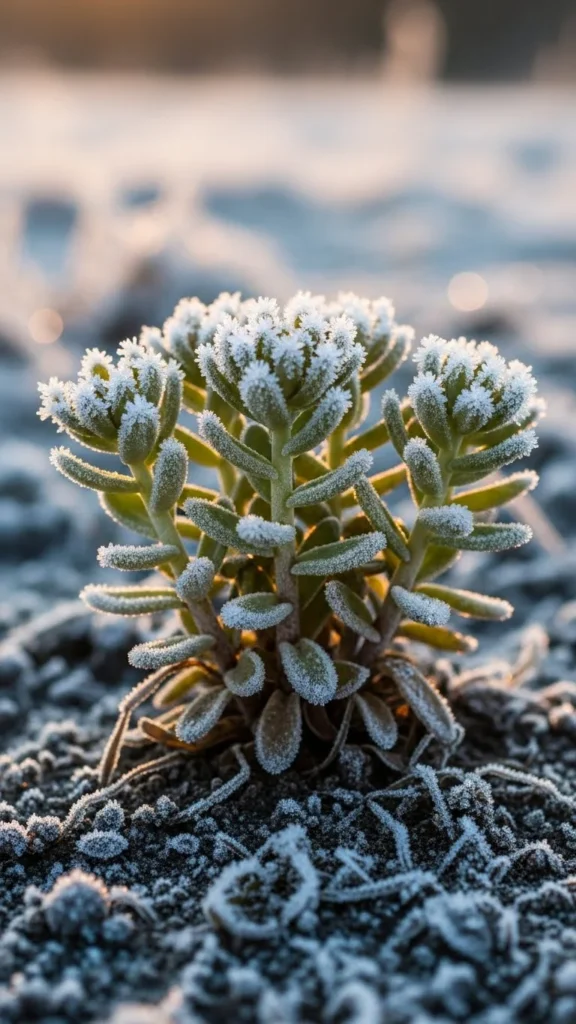
Sedum thrives in tough conditions. Its thick leaves store moisture, helping it handle winter dryness and frost. It works well along walkways, rock gardens, and sunny borders. Choose a sunny spot and well-draining soil. Sedum dislikes wet roots, so keep watering light once temperatures drop.
To stretch your budget, divide older sedum clumps in fall. You can split a single plant into four or five pieces. Replant the sections a foot apart for an affordable way to thicken garden beds. Use pea gravel or small stones around the base to keep stems dry in winter. This also gives your garden a clean, modern look. Sedum returns stronger each spring and needs very little care. Its reliability during frost makes it a favorite for gardeners who want something easy and attractive.
3. Coneflower (Echinacea)
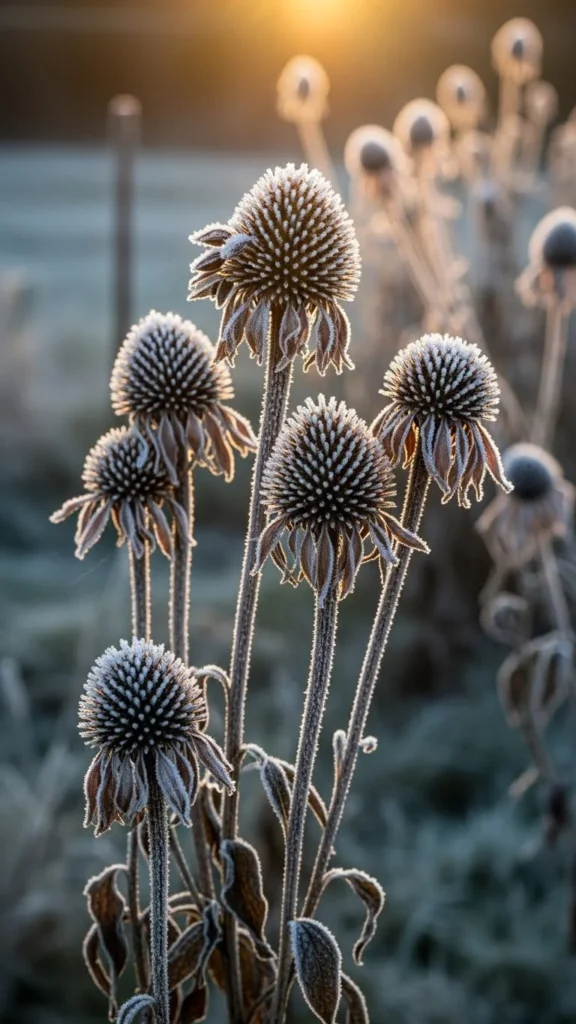
Coneflowers are sturdy plants that hold their shape through winter frost. Even when the flowers fade, the seed heads stay upright and add structure to your garden. Birds love them too, which brings extra life to the yard. Plant them in a sunny area with soil that drains well.
To keep them coming back stronger, trim the stems in early spring. Leave the seed heads over winter so they can protect the crown and help feed wildlife. If you want more plants without spending extra money, collect the dry seeds and sprinkle them in bare spots. They often germinate naturally after winter cold. Water deeply but not often, helping the roots grow strong. Coneflowers return bigger each season, giving you reliable color from summer through fall.
4. Russian Sage
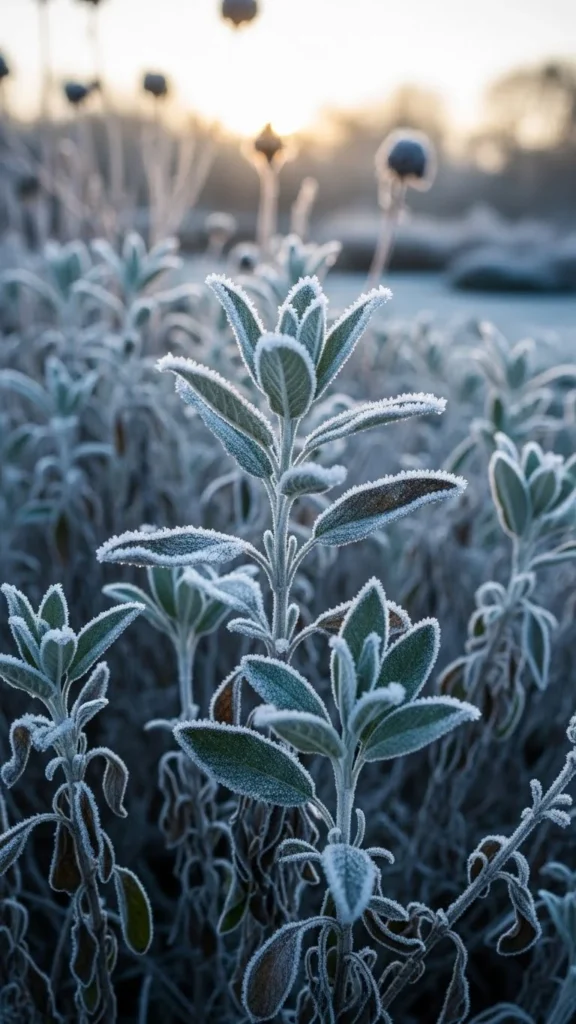
Russian sage loves cold weather. Its woody stems and silvery leaves stay sturdy long after frost sets in. Plant it in a sunny spot where the soil drains easily. Once established, it doesn’t ask for much water. A light drink every few weeks during dry winter spells is enough.
Cut the stems back in late winter to encourage fresh spring growth. You don’t need precise cuts—just trim them a foot above the ground. If you want more plants, take a cutting in spring and let it root in a cup of damp soil. This gives you a free, easy duplicate. Russian sage creates height without work and keeps your garden looking full even when many plants fade.
5. Black-Eyed Susan (Rudbeckia)
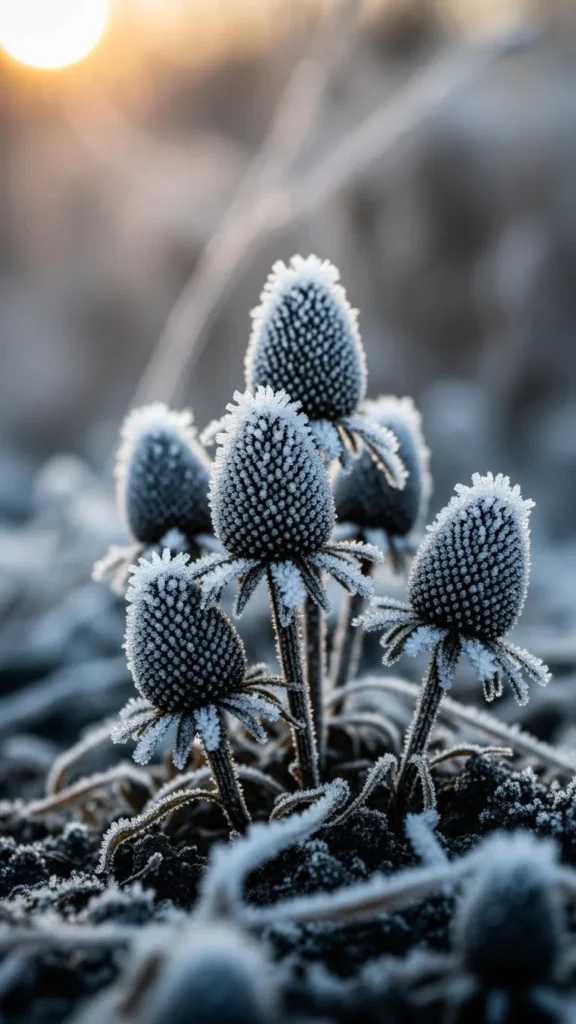
Black-eyed Susans return with strength year after year. They handle frost well and spread naturally, giving you more plants without effort. Plant them in sunny spots for the strongest growth. They also work well near fences or in large clusters along borders.
To help them stay healthy, cut back old stems in early spring. Leave a thin layer of leaves around the roots during winter so the soil doesn’t freeze solid. You can easily divide large clumps in fall and plant the divisions around your yard. This is an affordable way to fill big areas. These bright flowers grow tough and bounce back even after heavy frost.
6. Yarrow
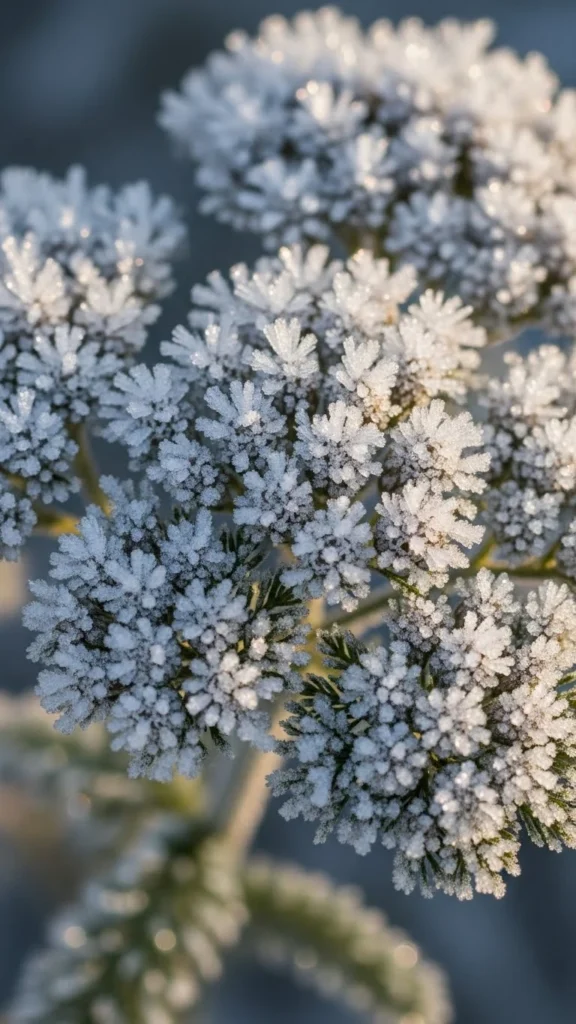
Yarrow is one of the most reliable perennials for cold climates. Its feathery leaves stay low and firm through winter. It grows well in poor soil, making it ideal for spots where other plants struggle. Pick a sunny location and loosen the soil with basic compost.
During winter, yarrow needs very little water. A light layer of mulch helps protect the crown during freeze-thaw cycles. If you want a fuller garden on a budget, divide the plant in early spring. Each section takes off quickly and fills empty spaces. Yarrow’s tough nature makes it great for beginners and low-maintenance gardeners.
7. Hostas
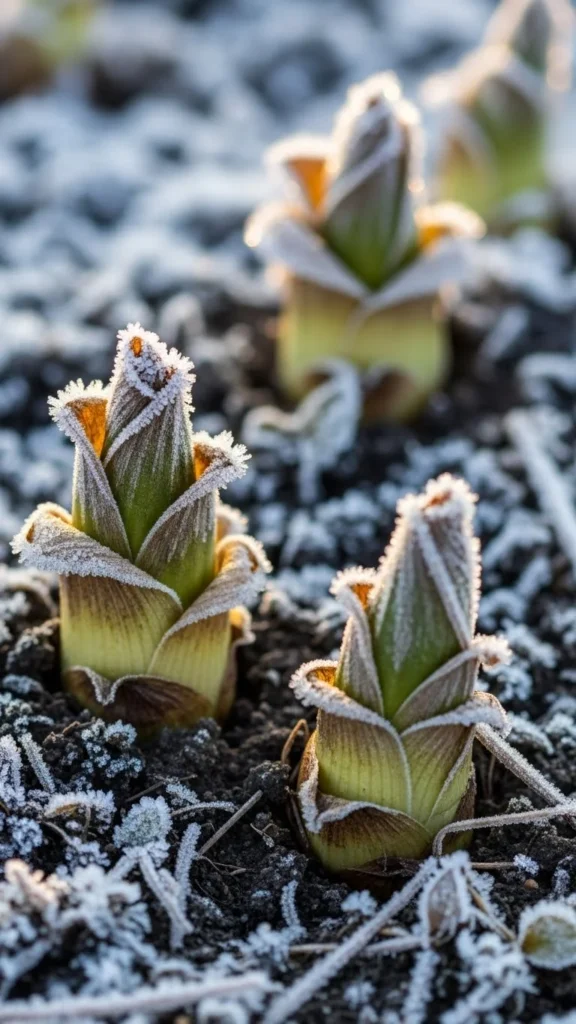
Hostas die back in winter, but the roots remain strong under the soil. Frost does not slow them down. They return larger every year and give shady spaces a soft, lush look. Plant them under trees or along fence lines.
Add mulch around the crowns in late fall. You don’t need expensive mulch—dry leaves work well. Water lightly until the ground freezes. For an affordable expansion, split mature hostas in spring. Use a simple garden knife to divide the roots into two or three pieces. Replant the divisions a foot apart for a full, layered look. Hostas survive cold weather easily and reward you with big, healthy leaves each spring.
8. Daylilies
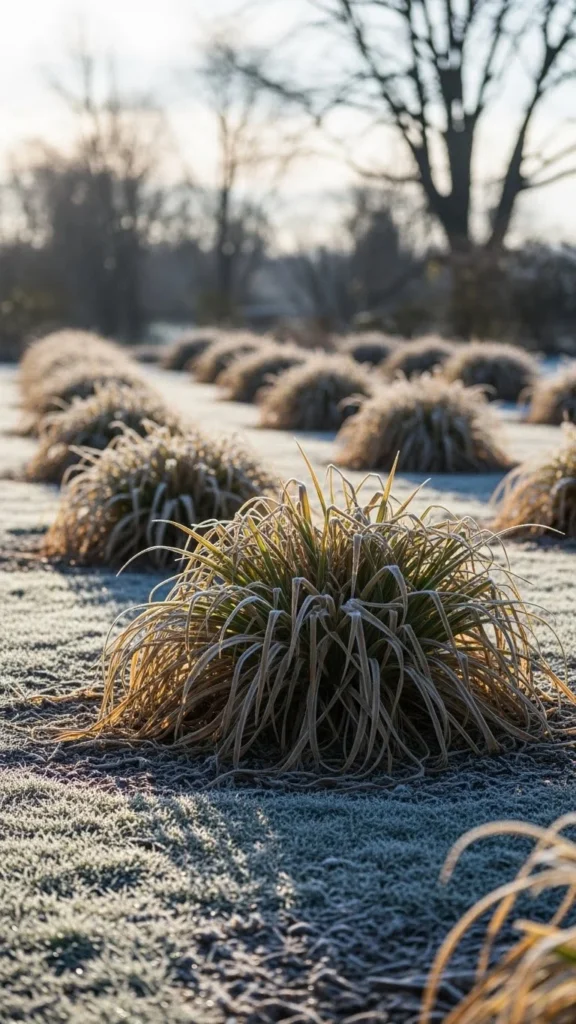
Daylilies are tough perennials that thrive in frost. Their thick root systems protect them during freezing nights. They return with vibrant blooms all summer. Plant them in sunny or lightly shaded areas.
To help them come back strong, trim old leaves in fall. A simple pair of scissors works fine. Add a thin layer of mulch to soften the soil and protect roots. If you want more plants without spending extra money, divide large clumps in spring. Daylilies adapt easily to new spots. Their frost-proof nature makes them perfect for gardens that need color without heavy upkeep.
9. Peonies
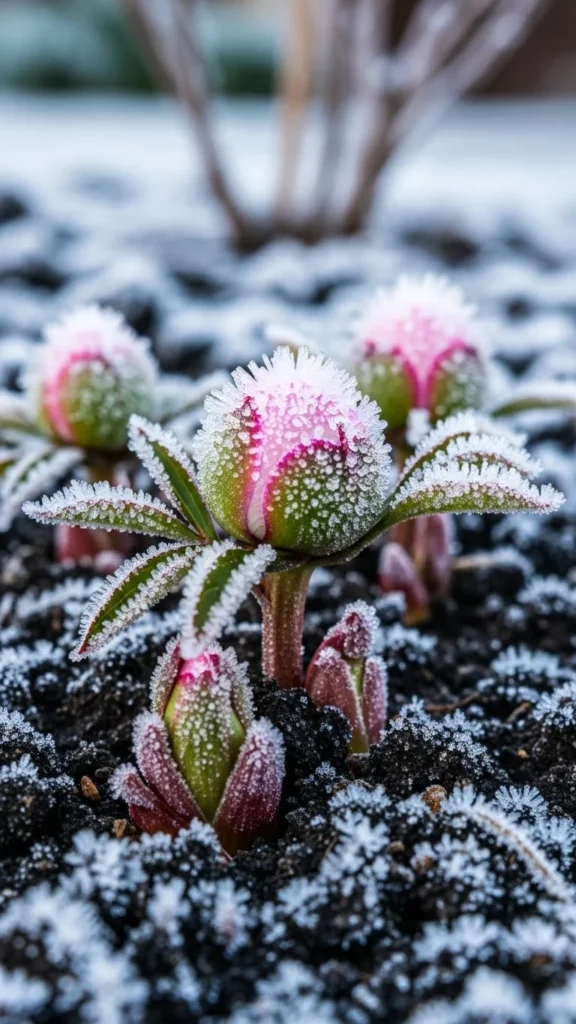
Peonies thrive in cold climates. In fact, they require winter chill to bloom well. Plant them in a sunny area with soil that drains well. Keep the eyes (buds) just below the surface. Planting too deep slows growth.
Cut back stems in fall and remove old foliage to keep the plant healthy. Add a layer of shredded leaves around the base for winter protection. Peonies last for decades, so one purchase can give you a lifetime of blooms. You can divide mature clumps in fall to expand your garden at no extra cost. Their ability to withstand frost makes them one of the most rewarding perennials.
10. Coral Bells (Heuchera)
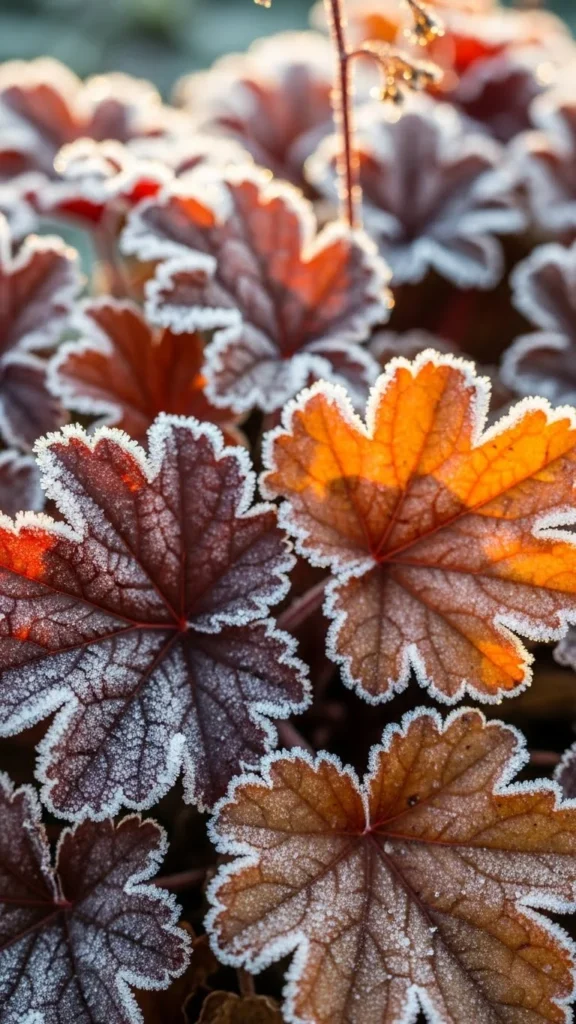
Coral bells stay semi-evergreen in many climates. Their colorful leaves hold up well against frost. They work beautifully along borders, pathways, and shaded garden sections. Plant them in well-draining soil with light shade.
Add a thin layer of mulch around the base to protect shallow roots. Water only when the soil feels dry. If you want a budget-friendly way to fill out your garden, divide the plant every few years. Each division grows quickly and keeps its color. Coral bells come back stronger each spring, giving you vibrant foliage without much work.
11. Lavender
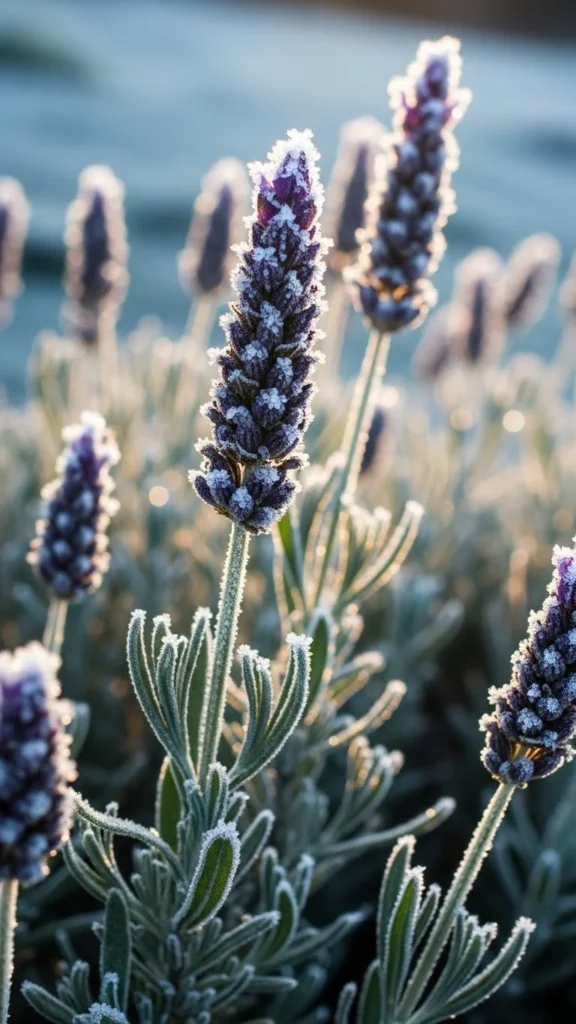
Lavender handles frost well when planted in the right spot. Choose sunny ground with sandy or rocky soil. Lavender prefers dry roots, especially in winter. Water sparingly during cold months.
Prune lightly in late spring to shape the plant without cutting into old wood. Add small stones around the base to improve drainage and give a tidy look. Take cuttings in spring for free new plants. Lavender returns reliably each year and brings scent and texture to the garden.
12. Bee Balm (Monarda)
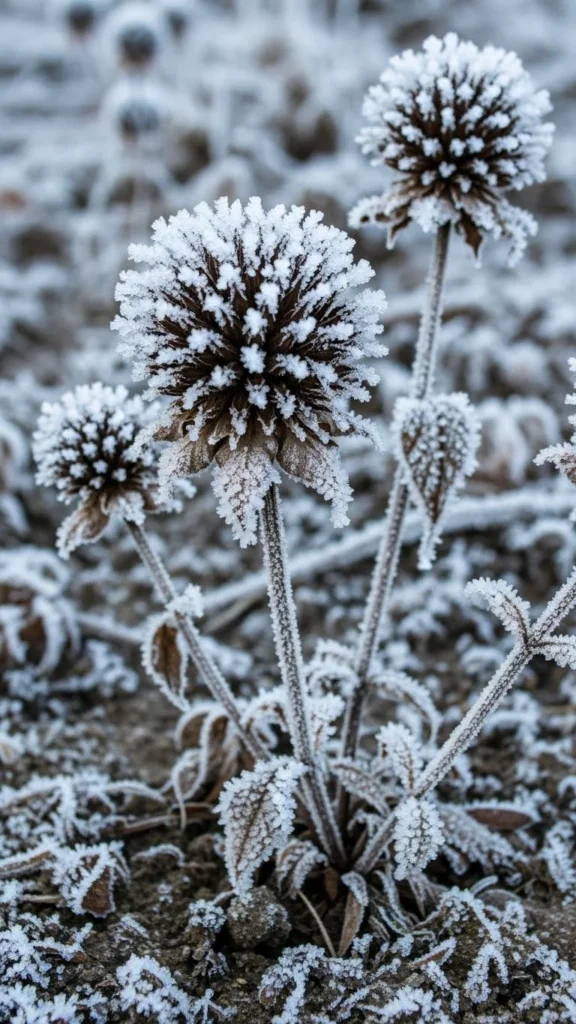
Bee balm survives frost with ease. Its square stems stay upright through winter, giving your garden structure. Plant it in full sun with soil that stays moist but not soggy.
Cut old stems in early spring to make way for new growth. Add compost once a year to support steady expansion. If you want to grow more bee balm for free, divide mature plants in fall. This plant also brings pollinators in summer, adding life and color to your yard.
13. Catmint (Nepeta)
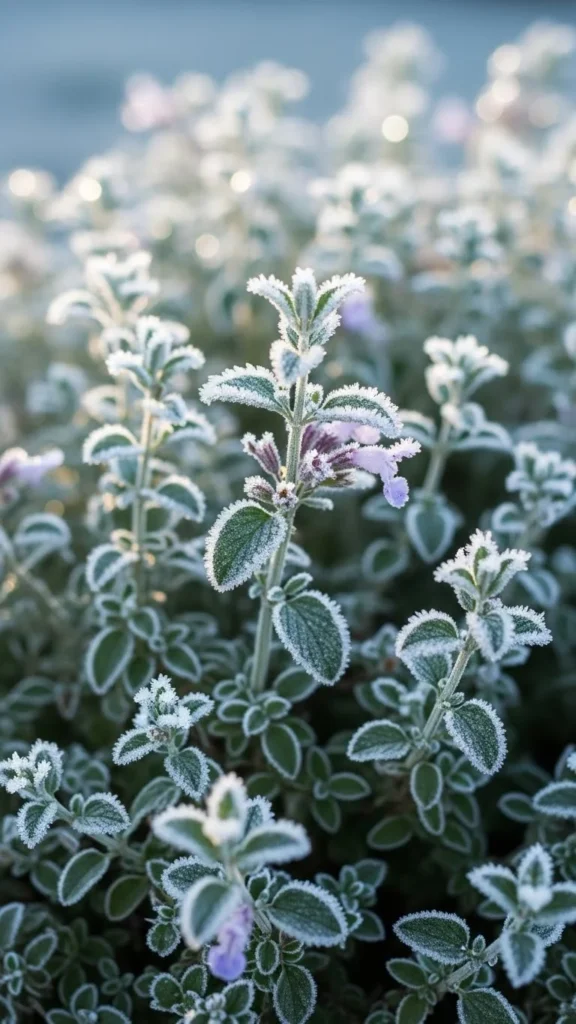
Catmint is frost-proof and drought-resistant. Its soft, fragrant leaves stay attractive even during cold weather. Plant it in full sun for the best growth.
Trim it lightly in late spring to encourage fresh blooms. You can divide older clumps every few years to fill in bare areas affordably. Catmint handles harsh weather with ease and returns each year looking fuller.
14. Phlox (Garden Phlox)
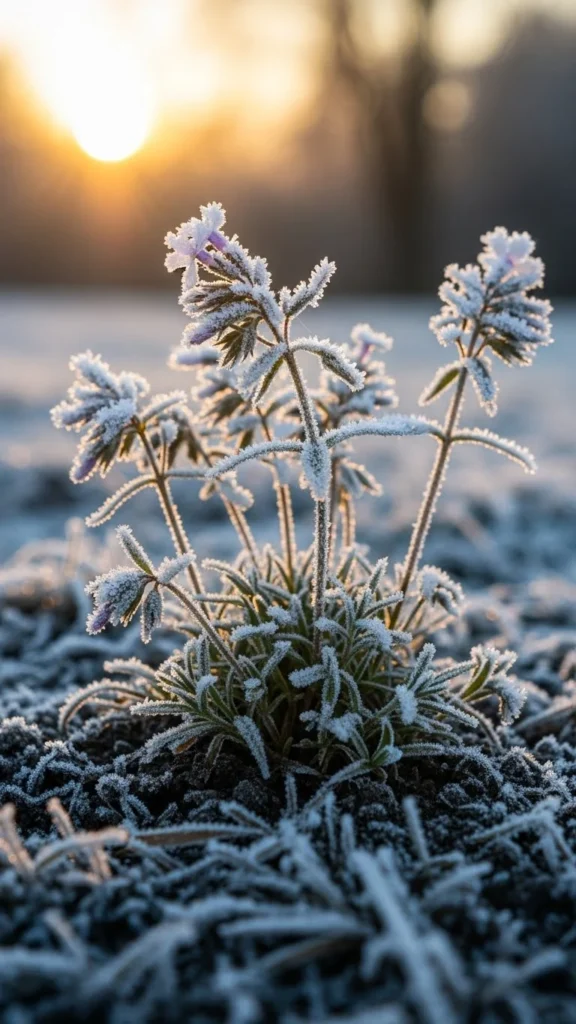
Phlox grows back strong after cold winters. It produces long-lasting blooms in summer and thrives in sunny garden beds. Plant in well-draining, slightly rich soil.
Cut back stems in fall and add a light layer of mulch around the base. If your phlox becomes crowded, divide it in early spring. This helps prevent disease and gives you more plants. Phlox offers color and height without complicated care.
15. Lamb’s Ear
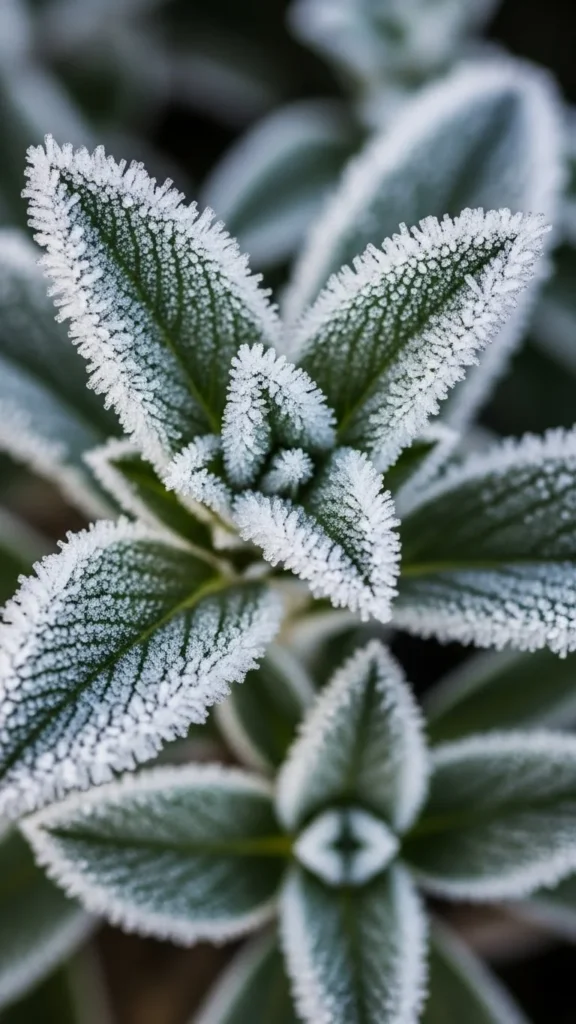
Lamb’s ear is durable and frost-proof. Its fuzzy leaves stay attractive even during winter. Plant it in sunny spots along borders or pathways.
Water sparingly in winter, as too much moisture can cause root issues. Divide large clumps in early spring for free expansions. Lamb’s ear spreads easily and returns with fresh, velvety growth each year.
16. Japanese Anemone
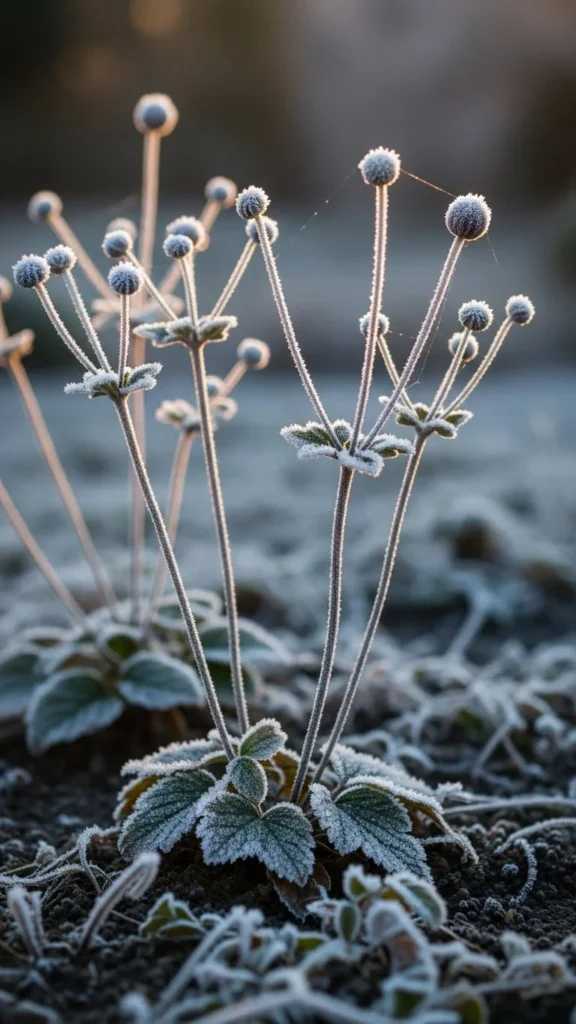
Japanese anemones survive cold weather well. Their roots stay strong underground, returning bigger each fall with soft pink or white blooms. Plant in partial shade with loose soil.
Add mulch around the base in fall. Water lightly during dry winter spells. Divide mature plants every few years to control their spread. These perennials add elegance without heavy work.
17. Bergenia (Elephant’s Ears)
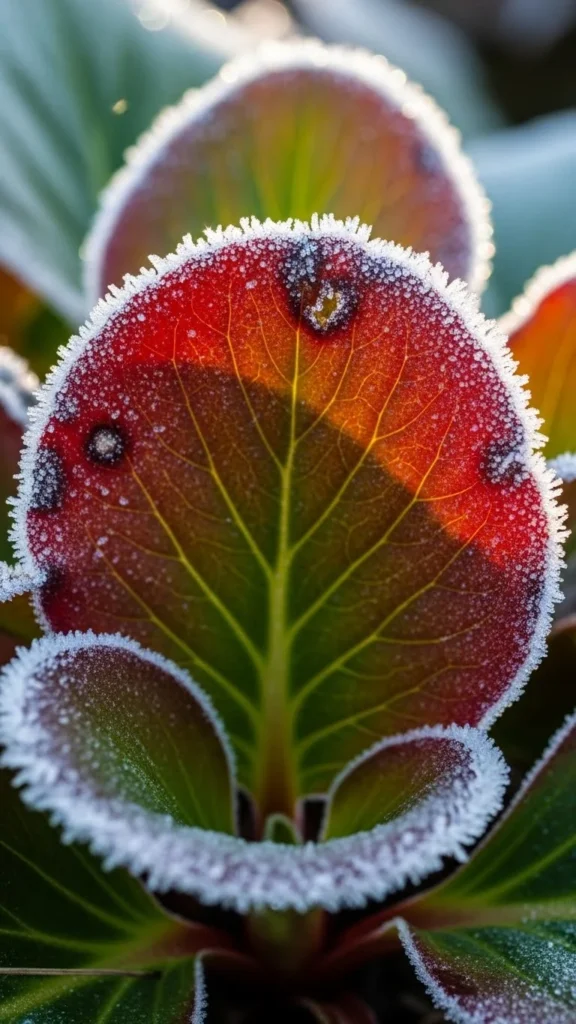
Bergenia has thick, leather-like leaves that resist cold. The foliage often turns red during winter, giving your garden color when most plants fade.
Plant in partial shade and give it simple compost in spring. Water lightly through winter. Divide the plant every few years to refresh growth. Bergenia thrives in frost and looks attractive year-round.
18. Salvia
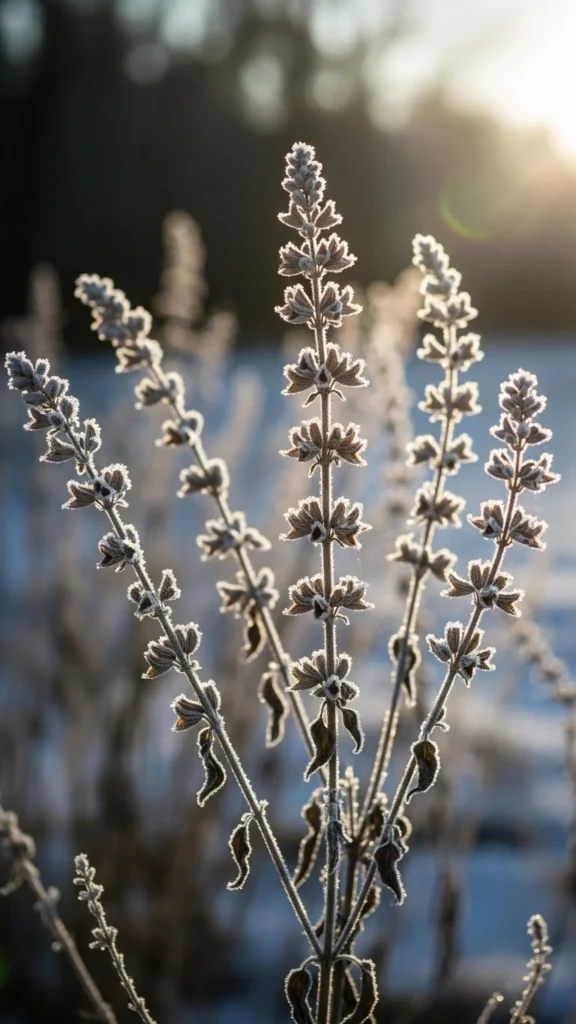
Salvia handles frost with ease. Its woody stems and deep roots survive cold nights without trouble. Plant in sunny spots with soil that drains well.
Cut back stems in late winter to encourage strong spring growth. Add a thin layer of mulch for protection. Take cuttings in spring if you want more plants without spending money. Salvia returns reliably each year.
19. Coreopsis
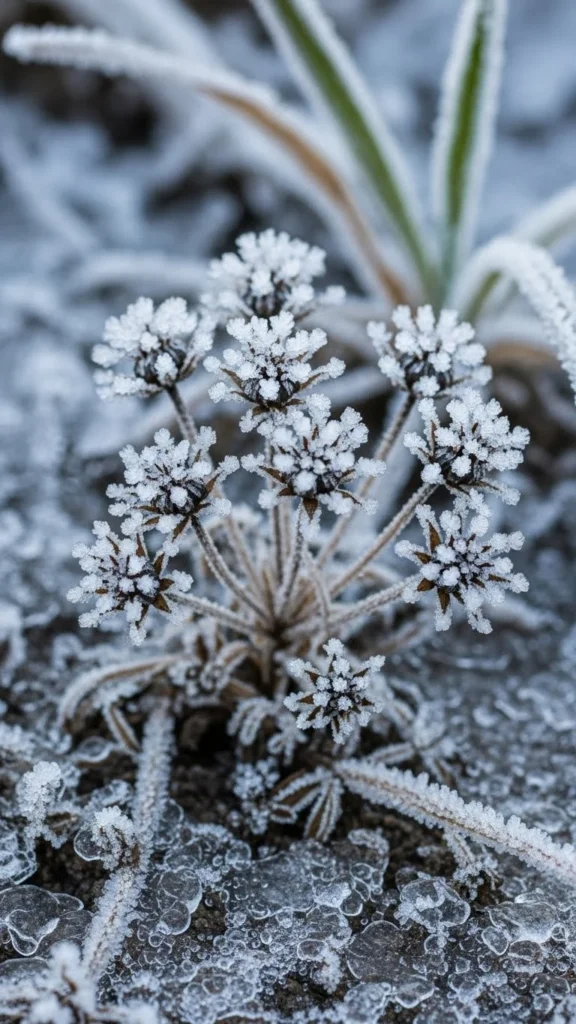
Coreopsis grows well in frost and returns with bright yellow flowers each summer. Plant in sunny areas with dry or sandy soil.
Cut back old stems in fall and leave a light mulch around the base. Divide older clumps in spring to keep the plant healthy and create free new starts. Coreopsis stays reliable even during harsh winters.
20. Iris
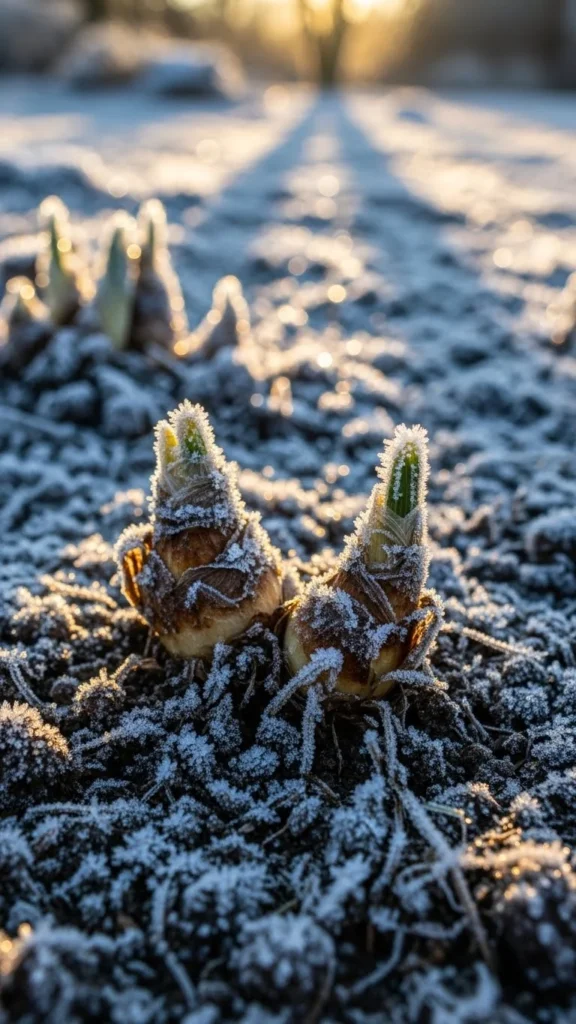
Iris plants thrive after cold winters. Their rhizomes store energy that helps them bounce back quickly in spring. Plant in sunny areas with well-draining soil.
Avoid covering rhizomes deeply. They prefer sitting near the soil surface. Divide the plants every few years to keep them vigorous. Iris handles frost easily and gives your garden height and color each year.
21. Baptisia (False Indigo)
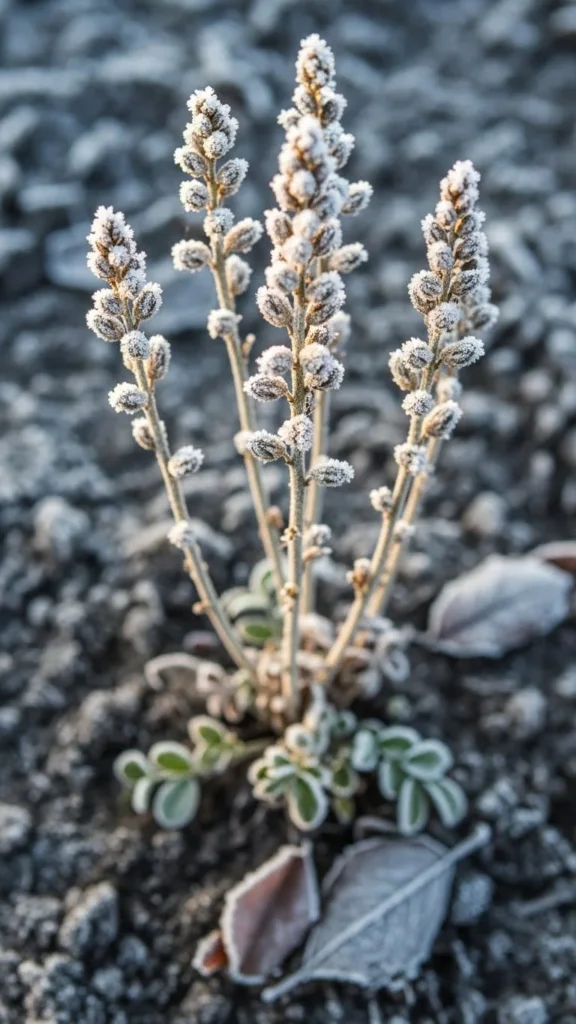
Baptisia is sturdy and long-lived. Its deep roots hold strong through winter frost. Plant it in full sun with loose, sandy soil.
Water lightly during winter. Once mature, baptisia needs very little care. You can divide it occasionally for more plants, but it often grows well without much interference. It returns bigger each year and adds structure to your garden.
22. Astilbe
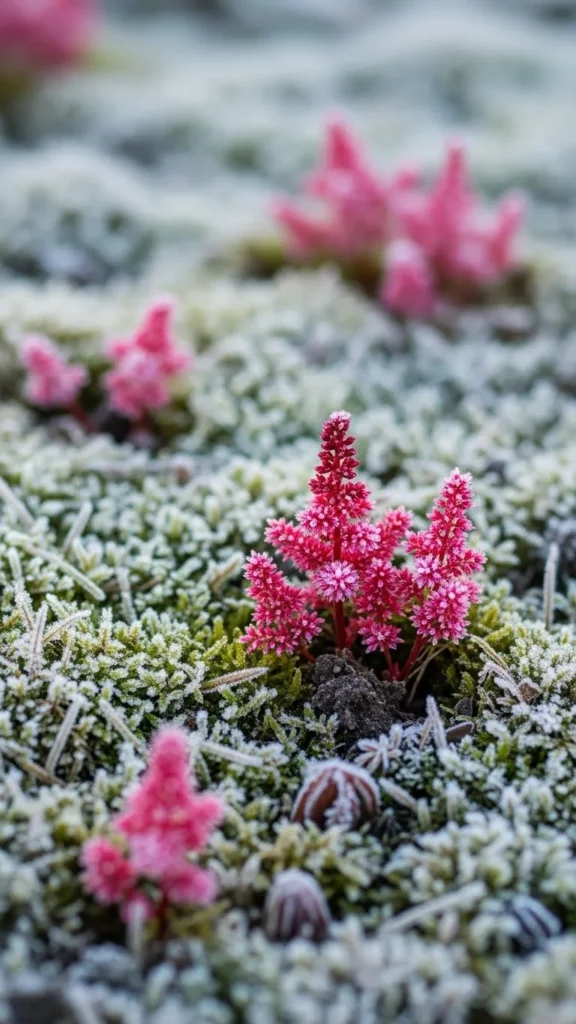
Astilbe handles frost well, especially when planted in shady or partially shaded areas. It loves moist soil, so water lightly during winter if your region stays dry.
Add compost around the base in early spring to support healthy foliage. Divide every few years for a low-cost way to fill shaded borders. Astilbe brings soft texture to your garden year after year.
23. Dianthus
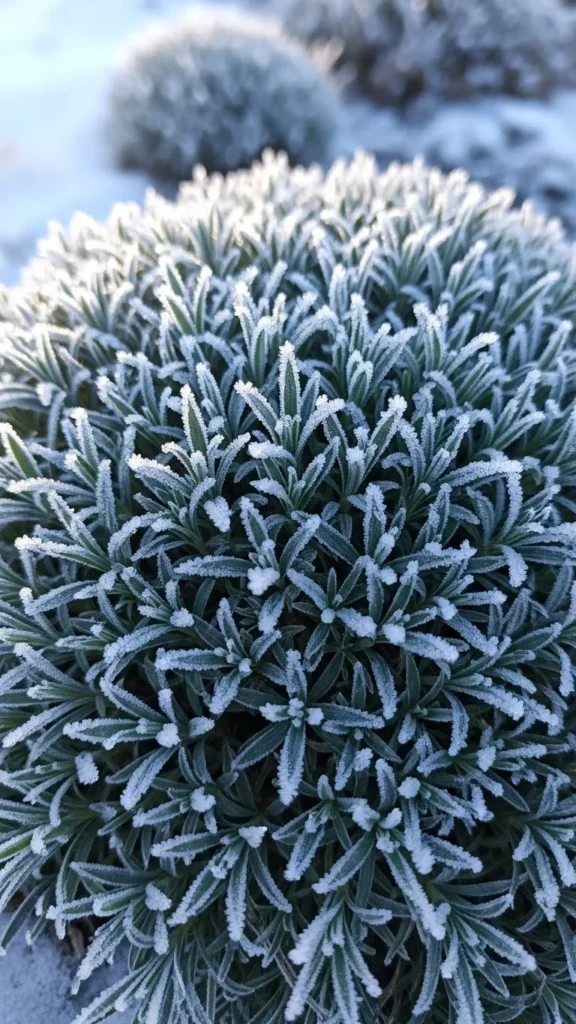
Dianthus stays compact and strong through winter frost. Its leaves remain sturdy and slightly evergreen in many climates. Plant it in sunny, well-drained soil.
Water lightly in cold months. Trim back old blooms in late summer to keep it tidy. Divide the clumps in early spring to create more plants at no extra cost. Dianthus returns stronger each year and adds soft color to your borders.
Conclusion
Cold weather doesn’t have to mean a lifeless garden. These frost-proof perennials stay steady through freezing nights and return each spring with more growth and color. Many of them multiply easily, helping you expand your garden without spending much. Choose a few from this list, place them in sunny or shaded spots where they grow best, and enjoy a landscape that stays dependable year after year—even in the coldest seasons.

Leave a Reply