

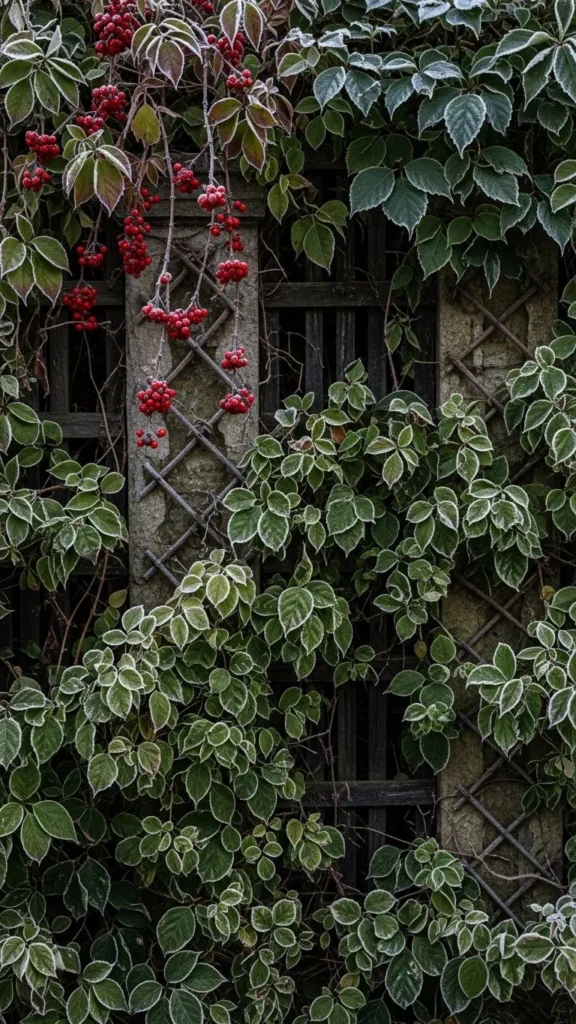
Cold weather does not mean bare walls or lifeless fences. Many vines keep growing, clinging, or holding their structure even when December brings frost. These plants help protect privacy, soften hard surfaces, and add color when most gardens feel quiet. This guide focuses on vines that handle low temperatures well and still perform during winter months. Each option below works for real homes, modest budgets, and simple setups, whether you garden in containers, raised beds, or along a fence line.
1. English Ivy (Hedera helix)
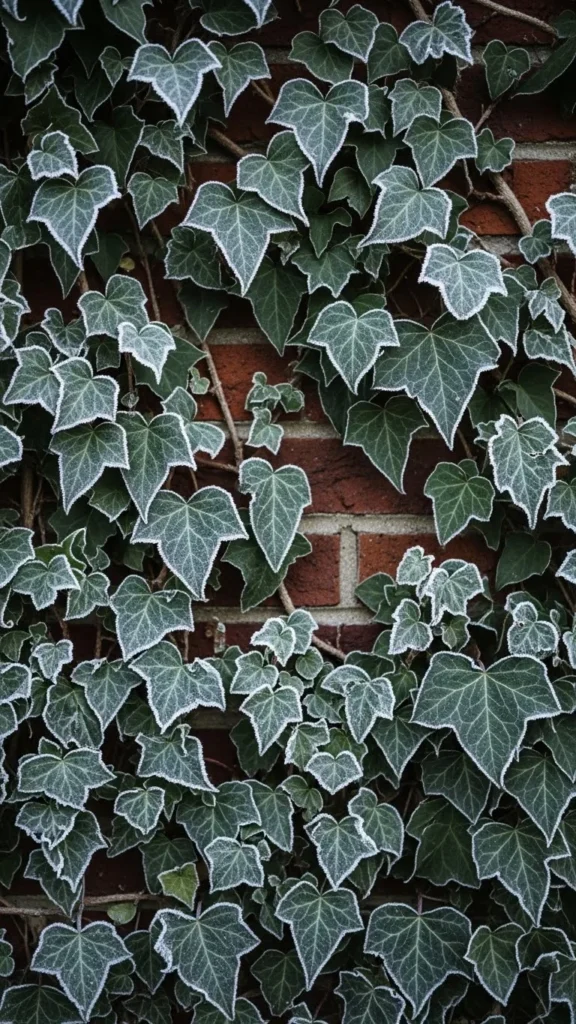
English ivy is one of the most reliable vines for cold months. It holds its leaves through winter and keeps climbing even as temperatures drop. The deep green color brings life to fences, garages, and brick walls when everything else fades.
This vine works well for renters and homeowners alike. A small starter plant can spread quickly over time. You can guide it using simple hooks or let it cling naturally to textured surfaces. For budget setups, recycled wire grids or old fencing panels work well as supports.
English ivy grows in shade or partial sun, making it useful for north-facing walls. Trim lightly once a year to keep growth tidy. If you grow it in containers, choose a wide pot and place it near a wall for wind protection.
This vine suits patios, entryways, and balcony rails. It also pairs nicely with winter planters filled with pine cuttings or dried grasses. For low effort winter greenery, English ivy is a steady option that stays dependable through December.
2. Winter Jasmine (Jasminum nudiflorum)
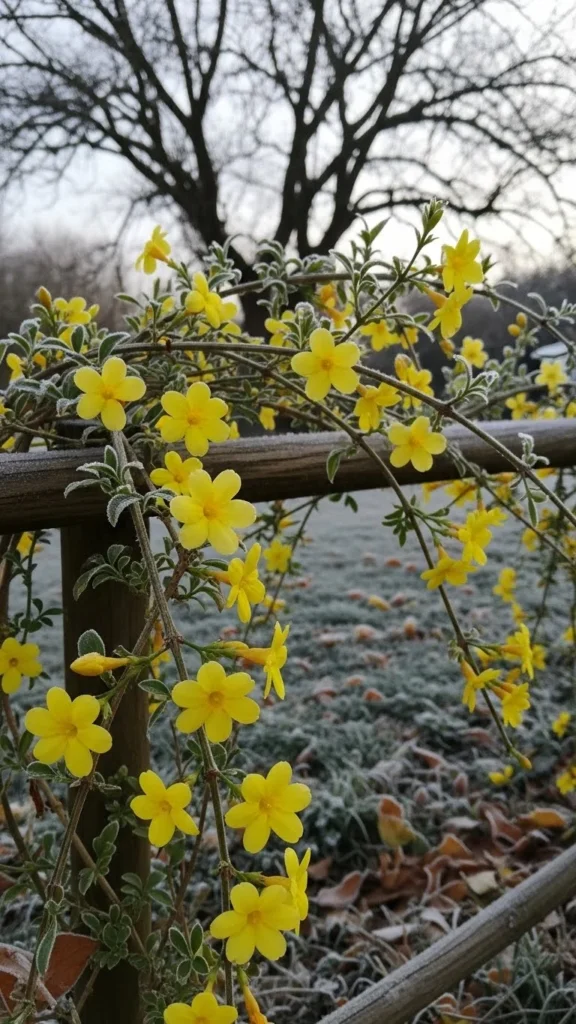
Winter jasmine stands out because it flowers during colder months. Bright yellow blooms appear on bare green stems, offering color when gardens feel empty. It handles frost well and keeps growing slowly through winter.
This vine works best along low fences, slopes, or simple trellises. It does not cling on its own, so tying stems with garden twine helps guide growth. Budget tip: reuse old string or fabric strips instead of buying plant ties.
Winter jasmine prefers sun but tolerates partial shade. Once established, it asks for little care. Trim after flowering to shape it and encourage new stems. It also works well in large containers placed near steps or walkways.
If you want winter color without complex planting, this vine fits the job. Pair it with stone paths or wooden rails for contrast. Even a single plant can brighten dull corners during December and beyond.
3. Evergreen Clematis (Clematis armandii)
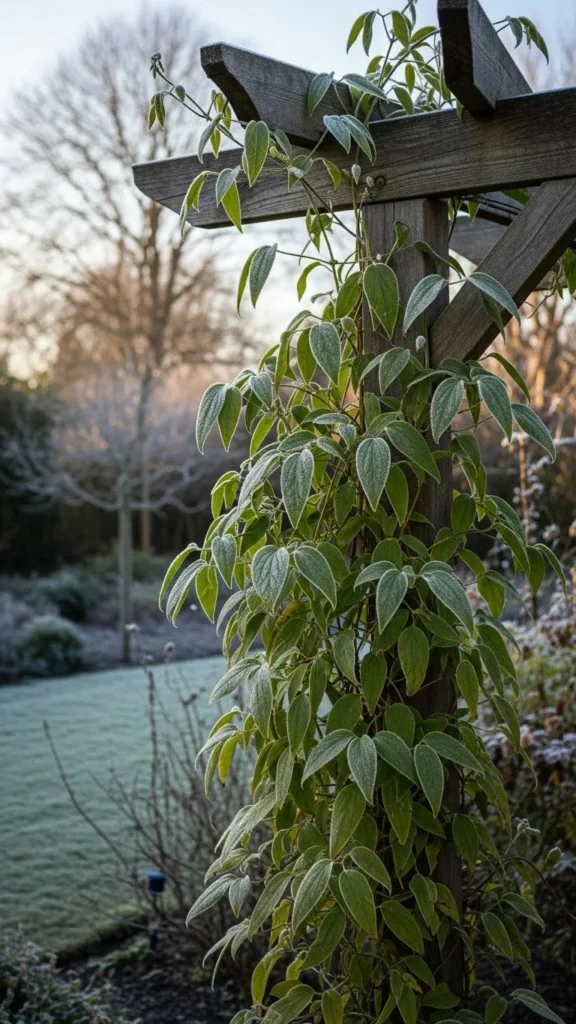
Evergreen clematis keeps its long, glossy leaves through winter in many climates. It creates coverage fast and adds texture to walls, pergolas, and fences even during cold spells.
This vine grows best with some shelter from harsh wind. Plant it near a wall or solid fence to help it handle winter conditions. A basic trellis made from wooden slats works well and costs little if built at home.
Water lightly during dry winter weeks. Avoid heavy pruning in winter. Save trimming for spring. Evergreen clematis also suits patios where overhead greenery is welcome year-round.
If you want coverage without waiting years, this vine delivers steady results. It adds structure and privacy when many plants stop growing.
4. Virginia Creeper (Parthenocissus quinquefolia)
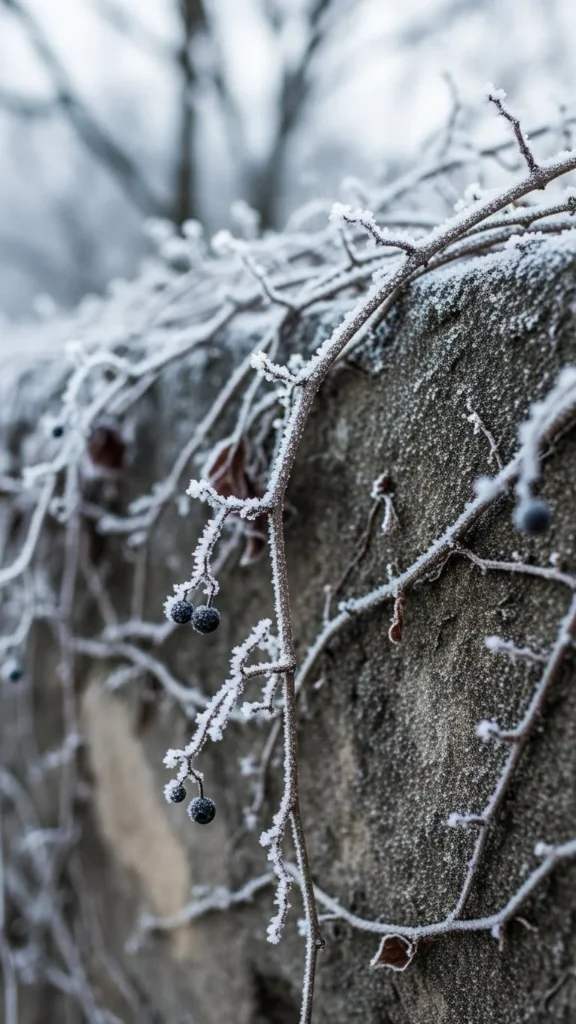
Virginia creeper is known for fall color, but its woody vines keep clinging and growing even after leaves drop. It tolerates frost and cold air with ease.
This vine attaches on its own, which makes it useful for large walls or sheds. Plant it where long-term coverage is welcome. Starter plants cost little and spread steadily.
During winter, the vine adds texture through twisting stems and occasional berries. It works well for wildlife-friendly gardens too. Trim back in late winter if growth spreads too far.
For low-cost wall coverage that handles winter without stress, Virginia creeper remains a strong option.
5. Honeysuckle (Winter-Hardy Types)
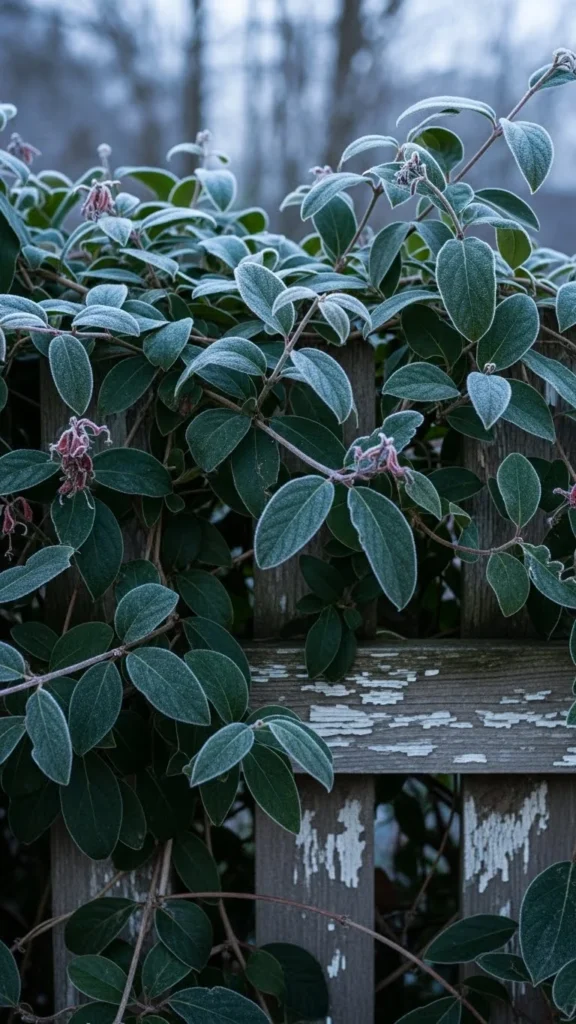
Some honeysuckle varieties keep leaves through winter and continue slow growth. They handle frost well and provide dense coverage.
These vines grow well on fences, arches, and simple wire supports. Use budget materials like cattle panels or old gates for structure. Prune lightly to guide shape.
Honeysuckle works in sun or partial shade. Even without blooms, the foliage adds softness to winter landscapes. It also helps block wind around patios.
Choose hardy types suited to your region. Once planted, they ask for little effort and offer steady performance through December.
6. Climbing Hydrangea
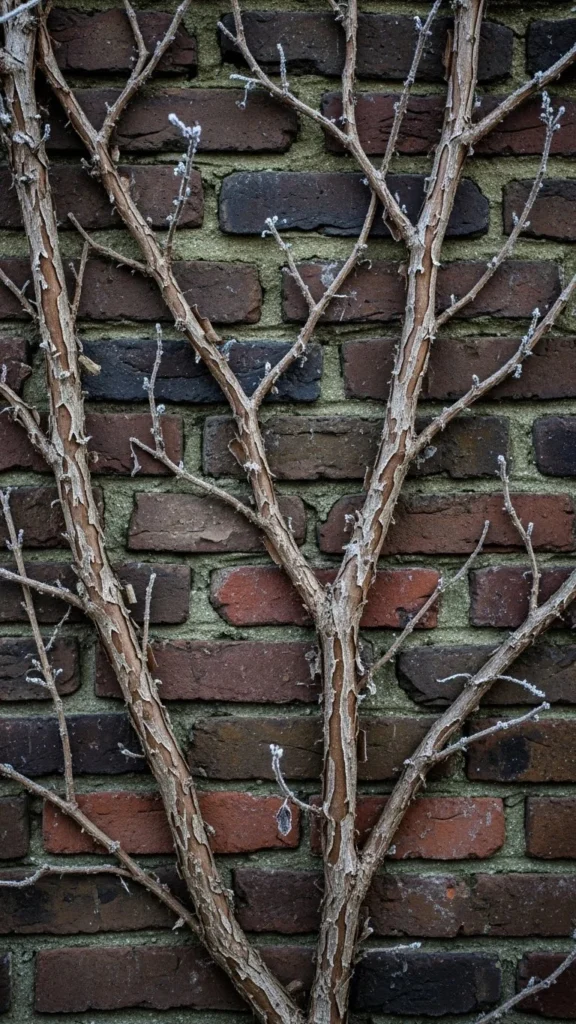
Climbing hydrangea grows slowly but handles cold weather well. While leaves drop, the vine structure stays strong and attractive through winter.
It clings naturally to walls, making it useful for shaded areas. Starter plants cost more than some vines, but growth lasts for decades.
During winter, the bark texture adds interest. Pair it with outdoor lighting for subtle visual appeal. No complex care required.
This vine suits long-term garden plans where patience pays off.
7. Euonymus Fortunei (Climbing Form)
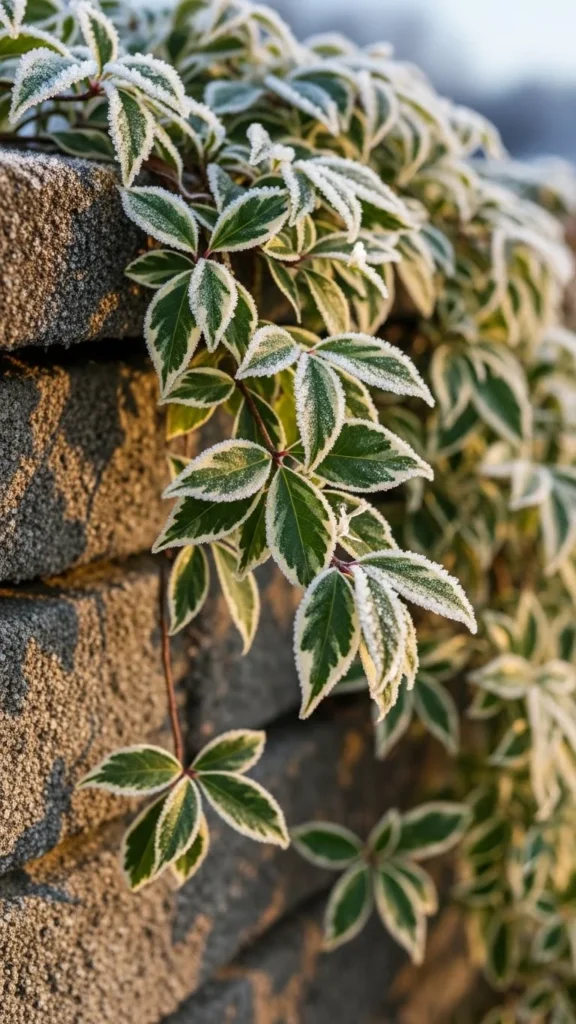
Climbing euonymus keeps its leaves in cold months. Variegated types add color without flowers.
It grows well in containers or ground planting. Guide it using hooks or wire. Trim once a year for shape.
This vine works well for small spaces and budget gardens. Even one plant can cover a section of wall within a few seasons.
8. Wintercreeper Vine
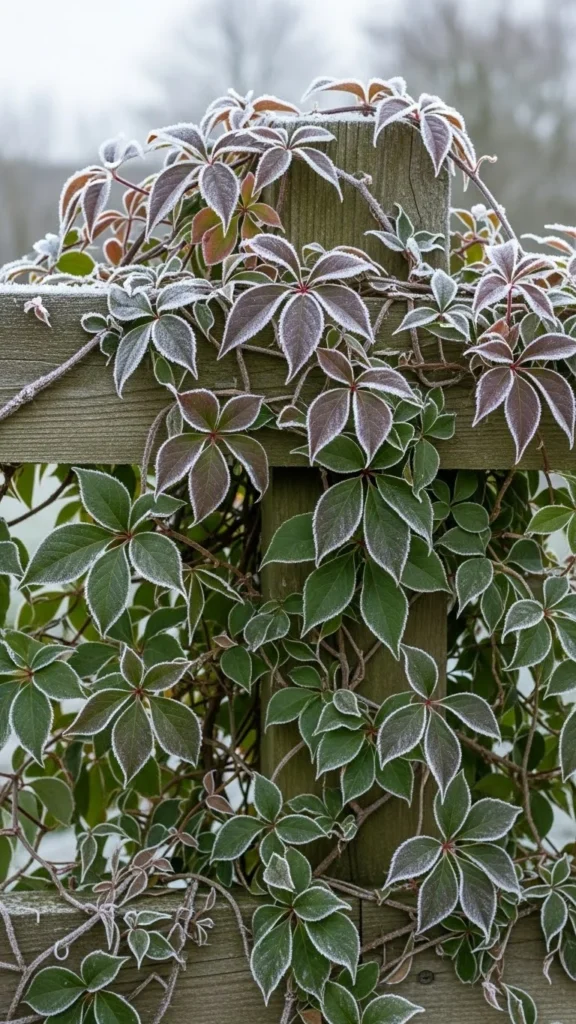
Wintercreeper spreads easily and handles frost without trouble. It works as both a climber and ground cover.
Use it for low fences or retaining walls. It grows well in containers too. Basic care keeps it tidy.
This vine fits beginners who want easy winter greenery.
9. Trumpet Vine (Cold-Hardy Varieties)
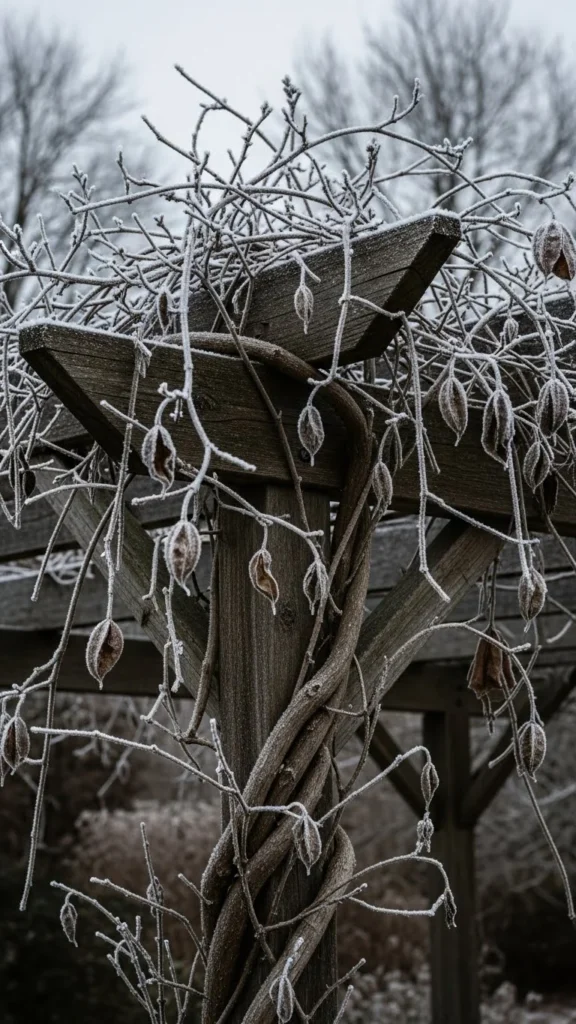
Hardy trumpet vines survive cold months through strong woody growth. While leaves drop, the vine keeps climbing.
Plant it where strong growth is welcome. DIY trellises work best. Prune in late winter to manage size.
It suits large spaces and handles frost without issue.
10. Ivy Geranium (Protected Areas)
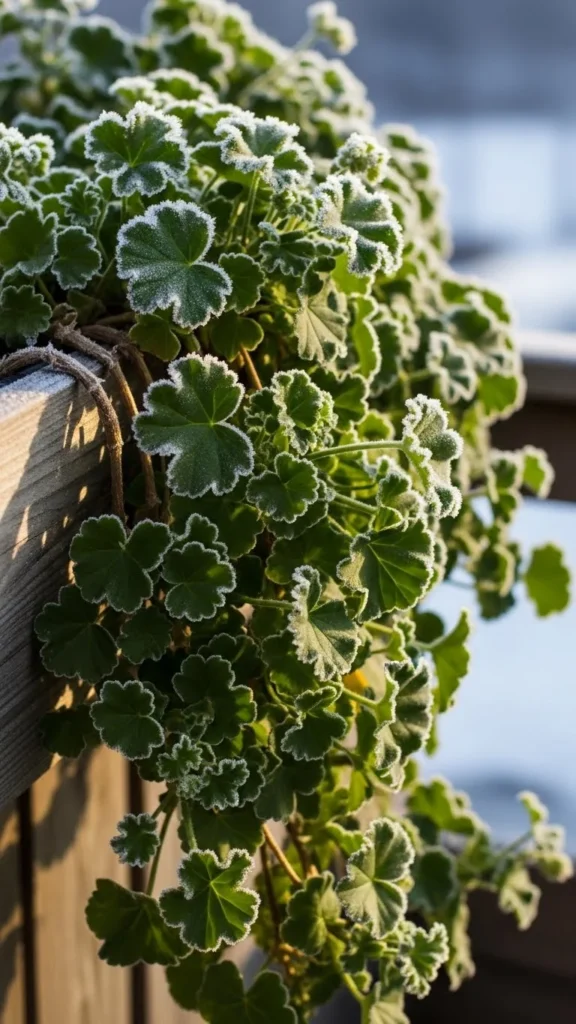
In protected spots, ivy geranium keeps growing slowly. Place containers near walls or under overhangs.
Use lightweight pots to move if temperatures drop sharply. Simple care keeps it going through December.
Great for balconies and small patios.
11. Akebia Quinata (Chocolate Vine)
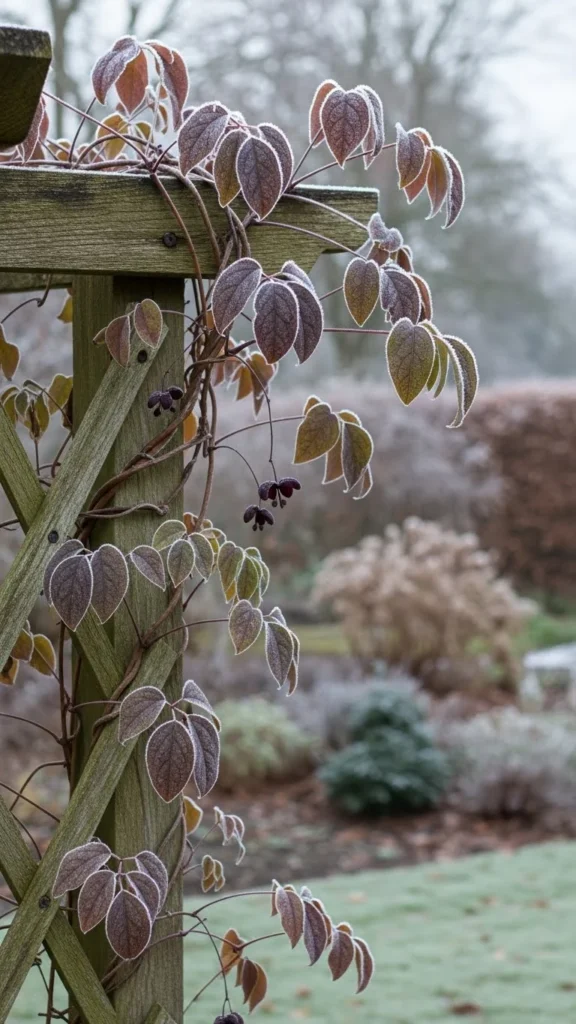
Akebia holds some leaves in winter and keeps structure strong. It handles frost well once established.
It grows fast and suits fences or pergolas. Budget trellises work fine.
This vine adds coverage without constant care.
12. Boston Ivy
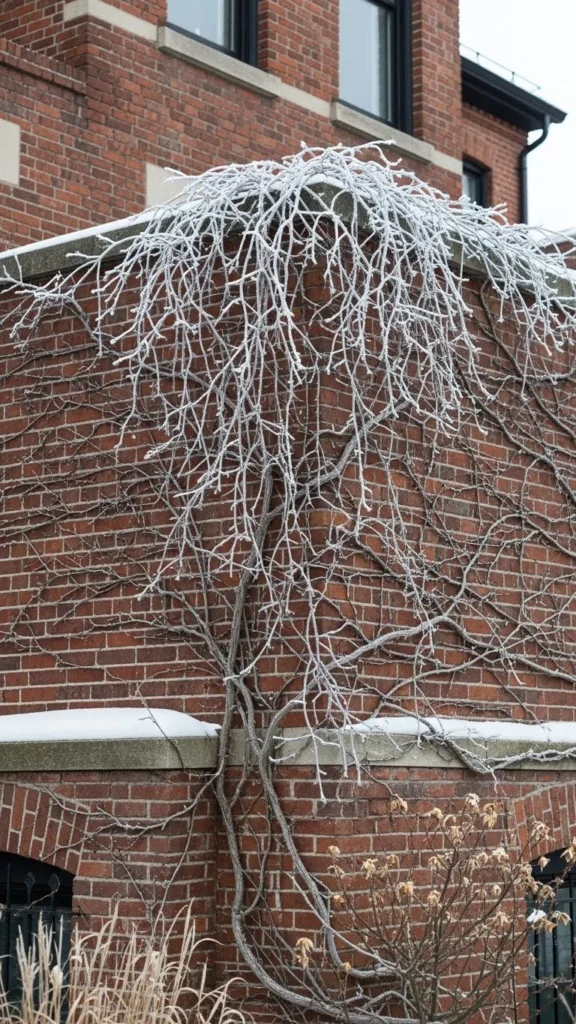
Boston ivy drops leaves but keeps climbing through cold months. The vine structure adds texture.
Plant it for long-term wall coverage. Minimal winter care required.
A solid choice for city gardens.
13. Evergreen Bittersweet
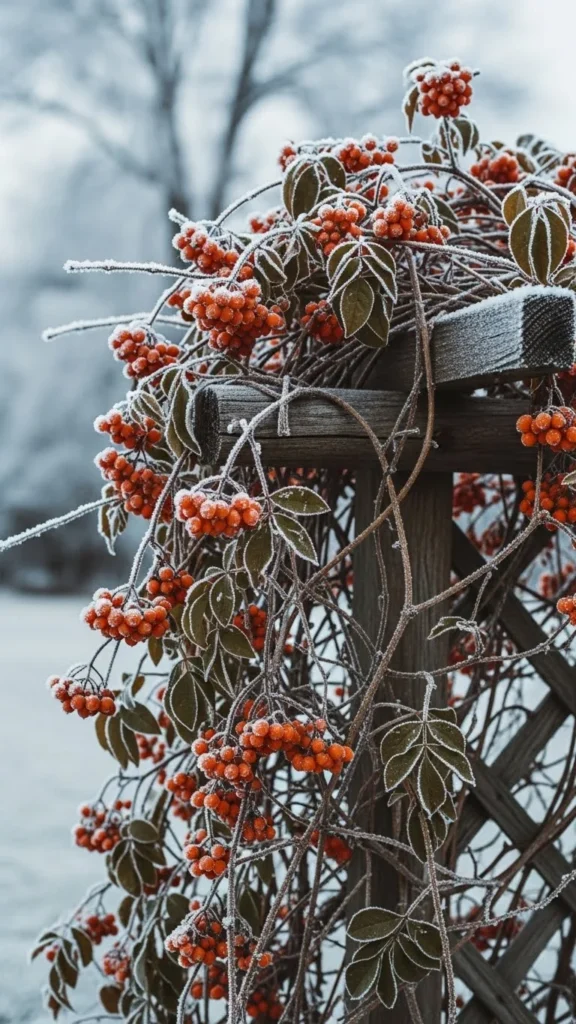
This vine keeps leaves and produces berries. It tolerates cold and adds interest.
Guide it with simple supports. Works well along fences.
Adds winter color without extra effort.
14. Star Jasmine (Cold-Tolerant Types)
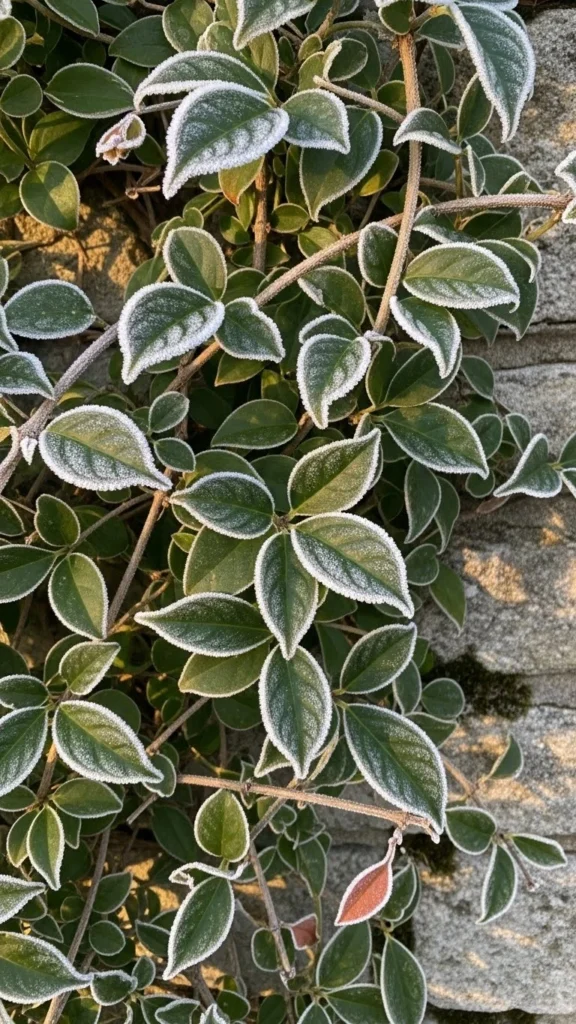
Some star jasmine types handle frost when sheltered. Leaves stay in place.
Plant near walls for warmth. Container planting works well.
A good pick for patios.
15. Climbing Fig
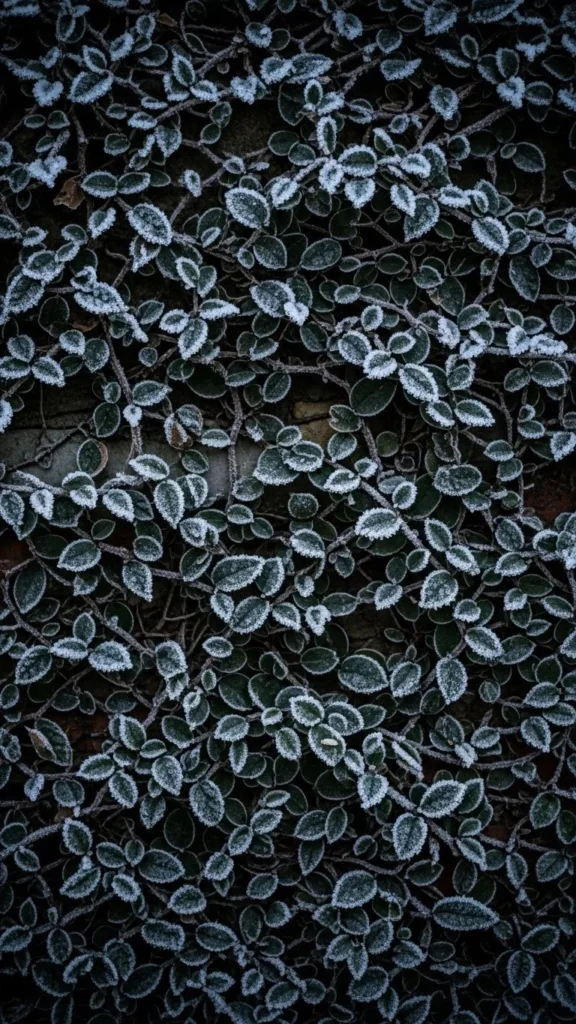
Climbing fig keeps leaves in mild winter areas. It clings tightly and adds coverage.
Works well on smooth walls. Trim lightly as needed.
Budget friendly and long lasting.
16. Winter Hardy Passionflower
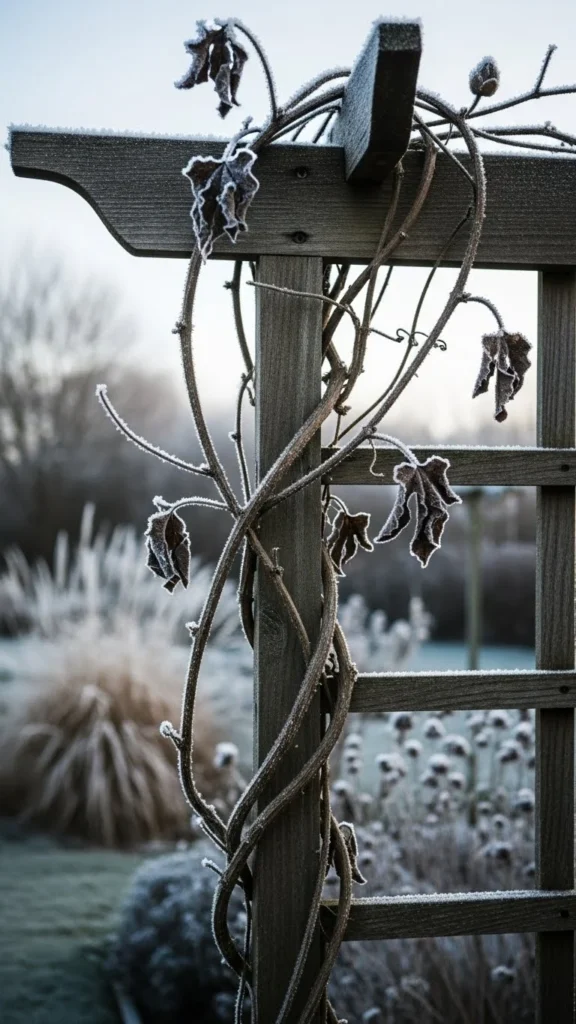
Some passionflower types survive frost and regrow quickly.
Support with strong trellises. Minimal winter care needed.
Best for adventurous gardeners.
17. Clematis Montana
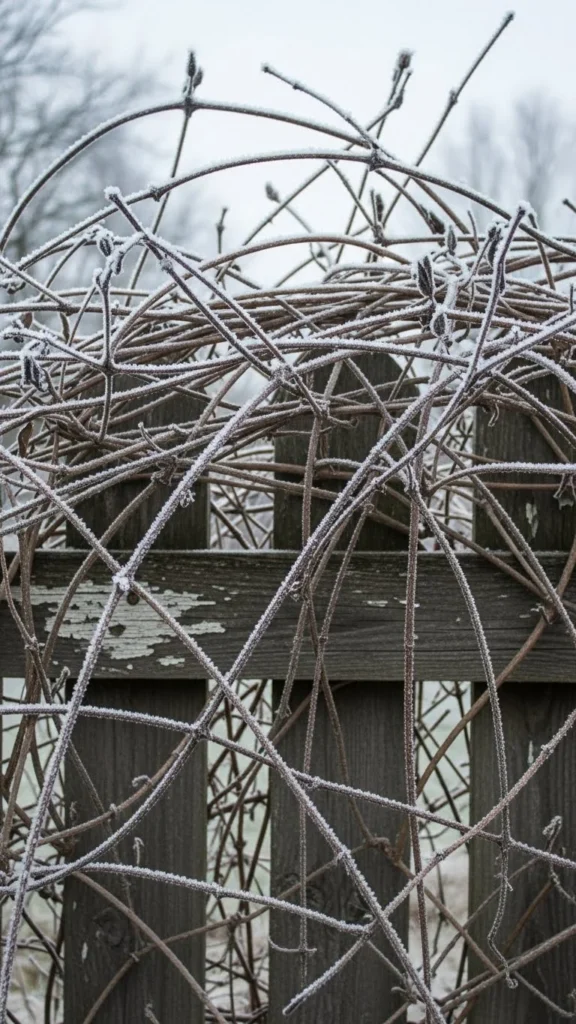
This clematis survives cold easily. Structure stays intact.
Prune lightly after flowering season. Budget supports work.
Reliable and simple.
18. Evergreen Wisteria (Mild Zones)
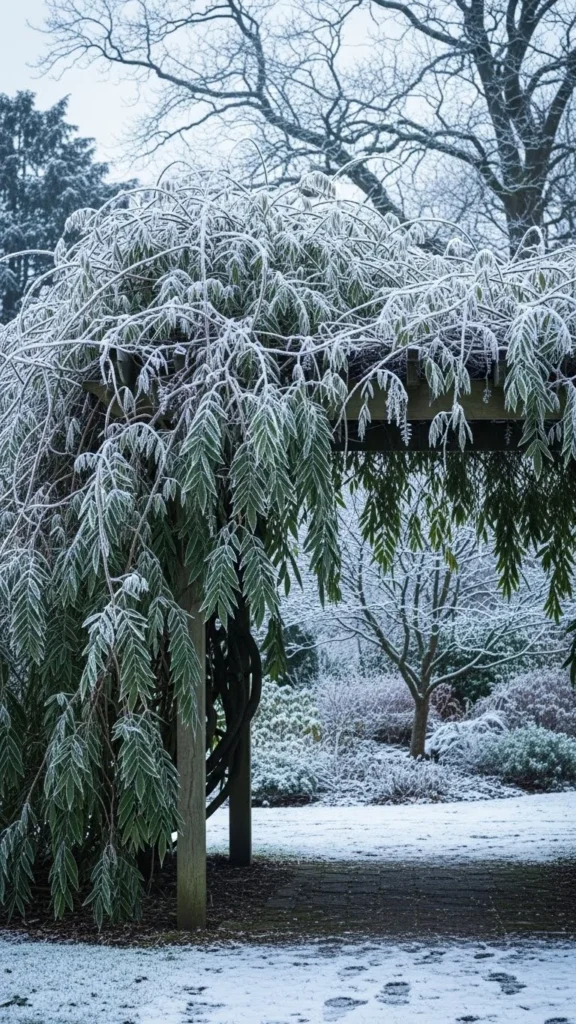
Evergreen wisteria keeps leaves in mild winters. Strong growth continues slowly.
Use sturdy supports. Prune once yearly.
Good for covered spaces.
19. Dutchman’s Pipe Vine
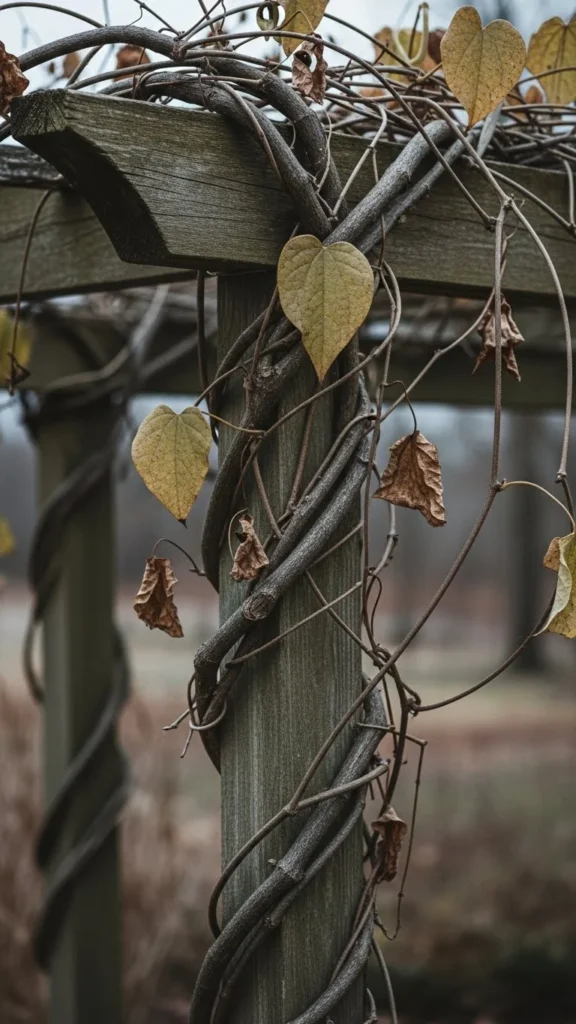
This vine tolerates cold well and keeps structure strong.
It grows fast and covers large areas. DIY supports work.
A practical option for fences.
20. Evergreen Clematis Cirrhosa
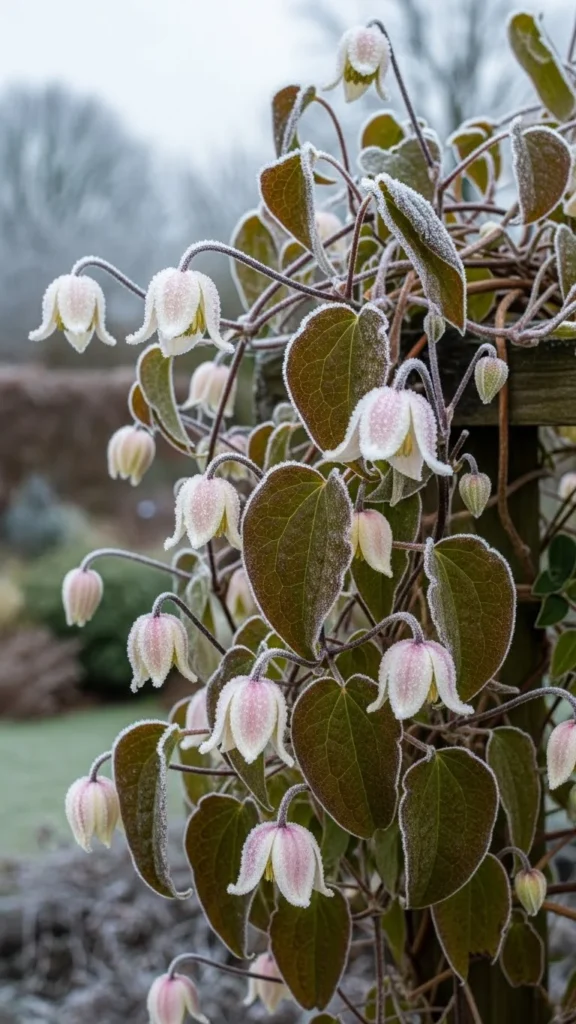
This clematis blooms in winter and keeps leaves.
Plant near walls for shelter. Light care required.
Adds winter interest with little work.
21. Hardy Kiwi Vine
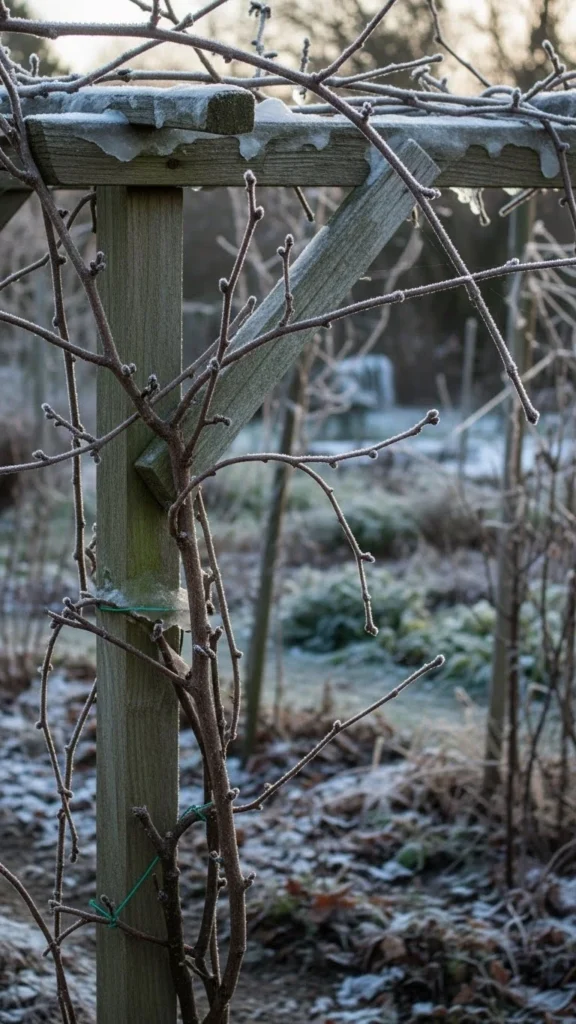
Hardy kiwi survives frost easily. While leaves drop, vines keep growing.
Strong trellises needed. Budget wood frames work.
A long-term vine for large spaces.
22. Groundcover Ivy Trained as a Climber
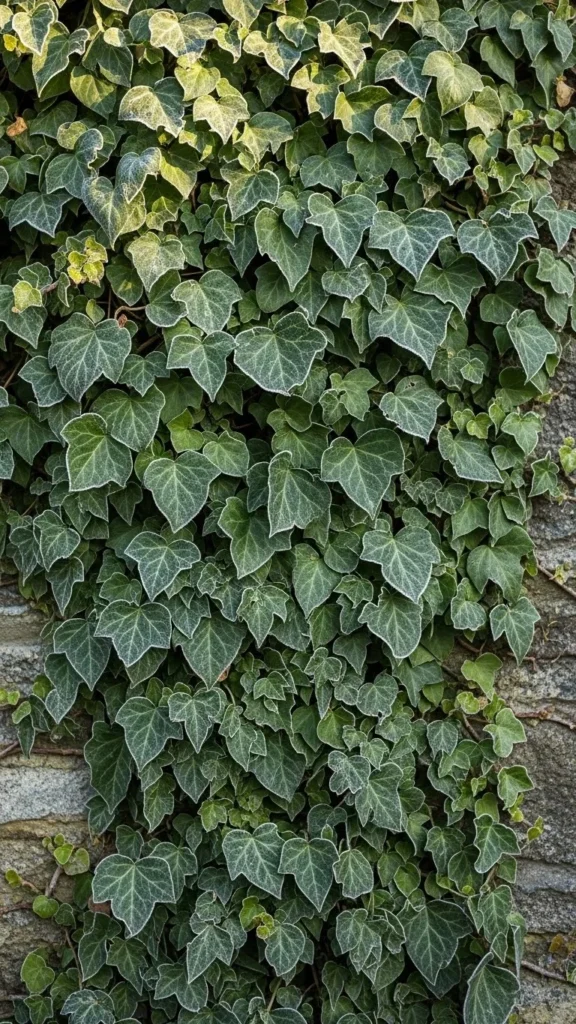
Groundcover ivy adapts easily to vertical growth. It handles cold without trouble.
Train it using hooks or wire. Works well for small gardens.
Low cost and dependable through December.
Conclusion
Winter does not have to strip your garden of life or structure. These frost-proof vines keep growing, clinging, or holding form even in December. Whether you want privacy, texture, or simple greenery, each option here fits real spaces and modest budgets. Start small, use basic supports, and let time do the work. Pick one vine this season, plant it well, and enjoy a garden that still feels alive when cold weather sets in.

Leave a Reply