

Few things are more satisfying than stepping outside and picking a ripe, juicy fruit straight from your own backyard. Whether it’s apples, peaches, or lemons, growing fruit trees is a long-term investment that rewards you for years to come. The best part? You don’t need acres of land—just the right know-how and a little care.
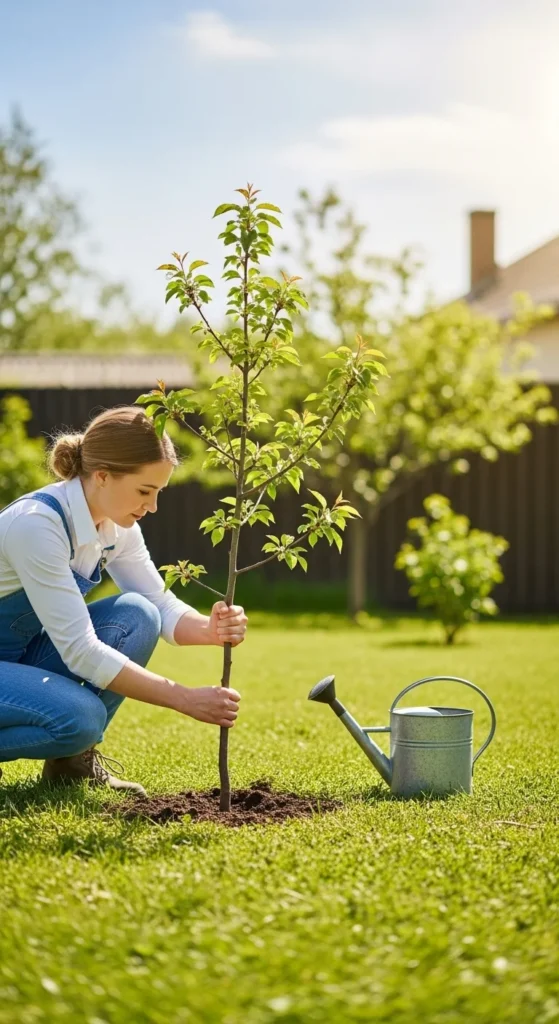
Choose the Right Fruit Trees for Your Climate
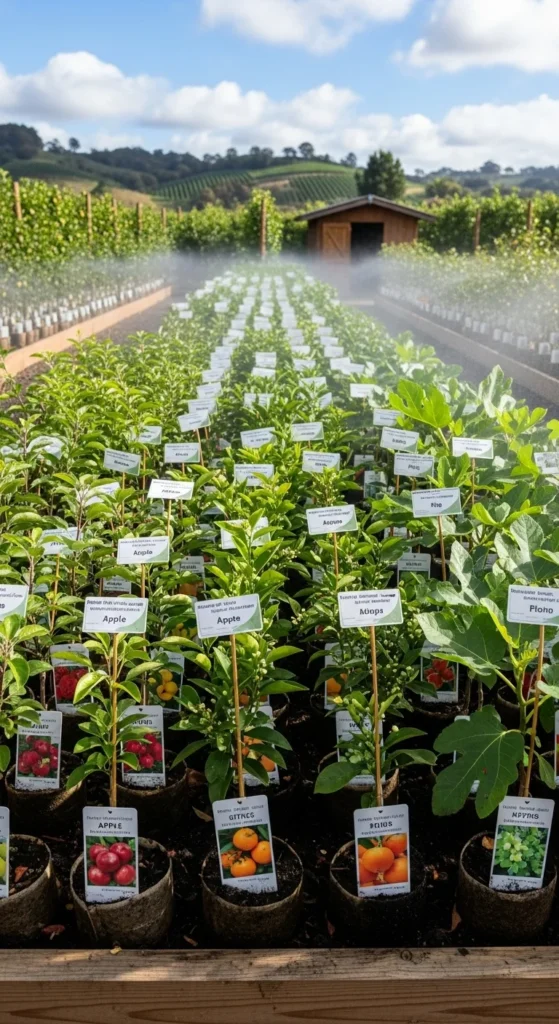
Before you start digging, choose trees that thrive in your area. Every region has its ideal fruit types, so do a bit of research or ask your local nursery what varieties perform best locally.
- Cool climates: Apples, pears, plums, and cherries.
- Warm climates: Citrus trees like oranges, lemons, and limes.
- Mild climates: Figs, persimmons, and apricots.
Tip: Look for self-pollinating trees if you only have room for one. Some fruit trees, like peaches and figs, can produce fruit on their own, while others, like apples, need a nearby pollinator.
Prepare the Perfect Planting Spot
Location is key when it comes to healthy fruit trees. Pick a sunny area that receives at least 6–8 hours of sunlight daily and has well-draining soil.
Steps to prepare your planting area:
- Test your soil: Most fruit trees prefer slightly acidic soil (pH 6–6.5). You can buy a simple soil test kit to check.
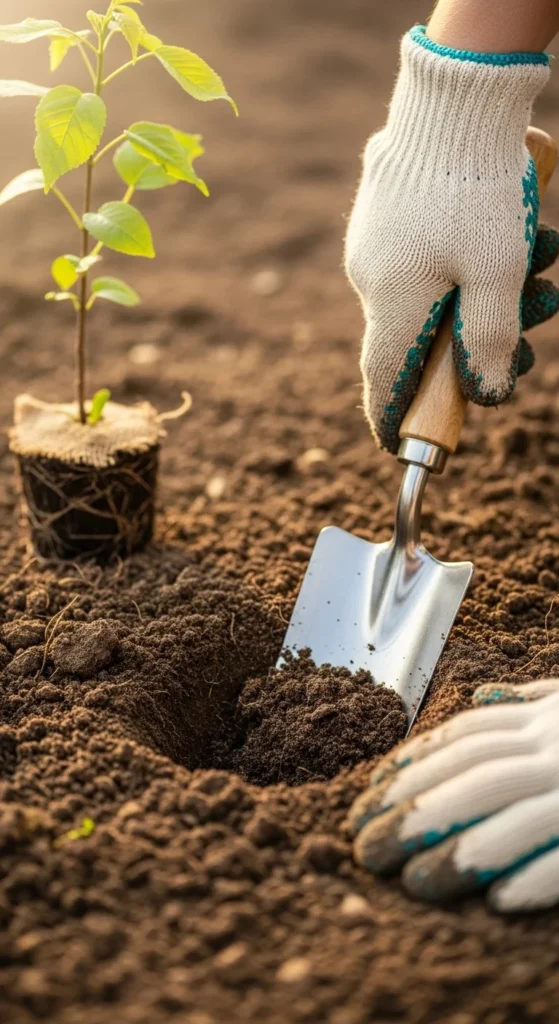
- Dig a wide hole: Make it twice as wide as the tree’s root ball but no deeper.
- Loosen the soil: Break up any compacted dirt to help roots spread easily.
If your soil drains poorly, consider raised garden beds or mounds to prevent root rot.
Planting Your Fruit Tree the Right Way
Now comes the fun part—planting! The way you set your tree in the ground can make a huge difference in how well it grows.
Here’s how to do it:
- Remove the pot and gently loosen the roots.
- Place the tree in the center of the hole, ensuring the root flare (where roots meet the trunk) is just above the soil line.
- Backfill with soil, patting it down lightly to eliminate air pockets.
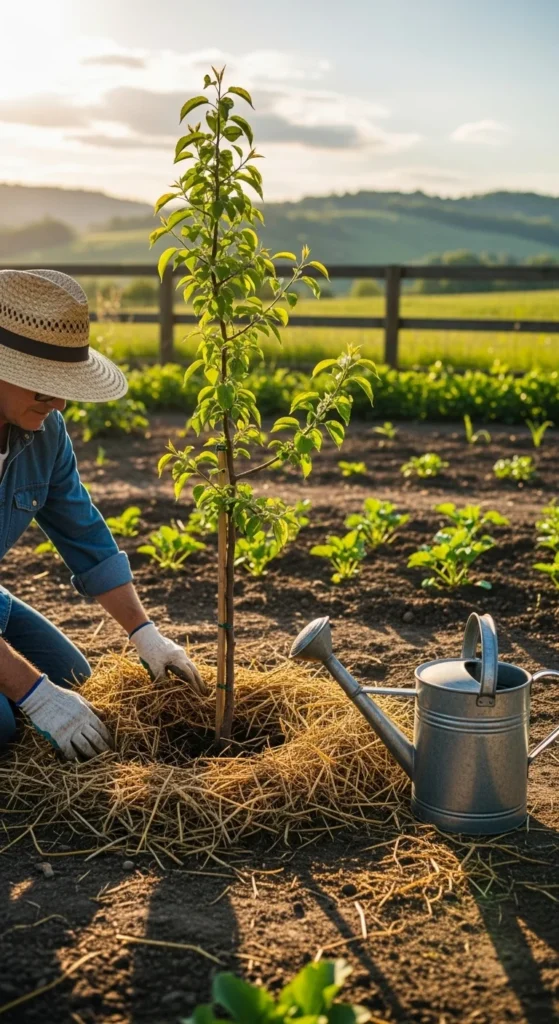
- Water deeply, letting the soil settle naturally.
- Add mulch around the base (but not touching the trunk) to retain moisture and block weeds.
Ongoing Care: Watering, Feeding, and Pruning
Planting is just the beginning—consistent care will determine how fruitful your trees become.
Watering
- In the first year, water deeply once or twice a week.
- Once established, water when the top few inches of soil feel dry.
- Avoid shallow watering—it encourages weak roots.
Feeding
- Apply a balanced slow-release fertilizer in spring and midsummer.
- Organic options like compost or well-rotted manure work wonders for soil health.
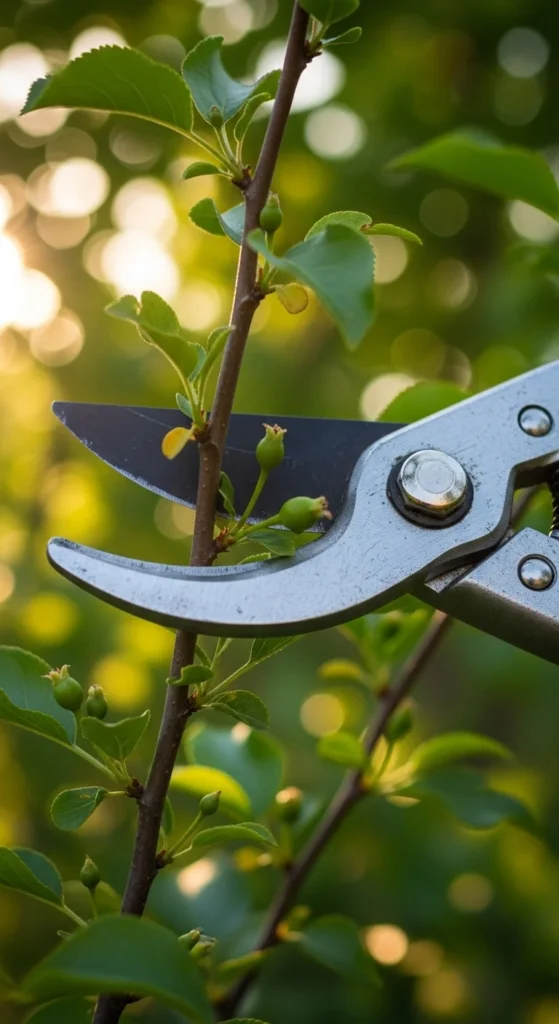
Pruning
- Prune in late winter or early spring before new growth.
- Remove dead or crossing branches to keep the tree’s shape open for sunlight and airflow.
- Don’t over-prune—just enough to keep it balanced and healthy.
Protecting Your Trees from Pests and Diseases
Even the healthiest trees can attract unwanted visitors like aphids, caterpillars, or fungal infections. Stay one step ahead with these natural solutions:
- Neem oil or insecticidal soap helps control pests safely.
- Regular inspection lets you catch problems early.
- Proper airflow and sunlight prevent mold and mildew buildup.
- Use tree guards to protect young trunks from animals like rabbits or deer.
Tip: Avoid using harsh chemicals that can harm beneficial insects like bees and butterflies.

Harvesting and Enjoying the Fruits of Your Labor
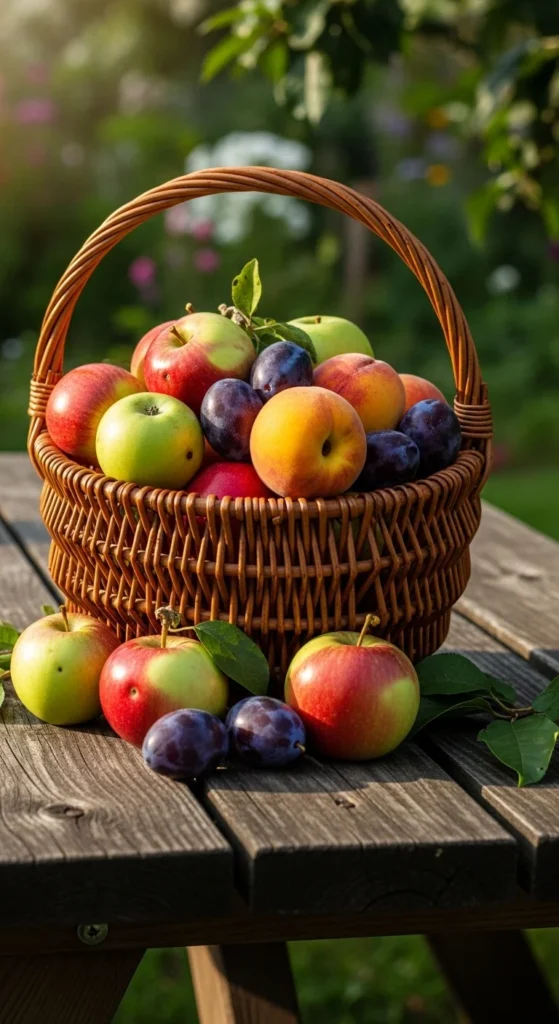
After months (sometimes years) of patience, your trees will start producing delicious rewards! Here’s how to make the most of your harvest:
- Pick fruits when they’re fully colored and slightly soft.
- Handle gently to avoid bruising.
- Enjoy them fresh, or preserve them by making jams, pies, or dried fruit snacks.
If you planted multiple trees, consider staggering varieties that ripen at different times so you can enjoy fresh fruit all season long.
Final Takeaway
Planting and caring for fruit trees takes time, but every blossom and harvest will remind you why it’s worth it. From improving your backyard’s beauty to providing homegrown, healthy food, fruit trees are an incredible addition to any garden.
So grab your shovel, pick your favorite tree, and start growing your own backyard orchard today!
Save this guide for later—and let your garden feed both your body and soul!

Leave a Reply