

A stunning garden doesn’t have to mean hours of weeding, watering, or pruning. The secret lies in smart design—choosing the right plants, structure, and layout that work with nature instead of against it. Whether you’re a beginner or a busy homeowner, creating a low-maintenance garden can be both beautiful and effortless.
Start with a Simple Plan
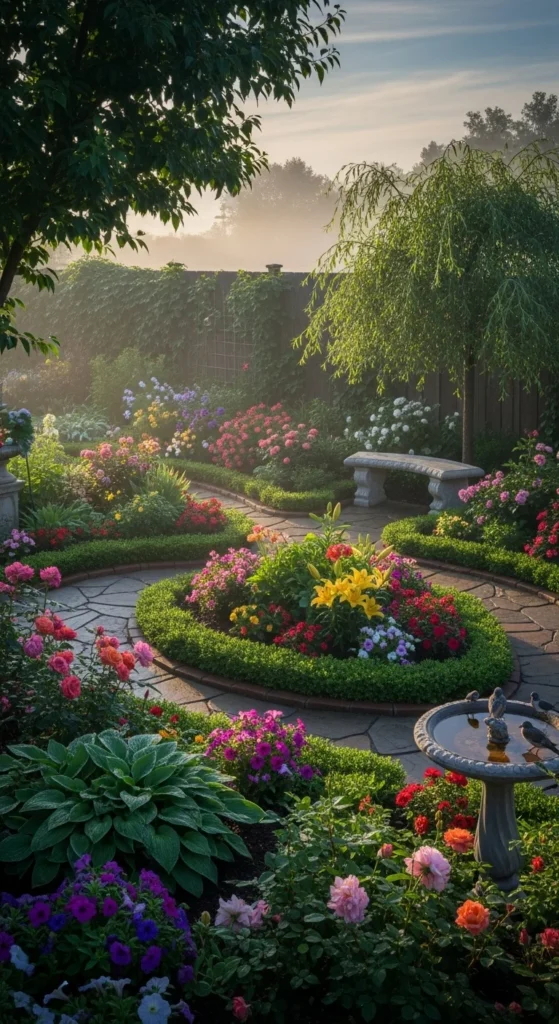
Before you buy plants or grab your shovel, take time to plan your garden thoughtfully. Simplicity is key—less clutter equals less maintenance.
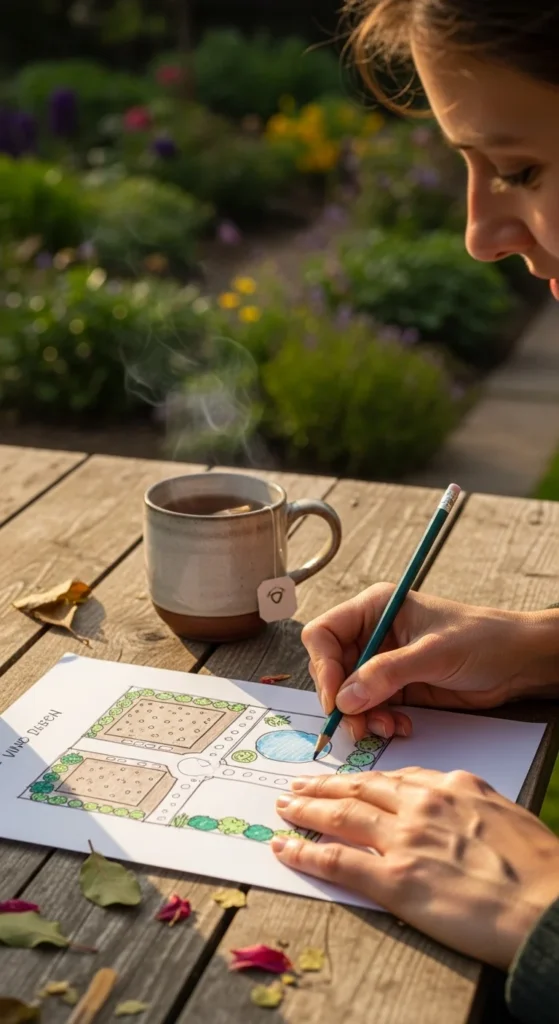
- Sketch your space on paper or use a garden design app.
- Identify sunny and shaded areas to choose the right plants for each spot.
- Decide where paths, beds, and seating areas will go to make upkeep easier.
Tip: Use curved garden beds or clean lines for visual interest. This helps define spaces without adding complexity.
Choose Low-Maintenance Plants
Your plant choices determine how much effort you’ll put in later. Aim for hardy, drought-tolerant, and perennial plants that thrive in your local climate.
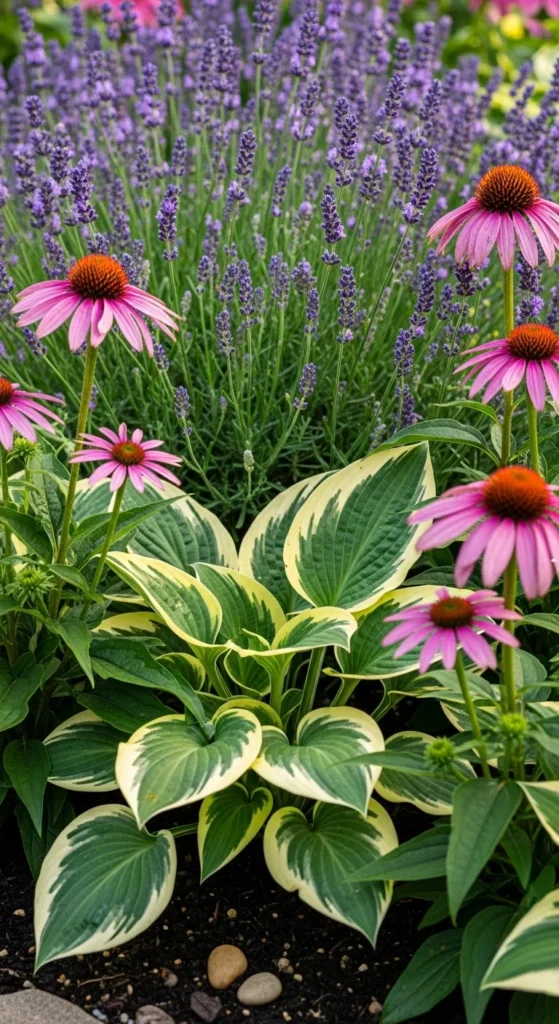
Some great low-care options include:
- Lavender: Adds color and fragrance with minimal watering.
- Hostas: Perfect for shaded areas and spread beautifully.
- Echinacea: Bright, cheerful blooms that attract pollinators.
- Sedum and succulents: Excellent for dry, sunny spots.
Bonus tip: Group plants with similar watering and sunlight needs. This keeps maintenance simple and prevents overwatering.
Design with Mulch and Ground Covers
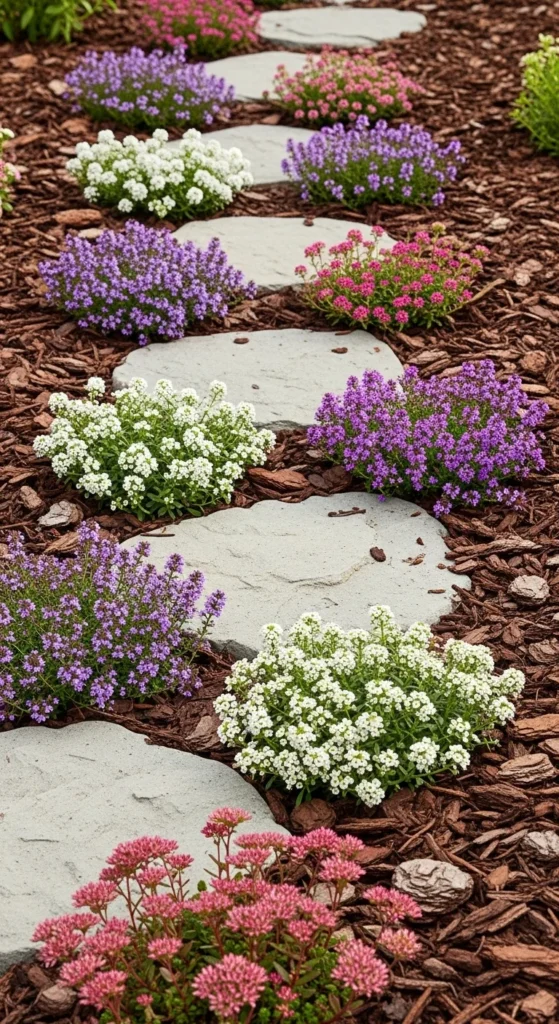
Mulch isn’t just pretty—it’s practical. It locks in moisture, suppresses weeds, and improves soil health. Organic mulch like bark chips, pine needles, or compost is both budget-friendly and natural.
Pair mulch with ground covers such as creeping thyme, ajuga, or mondo grass. They fill empty spaces and reduce the area you need to weed or mow.
Pro tip: Keep mulch about 2–3 inches thick for the best results.
Incorporate Smart Hardscaping
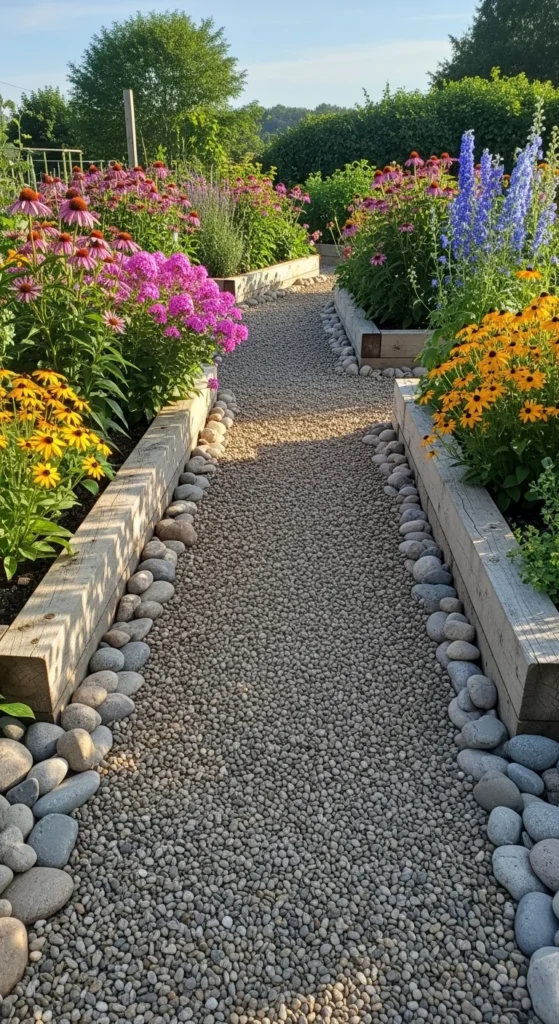
Adding non-living elements like paths, patios, or gravel sections not only enhances beauty but also cuts down on weeding and watering.
Here are easy ideas:
- Gravel pathways: Low-maintenance and excellent for drainage.
- Raised beds: Reduce bending and make gardening more accessible.
- Stone borders: Prevent grass from creeping into flower beds.
Mix natural textures like wood, stone, and pebbles for an inviting, organic look that still feels cohesive.
Embrace Smart Watering Techniques
Forget daily watering—automate or optimize your system instead.
- Install drip irrigation to deliver water directly to roots.
- Use rain barrels to collect and reuse rainwater sustainably.
- Water early in the morning to minimize evaporation.
If you prefer a low-tech approach, choose native plants—they’ve already adapted to your local rainfall patterns and need less attention overall.
Keep It Tidy (the Easy Way)
Regular upkeep doesn’t have to be a chore if you follow a few habits:
- Spend 10 minutes a week deadheading flowers or removing weeds before they spread.
- Trim shrubs only once or twice a year.
- Replace annuals with perennials that regrow every season.
A tidy garden looks intentional, even with minimal work.
[Image Prompt] A person casually trimming a few branches in a well-kept backyard garden with a basket of tools nearby.
Add Personality with Decor and Lighting
Finally, make your low-maintenance garden feel like you. Use simple, durable elements that enhance the mood year-round.
Try these ideas:
- Solar-powered lights along paths.
- Ceramic pots with easy-care plants.
- A weatherproof bench or swing for relaxation.
The goal is to create a space that feels welcoming without demanding constant effort.
[Image Prompt] A cozy evening garden scene with solar path lights, a wooden bench, and soft string lights hanging above blooming flowers.
Final Takeaway
Designing a beautiful, easy-to-maintain garden is about working smarter, not harder. With thoughtful planning, the right plants, and a few clever design choices, you can enjoy your outdoor space all year long—without it taking over your weekends.
Save this guide for later and start sketching your dream garden today!

Leave a Reply