

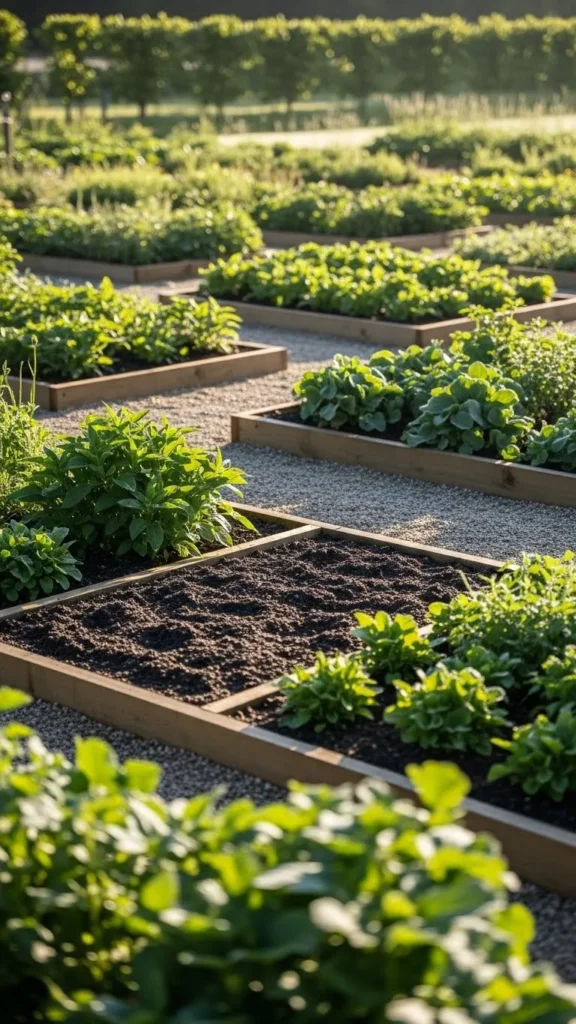
A well-planned garden layout makes daily care easier and helps plants grow stronger with less effort. The right spacing, paths, and planting zones reduce wasted water, limit plant stress, and support steady harvests. You do not need expensive tools or large land to see results. Small layout changes often bring visible improvement within one season. The ideas below focus on simple structure, clear flow, and practical placement that work in real home gardens.
1. Raised Beds With Defined Edges
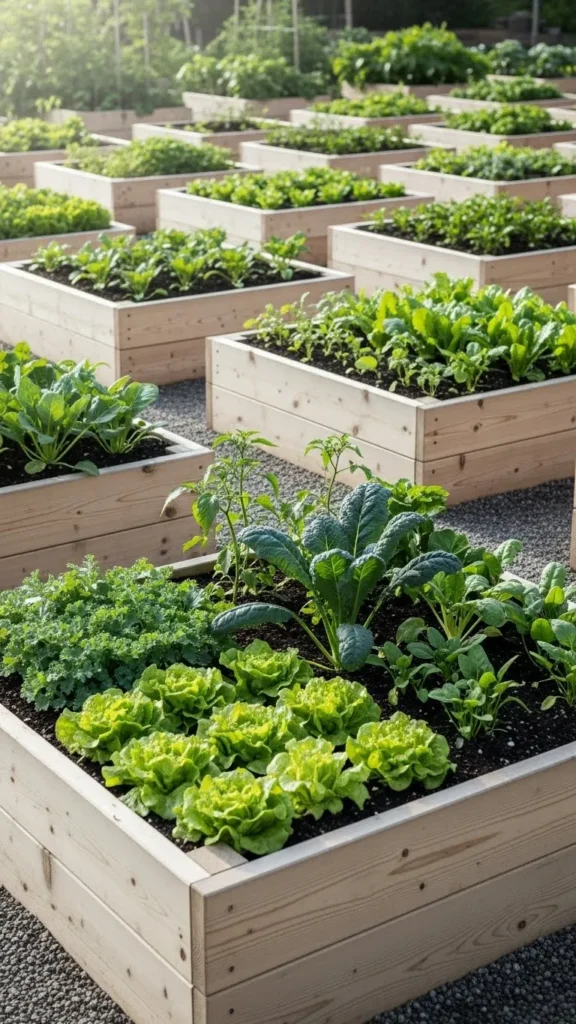
Raised beds help control soil quality and water flow. They also make spacing easier. Use untreated wood, bricks, or stone for edges. Keep beds no wider than arm reach so plants stay accessible. This setup reduces soil compaction from foot traffic. It also warms soil earlier in the season. For a budget option, repurpose old pallets or leftover lumber. Line the base with cardboard to limit weeds. Fill with a simple mix of soil and compost. Clear edges help plants stay organized and make watering more even.
2. Grid Spacing for Vegetables
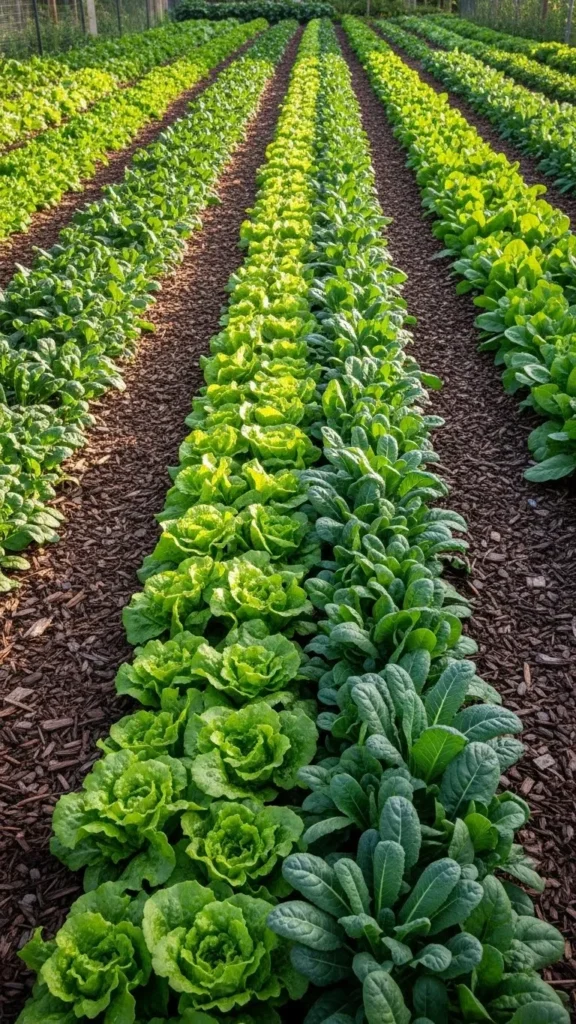
Planting in a grid pattern gives each plant equal access to light and air. Measure spacing using string or sticks before planting. This reduces overcrowding. Air flow improves and leaf moisture dries faster after watering. You can create grids using twine tied across the bed. This method works well for greens, onions, and herbs. It also helps you spot empty spaces early. Use compost to fill gaps later in the season.
3. Wide Walking Paths
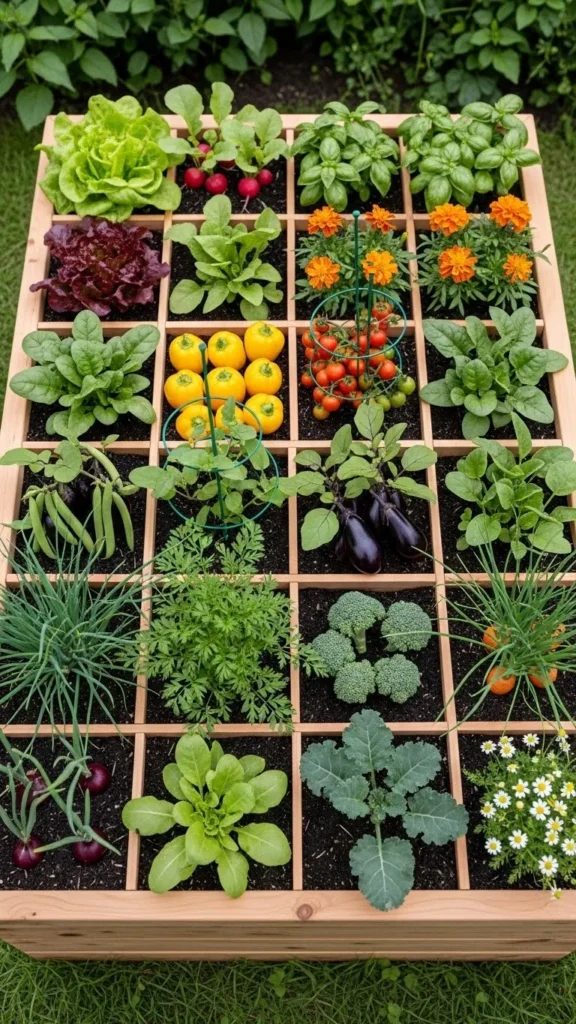
Wide paths protect plant roots by keeping foot traffic away from soil. Use gravel, wood chips, or stepping stones. Keep paths at least two feet wide. This makes wheelbarrow use easier. It also helps during harvest. Budget-friendly paths can be made with cardboard topped with mulch. Replace mulch as it breaks down. Clear paths reduce mess and improve daily access.
4. North-to-South Bed Orientation
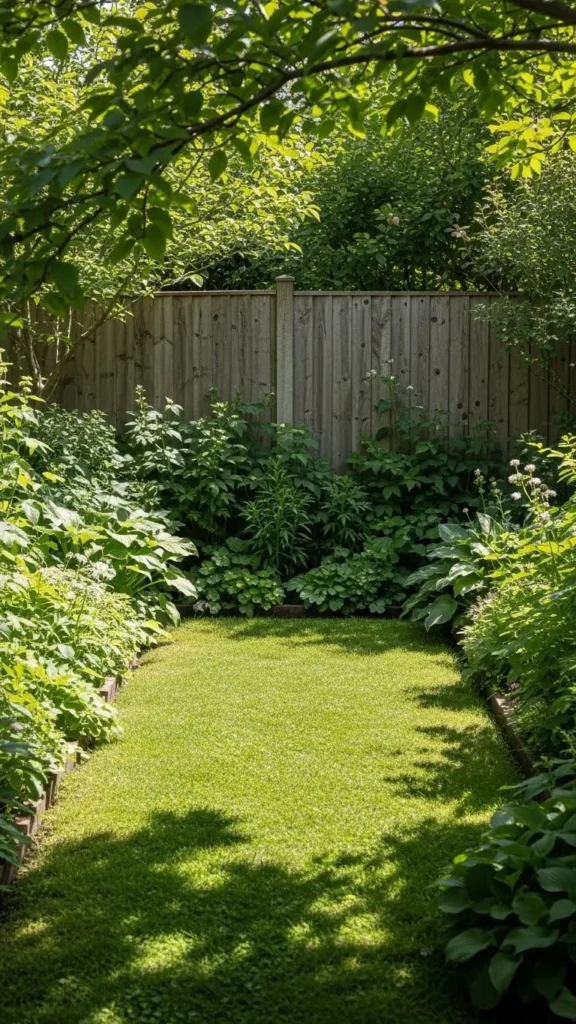
Aligning beds north to south helps sunlight reach plants evenly through the day. Taller plants avoid shading shorter ones for long periods. This layout works well for mixed crops. Use simple stakes to mark bed direction before building. Even light supports steady leaf growth and balanced fruiting.
5. Companion Plant Grouping
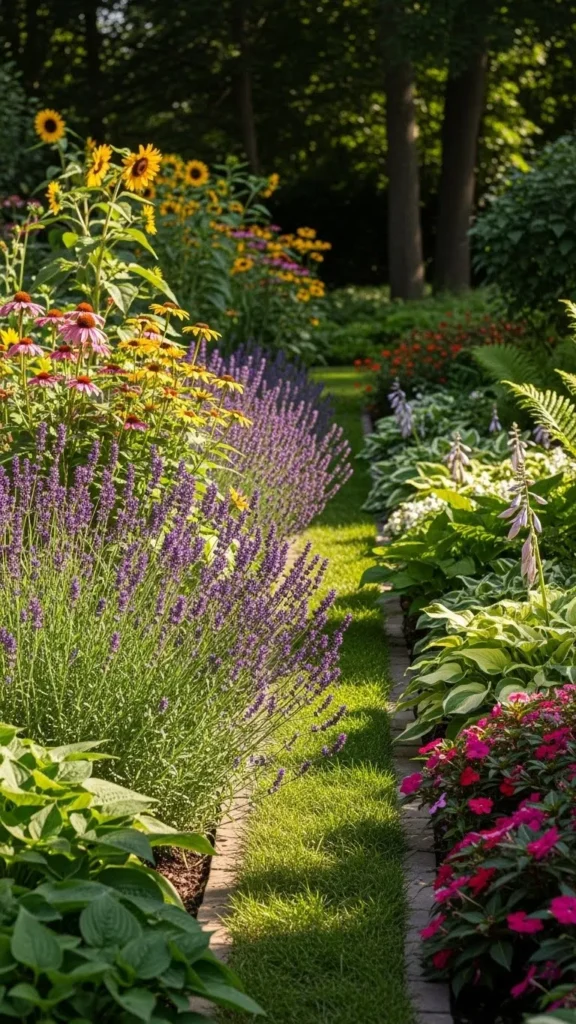
Group plants that support each other. Basil near tomatoes or flowers near greens can help reduce pests. Mixed planting also improves space use. Use small tags to track plant pairs. This layout feels full without crowding. It also adds visual variety. Use herbs you already grow to test combinations.
6. Circular Herb Beds
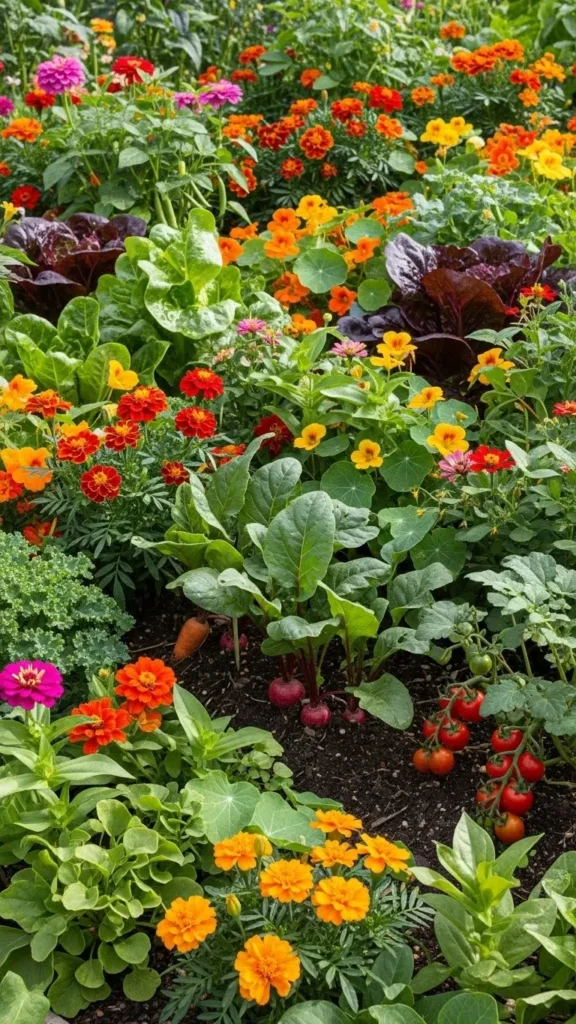
Circular beds allow easy reach from all sides. Place taller herbs in the center. Shorter ones go around the edge. This design works well near kitchens. Use stones or bricks to mark the shape. It saves space and keeps herbs accessible for daily use.
7. Vertical Trellis Zones
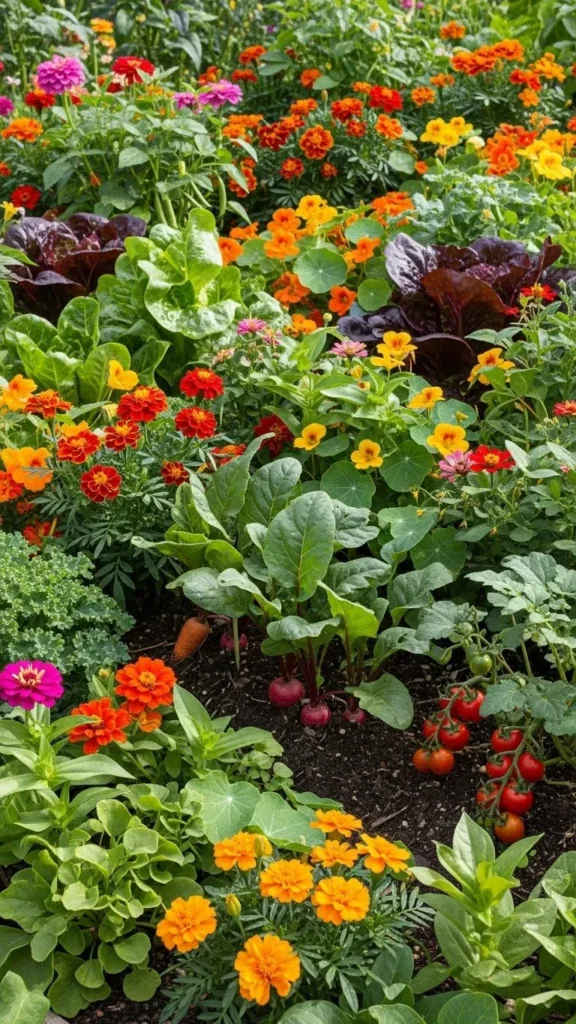
Use trellises to lift vining plants off the ground. This improves air flow and saves bed space. Simple trellises can be made from bamboo or wire. Place them on the north side of beds to reduce shade on other plants. Vertical growth keeps fruit cleaner and easier to harvest.
8. Block Planting for Greens
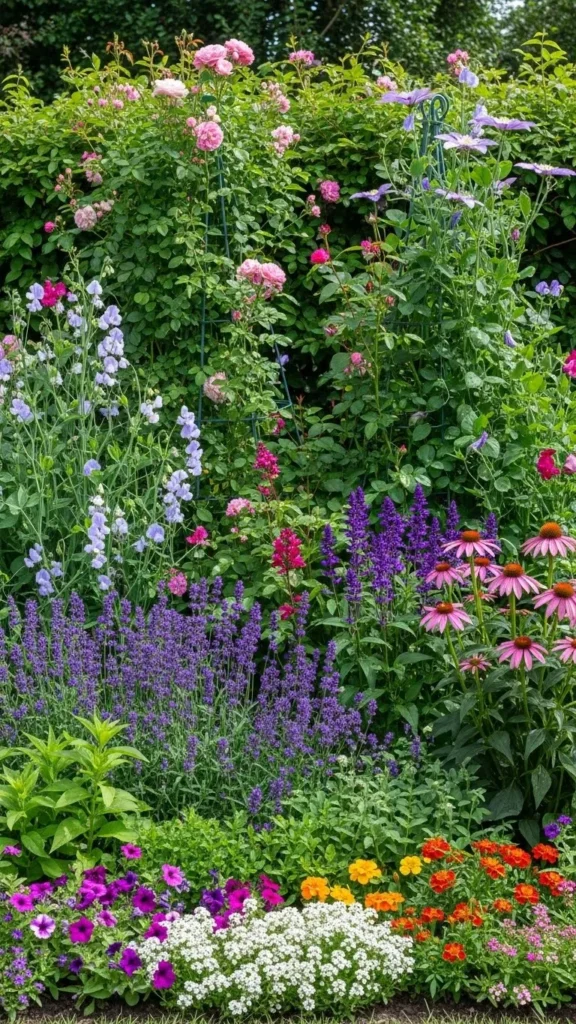
Plant greens in blocks rather than rows. Leaves shade soil and hold moisture. Harvest outer leaves first to extend growth time. This layout works well in small spaces. Use leftover seed packets to fill gaps. Blocks help limit weed growth naturally.
9. Dedicated Water Zones
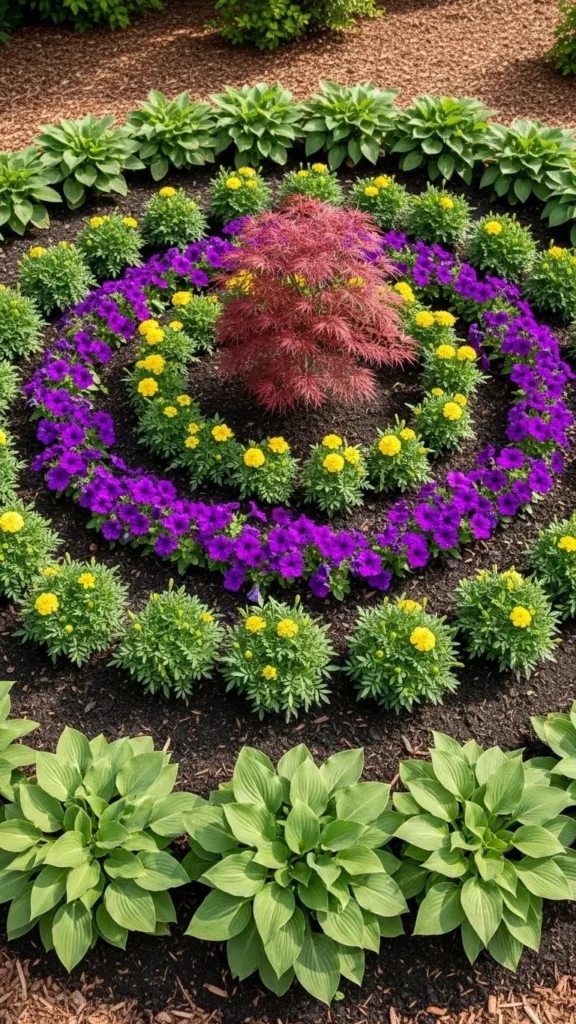
Group plants by watering habits. Thirsty plants stay together. Drought-tolerant ones go in separate beds. This reduces wasted water. Use simple drip lines or soaker hoses. Label zones to avoid mistakes. Watering becomes faster and more consistent.
10. Border Plant Buffers
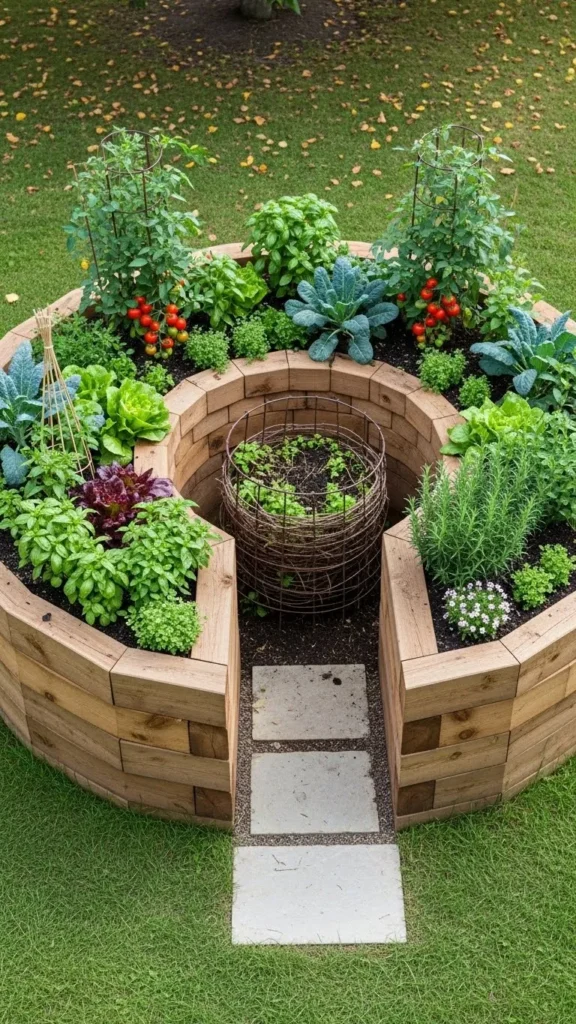
Plant low-growing crops or flowers along bed edges. They protect soil and reduce erosion. Borders also limit weeds. Use seeds you already own. Lettuce or herbs work well. This layout gives beds a finished look while supporting plant health.
11. Staggered Plant Heights
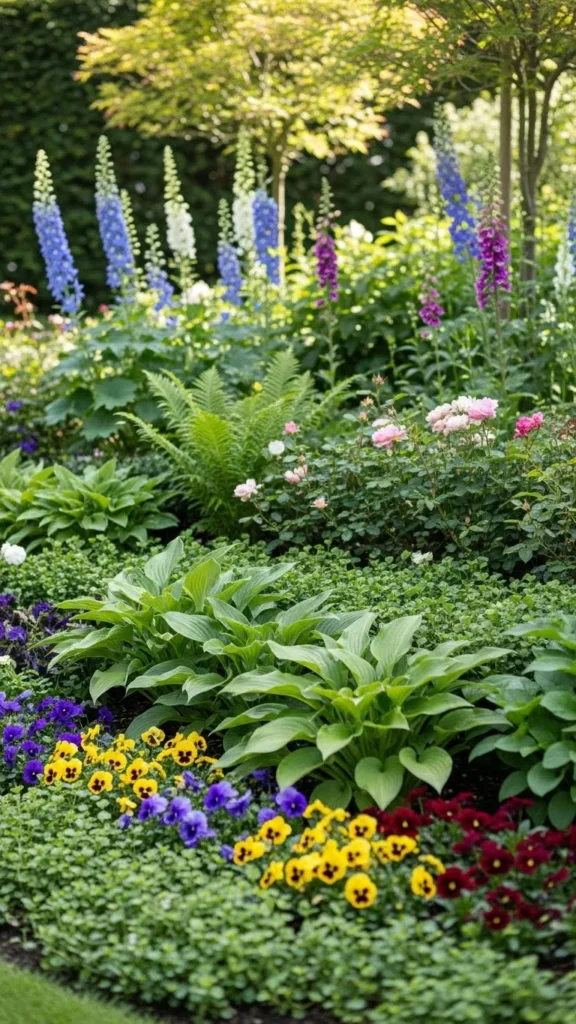
Arrange plants by height. Tall plants go in the back. Short plants stay in front. This prevents shading and improves access. Use stakes to plan height order before planting. This layout keeps growth balanced and makes harvesting easier.
12. Seasonal Rotation Beds
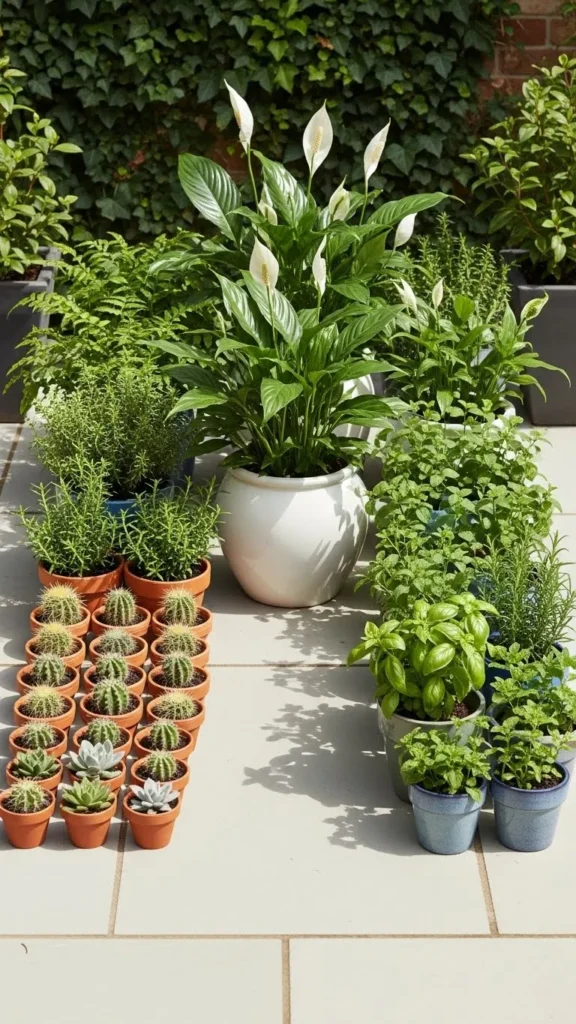
Divide your garden into sections for rotation. Change crop types each season. This helps soil recover and limits pests. Use simple signs to track planting history. Rotation works even in small gardens. It builds long-term soil health.
13. Narrow Beds With More Rows
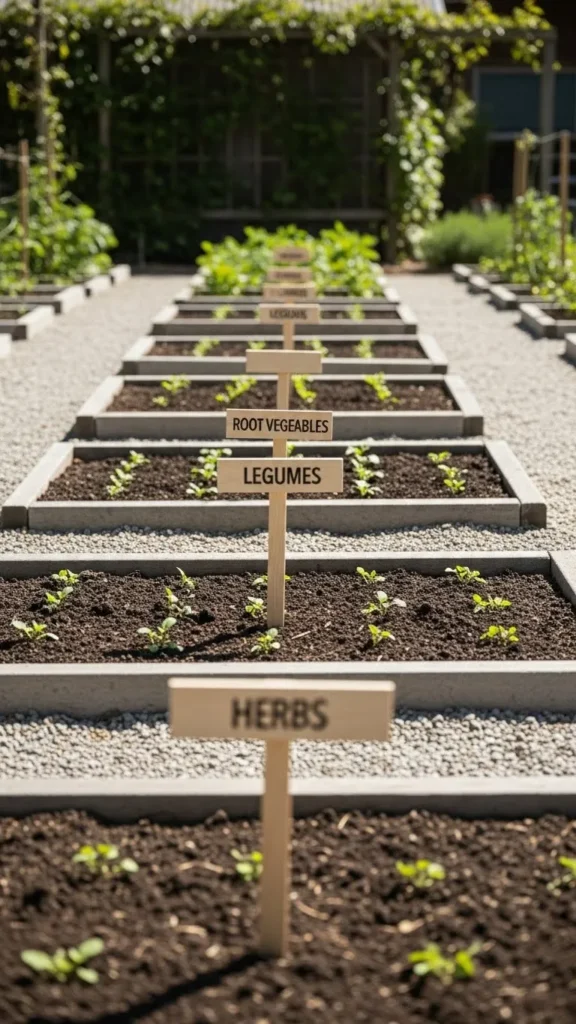
Narrow beds allow more planting rows without stepping on soil. Keep beds under four feet wide. This layout increases usable space. It also keeps soil loose. Narrow beds work well for urban gardens.
14. Diagonal Path Layout
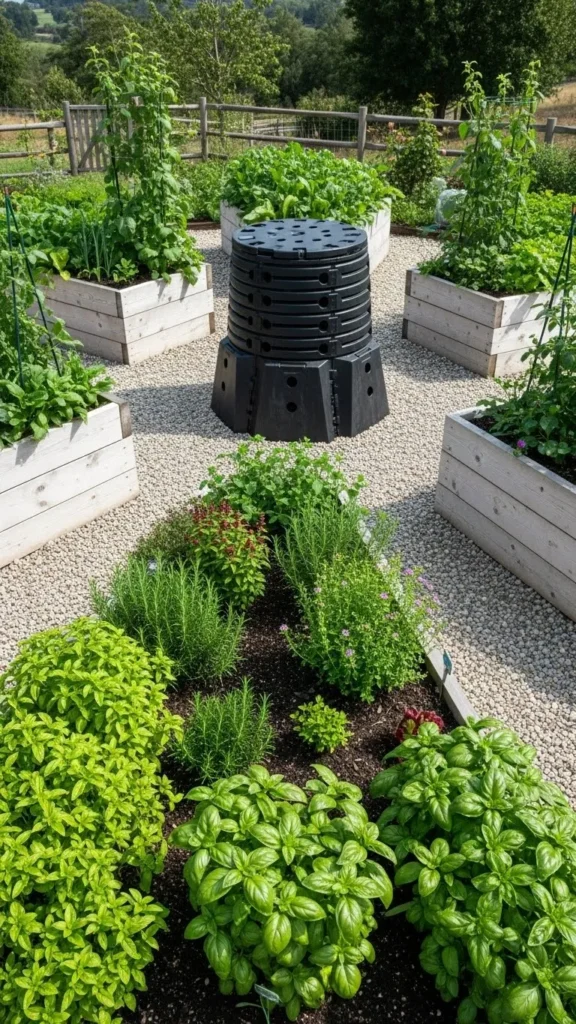
Diagonal paths shorten walking distance. They also create visual flow. This layout suits square yards. Use stepping stones or mulch. Diagonal paths reduce repeated foot traffic in one area.
15. Clustered Fruit Planting
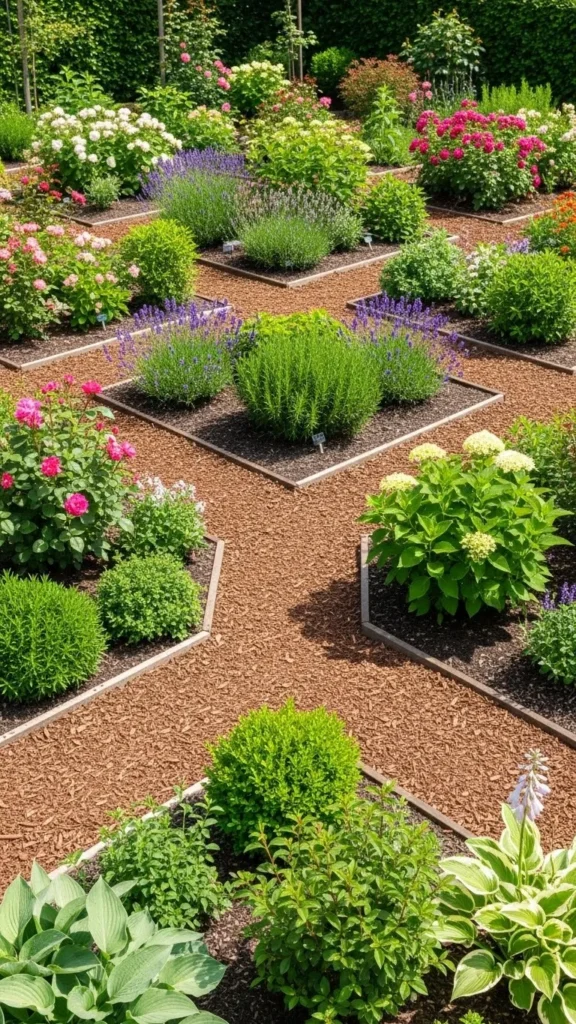
Plant fruiting crops in small clusters. Pollination improves when similar plants stay close. This layout supports even fruit set. Use simple spacing guides. Clusters also make harvesting quicker.
16. Edge-Focused Sun Planning
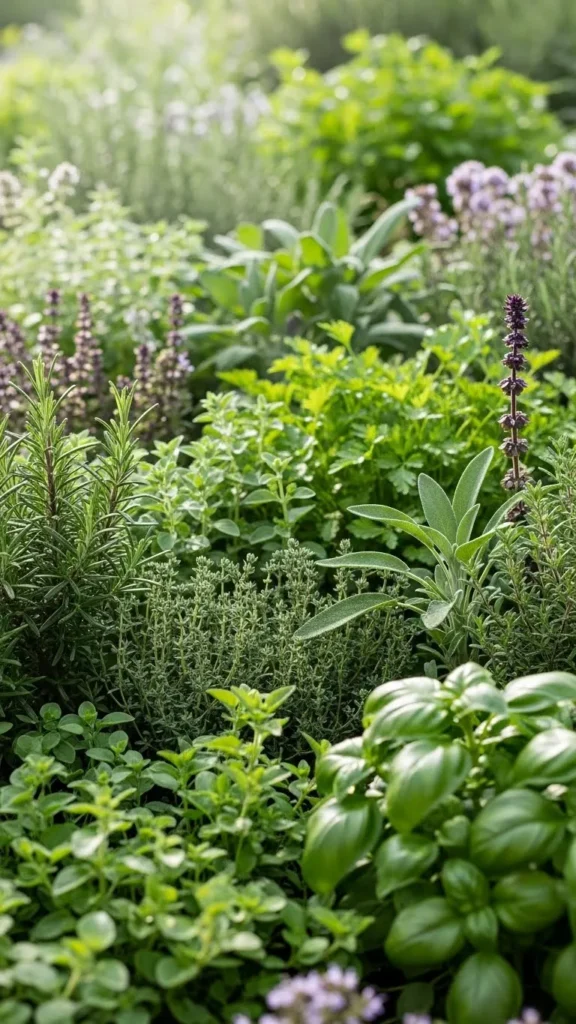
Observe where sunlight hits most. Place sun-loving plants there. Shade-tolerant plants go near fences or trees. Adjust layout each season if needed. This method uses existing light patterns instead of fighting them.
17. Central Compost Access
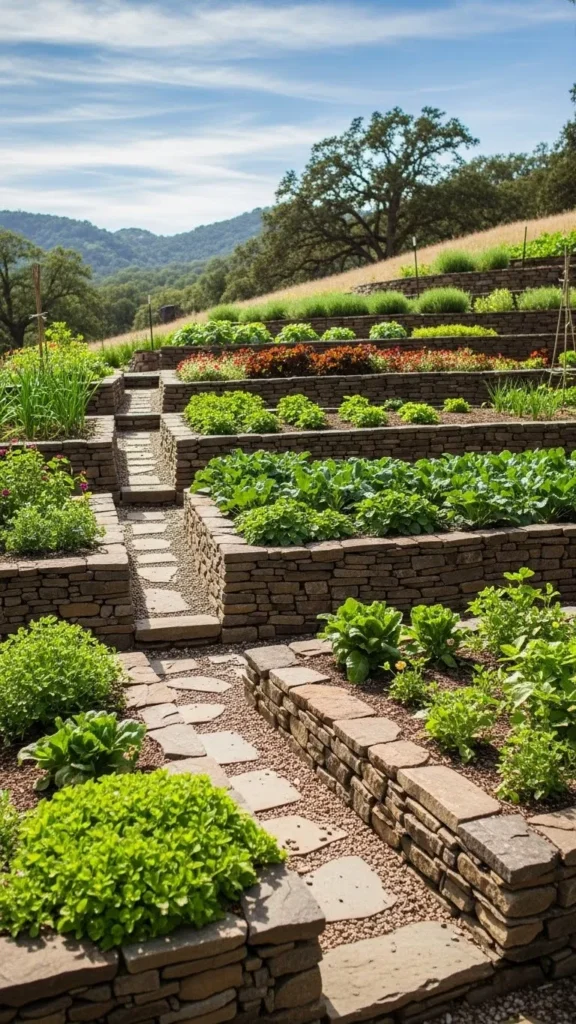
Place compost close to beds. Shorter distance makes soil care easier. Use a simple bin or pile. Compost access supports steady soil feeding. This layout saves time during planting and maintenance.
18. Container Zones Inside Beds
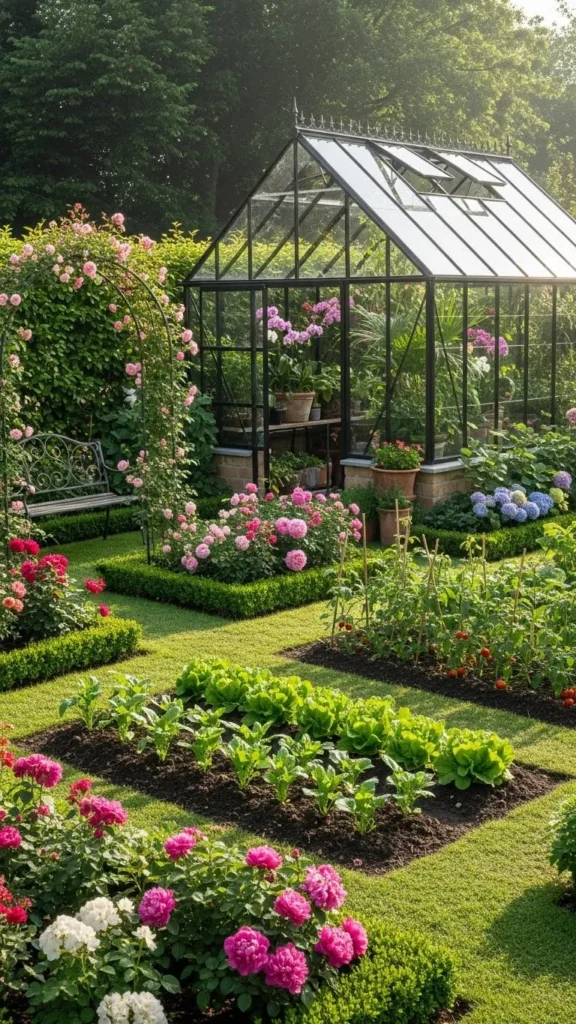
Use containers inside beds for aggressive plants. This controls spread. Containers also allow soil adjustment for specific crops. Reuse old pots or buckets. This layout keeps balance in mixed gardens.
19. Wind Protection Rows
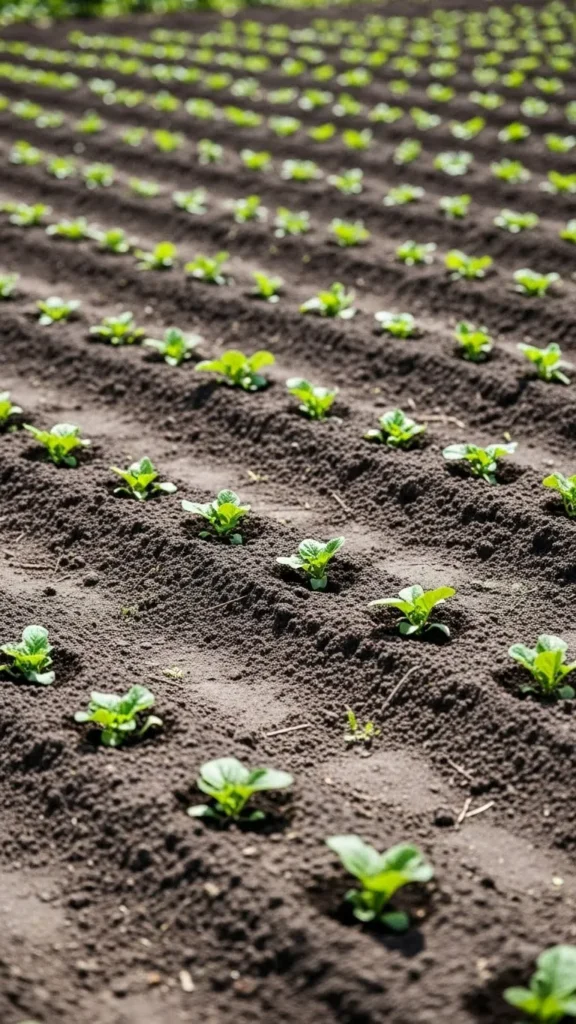
Use taller plants or fencing to block wind. Place them on the windward side. This reduces plant stress. Simple mesh or recycled panels work well. Protection rows help young plants settle.
20. Pollinator Corner Beds
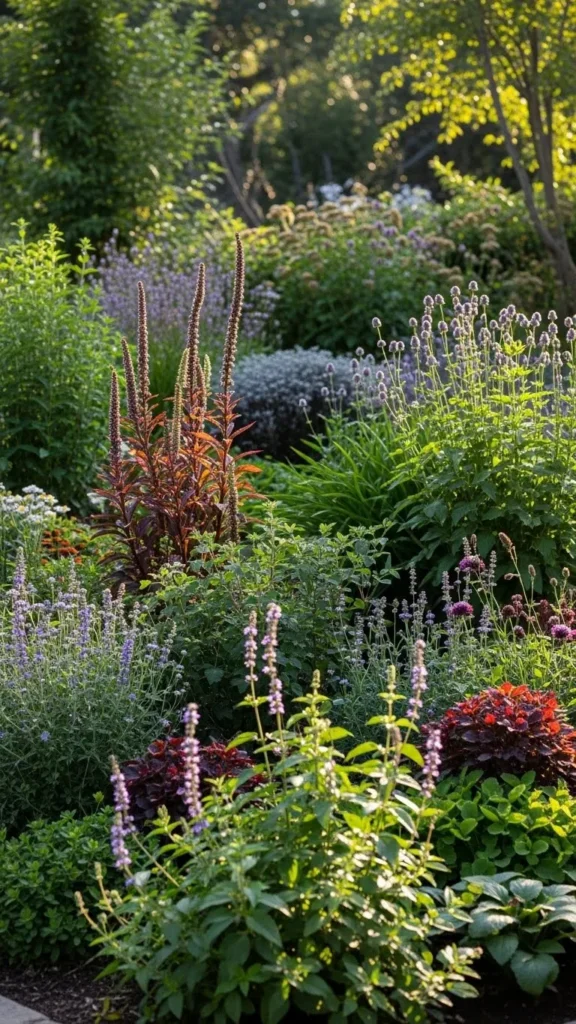
Create a small pollinator zone. Place it near food crops. Pollinators move easily between plants. Use low-cost flower seeds. This layout supports fruit and seed development naturally.
21. Straight-Line Irrigation Layout
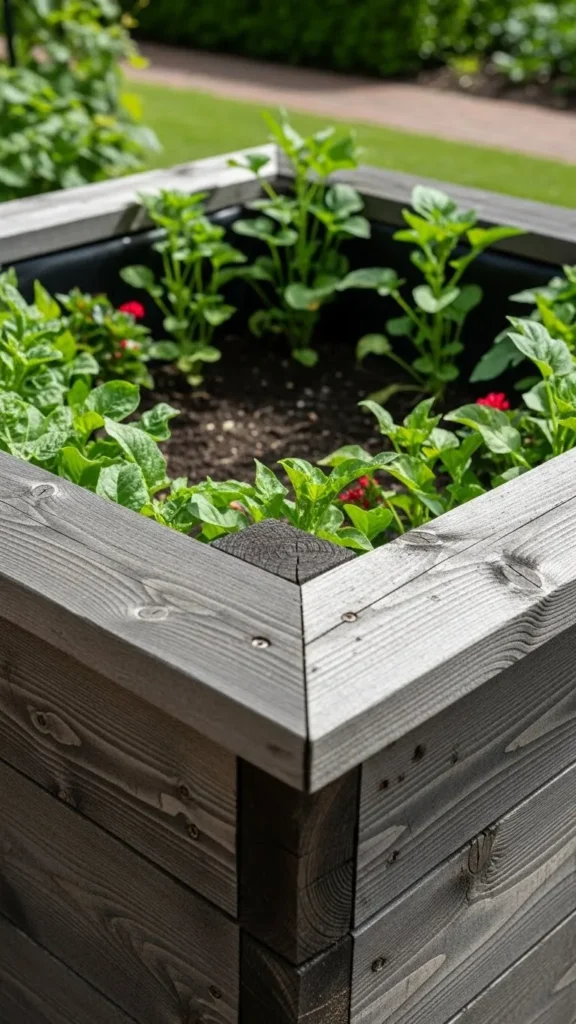
Lay irrigation in straight lines. This helps water reach roots evenly. Avoid overlapping hoses. Straight layouts simplify repairs. Use basic connectors and reuse lines each season.
22. Multi-Harvest Access Beds
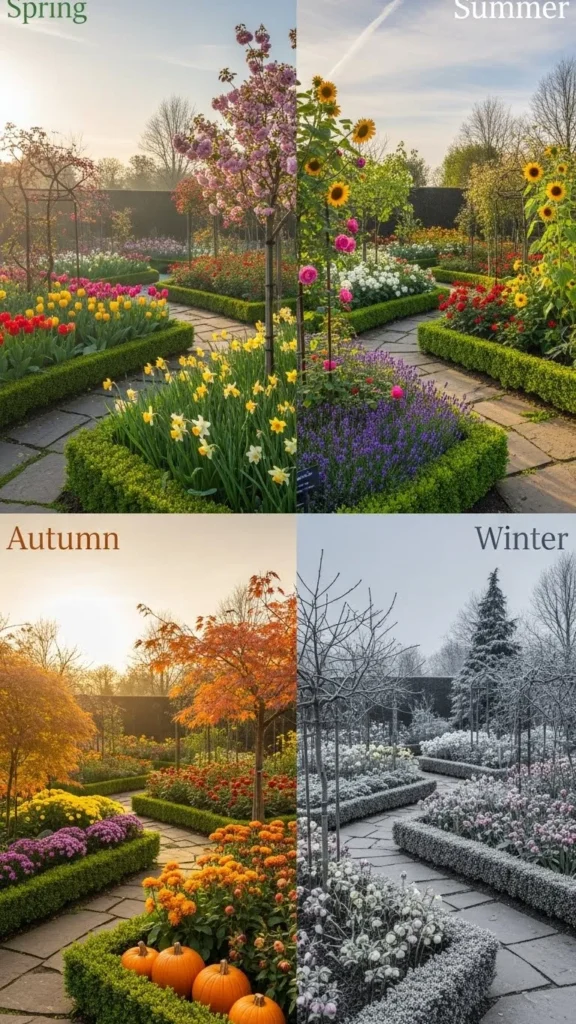
Space plants so hands fit easily between them. This supports repeat harvesting. Greens and herbs benefit most. Access-focused spacing reduces accidental damage. Use hand width as a guide.
23. Perimeter Tool Storage
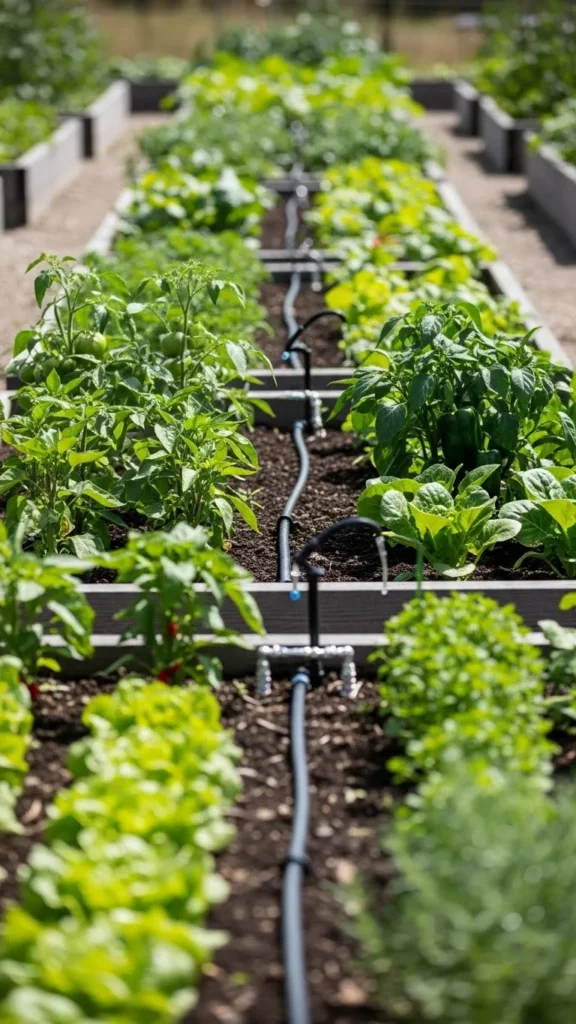
Store tools along garden edges. This keeps beds clear. It also shortens work time. Use hooks or crates. Perimeter storage supports daily care routines.
24. Simple Layout Mapping
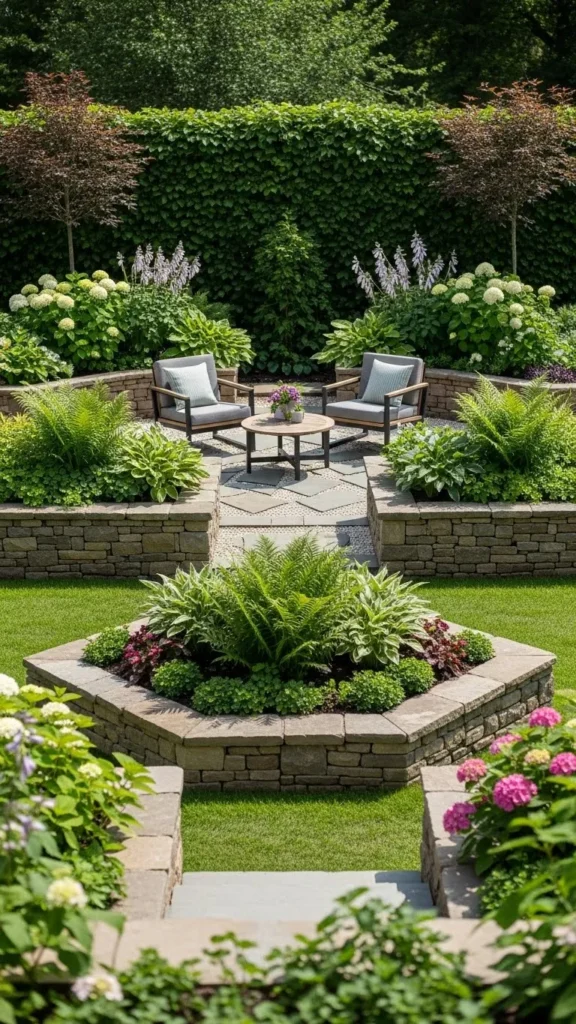
Sketch your garden before planting. Mark bed sizes and plant groups. Simple drawings help avoid overcrowding. Use pencil and paper. Layout mapping supports better decisions each season.
Conclusion
A thoughtful garden layout saves effort and supports steady plant growth across seasons. Small changes like spacing, paths, and plant grouping often bring visible results without extra cost. Start with one idea and adjust as you observe results. Over time, your garden becomes easier to manage and more productive with less daily work.

Leave a Reply