

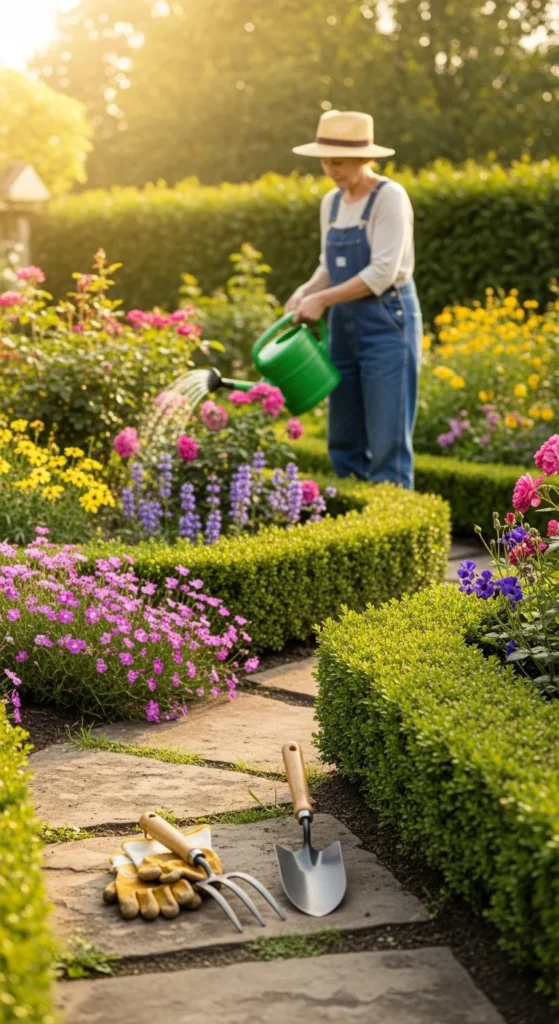
Keeping your garden thriving throughout the year doesn’t have to be complicated. With simple, consistent care, you can maintain lush greenery, healthy soil, and colorful blooms through every season. Whether you’re a weekend gardener or a daily digger, these practical maintenance tips will help you keep your outdoor space beautiful and productive—no matter the weather.
1. Prune Dead or Damaged Branches
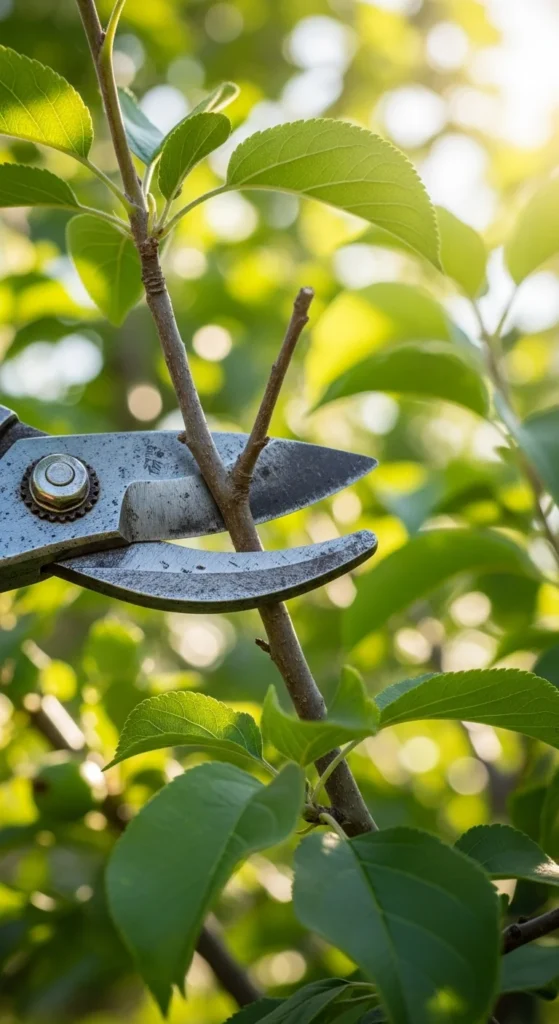
Cutting back dead or broken branches prevents disease and helps plants grow evenly. Use sharp, clean pruning shears to make smooth cuts just above healthy buds. Remove anything crossing or rubbing to allow better airflow. Regular pruning also keeps your garden neat. For large trees, use a pole saw or hire local help if needed. Toss trimmed branches into a compost pile or chip them into mulch for reuse.
2. Mulch Around Plants
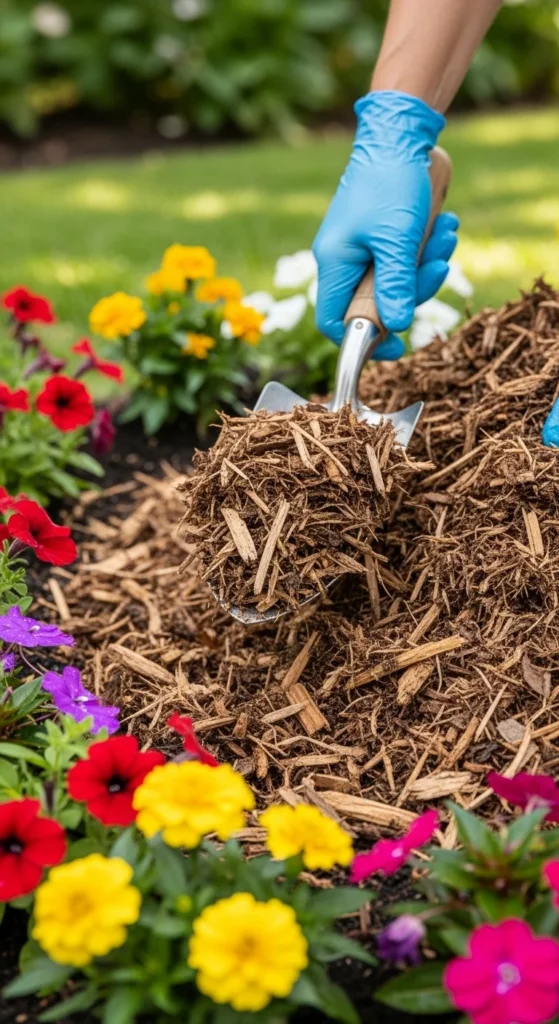
A layer of organic mulch helps lock in soil moisture, block weeds, and regulate temperature. Apply about two inches around shrubs, flowers, and vegetable beds. Avoid piling mulch against stems to prevent rot. You can use shredded leaves, bark chips, or straw. In winter, mulch protects roots from freezing; in summer, it prevents soil from drying too fast.
3. Water Early in the Morning
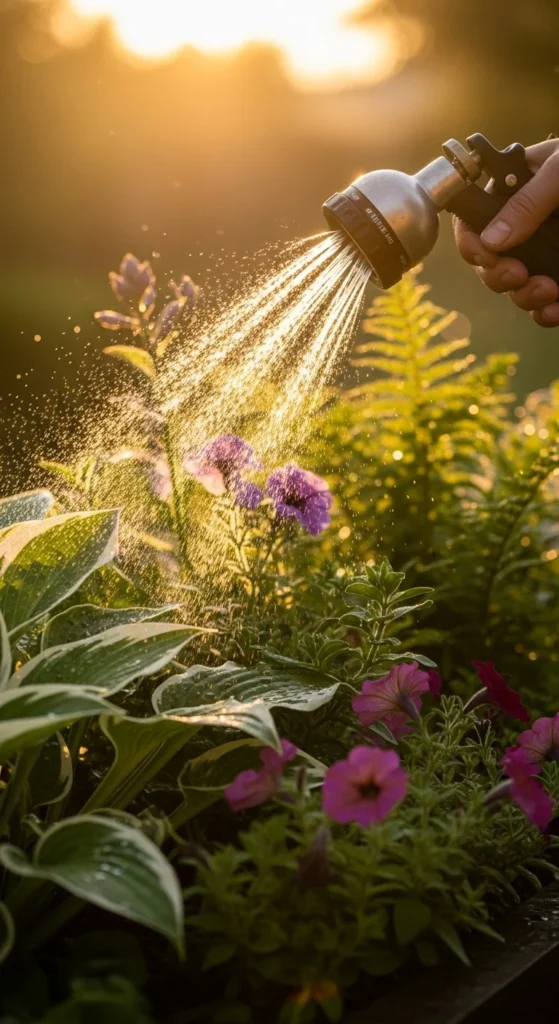
Morning watering reduces evaporation and allows leaves to dry during the day, lowering the risk of fungus. Water deeply rather than frequently—this encourages strong root growth. If you use a drip irrigation system, check for leaks each month. In hot months, inspect soil moisture regularly with your finger or a small trowel.
4. Compost Regularly
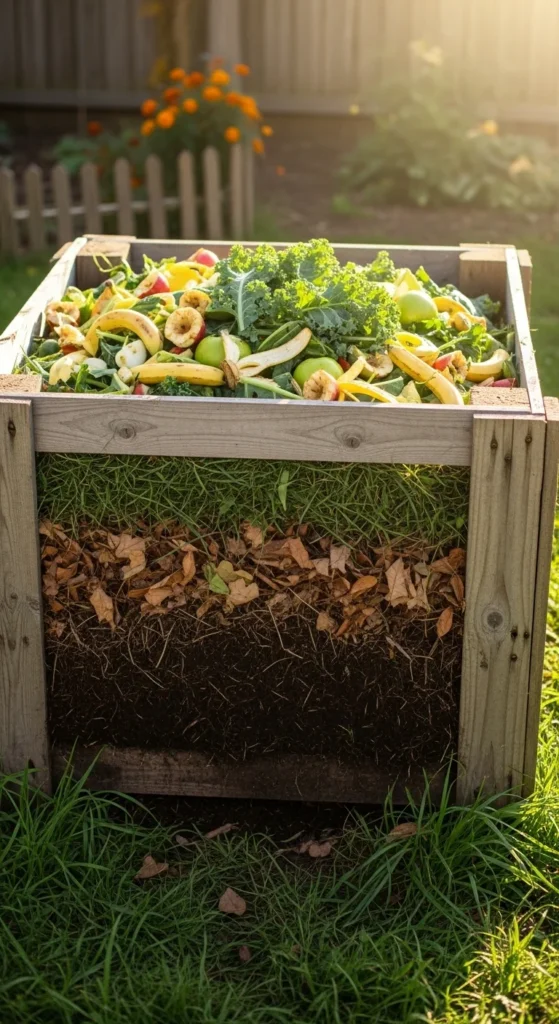
Turn kitchen scraps and garden waste into nutrient-rich compost. Mix equal parts green (food scraps, grass clippings) and brown materials (leaves, straw). Keep it moist like a wrung-out sponge and turn weekly with a pitchfork. Compost improves soil structure, helping roots breathe and absorb nutrients better.
5. Check for Pests Often

Look under leaves and near stems for insects like aphids or caterpillars. Catching pests early keeps them from spreading. Use natural sprays like neem oil or soap water instead of harsh chemicals. Encourage helpful insects such as ladybugs and lacewings to live in your garden. Rotate crops and keep foliage dry to reduce problems.
6. Rotate Vegetable Crops
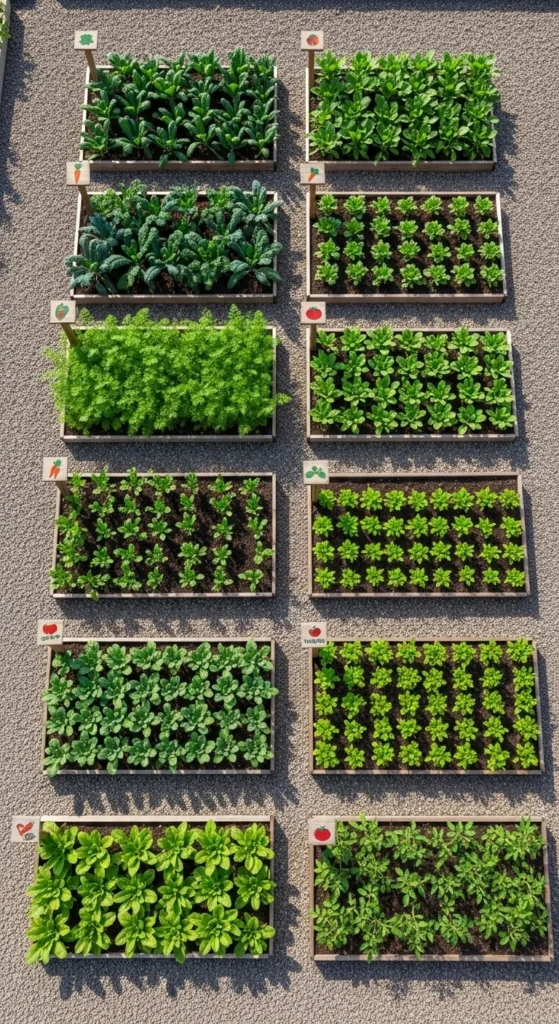
Growing the same crop in one spot every year depletes nutrients and attracts pests. Rotate plants from one bed to another each season. Group by type—leafy greens, root vegetables, legumes, and fruiting plants. This keeps the soil balanced and helps you get better harvests without extra fertilizer.
7. Feed Your Soil
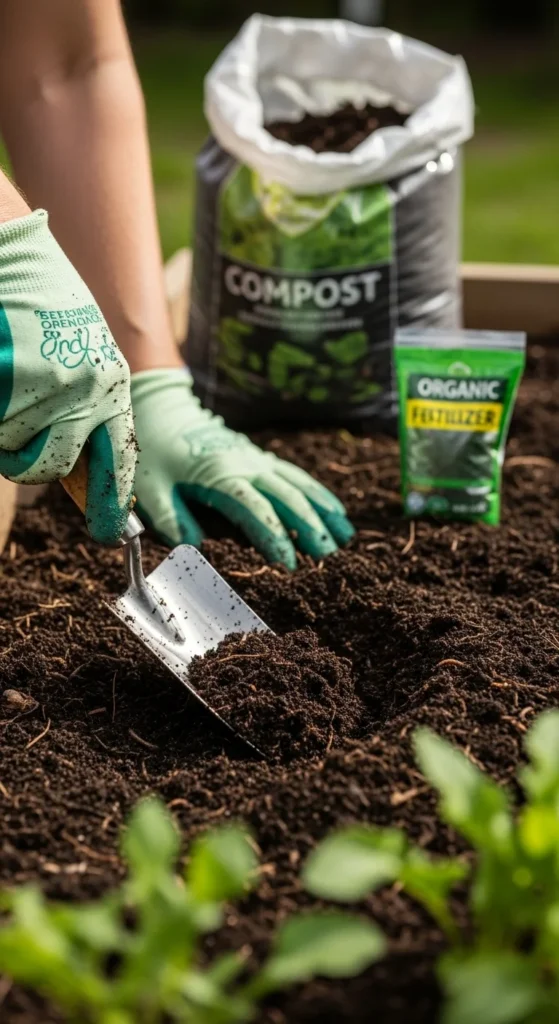
Healthy soil equals healthy plants. Each season, enrich your beds with compost or slow-release organic fertilizer. Avoid overfeeding—too much nitrogen can cause weak growth. Test soil pH every few months; most plants prefer slightly acidic to neutral conditions. If soil feels compacted, loosen it gently with a fork instead of deep digging.
8. Keep Tools Clean and Sharp
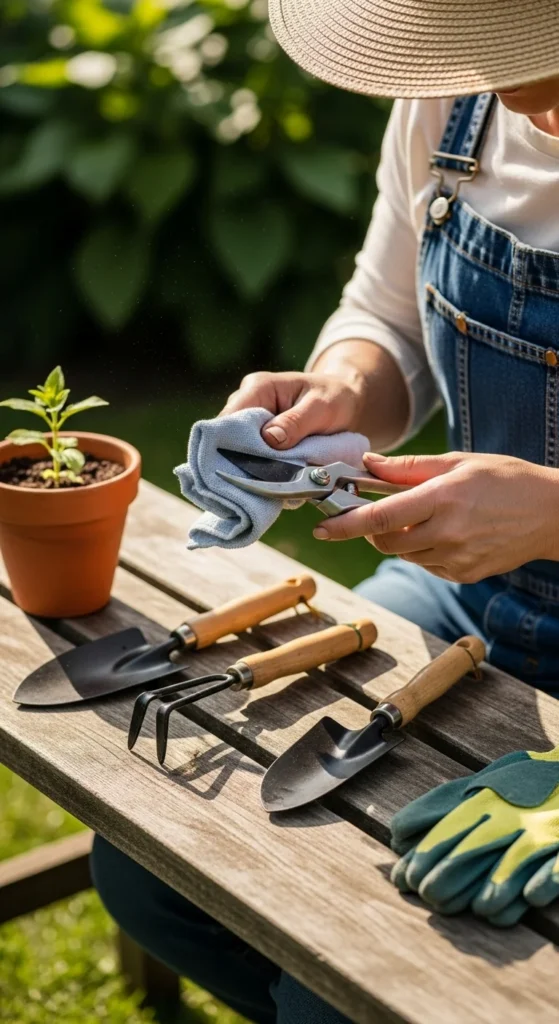
Dirty tools spread disease. After every session, wash tools in soapy water, rinse, and dry completely. Apply a thin coat of oil to prevent rust. Sharpen blades regularly using a file or stone. Store them indoors or hang them on a wall-mounted rack to keep them organized and ready for use.
9. Weed Weekly
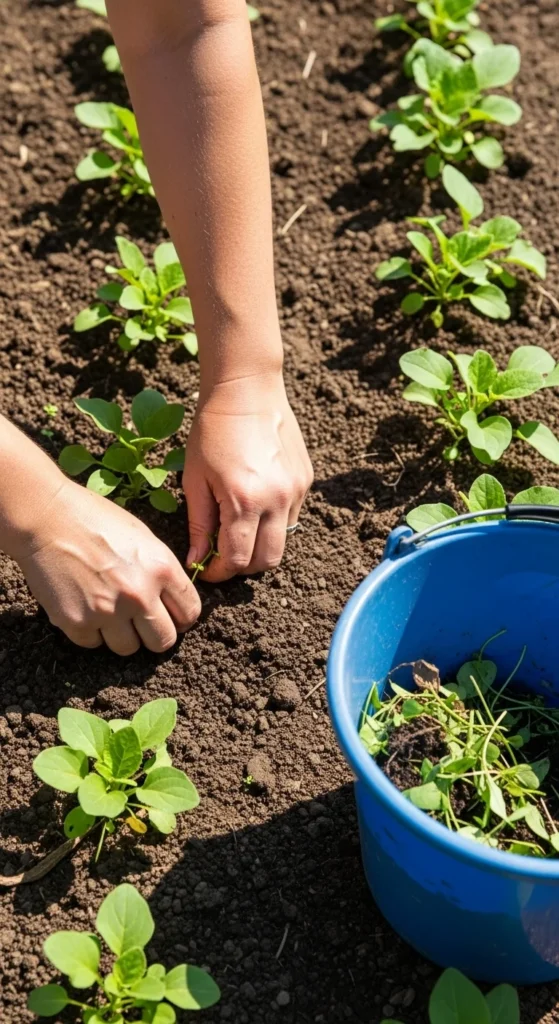
Weeds steal nutrients and water from your plants. Pull them by hand or use a hoe before they flower and spread seeds. It’s easiest to weed after watering when the soil is soft. Add removed weeds (without seeds) to your compost. A few minutes of weeding each week keeps your beds clear all year.
10. Add Rain Barrels
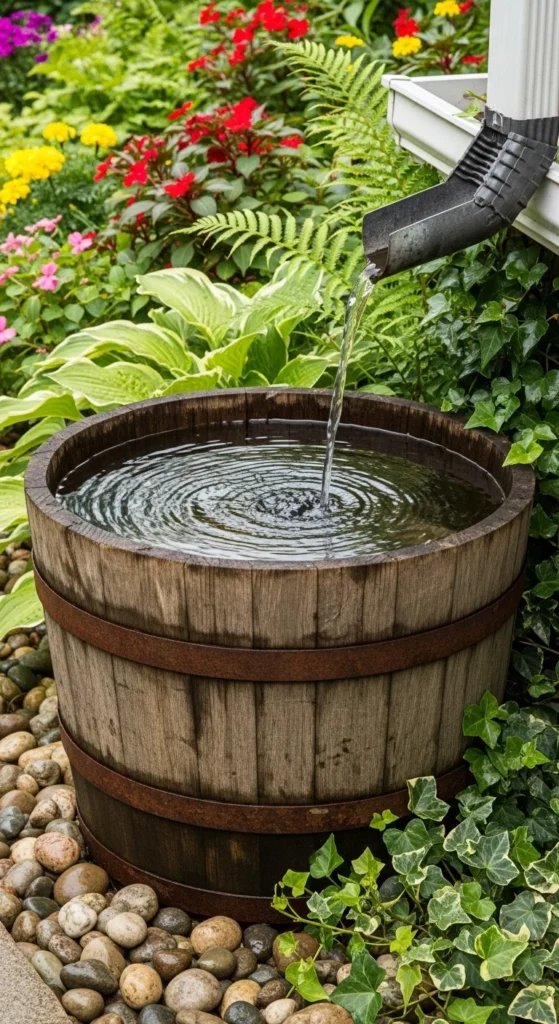
Collecting rainwater saves money and provides soft, chemical-free water for your plants. Place barrels under downspouts and keep them covered to prevent mosquitoes. Use the stored water during dry spells for container plants or flower beds. You can even connect a hose directly for easy watering.
11. Divide Perennials
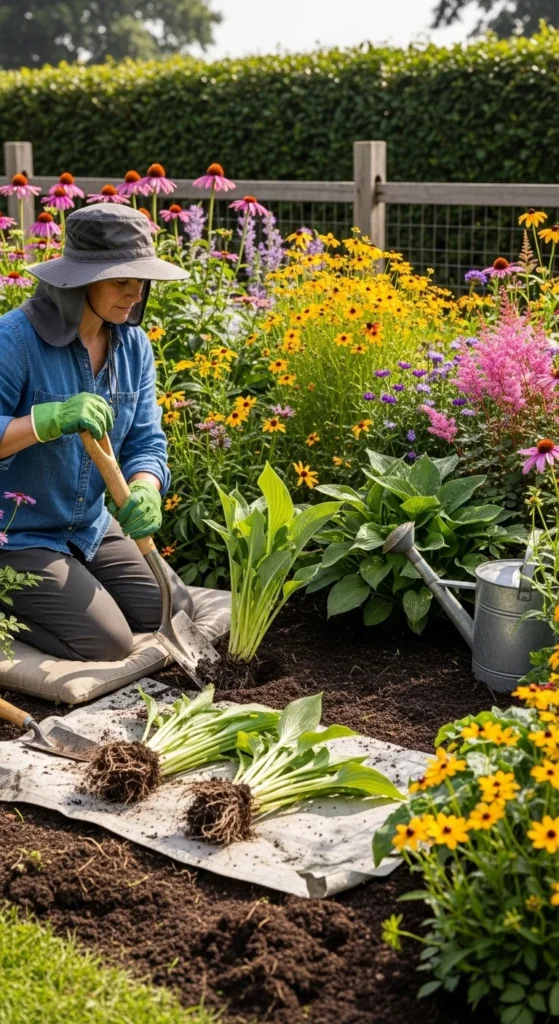
Every few years, perennials like hostas or daylilies grow crowded. Dividing them helps maintain their health and encourages new blooms. Dig around the root clump, gently pull apart sections, and replant them immediately. Water well afterward and mulch to keep moisture in.
12. Rake Fallen Leaves
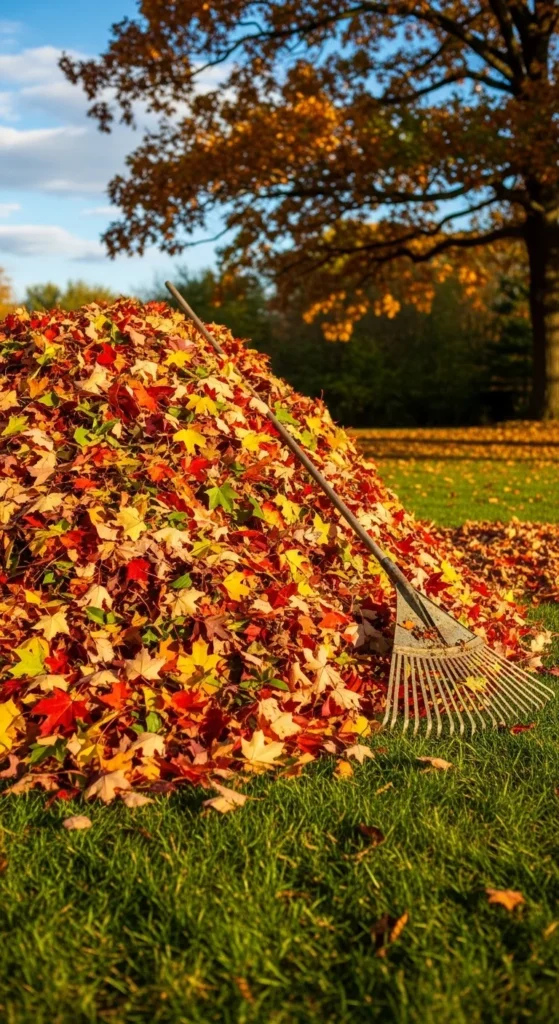
Don’t let fallen leaves smother your lawn. Rake them weekly during autumn and use them for mulch or compost. Shredded leaves add organic matter and attract beneficial earthworms. For large yards, a leaf blower or mulching mower makes cleanup faster and easier.
13. Protect Plants from Frost
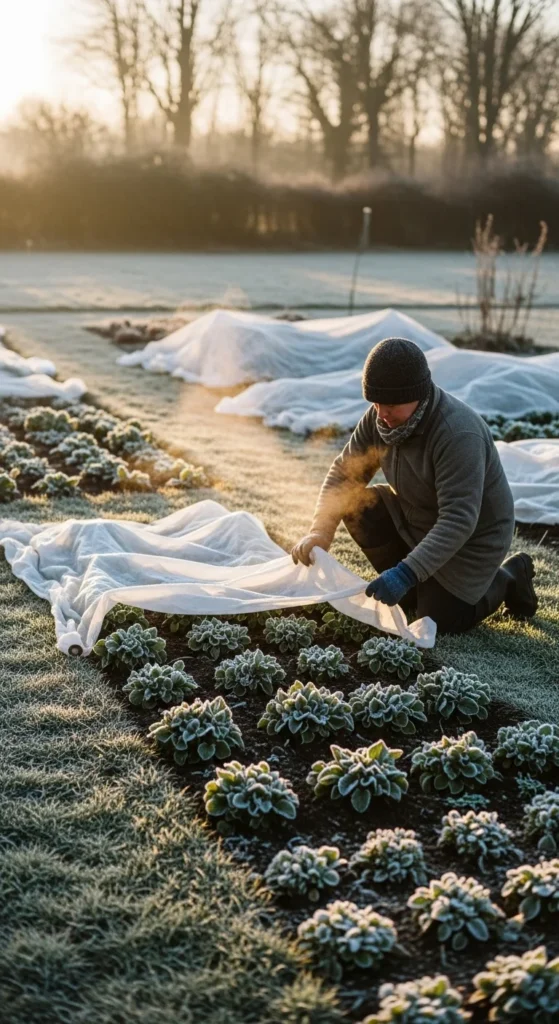
When temperatures drop, cover tender plants with fabric, burlap, or old sheets overnight. Remove covers during the day so sunlight can reach them. Potted plants can be moved closer to walls or indoors. Mulching the base of perennials also keeps roots insulated.
14. Support Climbing Plants
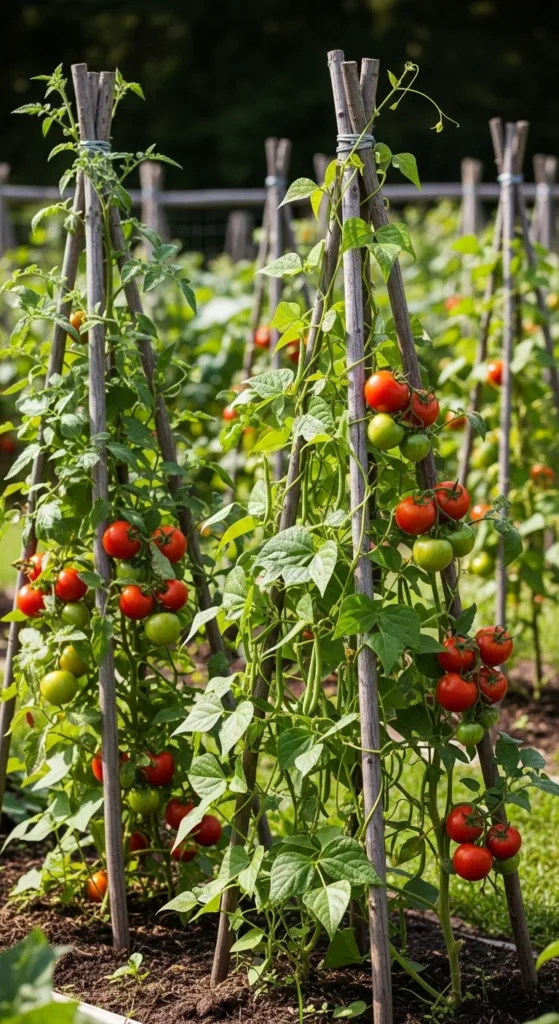
Install trellises or cages early in the season before vines grow long. It keeps plants off the ground, prevents rot, and saves space. Reuse old wire mesh, bamboo poles, or wooden frames. Secure stems gently with soft ties or strips of fabric to avoid damage.
15. Edge Garden Beds
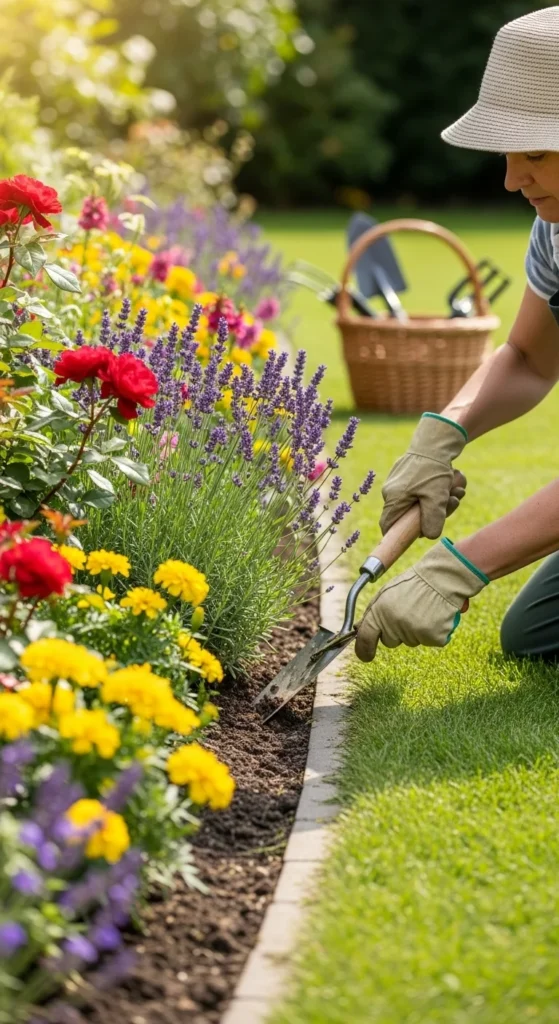
A tidy edge gives your garden a finished look. Use a flat spade or edging tool to define borders between grass and beds. Add a small trench or barrier to stop grass roots from creeping in. Maintain it every few weeks for neat lines that make your garden look cared for.
16. Keep a Garden Journal
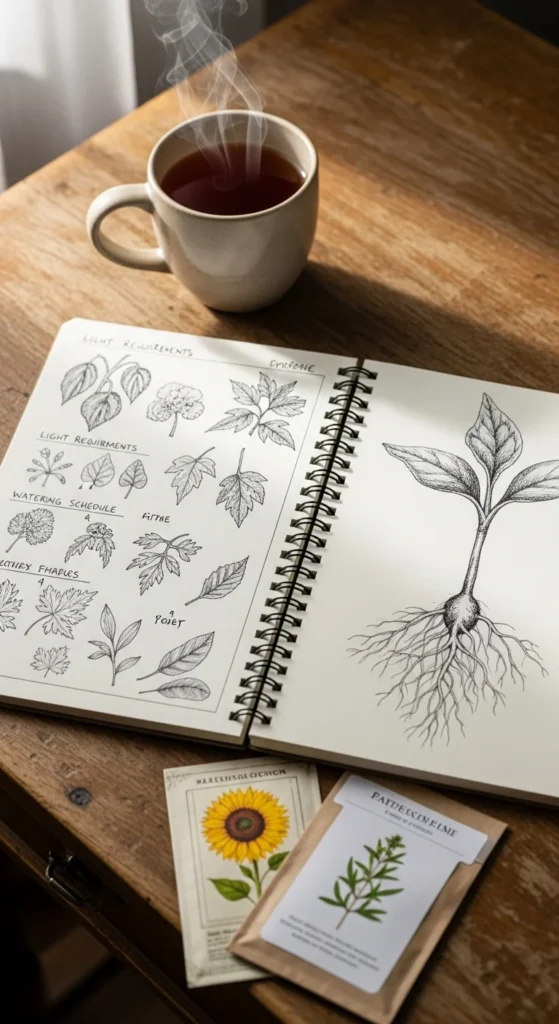
Write down planting dates, weather changes, and what grows best. A simple notebook helps track patterns and adjust your care routine. You’ll remember which fertilizers worked or when pests appeared. Add photos or sketches for quick reference next season.
17. Aerate Lawn Once a Year

Aerating lets air and water reach grass roots. Use a core aerator in early spring or fall. It breaks compacted soil and improves drainage. Follow up with overseeding and light watering for a thick, green lawn. Avoid walking on wet grass to prevent compaction.
18. Clean Gutters and Drainage

Clogged gutters cause overflow that damages garden beds. Clear them regularly, especially before heavy rains. Direct downspouts away from delicate plants. Check that garden paths and raised beds drain well to prevent root rot.
19. Refresh Containers
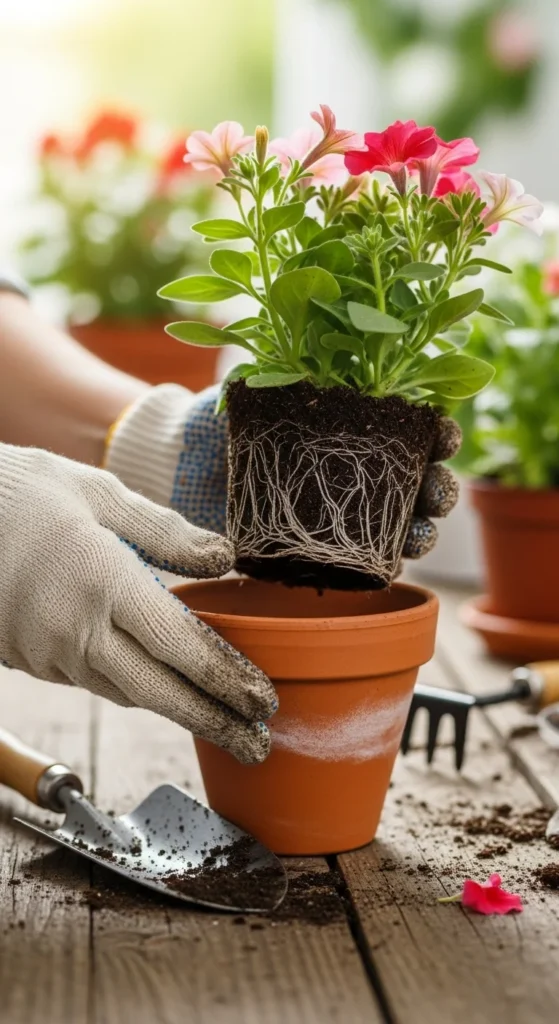
Container plants can outgrow their space. Replace compacted soil each spring with new potting mix. Choose containers with good drainage and clean them before reuse. Feed with a balanced liquid fertilizer every few weeks for vibrant blooms.
20. Encourage Pollinators
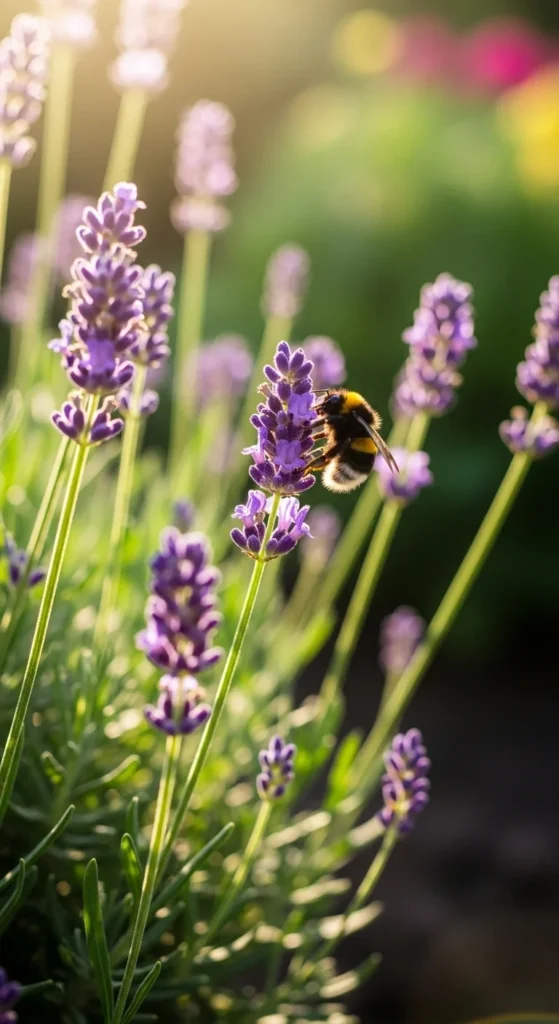
Attract bees, butterflies, and hummingbirds by planting nectar-rich flowers like lavender, salvia, and zinnias. Avoid chemical sprays during daylight hours. Add a small water dish with pebbles for pollinators to rest and drink. A pollinator-friendly garden helps your plants thrive naturally.
21. Inspect Irrigation Systems
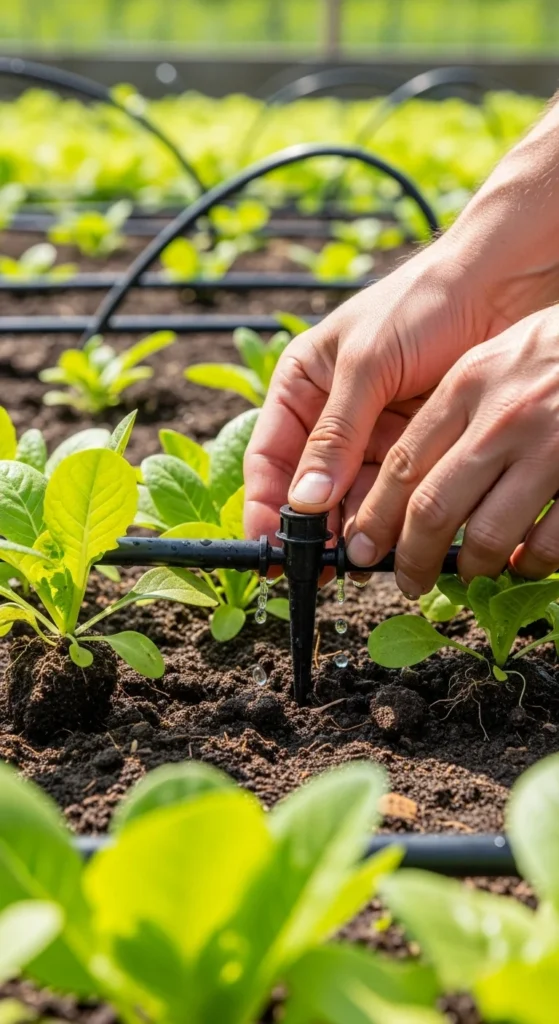
Leaks or clogs waste water and stress plants. Run your irrigation system weekly and inspect emitters, hoses, and timers. Clean or replace parts as needed. Adjust watering schedules for seasonal changes to save resources and keep soil evenly moist.
22. Replace Old Soil in Raised Beds
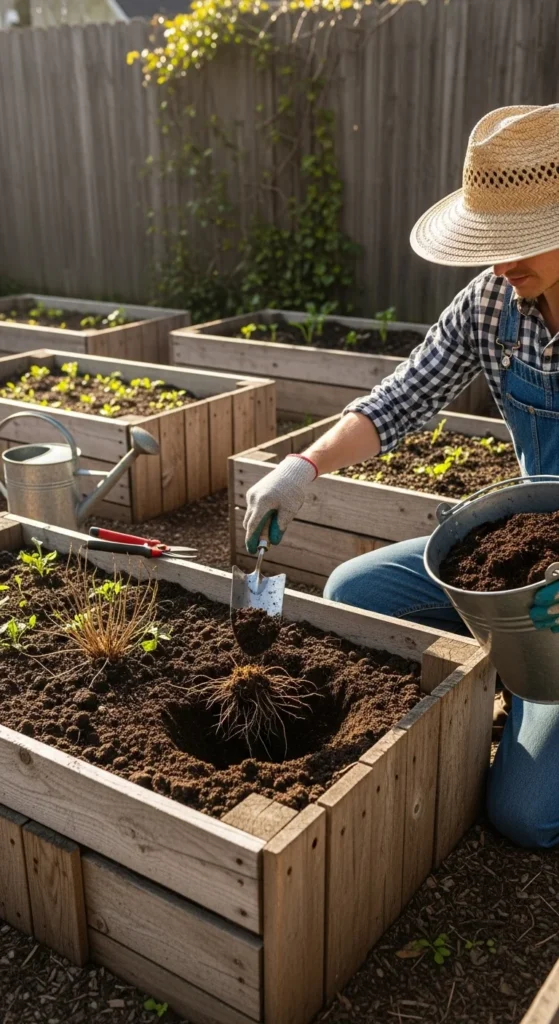
After a few years, soil loses nutrients. Scoop out half the old mix and replace it with fresh compost or garden soil. Mix in organic matter like worm castings or leaf mold for long-term fertility. Rotate crops afterward for the best growth.
23. Plan Ahead for Next Season

Before winter ends, review what worked and what didn’t. Order seeds early to get the best varieties. Sketch out your garden layout, considering sunlight and spacing. Organizing in advance makes spring planting stress-free and enjoyable.
Conclusion
Keeping a garden thriving through every season is about steady, thoughtful care. From watering habits to pruning and soil feeding, these small actions add up to big results. Start applying a few of these ideas today—your garden will thank you with stronger plants, colorful blooms, and year-round beauty.

Leave a Reply