

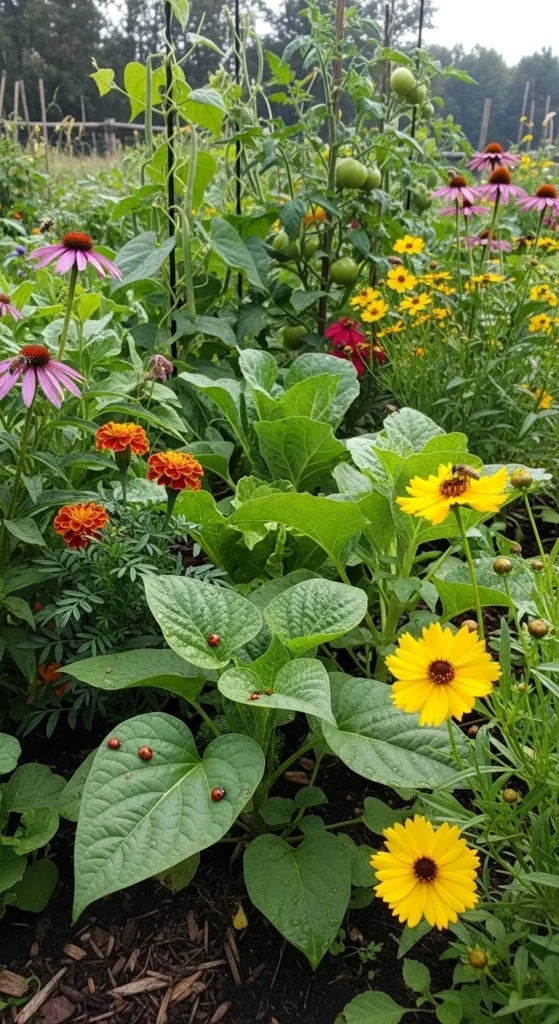
Keeping pests under control doesn’t mean you have to use harsh chemicals. Gardeners around the world have learned that natural pest control can be just as effective—often even better—for maintaining a thriving, eco-friendly garden. Whether you grow vegetables, flowers, or herbs, these methods help protect your plants while keeping your soil and pollinators healthy. Let’s explore 26 practical, affordable, and eco-conscious ways to manage pests naturally.
1. Encourage Ladybugs
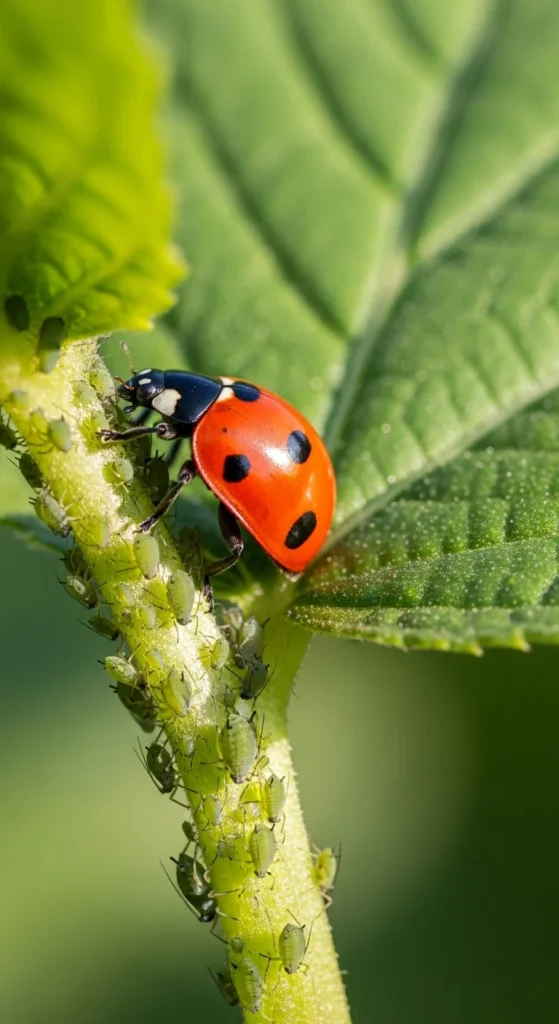
Ladybugs are one of the garden’s best allies. They feed on aphids, mites, and other soft-bodied pests that damage leaves and stems. You can attract them by planting dill, fennel, or yarrow. Avoid spraying chemical pesticides, as these will drive ladybugs away. If your garden is struggling with aphids, you can even buy live ladybugs online and release them at dusk for the best results.
2. Use Neem Oil Spray
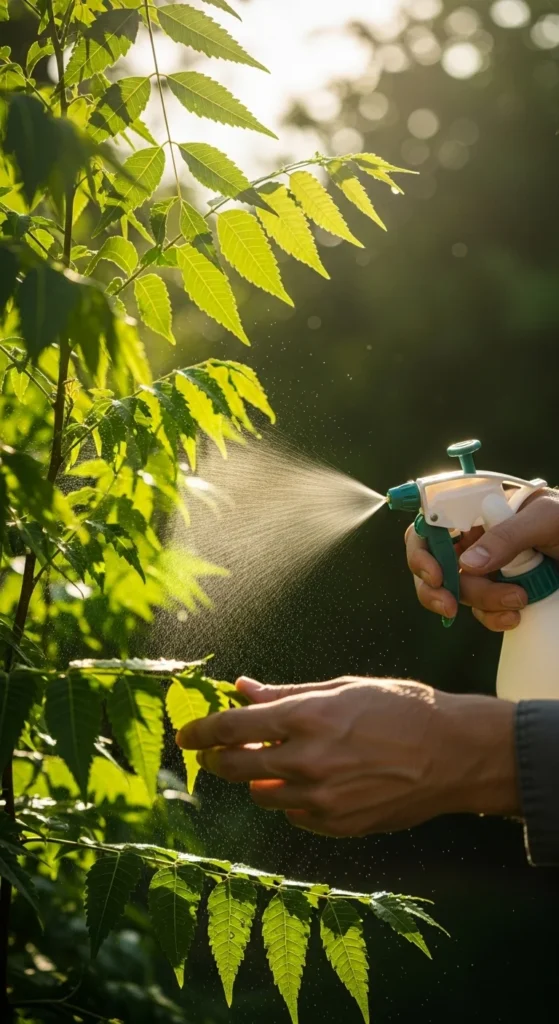
Neem oil is a natural insect repellent made from neem tree seeds. It works against aphids, whiteflies, and mealybugs by disrupting their feeding cycle. Mix one tablespoon of neem oil with a few drops of mild soap in a quart of water, then spray on affected plants weekly. This gentle method won’t harm beneficial insects like bees and butterflies.
3. Plant Marigolds as Pest Deterrents
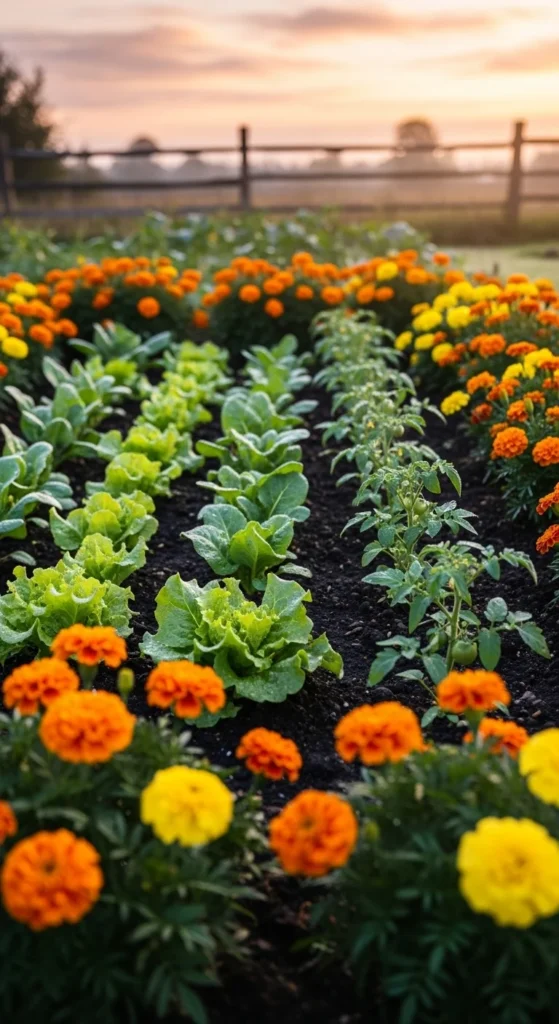
Marigolds don’t just look cheerful—they repel pests like nematodes and aphids. Their strong scent confuses many insects that attack vegetables. Plant them around tomatoes, peppers, and beans for natural protection. You’ll also attract pollinators while keeping harmful bugs away, creating a double win for your garden ecosystem.
4. Try Companion Planting
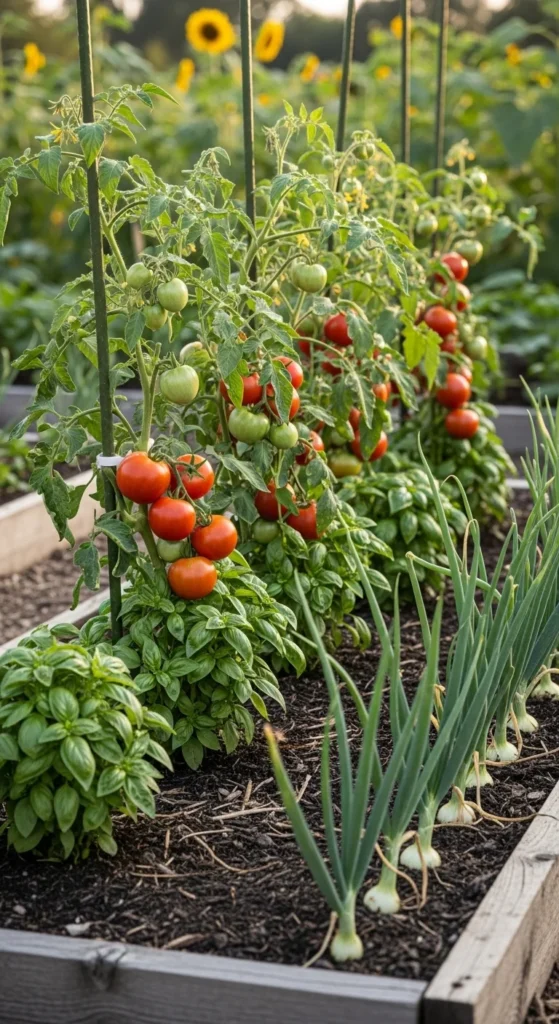
Companion planting is all about pairing plants that help each other thrive. For example, basil near tomatoes repels hornworms, while carrots next to onions reduce carrot fly problems. Mixing your crops naturally confuses pests and minimizes outbreaks. Rotate these combinations each season for lasting results.
5. Set Up Birdhouses
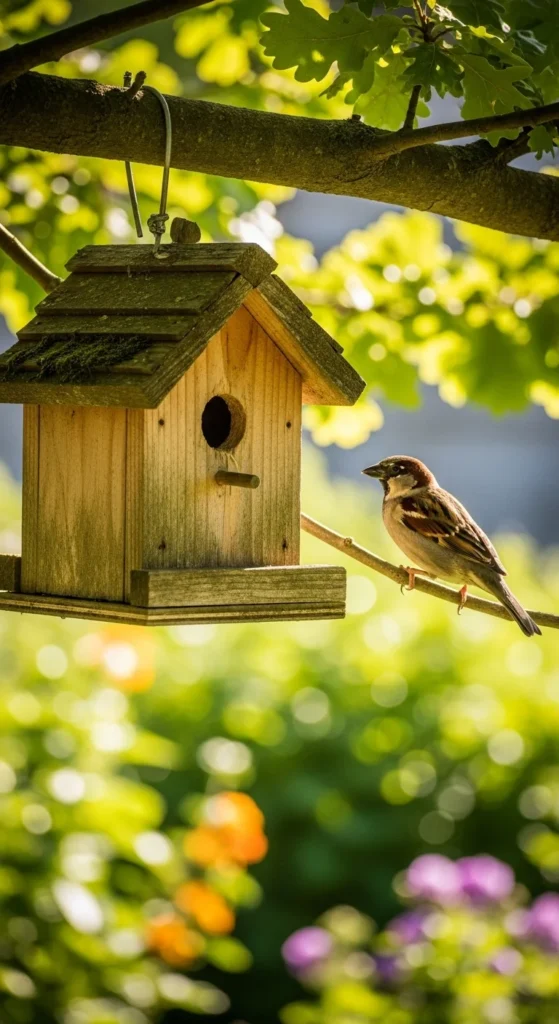
Birds love snacking on caterpillars, beetles, and grubs. Installing birdhouses or birdbaths invites feathered helpers to patrol your garden. Choose native species that already live in your area. You’ll notice fewer pests and enjoy the bonus of birdsong while you work outdoors.
6. Sprinkle Diatomaceous Earth
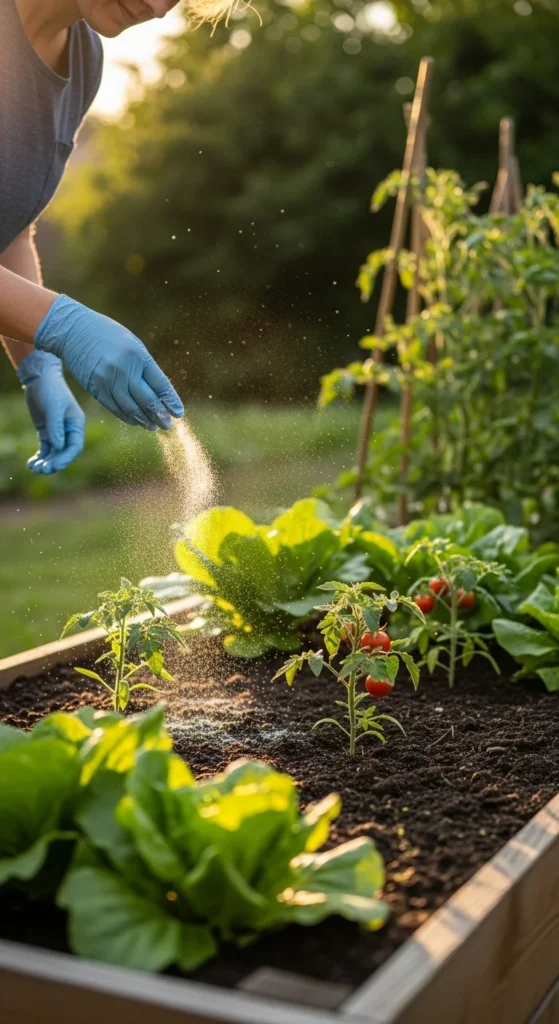
This powder is made from crushed fossils that damage insect shells. Sprinkle it lightly around plant bases to deter ants, slugs, and beetles. It’s safe for humans and pets but deadly to crawling pests. Reapply after rain, as moisture reduces its effectiveness.
7. Make a Garlic Spray
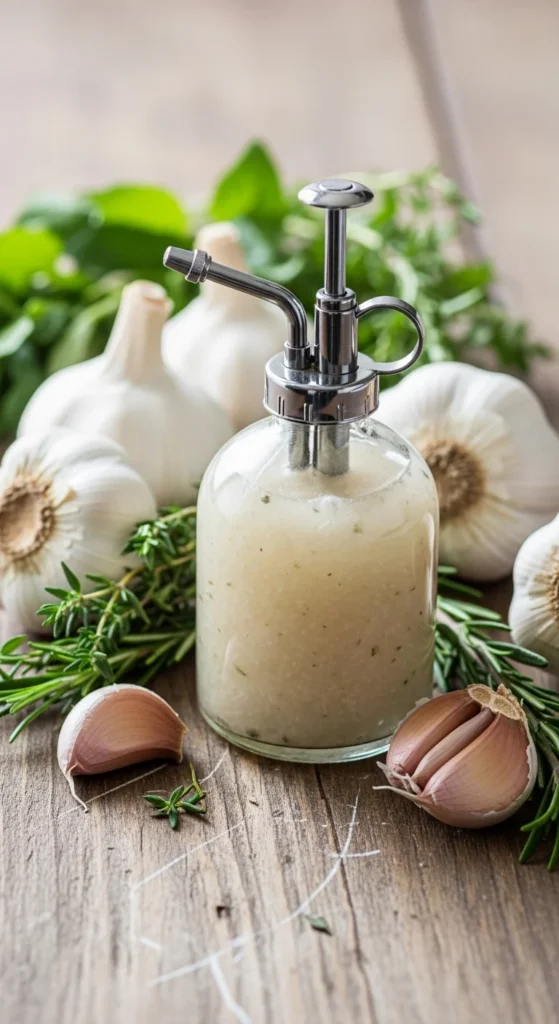
Garlic’s strong scent repels aphids, spider mites, and caterpillars. Blend two cloves of garlic with a quart of water, strain, and spray directly on leaves. Repeat weekly or after heavy rain. You’ll deter pests while keeping your garden organic and chemical-free.
8. Use Sticky Traps
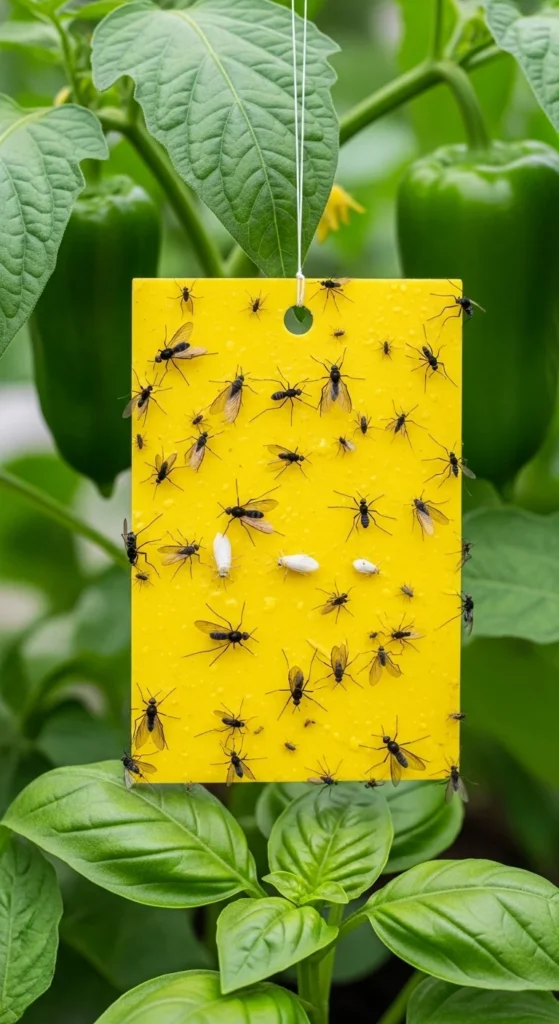
Sticky traps catch flying insects like whiteflies and gnats. You can buy them or make your own by coating yellow cards with petroleum jelly. Place them near problem areas to monitor pest activity and reduce populations over time.
9. Attract Beneficial Insects
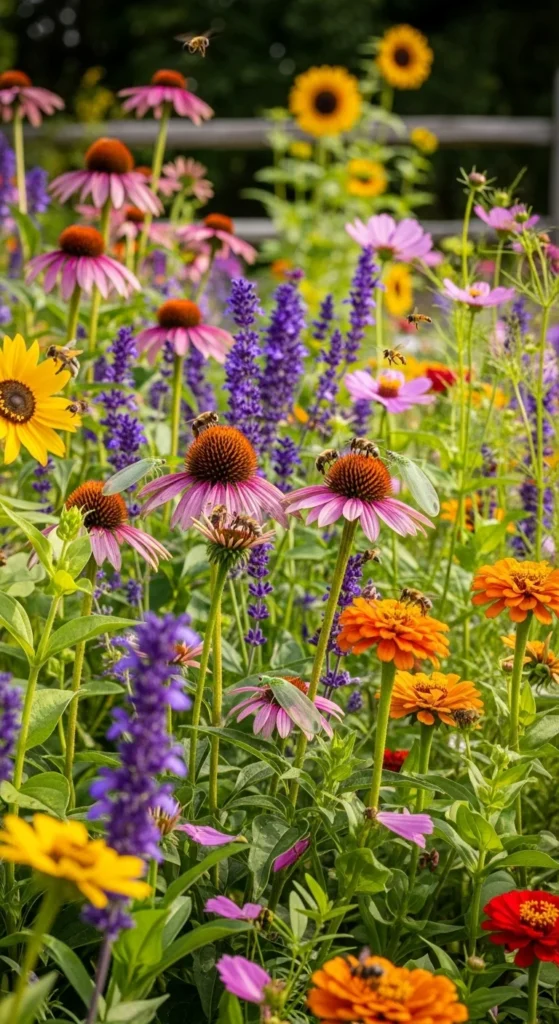
Beneficial insects such as lacewings and hoverflies eat harmful pests. Grow flowers like alyssum, dill, and cosmos to invite them. Avoid synthetic sprays that could harm these helpers. With time, they’ll form a natural balance in your garden’s ecosystem.
10. Use Row Covers
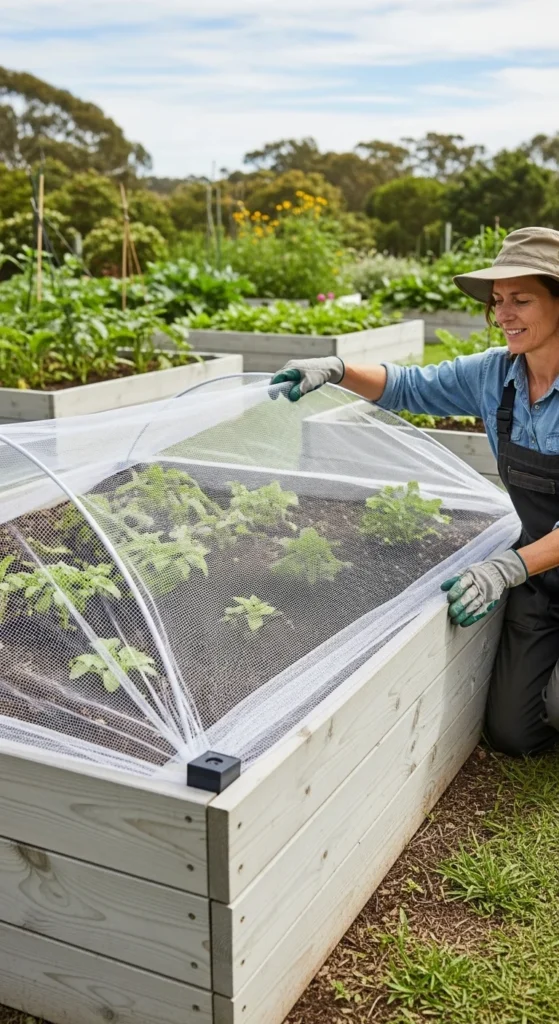
Row covers are lightweight fabrics that act as a physical barrier between crops and insects. They’re great for protecting leafy greens and cabbage from moths and beetles. Secure the edges so pests can’t crawl under, and remove them when plants begin flowering.
11. Introduce Nematodes
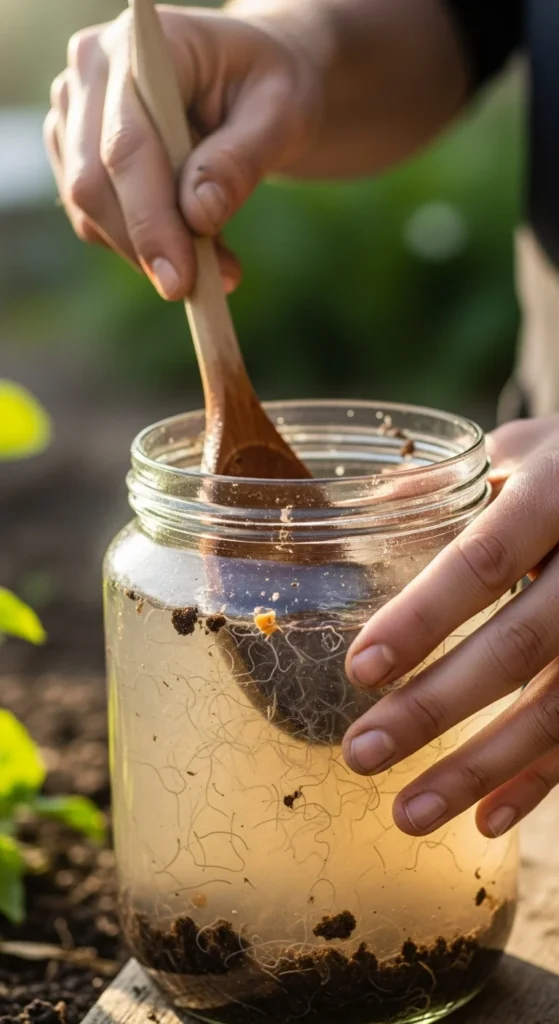
Beneficial nematodes are microscopic worms that attack soil-dwelling pests like grubs and root maggots. You can mix them with water and spray the soil. They’re harmless to humans, pets, and plants—only targeting harmful larvae.
12. Maintain Healthy Soil
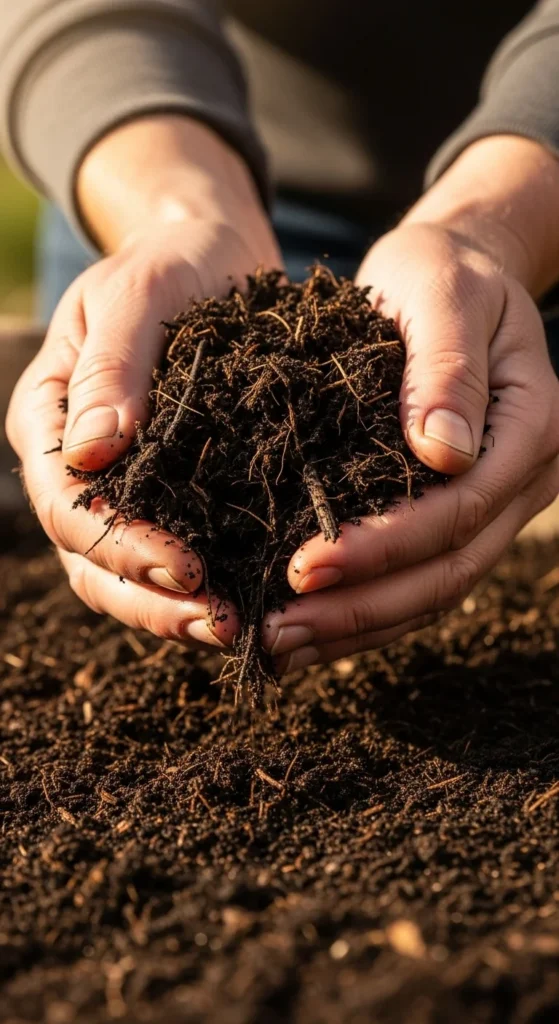
Healthy soil produces strong plants that resist pests naturally. Add compost, mulch, and organic matter regularly. Good soil also supports microorganisms that help plants fend off disease. Think of it as your garden’s immune system.
13. Remove Weeds Regularly
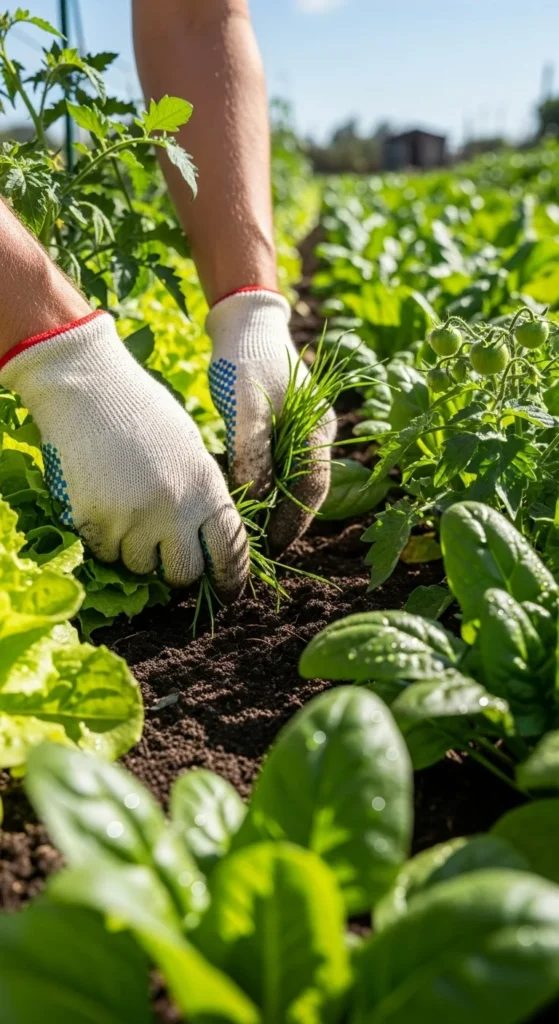
Weeds often hide pests and steal nutrients from your plants. Pull them by hand or use mulch to block their growth. Regular weeding keeps air flowing and reduces pest hiding spots.
14. Handpick Large Insects
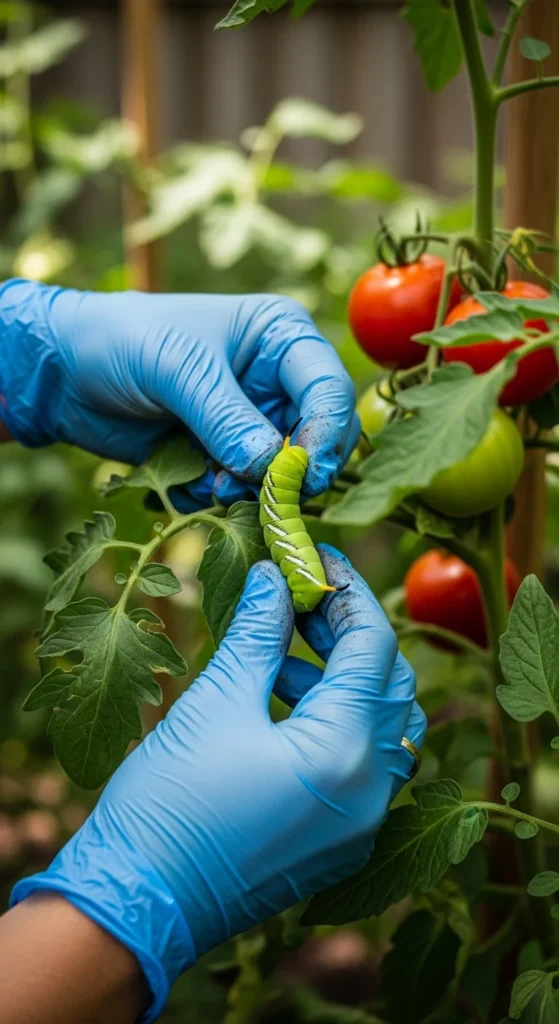
Sometimes, simple works best. Check your plants daily and remove visible pests like caterpillars and beetles. Drop them into soapy water to prevent their return. It’s quick, effective, and completely chemical-free.
15. Water Early in the Day
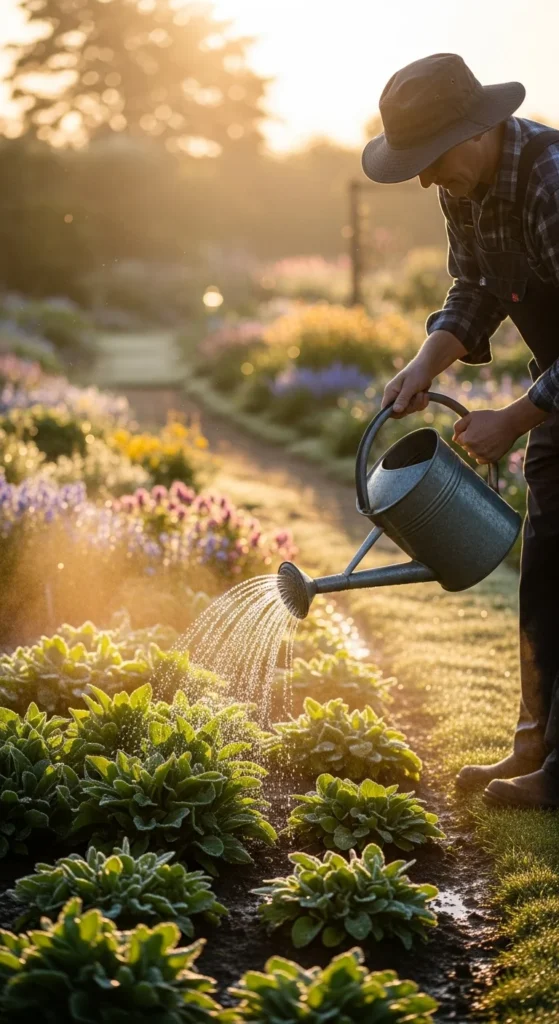
Watering in the morning helps leaves dry before nightfall, reducing the chance of fungal growth and attracting fewer pests. Consistent watering also keeps plants stronger and less appealing to insects searching for stressed hosts.
16. Use Mulch for Pest Prevention
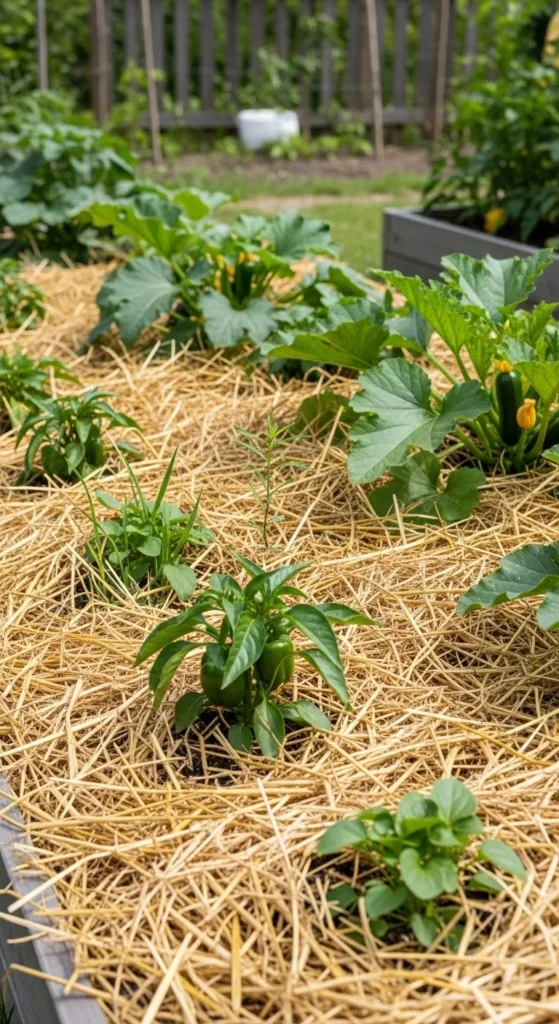
Mulch helps retain moisture and stops soil-borne pests from splashing onto leaves. Organic mulch like straw or wood chips also invites beneficial insects. Keep mulch about two inches thick for best results.
17. Grow Pest-Resistant Varieties
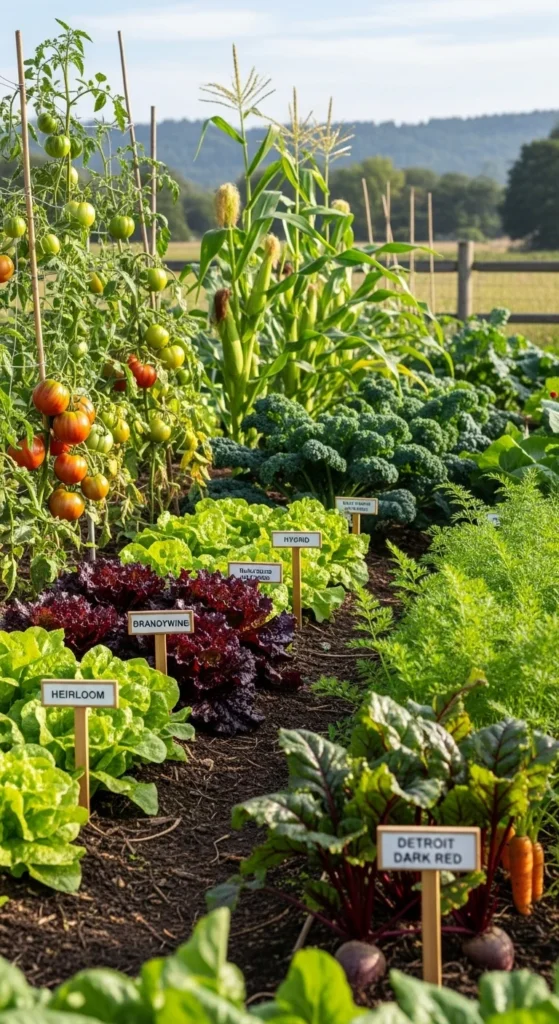
Some plant varieties naturally resist common pests. Check seed packets for resistance labels before buying. For example, certain tomatoes resist nematodes, and cucumbers resist powdery mildew. Choosing wisely saves time and reduces maintenance.
18. Prune Damaged Leaves
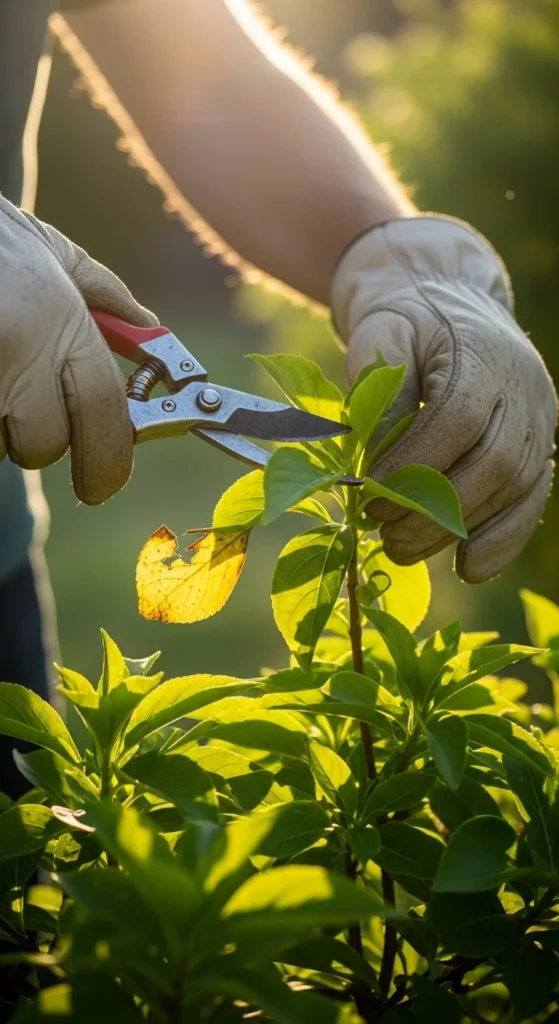
Remove diseased or pest-infested leaves before they spread the problem. Dispose of them away from the garden—never compost infected material. Clean your tools after pruning to prevent contamination.
19. Rotate Crops
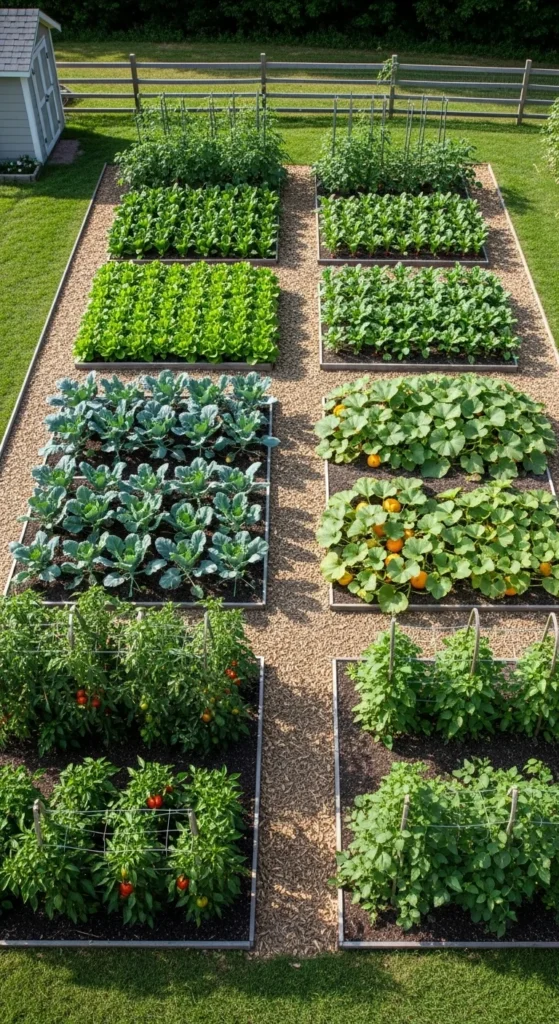
Changing plant locations each season breaks pest life cycles. For instance, move tomatoes and peppers away from where they grew last year. This prevents pests and soil diseases from multiplying in one spot.
20. Keep Compost Covered
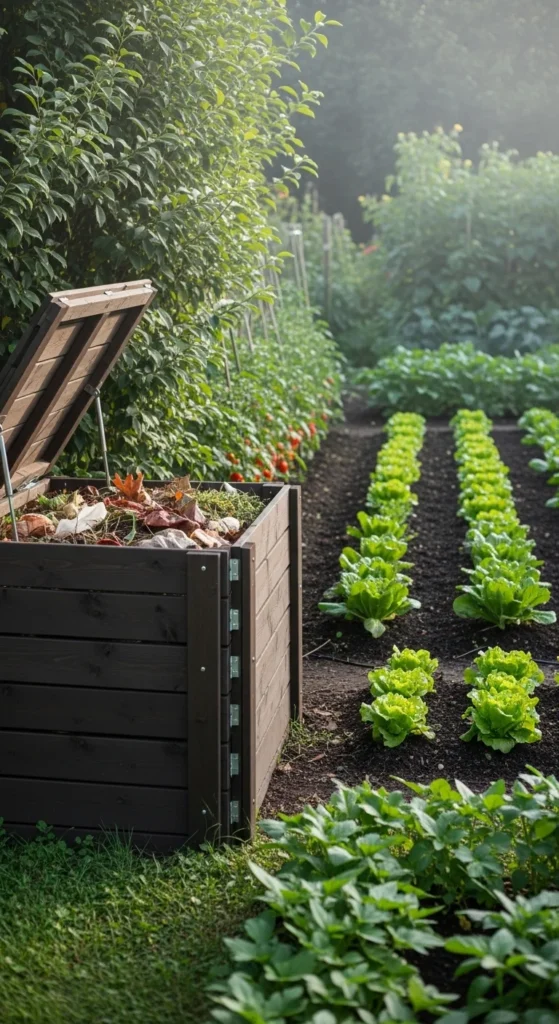
An uncovered compost pile can attract flies and rodents. Use a lid or tarp to keep pests out while still allowing airflow. Turn compost often to maintain heat and speed up decomposition.
21. Attract Frogs and Toads
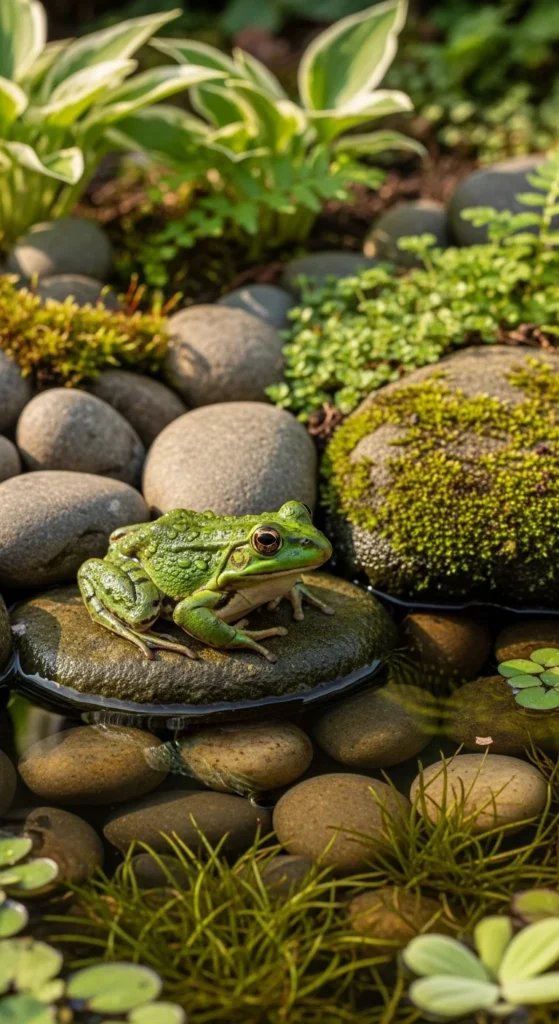
Frogs and toads are natural insect hunters. Create a small pond or shady rock corner to invite them. Avoid chemical sprays—these amphibians are sensitive and thrive in natural habitats.
22. Make a Soap Spray
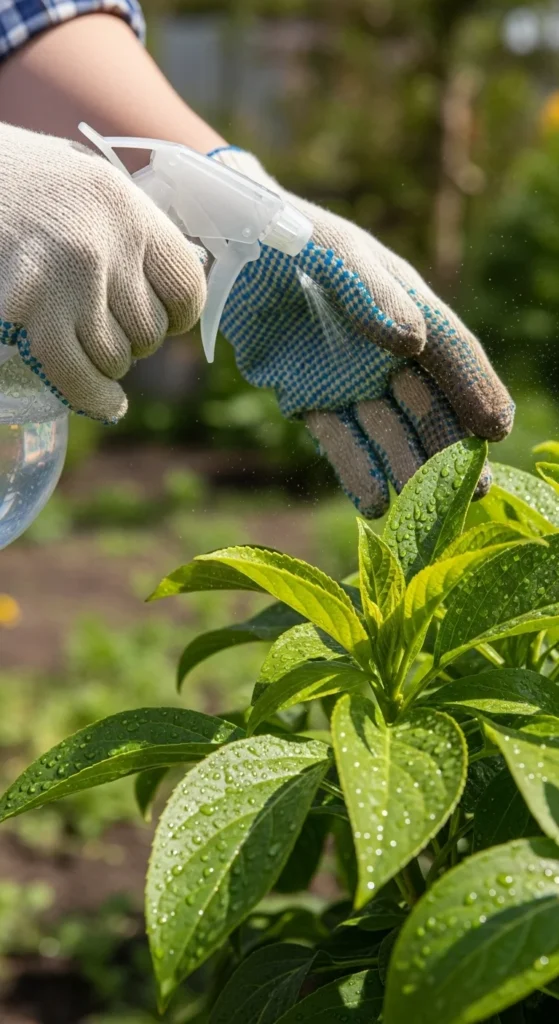
Mix a teaspoon of mild liquid soap with a quart of water and spray directly on pests like aphids and mites. The soap breaks down their outer layer, drying them out. Use this sparingly to avoid harming beneficial insects.
23. Grow Aromatic Herbs
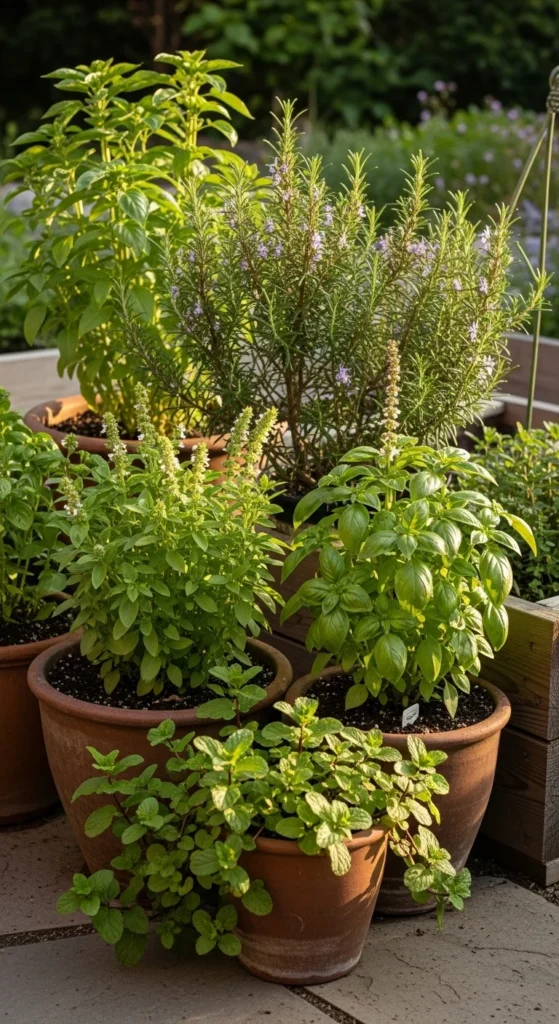
Herbs like mint, rosemary, and basil repel many flying insects. Grow them near doors, windows, or vegetable beds. You’ll enjoy the scent and deter mosquitoes and moths at the same time.
24. Keep Garden Tools Clean
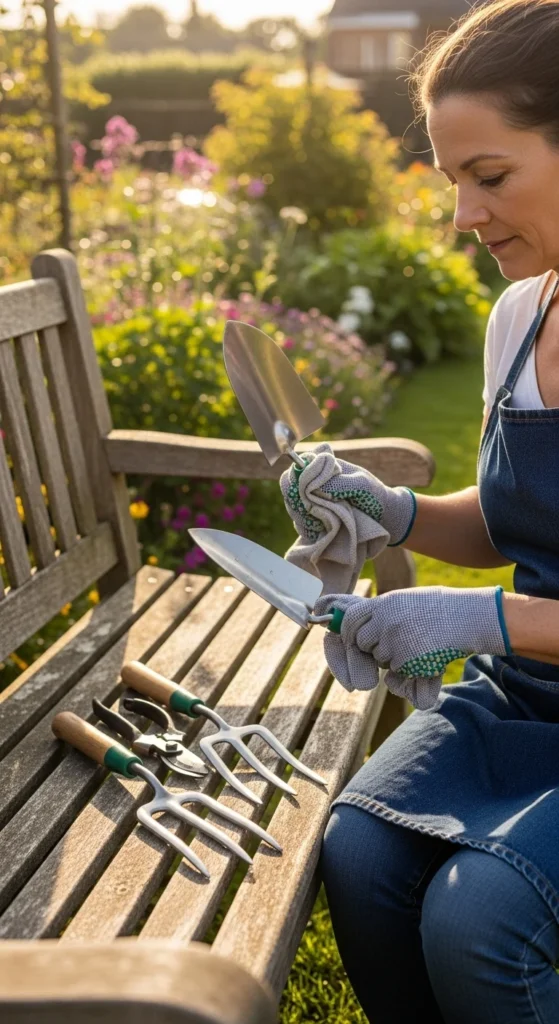
Dirty tools can spread pests and diseases from one plant to another. Wipe them down with rubbing alcohol or soap after each use. It’s a quick step that helps protect your garden’s health.
25. Compost Properly
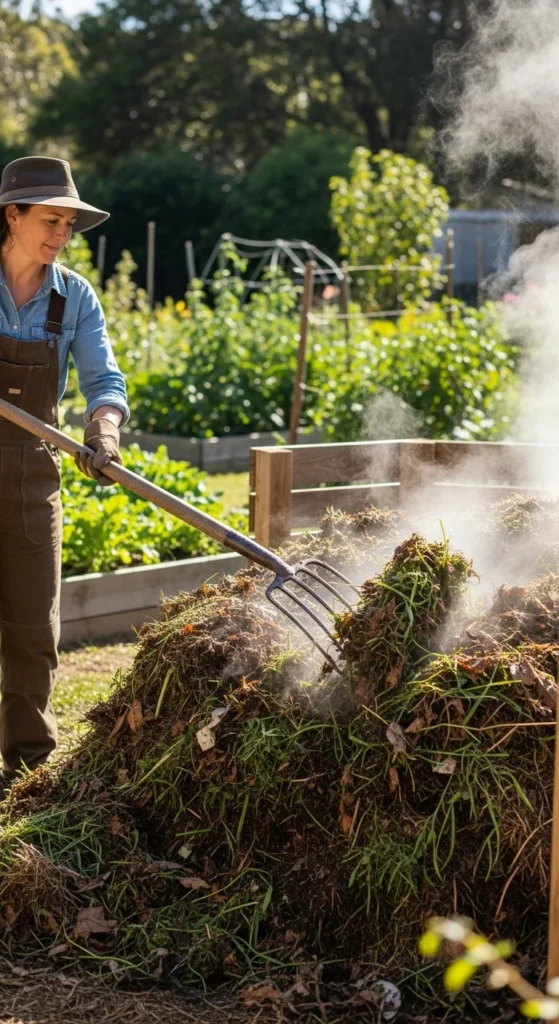
Proper composting keeps pests like fruit flies and rodents away. Balance green (food scraps) and brown (leaves, cardboard) materials, and keep it slightly moist. Healthy compost enriches soil and reduces pest attraction.
26. Inspect New Plants
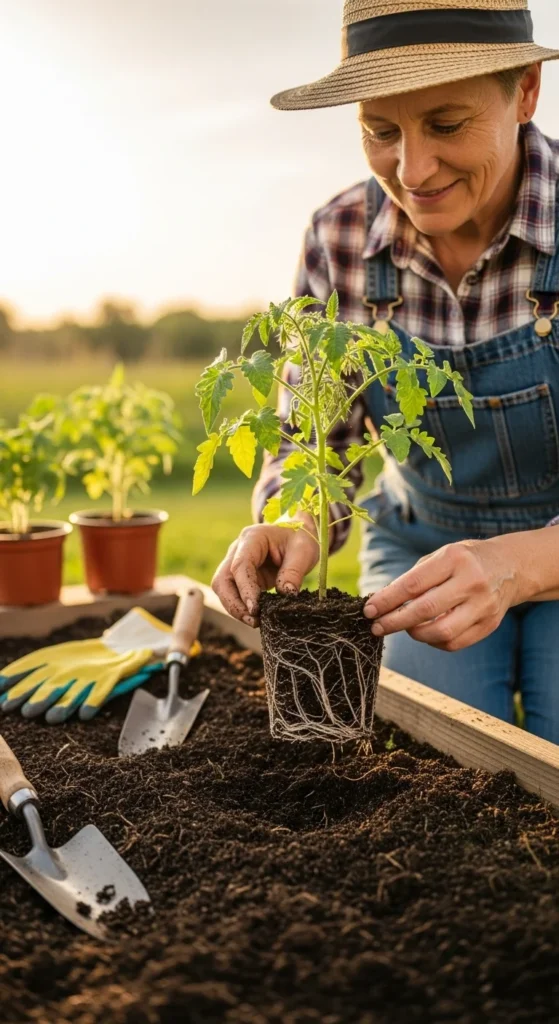
Before adding new plants to your garden, check their leaves and soil for hidden pests. Isolate them for a few days if possible. This small precaution prevents introducing new infestations to healthy beds.
Conclusion
Natural pest control is about working with nature, not against it. By using these 26 practical techniques, you can keep your garden vibrant, balanced, and chemical-free. Healthy soil, beneficial insects, and thoughtful maintenance all contribute to a thriving garden where plants grow strong and pests stay in check. Start with a few of these ideas today, and you’ll soon see the difference in your garden’s vitality and harvest.

Leave a Reply