

A thriving garden starts from the ground up—literally. Whether you’re growing colorful flowers, leafy greens, or juicy tomatoes, the secret to success lies in your soil. Healthy soil is like a nutrient-rich buffet for your plants, helping them grow stronger, resist pests, and produce vibrant blooms or bountiful harvests.
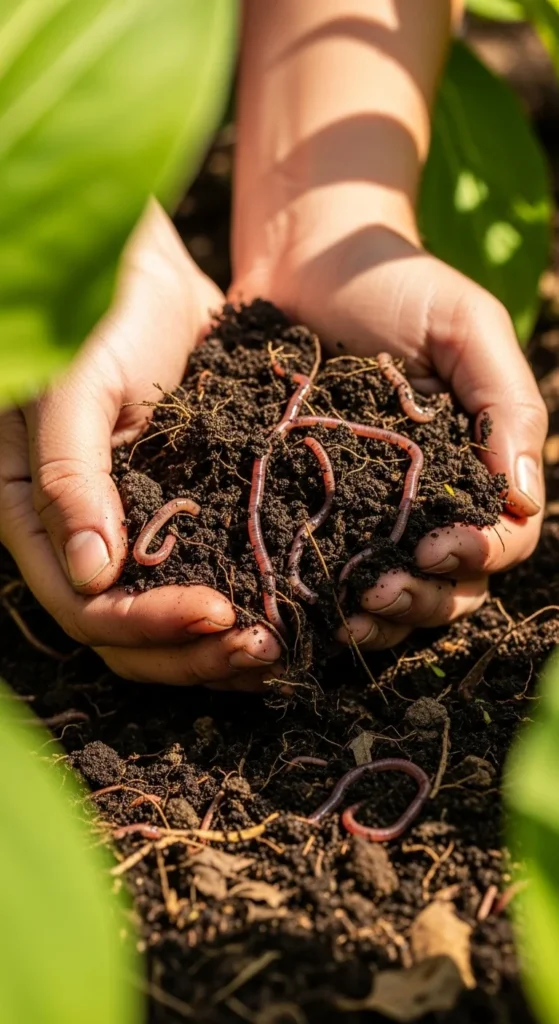
If your plants are struggling or your garden looks tired, don’t worry. With a few simple tweaks and natural improvements, you can transform your soil into a living, breathing ecosystem that nourishes everything you plant.
Understand Your Soil Type
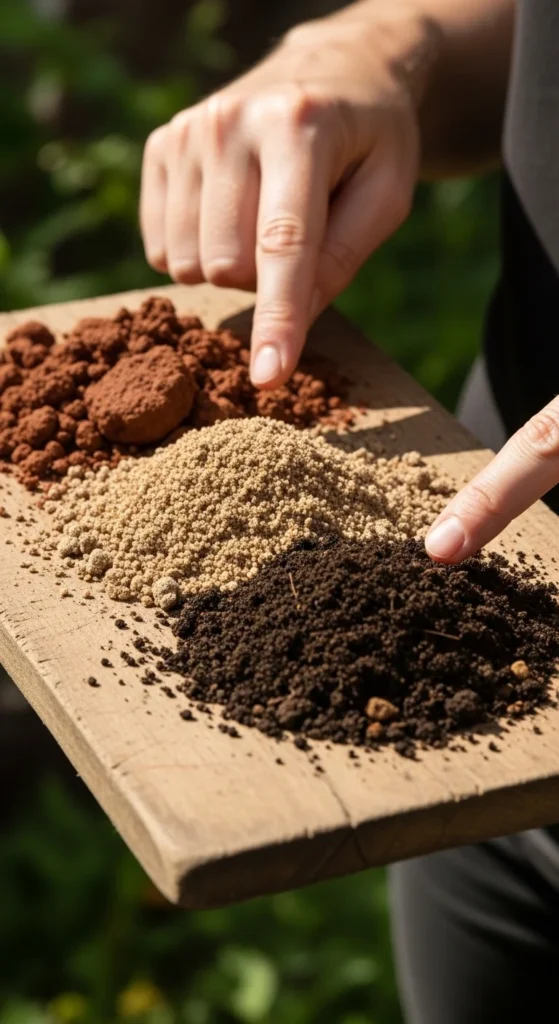
Before you start adding anything, it’s important to know what kind of soil you’re working with. Every garden’s soil is different, and understanding yours will help you improve it effectively.
- Clay soil is dense and heavy, holding water but draining poorly.
- Sandy soil drains too quickly, losing nutrients fast.
- Loamy soil is the sweet spot—well-balanced, fertile, and easy to work with.
You can test your soil by simply grabbing a handful and squeezing it:
- If it holds its shape and feels sticky, it’s clay.
- If it falls apart instantly, it’s sandy.
- If it holds shape but crumbles easily, it’s loamy (lucky you!).
Feed the Soil with Organic Matter
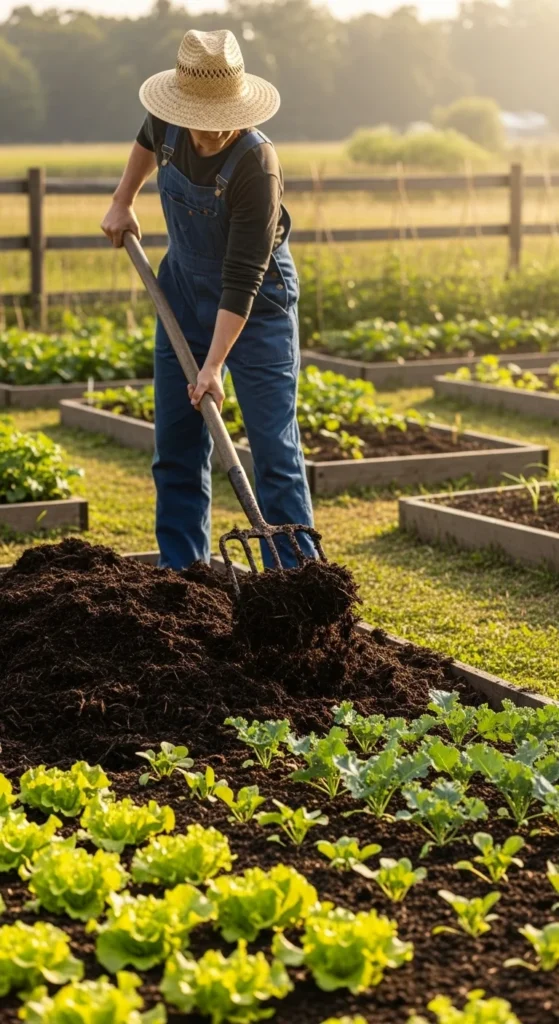
One of the easiest ways to improve soil is by adding organic matter—compost, aged manure, or leaf mold. These materials enrich your soil with nutrients, improve texture, and attract beneficial microbes and earthworms.
Try these organic boosters:
- Compost: Homemade compost from kitchen scraps and garden waste adds slow-release nutrients.
- Aged manure: Cow, horse, or chicken manure can boost fertility, but make sure it’s well-aged to avoid burning roots.
- Leaf mold: Shredded, decomposed leaves create fluffy, moisture-retaining soil.
Spread 2–3 inches of organic matter on top and gently mix it into the top layer. Repeat this each season for the best results.
Keep the Soil Alive with Mulch
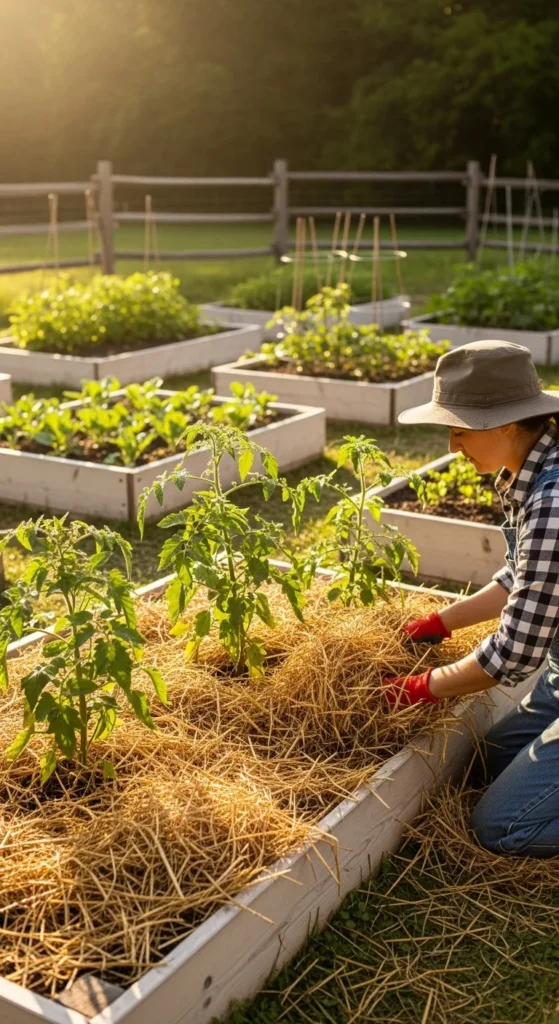
Mulching is more than just a finishing touch—it’s one of the best things you can do for your soil. Mulch helps retain moisture, suppress weeds, and regulate soil temperature. But most importantly, as organic mulch breaks down, it feeds the soil.
Best mulching materials include:
- Shredded bark or wood chips for pathways and flower beds
- Straw or grass clippings for vegetable gardens
- Crushed leaves or pine needles for acidic-soil plants like blueberries
Apply a 2–4 inch layer around your plants, keeping mulch away from the stems to prevent rot.
Improve Drainage and Aeration
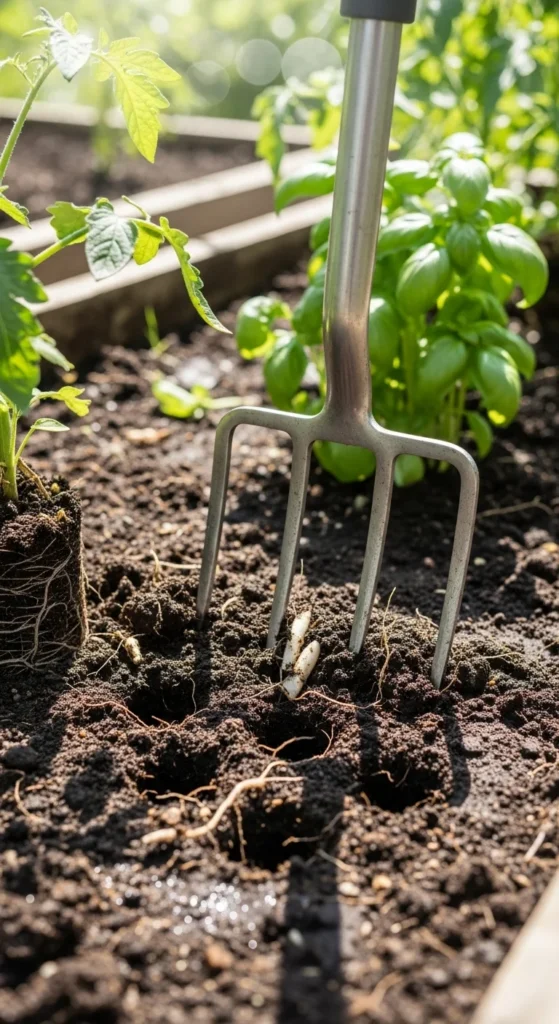
Compacted soil suffocates roots and prevents water from penetrating deeply. To loosen up your soil, you can:
- Use a garden fork or aerator to poke holes into the soil.
- Add perlite, coarse sand, or vermiculite for better drainage.
- Mix in organic compost to improve structure naturally.
If your garden bed floods easily, consider building raised beds—they allow better drainage and make soil improvement easier over time.
Add Natural Fertilizers and Soil Boosters
Sometimes, your soil needs an extra nutrient kick. Instead of chemical fertilizers, try natural options that improve long-term health.
Great natural soil enhancers:
- Worm castings: A rich source of nutrients and beneficial microbes.
- Bone meal or fish meal: Adds phosphorus for root and flower growth.
- Compost tea: A liquid fertilizer that boosts beneficial bacteria.
Apply these moderately—plants need balance, not overload. Too much nitrogen, for example, can cause leafy growth but fewer fruits.
Rotate Crops and Plant Cover Crops
If you grow vegetables, rotating crops each season prevents nutrient depletion and discourages pests. Avoid planting the same family of plants (like tomatoes and peppers) in the same spot year after year.
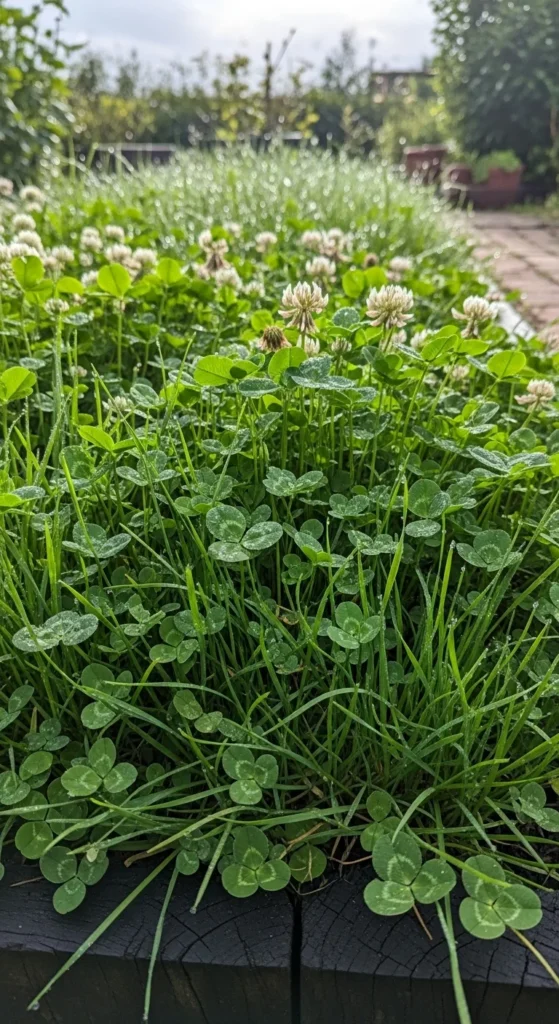
Between seasons, you can plant cover crops like clover, ryegrass, or alfalfa. These “green manures” protect soil from erosion and, when tilled back in, add valuable nutrients.
Check and Adjust the Soil pH
Soil pH affects how well plants absorb nutrients. Most garden plants prefer slightly acidic to neutral soil (pH 6.0–7.0).
You can test soil pH with a home kit or send a sample to a local extension service.
- If your soil is too acidic, add garden lime.
- If it’s too alkaline, mix in sulfur or peat moss.
Making small adjustments over time leads to better, more balanced soil health.
Final Takeaway: Healthy Soil, Happy Plants
Improving your garden soil isn’t a one-time job—it’s a long-term relationship. The more you feed and care for it, the better your plants will reward you. Start small, stay consistent, and over time, you’ll notice your garden becoming richer, greener, and more alive.
[Image Prompt] A vibrant backyard garden bursting with colorful flowers, herbs, and vegetables thriving in rich dark soil.
Tip: Bookmark or save this post so you can revisit these soil-boosting ideas every season!

Leave a Reply