

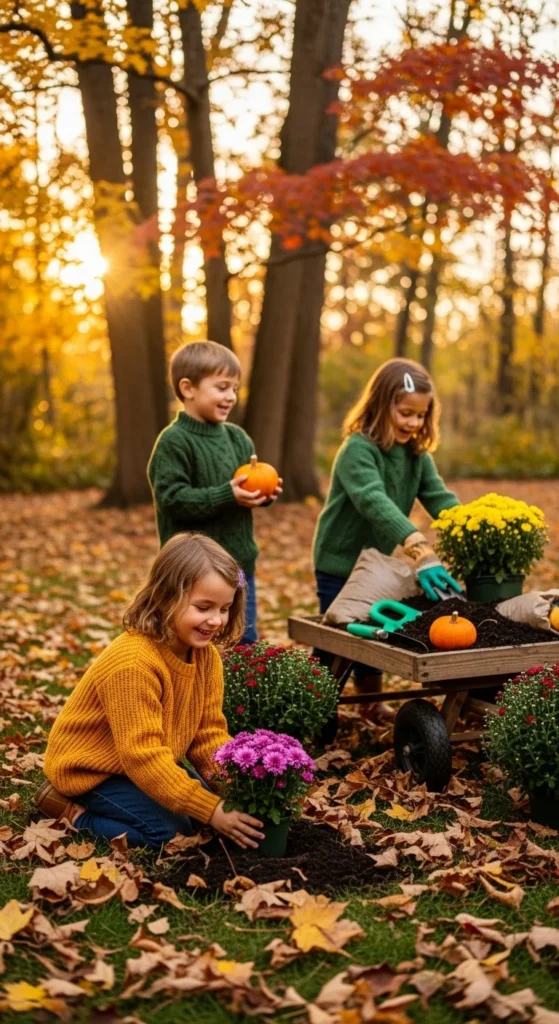
Gardening in fall isn’t just for adults—it’s a chance for kids to explore nature, learn responsibility, and get their hands dirty in the best way possible. As the air cools and leaves fall, outdoor projects become more exciting. These simple, creative, and educational activities keep kids busy while teaching them about growth, soil, and the changing seasons.
Whether you have a small backyard, balcony, or just a few pots, these 21 fun gardening activities will help your kids enjoy autumn while learning valuable skills and bonding as a family.
1. Plant a Fall Bulb Garden
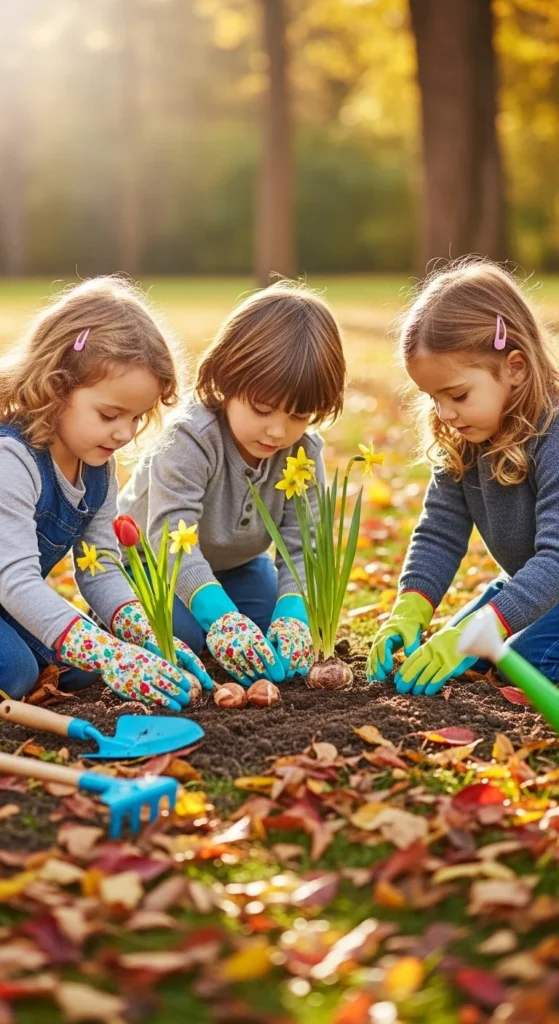
Let kids dig, drop, and cover! Fall bulbs like tulips, daffodils, and crocuses bloom beautifully in spring, and planting them now gives kids something to look forward to. Explain how bulbs “sleep” underground during winter. Use small hand trowels and label each planting spot with colorful garden markers. If you’re short on space, try planting bulbs in pots or containers for an easy patio display. Encourage them to guess what color will bloom first—it adds a fun learning twist!
2. Create a Leaf Compost Pile
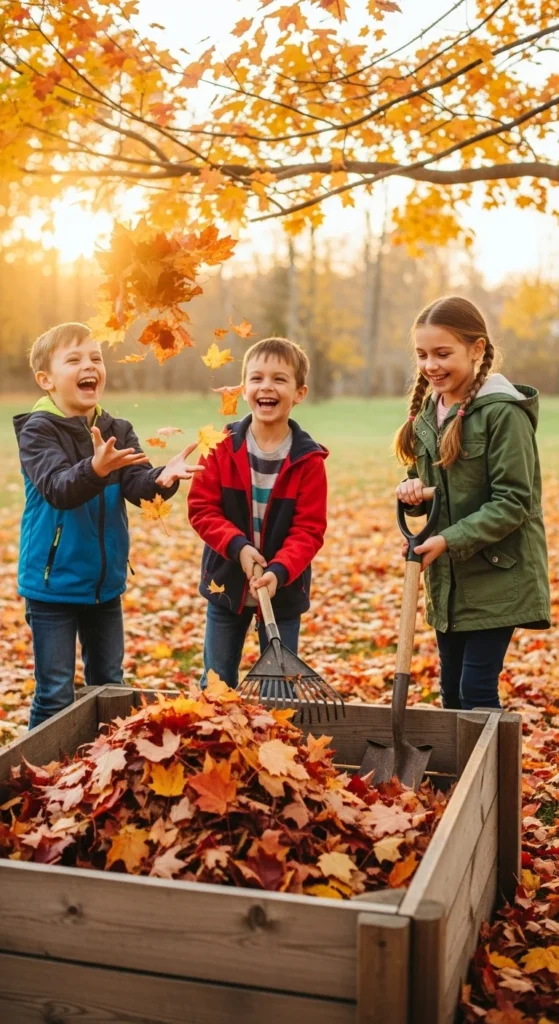
Gather fallen leaves and turn them into rich compost. Kids love the crunch of dry leaves, and they’ll learn how nature recycles. Layer brown leaves with green scraps like veggie peels or grass clippings. Have your child mix it with a stick or small shovel every few days. You can even give the pile a fun name like “Leaf Lasagna!” Over time, they’ll see how the pile changes and breaks down—an excellent hands-on science lesson.
3. Build a Scarecrow
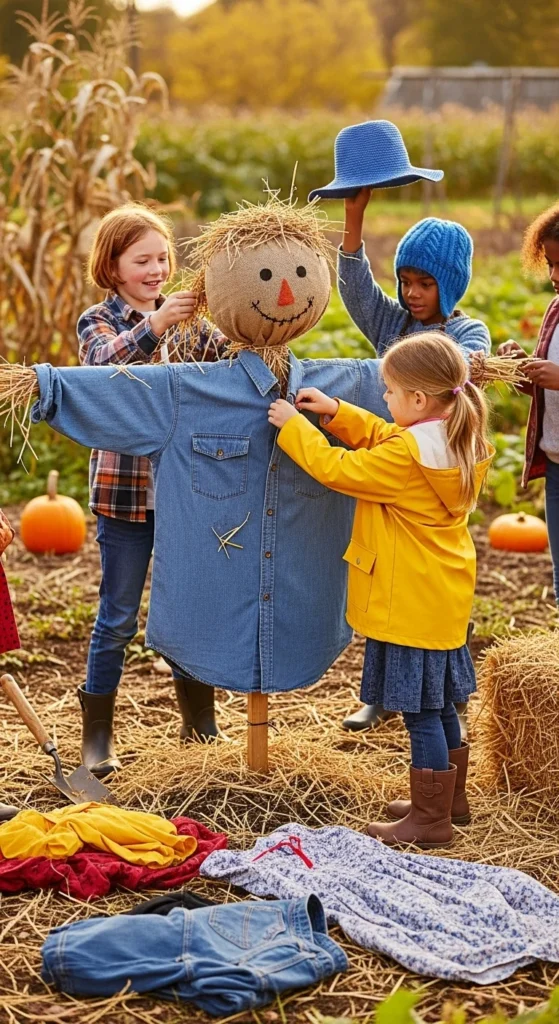
Grab old clothes, a hat, and some straw—kids love this creative project! Stuff a shirt and pants, tie the ends, and attach it to a wooden stake. Let your kids decorate the face with markers or fabric scraps. This DIY scarecrow keeps birds out of the garden while adding a fun seasonal touch. You can even have a “scarecrow naming ceremony” for extra giggles.
4. Paint Garden Rocks
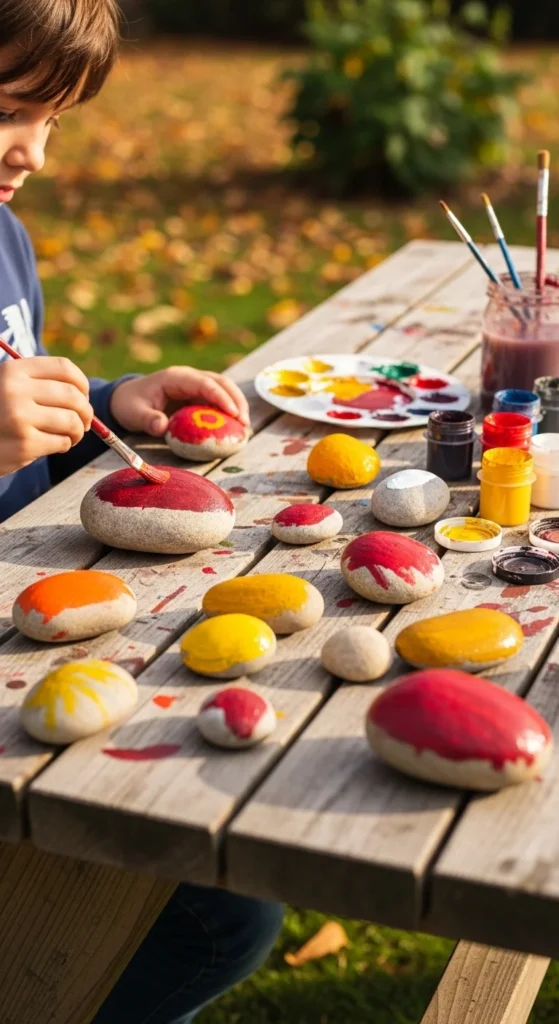
Collect smooth stones and hand your kids some non-toxic paint. Have them draw bugs, flowers, or cute faces on the rocks. Once dry, place them around the garden as decorations or plant markers. It’s an easy way to let creativity bloom, and kids get to leave their mark in the garden.
5. Start a Mini Herb Garden
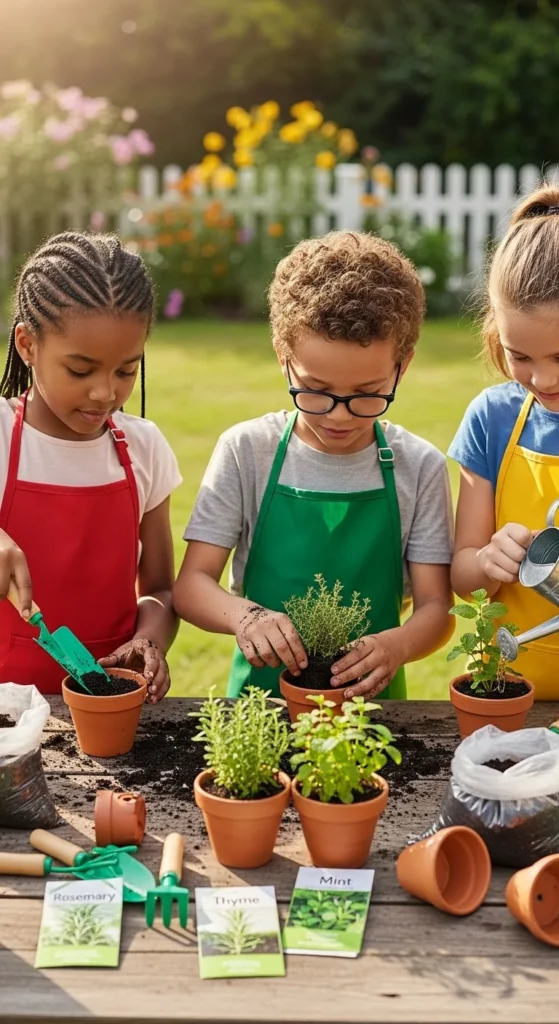
Teach kids about herbs they can smell, touch, and taste. Use recycled yogurt cups or mason jars for pots. Herbs like mint, basil, and parsley grow quickly and can even be grown indoors during cooler months. Have them water and trim their plants regularly, and let them help sprinkle fresh herbs on family meals.
6. Make a Pumpkin Planter
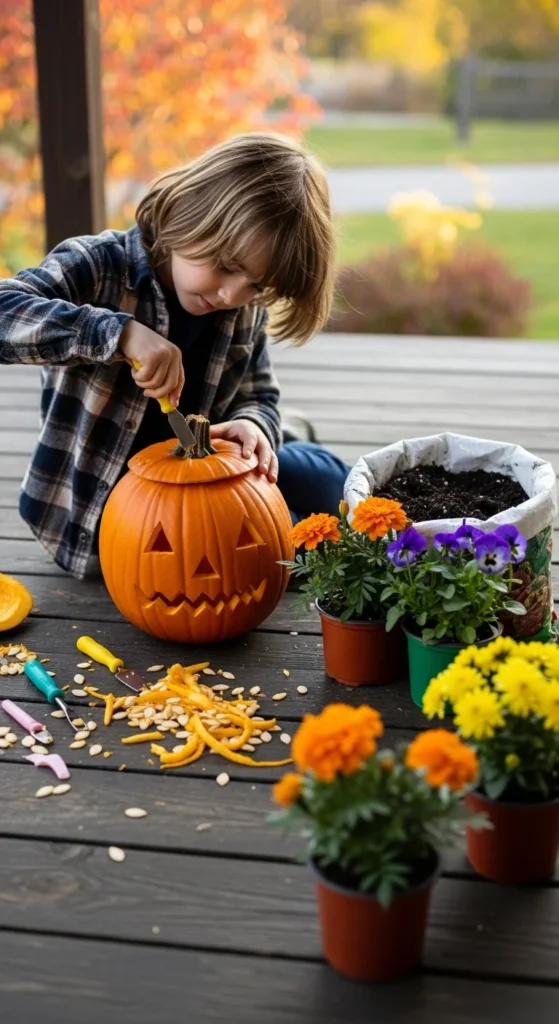
Instead of carving spooky faces, turn pumpkins into natural planters. Scoop out the inside, fill it with soil, and add flowers like pansies or mums. The biodegradable pumpkin eventually enriches the soil—a fun eco-lesson in action!
7. Feed the Birds
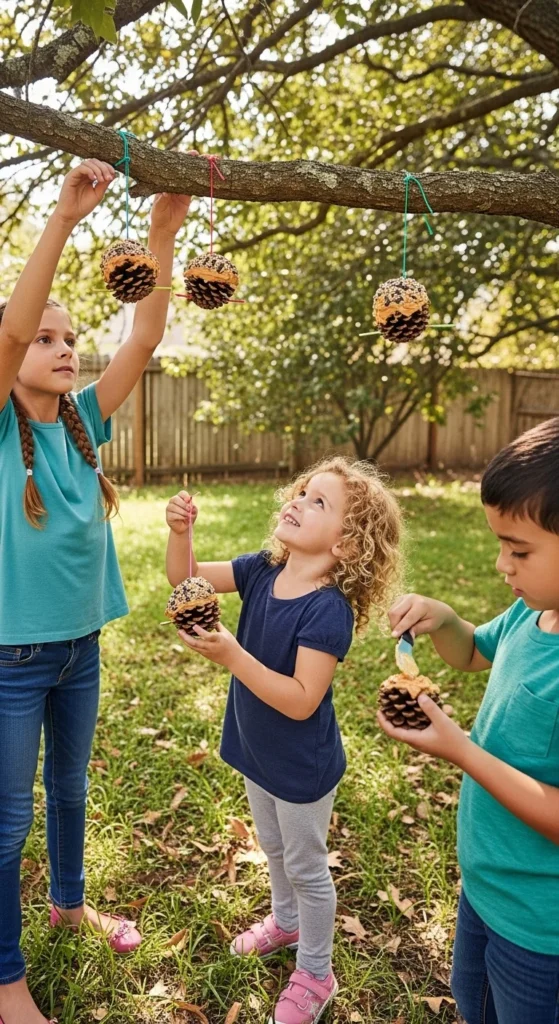
Teach kindness to nature by making bird feeders. Spread peanut butter on pinecones, roll them in birdseed, and hang them up. Kids can keep a bird-watching journal to record which species visit. It’s simple, rewarding, and encourages patience and observation.
8. Plant Garlic for Spring Harvest
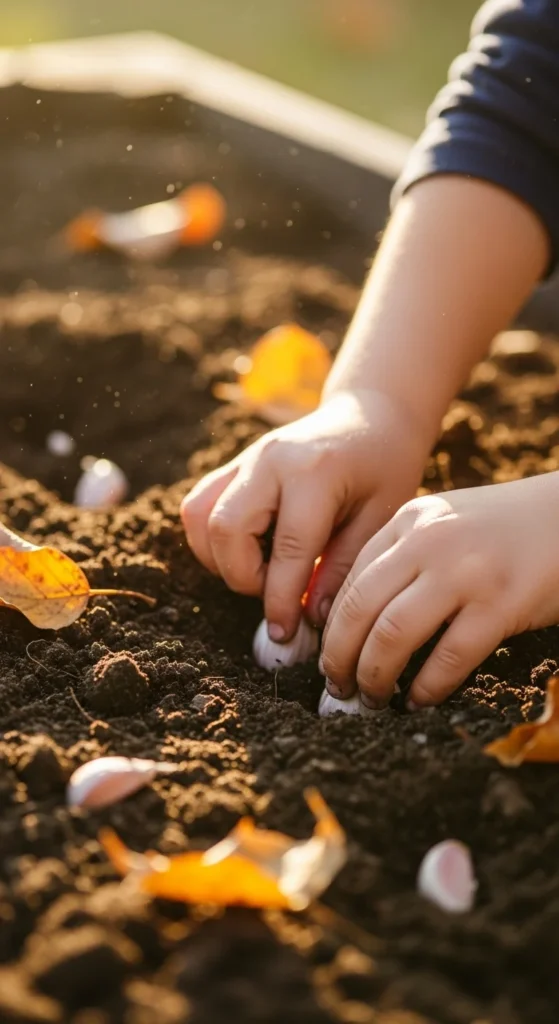
Garlic is an easy fall crop that kids can plant and forget. Show them how to separate cloves and push them into soil. Label the spot and remind them that by late spring, they’ll have bulbs ready to harvest.
9. Collect and Label Seeds
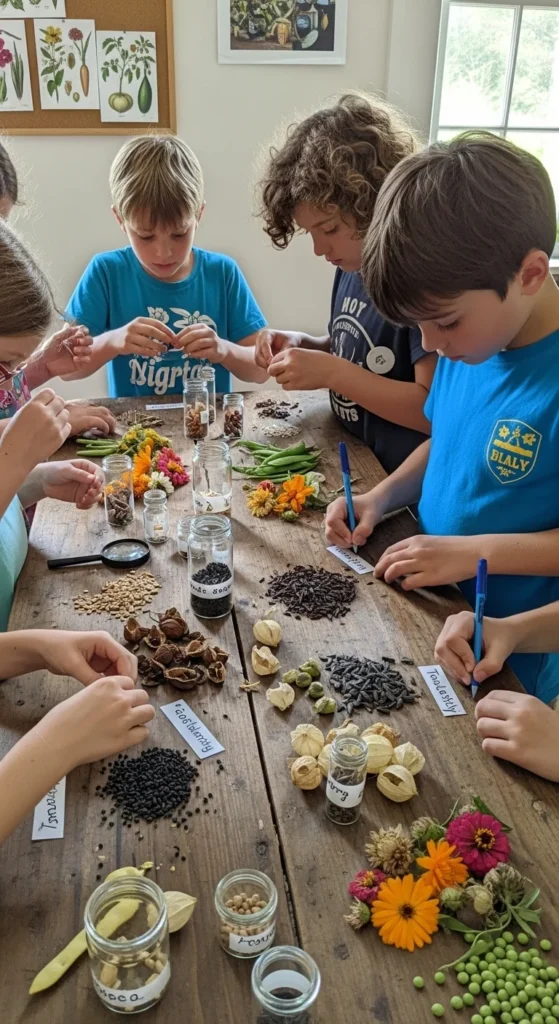
After flowers and vegetables dry up, collect the seeds! Let kids label envelopes with drawings of what each seed will grow into. This teaches the life cycle of plants and gives them a sense of ownership for next year’s garden.
10. Make a Bug Hotel
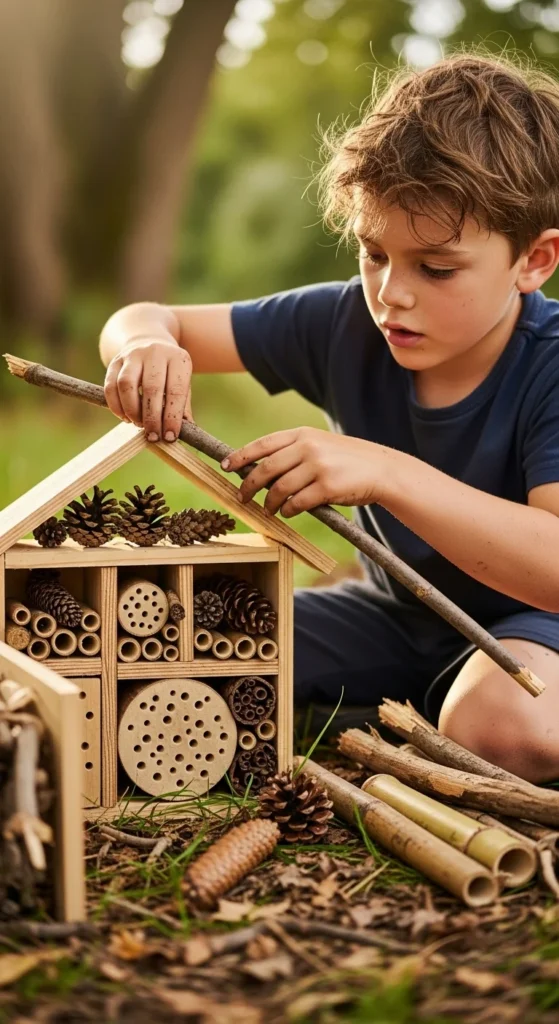
Build a cozy home for garden insects using natural materials. Kids can stack bark, twigs, and pinecones inside an old box or pot. Place it near bushes or trees. Explain how ladybugs and bees help pollinate plants and keep pests under control.
11. Paint Clay Pots
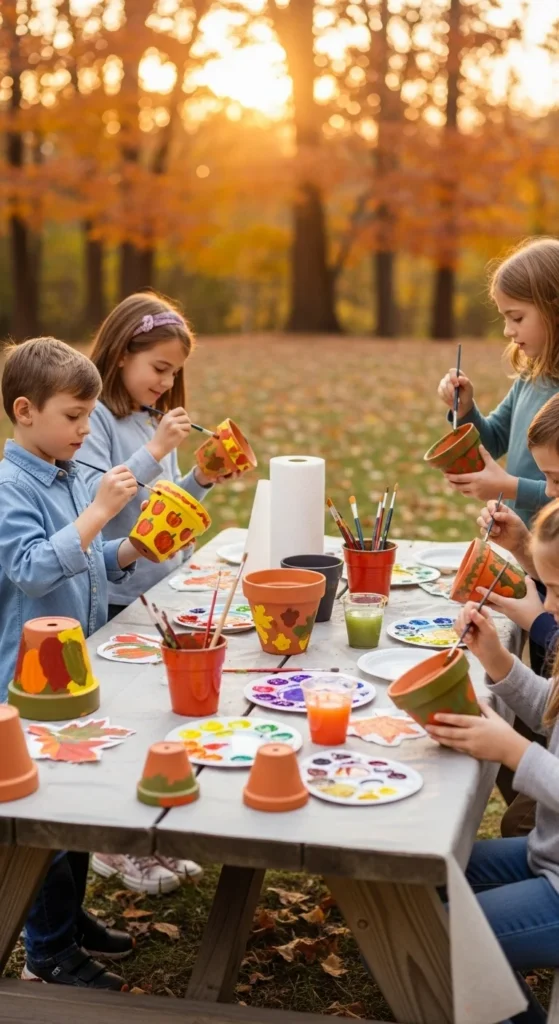
Hand out brushes and let imaginations go wild! Decorate clay pots with patterns, leaves, or names. Once dry, use them for planting herbs or small flowers. It’s colorful, creative, and makes kids proud to see their art displayed outside.
12. Grow Lettuce in Containers
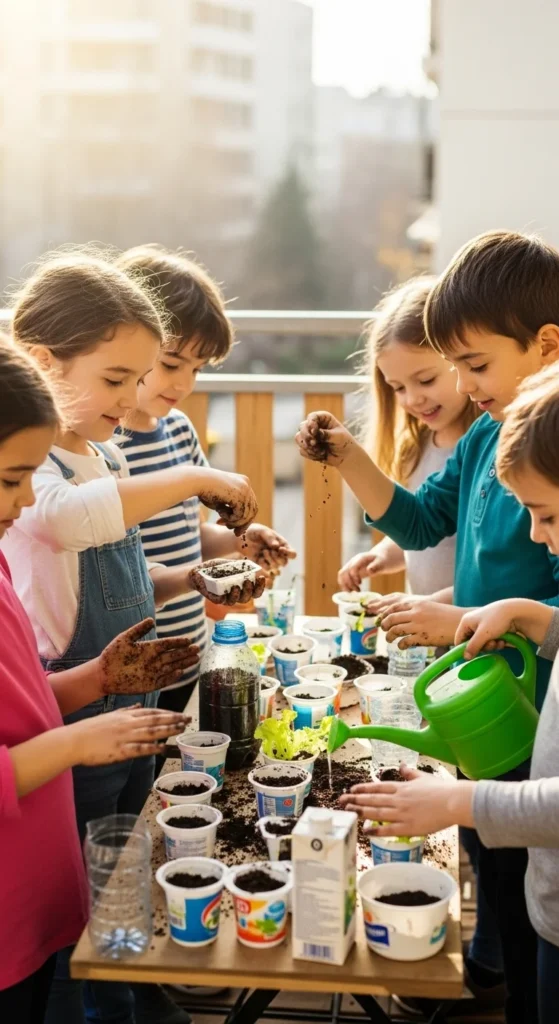
Lettuce grows fast, even in cool weather. Have your kids sprinkle seeds in shallow containers, water lightly, and watch them sprout. They’ll love picking their own leaves for sandwiches or salads.
13. Decorate with Fall Flowers
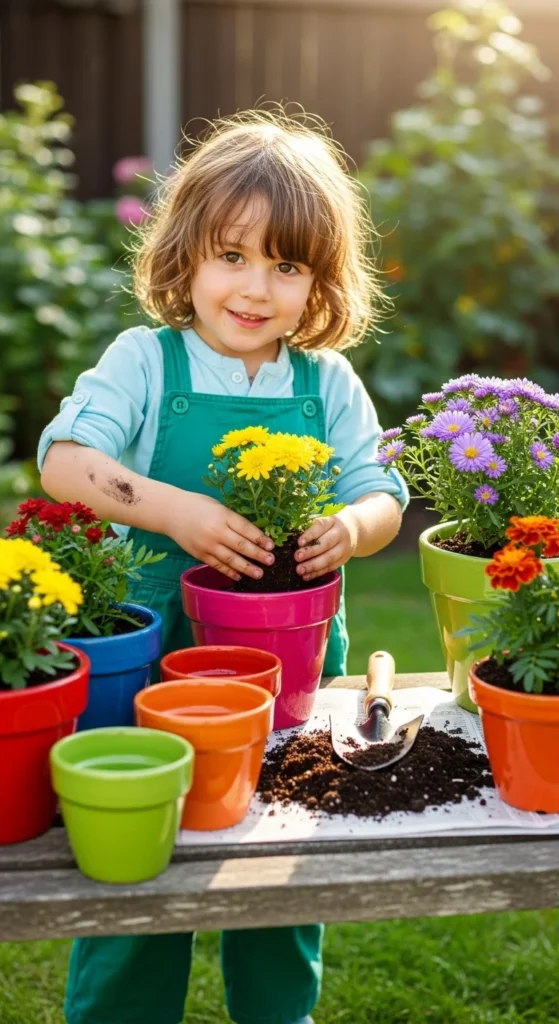
Show kids how to mix colors and textures with flowers. Mums, asters, and marigolds thrive in fall. Let them pick their favorites and create mini arrangements for your porch or windowsills.
14. Make Leaf Art Collages
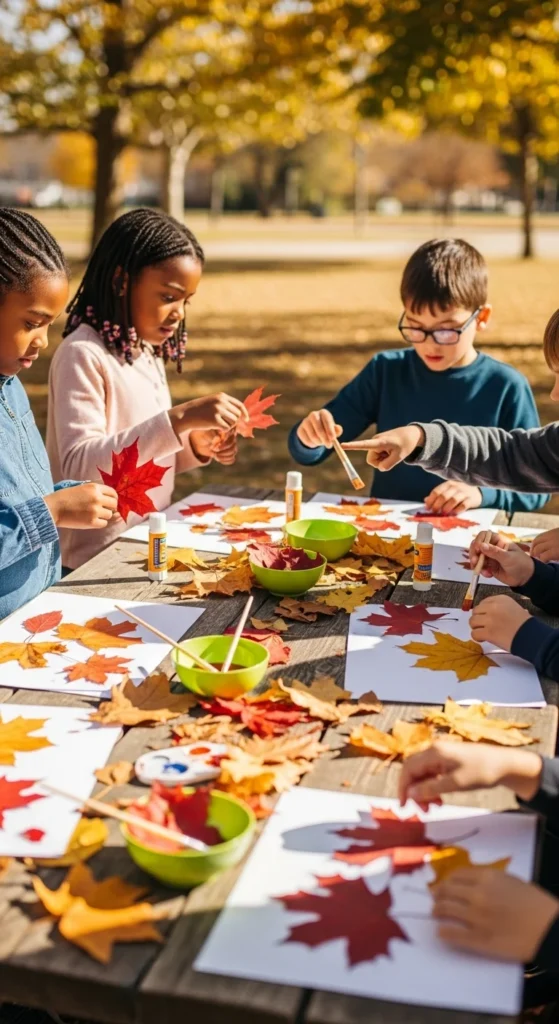
Gather fallen leaves in all shades, then glue them onto cardboard to make patterns or animal shapes. It’s part art project, part garden adventure.
15. Create Nature Labels
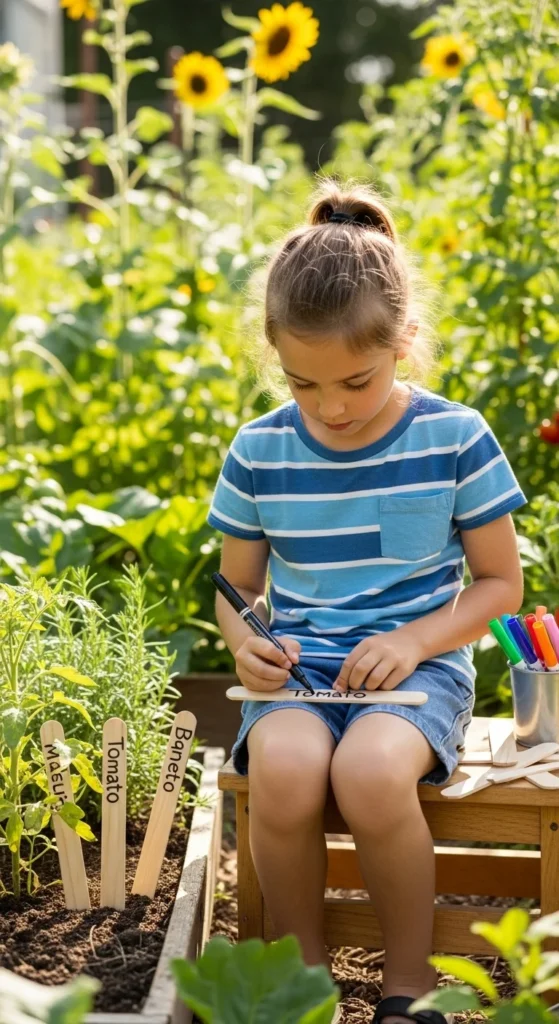
Using popsicle sticks and markers, help kids make plant name tags. It’s simple but helps them remember what’s growing where.
16. Build a Worm Bin
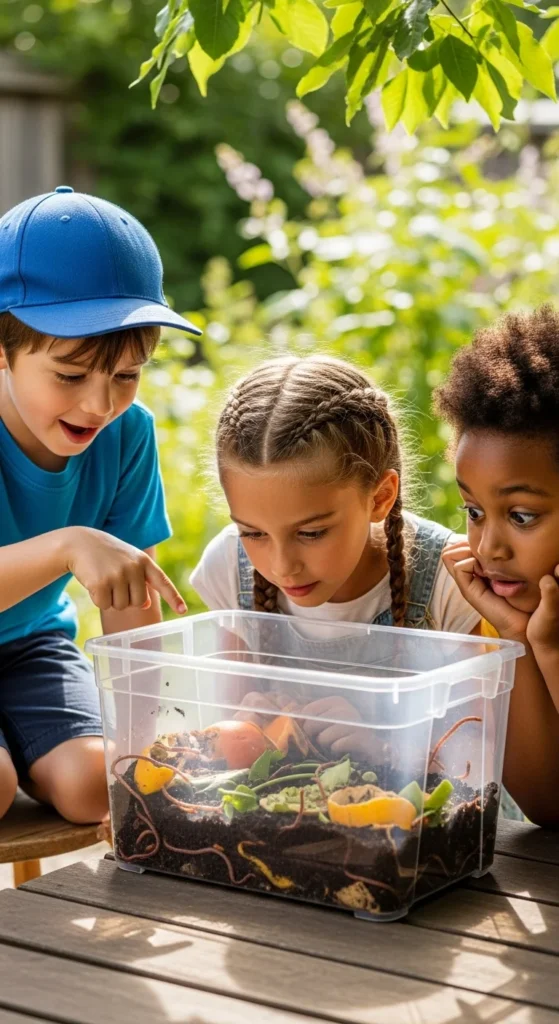
Worms are nature’s recyclers! Make a mini worm bin using a plastic tub, soil, and veggie scraps. Kids can feed the worms and learn how they make compost.
17. Gather Pinecones and Acorns for Crafts
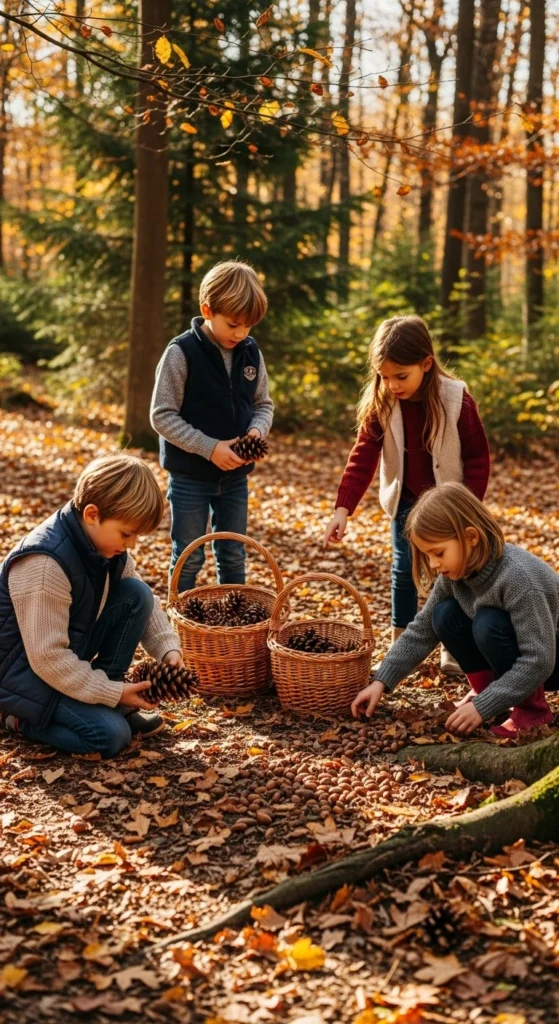
Collect natural treasures for crafts or decorations. Paint them or use them to make garlands for the garden fence.
18. Create a Garden Journal
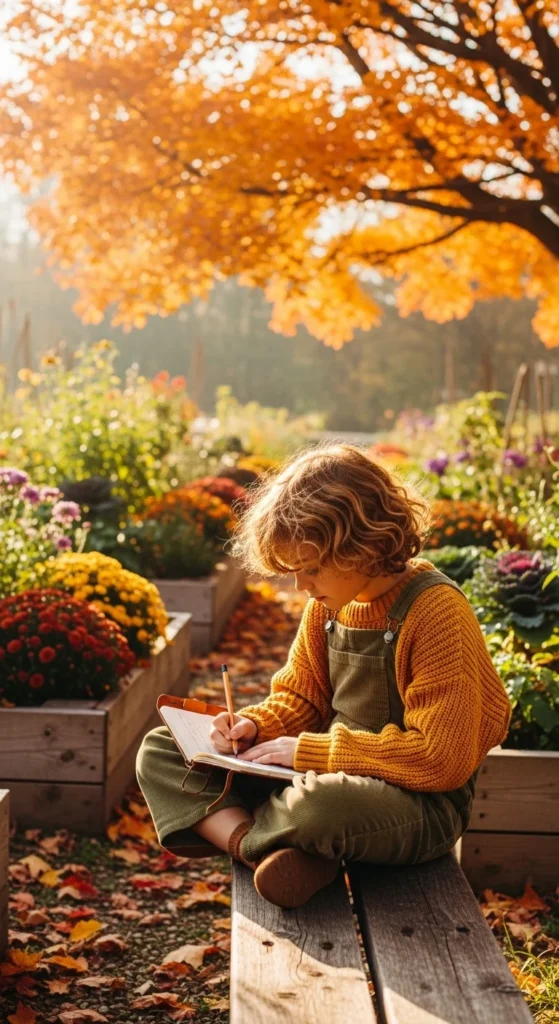
Give your child a notebook to draw, write, and track garden progress. Encourage them to write about what they planted, saw, or harvested.
19. Make a Fairy Garden
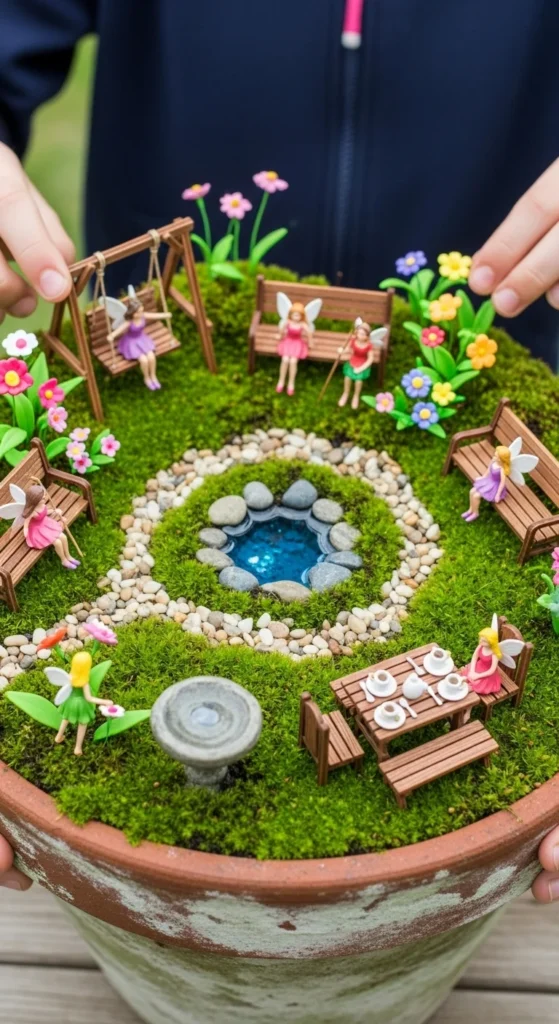
Use a shallow container, moss, and tiny decorations to build a fairy garden. Kids adore designing magical worlds outdoors.
20. Dry Herbs for Crafting
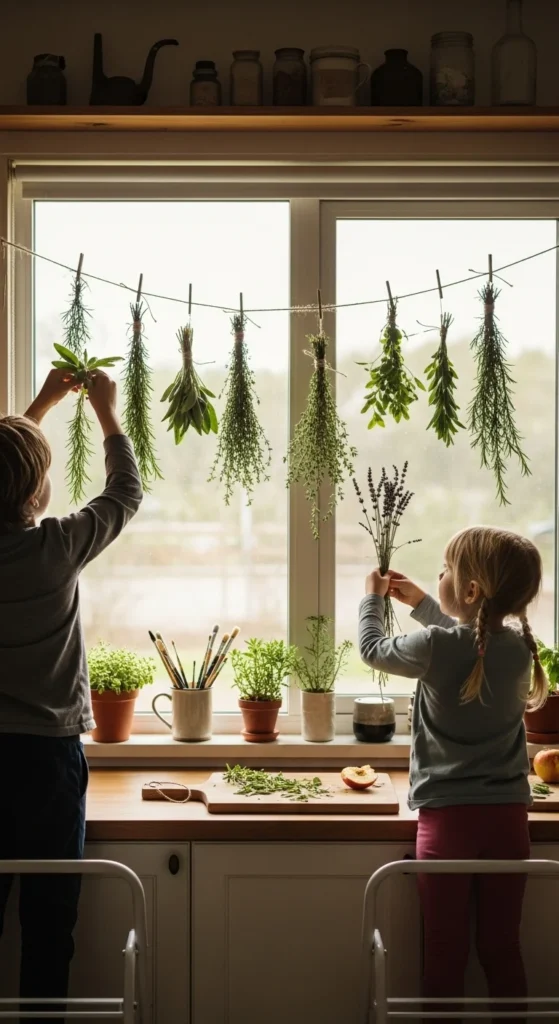
Teach kids how to air-dry herbs like lavender or rosemary. Once dry, they can make sachets or herbal bundles to gift to family members.
21. Harvest and Save Pumpkin Seeds
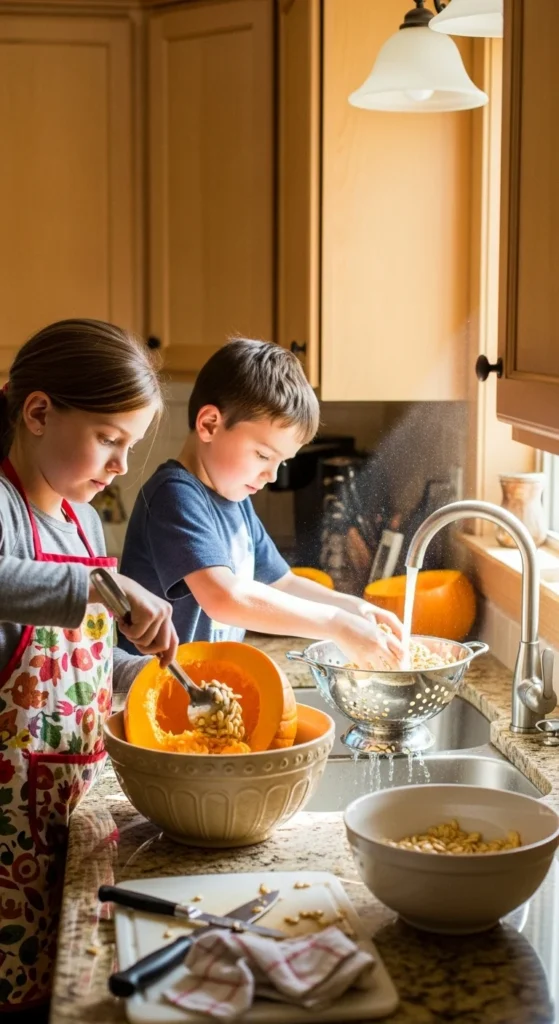
After Halloween, don’t toss those seeds! Have your kids clean, dry, and save them for planting next year—or roast them for a healthy snack.
Conclusion
Gardening in fall turns every leaf pile and planting pot into an adventure. These 21 fun gardening activities for kids make outdoor time educational and joyful. They’ll learn patience, care, and appreciation for nature—skills that grow just like the plants they nurture. So grab a rake, some soil, and a handful of curiosity—your little gardeners are ready for an amazing fall!

Leave a Reply