

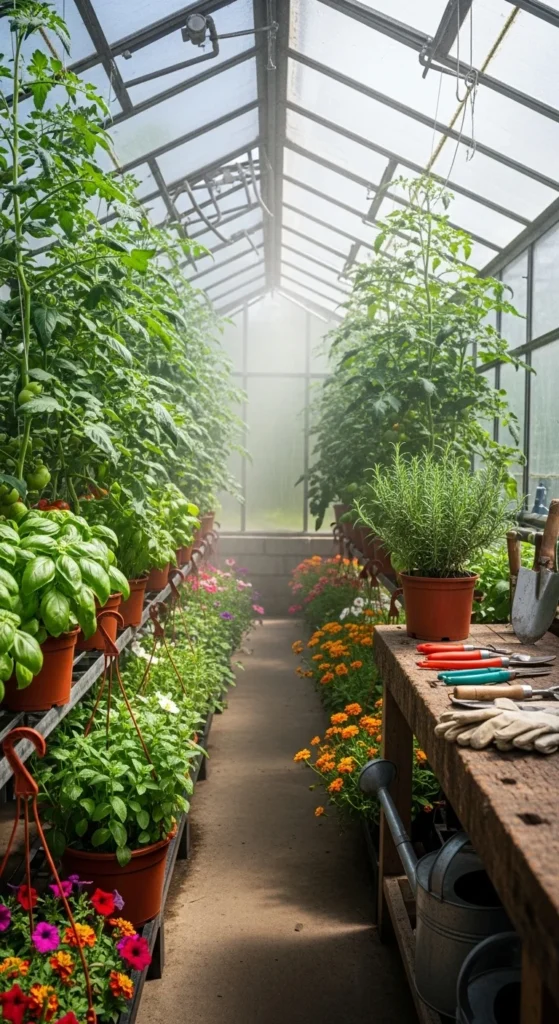
Greenhouse gardening is a dream for anyone who wants fresh produce and blooming plants year-round. Whether you’re growing veggies, herbs, or tropical flowers, a few clever tricks can make your greenhouse more productive and easy to manage. These 22 greenhouse gardening hacks will help you save time, conserve space, and create healthier conditions for your plants—all without spending much.
1. Reuse Plastic Bottles as Mini Watering Systems
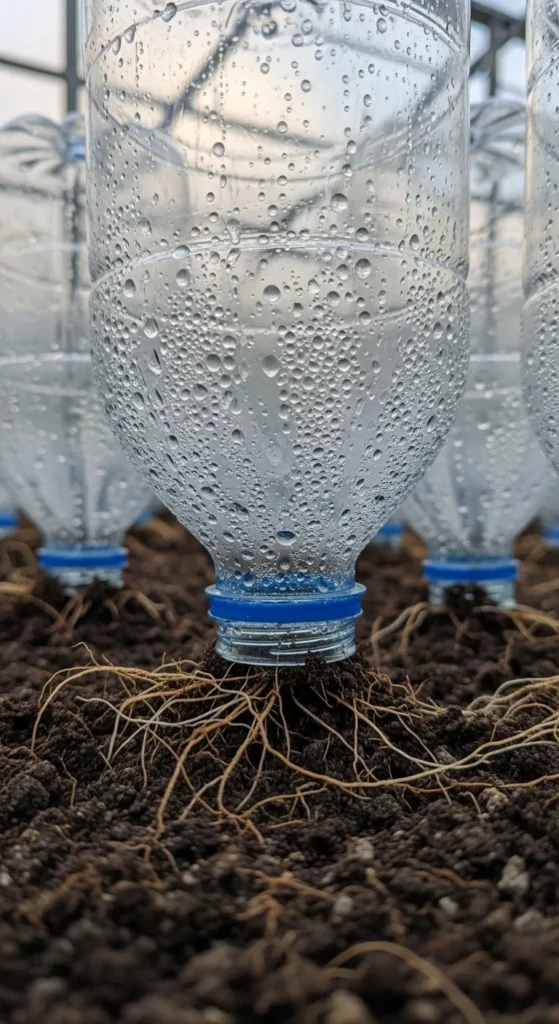
Cut the bottoms off plastic bottles and bury the necks near plant bases. Fill them with water to create a slow-release irrigation system. This DIY trick ensures plants get consistent moisture, especially during hot spells. It’s ideal for busy gardeners or when you’re away for a few days. You can even poke tiny holes in the caps to control the flow rate. Reuse what you already have—simple, eco-friendly, and effective.
2. Add Thermal Mass for Night Warmth
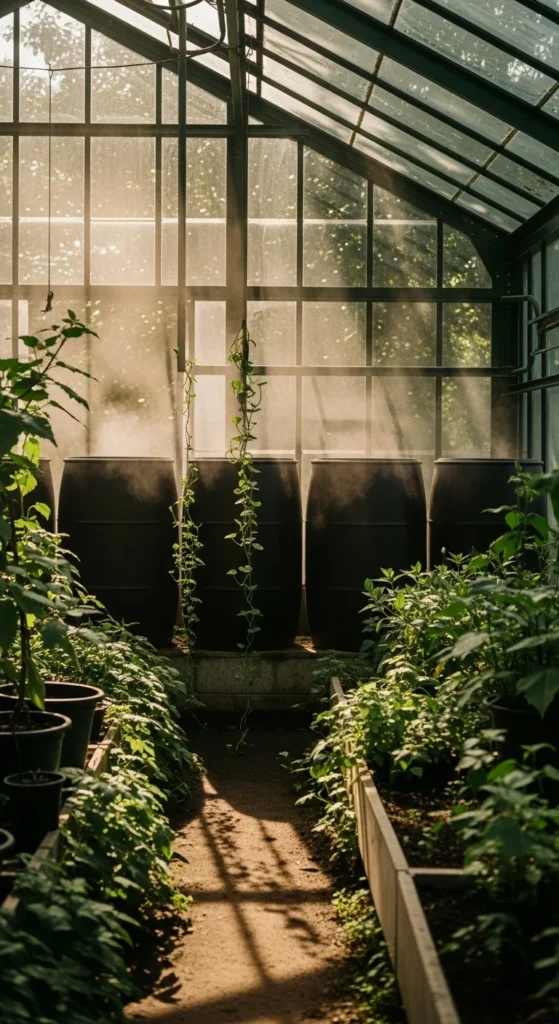
Place dark-colored water barrels or large stones inside your greenhouse. They absorb sunlight during the day and release heat at night, helping to stabilize temperatures. This passive heating trick keeps delicate seedlings and tropical plants safe from cold nights. It’s a no-electricity solution that’s both budget-friendly and practical for any season.
3. Use Bubble Wrap for Winter Insulation
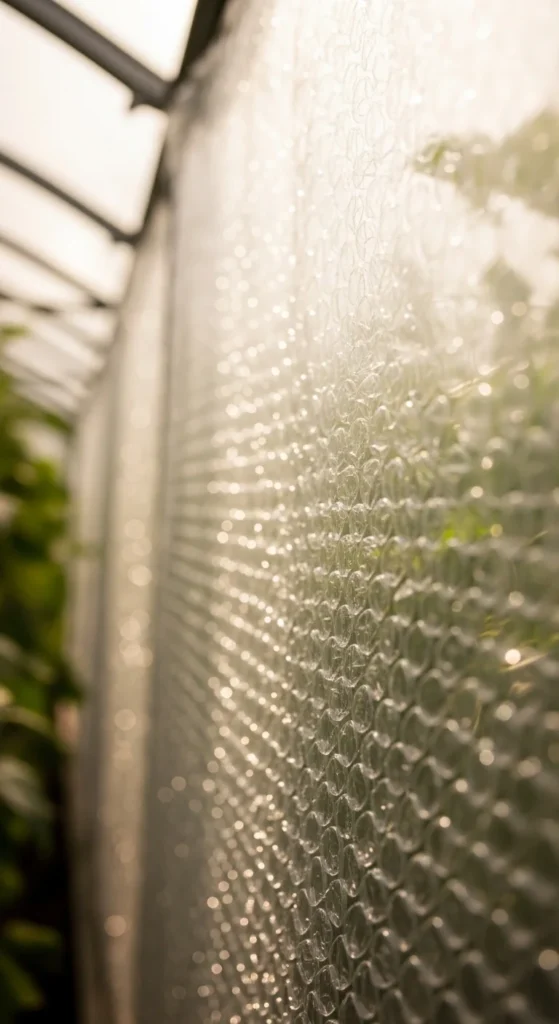
Line your greenhouse walls with clear bubble wrap to trap warmth during colder months. It’s an affordable way to keep temperatures stable and reduce heating costs. Just make sure to leave a few vents for airflow. Bonus: bubble wrap is reusable each year if stored properly.
4. Hang a Shade Cloth for Summer Protection
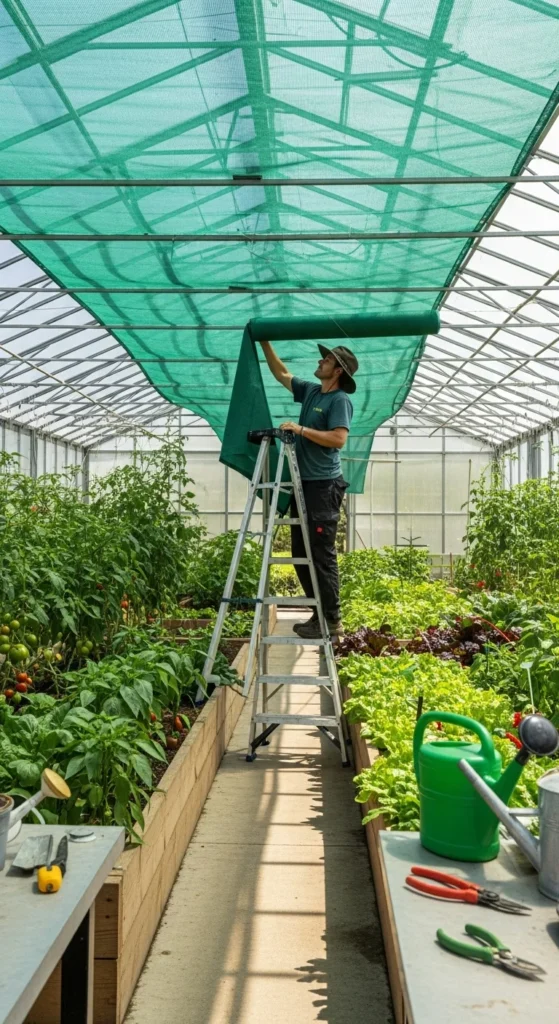
Too much sun can harm plants. Use shade cloth or mesh fabric to reduce intense light during hot afternoons. You can clip it to the roof or drape it over frames. This small step keeps temperatures balanced and prevents leaf burn. Use removable clips for easy adjustments as seasons change.
5. Create a Gravel Drainage Floor
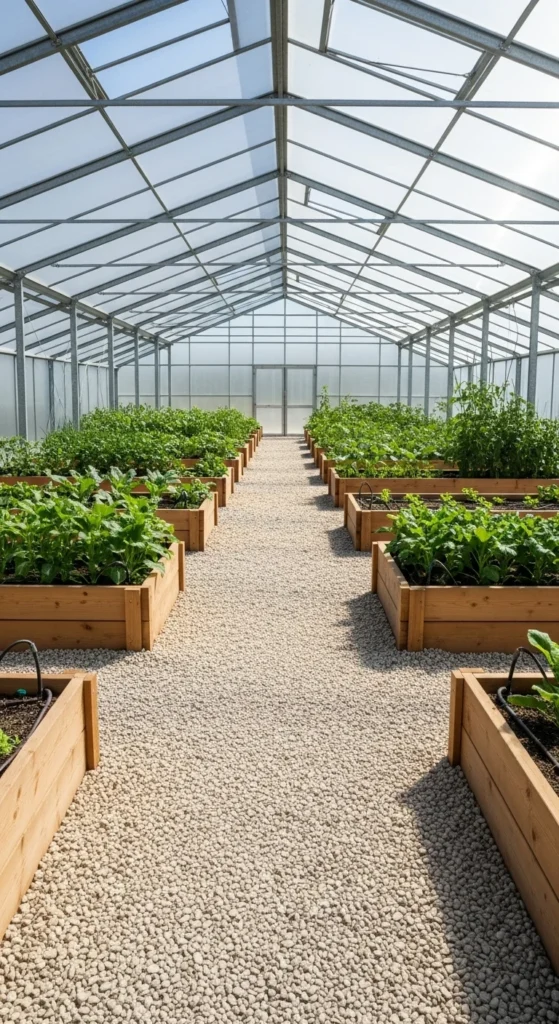
Instead of concrete, use a gravel floor to allow water drainage and reduce humidity buildup. Gravel also helps regulate soil moisture and discourages mold growth. For comfort, add stepping stones or mats in walkways. It’s simple, functional, and gives your greenhouse a tidy, natural look.
6. Repurpose Old Windows for a DIY Greenhouse
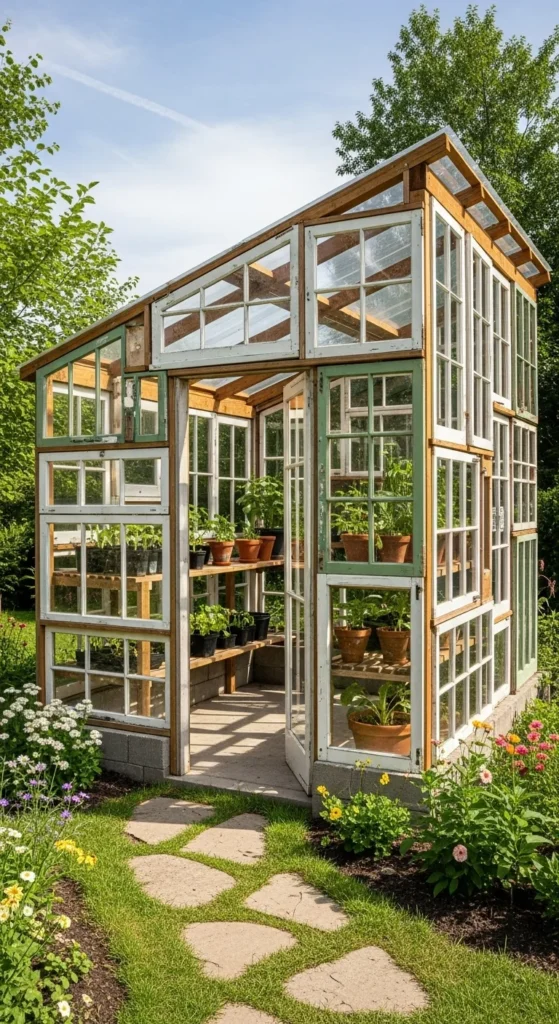
If you’re building from scratch, collect old windows and doors to make your own greenhouse. They offer excellent insulation and a charming vintage look. Use weatherproof paint and seal edges with silicone to prevent drafts. This project costs little and adds personality to your garden space.
7. Use Reflective Surfaces for More Light
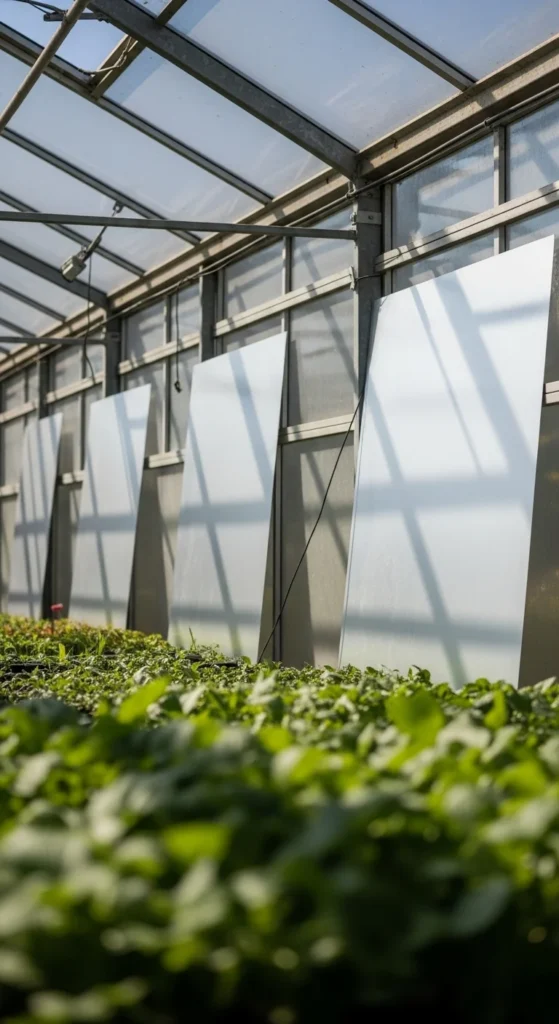
Attach mirrors or reflective foil to darker corners to bounce sunlight toward plants. This trick increases light coverage and helps small greenhouses make the most of every ray. It’s especially helpful in winter when daylight hours are short.
8. Label Plants with Painted Rocks
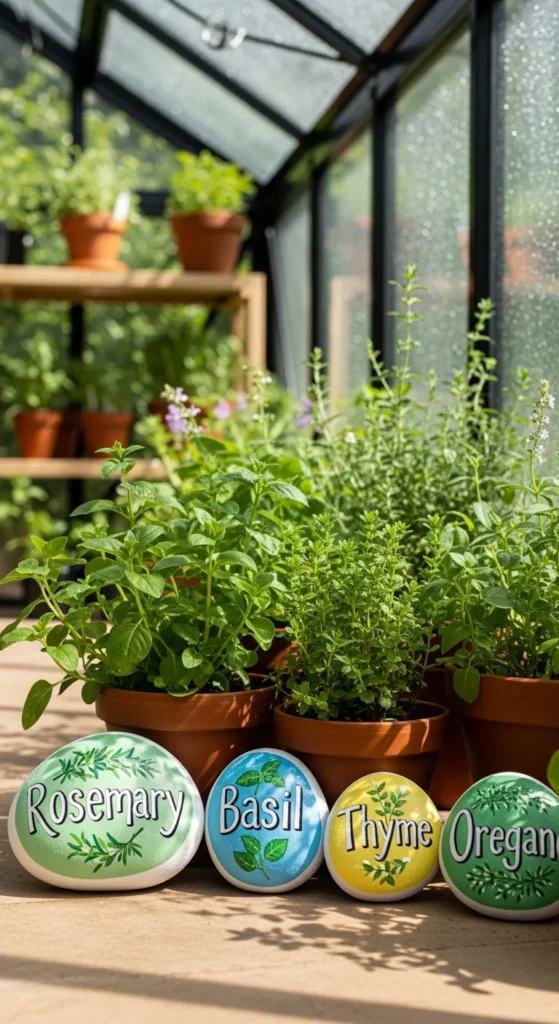
Skip flimsy plastic tags. Instead, use painted stones or wood slices as durable plant labels. Write names with waterproof paint or marker. They last longer, resist weather, and add a creative touch to your greenhouse décor./
9. Grow Vertically with Hanging Baskets
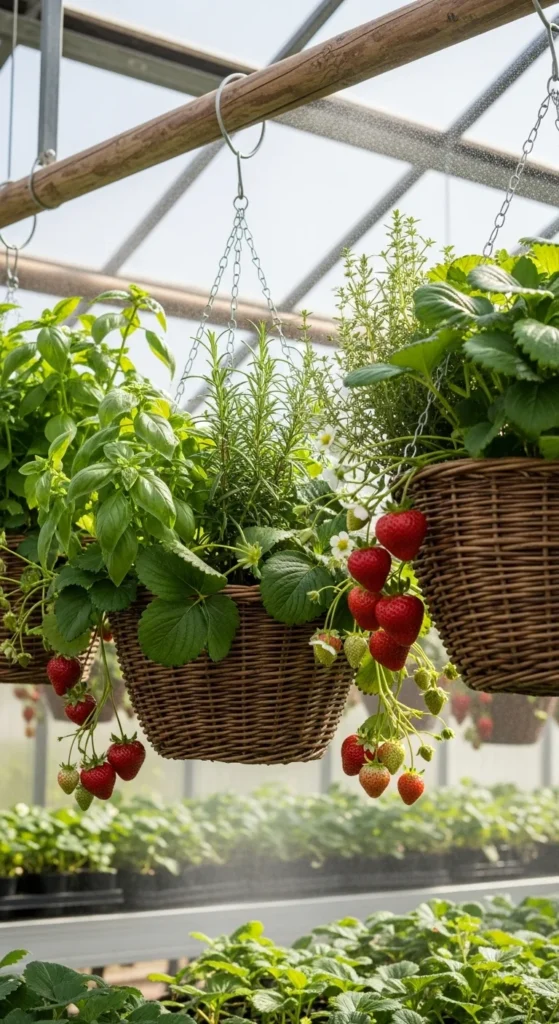
Maximize your space by hanging baskets or planters overhead. Ideal for strawberries, herbs, or trailing flowers. It frees up bench space and keeps delicate plants safe from pests. Just ensure they’re not shading smaller plants below.
10. Recycle Pallets into Shelving Units
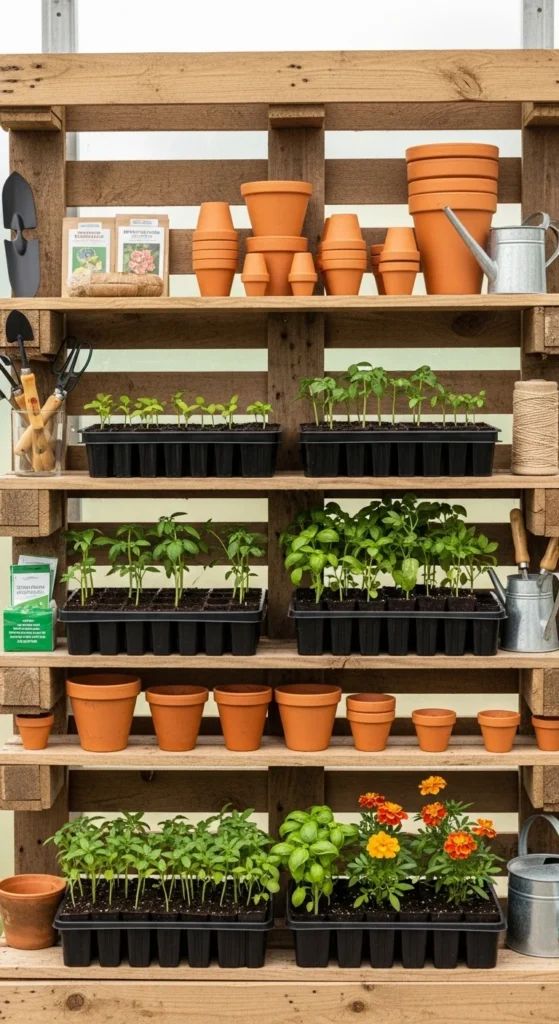
Turn old pallets into sturdy shelving for pots and seed trays. Pallets are easy to find, and their slatted design helps with airflow. Sand them smooth and seal with linseed oil for longer life. It’s an easy weekend project with practical results.
11. Use Compost Heat to Warm Soil

Place a compost bin near or inside your greenhouse. As it decomposes, it releases natural heat, warming nearby plants and soil. It’s an efficient use of waste materials and reduces the need for electric heaters.
12. Collect Rainwater for Irrigation
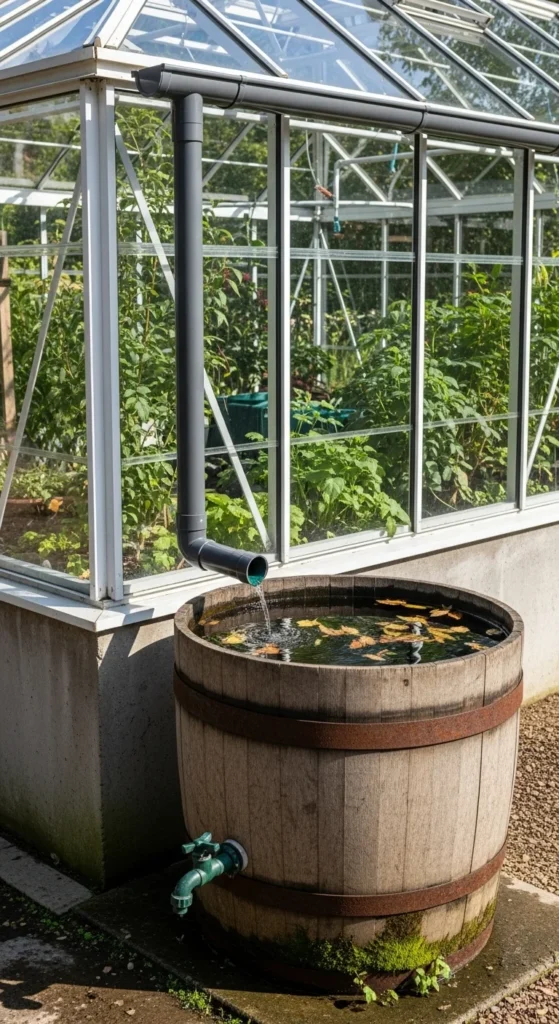
Attach gutters to your greenhouse roof to collect rainwater. Use it for watering plants instead of tap water. It’s free, eco-conscious, and often better for plant health since it’s free of chlorine. Add a filter or mesh screen to prevent debris buildup.
13. Install Solar-Powered Fans
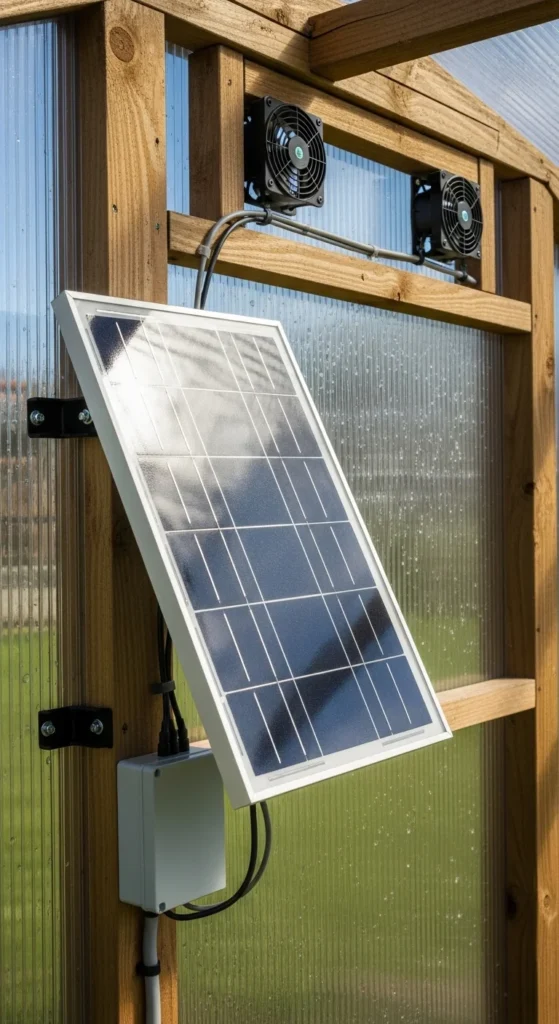
Proper ventilation prevents fungal diseases and overheating. Use solar-powered fans to circulate air during sunny hours. They’re energy-efficient, easy to install, and automatically turn on when sunlight is strong.
14. Use Eggshells to Enrich Soil
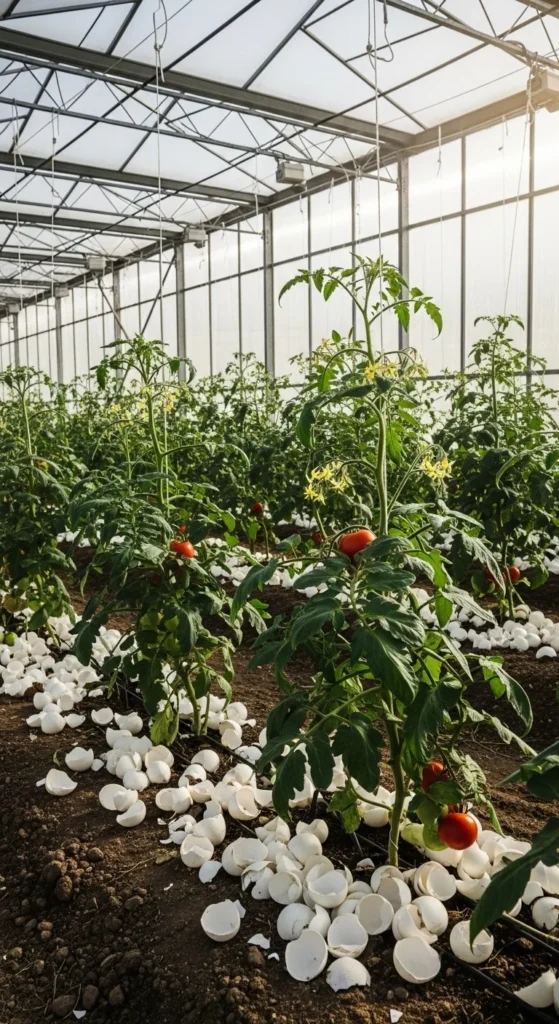
Save your kitchen waste! Crushed eggshells add calcium to the soil, helping prevent blossom-end rot in tomatoes and peppers. Mix them into the top layer of soil or compost before planting.
15. Start Seeds in Recycled Containers
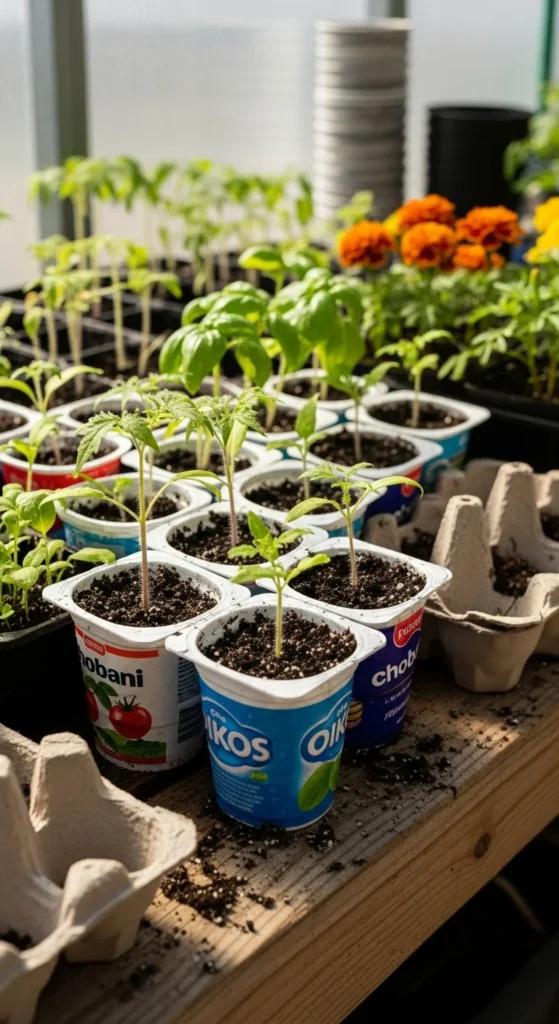
You don’t need fancy seed trays. Reuse egg cartons, yogurt cups, or paper rolls to start seedlings. Just poke drainage holes at the bottom. It’s budget-friendly and helps cut down on plastic waste.
16. Hang Thermometers and Hygrometers
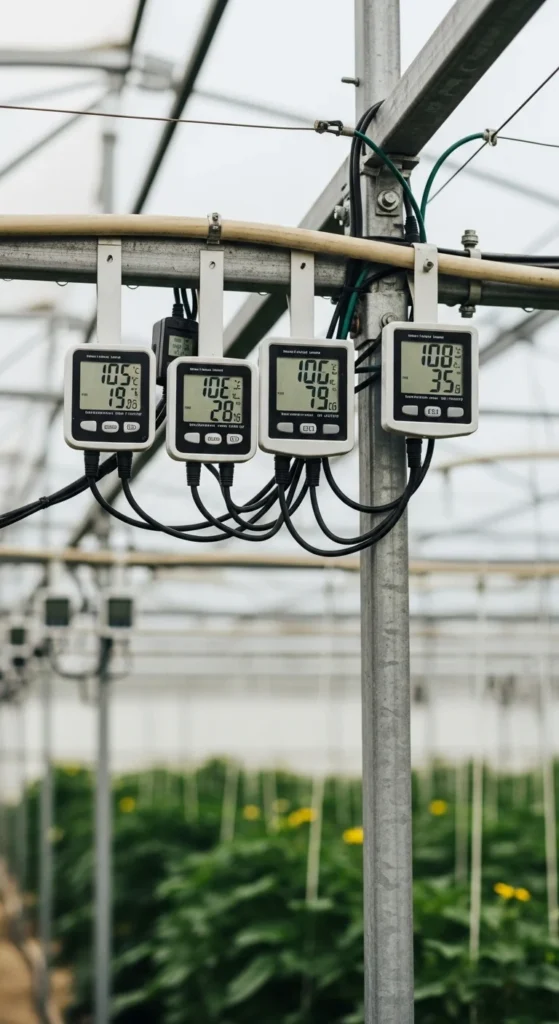
Monitoring your environment helps plants thrive. Hang inexpensive temperature and humidity meters inside your greenhouse. Record readings daily so you can adjust ventilation or watering as needed.
17. Try Companion Planting
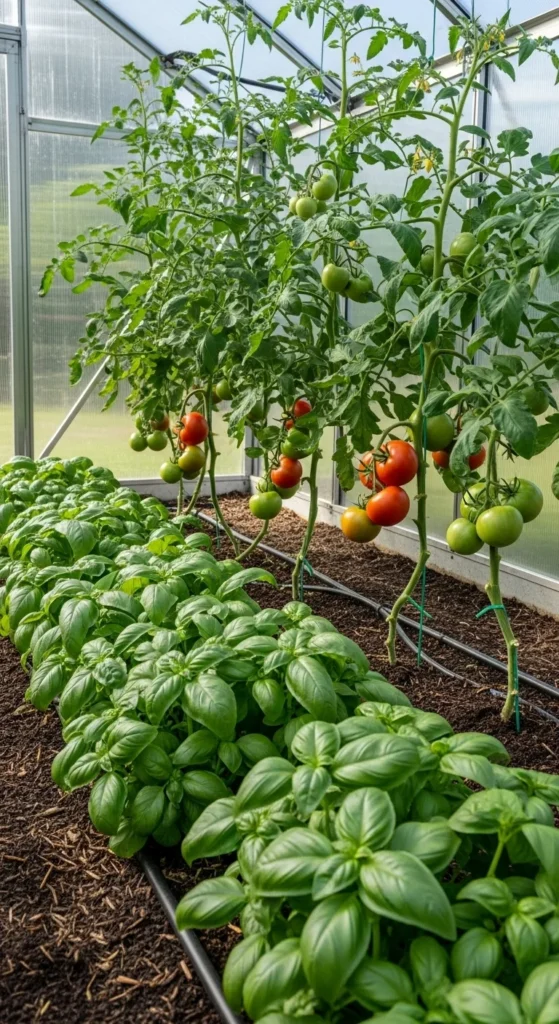
Grow compatible plants like basil with tomatoes or marigolds with cucumbers. They help deter pests, enhance growth, and save space. Companion planting creates a small ecosystem that benefits every crop.
18. Use a Milk Jug as a Humidity Dome
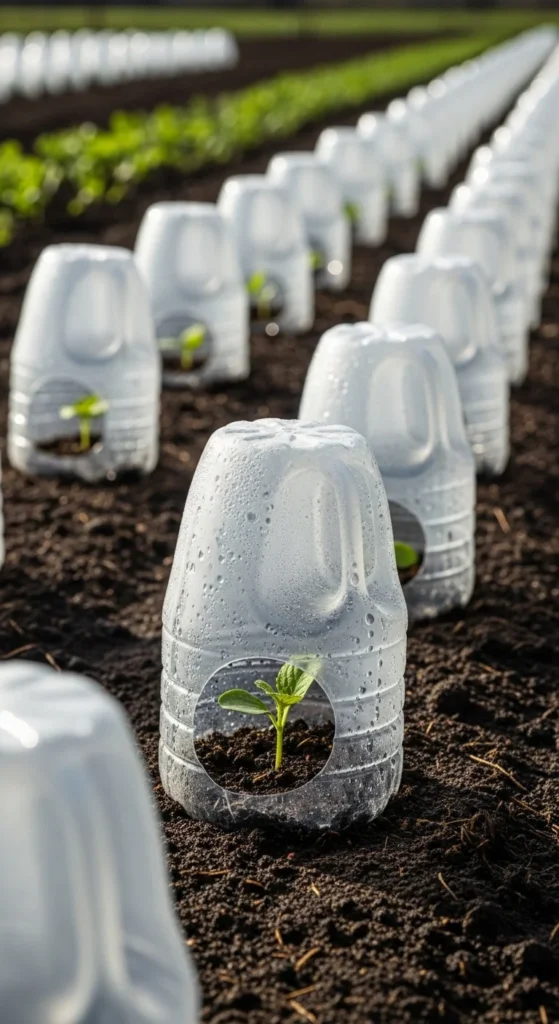
Cut the bottoms off old milk jugs and place them over young seedlings. They trap humidity and warmth, encouraging faster germination. Remove once plants strengthen to prevent mold buildup.
19. Add Motion Sensors for Automatic Venting
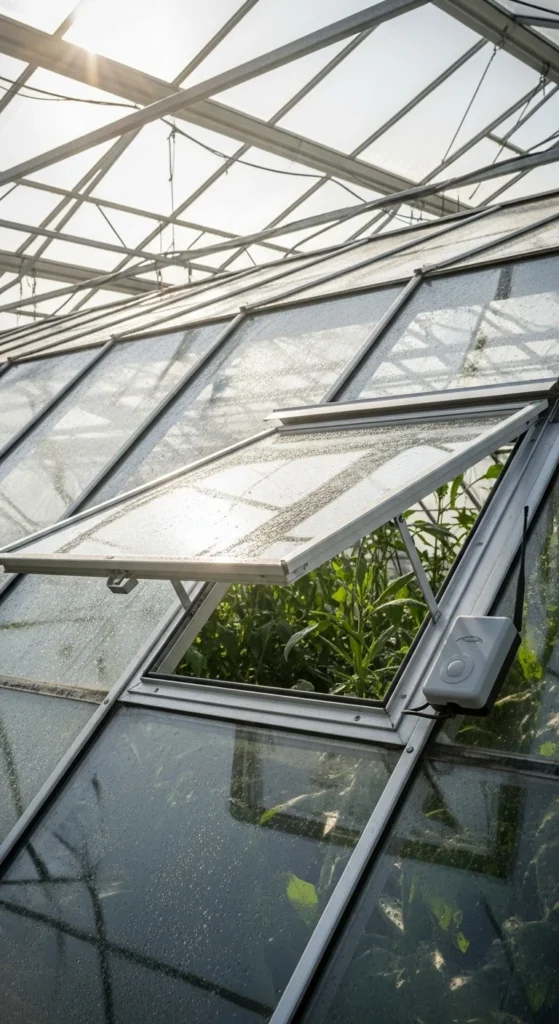
You can buy automatic vent openers that use simple sensors. They expand when it’s hot and close when it’s cool—no batteries needed. This maintains steady airflow without constant checking.
20. Use Mulch to Retain Moisture
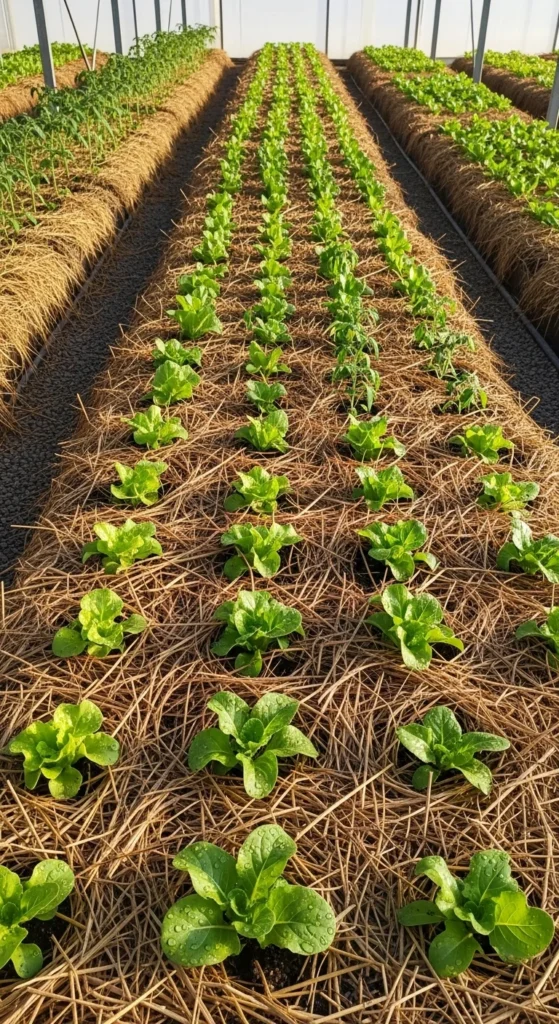
Add a layer of straw or shredded leaves around plant bases to retain soil moisture and reduce weeds. It’s natural, inexpensive, and keeps soil cooler in summer.
21. Keep Pests Away with Sticky Traps
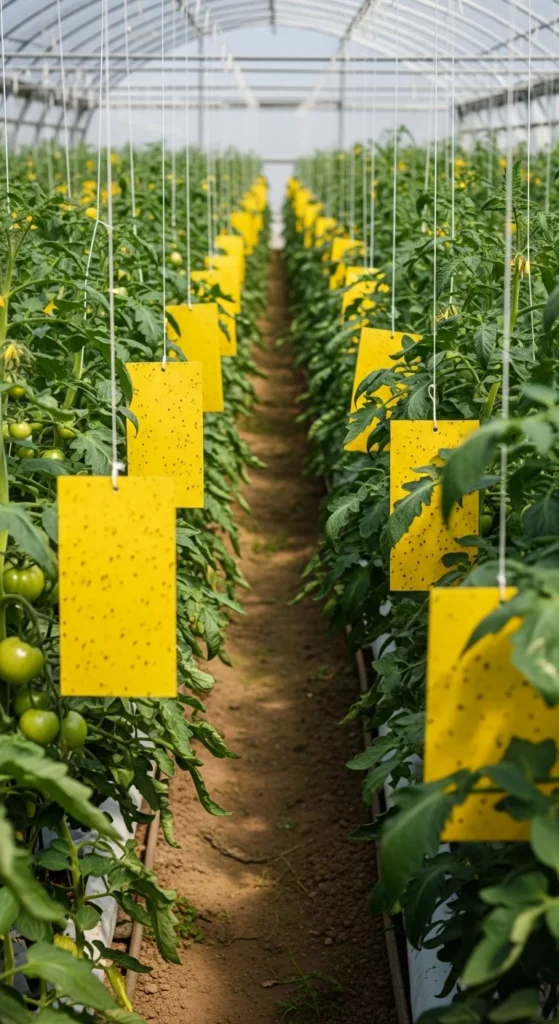
Hang bright yellow sticky traps to catch flying pests like whiteflies or gnats. It’s a chemical-free way to monitor and manage insect problems before they spread.
22. Set Up LED Grow Lights for Winter
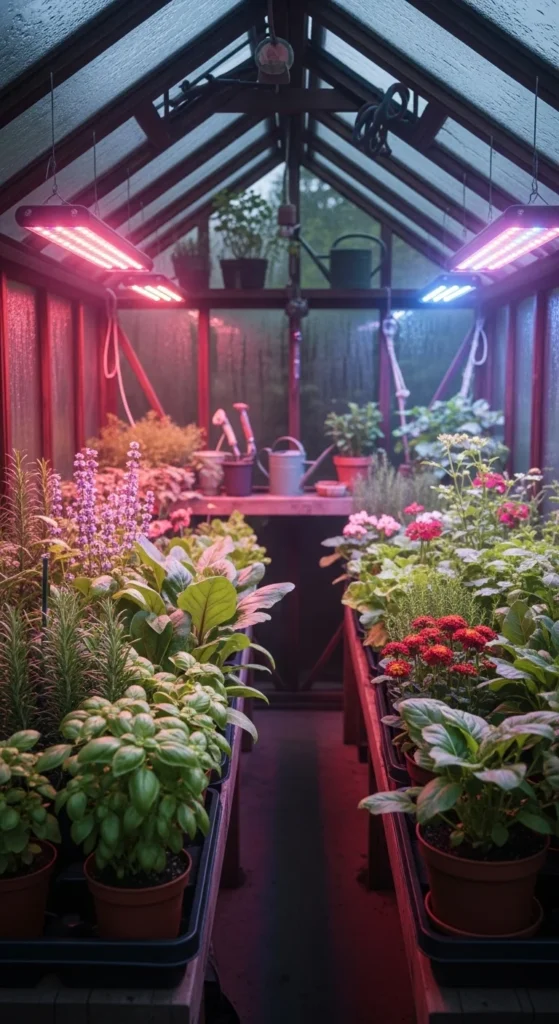
During short winter days, install energy-saving LED grow lights. They supplement sunlight and keep plants growing strong. Position them 12–18 inches above the canopy for best results.
Conclusion
Greenhouse gardening doesn’t have to be expensive or complicated. With a few creative tricks—like recycling, smart lighting, and natural heating—you can make your plants thrive all year long. Start applying these practical hacks today and enjoy a greener, more efficient growing space that rewards you with healthy plants and endless harvests.

Leave a Reply