

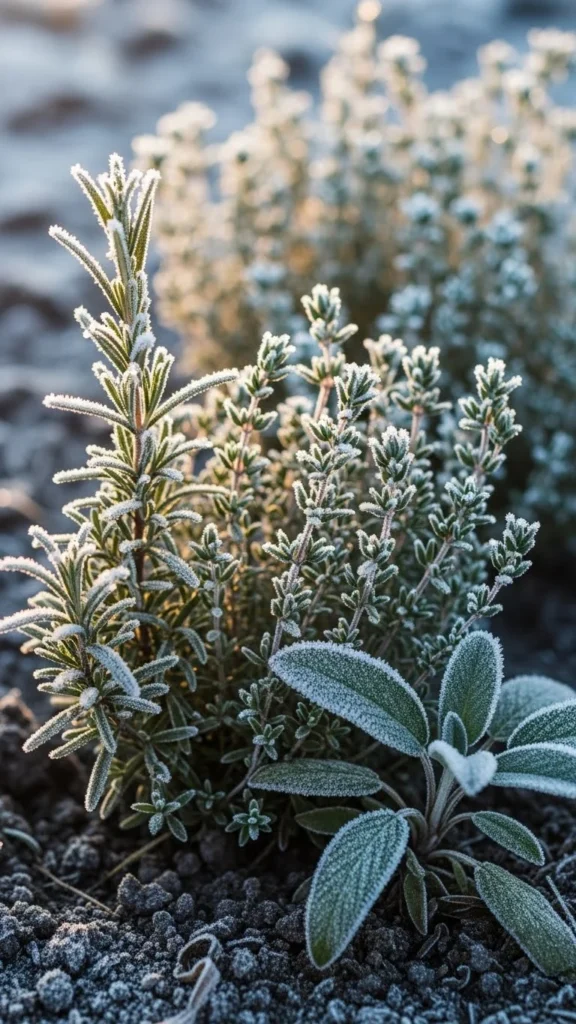
Winter doesn’t have to pause your herb garden. Many plants stay strong through cold weather and even light frost, giving you color, fragrance, and flavor when most of the garden is resting. These hardy winter herbs are perfect for small spaces, raised beds, patio pots, or indoor setups near a sunny window. With simple steps, you can keep your kitchen stocked and your garden looking alive during the chilly months. Below are 21 reliable herbs that handle frost and keep growing when temperatures drop.
1. Rosemary
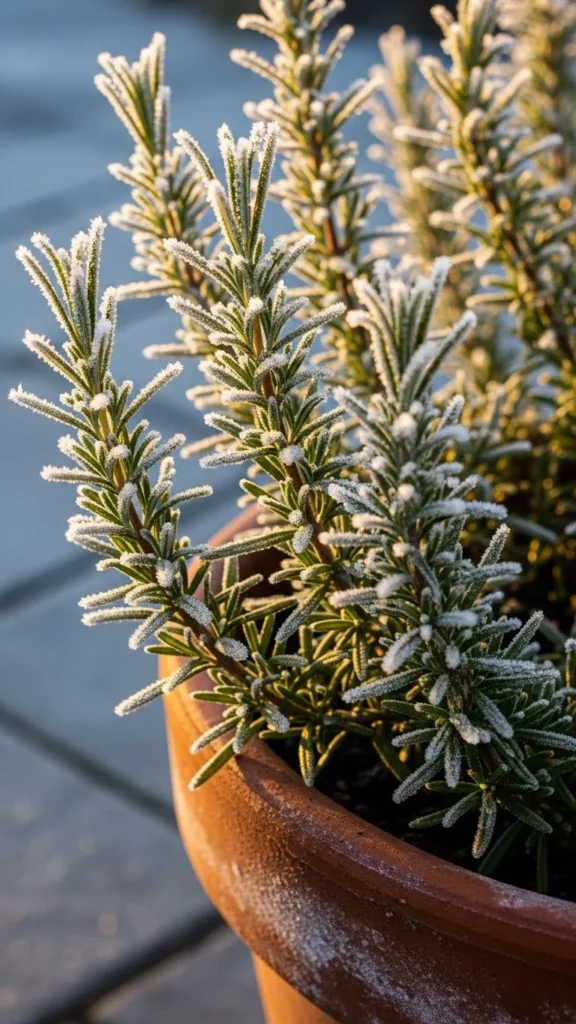
Rosemary stays strong even when temperatures dip. It grows slowly in winter but still keeps its deep green color. You can plant it in a pot, bed, or raised container. Keep the soil slightly dry during cold spells because rosemary prefers lighter watering when the air is cold.
Try placing a small rosemary pot near your kitchen door. It makes cutting sprigs easy when cooking. If you live in a colder zone, wrap the base with burlap or place the pot inside a larger container filled with leaves. This traps warmth.
A simple DIY trick is to add gravel to the top of the soil. It keeps moisture off the stems and adds a tidy look. Rosemary also smells lovely anytime you brush past it. Use it in slow-cooked meals or make a small winter wreath using a few cut stems.
2. Thyme
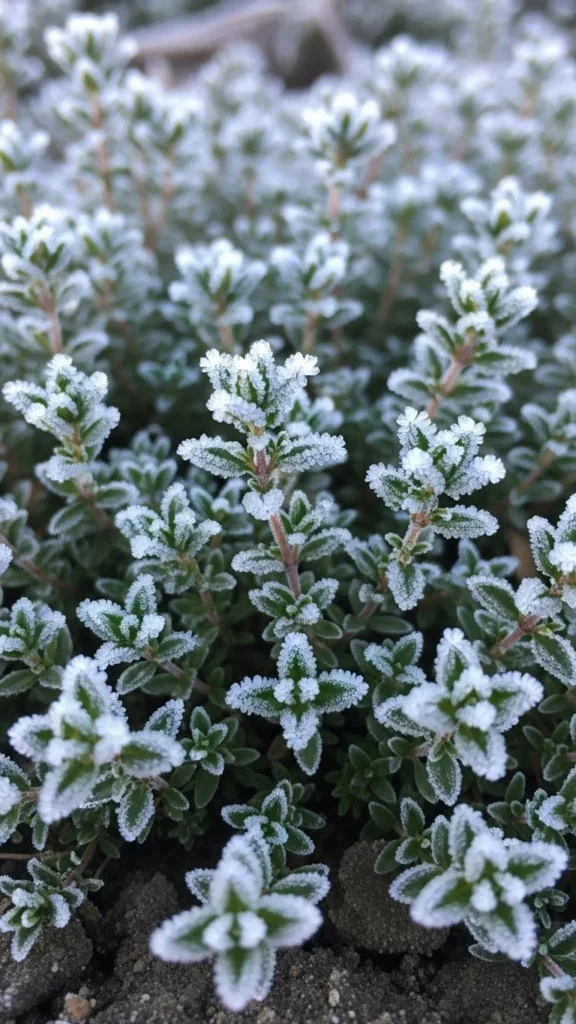
Thyme is one of the strongest herbs for cold weather. It stays low and spreads gently, making it great for borders and small spaces. The leaves stay green even during icy mornings. Once established, thyme barely asks for attention.
Plant it near stones or bricks. They store daytime warmth and release it at night. This small heat pocket keeps thyme healthier during very cold weeks. Another easy tip is trimming lightly before winter. This keeps the plant compact and prevents long stems from breaking under frost.
Grow it in containers if you want to move it around. Use well-drained soil and avoid heavy watering. Thyme works well indoors too, as long as it gets sunlight for a few hours each day. Snip small amounts as needed and let the rest grow naturally.
3. Sage
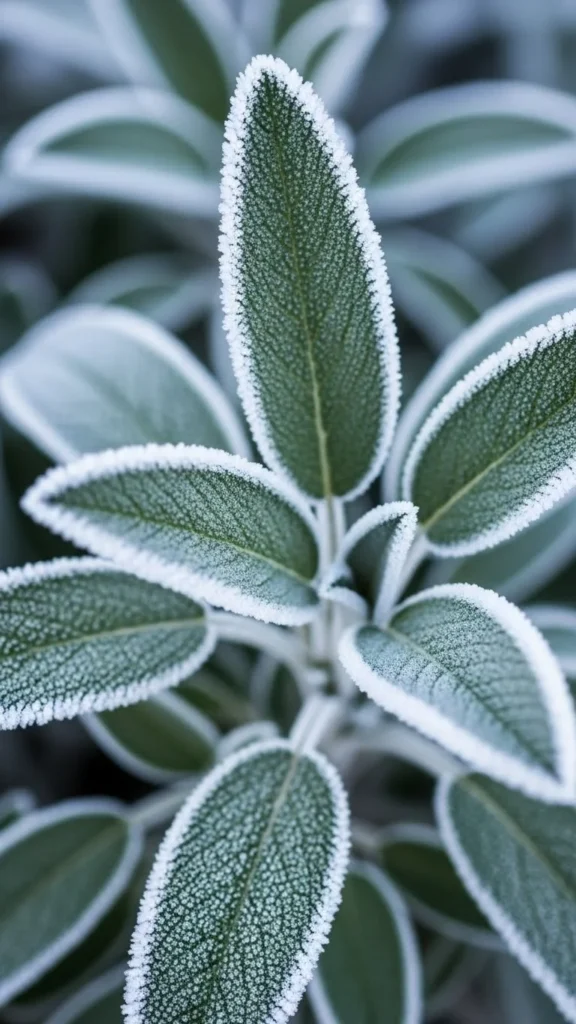
Sage stands tall through many winter conditions. The leaves are thick and textured, which helps them handle cold air. Plant sage in a sunny spot so it gets as much warmth as possible during short winter days.
You can grow sage in large or small pots. Just make sure the drainage is good. Sage dislikes sitting in wet soil. A layer of mulch around the base helps keep the roots warm. Use dry leaves, straw, or even wood chips.
If you live somewhere with strong winter winds, shield the plant by placing it near a wall or fence. This helps the leaves stay firm and reduces stress. Cut a few leaves as you need them, but avoid heavy pruning during winter.
4. Parsley
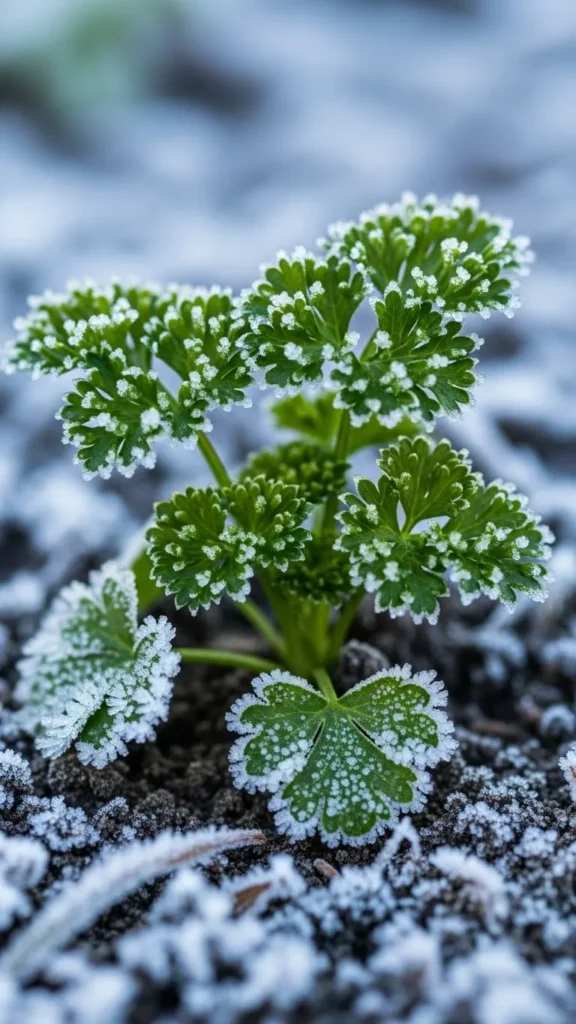
Parsley surprises many gardeners with how well it handles cold weather. The leaves remain green even after a cold night. It grows slowly but keeps producing throughout the season.
Plant parsley in loose soil so the roots can spread easily. Water lightly during cold weeks and avoid letting water freeze around the base. If grown in pots, bring them closer to the house for extra warmth.
A budget-friendly trick is to place clear plastic storage bins upside down over the plants during very cold nights. This acts like a mini greenhouse. Remove the cover in the morning so the air can circulate.
Flat-leaf varieties tend to handle frost better than curly ones. Take small cuttings for your meals and let the plant rest after each harvest.
5. Chives
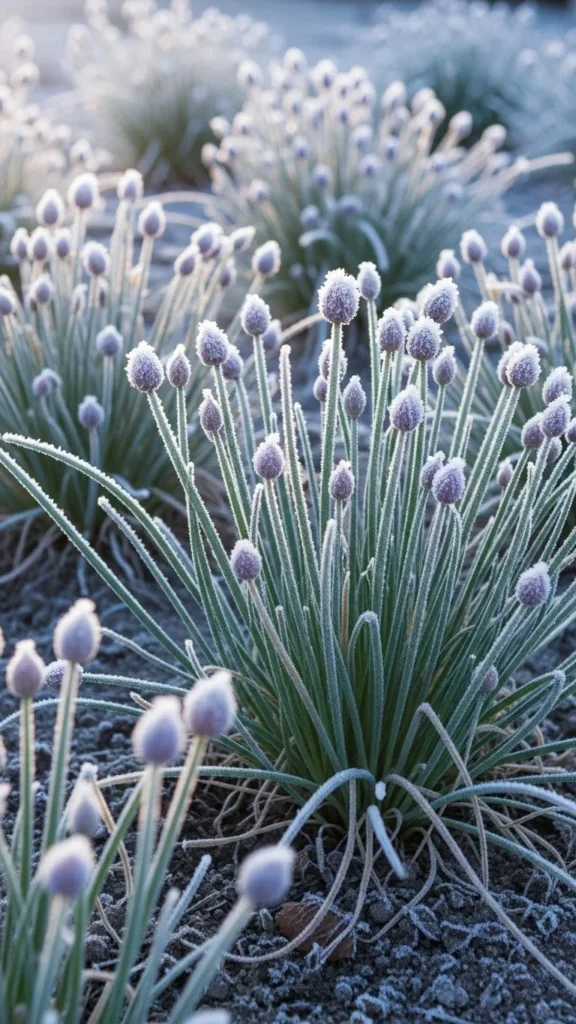
Chives are extremely cold-hardy. Even when the tops die back, the roots stay alive and new shoots appear quickly. During milder winter periods, you can still snip fresh stalks.
Plant chives in a clump so the stalks protect each other. Add compost before winter for extra strength. If you live in an area with freezing ground, add straw on top to keep the roots comfortable.
Grow chives in pots too. They require little space and thrive near sunny windows. Rotate the pot every few days so all sides get light. When harvesting, cut low but leave at least an inch for regrowth.
6. Winter Savory
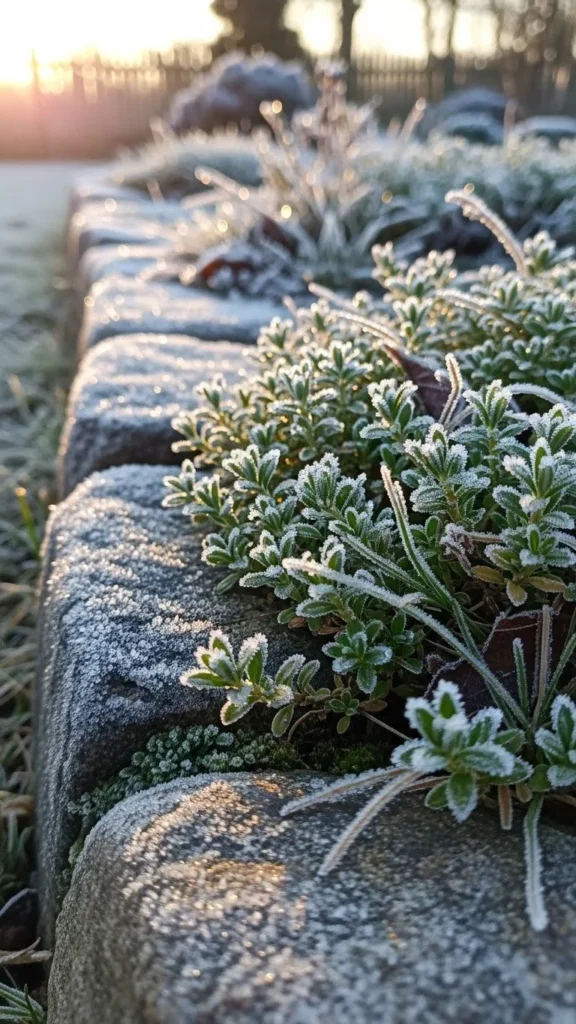
Winter savory lives up to its name. It handles frost better than many similar herbs. The leaves stay green and cling tightly to the stems.
You can plant winter savory beside thyme or rosemary because they enjoy similar care. Use sandy soil for best results. Watering lightly works well through winter.
For an easy project, plant winter savory in small clay pots and place them on a sunny windowsill. They look beautiful and stay productive. Trim gently to encourage new growth without stressing the plant.
Add this herb to hearty recipes during winter. Even a small sprig adds aroma to meals.
7. Oregano
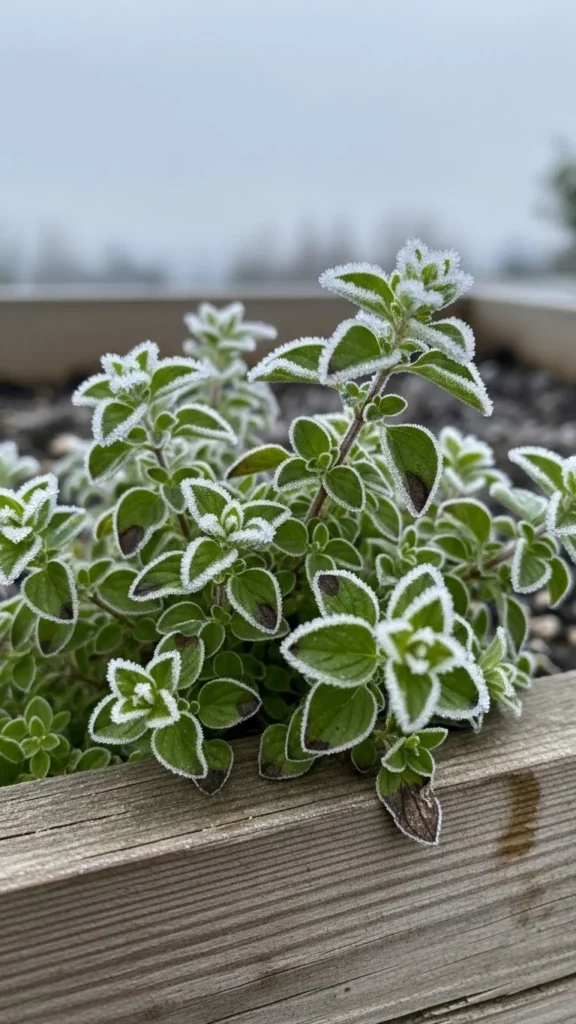
Oregano spreads quickly in warm months but slows down in winter. Still, it remains green and holds strong through light frost. The flavor becomes deeper during cold weather.
Plant oregano in a sunny space. It enjoys warmth and drains quickly. Raised beds are perfect because they stay drier than ground-level soil. Trim the stems lightly before winter so the plant stays neat.
In very cold regions, place a mulch layer around the base. This protects the roots. Oregano also grows well indoors if placed near a bright window.
Cut small pieces during winter and let the plant rest between harvests.
8. Mint
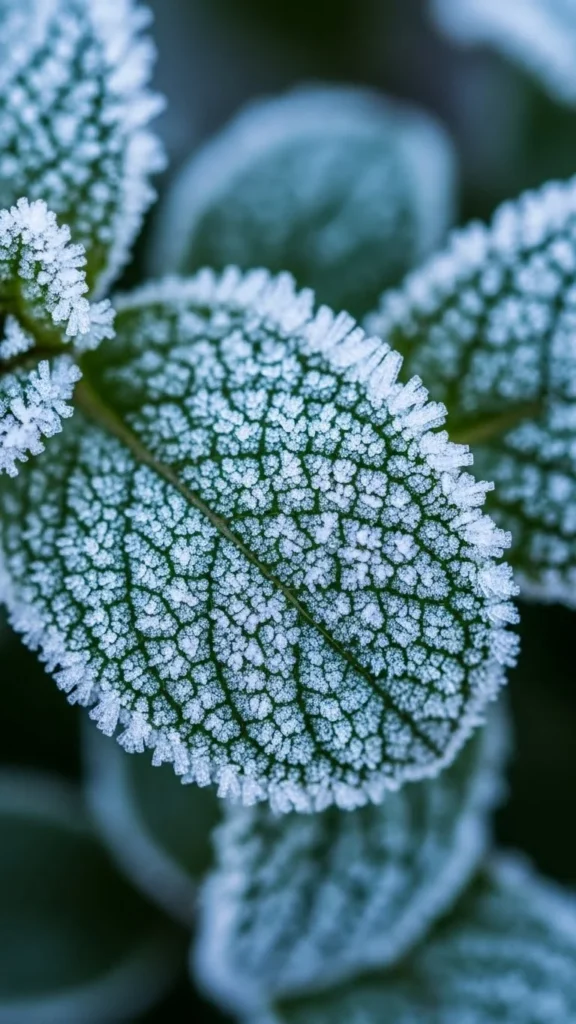
Mint is incredibly tough. It can freeze back and still return once temperatures rise. Many gardeners find mint almost too strong, so winter helps keep it manageable.
Grow mint in containers to prevent spreading. Use loose soil and water only when the top dries. Mint handles frost but benefits from a small layer of straw during extra-cold spells.
Inside, mint grows well on windowsills. Just rotate the pot for even light. If your outdoor mint dies back, leave it alone. It will surprise you with new shoots later.
Snip leaves often to keep the plant from stretching.
9. Lemon Balm
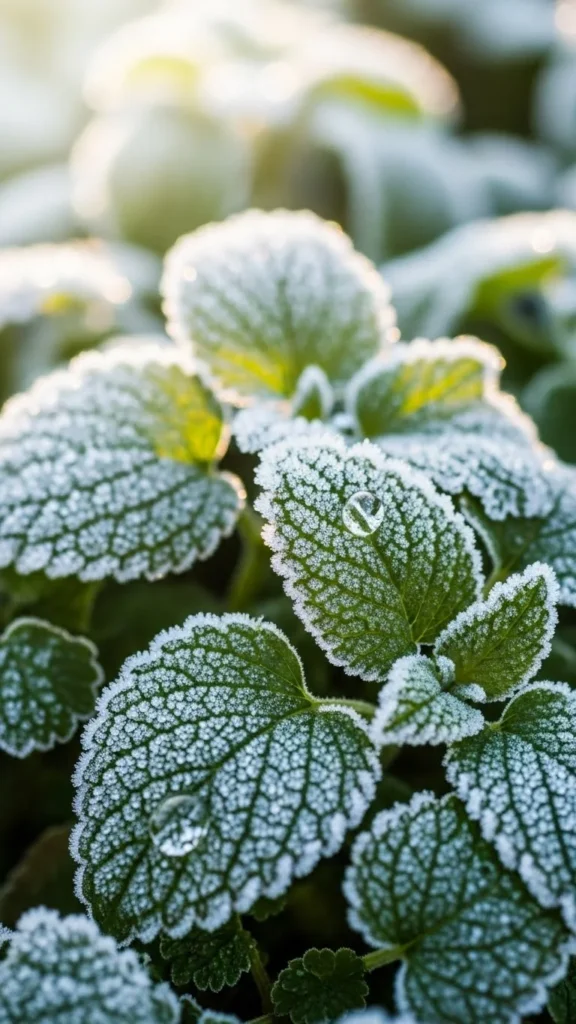
Lemon balm manages winter better than most leafy herbs. The plant may shrink, but the roots stay strong. When warmer days arrive, it springs back quickly.
You can plant lemon balm in the ground or pots. If planting outdoors, choose a place with morning sunlight. This helps melt frost gently. For extra warmth, mulch around the base.
Indoors, keep lemon balm in a bright spot. Mist lightly to prevent dryness. Cut leaves as needed but avoid overharvesting during cold months.
10. Lovage
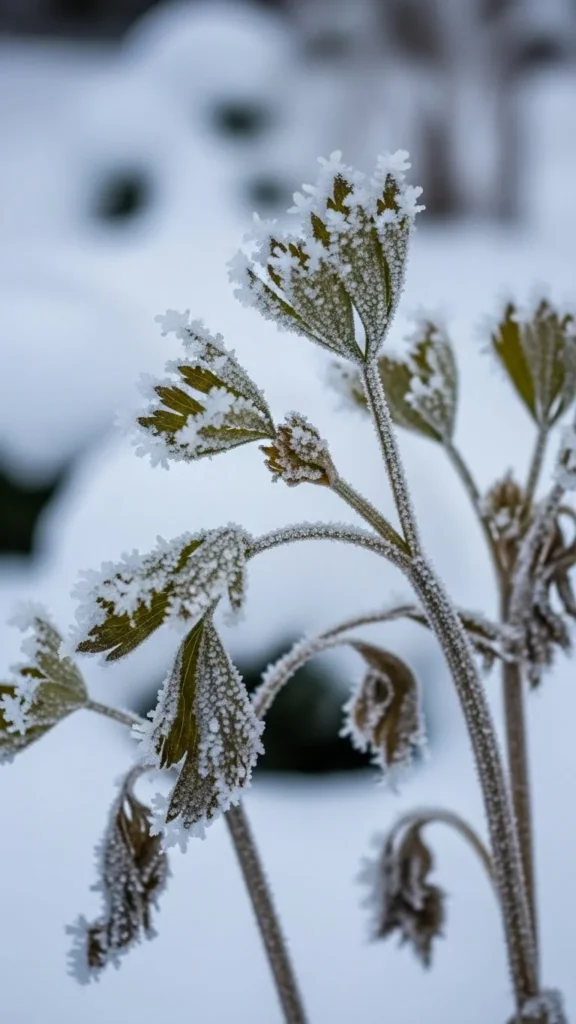
Lovage handles cold air well and keeps growing slowly through winter. The stems are strong and the leaves remain bright even after frost.
Plant lovage in deep soil since the roots grow long. Water lightly in winter and avoid soggy ground. If grown in pots, choose tall containers.
Mulching helps keep the plant steady during cold nights. Lovage pairs nicely with parsley and chives in winter herb beds. Cut only a few stems at a time so the plant keeps its strength.
11. Bay Laurel
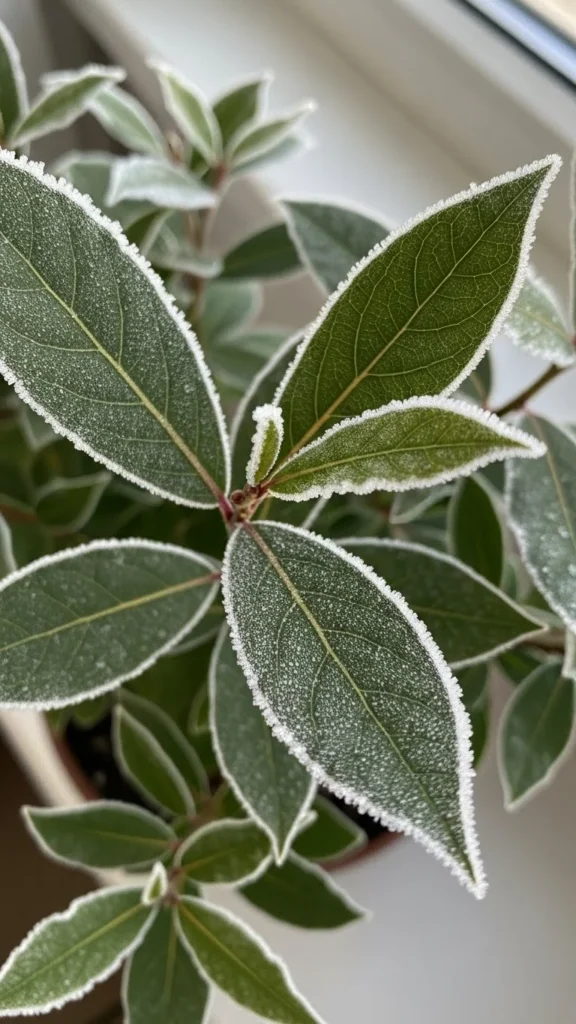
Bay laurel is a slow-growing evergreen herb that does well in cold air when sheltered. Plant it in a pot so you can move it as temperatures change.
Place it near a sunny wall outdoors. The wall releases warm air that protects the leaves. During extremely cold nights, bring the pot indoors.
Keep the soil slightly dry in winter. Heavy watering can stress the plant. Trim gently to maintain shape. Bay leaves are strong, so harvest sparingly.
12. Tarragon
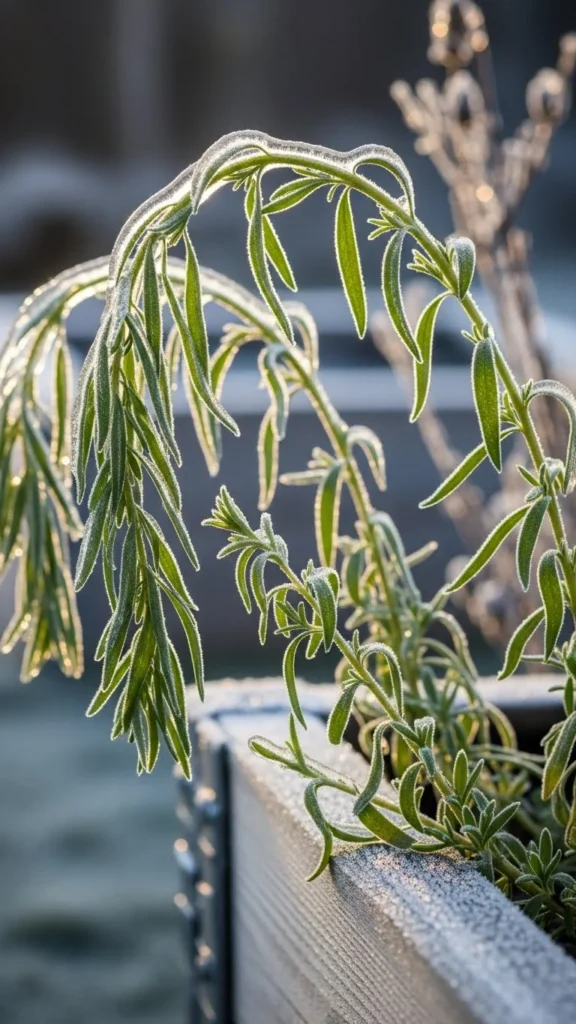
Tarragon goes dormant in deep winter but still survives cold temperatures. The roots stay alive and new growth appears in early spring.
Plant tarragon where the soil drains quickly. Raised beds or containers work well. Add mulch before the coldest part of the season. This protects the base.
If you want winter access to tarragon, grow a small pot indoors. Place it where sunlight reaches for several hours a day. Harvest lightly to keep the plant steady.
13. Horseradish
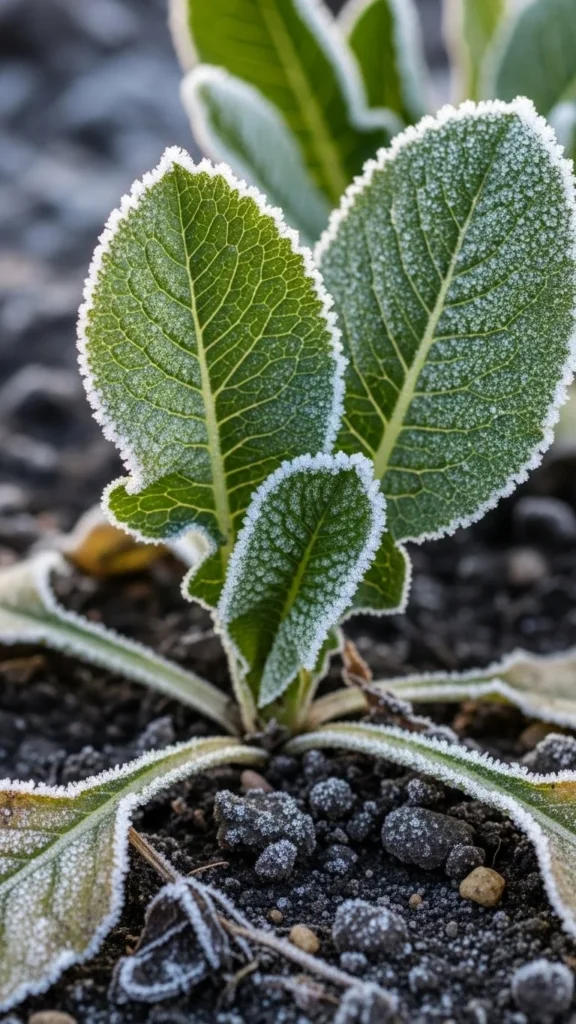
Horseradish thrives in winter. The roots stay solid and the leaves often remain healthy until heavy snow arrives.
Plant horseradish in loose soil so the roots grow deep. Once planted, it does most of the work on its own. Water rarely in winter.
You can cover the soil surface with straw or leaves for extra warmth. Harvest small amounts from the edges so the plant continues growing without stress.
14. Cilantro
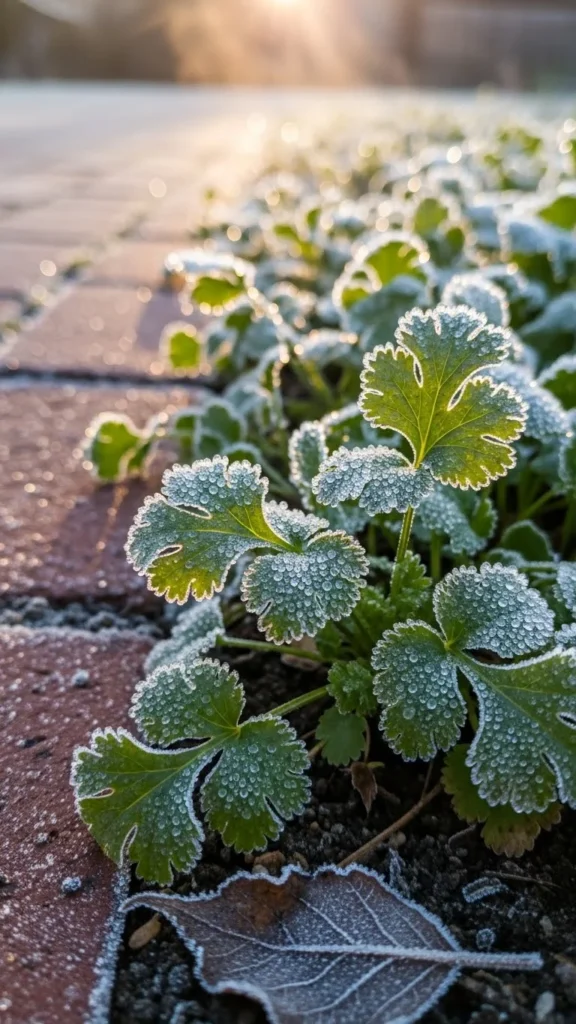
Cilantro prefers cool weather and often grows better in winter than in summer. Frost may slow growth but rarely harms established plants.
Plant cilantro in loose soil and water lightly. Too much moisture can freeze around the roots. Planting near a sunny wall helps warm the soil during the day.
Inside, cilantro grows well under bright window light. Snip leaves often to encourage new ones.
15. Dill
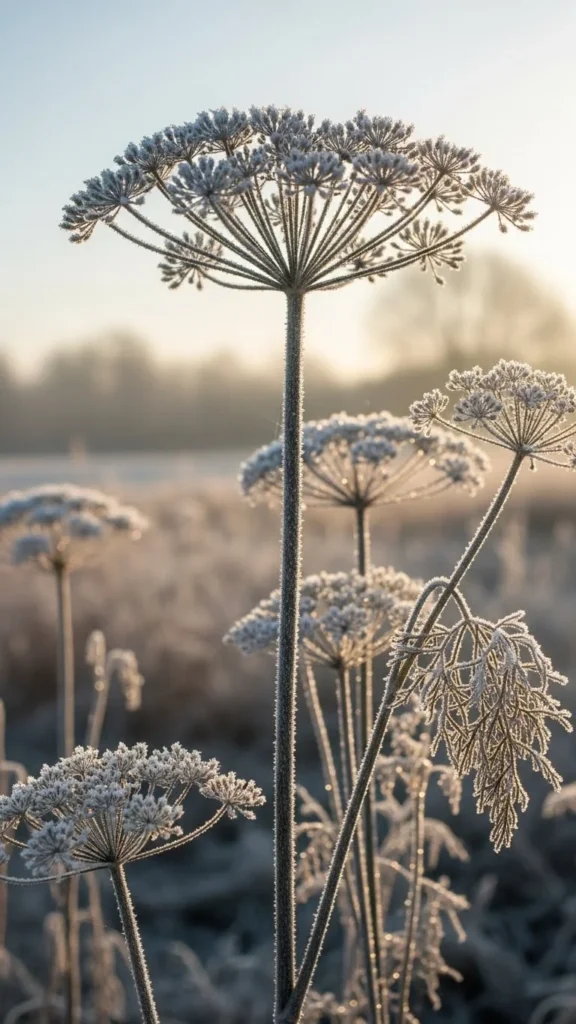
Dill handles winter fairly well, especially when protected from wind. The stems may bend slightly, but the plant keeps growing.
Plant dill in deep containers or raised beds. Use loose soil and avoid heavy watering. For extra protection, place a light row cover over the plants during extra cold nights.
Indoors, dill grows quickly. Give it sunlight and rotate the pot regularly. Harvest the outer stems and let the center keep growing.
16. Fennel
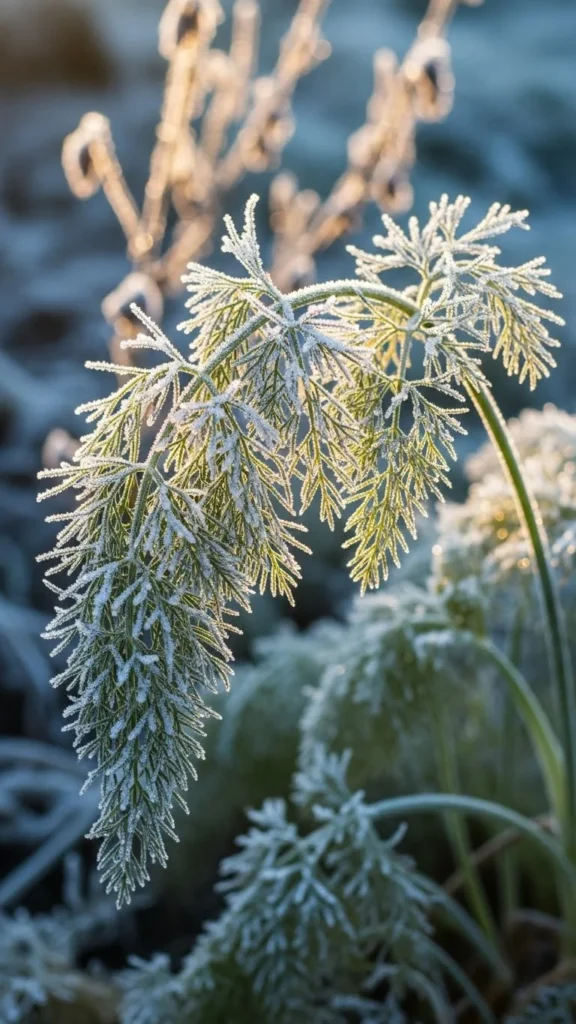
Fennel can handle frost when established. The feathery leaves stay upright even after cold nights.
Plant fennel in deep, loose soil so the bulb and roots spread easily. If temperatures drop sharply, add mulch around the base. This keeps the roots protected.
Grow fennel in containers too. Use a tall pot and place it in a sunny spot. Harvest small sections of fronds through the winter.
17. Marjoram
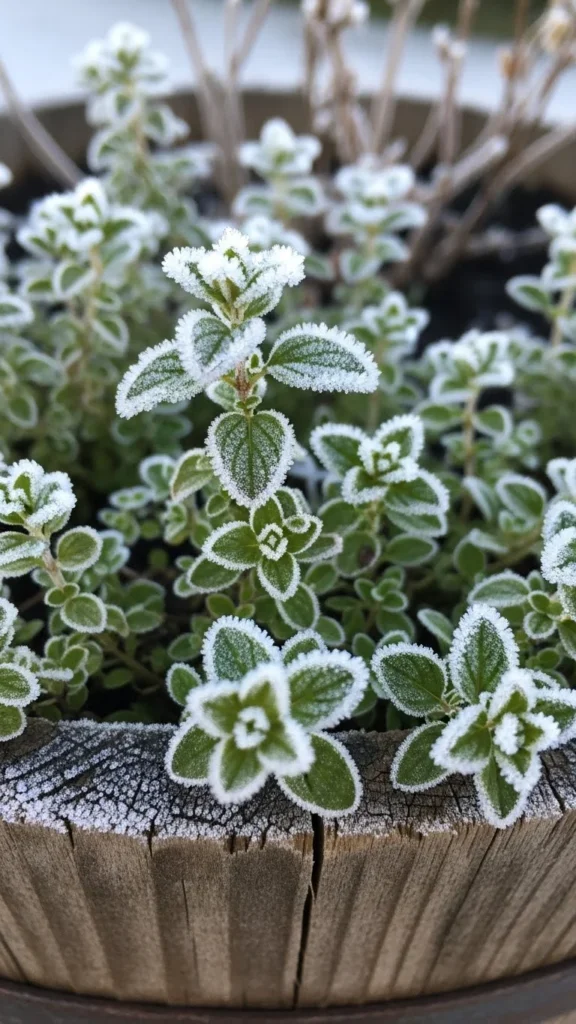
Marjoram manages winter best when planted in well-drained soil. It grows slowly during cold months but stays green.
Choose a bright location outdoors or grow in containers near a window. Water sparingly in winter. A thin mulch layer helps hold warmth in the soil.
For easy care, trim gently before the cold season. Take small harvests so the plant stays strong.
18. Chamomile
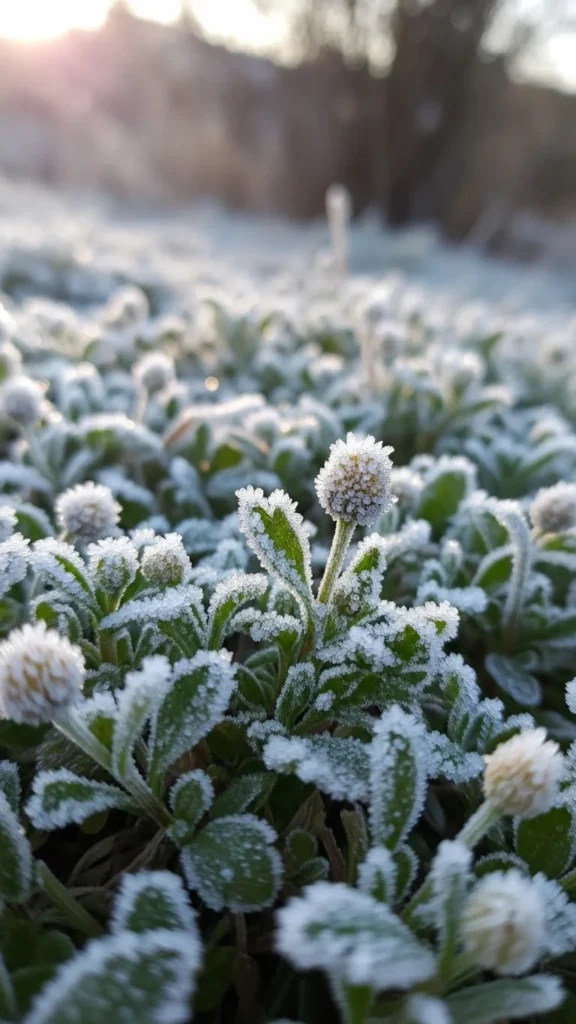
Chamomile handles light frost well. Even when it slows down, the plant stays healthy.
Plant it in sunny areas with loose soil. Water lightly during winter. If you get strong winds, place chamomile near a wall or fence for shelter.
Grow chamomile in pots too. It looks beautiful on windowsills. Snip leaves and small stems as needed.
19. Hyssop
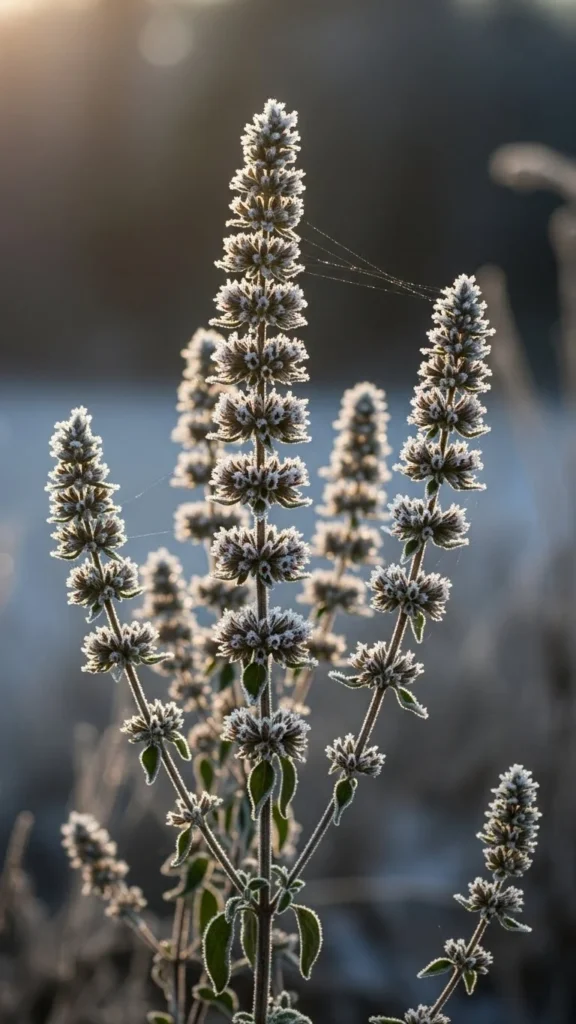
Hyssop stays strong in winter and keeps its shape. The leaves hold their color even after cold nights.
Plant hyssop in a sunny, dry area. It dislikes heavy, wet soil. Mulch around the base for extra warmth. Hyssop pairs well with rosemary and thyme in winter beds.
You can grow it in containers as well. Place the pot near a sunny window or patio door. Harvest lightly in winter.
20. Catnip
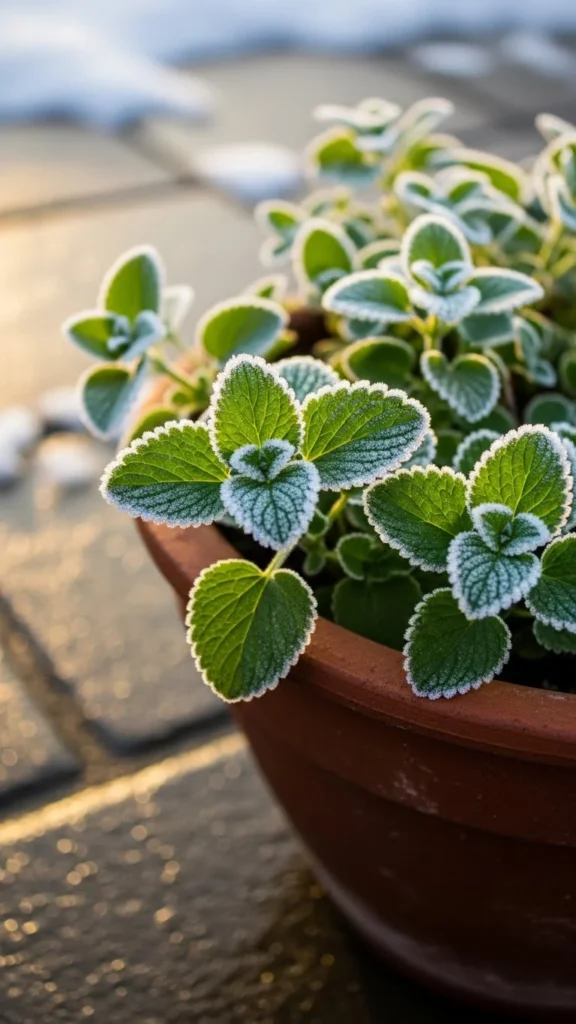
Catnip handles winter conditions with ease. The leaves may fade slightly, but the plant keeps its base alive even during long cold spells.
Grow catnip in containers to prevent spreading. Use loose soil and protect the roots by adding mulch when temperatures drop.
Indoors, catnip grows well under sunlight. Cut small sections as needed and let the plant rest afterward. Pets enjoy it too, so you may want to keep it out of their reach.
21. Sorrel
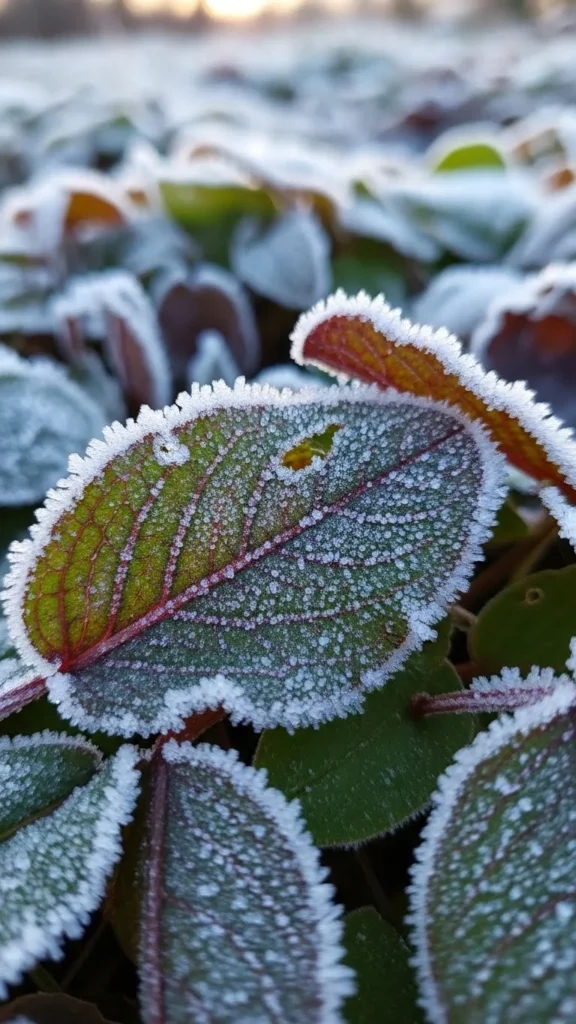
Sorrel is one of the earliest herbs to grow in cold seasons. It stays active even when frost covers the garden.
Plant sorrel in rich soil and water lightly during winter. Add mulch to protect the roots. Sorrel grows well in containers too, and the leaves remain tender through most of the season.
Harvest small amounts often. The plant keeps producing as long as it has light and steady temperatures.
Conclusion
Winter gardening doesn’t have to be difficult. These 21 hardy herbs stay strong through frost, giving you steady growth and reliable flavor when the garden is quiet. With simple steps like light mulching, sunny placement, and gentle watering, you can keep herbs thriving all season. Start with a few favorites, try a mix of indoor and outdoor pots, and enjoy fresh greens even during the coldest months.

Leave a Reply