

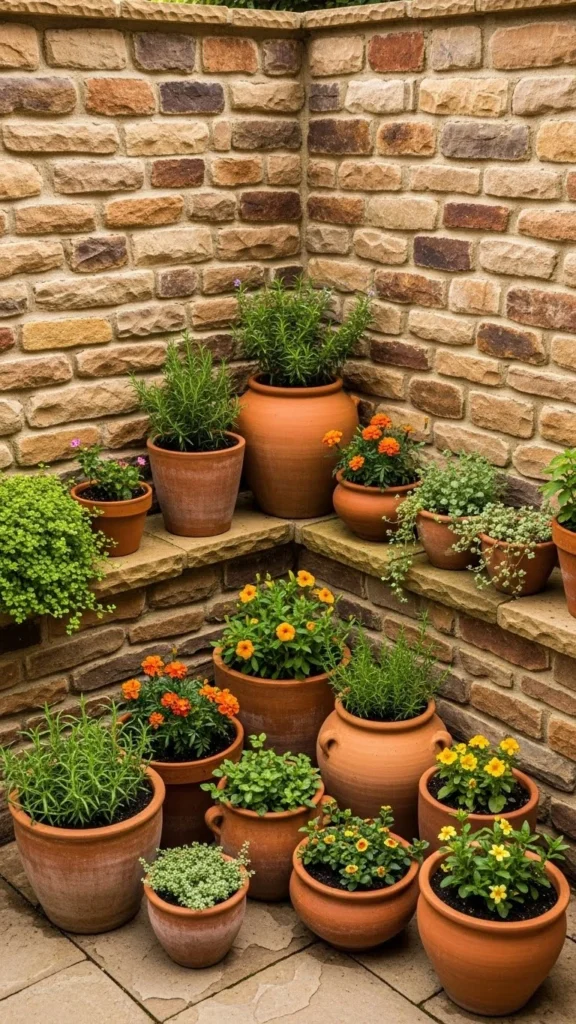
Creating warm microclimates is one of the simplest ways to help heat-loving plants thrive, even if your yard stays chilly. With the right layout, materials, and placement, you can trap pockets of warmth in almost any outdoor space. These ideas work for both beginners and experienced gardeners, and most require only simple adjustments. The goal is to use sunlight, surfaces, and airflow to create inviting warm zones where delicate plants can grow with confidence.
1. Sun-Facing Wall Garden
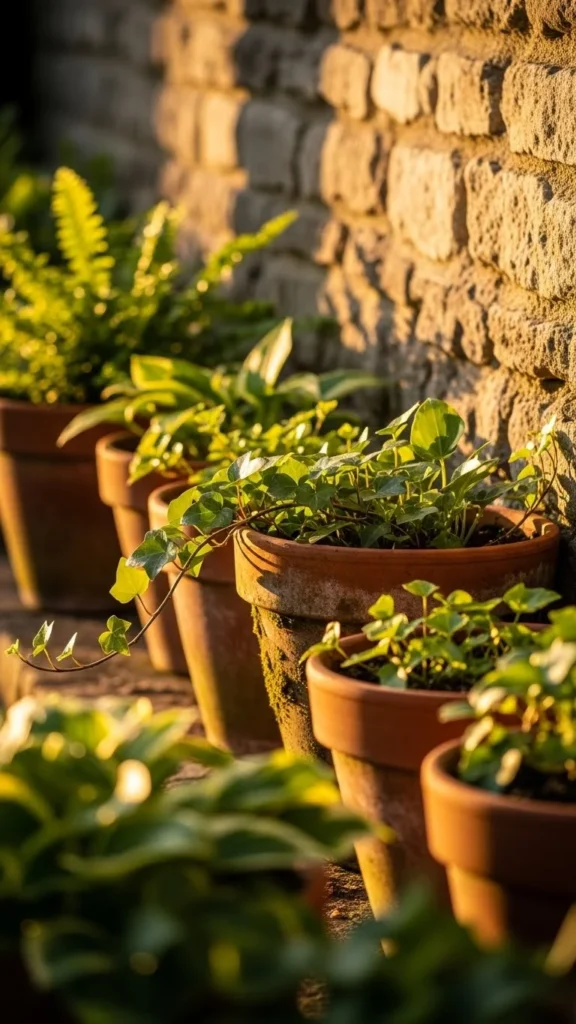
A south-facing wall collects and releases heat all day. This makes it perfect for plants that prefer warmth. Try placing containers along the base where the wall radiates gentle heat through the evening. Use terracotta or concrete pots since they hold warmth well. Add stones around the base to create even more heat retention. Keep spacing tight to limit wind exposure. This simple setup works in small yards, narrow side paths, and even balconies. You can also tuck herbs, peppers, or compact tomatoes here. On cold days, the wall gives them a comfortable pocket of warmth. If the wind is strong in your area, add a small lattice or bamboo screen. It helps protect the area while keeping light steady. This trick works year-round and is one of the easiest ways to create a warm microclimate without major construction.
2. Heat-Trapping Corner Setup
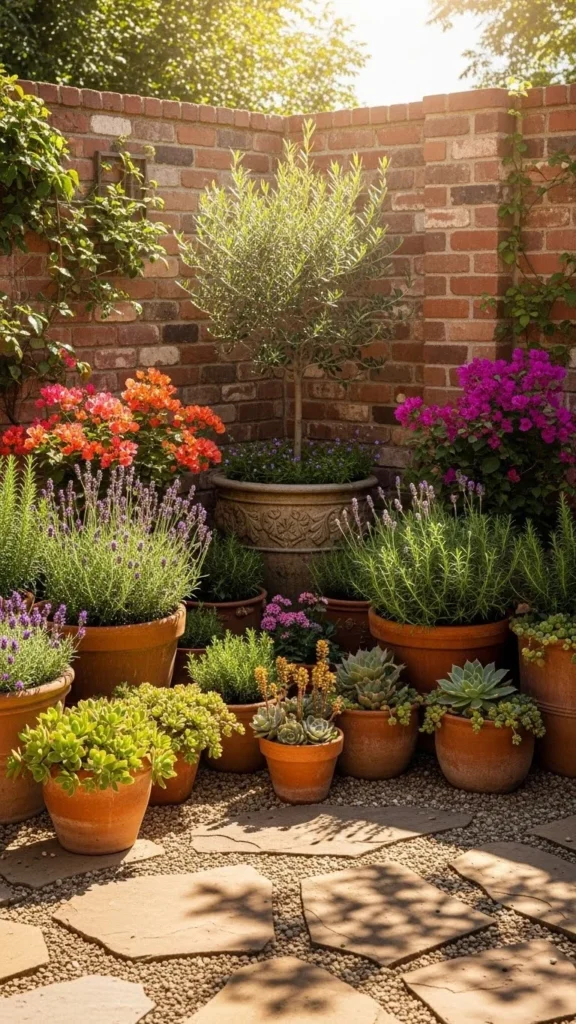
Corners naturally collect warmth since two walls reflect sunlight into the same spot. Choose the brightest corner you have, ideally with minimal shade. Place medium and large pots along the two meeting walls to absorb warmth. Dark-colored containers work well here because they warm up faster. Keep the space clutter-free so air can circulate gently. You can even lay a few flat stones on the soil to hold heat overnight. If the corner is windy, add a simple trellis on the windward side. It softens gusts without blocking sun. This corner becomes a reliable place for basil, citrus pots, or tender blooms that struggle elsewhere. It’s an effortless trick that turns wasted space into your warmest planting hub.
3. Stone Bed Heat Sink
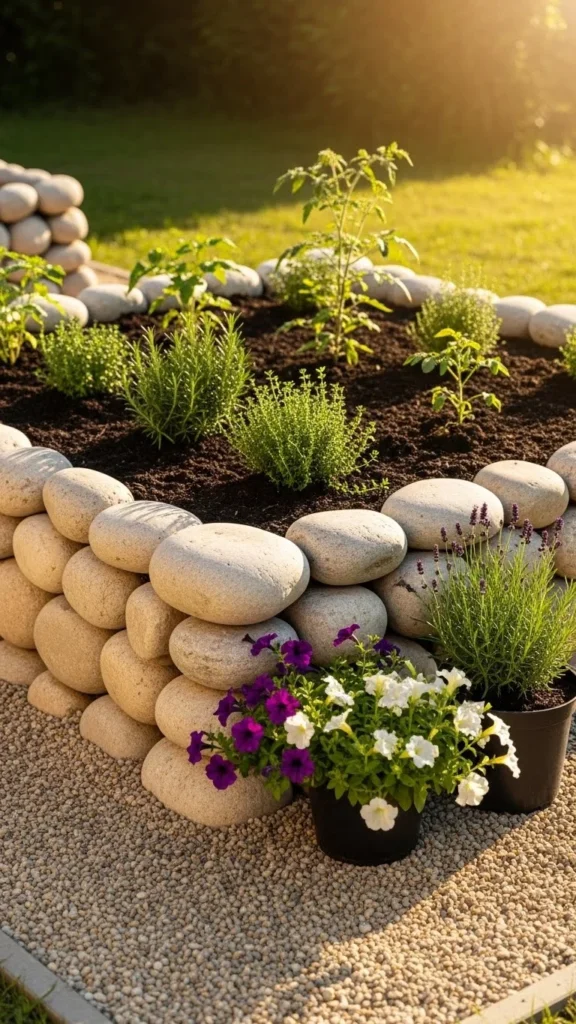
Stones are natural heat holders. When arranged along the edges of a raised bed, they absorb sunlight and release warmth slowly. This helps stabilize temperature swings, especially on chilly nights. You can choose river stones, bricks, or leftover pavers. Position them on the south-facing edge for best warmth. Add a layer of gravel on top of the soil to hold even more warmth. This method works well for peppers, eggplants, and heat-loving flowers. It’s an inexpensive way to upgrade any raised bed without rebuilding it. The best part is that stones also help reduce weeds and improve drainage while keeping plants warm.
4. Warm Gravel Patio Garden
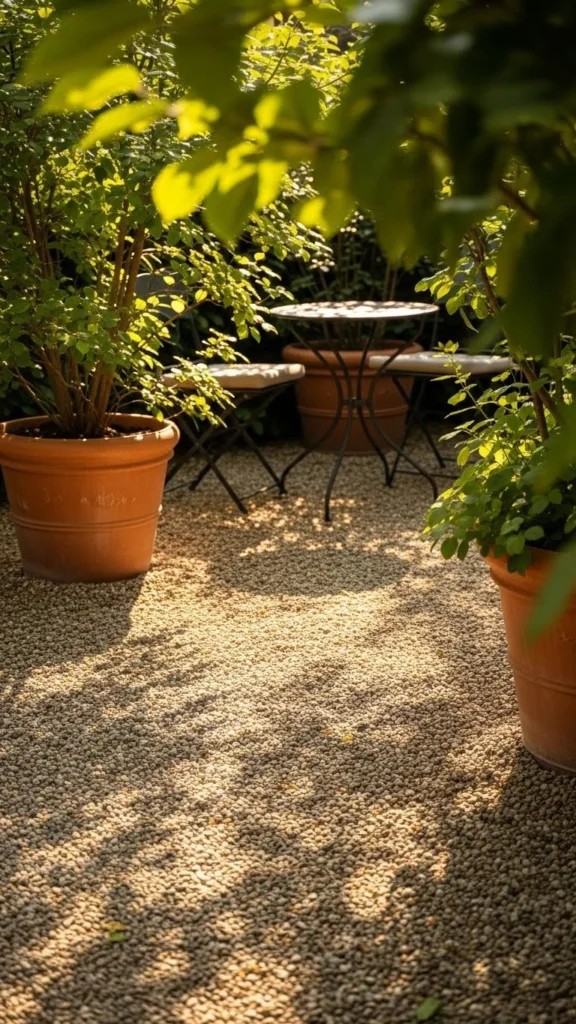
Gravel reflects sunlight upward, warming plant leaves from below. A gravel patio or walkway becomes a natural heat trap, making it a great spot for containers. Choose lighter gravel if your area gets limited sun since it reflects light well. Push containers close together to help them share warmth. You can also place a few flat stones under pots for added heat retention. This setup works beautifully for small citrus trees, rosemary, and other warmth-loving varieties. It looks clean, modern, and doesn’t require major changes. If you want more protection, add a simple windscreen behind the containers.
5. Black Mulch Heat Patch
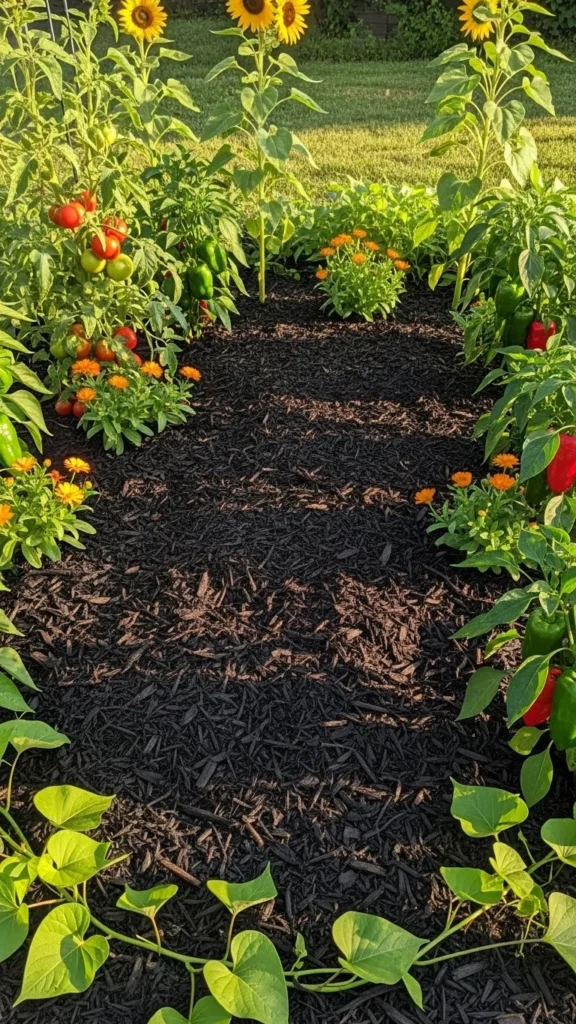
Dark mulch warms quickly and radiates heat back toward plants. It’s a practical choice for gardeners who want warmer soil without using plastics. Spread black mulch around the base of your heat-loving plants. Keep the layer shallow to avoid moisture issues. This method works well for raised beds or in-ground spots. It’s especially helpful early in the season when soil temperatures are still cool. Add stones or bricks along the border to increase heat retention. You’ll notice faster growth and earlier flowering in many plants.
6. Heat-Retaining Water Barrel Zone
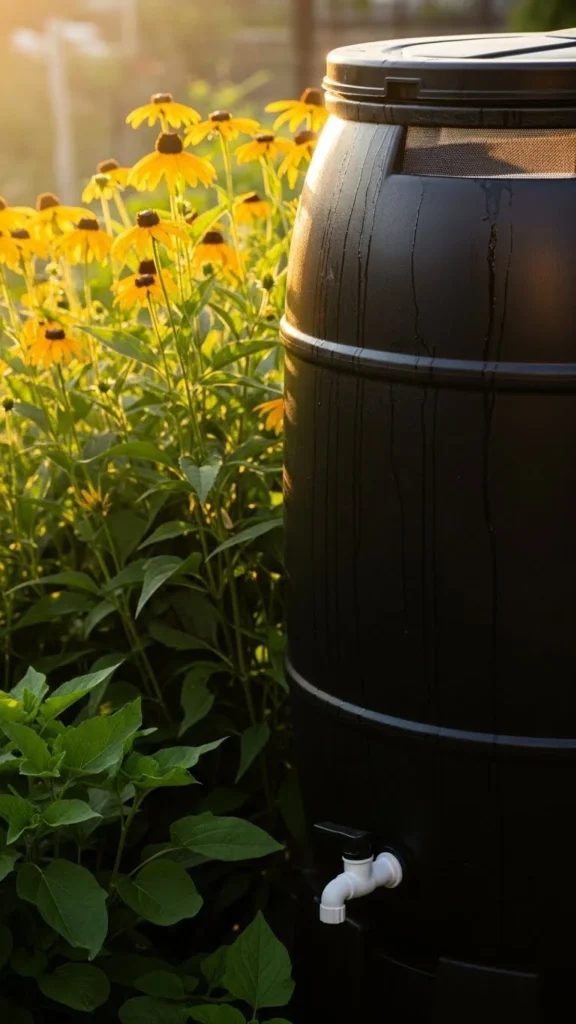
Dark water barrels warm up quickly and release heat slowly. Position heat-loving plants near the south side of the barrel. The barrel warms the air around it, helping sensitive plants stay comfortable. This small trick creates a reliable warm pocket without much effort. You can also add a few stone pavers near the base for more heat storage. Keep the plants close but not touching the barrel. This is perfect for herbs, dwarf tomatoes, or potted flowers that prefer warmth.
7. Solar Heat Trap Frame
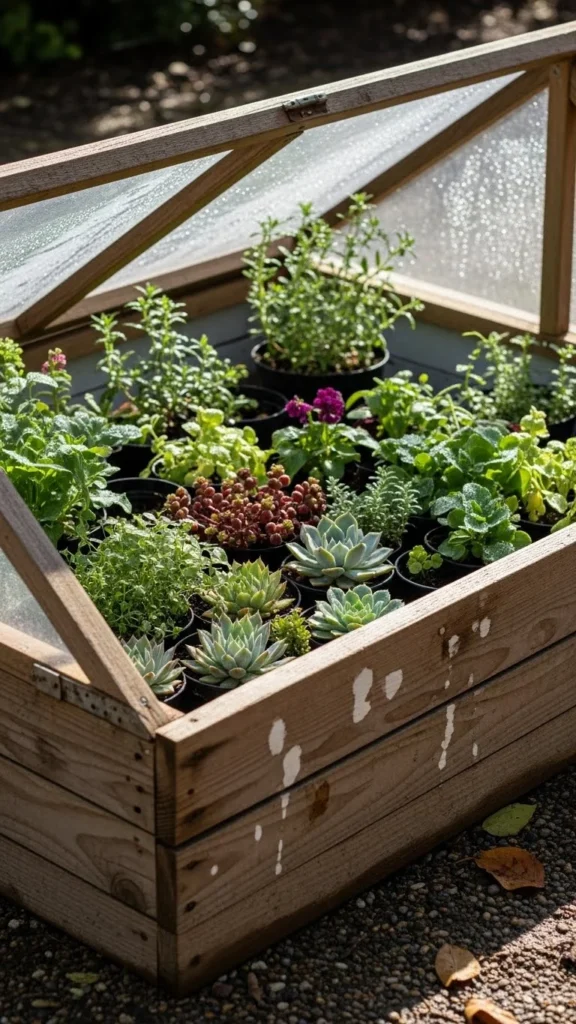
A simple frame with a clear cover creates a mini heat trap. It warms the air inside while still allowing sunlight through. You can build one using scrap wood and a clear panel. Place it over shallow beds or containers that need extra warmth. Keep one side slightly open for airflow. This setup helps plants during cool nights or early spring days. It’s an affordable project that makes a big difference in plant comfort.
8. Dense Shrub Windbreak Pocket
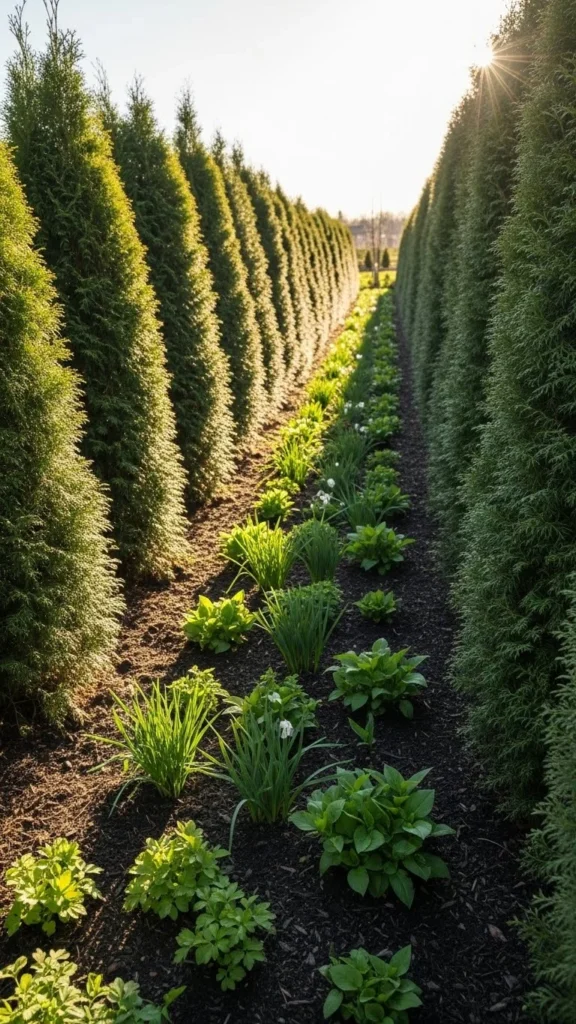
Wind pulls warmth away from plants faster than anything. A dense shrub line blocks wind and creates a warm pocket behind it. Evergreens work best since they stay thick year-round. Position the shrubs so they block the coldest winds your yard receives. In the calm zone behind them, place terracotta pots or raised beds. Plants here enjoy gentler air movement and better warmth. This approach transforms unused edges into productive, warm planting spots.
9. Heat-Rich Rock Wall Seat
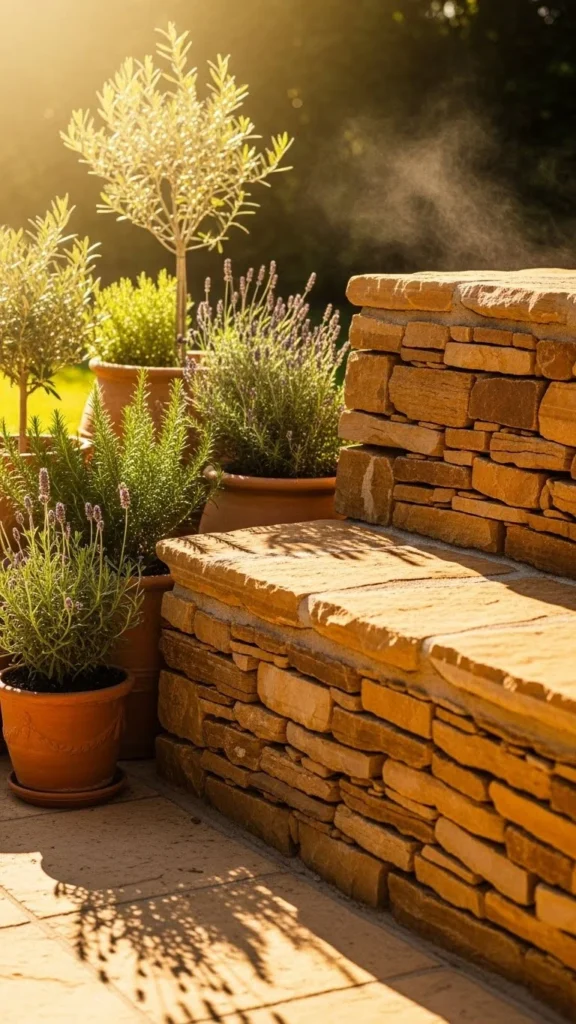
A rock or stone seating wall does more than look nice. It acts as a long heat radiator. When the sun hits it, the wall stores warmth and releases it for hours. Place heat-loving plants along the base. Darker stones give you even more warmth. Keep the space tidy so air can move gently around the plants. This method works well in patios, sloped yards, or near garden paths.
10. Warm Brick Pathway Border
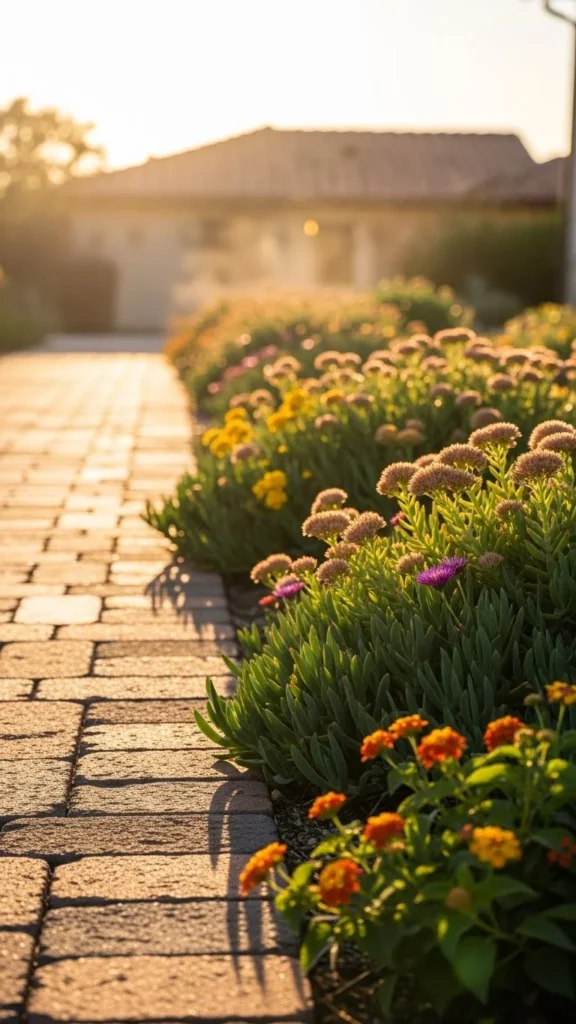
Brick paths absorb warmth throughout the day. The heat they release helps nearby plants feel comfortable even when air temperatures drop. Plant smaller varieties along the south side of the walkway for best results. You can also place containers directly on the bricks so the pots warm from below. This method is perfect for small herbs, flowers, and compact vegetables. It adds style while giving plants better warmth.
11. Mini Reflective Panel Garden
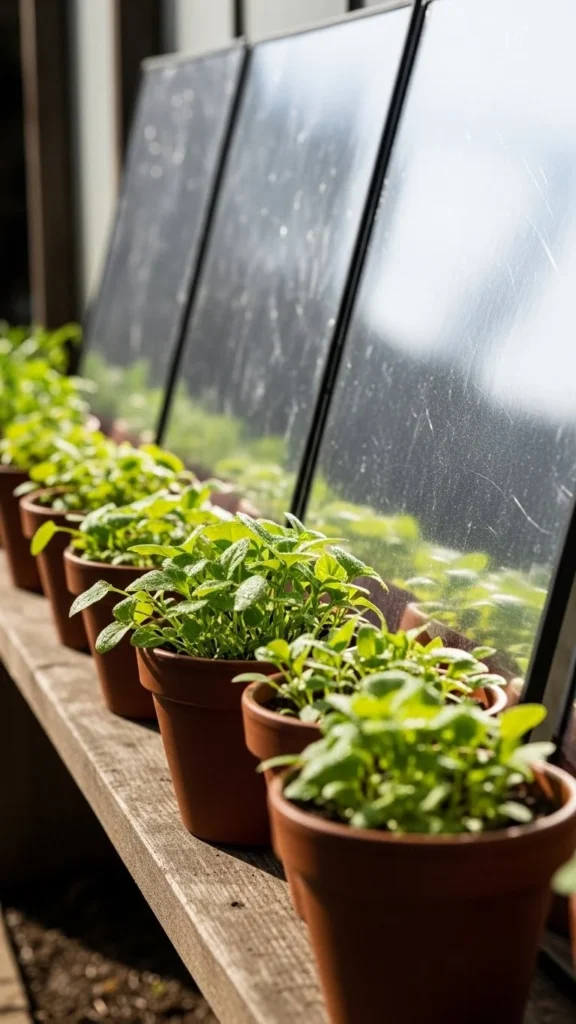
Reflective panels bounce light and warmth where you want it. You can make them with old aluminum sheets or mirrored surfaces. Position them behind containers that don’t get enough sun. The reflected light helps warm leaves and soil. Secure the panels so wind doesn’t tip them over. This trick is especially useful for patios or narrow yards with limited sunlight.
12. Solar Bench Warm Zone
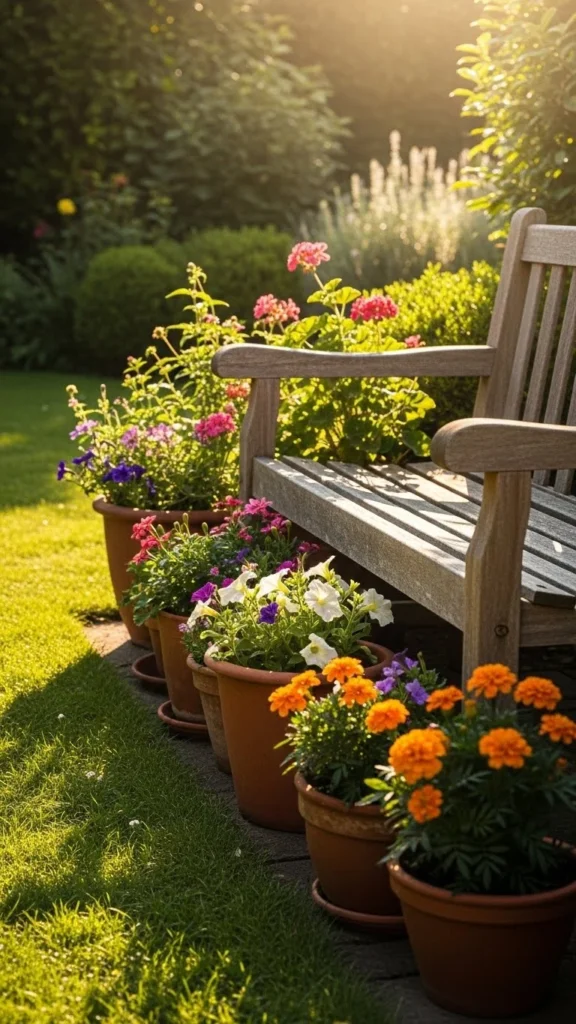
Benches absorb sunlight and create a warm zone beneath and around them. This area stays slightly warmer, especially when you use dark woods or stones. Slide pots under the bench during colder evenings to help them stay comfortable. In the daytime, pull the pots back into direct sun. This simple strategy turns a seating area into a warm plant station.
13. Compact Raised Heat trench
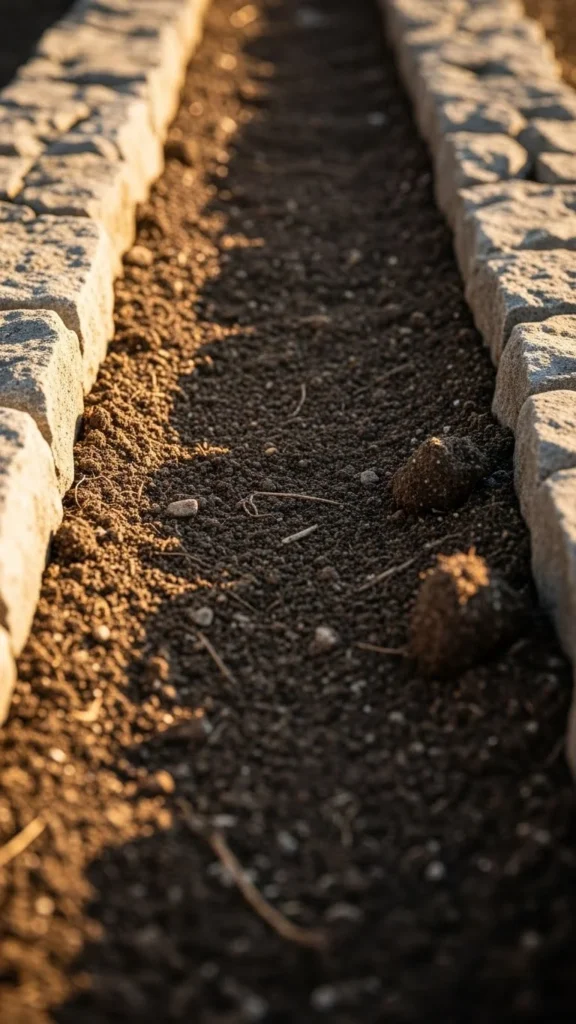
Narrow raised trenches warm faster because they hold less soil. Line the edges with stones to add even more warmth. Plant compact heat-loving varieties here. The narrow shape protects them from wind and keeps soil temperatures steady. You can build this with scrap lumber or inexpensive stones. It’s a great option for small backyards or suburban spaces.
14. Drystone Heat Pocket
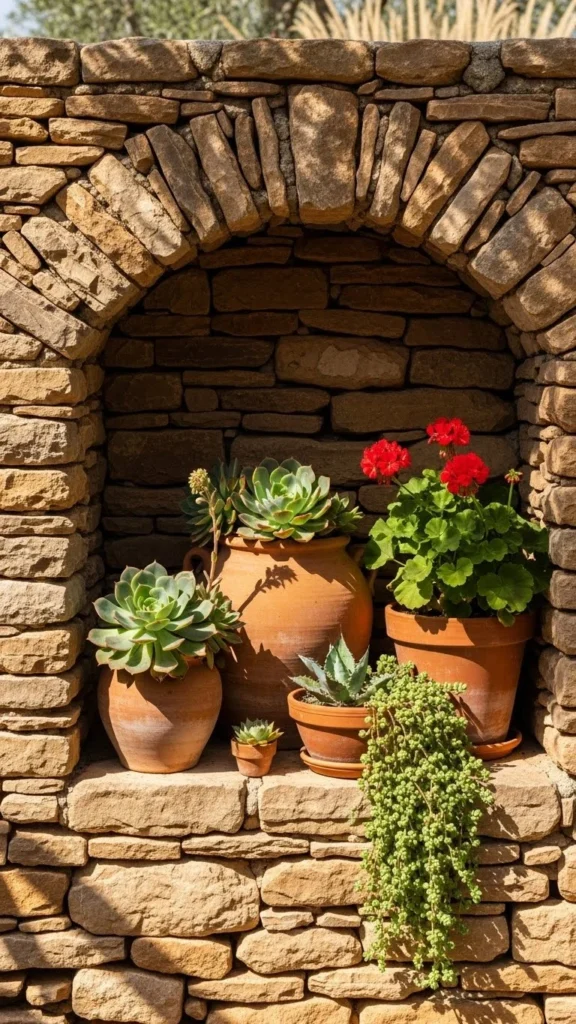
A drystone wall creates tiny pockets where warmth settles. If you have a wall or can build a short one, place containers in the gaps. The stones warm up quickly and keep the air in the pockets calm. This method supports herbs, succulents, and other warmth-seeking plants. It also adds charm to any outdoor corner.
15. Patio Heat Reflection Cluster
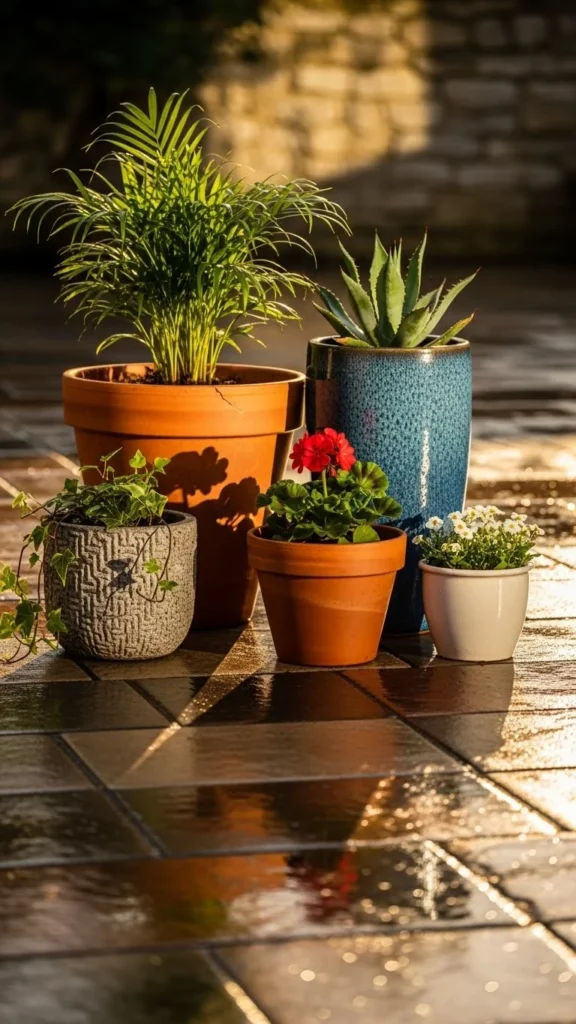
Smooth patio tiles reflect warmth upward. Plants sitting close together on the tiles share this warmth and enjoy a calmer environment. Keep the pots grouped tightly to reduce heat loss. Terracotta and dark pots work best in this spot. On extra cool nights, you can cover the cluster with a breathable cloth to help hold warmth.
16. Warm Fence Line Row
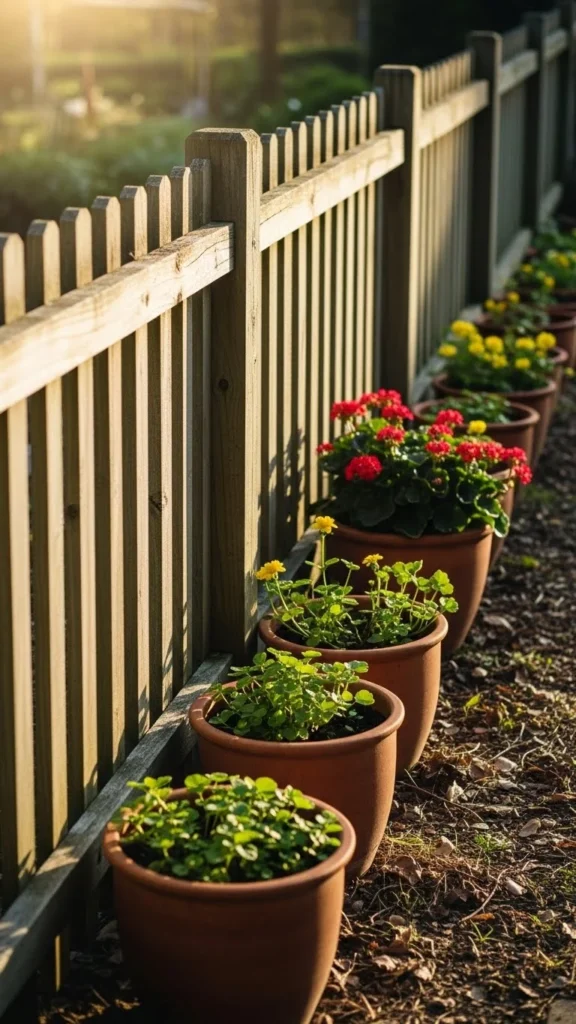
A fence warms up during the day and helps shelter plants behind it. Place pots or narrow raised beds along the brightest side of the fence. The wood releases warmth slowly, helping the plants settle into a comfortable zone. Add a few flat stones for extra heat retention. This is one of the easiest ways to use an existing structure to create warmth.
17. Solar Stone Circle
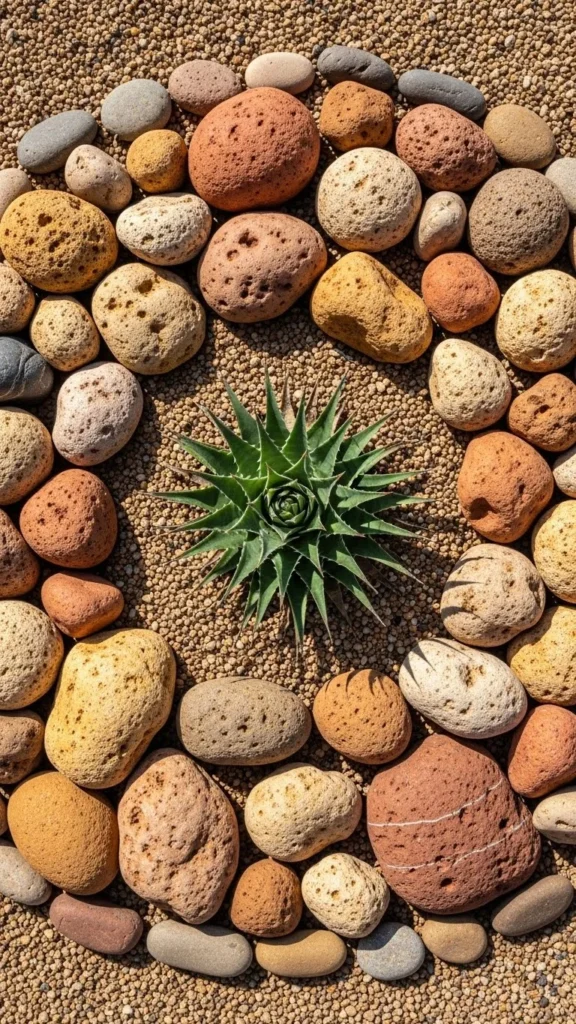
A ring of stones around a plant holds warmth and keeps soil temperatures steady. Use larger stones for stronger warming effects. Leave small gaps for airflow. This technique works well for single-feature plants or small shrubs. You can also use this trick in containers.
18. Metal Trough Warm Bed
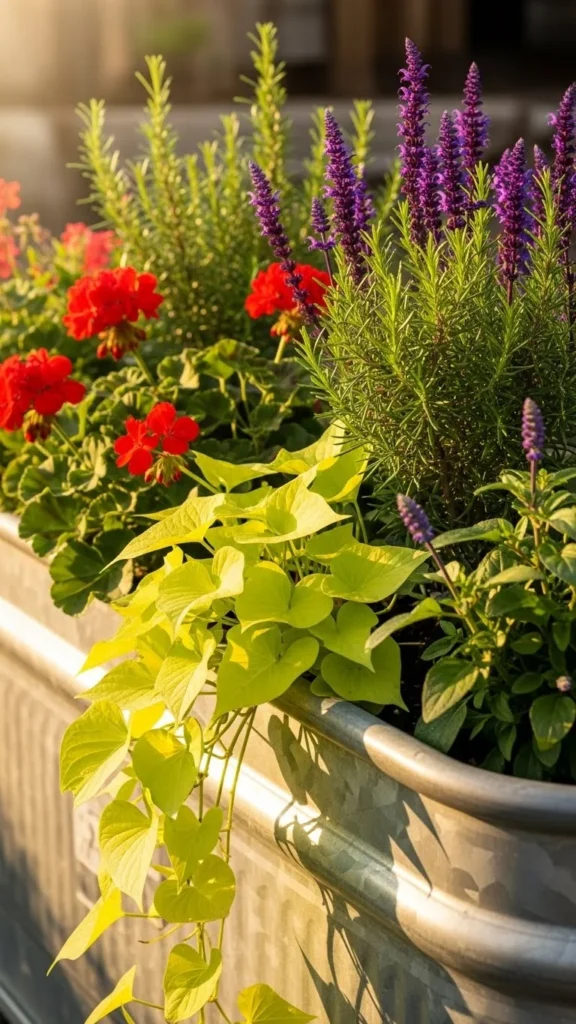
Metal warms quickly, making trough planters excellent for warmth-seeking plants. Position the trough in full sun. Keep the soil well-watered since metal can dry it out. Add a mulch layer to help hold moisture. This setup works well for herbs, peppers, and dwarf fruiting plants. It’s a clean, modern way to create a warm growing space.
19. Enclosed Patio Nook
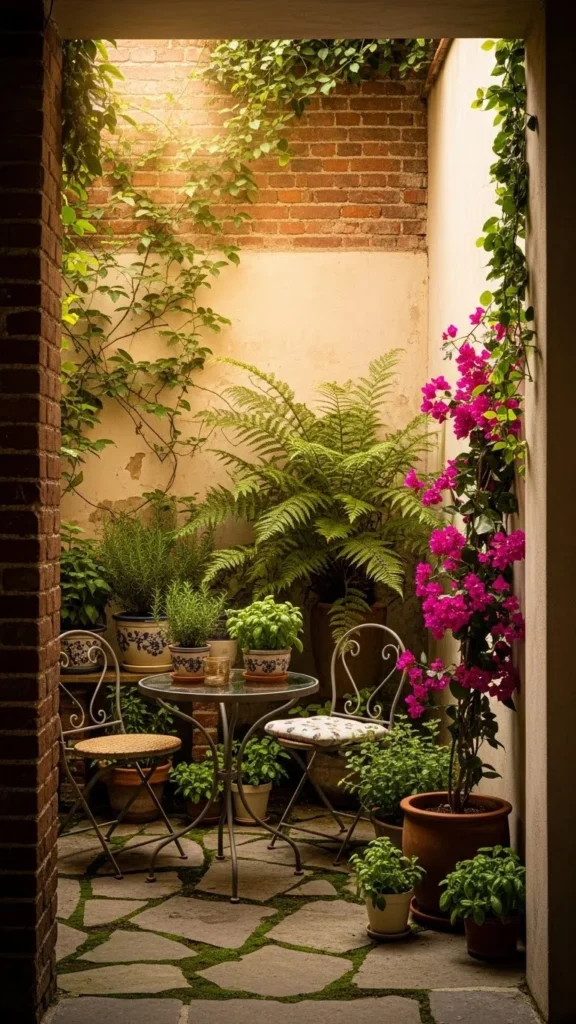
An enclosed patio traps more warmth than open spaces. If you have even one partially enclosed area, fill it with heat-seeking plants. Containers work best here. Group them close to help share warmth. Add a lightweight windscreen if gusts reach the area. This nook quickly becomes your warmest planting zone—even on cooler days.
20. Heat-Holding Terracotta Cluster
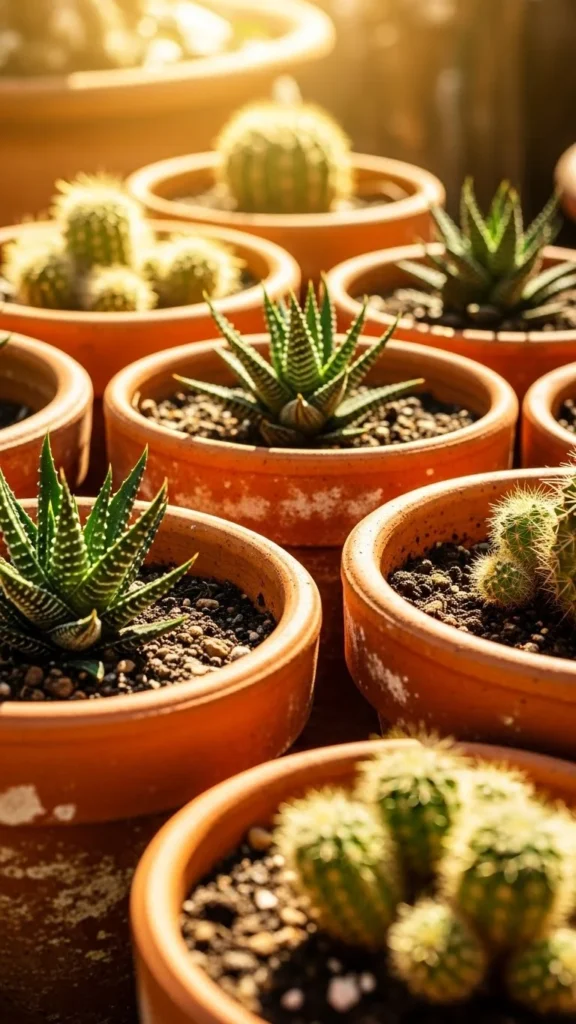
Terracotta stores warmth better than many other materials. When you cluster several pots together, they create a warmer shared environment. This helps sensitive plants stay comfortable. Use medium and large pots for stronger heat storage. Add gravel around the pots to enhance warmth. This works beautifully for balconies, patios, and small yards.
21. Garden Mirror Warm Spot
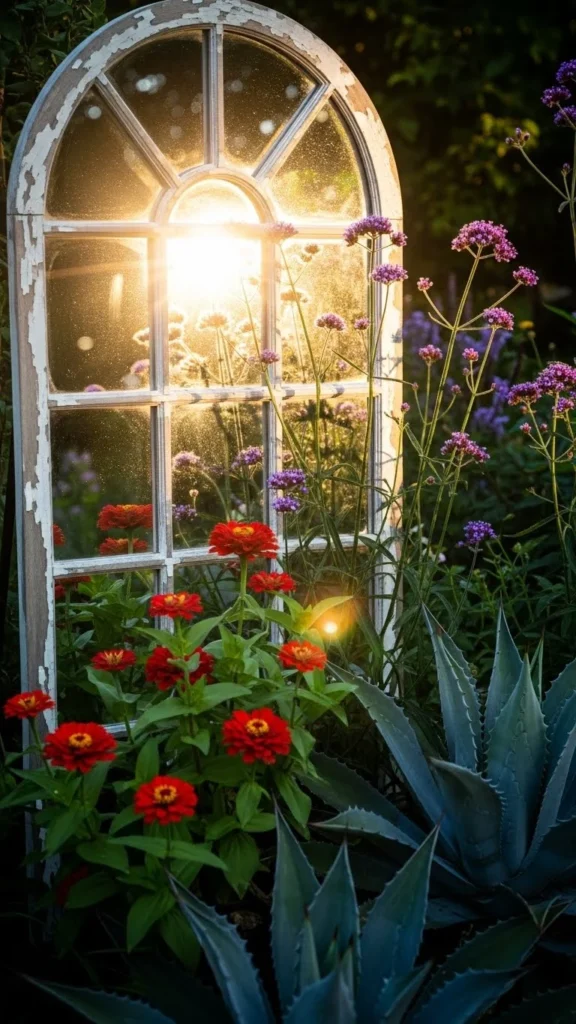
A simple garden mirror reflects sunlight and warms the area directly in front of it. Position it strategically so it catches mid- or late-day sun. Keep nearby plants at a safe distance to avoid overheating. This trick is especially helpful for shaded walls, patios, or narrow yards. Frame the mirror securely so wind can’t shift it.
22. Warm Airflow Pathway
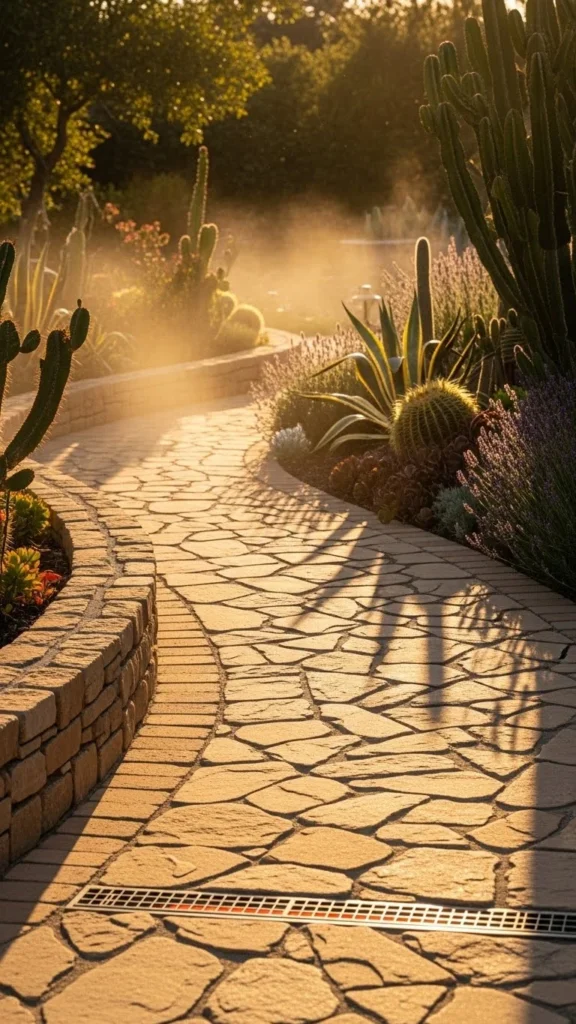
Warm air naturally flows through paths bordered by stone or brick. Place your plants near the warmest section of the path. Keep the area clear so air moves gently but steadily. Add a few reflective surfaces nearby to help the plants receive more warmth. This technique works well in both large and small spaces.
23. Heat-Retaining Balcony Wall
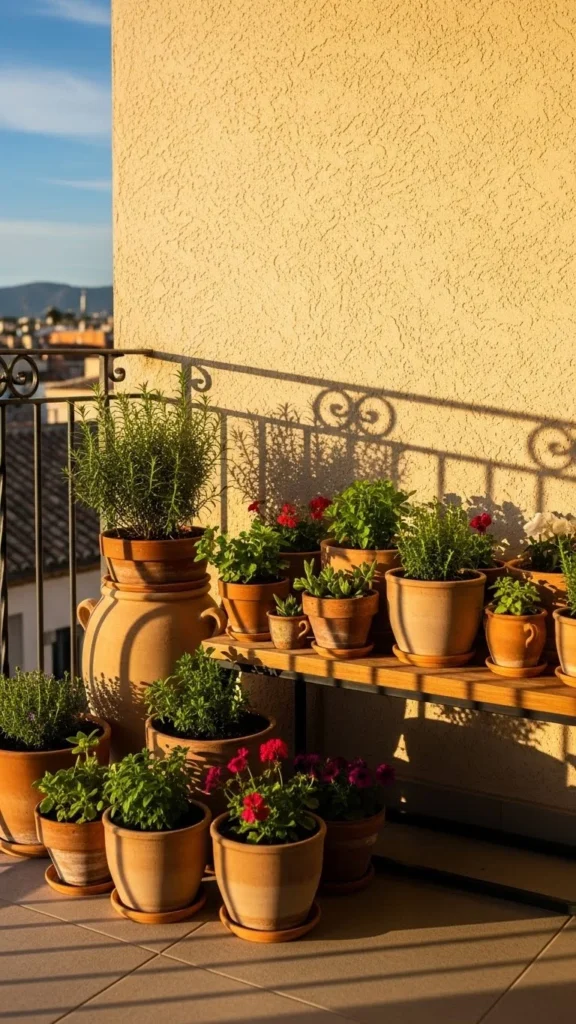
Balcony walls absorb more sunlight than many people realize. Group containers along the warmest section of the wall. Choose pots that retain warmth, like terracotta or concrete. Keep the space uncluttered so the warmth reaches each plant. Add a reflective tray or stone behind the pots if the area needs extra light. This setup supports many warmth-loving plants in even the smallest outdoor spaces.
Conclusion
Creating warm microclimates doesn’t require large garden spaces or expensive materials. Simple changes—like placement, surfaces, and shelter—can help heat-loving plants grow with confidence anywhere. Try one or several of these ideas, pay attention to how your plants respond, and enjoy a more successful growing season with pockets of reliable warmth throughout your outdoor space.
Leave a Reply