

Winter can be tough for wildlife. Food becomes scarce, water freezes, and hiding spots disappear under snow. But with a few simple changes, your backyard can become a mini winter sanctuary—inviting birds, small mammals, and beneficial insects to find shelter and nourishment.
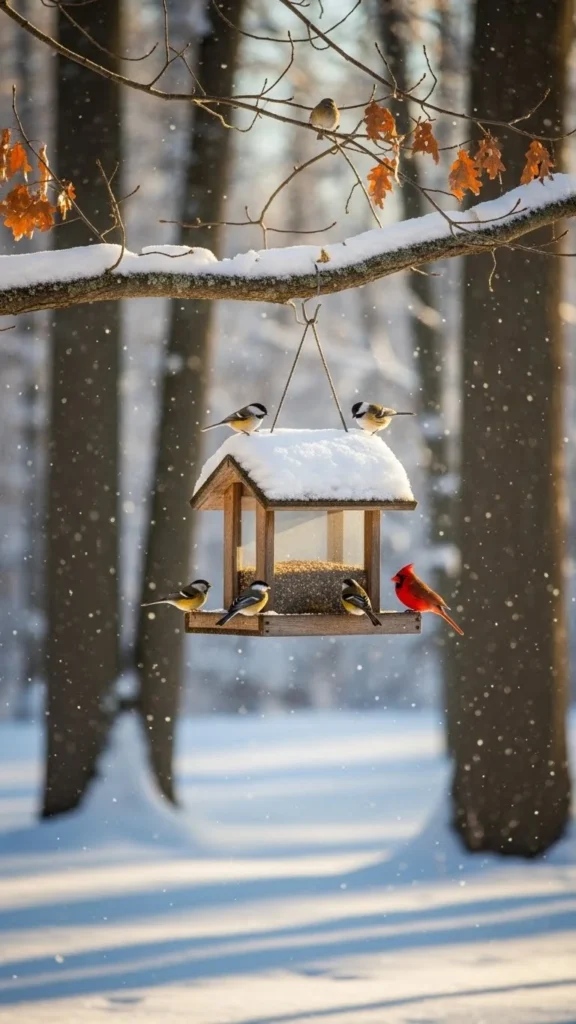
In this guide, you’ll learn how to create a winter wildlife habitat that’s cozy, functional, and completely natural. Whether you have a large yard or a tiny balcony, you can make a difference.
Choose Native Winter-Friendly Plants
Native plants are unmatched when it comes to feeding and sheltering local animals. They’re adapted to your climate, they handle cold easily, and they produce berries, seeds, and foliage that wildlife rely on.
What to Plant
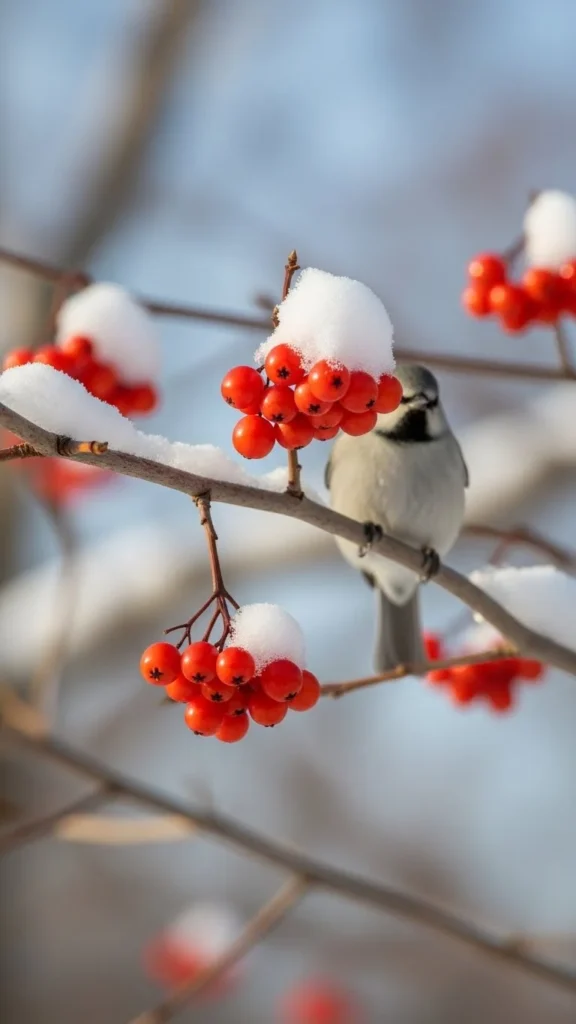
- Berry shrubs like holly, viburnum, and winterberry
- Seed-bearing flowers such as coneflowers, asters, and black-eyed Susans
- Evergreen trees or shrubs for instant shelter
Why They Help
Native plants:
- Offer natural food through winter
- Provide dense shelter from wind
- Support beneficial insects
If gardening isn’t possible, try container-friendly options like dwarf conifers or native grasses. Even a little bit goes a long way.
Create Layered Shelter Spots
Animals need places to hide from predators and stay warm. Layered shelter mimics natural forests and provides space for all creatures—from birds to chipmunks.
Simple Ways to Build Shelter
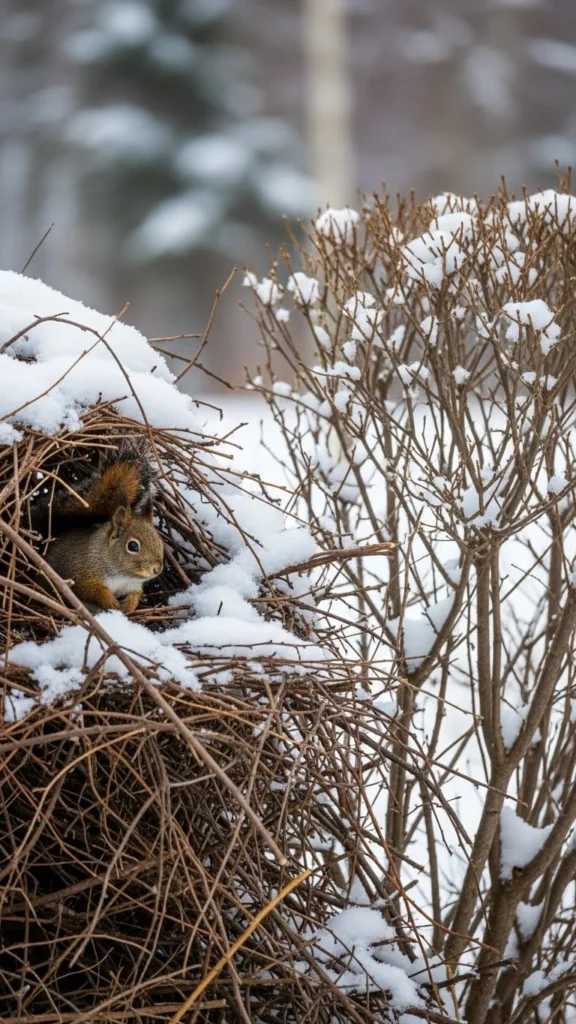
- Brush piles: Stack fallen branches and leaves into a loose mound.
- Rock clusters: Arrange stones to create small nooks for critters.
- Evergreen pockets: Group 2–3 evergreens together for wind protection.
DIY Tip
Keep shelter areas away from high-traffic spots like driveways or doorways so wildlife feels safe and undisturbed.
Offer High-Energy Winter Food
Winter food scarcity is real—especially after heavy snowfall. Adding supplemental food can help animals survive until spring.
What to Provide
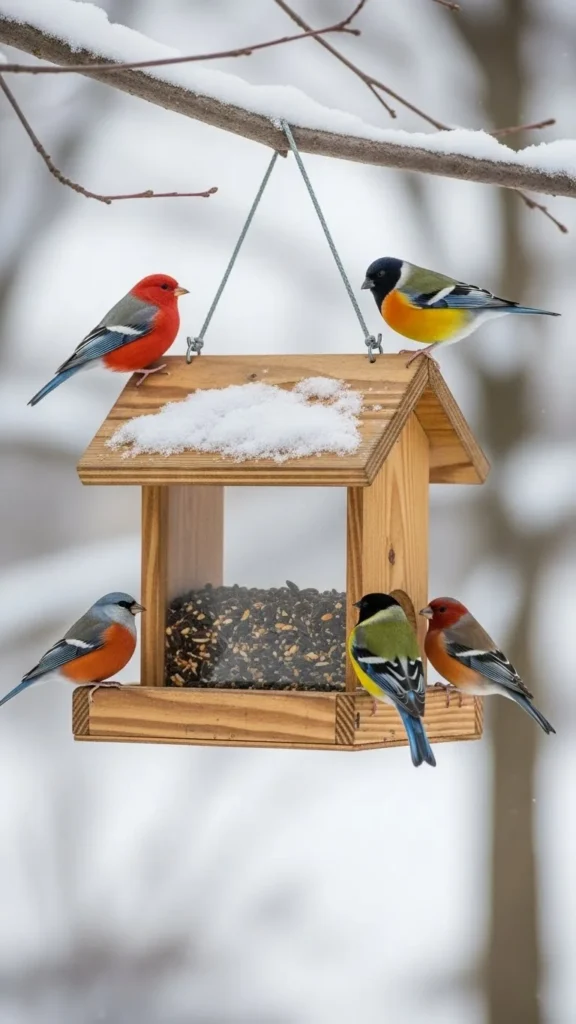
- Bird feeders with sunflower seeds or mixed winter blends
- Ground feeders for juncos or doves
- Peanut feeders for woodpeckers and chickadees
- Fruit scraps like apple or orange slices left on a tray
Feeding Tips
- Keep feeders clean to prevent disease.
- Place feeders near bushes so birds can dart into cover.
- Add a small roof or cover to protect feed from snow.
This small act can turn your yard into a lively winter gathering spot.
Provide Unfrozen Water Sources
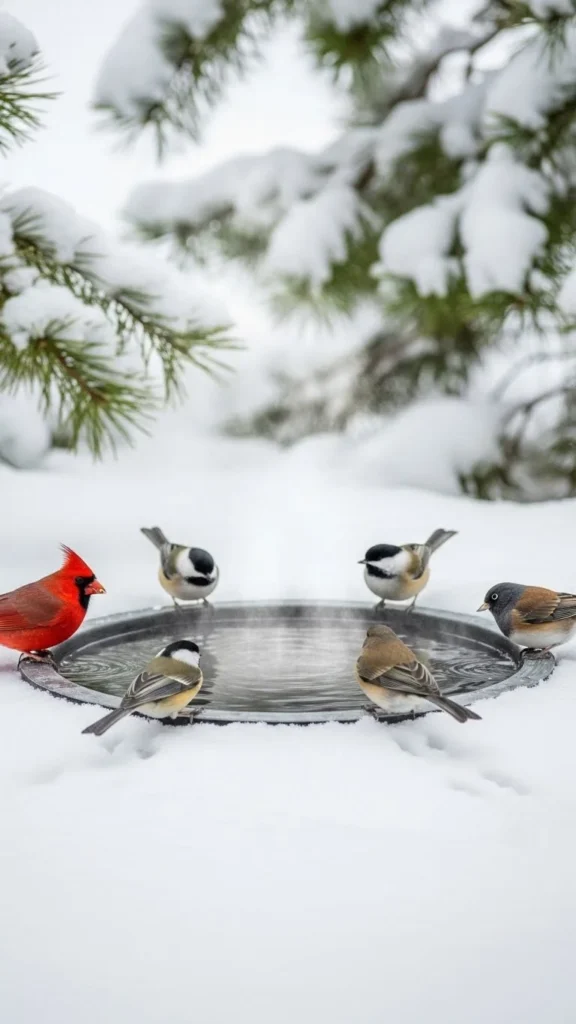
Water is one of the hardest things for animals to find in winter. Even if you already have a birdbath, it may freeze solid overnight.
How to Make Water Available
- Use a heated birdbath (safe, low-voltage).
- Place water in a shallow, wide basin that wildlife can reach easily.
- Add a few stones so small critters have footing.
Safety Tip
Avoid placing water too close to feeding stations—wet feathers in winter can be dangerous for birds. Keep them a few feet apart for comfort and safety.
Leave Some Areas a Little “Wild”
Not everything in your yard needs to look tidy. Wildlife thrives in slightly untrimmed spaces where they can forage and hide.
Let Nature Do Its Thing
- Keep fallen leaves under shrubs for insulation.
- Leave seed heads on flowers—birds depend on them.
- Skip heavy pruning until spring.
These small decisions create natural microhabitats that many creatures rely on during the coldest months.
Add Cozy Nesting Boxes
While many animals nest in spring, winter boxes help them survive cold nights. Birds especially appreciate insulated resting spots.
What Works Best
- Wooden boxes positioned out of strong winds
- A small layer of wood shavings inside for warmth
- Placement 5–10 feet off the ground
You can buy premade ones or build your own with simple tools. Wooden boxes blend beautifully into winter landscapes.
Keep Predators and Pets in Mind
Supporting wildlife also means protecting them. Outdoor pets can unintentionally scare or harm birds and small mammals.
Tips for a Safe Backyard
- Keep cats indoors, especially at dawn and dusk.
- Place feeders high enough to deter predators.
- Avoid using pesticides or chemical de-icers that could contaminate food or water.
Little adjustments make your habitat safe and welcoming.
Conclusion: Your Backyard Can Make a Real Difference
Creating a winter wildlife habitat isn’t just a fun project—it’s a way to help local animals survive and thrive. Even simple steps like planting native shrubs, offering water, or building a brush pile can transform your outdoor space into a seasonal refuge.
If you found this guide inspiring, save it for later and start building your cozy winter wildlife haven today!

Leave a Reply