

Winter doesn’t have to turn your walkways into slippery stress zones. With a few smart design choices, you can create paths that stay safe under snow and add serious curb appeal. Think cozy, intentional, and winter-ready—not cold and utilitarian.
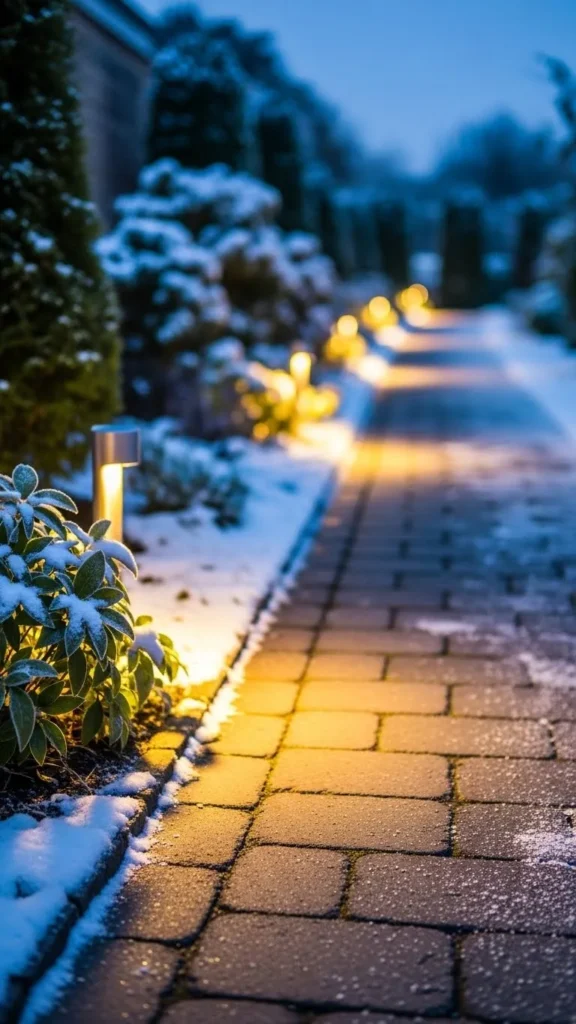
Let’s walk through how to build snow-safe walkways that look beautiful all season long—without making winter maintenance a nightmare.
Start With the Right Layout
Before materials or décor, the layout matters most. A poorly planned path can collect ice, trap snow, and become dangerous fast.
Keep these layout tips in mind:
- Choose gentle curves over sharp turns to improve visibility.
- Avoid steep slopes whenever possible.
- Direct walkways where people naturally walk, not where they should walk.
A straight, well-aligned path reduces snow buildup and makes clearing easier. If your yard slopes, add subtle switchbacks rather than one long incline.
Designing with winter in mind now saves you from slips later.
Pick Materials That Grip Under Snow
Not all walkway materials are winter-friendly. Smooth surfaces may look sleek in summer but turn treacherous once snow hits.
Snow-safe material options include:
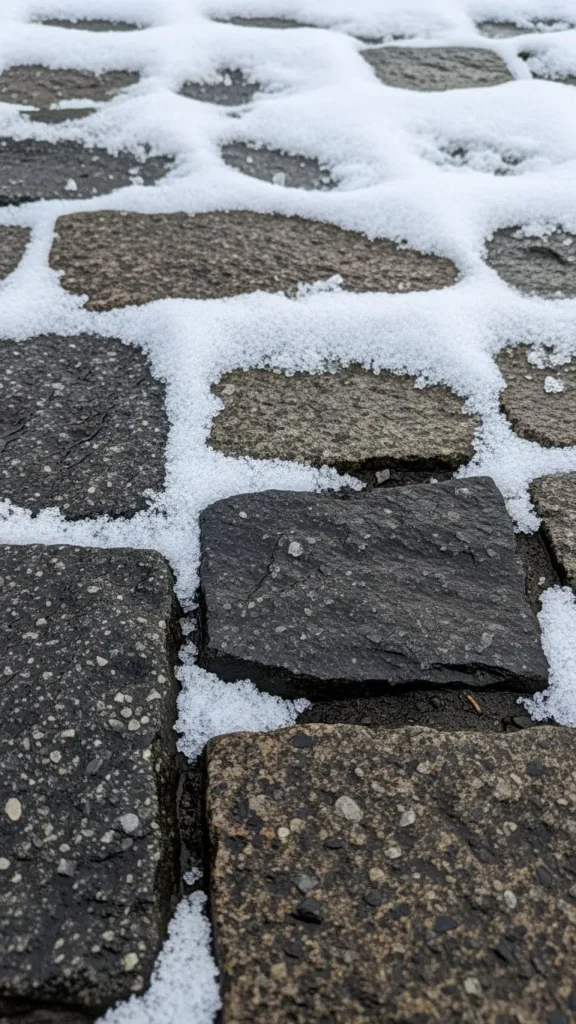
- Textured concrete pavers
- Natural stone with a rough finish
- Brick laid with visible joints
- Exposed aggregate concrete
Avoid highly polished stone or sealed surfaces that become slick when wet.
Pro tip:
Choose lighter-colored materials. They absorb less heat during freeze-thaw cycles, reducing cracking and ice glazing.
Build Proper Drainage Into the Design
Ice forms when meltwater has nowhere to go. Smart drainage keeps water moving away from walking surfaces.
Focus on:
- Slight slopes that guide water off the path
- Gravel or sand bases beneath pavers
- Gaps between stones to allow melting snow to drain
Even a subtle slope—barely noticeable—can make a huge difference in winter safety.
If water pools now, it will freeze later.
Add Borders That Contain Snow (Not Ice)
Edging does more than define a walkway—it controls where snow goes.
Good edging options:
- Stone curbing
- Brick borders
- Low timber edging
These help keep shoveled snow from sliding back onto the path. They also prevent ice from creeping in from surrounding soil.
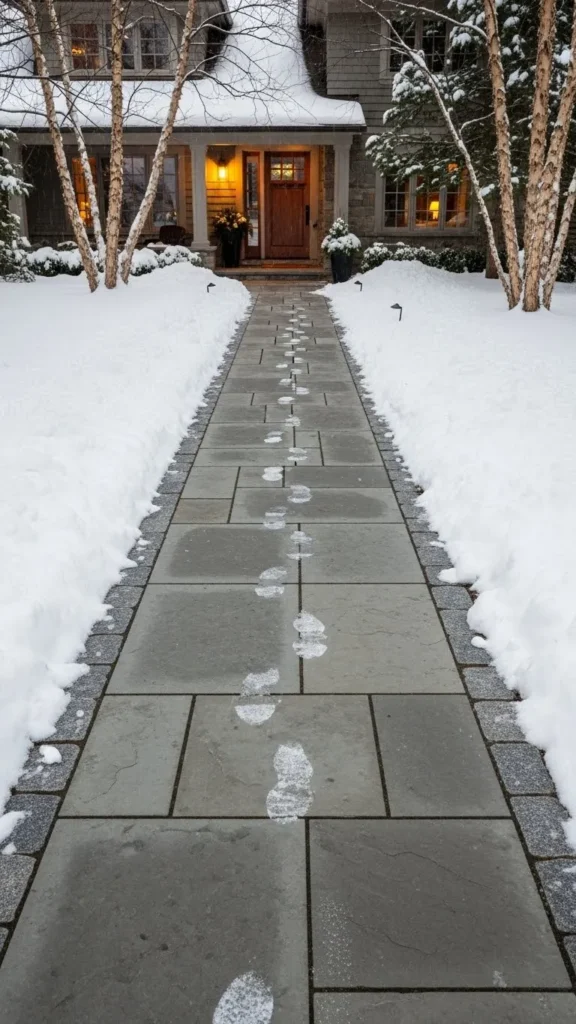
Bonus: borders instantly make a path feel finished and intentional.
Use Lighting for Safety and Style
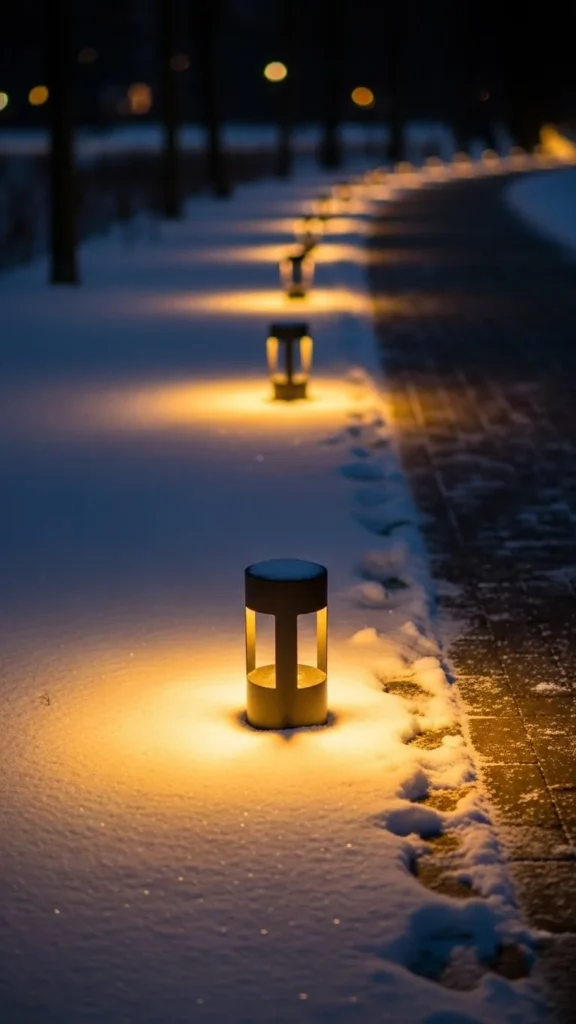
Short days and long nights make lighting essential. Winter walkways should be visible even during early sunsets.
Smart lighting ideas:
- Low solar path lights
- Warm LED stake lights
- Recessed lighting along edges
Lighting helps you spot icy patches before stepping on them. It also adds instant winter charm.
Stick with warm tones. Cool white light can feel harsh against snow.
Choose Snow-Friendly Ground Covers
Plants around your walkway matter more than you think. Some ground covers hold snow and freeze into solid ice sheets.
Better winter-friendly choices include:
- Low evergreen shrubs
- Decorative gravel
- Mulch mixed with bark
Avoid dense mats that trap moisture. Open textures dry faster and reduce ice formation.
Plants should frame the path—not spill onto it.
Make Shoveling Easy (Future You Will Thank You)
A beautiful walkway should still be practical. Design for easy snow removal from day one.
Think ahead:
- Keep paths wide enough for shovels
- Avoid tight corners that trap snow
- Use consistent materials for smooth clearing
The easier it is to clear, the safer it stays all winter.
If snow removal feels like a chore, it probably needs a design tweak.
Add Seasonal Details Without Blocking the Path
Winter décor can enhance your walkway—if used carefully.
Safe decorative ideas:
- Lanterns placed just off the path
- Evergreen planters at entrances
- Natural stone accents
Avoid anything that narrows walking space or hides icy spots.
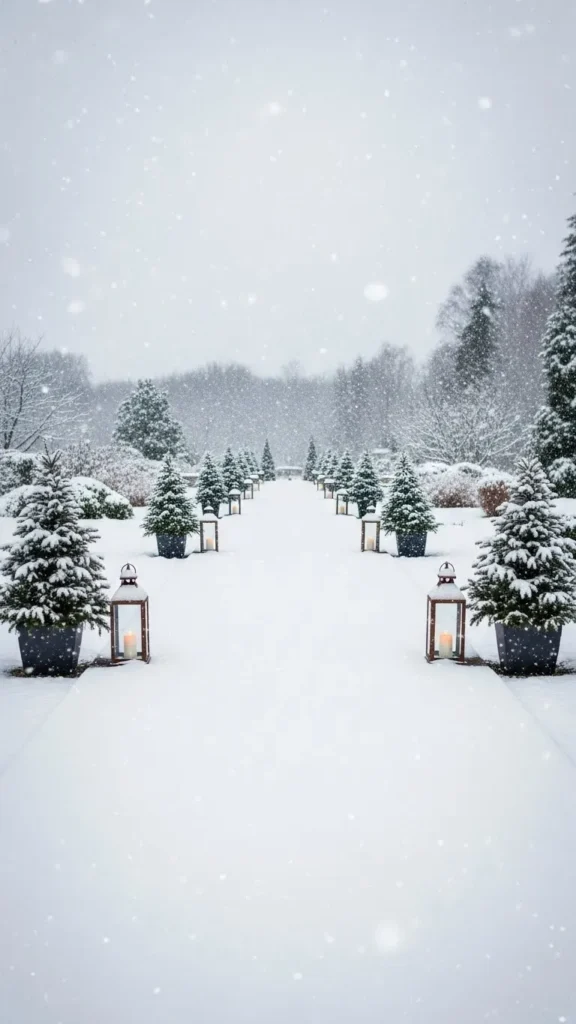
Less is more when safety is involved.
Test Your Walkway After the First Snow
Once winter arrives, observe how your walkway performs.
Check for:
- Ice-prone areas
- Poor drainage spots
- Sections that stay shaded too long
Small adjustments—like adding grit, improving drainage, or repositioning lighting—can make a big difference.
Your walkway should work with winter, not fight it.
Final Takeaway
Snow-safe walkways don’t have to look boring. With smart materials, thoughtful layout, and cozy details, you can create paths that feel welcoming—even in the coldest months.
Design for grip, drainage, and visibility, then layer in warmth and style.
Save this guide for later and build a walkway you’ll love all winter long.

Leave a Reply