

When strong winds roll through, the last thing you want is your garden bed shifting, cracking, or sending soil flying across the yard. A well-built, wind-resistant garden bed protects your plants, your soil, and your hard work—no matter how wild the weather gets.
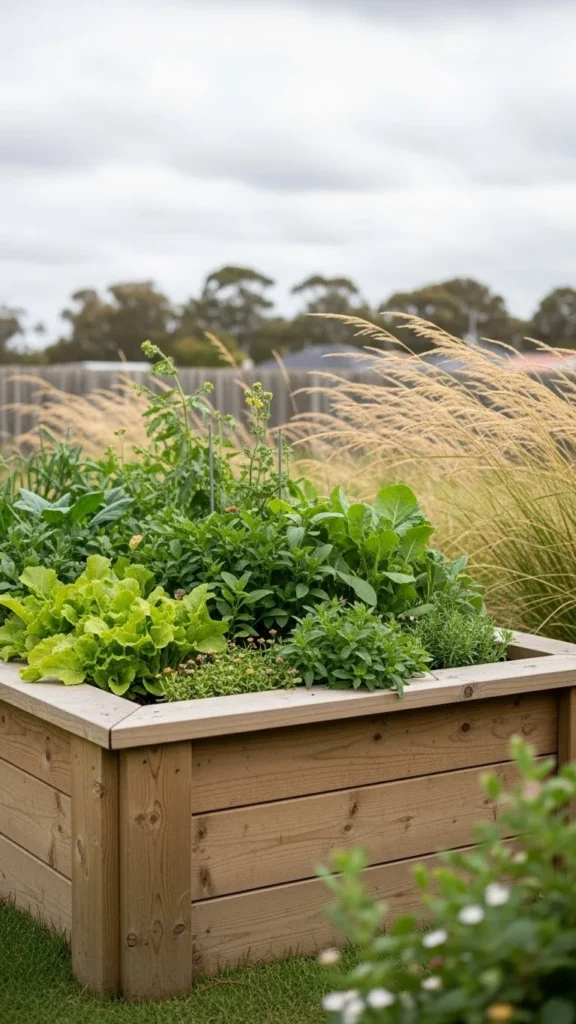
In this guide, you’ll learn exactly how to build garden beds that stand firm during storms while still looking clean and polished. The steps are simple, practical, and beginner-friendly.
Choose the Right Location First
Before you start building anything, the placement of your garden bed matters more than people realize.
Wind acts like water—if it finds an open path, it rushes right through. That means the best spot for a wind-resistant garden bed is:
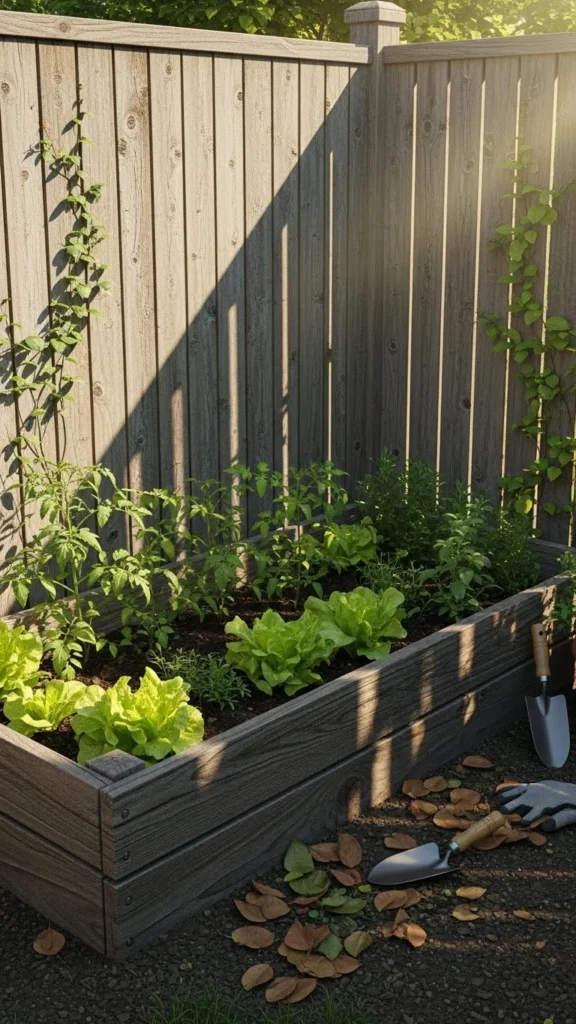
- Next to a shed, fence, or wall
- Along a natural windbreak like shrubs or trees
- Slightly lower on your property where wind naturally slows
- Avoiding wide open areas that funnel gusts
Even a small windbreak can make a huge difference.
Use Strong, Stable Materials
Wind-resistant garden beds need materials that won’t warp, wobble, or lift during storms.
Here are the best choices:
- Thick wooden boards like cedar or redwood
- Concrete blocks that stay rooted in place
- Metal garden beds with reinforced edges
- Stone borders for heavy, natural stability
If you use wood, aim for boards at least 1.5–2 inches thick. Thinner boards may loosen or crack.
Reinforcement makes everything stronger. This can be as simple as:
- 2×4 corner posts
- Metal brackets
- Exterior screws designed for outdoor use
A tight, well-anchored frame is key to resisting wind pressure.
Anchor the Garden Bed Deeply
Wind can shift a garden bed if it’s not anchored, especially in sandy or loose soil.
Here’s how to anchor the frame securely:
1. Add deep corner stakes
Use wooden or metal stakes driven 12–18 inches into the ground. Screw your garden bed’s frame directly into these stakes.
2. Reinforce the middle
For larger beds, add interior stakes every 3–4 feet.
3. Use ground anchors for extra-windy areas
These twist into the soil and connect to the frame for storm-proof support.
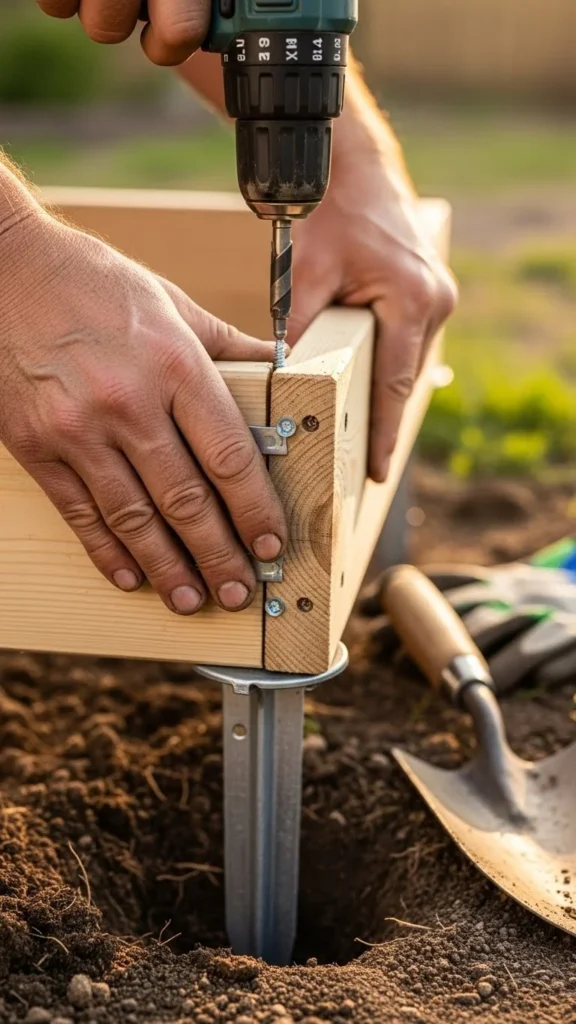
This small step alone can prevent shifting, tilting, or bowing during high winds.
Keep the Bed Low and Wide
Tall, narrow beds tip more easily because they catch more wind. When building for stability, follow this rule:
The wider the base, the sturdier the structure.
A good wind-resistant size is:
- Height: 10–16 inches
- Width: 2–4 feet
- Length: However long you prefer
A low center of gravity keeps the bed grounded during storms.
Fill With Heavier Soil Mix
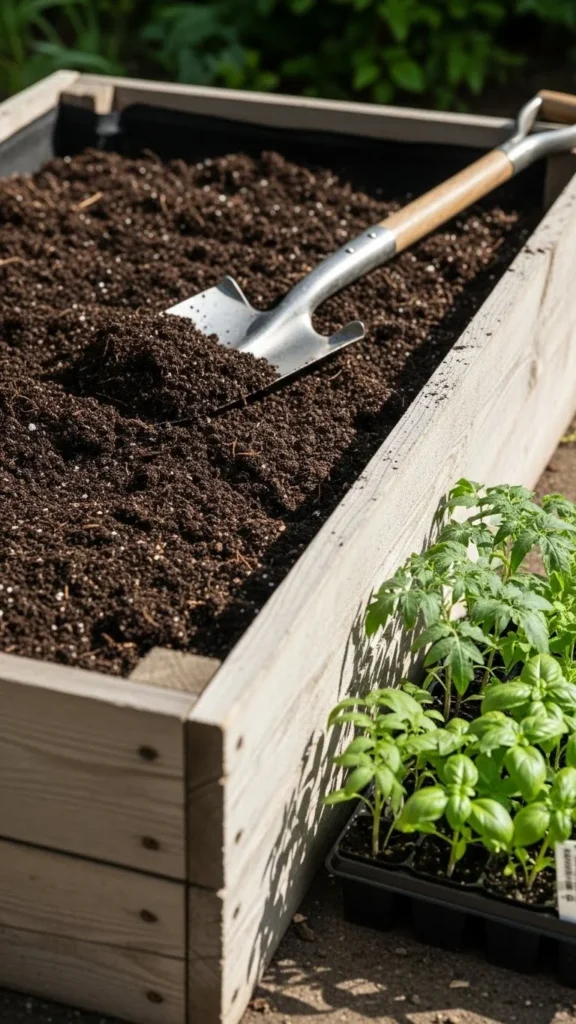
Light, fluffy garden soil blows away easily. To prevent this, use a heavier, moisture-retaining blend such as:
- Topsoil + compost
- Topsoil + mushroom compost
- Topsoil + garden soil bags
Avoid ultra-light mixes meant for indoor planters.
Once filled, your bed becomes naturally heavier, giving it better wind resistance.
Add Mulch That Won’t Blow Away
Loose mulch can fly out of the bed during storms, leaving plants exposed. Choose heavier mulches like:
- Wood chips
- Pebbles
- Pine bark nuggets
- Composted mulch
Avoid shredded or paper-thin mulches.
To secure mulch even more:
- Water it lightly so it settles
- Add a thin top layer of heavier chips
- Use small decorative stones around the base of plants
Plant Strategically to Break Wind
Plants can act as natural windbreakers if you position them wisely.
Use taller, sturdier plants along the windward side, such as:
- Rosemary
- Lavender
- Decorative grasses
- Shrubs or dwarf evergreens
Place smaller or delicate plants behind them
They’ll stay sheltered from the worst gusts.
This creates a layered barrier that protects your entire bed.
Install Protective Barriers When Needed
If you live in an area with frequent storms, adding small barriers can help a lot.
You can use:
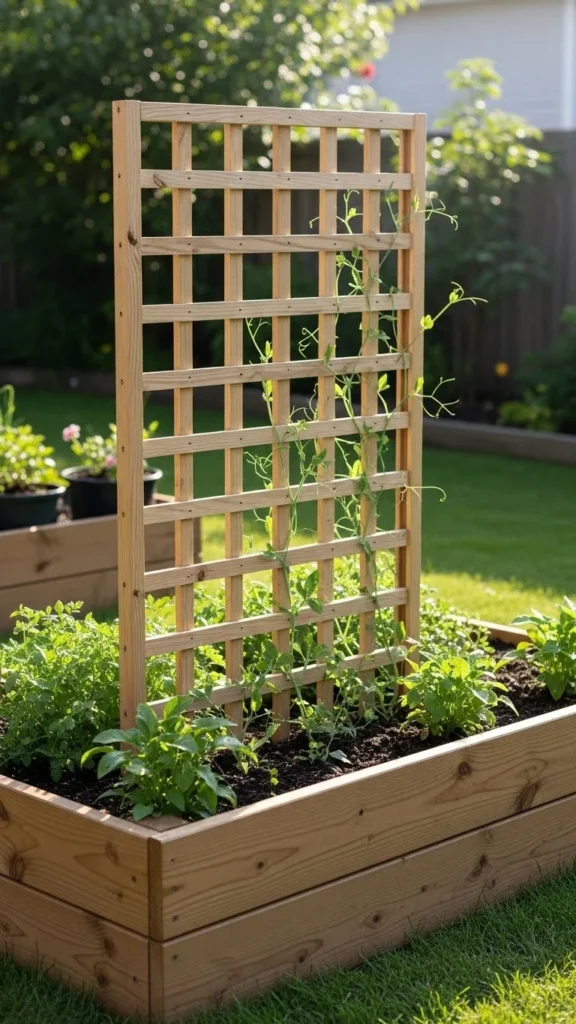
- A short lattice fence
- A trellis with climbing plants
- A row of potted shrubs
- A decorative wooden screen
These break the wind without blocking sunlight.
Check and Reinforce Regularly
Even the strongest garden bed needs occasional maintenance.
Every few weeks, check for:
- Loose screws
- Gaps between boards
- Soil settling too low
- Stakes shifting after storms
Quick fixes now prevent bigger problems later.
Final Takeaway
A wind-resistant garden bed doesn’t just protect your plants—it protects your hard work. With the right materials, anchoring, location, and layout, your beds will stay strong even during the roughest weather.
If you found this guide helpful, save it for later so you’ll have it on hand for your next garden project!

Leave a Reply