

Winter doesn’t have to feel dull or scentless. With the right mix of fragrant evergreens, winter-blooming plants, and smart placement, you can create a garden that smells incredible—even on the coldest days. Imagine stepping outside to hints of citrus, pine, vanilla, and sweet blossoms drifting through crisp winter air.
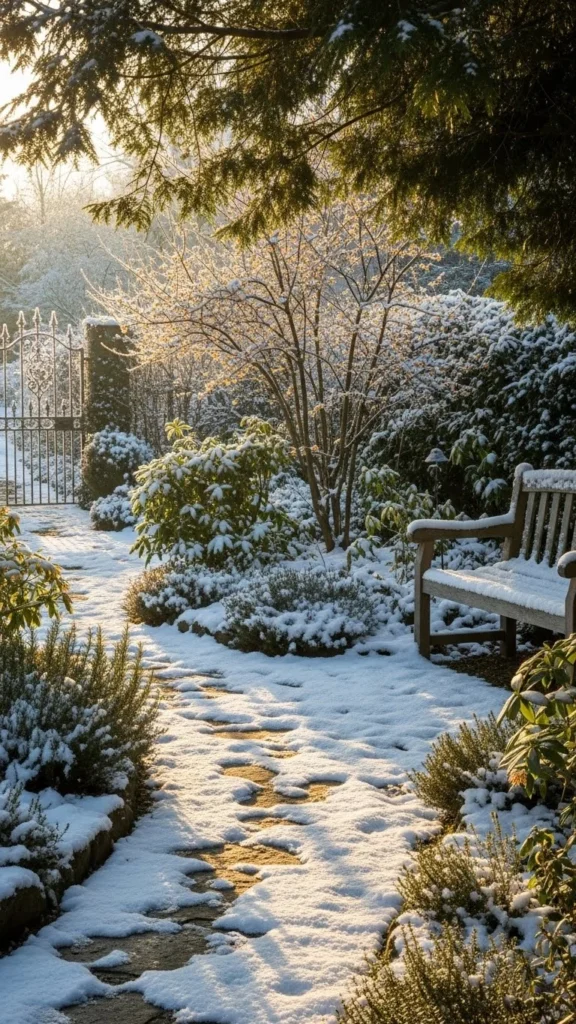
Below, you’ll learn exactly how to build a winter aromatic garden that feels magical, inviting, and full of life.
Choose Fragrant Plants That Thrive in Cold Weather
Winter fragrance relies on hardy plants that keep their scent even through frost. Start by mixing evergreen structure with seasonal bloomers.
Top aromatic winter plants
- Winter Daphne — soft floral scent, great for entryways
- Sweet Box (Sarcococca) — powerful vanilla-like fragrance
- Witch Hazel — spicy, citrus-like fragrance
- Lavender (cold-hardy varieties) — calming scent all season
- Rosemary — herbal and invigorating
- Heliotrope Tree (in mild climates) — sweet, powdery aroma
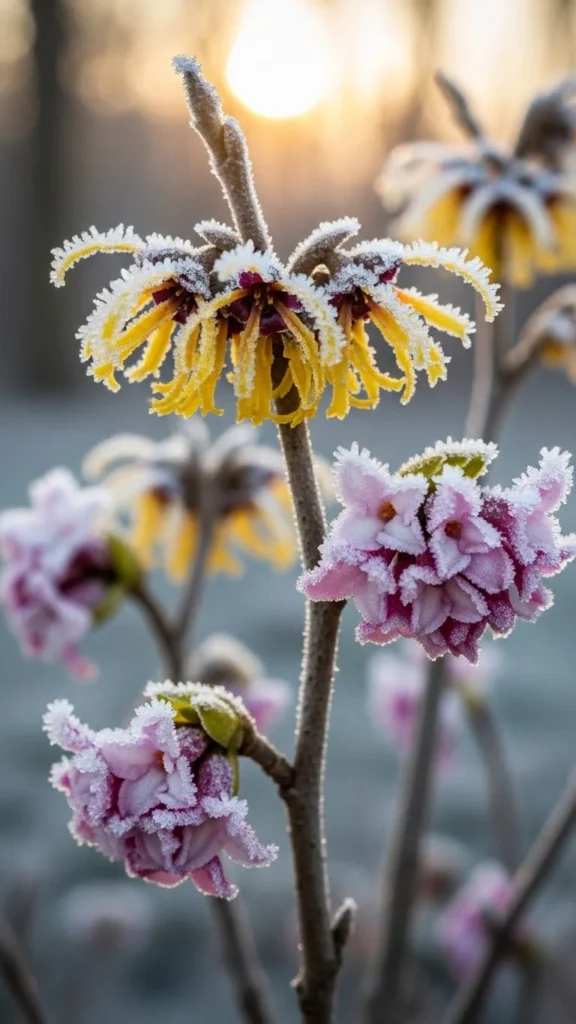
Quick tip:
Plant fragrant shrubs near doors, walkways, or patios so you enjoy their scent every time you pass by.
Use Evergreen Herbs to Keep Aroma Alive All Season
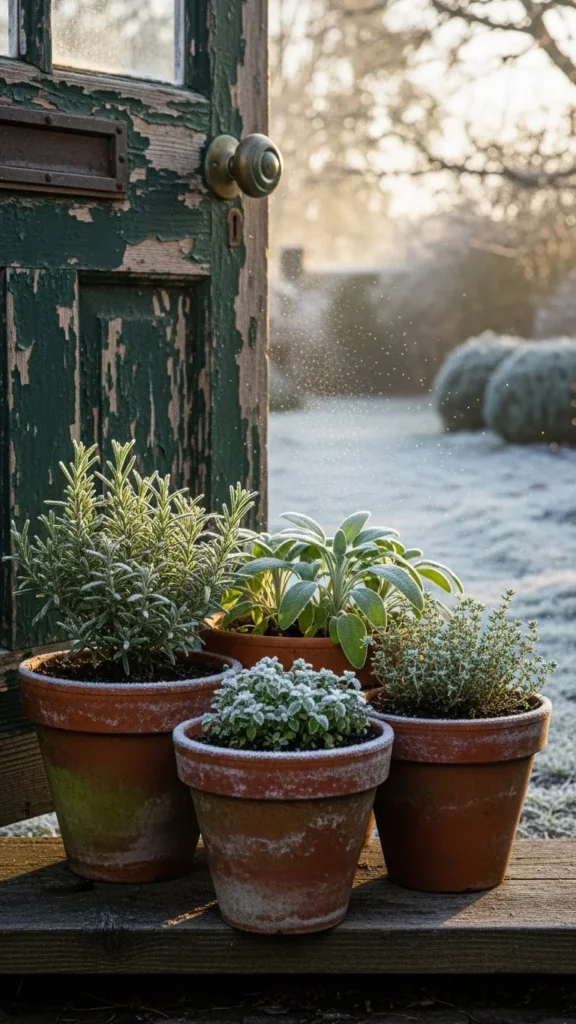
Evergreen herbs are winter MVPs because they stay fresh, green, and fragrant no matter how cold it gets.
Best herbs for winter scent:
- Rosemary for bold, woodsy notes
- Thyme for earthy fragrance
- Sage for warm, comforting aroma
- Bay Laurel (in containers) for subtle spice
- Mint (control with pots) for bright freshness
Place herbs in containers, raised beds, or directly in the ground depending on your climate.
Placement ideas:
- Cluster pots near your kitchen door
- Add thyme or sage along stone pathways
- Plant rosemary as a small hedge for added structure
Layer Scents for a Rich, Multi-Dimensional Winter Garden
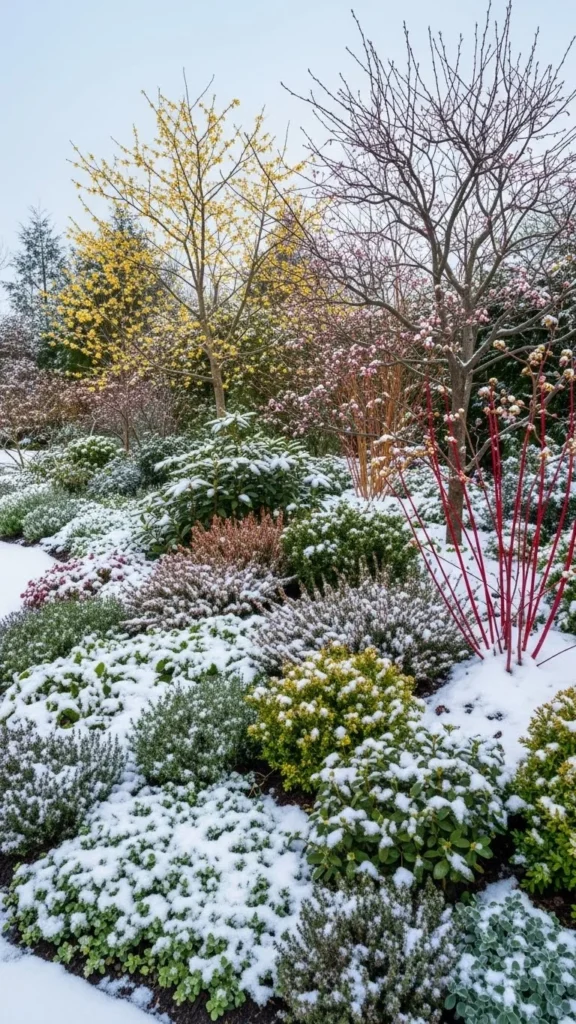
Aromatic gardens feel most magical when scents come from different heights, textures, and plant types.
Think in three layers:
1. Ground Layer
Creeping thyme, mint (contained), and winter pansies add close-to-the-earth fragrance.
2. Mid Layer
Lavender, rosemary, heather, and sweet box create strong scent at nose level.
3. Tall Layer
Witch hazel, viburnum, and winter honeysuckle extend fragrance into the air.
Pro tip:
Choose plants with contrasting scents—herbal, citrusy, sweet—to create a natural “perfume blend” outdoors.
Create Cozy Scent Zones Around Your Garden
Instead of scattering fragrant plants everywhere, concentrate them where you’ll spend time.
Build scent hubs in places like:
- Front entryways — welcome guests with soft fragrance
- Patio corners — ideal for morning tea or evening relaxation
- Walkway edges — scents release as you brush past plants
- Greenhouse or porch steps — keeps fragrance close to sheltered areas
Design examples:
- A rosemary and lavender duo flanking stone steps
- A witch hazel placed at the start of a path to scent cold breezes
- A sweet box hedge near your front door for a daily aromatic boost
Enhance Your Garden With Simple Aromatic Add-Ons
Scent doesn’t have to come only from plants. Tiny touches can amplify the experience.
Try these ideas:
- Cedar or pine mulch for natural woodland fragrance
- Dried orange slices hanging near shrubs for a citrus lift
- Scented evergreens in pots to fill empty winter corners
- Crushed herbs during walks to release fresh aroma
- Warm-toned lighting to make the space feel inviting
These little enhancements help keep your garden sensory-rich even when blooms are limited.
Care Tips to Keep Fragrant Plants Happy in Winter
Cold-hardy aromatic plants don’t need much fuss, but a few habits keep them thriving.
Simple routines:
- Water only when soil is dry—avoid soggy roots.
- Add a light layer of mulch to trap warmth.
- Protect container plants from freezing wind by placing them near walls.
- Avoid heavy pruning until spring (except dead branches).
- Feed lightly with organic fertilizer if plants look stressed.
Healthy plants naturally release stronger scent, so these small care steps make a big difference.
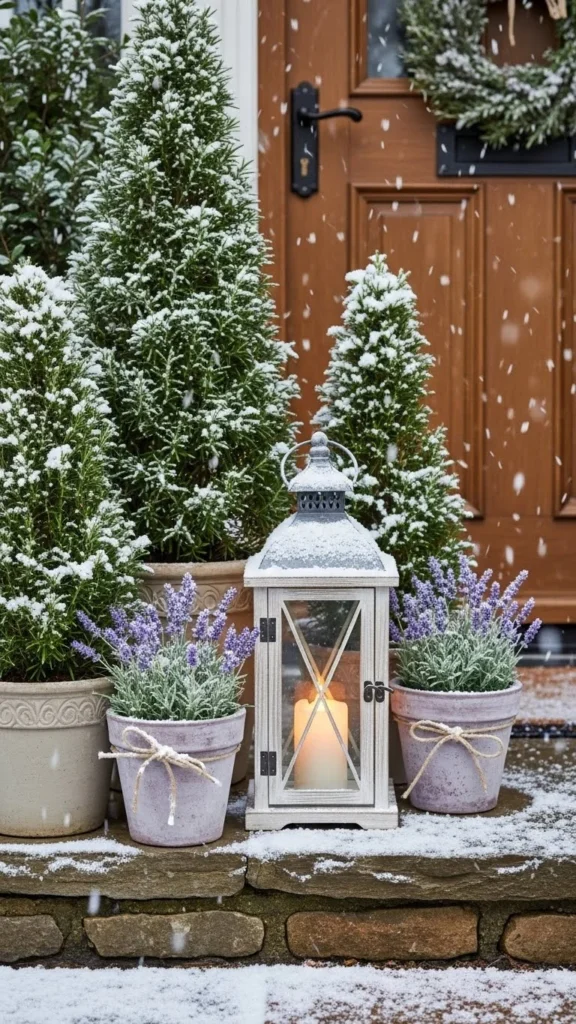
Create a Winter Aromatic Display by Your Door
One of the easiest ways to enjoy winter fragrance is by designing a mini aromatic vignette near your entrance.
What to include:
- A rosemary topiary
- A pot of winter pansies
- A cluster of lavender in a stone planter
- A small evergreen shrub like sweet box
- A lantern with soft LED lighting
Final Takeaway
A winter aromatic garden turns even the quietest months into a sensory experience—full of sweet blooms, herbal freshness, and cozy woodland notes. With just a few thoughtful plant choices and creative placement, your outdoor space can smell incredible all season long.
Save this guide for later and start planning your winter-scented garden today!

Leave a Reply