

Butterflies don’t disappear when winter arrives—they simply look for safe, quiet places to rest and survive until spring. With a little planning, your garden, patio, or backyard can become a winter refuge that supports butterflies and other pollinators during the coldest months. The best part? You don’t need fancy equipment or a huge space—just thoughtful choices and a nature-friendly mindset.
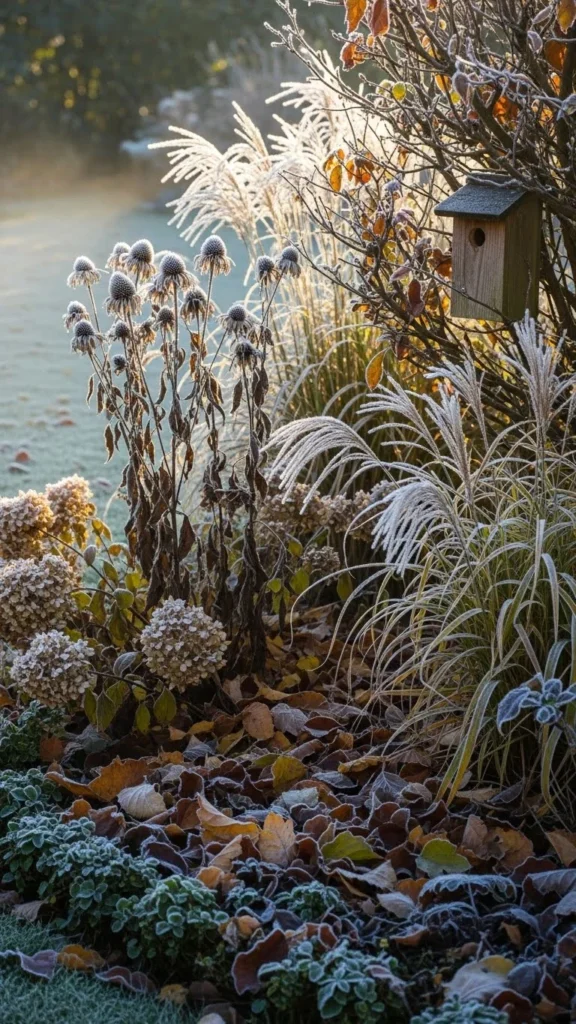
Why Winter Butterfly Habitats Matter
Winter is one of the hardest seasons for pollinators. Many butterflies overwinter as eggs, caterpillars, chrysalises, or adults hidden in leaf piles, hollow stems, or sheltered crevices.
By creating a winter habitat, you help:
- Protect butterflies from freezing temperatures
- Provide safe shelter from wind and predators
- Support healthy pollinator populations for spring
Even a small habitat can make a real difference.
Choose the Right Location First
Start by selecting a spot that offers natural protection. Think about where snow melts last and wind feels weakest.
Good locations include:
- Along fences or walls
- Under evergreen shrubs
- Near garden sheds or hedges
- Corners of patios or balconies
Avoid areas that are frequently disturbed by foot traffic or pets. Quiet spaces are key for overwintering insects.
Leave the Leaves (Yes, Really!)
One of the easiest and most impactful steps is letting fallen leaves stay where they land.
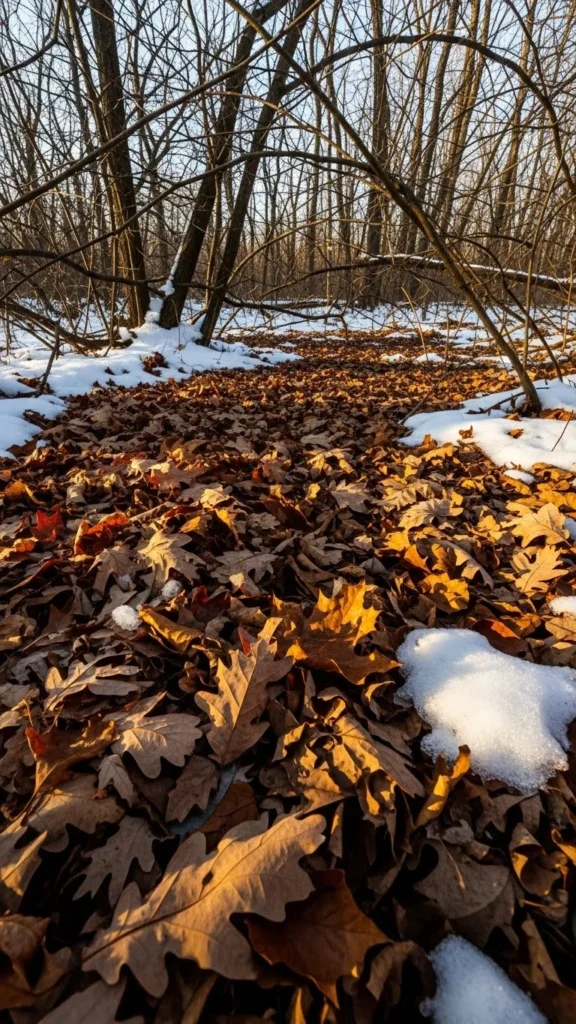
Why leaf litter matters:
- Butterflies use leaves for insulation
- Caterpillars and chrysalises hide underneath
- Leaves protect soil and beneficial insects
If you prefer a tidy look, rake leaves into garden beds or under shrubs instead of removing them completely.
Add Native Winter-Friendly Plants
Native plants are essential for pollinators because butterflies evolved alongside them. Even in winter, these plants offer shelter and future food sources.
Focus on:
- Perennials with sturdy stems
- Ornamental grasses
- Native wildflowers that stand through winter
Avoid cutting plants back too early. Hollow stems are especially valuable for overwintering insects.

Create Simple Shelter Structures
You don’t need to build anything complicated. Simple materials can create excellent winter cover.
Easy shelter ideas:
- Stack sticks and twigs loosely in a corner
- Lean fallen branches against a fence
- Leave hollow plant stems upright
- Use overturned clay pots with small gaps
These structures mimic natural hiding places butterflies seek in the wild.
Skip Chemicals and Heavy Cleanup
Winter habitats only work if they stay chemical-free. Many garden treatments linger in soil and plants longer than expected.
To keep pollinators safe:
- Avoid pesticides and herbicides
- Skip “winter cleanup” until spring
- Leave seed heads and dried plants intact
A slightly messy garden is a healthy one—especially in winter.
Provide a Gentle Water Source (When Possible)
Even in cold weather, butterflies may need access to moisture on warmer days.
Simple options:
- A shallow dish with pebbles
- A plant saucer tucked into a sunny, sheltered area
- Natural low spots that collect melting snow
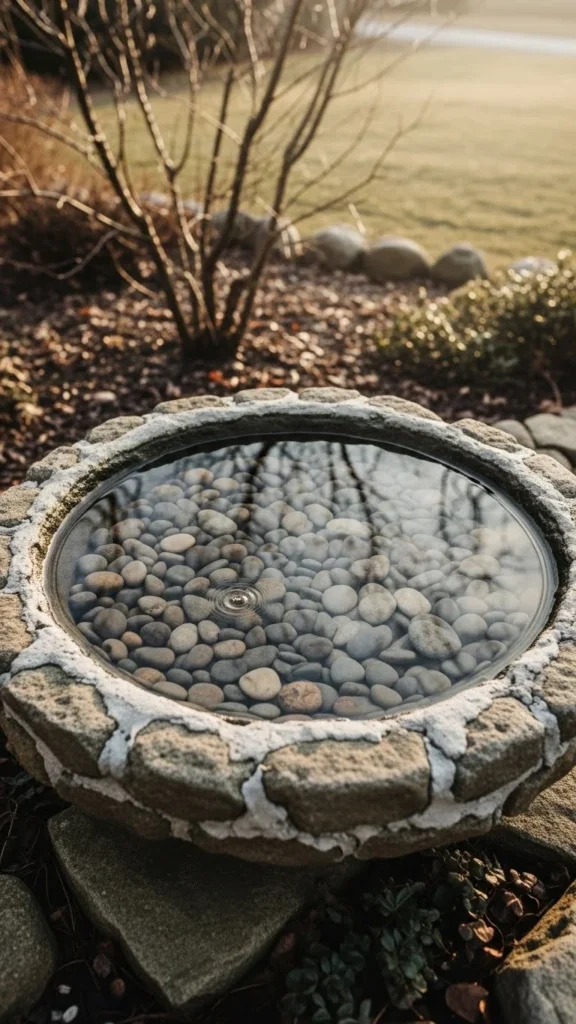
Check water sources occasionally to keep them clean and shallow.
Protect the Habitat Through the Season
Once your winter butterfly habitat is set up, the most important step is leaving it undisturbed.
Helpful habits:
- Delay pruning until temperatures consistently warm
- Avoid moving leaf piles mid-winter
- Gently mark habitat areas so they aren’t accidentally cleared
Think of winter as a resting phase for your garden—and for the life hidden within it.
What to Expect in Spring
If you’ve created a safe winter refuge, spring will reward you.
You may notice:
- Butterflies appearing earlier
- More caterpillars on native plants
- Increased pollinator activity overall
Your garden becomes part of a larger ecosystem, supporting life year-round.
Final Takeaway
Creating a winter butterfly habitat isn’t about doing more—it’s about doing less. Leaving leaves, standing plants, and natural shelter gives pollinators exactly what they need to survive the cold.
Save this guide for later, and let your winter garden become a quiet haven for butterflies waiting for spring

Leave a Reply