

Designing a winter berry garden is one of the easiest ways to bring life, vibrancy, and structure to your outdoor space—especially during the cold months when most plants fade into the background. Berry-bearing shrubs create pops of red, gold, blue, and even purple, giving your yard a magical look that lasts through every season.
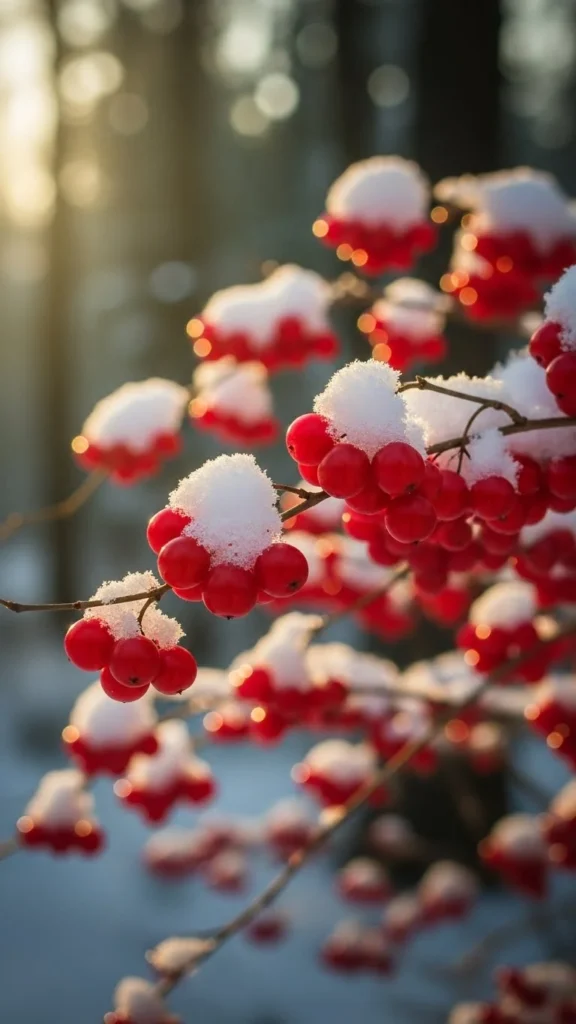
Whether you have a small yard or a wide landscape, this guide breaks down how to design a winter berry garden that feels beautiful, balanced, and full of color year-round.
Choose Berry Plants That Stand Out in Winter
Winter berries don’t just look pretty—they feed wildlife, add texture, and provide natural color contrast.
Start by selecting shrubs that offer:
- Brightly colored berries
- Interesting branch structure
- Low maintenance needs
- Year-round visual appeal
Some fan-favorite options include holly, snowberry, winterberry, bayberry, chokeberry, and beautyberry. Mix a few varieties to enjoy a blend of shapes and colors.
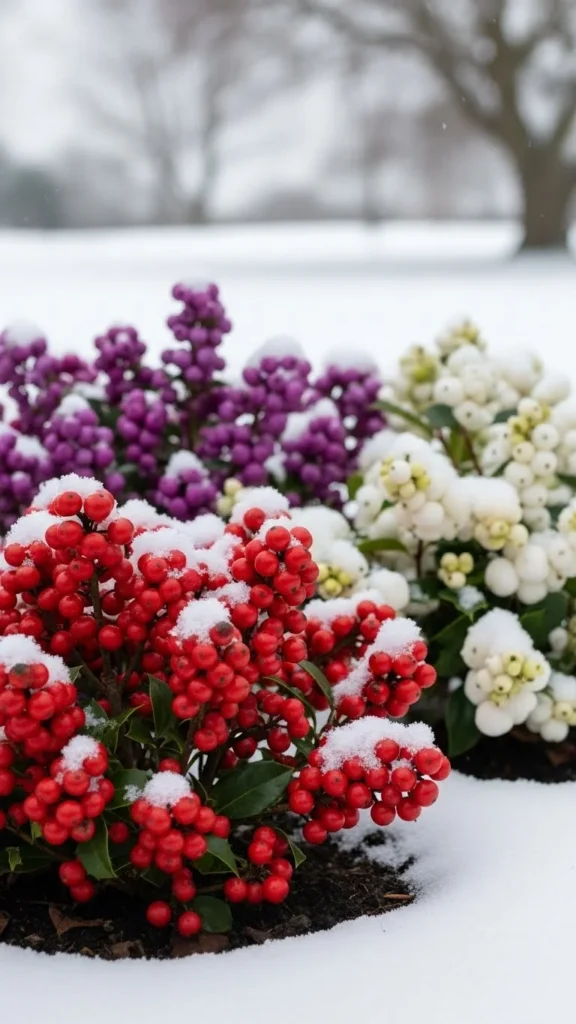
Tips for choosing the right plants:
- Pick shrubs with berries that last the entire winter.
- Choose plants with different berry colors for contrast.
- Add evergreen shrubs around them to boost structure and depth.
- Look for varieties native to your region—they adapt better and require less care.
Plant in Layers to Create Visual Depth
Layering is one of the easiest ways to make a winter berry garden feel full and intentional. Think of your space in three levels:
1. Back Layer: Tall Structure
Tall shrubs like holly, chokeberry, and viburnum create height and a strong foundation.
Place them toward the back of your garden bed or along fences.
2. Middle Layer: Colorful Berries
Mid-height shrubs such as beautyberry or red-twig dogwood fill in the center.
These plants create eye-level pops of bright color.
3. Front Layer: Low-Growing Interest
Low shrubs and groundcovers help blend everything together.
Try wintergreen, creeping juniper, or dwarf evergreens.
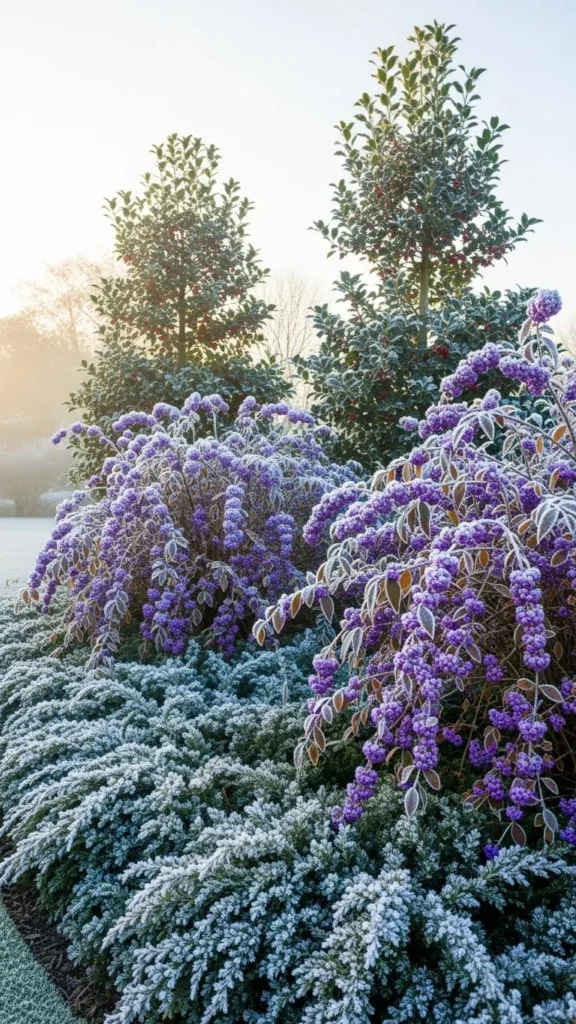
Use Evergreen Plants as Your Framework
While berries bring bursts of color, evergreens act as the background that makes everything stand out.
Think of them as your “anchor plants.” They keep the garden looking alive even when snow arrives.
Smart ways to use evergreens:
- Border your berry shrubs with small evergreen mounds.
- Add tall evergreens to create privacy and a dark backdrop.
- Mix in different textures—soft needles, glossy leaves, or feathery foliage.
By combining evergreen structure with vibrant berries, your winter garden feels colorful even on grey days.
Add Four-Season Interest With Bark, Branches, and Foliage
Winter berry gardens shine brightest when you mix textures and shapes, not just colors.
Here are great additions:
- Red-twig dogwood for bold red branches
- Birch trees for white peeling bark
- Ornamental grasses for soft movement
- Juniper shrubs for blue-green needles
These details make your garden look intentional, layered, and full—even when other plants are sleeping.
Create Wildlife-Friendly Clusters
Berry gardens naturally attract birds, who rely on the fruit during the colder months. Group berry shrubs together in cozy clusters so wildlife can easily find them.
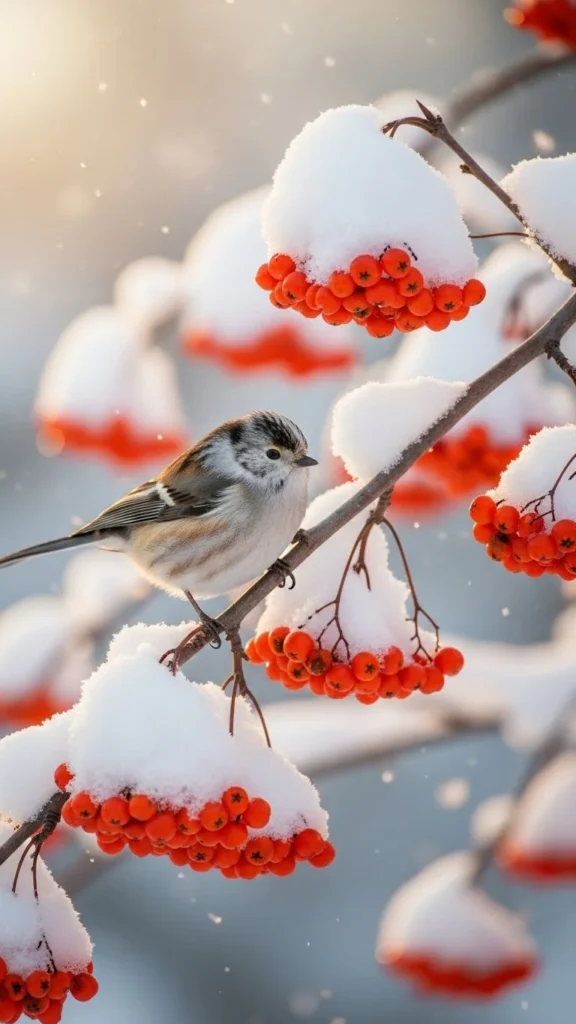
Why clustering works:
- Birds feel safer when shrubs are grouped.
- Clusters offer more color impact.
- Moisture stays in the soil longer.
- Snow settles beautifully across grouped plants.
For the best effect, plant in groups of three, five, or seven.
Choose Colors That Pop Against Snow and Evergreens
To design a winter berry garden with real visual impact, mix berry colors that stand out in every season.
Try combinations like:
- Red + White + Dark Green (holly, snowberry, evergreen)
- Purple + Silver + Blue (beautyberry, juniper, blue spruce)
- Gold + Red + Deep Green (golden viburnum, winterberry, boxwood)

Color mixing brings personality to your garden and makes even small spaces feel dynamic.
Plan for Year-Round Appeal
Even though berries shine in winter, think about how your garden looks in spring, summer, and fall.
Consider shrubs that:
- Flower in spring (viburnum, serviceberry)
- Provide rich summer foliage
- Offer fall berry displays
- Hold berries through winter
This gives you a garden that evolves with the seasons—never feeling empty.
Keep Maintenance Simple and Light
The good news? Winter berry gardens are low-maintenance.
Just remember to:
- Prune shrubs in late winter or early spring
- Water regularly during the first growing season
- Add mulch to protect roots in cold climates
- Check that berries aren’t overcrowded
- Remove broken or damaged branches
Once established, berry shrubs practically take care of themselves.
Final Takeaway
A winter berry garden is one of the easiest ways to add color, charm, and texture to your yard through every season. With smart layering, thoughtful plant choices, and a few evergreens for structure, you can build a space that looks beautiful—even in January.
Save this idea for later!

Leave a Reply