

Not all garden plants can handle icy winds, frozen soil, and short winter days—but cold-hardy ferns are truly in a league of their own. These graceful plants keep their soft texture and deep green color even when most of the garden turns brown. If you’ve ever wished your winter landscape looked less empty, ferns are the secret weapon you’ve been missing.
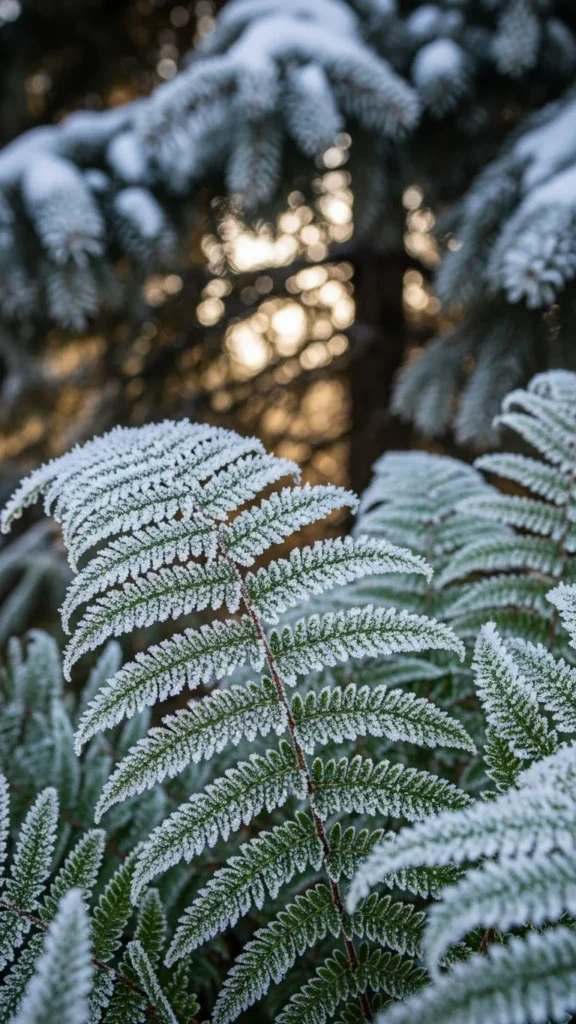
The good news? Growing winter-hardy ferns is easier than you think. With a few simple habits, you can help them thrive through freezing temperatures and come back even fuller each spring.
Choose the Right Ferns for Cold Weather
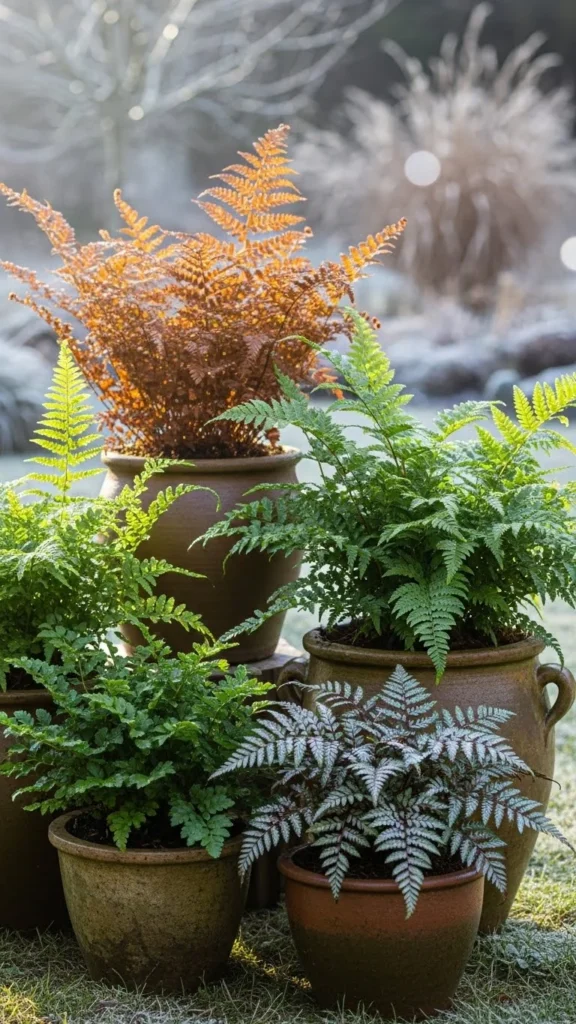
Not all ferns love the cold, so choosing varieties that naturally withstand winter conditions is the foundation of long-term success.
Great hardy options include:
- Christmas fern (evergreen and extremely durable)
- Japanese painted fern (stunning color even in cool seasons)
- Ostrich fern (tall and dramatic winter presence)
- Hart’s tongue fern (shiny leaves that hold up beautifully)
These ferns have strong root systems and naturally tolerate frost, snow, and shifting winter moisture levels. Once established, they require very little attention to remain vibrant all year long.
Plant Ferns in the Perfect Location
Ferns thrive in specific conditions, and choosing the right spot can make all the difference.
Here’s what they love:
- Shaded or partially shaded areas
- Moist but well-draining soil
- Shelter from strong winter winds
- Locations with natural leaf litter or mulch
If you have a shady corner where nothing else thrives, that might be the perfect home for your ferns. They don’t demand sun, but they do appreciate consistent moisture—without sitting in soggy soil.
Small adjustments—like positioning ferns near the north side of your home or under tall trees—can create a microclimate that naturally protects them in cold months.
Prep the Soil for Strong Winter Roots
Healthy winter ferns begin with healthy soil. Before planting, take time to enrich the ground.
Try these simple soil upgrades:
- Mix in compost to improve drainage and structure.
- Add a layer of peat-free organic matter for moisture retention.
- Loosen compacted soil so roots can expand easily.
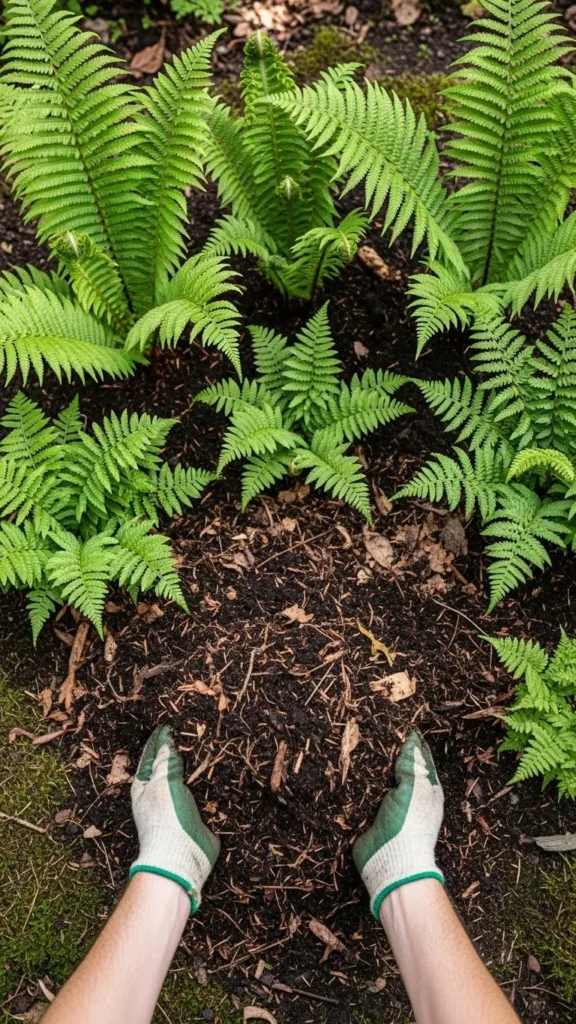
Once planted, add a thick layer of mulch to mimic the forest floor. This protects the roots and stabilizes temperature swings when frost settles into the ground.
Water Wisely Before Winter Sets In
Ferns must enter winter well-hydrated, but winter watering requires a gentle approach.
Here’s the trick:
- Water deeply during fall to help roots store moisture.
- Reduce watering once freezing temperatures begin.
- Avoid watering late in the day—morning moisture absorbs best before temperatures drop.
This pattern encourages ferns to grow stronger roots that are better able to withstand frost. Overwatering in winter is unnecessary and may even harm the plant.
Mulch for Warmth and Moisture Control
Mulch isn’t optional. It’s the secret to lush ferns in winter.
Use materials like:
- Shredded leaves
- Pine needles
- Fine bark chips
- Natural compost mulch
Apply mulch around—but never on top of—the fern crown. This keeps the soil warm, prevents drying winds from stealing moisture, and shields roots from sudden freezes.
Protect Ferns During Extreme Cold Spells
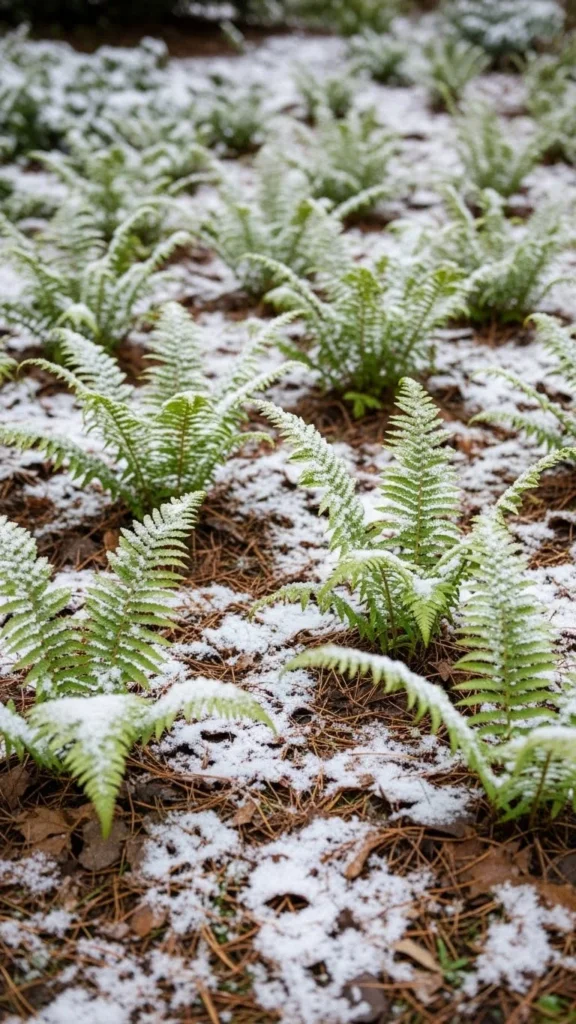
Most hardy ferns tolerate winter well, but severe cold snaps still call for extra care.
Quick protection ideas:
- Add additional mulch before a major freeze.
- Cover young ferns with breathable garden fabric.
- Create wind barriers using evergreen branches or garden screens.
These small measures prevent damage during unusually harsh weather and help your ferns bounce back quickly once temperatures stabilize.
Prune Only When Necessary
Unlike many plants, winter ferns don’t need aggressive pruning.
Here’s what to do:
- Remove damaged or brown fronds in early spring.
- Leave healthy fronds on the plant through winter—they protect the crown.
- Avoid cutting ferns to the ground unless the variety naturally dies back.
Pruning at the wrong time weakens the plant, especially during cold months. Gentle, minimal trimming keeps them strong and lush.
Feed Lightly for Year-Round Growth
Cold-hardy ferns don’t need heavy feeding. In fact, too much fertilizer can harm their delicate roots.
Instead:
- Add compost once or twice a year.
- Skip chemical fertilizers during winter.
- Focus on building healthy soil rather than boosting fast growth.
Ferns grow slowly and steadily. With a nutrient-rich base, they’ll flourish without much extra help.
Enjoy a Garden That Looks Alive in Winter
When everything else fades, your cold-hardy ferns will provide life, color, and texture that carries your landscape through the frostiest months. With the right location, soil, water, and winter prep, these plants become some of the most reliable green companions in your garden.
Save this guide for later and keep your winter garden feeling lush and full year after year!

Leave a Reply