

Some gardens fall silent when temperatures drop, but evergreen herbs keep the flavor, color, and life going long after frost arrives. If you want a winter garden that still smells fresh, looks vibrant, and gives you harvest-ready herbs even on icy mornings, you’re in the right place. These tough, aromatic plants don’t just survive winter—they thrive in it with the right care.
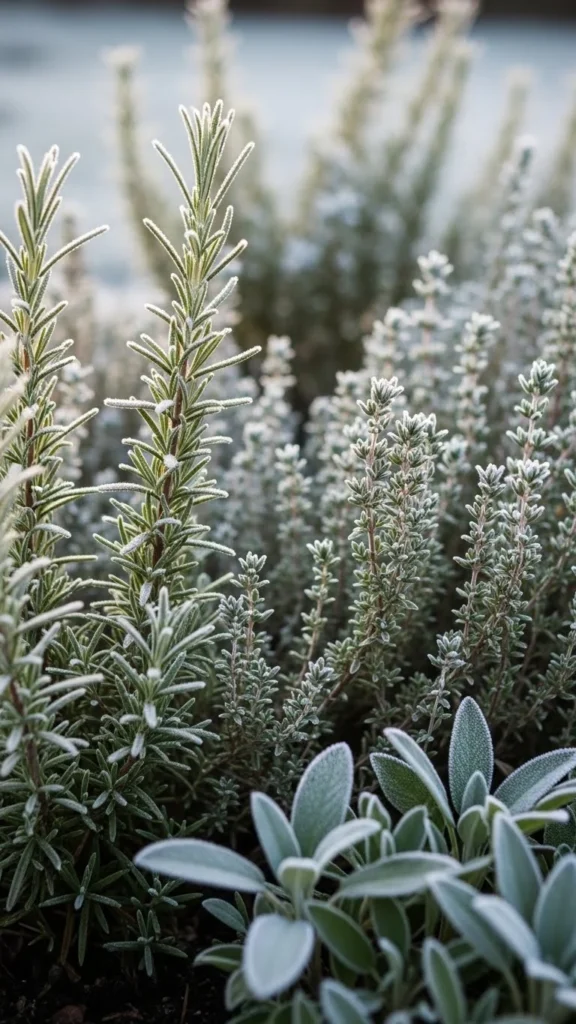
Let’s break down simple, beginner-friendly ways to grow evergreen herbs outdoors all season long.
Choose Cold-Hardy Evergreen Herbs
Not all herbs can take on winter. Start with varieties known for staying green and flavorful even in freezing temperatures.
Great winter-hardy herbs include:
- Rosemary (Arp, Hill Hardy, Salem varieties)
- Thyme
- Sage
- Oregano
- Winter Savory
- Chives (semi-evergreen in cold regions)
These herbs naturally hold their structure and oils longer, making them reliable outdoor growers.
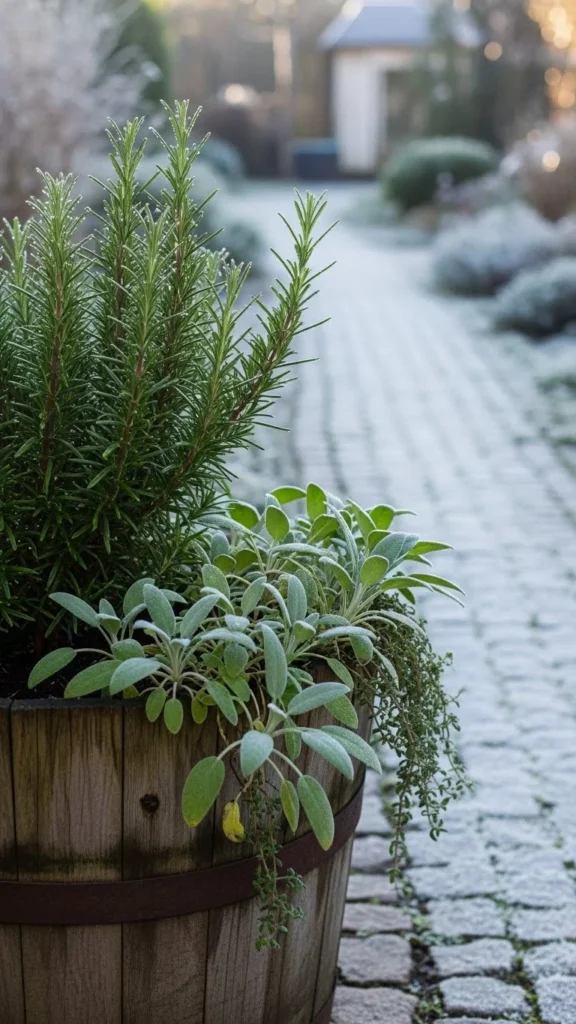
Quick Tip: If you live in zones 4–6, look specifically for labeled “cold-hardy” cultivars. They handle deep freezes better than standard varieties.
Give Them the Right Soil Conditions
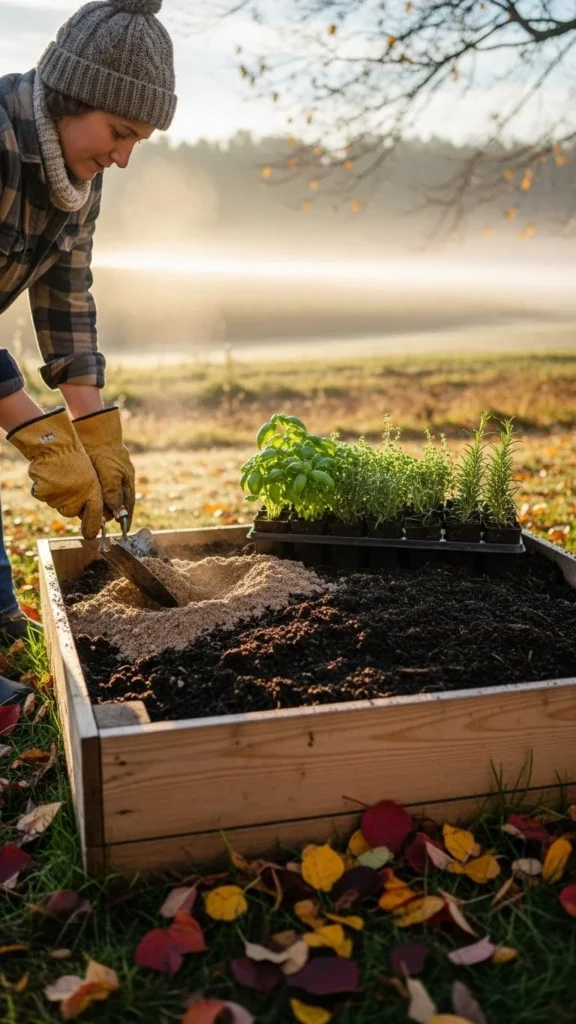
Winter survival starts underground. Evergreen herbs need soil that drains well and doesn’t trap moisture, especially during freeze–thaw cycles.
What Your Herbs Need:
- Loose, sandy or gritty soil
This prevents waterlogging, which can damage roots in winter. - Slightly alkaline pH
Herbs like rosemary and thyme love sweeter soils. - Raised beds or containers
These help keep roots dry and warm.
Mixing a little gravel or coarse sand improves airflow around the roots and reduces winter rot.
Budget-Friendly Idea:
Reuse old terracotta pots. Their breathable walls help keep moisture levels balanced.
Plant in the Right Spot for Winter Success
Placement can make or break your winter herbs. Even hardy plants struggle without enough light or warmth.
Ideal Spots:
- South-facing areas
These get the most sunlight and heat retention. - Near stone walls or patios
Hardscape elements trap warmth and slowly release it overnight. - Sheltered corners
Protect herbs from icy winds that can dry out leaves.
If your yard is windy, tuck herbs behind evergreens, fences, or raised planters for natural insulation.
Bonus Tip:
Plant herbs close together. They create a mini microclimate that helps keep each other warm.
Mulch Strategically (But Not Too Much)
Mulch keeps soil stable, but evergreen herbs prefer a light touch.
How to Mulch Properly:
- Use pine needles, fine bark, or shredded leaves.
- Aim for a 1–2 inch layer only.
- Keep mulch away from stems to avoid moisture buildup.
The goal is insulation, not smothering.
DIY Hack:
Shred fallen leaves using your mower. They break down faster and look tidier.
Water Correctly Before and During Winter
Evergreen herbs don’t like wet feet, but they still need hydration before the ground freezes.
Watering Tips:
- Deeply water plants in fall to help them handle winter stress.
- Reduce watering once temperatures drop consistently.
- Only water in winter if soil is dry and the temperature is above freezing.
This helps roots stay strong without inviting rot.
Prune Lightly to Encourage Strength
Heavy pruning before winter is a mistake—plants need their foliage to protect themselves.
What to Do Instead:
- Trim only damaged stems.
- Shape gently without cutting deep into woody parts.
- Leave most of the plant intact until spring.
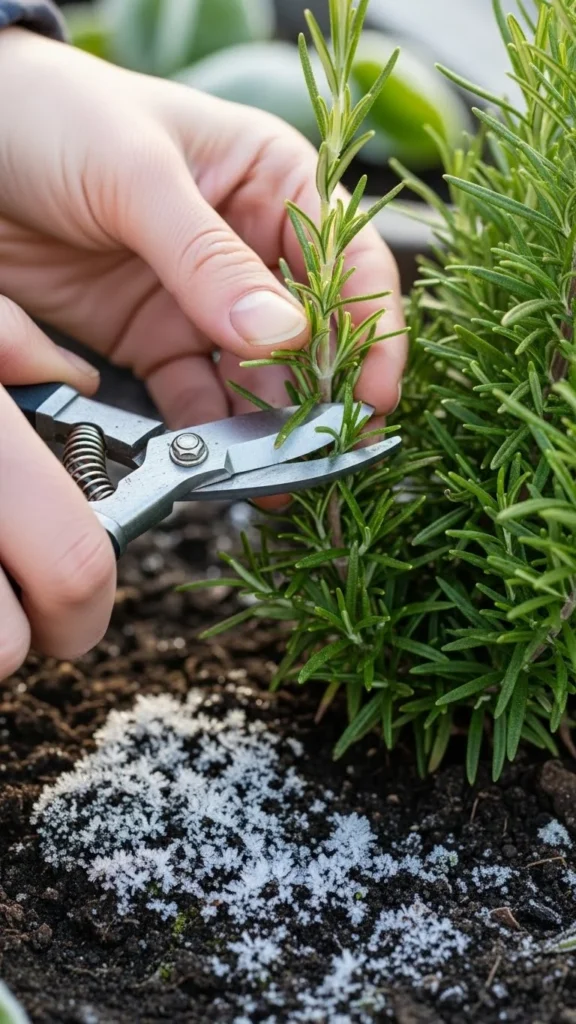
Why Light Pruning Matters:
Too much pruning stresses the plant, making it harder to withstand cold.
Add Simple Winter Protection When Necessary
If you’re in a colder region, a bit of insulation goes a long way.
Easy Protection Ideas:
- Use frost cloths on extremely cold nights.
- Create a small mini greenhouse with clear plastic bins.
- Wrap the base of the plant with burlap for wind protection.
You don’t need fancy tools—just a few simple materials to shield your herbs from harsh snaps.
Harvest Carefully in the Cold Months
You can harvest evergreen herbs all winter, but do it gently.
Winter Harvest Rules:
- Clip only outer stems.
- Avoid heavy harvesting during freezing mornings.
- Never cut more than one-third of the plant.
This keeps growth consistent and healthy.
Best Herbs for Winter Harvesting:
- Thyme
- Rosemary
- Sage
- Oregano
Their oils intensify in cold weather, giving you extra fragrant sprigs for cooking and decorating.
Final Tip: Start Small and Build Over Time
You don’t need a big garden to enjoy evergreen herbs. A few planters or a corner bed is enough to give you fresh winter greenery.
Start with two herbs you love, learn how they behave in your climate, and expand slowly. Each year becomes easier as you understand your yard’s microclimates better.
Ready to Grow Evergreen Herbs This Winter?
With the right choices and simple care steps, your garden can stay green, fragrant, and useful all year long. These hardy herbs don’t ask for much—just good soil, sunlight, and a little protection when the cold rolls in.
Save this guide for later and start planning your winter herb garden today!

Leave a Reply