

Evergreen vines can feel almost magical in winter. While everything else fades, these climbers keep walls, fences, and trellises looking alive. The secret is choosing the right plants and giving them smart care from the start. With a little planning, you can enjoy green coverage even when temperatures drop.
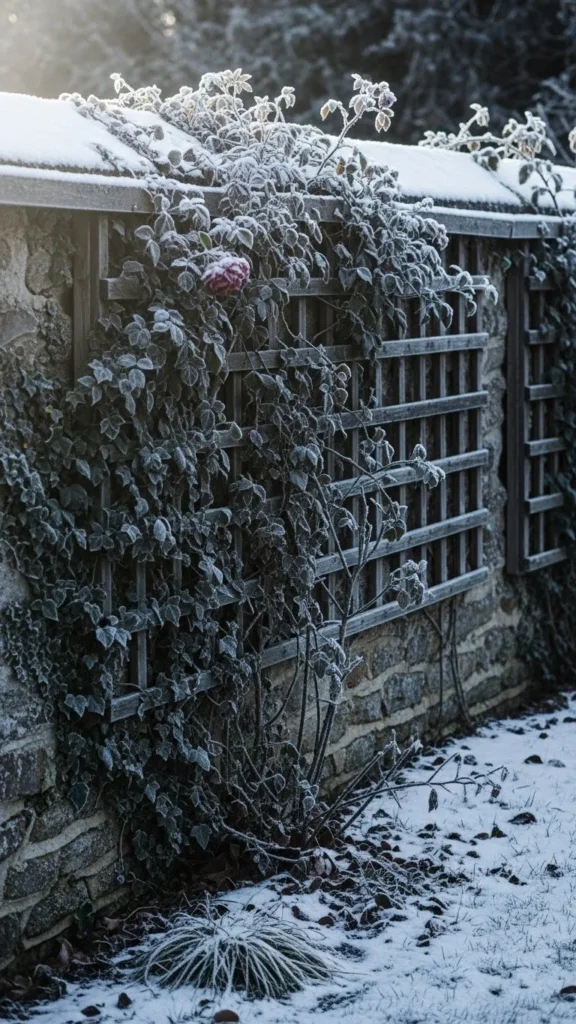
In this guide, you’ll learn how to grow evergreen vines that stay attractive through cold weather—without complicated techniques or expensive tools.
Choose Evergreen Vines That Handle Cold Well
Not all evergreen vines are built for winter. Some stay green only in mild climates, while others can handle real cold.
Look for varieties known for winter toughness in your region. Before buying, check the plant tag or local nursery advice.
Good cold-friendly traits include:
- Thick, waxy leaves that resist frost damage
- Slow, steady growth instead of soft, fast growth
- Woody stems that don’t collapse in cold
Popular options often include evergreen honeysuckle, wintercreeper, and certain ivy types suited to colder zones.
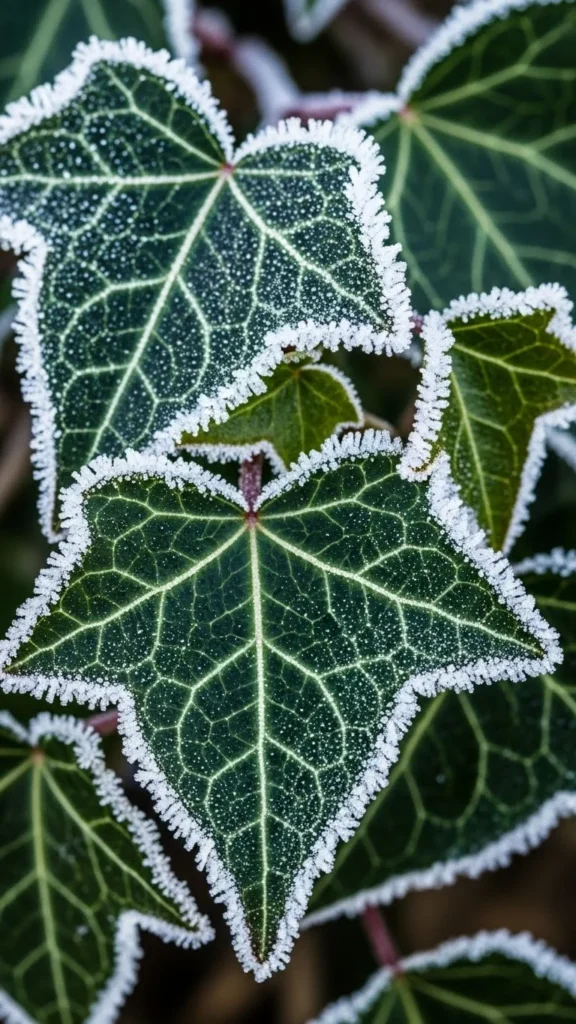
Tip: Always choose plants rated for one zone colder than your area. That extra buffer helps during harsh winters.
Plant in the Warmest Spot You Have
Placement matters more than most people realize. Even a tough evergreen vine can struggle if planted in the wrong location.
Aim for:
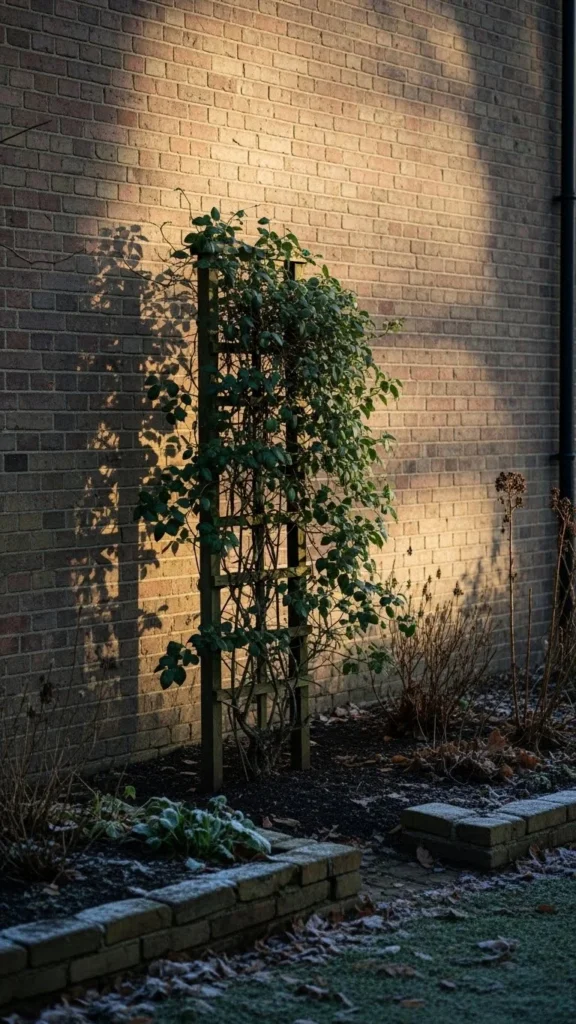
- A south- or west-facing wall
- Shelter from strong winter winds
- Good drainage so roots don’t sit in cold water
Walls and fences store heat during the day and release it slowly at night. This small temperature difference can protect leaves and roots.
Avoid low spots where cold air settles. Even moving a vine a few feet can improve winter survival.
Prepare the Soil for Cold Protection
Healthy soil is your vine’s winter blanket. Strong roots help plants stay evergreen even when the air turns icy.
Before planting:
- Loosen soil deeply so roots can spread
- Mix in compost for warmth and nutrients
- Avoid heavy clay that stays wet
Once planted, add a thick layer of mulch around the base. This helps regulate soil temperature and prevents repeated freeze-thaw cycles.
Good mulch options:
- Shredded bark
- Leaf mold
- Straw or pine needles
Keep mulch a few inches away from the stem to prevent rot.
Support Vines Properly from Day One
Evergreen vines rely on strong support, especially in winter when snow and ice add weight.
Choose supports that:
- Are firmly anchored into the ground or wall
- Can handle wind and snow load
- Allow air circulation
Trellises, wires, or lattice panels all work well. Attach vines loosely so stems can move slightly without snapping.
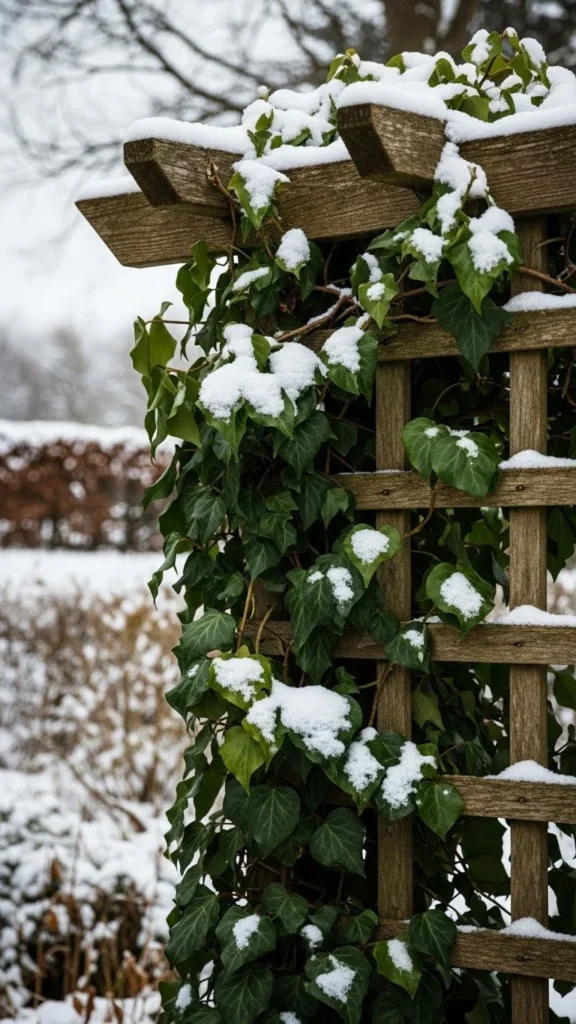
Quick check: If your support wobbles now, it won’t survive winter storms.
Water Smartly Before Winter Arrives
Evergreen vines lose moisture through their leaves year-round. If they go into winter dry, leaf damage is more likely.
In late autumn:
- Water deeply before the ground freezes
- Focus on the root zone, not the leaves
- Stop once soil begins to stay cold
Avoid watering frozen soil. Roots can’t absorb moisture then, and excess water may cause damage.
Protect Leaves During Extreme Cold
Most evergreen vines handle normal winter weather just fine. Trouble comes during extreme cold snaps.
Simple protection ideas:
- Burlap screens to block harsh wind
- Temporary frost cloth during severe cold
- Extra mulch at the base for insulation
Do not wrap vines tightly in plastic. Trapped moisture can cause more harm than cold air.
Prune Lightly and at the Right Time
Heavy pruning before winter can reduce cold tolerance. Instead, focus on gentle shaping.
Best practices:
- Remove dead or damaged growth in early fall
- Save major pruning for spring
- Avoid stimulating new growth late in the season
New growth is tender and easily damaged by frost.
Be Patient During Winter Dormancy
Evergreen doesn’t always mean perfect-looking. Some leaves may bronze or dull in winter, especially after cold nights.
This is normal.
As temperatures warm:
- Color usually improves
- Minor leaf drop may occur
- New growth fills in quickly
Resist the urge to overreact with fertilizer or pruning during cold months.
Final Thoughts
Growing evergreen vines that stay beautiful in cold weather is all about smart choices and simple care. Pick hardy plants, plant them in protected spots, prepare the soil well, and support them properly. A little effort upfront leads to year-round greenery that transforms your garden—even in winter.
Save this guide for later and start planning your evergreen vine setup before the next cold season hits.

Leave a Reply