

When winter hits, many gardens shut down. But snow-hardy perennials? They do the opposite. These rugged plants rest, recharge, and come back even stronger when spring rolls in. If you want a garden that thrives through icy mornings and frosty nights, this guide will help you build a perennial lineup that not only survives the cold—but loves it.
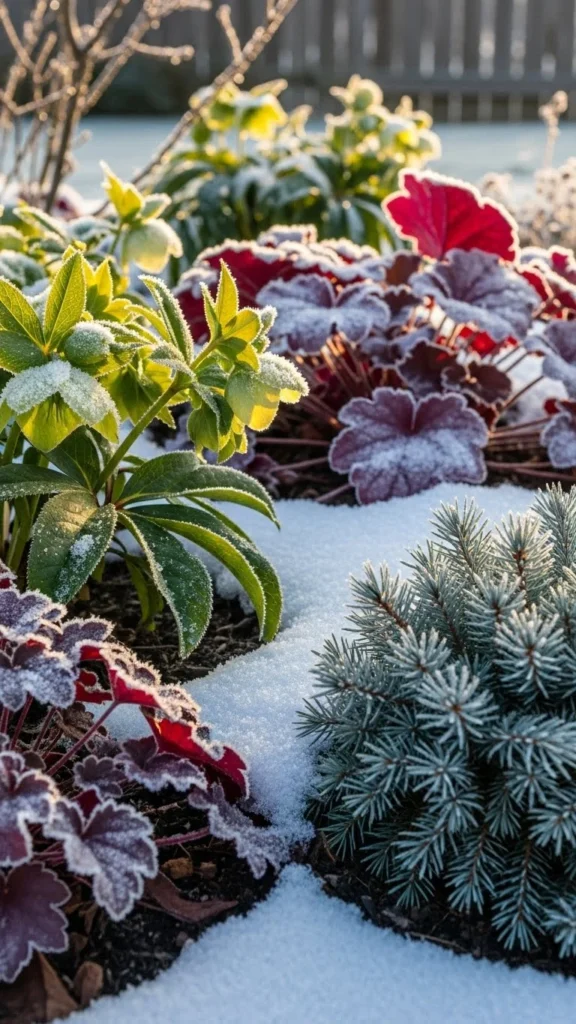
Whether you’re working with raised beds, borders, or containers, snow-hardy perennials make gardening simpler, more rewarding, and beautifully low-maintenance.
Understand What Makes a Perennial Truly Snow-Hardy
Not all perennials can handle deep freezes. The strongest ones have built-in traits that help them survive below-zero temperatures.
Look for plants with:
- Thick, insulated root systems
- Strong underground crowns
- Evergreen or semi-evergreen foliage
- Natural cold resistance (listed on plant tags)
- Dormancy periods that benefit from winter chill
Once you understand these basics, choosing the right plants becomes much easier.
Prep Your Soil Before the Temperature Drops
Healthy soil is the foundation of winter survival. Even the toughest perennials struggle in compacted or waterlogged ground.
Here’s what to do:
- Loosen soil 8–10 inches deep
- Mix in compost for improved texture
- Add grit or sand if drainage is slow
- Remove weeds that compete for nutrients
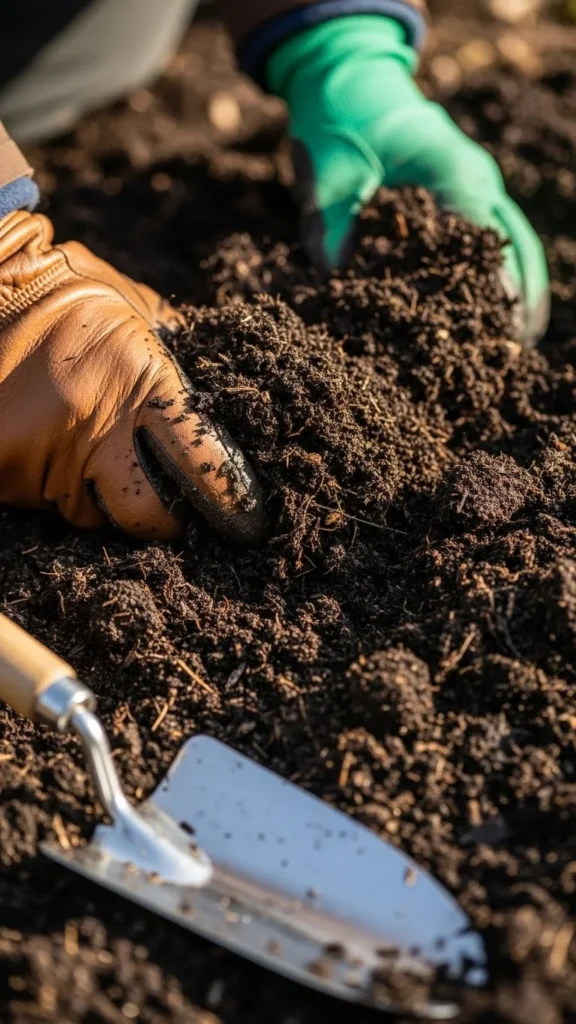
Good drainage is key. When soil holds too much water, roots freeze and crack. A quick soil prep session now can protect your plants for years.
Planting: Timing and Technique Are Everything
Planting snow-hardy perennials at the right time gives them a strong head start before winter.
The best window? Early fall.
Why early fall works:
- Soil is still warm
- Plants root quickly
- They face less heat stress
- They enter winter fully established
When planting:
- Dig holes twice as wide as the root ball
- Place the plant level with the soil surface
- Water deeply right after planting
- Add light mulch (but not too much yet)
It’s simple steps like these that determine whether a plant merely survives winter—or thrives after it.
Mulch to Protect Roots (But Don’t Overdo It)
Mulch acts like a winter blanket, but it must be used correctly.
Aim for:
- 2–3 inches of shredded leaves, straw, or wood mulch
- Avoid piling mulch directly against stems
- Leave a bit of space for airflow
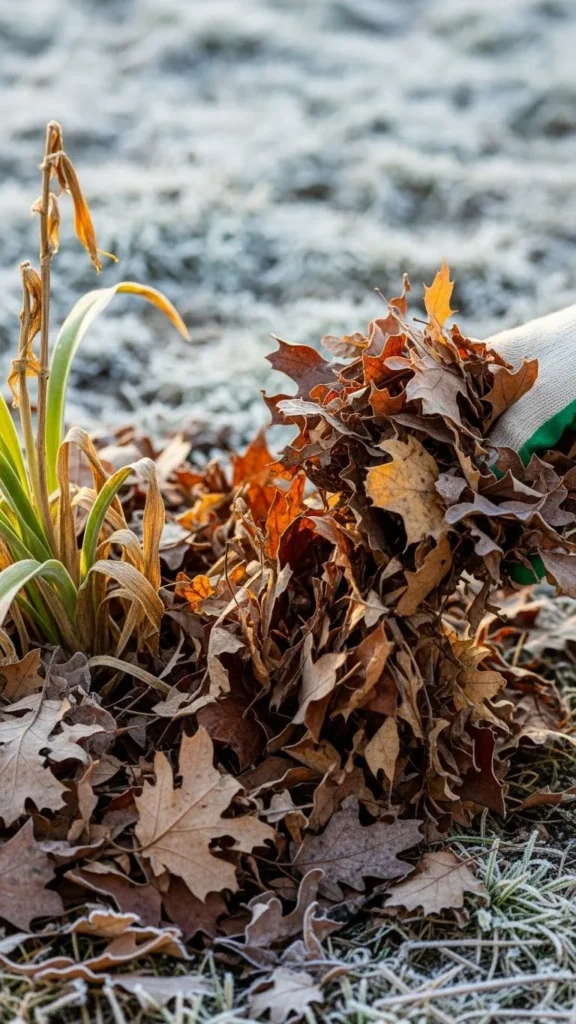
Too much mulch traps moisture. Too little leaves roots cold and exposed. The sweet spot keeps soil warm, stable, and breathable.
Choose Snow-Hardy Perennials That Truly Love the Cold
Some plants simply shine in freezing temperatures. Add these to your winter-tough lineup:
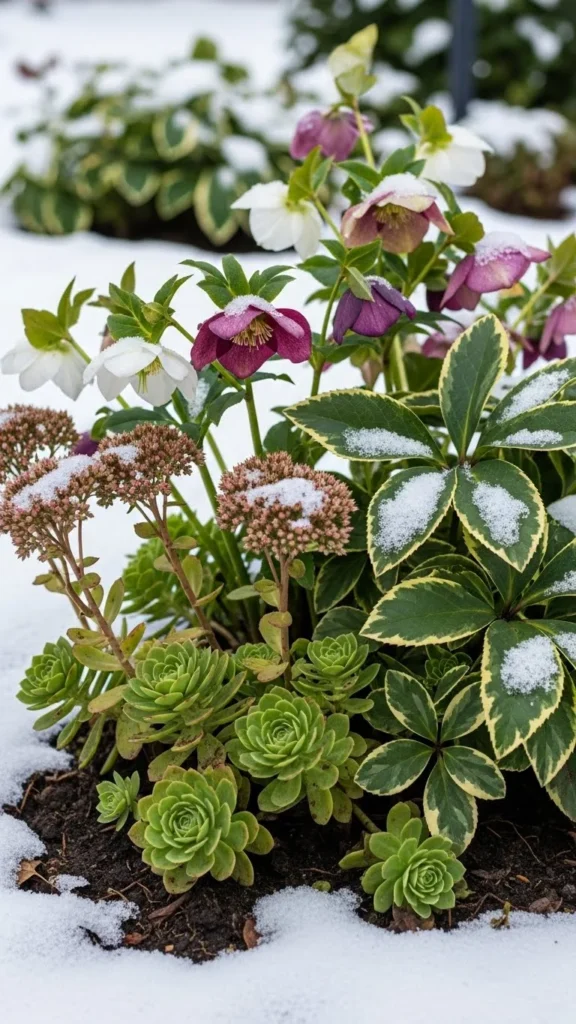
- Coral bells (Heuchera)
- Sedum
- Hellebores
- Coneflowers
- Russian sage
- Creeping thyme
- Lenten rose
These varieties grow stronger every year, especially when they experience natural winter dormancy. Mix shapes, heights, and colors to add structure even when everything else is asleep.
Water the Right Way Before and During Winter
Watering schedules shift during colder months, but plants still need moisture before the freeze sets in.
Follow these tips:
- Water deeply before the first hard frost
- Stop watering once the ground freezes
- Avoid watering during mid-winter warm spells
- Check soil moisture around evergreen perennials
The goal is to keep roots hydrated—not soggy.
Prune at the Correct Time for Stronger Growth
Many snow-hardy perennials benefit from leaving their stems intact during winter. The dried foliage protects crowns and adds beautiful structure to your garden.
What to prune:
- Trim dead or diseased foliage in fall
- Leave healthy stems for winter interest
- Cut back everything in early spring (before new growth appears)
This gentle approach helps prevent freeze damage and keeps plants vigorous.
Add Winter Barriers for Extreme Cold Zones
If you garden in a region with severe winters, a few simple barriers can help your perennials thrive.
Try:
- Burlap screens
- Frost cloth
- Windbreak fencing
- Cloche covers for tender varieties
Place them before heavy snow arrives for the best results.
Feed Plants at the Right Times (Hint: Not in Winter)
It’s tempting to over-care for winter plants, but fertilizer should be avoided during cold months.
Instead:
- Feed perennials lightly in early spring
- Add compost in mid-fall
- Skip chemical fertilizers in winter
Winter feeding encourages tender new growth, which quickly freezes and weakens the plant.
Let Snow Work in Your Favor
Snow is more than pretty—it’s protective. It acts as insulation, keeping roots warm and buffered from sudden temperature changes.
So don’t rush to clear snow off your garden beds. Let nature help.
Final Takeaway
Snow-hardy perennials are some of the easiest, most reliable plants you can grow. With good soil prep, smart planting, the right varieties, and a few protective techniques, your garden will come back stronger every spring—no matter how cold the winter gets.
If you found these tips helpful, save this guide for later!

Leave a Reply