

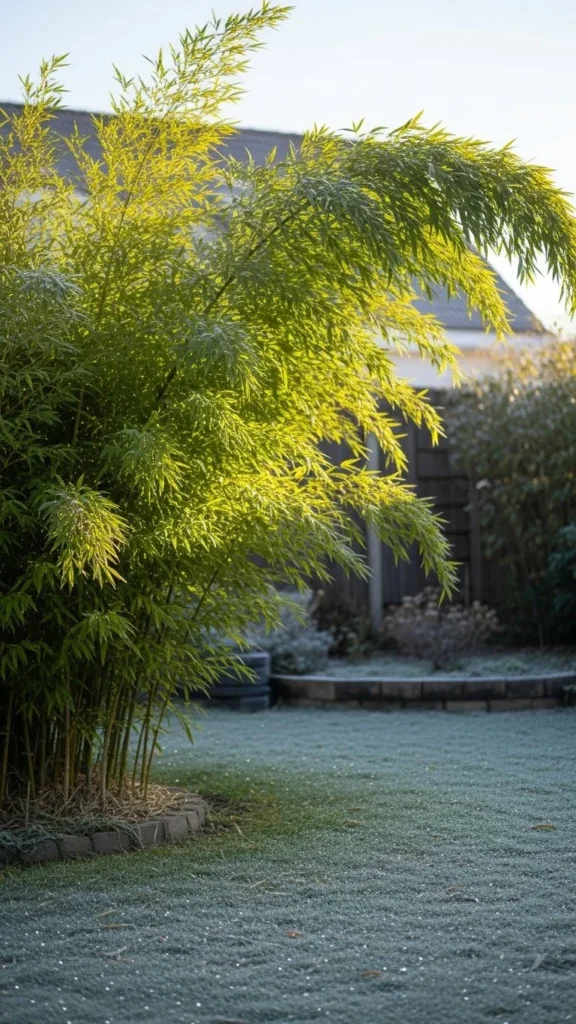
There’s something special about seeing lush green bamboo when the rest of the garden looks quiet and bare. Winter-friendly bamboo can add privacy, movement, and color even in the coldest months—if you choose and care for it the right way.
This guide breaks everything down into simple, realistic steps. No complicated gardening terms. Just practical advice you can actually use.
Understanding What “Winter-Friendly” Bamboo Really Means
Not all bamboo loves cold weather. Some types turn brown or drop leaves when temperatures dip. Winter-friendly bamboo is cold-hardy and keeps its color even when frost hits.
Key things to know:
- Bamboo comes in clumping and running types
- Cold-hardy varieties are usually clumping
- Leaf curl in winter is normal and helps prevent moisture loss
If your bamboo stays green, curls slightly, and rebounds in spring, it’s doing exactly what it should.
Choose the Right Bamboo Varieties for Cold Weather
This step matters more than anything else. Start with the right plant and everything gets easier.
Good winter-friendly bamboo options:
- Fargesia varieties (great for colder zones)
- Phyllostachys types for milder winters
- Slow-spreading or clumping bamboo for easier control
Look for labels that mention:
- Cold tolerance
- Evergreen foliage
- Zone compatibility with your area
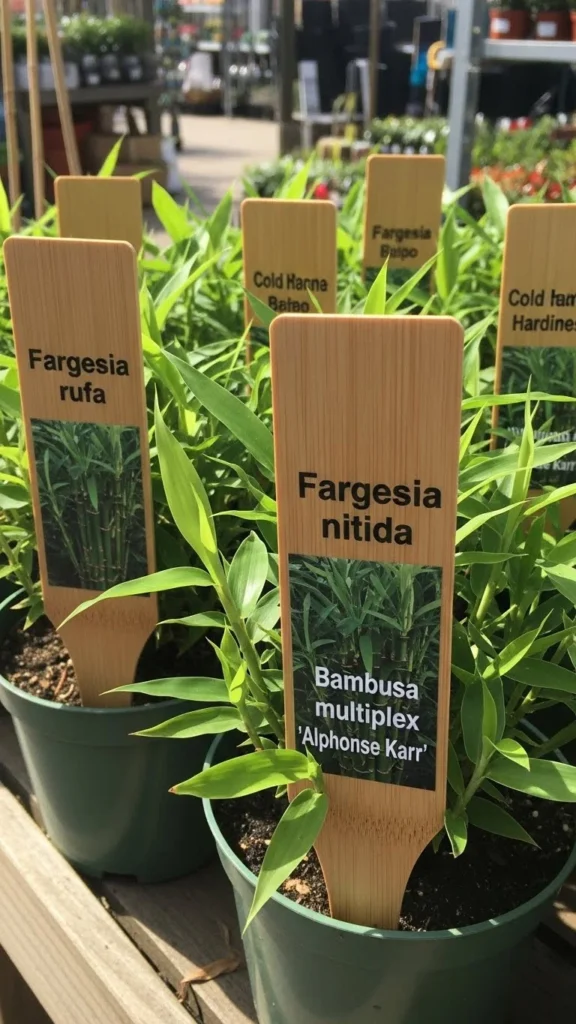
Tip: When in doubt, ask local nurseries what survives winter in your region. They know what works.
Pick a Smart Planting Spot That Blocks Winter Stress
Location can make or break winter bamboo success.
Best placement tips:
- Choose a spot with morning sun
- Protect plants from strong winter winds
- Avoid low areas where cold air settles
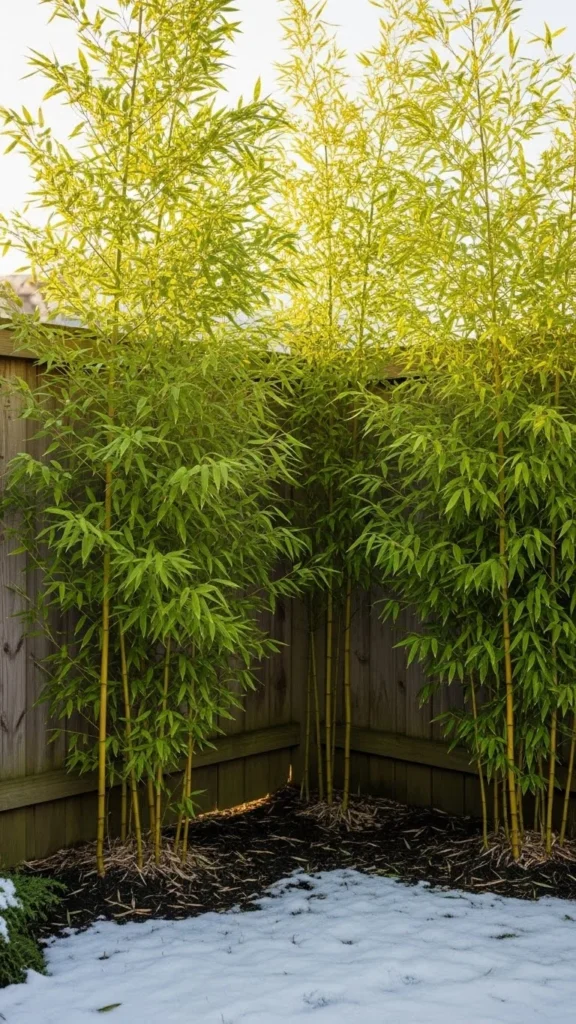
Walls, fences, and hedges help trap warmth and reduce drying winds. Even a small wind break can make a big difference.
Prepare Soil That Holds Moisture Without Freezing Solid
Healthy roots = green leaves all winter.
Before planting:
- Loosen soil deeply
- Mix in compost for insulation
- Improve drainage if soil stays soggy
Bamboo roots don’t like sitting in water during winter. Good drainage prevents root damage when temperatures drop.
Quick soil checklist:
- Crumbly, not compacted
- Drains well but stays slightly moist
- Rich in organic matter
Mulch Like a Pro for Winter Protection
Mulch is your bamboo’s winter blanket.
Apply:
- 3–4 inches of mulch around the base
- Straw, shredded leaves, or bark mulch work well
- Keep mulch a few inches away from the stalks
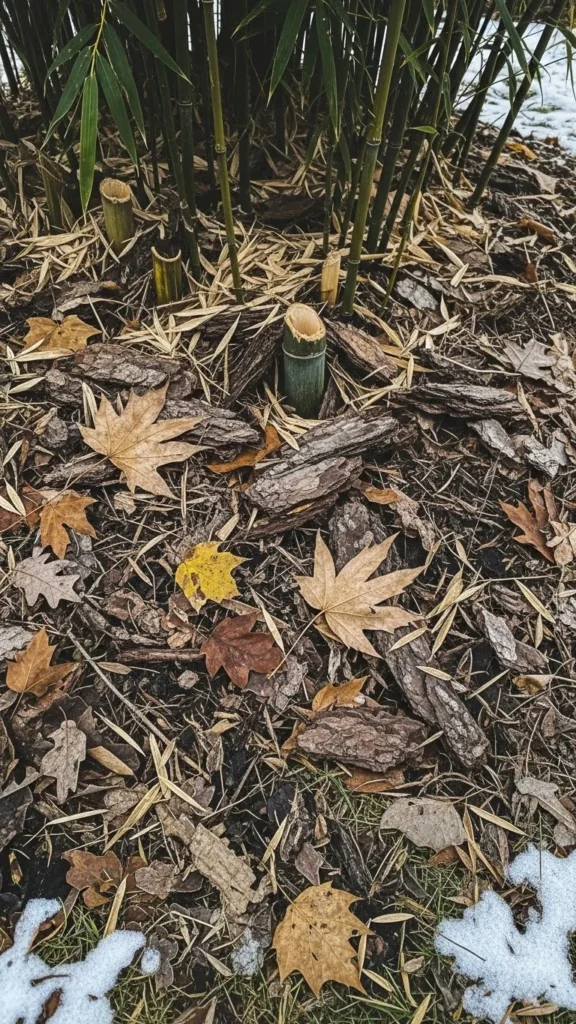
Mulch helps:
- Regulate soil temperature
- Prevent freeze-thaw damage
- Lock in moisture
Water Correctly Before and During Winter
Many people stop watering too early. That’s a mistake.
Bamboo needs moisture before winter dormancy.
Watering tips:
- Deep water before the ground freezes
- Continue light watering during dry winter spells
- Avoid watering frozen soil
Dry roots lead to brown leaves—even if temperatures are mild.
Expect Normal Winter Changes (Don’t Panic)
Even winter-friendly bamboo looks different in cold months.
Normal signs:
- Leaf curl during cold or wind
- Slight yellowing on older leaves
- Slower growth
What’s not normal:
- Blackened stalks
- Mushy roots
- Complete leaf drop
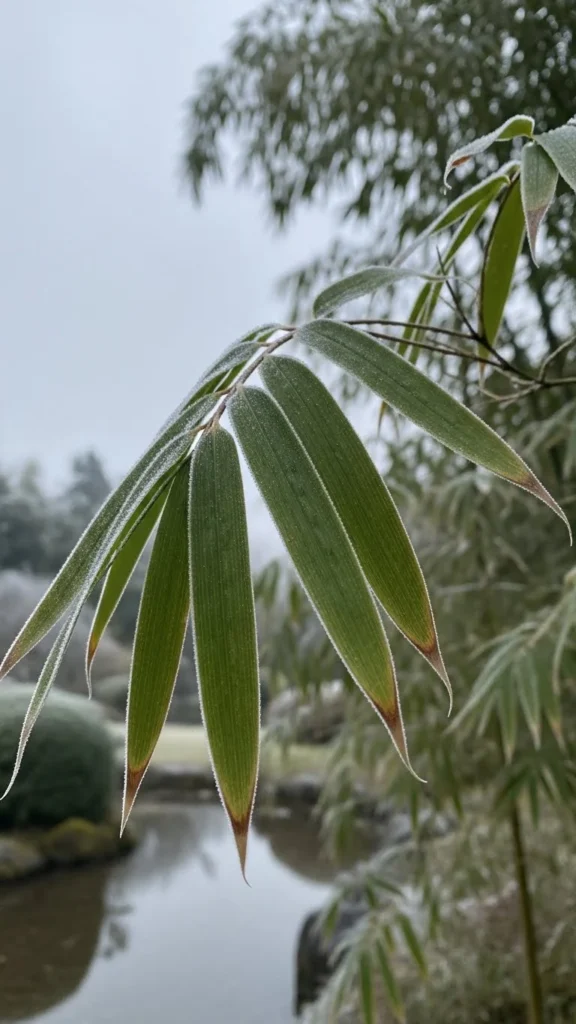
Most bamboo bounces back beautifully in spring once temperatures rise.
Simple Maintenance That Keeps Bamboo Green
You don’t need fancy tools or routines.
Easy winter care:
- Remove dead leaves in early spring
- Avoid heavy pruning in winter
- Check mulch after storms
Skip fertilizing until spring. Feeding during winter can stress the plant.
Growing Bamboo in Containers for Cold Climates
Short on space? Containers work too.
Container tips:
- Use large, insulated pots
- Elevate slightly for drainage
- Wrap pots with burlap in very cold areas
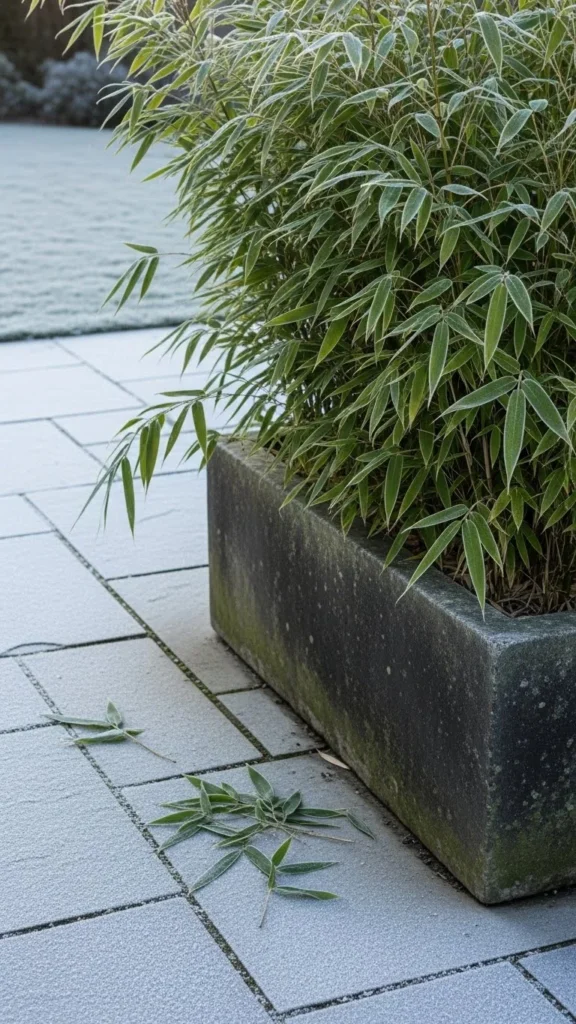
Container bamboo needs more attention but gives great flexibility.
Final Takeaway
Winter-friendly bamboo is one of the easiest ways to keep your garden looking alive all season. With the right variety, smart placement, and simple care, you’ll enjoy green privacy and movement even when everything else rests.
Save this guide for later and start planning your winter-green bamboo setup today!

Leave a Reply