

Growing medicinal plants in winter might sound intimidating, but some varieties thrive in chilly weather and stay potent even when the temperatures drop. Whether you’re stocking up for homemade teas, salves, or soothing remedies, winter-hardy medicinal plants can become your garden’s secret powerhouse. The key is knowing which plants to choose and how to give them the right conditions to flourish.
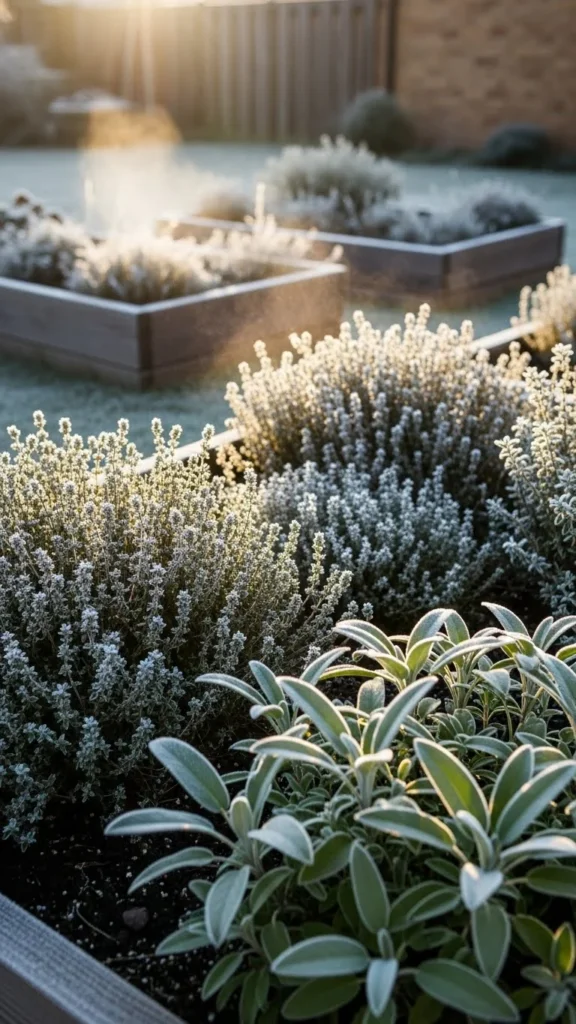
Choose the Right Cold-Hardy Medicinal Plants
Not all herbs can handle winter, but many medicinal powerhouses remain strong and fragrant through the cold. Start by selecting varieties that naturally withstand low temperatures.
Great winter-hardy medicinal plants:
- Thyme – packed with immune-boosting properties.
- Sage – known for soothing throat discomfort.
- Yarrow – a classic for seasonal wellness.
- Chamomile – survives mild winters and offers calming benefits.
- Echinacea – its roots stay potent even through frost.
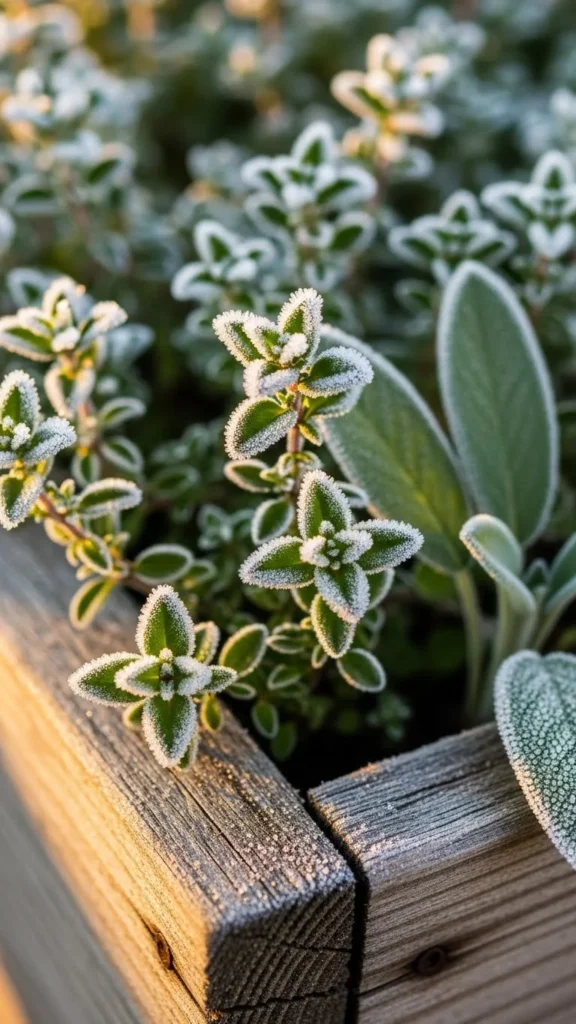
Plant these herbs in raised beds, containers, or protected corners of your garden. Choosing the right spot early on sets the tone for strong winter growth.
Prep the Soil Before the Cold Arrives
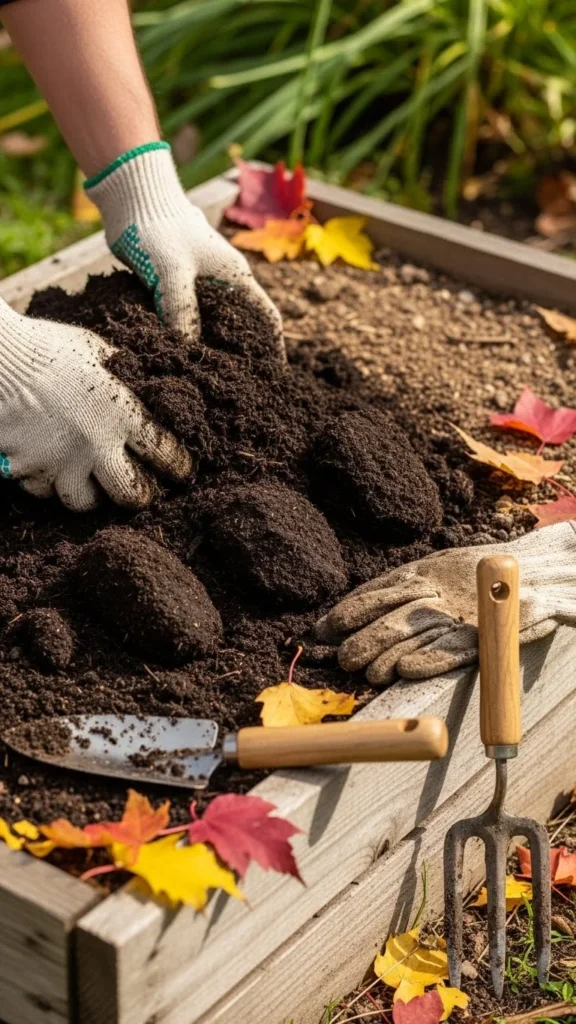
Healthy soil equals healthier medicinal plants, especially in winter. Cold weather slows nutrients, so you want your soil rich and ready before temperatures drop.
Here’s how to create winter-ready soil:
- Mix in compost or leaf mold to improve structure.
- Add organic matter like shredded leaves for warmth.
- Ensure drainage is excellent so roots don’t sit in cold water.
- Test the pH and adjust if needed (most herbs prefer 6.0–7.5).
Good soil acts like a warm blanket, helping plants hold onto their essential oils—which keeps their medicinal benefits strong.
Protect Your Plants Without Overheating Them
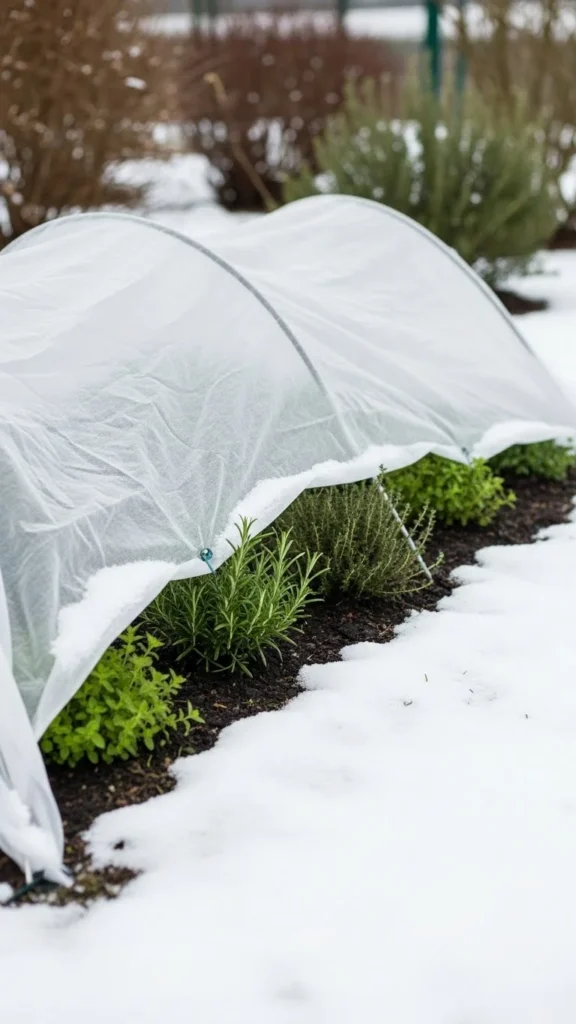
Even the hardiest medicinal herbs appreciate a little winter protection. The trick is giving them warmth without trapping too much moisture.
Gentle winter protection ideas:
- Mulch thickly with straw, shredded leaves, or pine needles.
- Use row covers to block frost but allow airflow.
- Try cloches (plastic domes) for smaller herbs like chamomile.
- Group container plants together to shield them from wind.
Avoid covering plants with plastic directly—this traps condensation and can freeze your herbs when temperatures swing.
Water Wisely During Cold Months
Winter watering is all about balance. Too much water can freeze around roots, but too little can dry out your plants since cold air removes moisture quickly.
Keep these simple tips in mind:
- Water early in the day so moisture can absorb before nighttime frost.
- Only water when the top inch of soil feels dry.
- Avoid wetting the foliage—focus on the base of the plant.
- Use lukewarm (not hot) water to avoid shocking roots.
Cold weather makes plants grow slower, but they still rely on consistent moisture to stay potent and vibrant.
Harvest Slowly for Maximum Potency
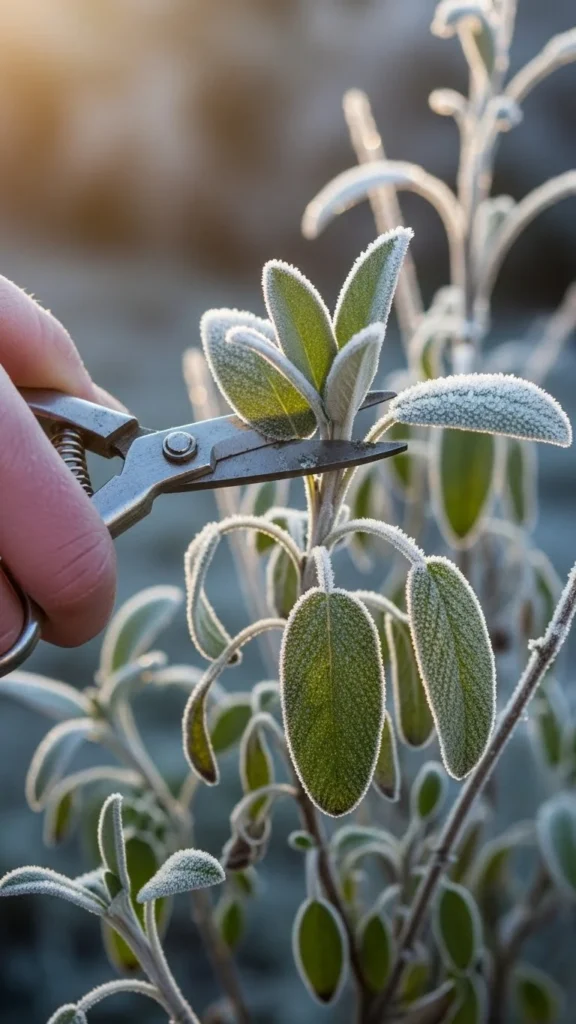
Winter herbs pack flavor and medicinal power when harvested correctly. The cold actually concentrates oils, making many herbs stronger than they are in warmer months.
Smart winter harvesting steps:
- Pick leaves during midday when temperatures are highest.
- Never cut more than one-third of the plant at once.
- Use clean shears to prevent damage.
- Store herbs in breathable containers so they don’t mold.
For roots like echinacea or horseradish, wait for deep dormancy before harvesting—this is when their medicinal qualities peak.
Encourage Regrowth With Light Winter Care
Even though growth slows in winter, your plants still appreciate a little attention. A few small practices can keep your herbs strong until spring returns.
Easy winter maintenance ideas:
- Remove damaged or blackened leaves after frost.
- Check for pests hiding under mulch.
- Keep walkways around garden beds clear so plants get enough sunlight.
- Rotate container herbs slightly each week for even exposure.
These tiny efforts help your medicinal plants stay resilient and potent—ready for teas, balms, or tinctures whenever you need them.
Final Takeaway
Growing winter medicinal plants is easier than you think. With the right herbs, soil preparation, and simple protection techniques, you can enjoy potent, cold-hardy remedies right from your backyard—even in the chilliest months.
Save this guide for later and keep your winter garden thriving!

Leave a Reply