

Winter gardens don’t have to feel flat or lifeless. When everything else fades back, ornamental grasses step in with movement, structure, and quiet beauty. Their feathery plumes sway in the wind, frost clings to their blades, and dried seed heads catch the light in ways few plants can.
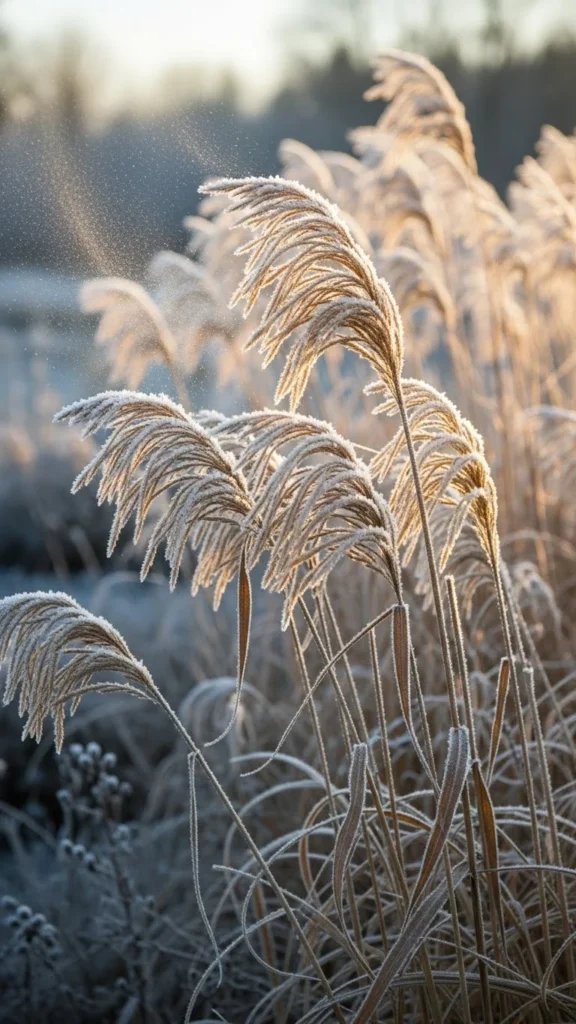
If you want your garden to look intentional even in the cold months, winter ornamental grasses are one of the easiest upgrades you can make. Here’s how to grow them successfully—and enjoy their texture all season long.
Why Ornamental Grasses Shine in Winter
Ornamental grasses do more than fill space. In winter, they become the main attraction.
They add:
- Movement when everything else feels still
- Vertical interest in flat winter landscapes
- Soft texture that balances hard surfaces like stone and wood
- Wildlife value, offering shelter for birds
Many gardeners make the mistake of cutting grasses down too early. Leaving them standing through winter lets you enjoy their full beauty when the garden needs it most.
Choosing the Right Winter Ornamental Grasses
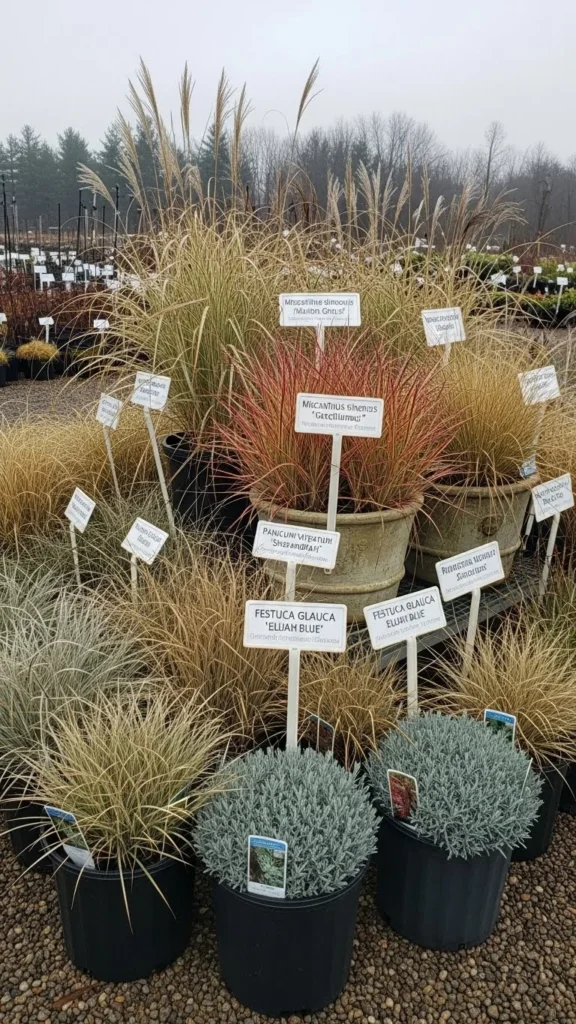
Not all grasses are created equal for winter impact. Look for varieties known for strong stems and long-lasting seed heads.
Great winter-performing options include:
- Feather reed grass
- Switchgrass
- Little bluestem
- Maiden grass
- Blue oat grass
Focus on grasses labeled as cold-hardy for your growing zone. Taller varieties work well as backdrops, while shorter clumping grasses shine along paths and borders.
Best Planting Time and Placement
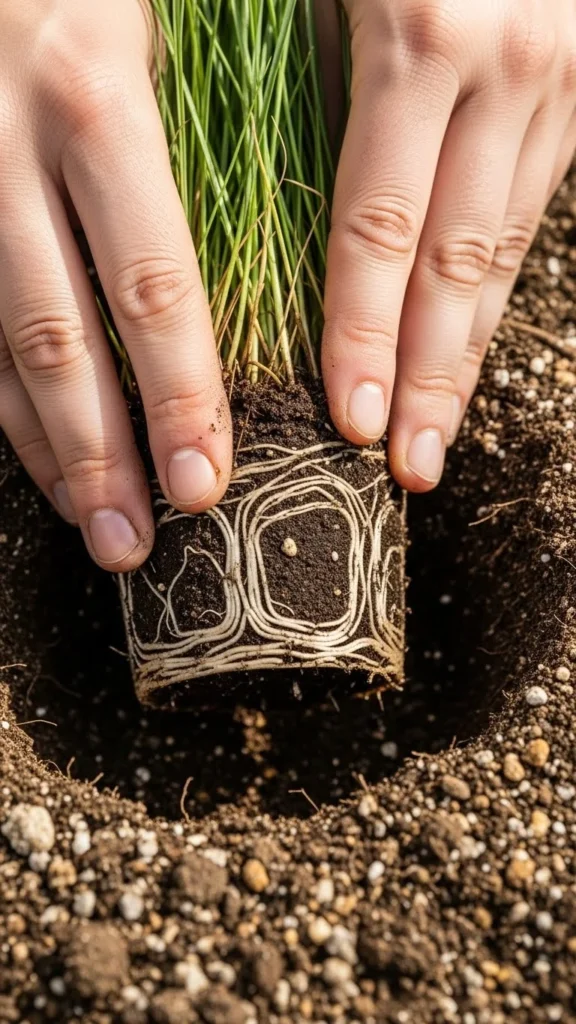
The best time to plant ornamental grasses is late spring to early fall, giving roots time to establish before winter.
When deciding where to plant, think visually:
- Place grasses where wind can move through them
- Use them near fences, walls, or walkways for contrast
- Group grasses in odd numbers for a natural look
Avoid low, soggy areas. Most ornamental grasses prefer well-draining soil, especially in colder months.
Soil, Water, and Feeding Basics
Ornamental grasses are refreshingly low-maintenance once established.
Keep these basics in mind:
- Soil: Well-draining soil is essential
- Water: Water deeply the first season, then reduce
- Feeding: Skip heavy fertilizers; too much can cause floppy growth
In fall, stop fertilizing completely. Leaner soil helps grasses hold their shape through winter winds.
Should You Cut Back Grasses Before Winter?
This is one of the most common questions—and the answer surprises many gardeners.
Don’t cut them back in fall.
Leaving grasses standing:
- Protects the crown from cold damage
- Adds winter interest and movement
- Traps snow, insulating the roots
Wait until late winter or early spring to cut them down, just before new growth appears. Use clean shears and cut a few inches above the ground.
How to Keep Grasses Looking Good All Winter
A little prep goes a long way.
Simple winter care tips:
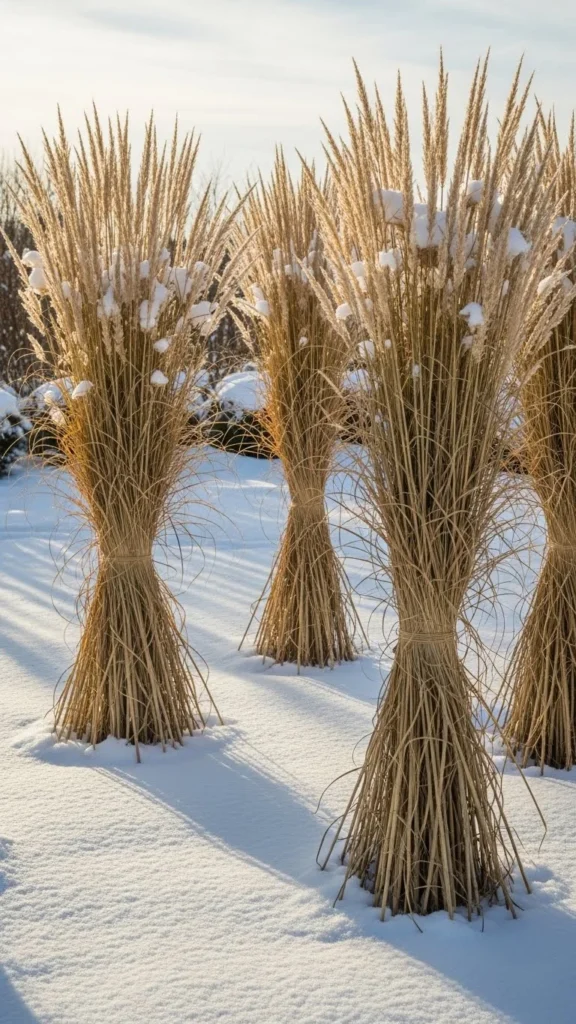
- Tie very tall grasses loosely to prevent splitting
- Clear heavy wet snow gently if needed
- Avoid walking on frozen grass clumps
Even when dried, grasses hold beauty. Their faded colors, from straw gold to soft silver, are part of the charm.
Using Ornamental Grasses in Winter Garden Design
Think beyond planting in straight lines.
Design ideas that work beautifully in winter:
- Mix grasses with evergreen shrubs
- Use grasses as borders along paths
- Plant near outdoor seating areas for movement views
- Pair with winter containers and garden art
Grasses soften the garden’s edges and make even simple spaces feel layered and intentional.
Common Mistakes to Avoid
Even easy plants have a few pitfalls.
Avoid these common issues:
- Cutting grasses too early
- Overwatering in winter
- Planting in heavy clay without drainage
- Using too much fertilizer
If your grasses flop or thin out, they’re usually telling you they’re getting too much attention.
Final Takeaway
Winter ornamental grasses bring life to the quietest season. With minimal care, they offer texture, motion, and structure when your garden needs it most.
Plant them once, let them stand tall through winter, and enjoy a landscape that still feels alive—even on the coldest days.
Save this guide for later and start planning your winter garden glow-up today.

Leave a Reply