

Winter gardening might sound impossible, but root vegetables are tougher than they look. In fact, many of them sweeten after a few frosts. If you’ve ever wondered how gardeners pull crisp carrots or hearty parsnips from icy soil, you’re about to learn the secrets.
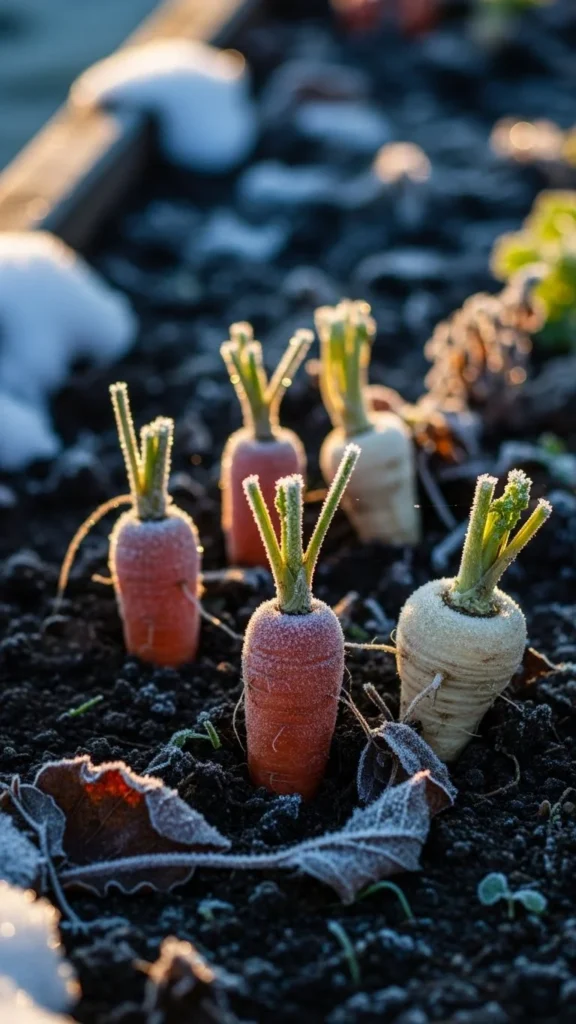
This guide walks you through simple, practical steps to grow root vegetables that not only survive but thrive when temperatures dip below freezing.
Choose the Toughest Winter Root Vegetables
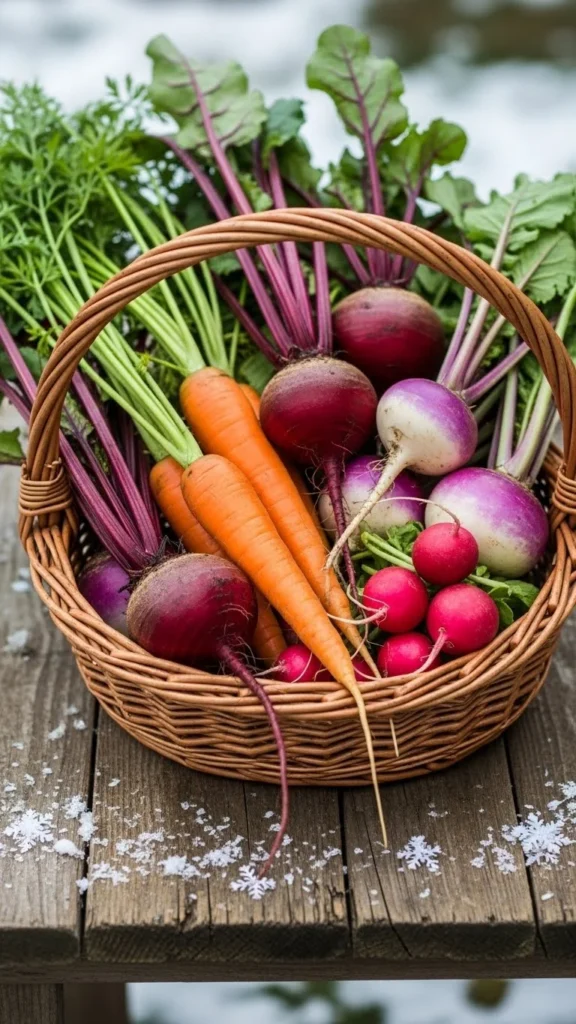
Some root crops naturally handle frosty soil. Start with varieties known to withstand cold temperatures.
- Carrots
- Parsnips
- Turnips
- Beets
- Rutabagas
- Radishes
These vegetables grow deep underground, protected by layers of soil that stay slightly warmer than the surface.
Prepare the Soil Before the Freeze
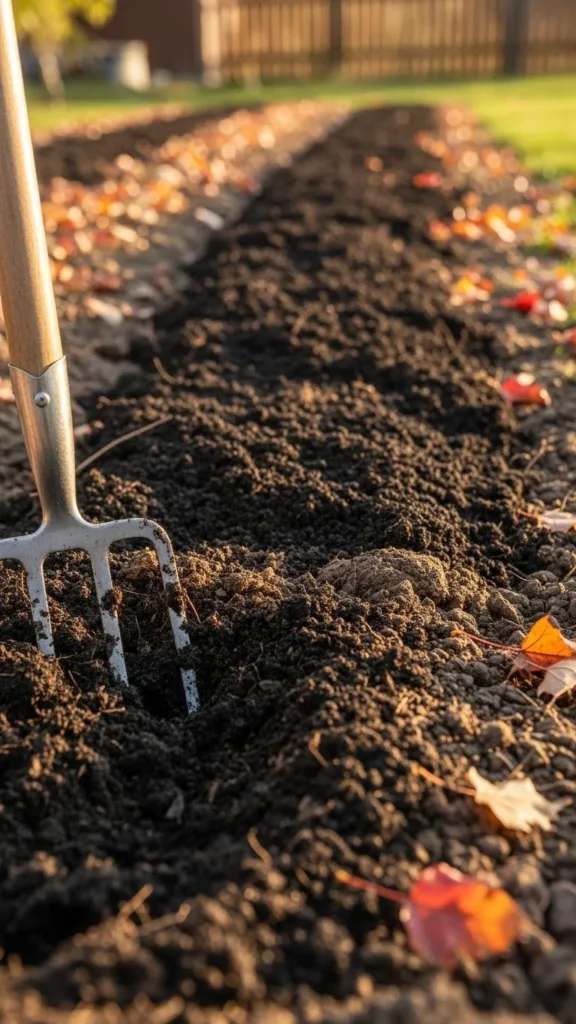
Good soil is the foundation of winter root crops. Because frozen soil can feel like concrete, your garden beds need extra prep in the fall.
- Loosen soil 10–12 inches deep.
- Mix in compost to keep it fluffy and drain well.
- Remove rocks or debris that could distort roots as they grow.
Once temperatures drop, the soil becomes harder to dig—so get everything ready early.
Plant Early Enough for Establishment
Winter root vegetables don’t grow actively in the cold—they survive it. That means they must mature before the ground freezes solid.
Ideal planting times:
- Late summer
- Early fall
Aim for at least 6–8 weeks of growing time before the first hard frost. This gives the roots time to bulk up and anchor deep.
Use Mulch to Protect Roots From Deep Freeze
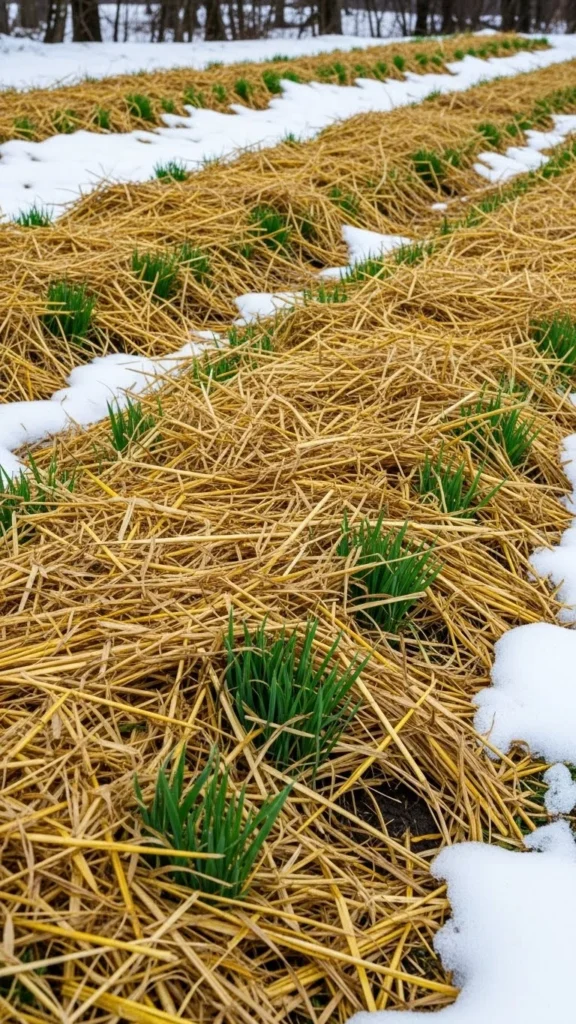
Mulch is your best friend during winter gardening. A thick layer helps keep soil insulated so your vegetables don’t freeze solid.
Use materials like:
- Straw
- Fall leaves
- Pine needles
- Wood chips
Spread 3–6 inches of mulch after the first frost. This helps “lock in” cold without allowing the soil to freeze too deeply.
Grow in Raised Beds for Extra Warmth
Raised beds stay warmer than ground-level soil because they drain better and heat up faster.
Advantages include:
- Early planting
- Better root shape
- Reduced waterlogging
- Longer harvest window
If you live in a place with heavy freezes, raised beds can make the difference between success and disappointment.
Keep Watering—Even in Winter
It’s easy to forget that winter crops still need moisture. If your soil stays dry before a freeze, the roots can become tough.
Tips for winter watering:
- Water during warmer daytime hours.
- Avoid overwatering to prevent soggy soil.
- Check moisture under mulch every 7–10 days.
Once deep winter sets in, rain or snow usually provides enough.
Harvest Through the Winter
One of the joys of growing root vegetables in cold climates is harvesting them when the rest of the garden sleeps.
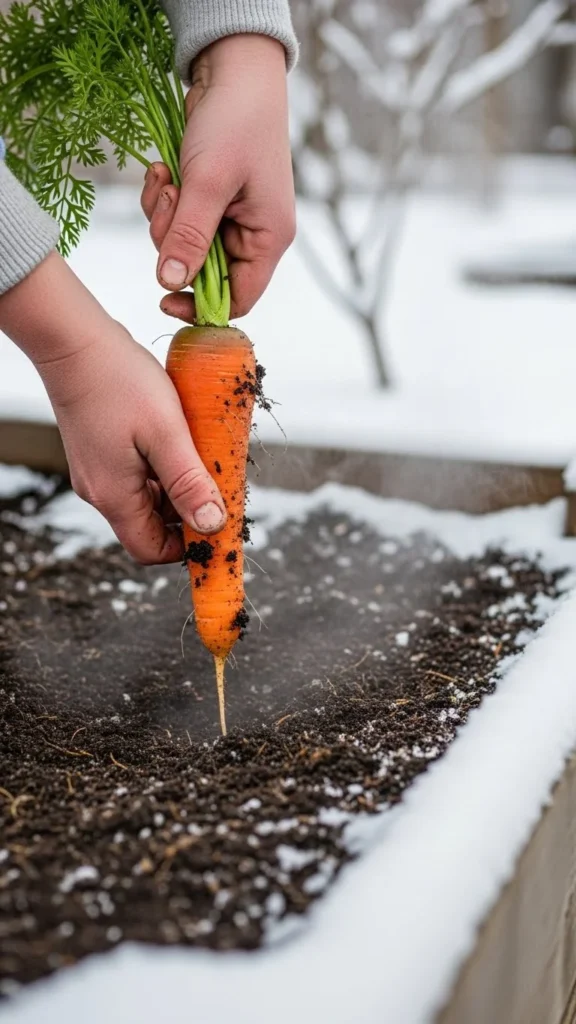
Cold temperatures actually improve flavor—carrots and parsnips become sweeter as starches convert to natural sugars.
To harvest in frozen soil:
- Move mulch aside.
- Use a garden fork to gently loosen soil.
- Pull roots slowly to avoid breaking them.
If the ground is extremely frozen, wait for a sunny afternoon when the top layer softens.
Store Your Root Vegetables the Right Way
Once harvested, winter roots keep well for weeks or months.
Easy storage options include:
- Crates filled with sand
- Paper bags in a cool pantry
- Wooden boxes in the garage or shed
- The crisper drawer in your fridge
Keep them unwashed until use—removing soil shortens storage life.
Bonus Tips for Success
- Choose cold-hardy varieties labeled “winter” or “storage.”
- Thin seedlings early so roots grow straight.
- Keep weeds low to reduce competition.
- Try succession planting for a longer harvest season.
- Add extra mulch before storms or cold snaps.
Final Takeaway
Growing winter root vegetables isn’t just possible—it’s rewarding, budget-friendly, and delicious. With a little fall preparation and some simple protection, you can enjoy crisp, sweet roots even when everything else is frozen solid.
Save this guide for later and come back to it each winter!

Leave a Reply