

Evergreens are the heroes of winter gardens. When everything else turns brown or disappears under layers of frost, these hardy plants stay bold, green, and full of life. But even evergreens need a little extra care when temperatures dip and icy winds begin to blow. With the right steps, you can help your trees and shrubs stay lush, bright, and healthy all season long.
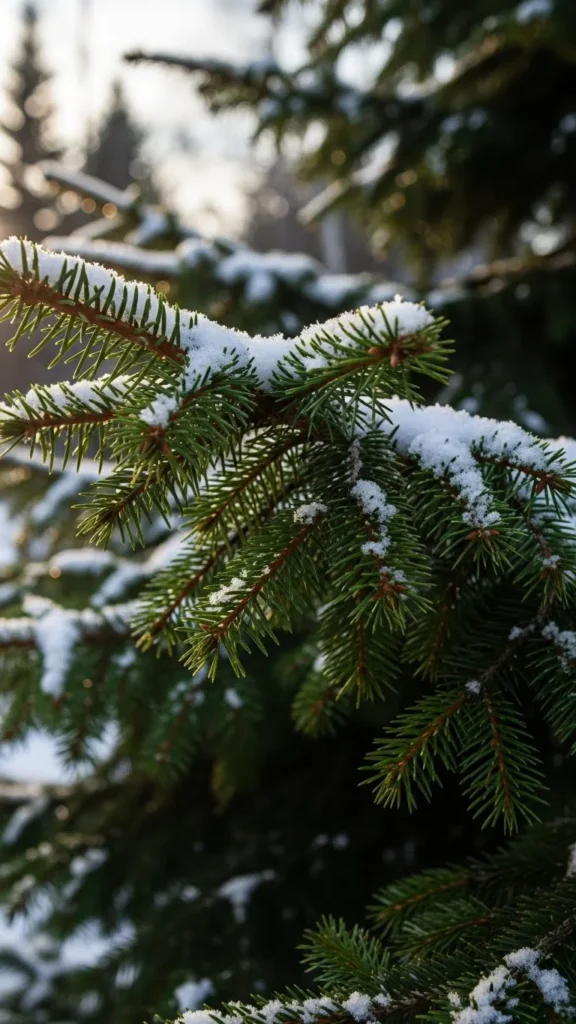
Below, you’ll find simple, beginner-friendly ways to protect your evergreens and keep them glowing through even the coldest months.
Understand What Evergreens Need in Winter
Evergreens don’t go fully dormant in winter, which means they still lose moisture—especially through their needles. Cold winds and frozen ground can make it hard for them to replace that moisture.
Here’s what that means for you:
- They need proper watering before the freeze.
- They need protection from harsh winds.
- They benefit from extra support around their roots.
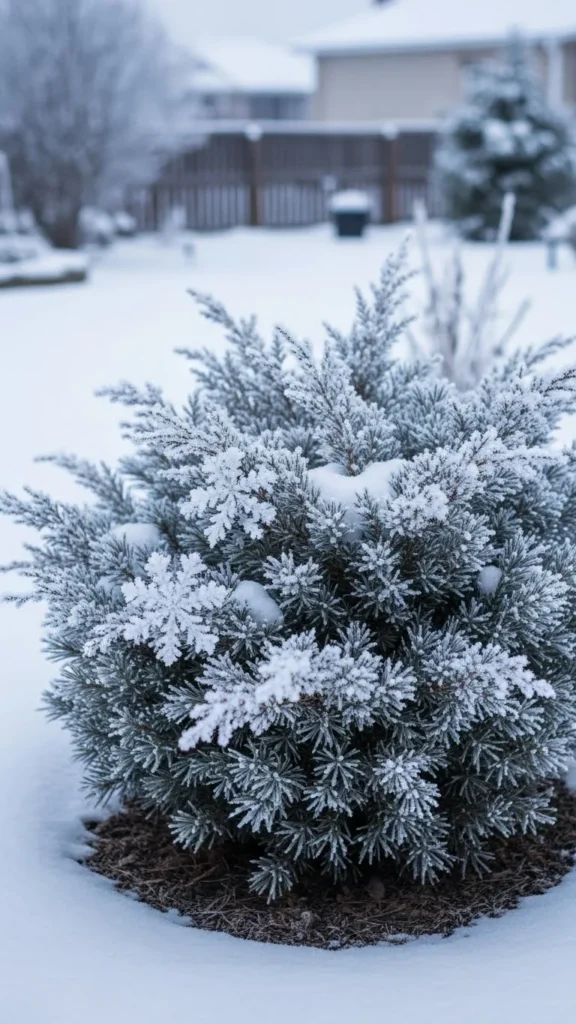
Keeping these basics in mind will help you understand the “why” behind every care step.
Water Deeply Before the Ground Freezes
Moisture is a winter survival essential for evergreens. Once the soil freezes, the roots can’t pull in more water, so the plant has to rely on whatever it already stored.
How to do it:
- Water deeply in late fall, especially after a dry autumn.
- Make sure the soil is damp—not soggy—before the first hard freeze.
- Continue watering during winter warm spells if the ground thaws.
Deep watering keeps the needles greener and reduces winter browning.
Mulch to Lock in Moisture and Insulate Roots
Mulch acts like a cozy blanket for your evergreens. It helps regulate soil temperature and keeps the roots from drying out.
What to use:
- Shredded bark
- Wood chips
- Leaf mold
- Pine needles
Aim for a 2–4-inch layer around the base of each plant.
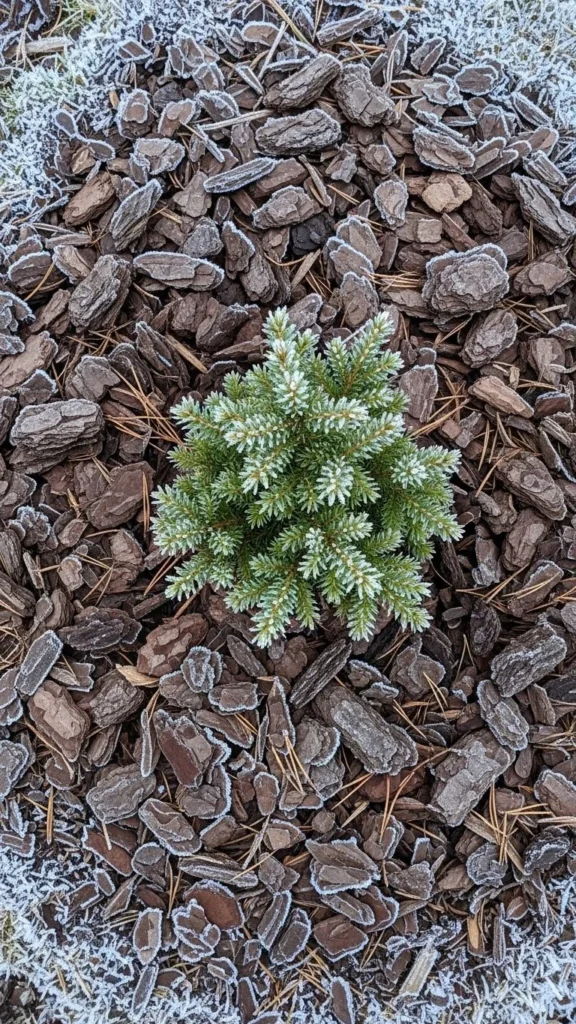
Just remember to leave a little space around the trunk to prevent rot.
Create Wind Protection for Exposed Evergreens
Harsh winter winds can pull moisture out of evergreen needles faster than the plant can replace it. This causes the classic symptom: winter burn.
Simple ways to protect them:
- Place burlap screens on the windy side using two or three stakes.
- Wrap sensitive shrubs loosely in breathable burlap.
- Use nearby fences or walls to create a natural barrier.
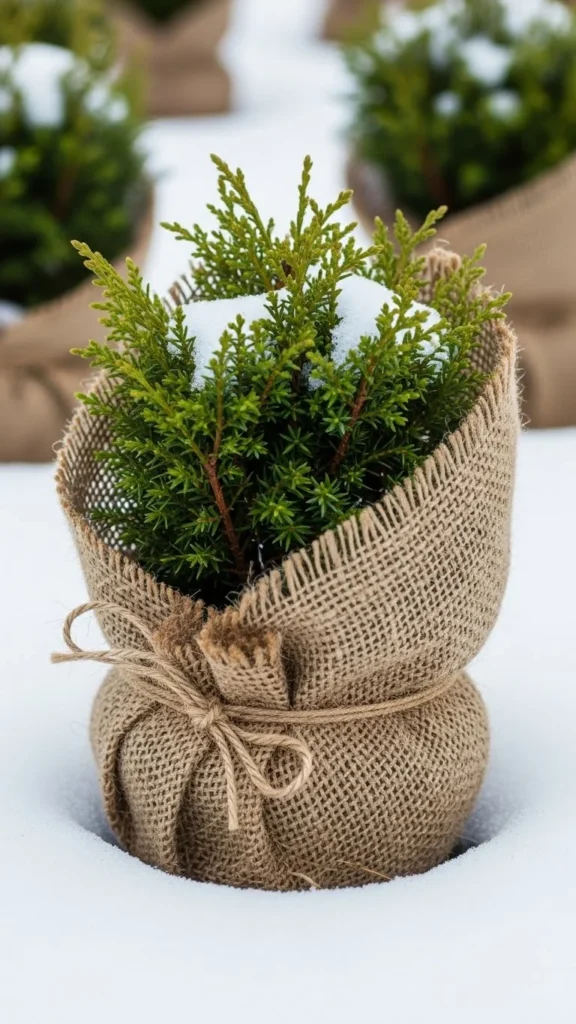
Avoid using plastic, which traps moisture and can damage foliage.
Prune Smartly Before Winter Arrives
Pruning helps evergreens hold their shape and prevents branches from snapping under heavy snow. But timing matters—late fall or early winter is ideal.
Tips:
- Remove damaged or weak branches first.
- Avoid heavy pruning; keep it light and simple.
- Use clean, sharp tools to prevent tearing.
Evergreens maintain their shape more easily when lightly pruned before storms arrive.
Feed Evergreens at the Right Time
While it might seem like winter is the time to feed plants, that’s not true for evergreens. Fertilizing in winter can actually cause stress.
Instead:
- Feed in early spring or early fall.
- Use a slow-release formula designed for evergreens.
- Avoid fertilizing after early fall to prevent tender new growth that can’t handle frost.
Healthy evergreens going into winter are more likely to stay vibrant.
Monitor Snow and Ice Build-Up
Snow can be helpful—it insulates plants from cold winds. But heavy, wet snow or thick ice can bend or break branches.
What to do:
- Gently brush snow off branches using an upward motion.
- Never shake the branches (this can snap them).
- Avoid trying to break off ice—it’s safer to let it melt naturally.
This simple habit can prevent long-term damage.
Choose Naturally Hardy Evergreen Varieties
Some evergreens are simply built tougher. If you’re planning to plant new shrubs or trees, choose varieties that handle winter in your climate without extra fuss.
Great winter-hardy options include:
- Boxwood
- Mugo pine
- Spruce
- Arborvitae
- Yew
A little planning goes a long way in keeping your yard green year-round.
Final Tips for Winter Evergreen Success
- Water deeply before winter.
- Add a blanket of mulch.
- Shield from wind if needed.
- Prune lightly before heavy snow.
- Don’t fertilize too late in the year.
- Brush off heavy snow carefully.
A few simple habits make a huge difference in winter color and plant health.
Conclusion
Evergreens are beautiful anchors in a winter landscape, and with a bit of mindful care, they can stay bright, green, and full of life all season long. Whether you’re growing a few shrubs or an entire evergreen hedge, these simple steps keep your garden looking gorgeous even in freezing weather.
Save this guide for later to keep your evergreens thriving every winter!

Leave a Reply