

Winter brings quiet mornings, frosty gardens, and… surprise visitors. When temperatures drop, wildlife often wanders closer to homes searching for food and shelter. While they’re not trying to cause trouble, they can nibble plants, dig through mulch, or settle a bit too close to your porch. The good news? You can guide them away gently without harming them—or your yard.

Below is a simple, practical guide to keeping animals away in a kind, respectful way all season long.
Create a Less Inviting Yard Without Harming Wildlife
Wildlife arrives when they see an easy opportunity. Removing those opportunities is one of the simplest humane approaches.
Start with basics:
- Clear fallen fruit, spilled birdseed, or open compost.
- Move pet food indoors.
- Seal gaps under sheds or decks.
Even small changes make your yard less appealing as a winter “buffet.”
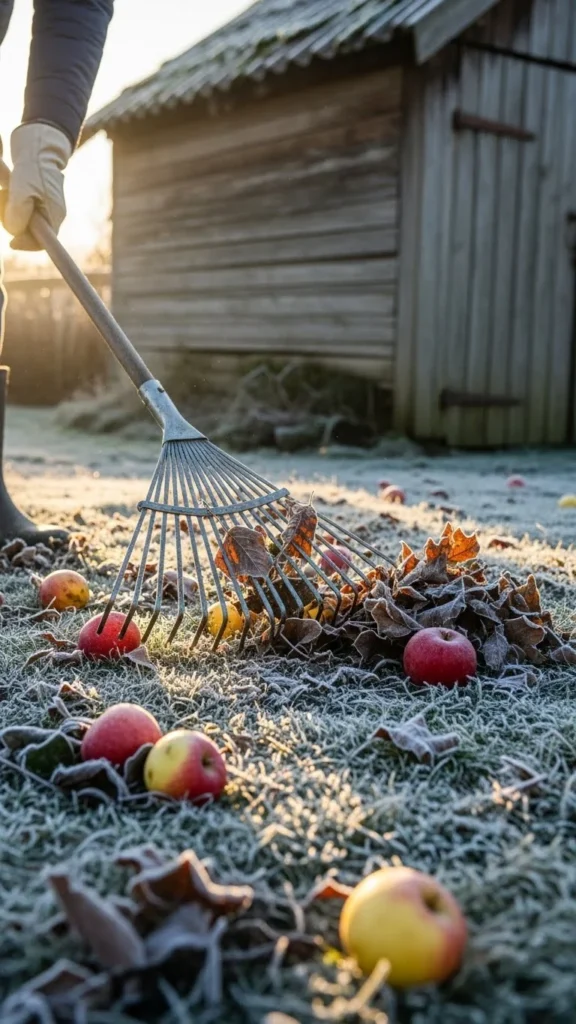
You don’t have to overhaul everything at once. Start by identifying “hot spots”—areas where animals consistently appear—and tighten those first.
Use Natural Scents Animals Prefer to Avoid
Many winter animals—like rabbits, raccoons, and deer—have incredibly sensitive noses. A few gentle scent-based deterrents can encourage them to turn around without stress.
Here are some safe, humane ideas:
- Crushed garlic around garden beds
- Citrus peels near vulnerable shrubs
- Peppermint-soaked cotton balls hidden near entry points
These scents fade in wind or snow, so plan to refresh them every few days.

This method works best for smaller animals or occasional visitors, and it blends neatly into any winter landscape.
Install Barriers That Blend Into Your Landscape
You don’t need heavy fencing to protect your space. Even low-profile barriers work surprisingly well.
Great options include:
- Mesh or wire garden cloches
- Decorative fencing around vulnerable plants
- Chicken-wire “collars” around tree bases
- Motion-activated lights (not harsh—just enough to startle gently)
These create boundaries without harming or frightening wildlife.

Before installing anything, walk your yard the way an animal might. Notice gaps, weak spots, or sheltered corners. A few small adjustments often solve the problem without needing large structures.
Offer Wildlife an Alternative Away From Your Home
Sometimes the most humane solution is simply redirecting animals—not rejecting them.
Try:
- Placing a brush pile at the far edge of your property to give small critters a warmer spot
- Growing a “sacrificial patch” of winter greens away from main garden beds
- Setting up a water dish far from the house (kept ice-free with a small, safe heater)
You’re not inviting animals to stay—just giving them a safer option farther away from your structures.
This approach works especially well in rural or wooded areas where wildlife has natural space to roam.
Use Noise or Motion for a Gentle Deterrent
Sound can be an effective, humane tool—especially when used gradually.
Some simple ideas:
- Wind chimes
- Rustling reflective streamers
- Garden spinners
- A motion-activated, low-brightness light
These don’t scare animals aggressively—they just interrupt their path long enough to make them reconsider wandering further.
Place them near high-traffic areas or delicate shrubs.
Seal Entry Points to Prevent Indoor Visitors
If wildlife makes its way indoors—like attics, basements, or garages—it’s essential to guide them out calmly and safely.
Here’s what to do:
- Leave a clear exit (like a propped door or window).
- Reduce noise to avoid frightening them.
- Once they leave, thoroughly inspect and seal openings.
Never trap animals inside. It creates stress and leads to unintentional harm. A humane exit plan is always best.
You can also add wire mesh around vents or along foundation lines to prevent repeat visits.
When to Call a Professional for Humane Removal
If an animal seems injured, aggressive, or persistent after multiple attempts, it may be time to call a wildlife professional who specializes in humane relocation.
Choose experts who:
- Use non-harmful traps
- Release animals safely in approved areas
- Understand local wildlife habits
- Avoid methods that cause injury or distress
This protects both you and the wildlife.
Final Takeaway
Keeping wildlife away in winter doesn’t have to involve harsh techniques. With simple, thoughtful, humane methods, you can protect your yard while respecting the animals that share your environment. Start with small steps, add barriers where needed, and redirect wildlife gently.
Save this guide for later—and enjoy a winter yard that stays peaceful, protected, and kind.

Leave a Reply