

Winter doesn’t mean your garden stops needing water—but frozen pipes can turn a helpful irrigation system into a costly headache fast. The good news? With a few smart adjustments, you can keep water flowing safely all season long without stressing about cracked lines or surprise leaks.
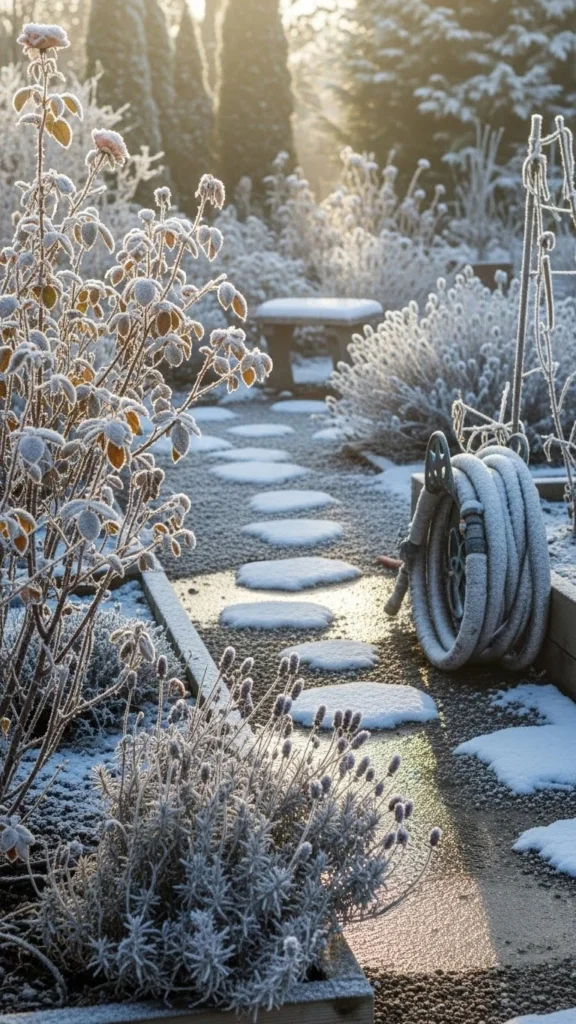
This guide breaks everything down into simple, practical steps. No complicated tools. No technical overwhelm. Just clear advice you can actually use when temperatures drop.
Why Winter Irrigation Needs a Different Approach
Cold weather changes how water behaves. Pipes freeze when water sits still. Soil absorbs moisture more slowly. Plants drink less but still need consistent hydration—especially evergreens and winter crops.
Winter irrigation is about controlled, minimal watering rather than abundance.
Key winter challenges include:
- Standing water freezing inside pipes
- Sudden temperature drops overnight
- Exposed connections and valves
- Overwatering dormant plants
Once you understand these risks, prevention becomes much easier.
Insulate Pipes, Valves, and Exposed Lines
Insulation is your first line of defense. Any part of your irrigation system exposed to cold air is vulnerable.
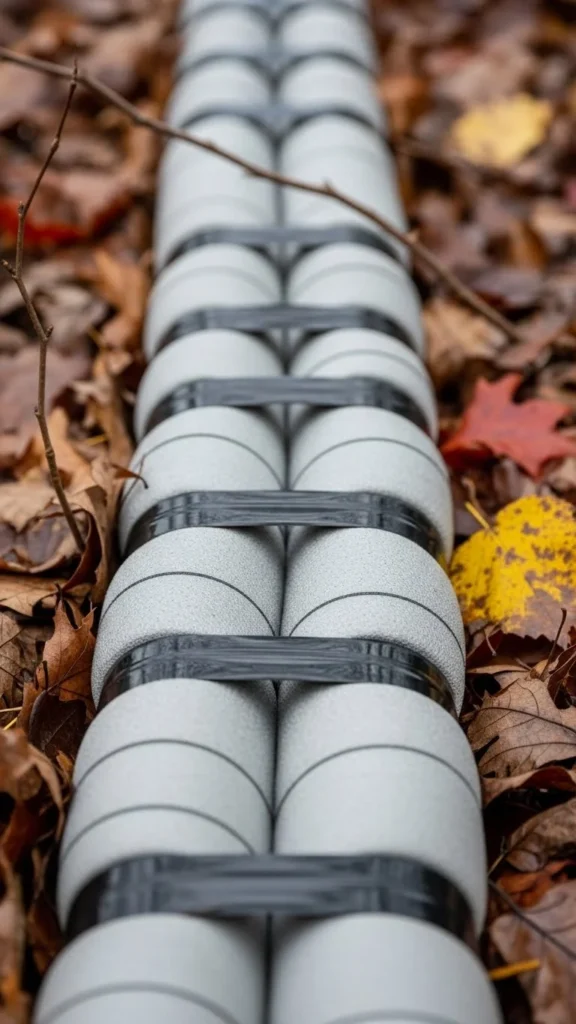
Focus on:
- Above-ground pipes
- Outdoor faucets and spigots
- Valve boxes and connectors
Easy insulation options:
- Foam pipe sleeves
- Weatherproof insulation tape
- Old towels covered with plastic wrap for temporary protection
Make sure insulation stays dry. Wet insulation loses effectiveness and can actually speed freezing.
Drain What You’re Not Using
Water left sitting in pipes is the biggest freezing risk. Draining unused lines removes the problem entirely.
Before deep winter sets in:
- Shut off water supply to unused zones
- Open drain valves fully
- Let gravity clear remaining water
For manual systems:
- Disconnect hoses completely
- Store them indoors or in a shed
- Tip valves downward so moisture escapes
This one step alone can prevent most winter pipe damage.
Use Timers Strategically (Yes, Even in Winter)
Timers aren’t just for summer. In winter, they help you water only when conditions are safest.
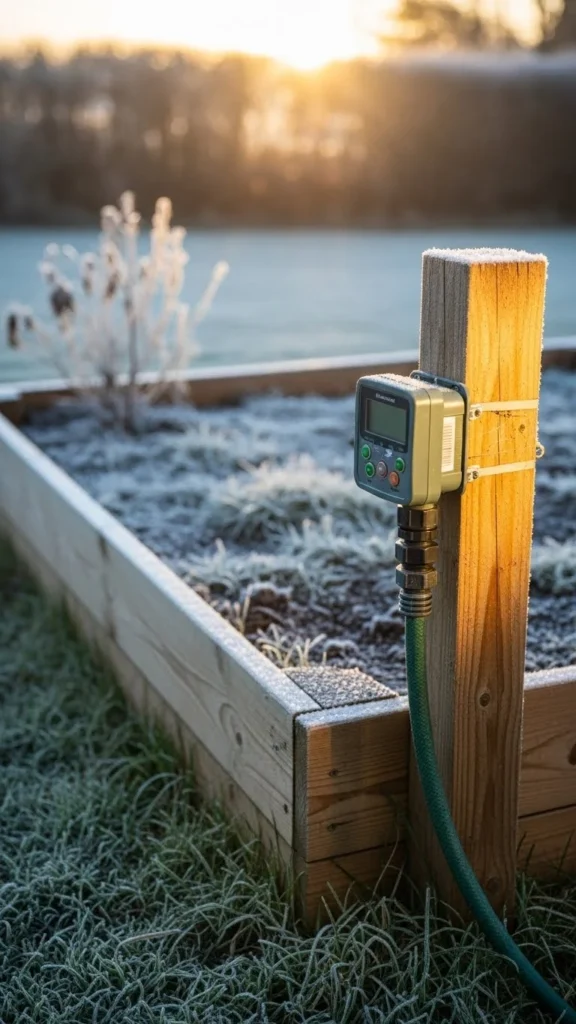
Best winter timer settings:
- Water late morning or early afternoon
- Avoid evening or overnight watering
- Short cycles instead of long soaks
Why it works:
- Air temperatures are highest mid-day
- Pipes have time to drain before nightfall
- Soil absorbs moisture without ice forming
If you don’t use timers, manual watering during warm daylight hours works just as well.
Switch to Low-Flow Irrigation Methods
High-pressure spray systems freeze faster and waste water in winter. Low-flow options are safer and more efficient.
Good winter-friendly choices:
- Drip irrigation
- Soaker hoses
- Micro emitters
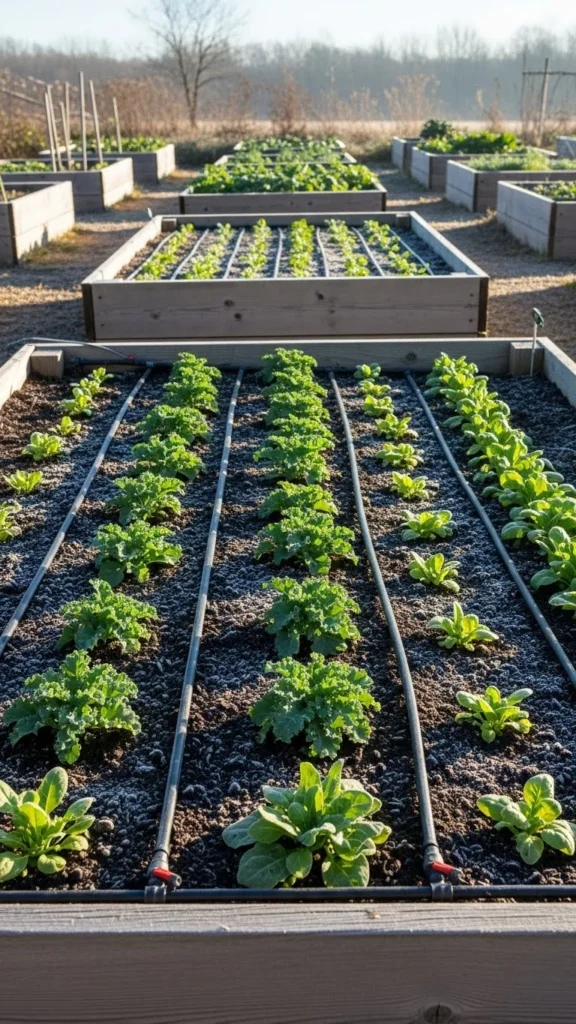
Why low-flow works better:
- Less standing water
- Slower movement reduces ice buildup
- Targeted moisture goes directly to roots
If you already use drip systems, winter is the season where they really shine.
Protect the Water Source Itself
Your system is only as safe as its starting point. Outdoor faucets, backflow preventers, and shutoff valves deserve extra attention.
Simple protection steps:
- Install insulated faucet covers
- Wrap backflow devices thoroughly
- Close and drain supply lines feeding irrigation
If you live in an area with hard freezes:
- Use a frost-free spigot if possible
- Keep valve boxes packed with insulation material
This reduces freezing pressure before water even enters the system.
Adjust How Much You Water (Less Is More)
Plants don’t need the same watering schedule in winter. Overwatering increases freeze risk and stresses roots.
General winter watering tips:
- Water only when soil is dry several inches down
- Skip watering before freezing nights
- Prioritize evergreens and winter crops
Dormant plants need moisture occasionally—but never soggy soil.
A simple rule: Water for plant health, not habit.
Watch the Weather and Stay Flexible
Winter weather changes quickly. The most reliable irrigation systems are the ones adjusted often.
Make it a habit to:
- Check weekly forecasts
- Pause watering during extended freezes
- Resume carefully during mild spells
This small awareness step prevents emergency repairs later.
Final Takeaway: Small Steps, Big Protection
Winter irrigation doesn’t have to be complicated. A little insulation, smart timing, and lower water flow go a long way toward protecting your pipes—and your plants.
Think of it as winter-proofing, not shutting down.
Save this guide for later, and your irrigation system will thank you when spring arrives.

Leave a Reply