

Winter can be brutal on plants, especially when the temperatures dip lower than expected. But the secret to helping your garden thrive—even in freezing weather—isn’t complicated. It starts with the soil. A heat-retaining soil mix acts like a cozy blanket, trapping warmth, keeping roots stable, and reducing winter shock. Whether you grow in pots, raised beds, or directly in the ground, you can mix your own winter-ready soil that protects your plants when the cold hits hardest.
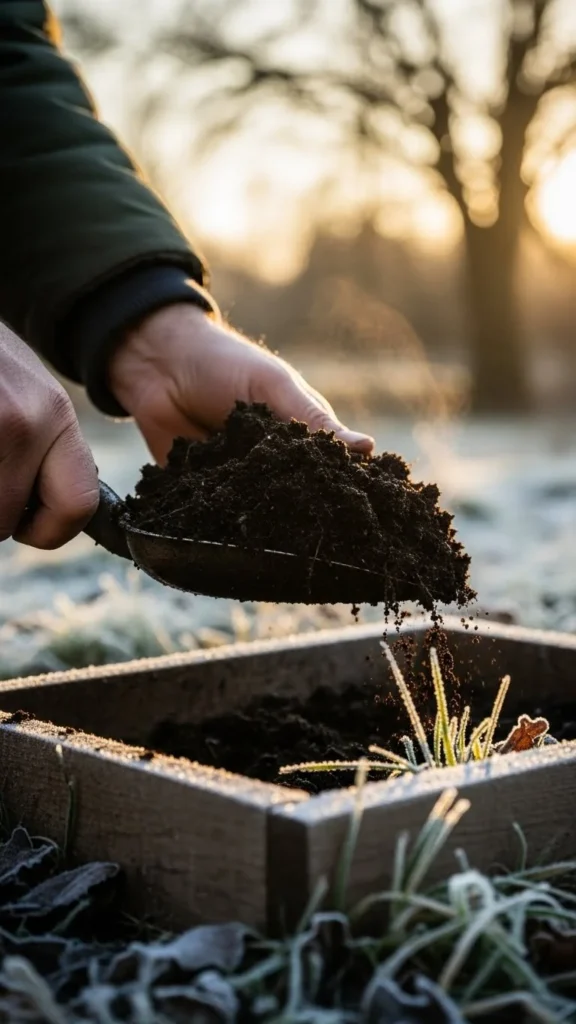
This guide breaks down simple, affordable recipes you can make at home—using materials you likely already have. Let’s get your winter soil game strong.
Why Heat-Retaining Soil Matters
Plants don’t just struggle with cold air—cold soil is often the real culprit. When soil temperature drops, roots slow down, moisture becomes harder to absorb, and plants get stressed.
Heat-retaining soil mixes help by:
- Holding warmth longer through the night
- Improving drainage to prevent root rot
- Keeping moisture evenly distributed
- Supporting healthy winter root development
Now let’s walk through soil mixes you can create today.
Mix #1: The Classic Warm-Soil Base
This mix is great for raised beds and winter vegetables. It focuses on organic matter that naturally holds warmth while improving structure.
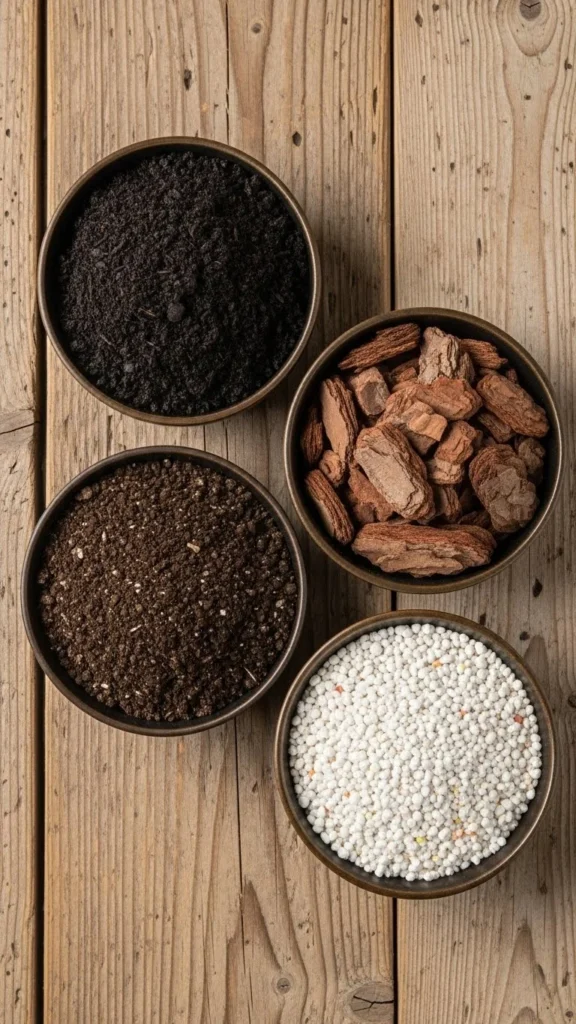
Ingredients You’ll Need
- Compost
- Fine bark or shredded wood
- Loam or garden soil
- Perlite or pumice
Tip: If you’re on a tight budget, shredded dried leaves work well in place of bark.
How to Make It
- Combine 2 parts compost, 1 part loam, 1 part bark, and ½ part perlite.
- Mix until the texture feels crumbly and warm to the touch.
- Add moisture slowly—just enough to feel damp but not soggy.
This blend excels at thermal stability, meaning it warms up during the day and releases heat slowly at night.
Mix #2: Insulated Potting Blend for Containers
Container plants are especially vulnerable because cold air hits them from all sides. This potting mix creates insulation that mimics a natural ground environment.
You’ll Need
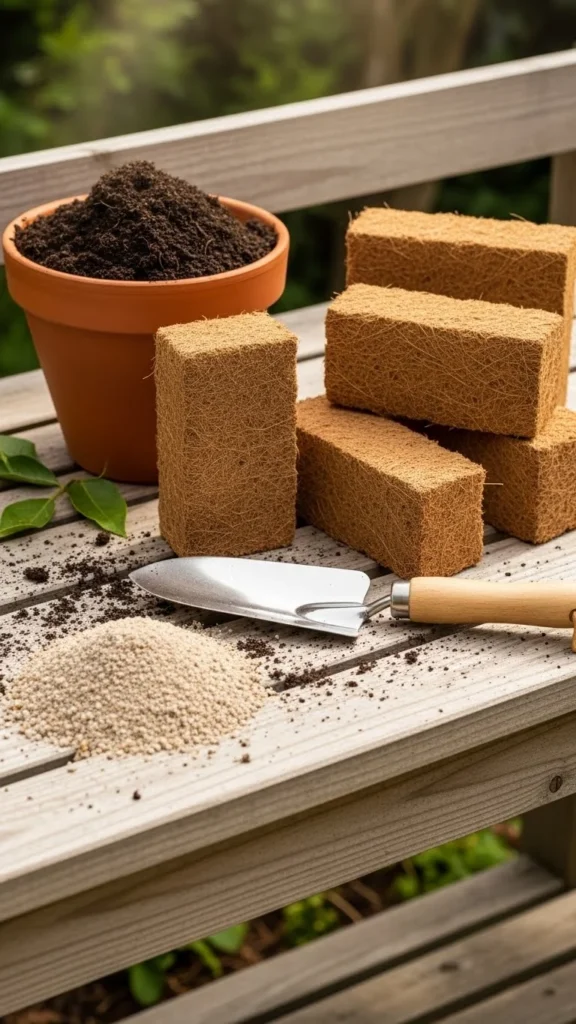
- Potting soil
- Coconut coir
- Sand (coarse)
- Worm castings (optional but amazing for root health)
Steps
- Start with 2 parts potting soil.
- Add 1 part coconut coir to increase moisture retention.
- Mix in ½ part coarse sand to keep roots from sitting in cold water.
- Stir in ½ part worm castings for added nutrients.
Why It Works
This blend stays light, fluffy, and breathable, allowing roots to move easily while staying well-insulated. Coir holds warmth beautifully and releases it slowly, helping plants stay stable in unpredictable winter temperatures.
Mix #3: Heavy-Duty Thermal Blend for Extreme Frost
If your area experiences harsh freezes, this blend delivers maximum warmth and stability.
Ingredients
- Aged manure (bagged and odorless—widely available)
- Clay-based soil
- Fine gravel
- Biochar (optional but excellent for warmth retention)
How to Combine
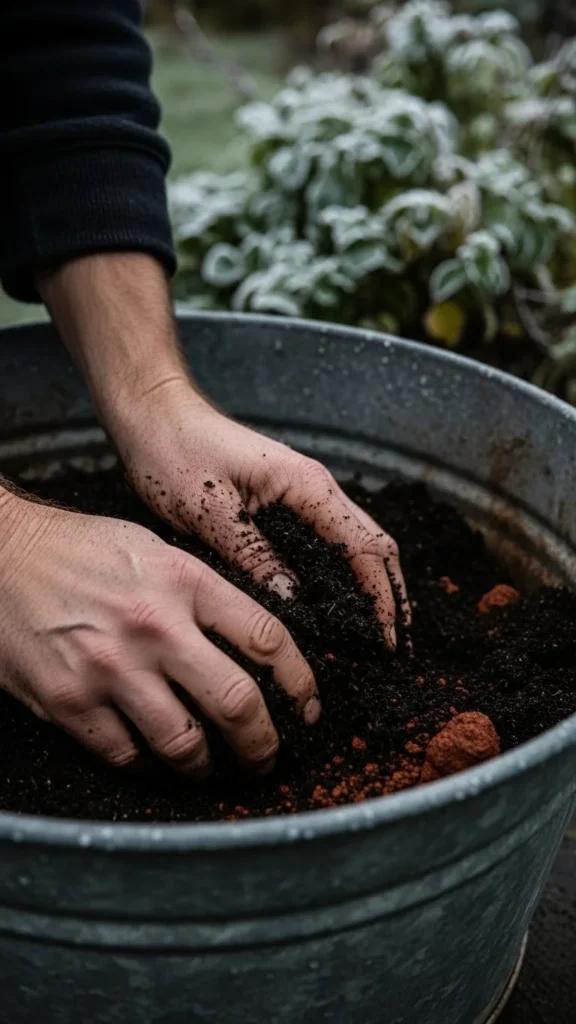
- Mix 1 part aged manure with 1 part clay soil.
- Add ½ part fine gravel to improve airflow.
- If using biochar, add ¼ part for extra insulation.
This mix stays dense, which helps trap more heat. Clay and biochar work like thermal batteries, absorbing daytime warmth and releasing it gradually overnight.
Where to Use It
- Around frost-sensitive shrubs
- Over root zones of overwintering perennials
- In garden beds exposed to strong winds
Extra Add-Ins That Boost Warmth
You can improve any soil blend with simple, affordable add-ins:
Great Options
- Pine needles – add airflow + slight insulation
- Shredded cardboard – surprisingly effective for moisture balance
- Leaf mold – holds warmth and nutrients
- Rice hulls – light and insulating
- Mulch layer on top – essential for trapping daytime heat
Apply these thinly; they perform best when layered, not packed.
How to Keep Heat in the Soil All Winter
Even the best soil mix needs support. Try these easy strategies:
1. Add a Thick Mulch Blanket
Cover soil with 3–4 inches of mulch to lock in warmth and reduce evaporation.
2. Use Dark-Colored Pots or Bed Borders
Dark materials absorb more sunlight.
3. Water Midday
Water absorbs sunlight and lightly warms the soil before nightfall.
4. Group Plants Together
Clustered containers create shared insulation.
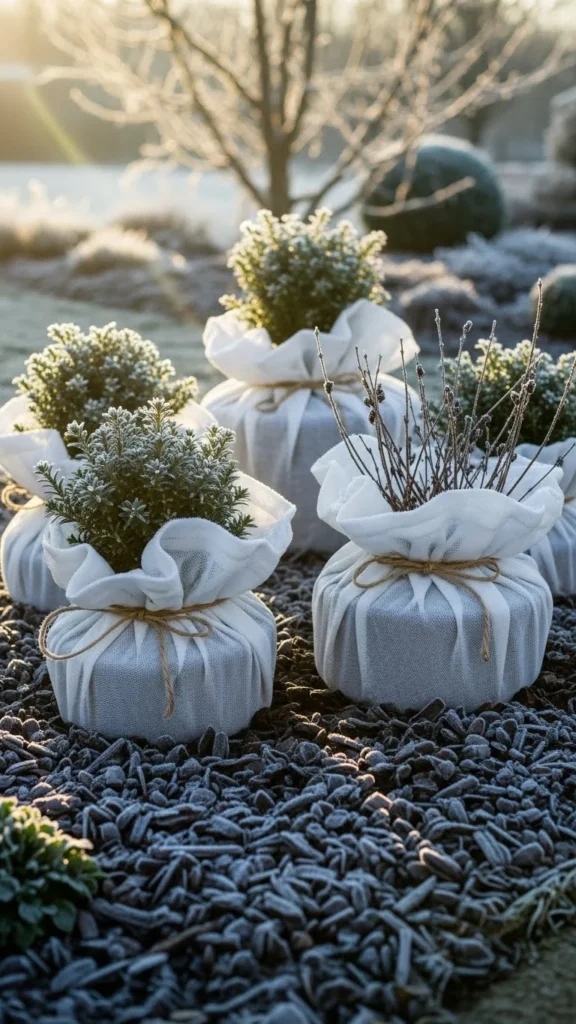
5. Use Frost Cloth at Night
A simple sheet traps warm air and prevents heat loss.
Signs Your Soil Mix Is Working
Look for:
- Steady moisture without sogginess
- Firm, active roots
- Less frost damage
- Plants showing fewer signs of stress
If soil stays soft instead of freezing solid, you’ve nailed your heat-retaining formula.
Final Takeaway
Making your own heat-retaining soil mix is one of the easiest and most powerful ways to help your garden survive winter. With a few affordable ingredients and simple steps, you can keep roots warmer, moisture balanced, and plants thriving all season long.
Save this guide so you can mix a batch anytime winter comes around!

Leave a Reply