

Getting your garden soil ready for winter isn’t just a “nice-to-do” chore—it’s one of the smartest moves for anyone who wants lush blooms, strong veggies, and healthier plants once spring returns. When you prep the soil before the cold season hits, you give your garden a head start that pays off for months.
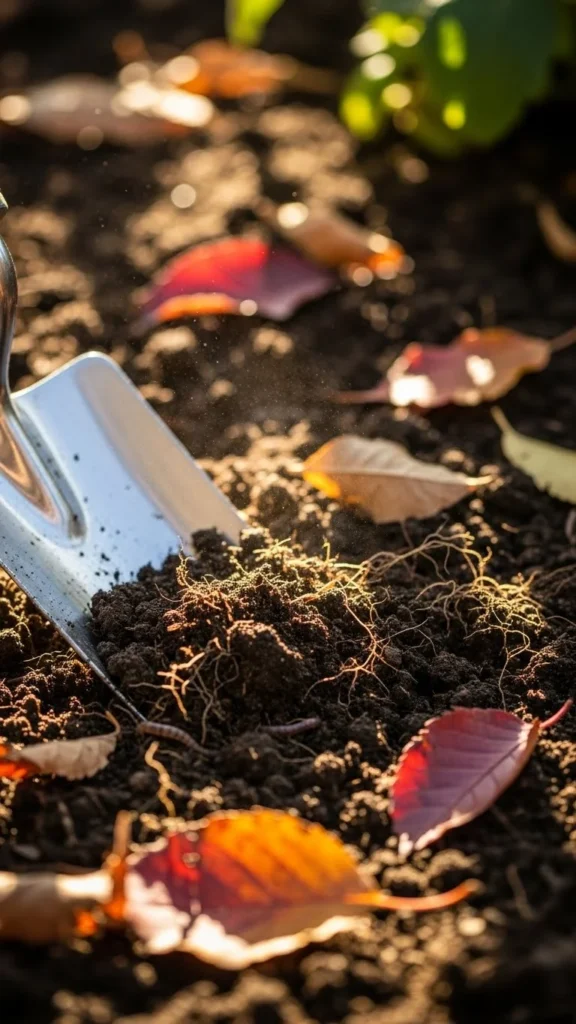
In this guide, we’ll walk through simple, beginner-friendly steps that protect your soil, lock in nutrients, and boost spring growth—without needing expensive tools or complicated techniques.
Check and Improve Soil Structure Before Winter
Before covering or adding anything, make sure your soil structure is healthy. This helps roots anchor well once spring planting begins.
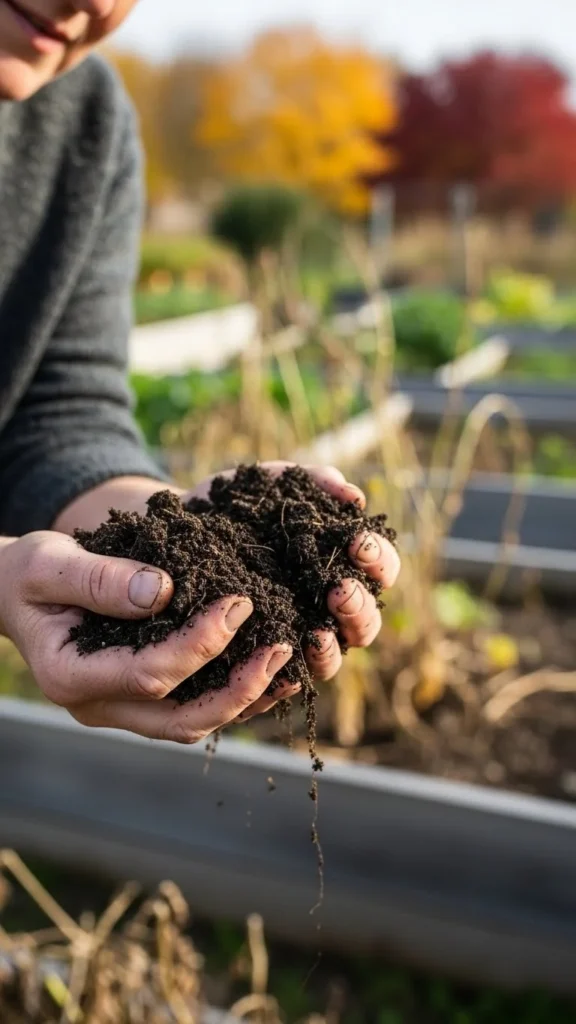
Start with these easy checks:
- Does the soil crumble easily?
- Is it too compact?
- Does water sit on top instead of draining?
If the soil feels heavy or dense, loosen it using a garden fork. Don’t turn it too deeply—just open up the top layer. This small step improves air circulation and reduces winter compaction.
To improve structure quickly:
- Add shredded leaves
- Mix in small amounts of compost
- Avoid walking on wet soil
These simple additions help create a lighter, healthier foundation that winter won’t crush.
Add a Layer of Nutrient-Rich Compost
Once the soil is fluffed, it’s time to feed it. Winter is the perfect season to add slow-releasing nutrients that will break down gradually.
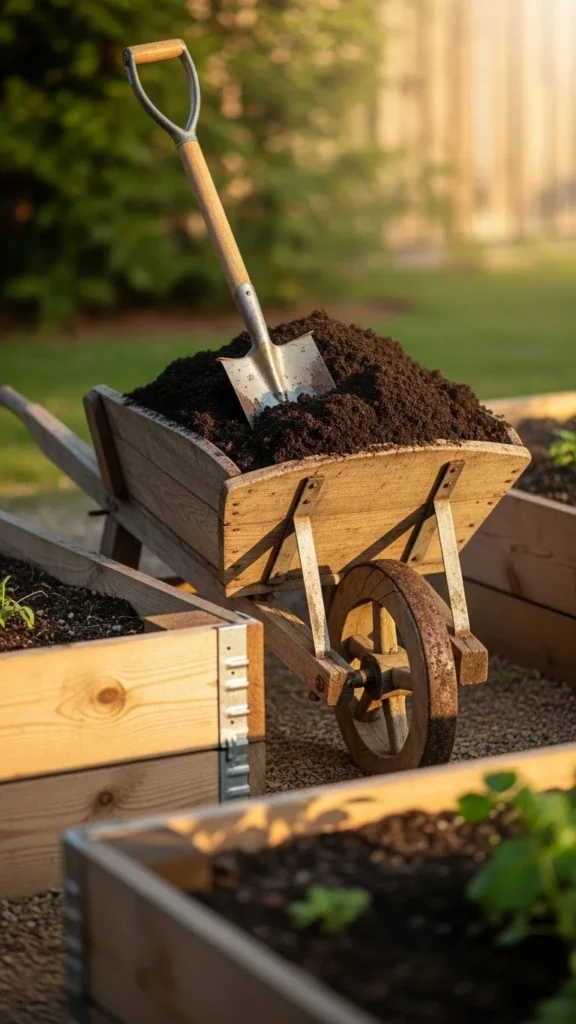
Spread 1–2 inches of compost over the soil surface. You don’t need to mix it in deeply—the natural freeze-and-thaw cycle will gently pull nutrients down.
Here’s why winter composting works beautifully:
- It improves soil fertility naturally
- Earthworms carry nutrients deeper
- Spring planting becomes easier
- Moisture retention improves
This layer acts like a natural “blanket,” preparing the soil for vigorous spring growth without any extra effort.
Mulch Generously to Protect Soil From Temperature Swings
Mulch is your garden’s best friend during winter. It shields soil from harsh winds, freezing temperatures, and sudden thaws that disrupt root systems.
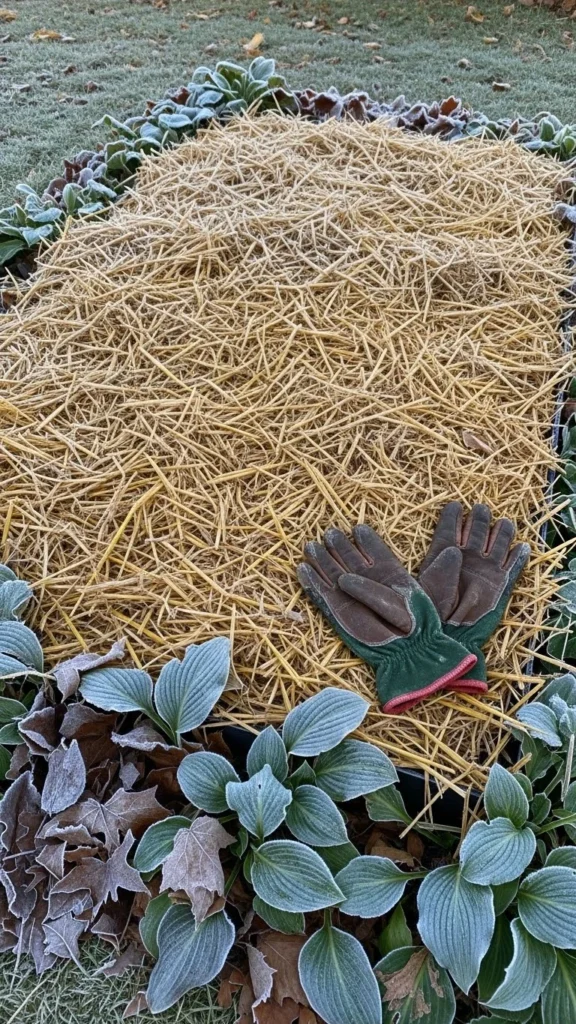
Choose gentle, plant-safe mulches such as:
- Straw
- Pine needles
- Shredded leaves
- Wood chips (aged)
Spread 2–4 inches over your garden beds. For vegetable beds, stick to lighter mulches like shredded leaves or straw so they break down easily by spring.
Mulch benefits include:
- Preventing erosion
- Reducing soil compaction
- Encouraging beneficial insects
- Helping moisture stay consistent
If you garden in a windy area, weigh down your mulch with small branches so it stays put.
Plant a Winter Cover Crop to Restore Soil Health
Cover crops are one of the most effective—and often overlooked—ways to keep soil healthy during the colder months. They grow slowly through winter and enrich your soil for months.
Good winter cover crops include:
- Winter rye
- Clover
- Field peas
- Hairy vetch
They protect your soil by:
- Adding nitrogen
- Preventing weeds
- Reducing erosion
- Improving soil texture
Once spring arrives, simply chop the plants down and mix them lightly into the soil. This creates a nutrient-rich foundation for your spring vegetables and flowers.
Remove Weeds and Old Debris Before Frost Hits
Clearing weeds and dead plants now saves you hours of frustration in spring. Old plant debris can hide pests, spread diseases, and steal nutrients.
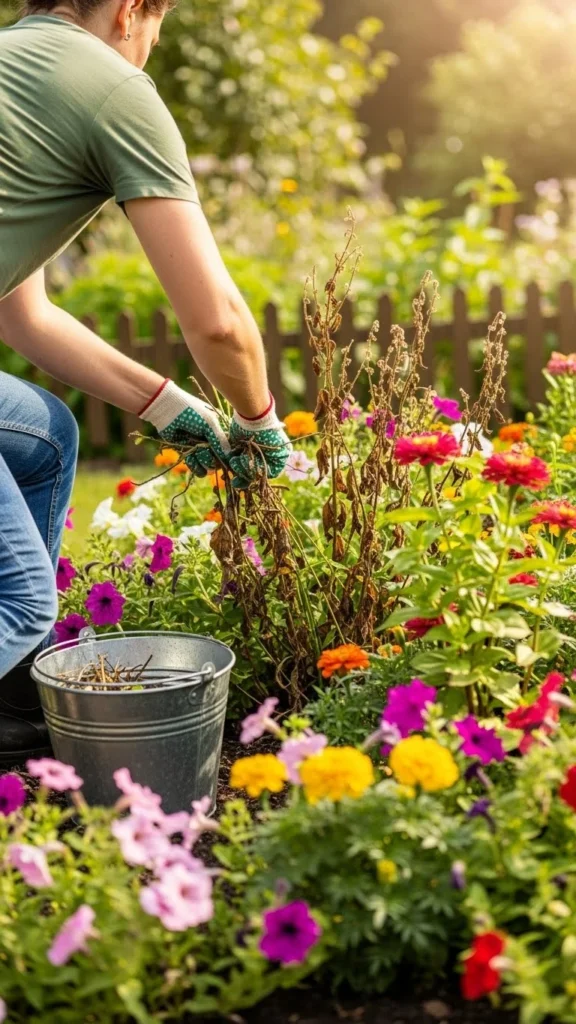
Be sure to:
- Pull weeds from the root
- Remove diseased leaves (don’t compost them)
- Cut back dead annuals
- Clean around stepping stones and borders
This cleanup step reduces pest problems and allows your mulch and compost to work more effectively.
Test Soil pH for Better Spring Results
Winter is a great time to adjust soil pH because amendments have months to settle.
Grab an inexpensive home test kit and check levels.
General guidelines:
- Most plants prefer pH 6.0–7.0
- Blueberries and hydrangeas like more acidic soil
- Lavender prefers slightly alkaline soil
If pH is off:
- Add lime to raise acidity
- Add sulfur to increase alkalinity
Always follow package instructions, and avoid adding too much at once. Slow adjustments work best during winter.
Protect Soil in Containers and Raised Beds
If you grow plants in pots or raised beds, they need extra care because they freeze faster.
For containers:
- Move pots closer to walls or sheltered spots
- Add a thick mulch layer on top
- Cover soil with fabric if winter gets very harsh
For raised beds:
- Add extra compost
- Top with 3–4 inches of mulch
- Cover with frost cloth if needed
These small steps keep soil from freezing too deeply and improve spring readiness.
Final Takeaway
Preparing your soil for winter is one of the simplest ways to guarantee a healthier, more vibrant garden in spring. A few layers of compost, some mulch, quick cleanup, and a little winter protection can transform your garden beds without much effort.
Save this guide for later—your spring garden will thank you!

Leave a Reply