

Winter can be tough on garden bulbs, especially when freezing temperatures arrive suddenly. But with a few simple tricks, you can shield your bulbs from harsh weather and enjoy a vibrant, colorful spring display. The key is understanding what bulbs need—and giving them just enough protection to rest safely until the soil warms again.
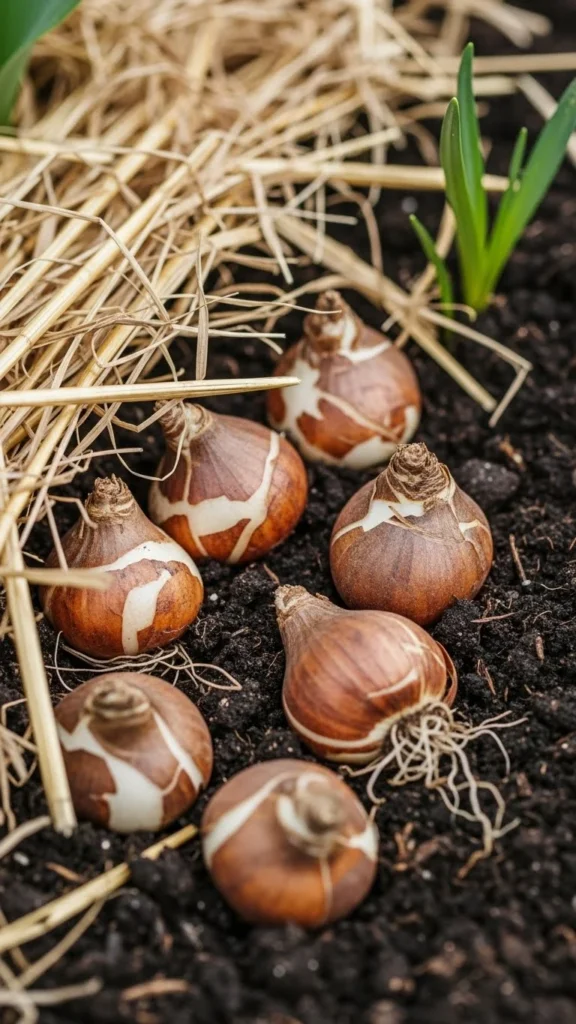
If you’ve ever planted bulbs only to find them missing, mushy, or frost-damaged by spring, this guide will help turn that around. Let’s walk through easy, affordable steps you can start using right now.
Choose the Right Bulbs for Your Climate
Some bulbs naturally handle cold better than others. Picking varieties that thrive in your region is the first layer of winter protection.
Cold-hardy bulbs include:
- Tulips
- Daffodils
- Crocuses
- Hyacinths
- Snowdrops
If you live in a zone with unpredictable freeze–thaw cycles, choose varieties labeled for your USDA zone or one level colder. That simple tweak can prevent rot and stress.
Plant at the Correct Depth
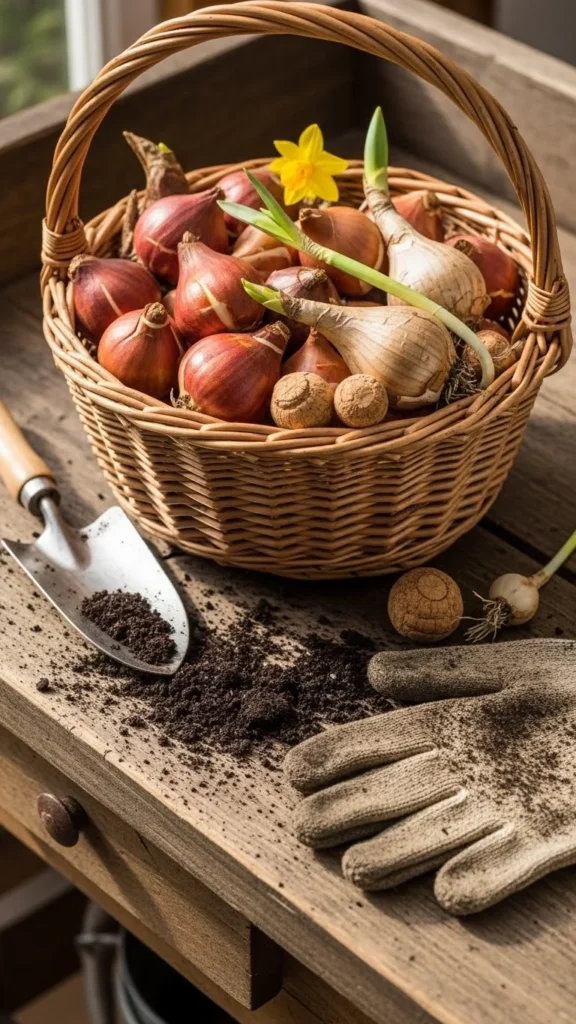
Planting depth is not just a guideline—it’s a shield against freezing temperatures.
A good rule of thumb:
- Plant bulbs 2–3 times deeper than their height.
Bulbs planted too shallow may freeze, shift during frost heaving, or be discovered by hungry animals. When in doubt, plant deeper rather than shallower.
Quick depth tips:
- Use a bulb planter for consistent holes.
- Water lightly after planting to settle the soil.
- Avoid planting in low, soggy areas where bulbs may rot.
Mulch Generously for Warmth and Stability
Mulch is your winter hero. It insulates soil, reduces temperature swings, and prevents frost heave—the freezing and lifting of bulbs that exposes them to cold air.
Best mulches for winter bulb protection:
- Straw
- Shredded leaves
- Pine needles
- Wood chips (light layer)
Apply 3–4 inches once the soil is cold but not frozen.
Protect Bulbs from Hungry Winter Pests
Winter isn’t just cold—it also brings critters searching for easy snacks. Squirrels, voles, rabbits, and chipmunks are known to dig up or chew bulbs.
Simple protection ideas:
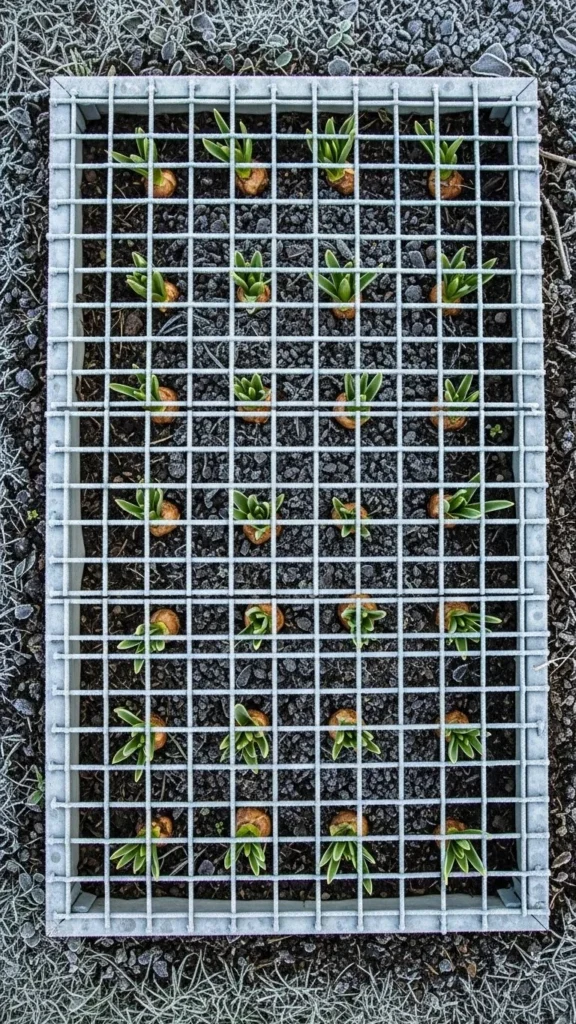
- Lay a piece of wire mesh (like chicken wire) over the bulb bed before covering it with soil or mulch.
- Choose pest-resistant bulbs such as daffodils, alliums, and snowdrops.
- Avoid fertilizing with bone meal; it attracts animals.
Use Containers Wisely (They Need Extra Help!)
Growing bulbs in containers is beautiful—but they freeze much faster than garden beds. If you use pots, give them extra insulation.
How to protect container bulbs:
- Choose thick, frost-resistant pots.
- Wrap pots with burlap, bubble wrap, or outdoor fabric.
- Group containers together for shared warmth.
- Move pots against a wall or under a covered porch to block wind.
You can even bury pots in the ground temporarily to keep them warm until spring.
Avoid Overwatering in Winter
Bulbs dislike sitting in cold, wet soil. It leads to mold, rot, and early sprouting.
Watering rules:
- Water immediately after planting to settle soil.
- After that, stop watering unless your area experiences an unusual winter drought.
- Make sure containers have clear drainage holes.
Healthy bulbs require air pockets in soil—too much water fills those spaces and suffocates them.
Mark Your Bulb Beds for Easy Spring Care
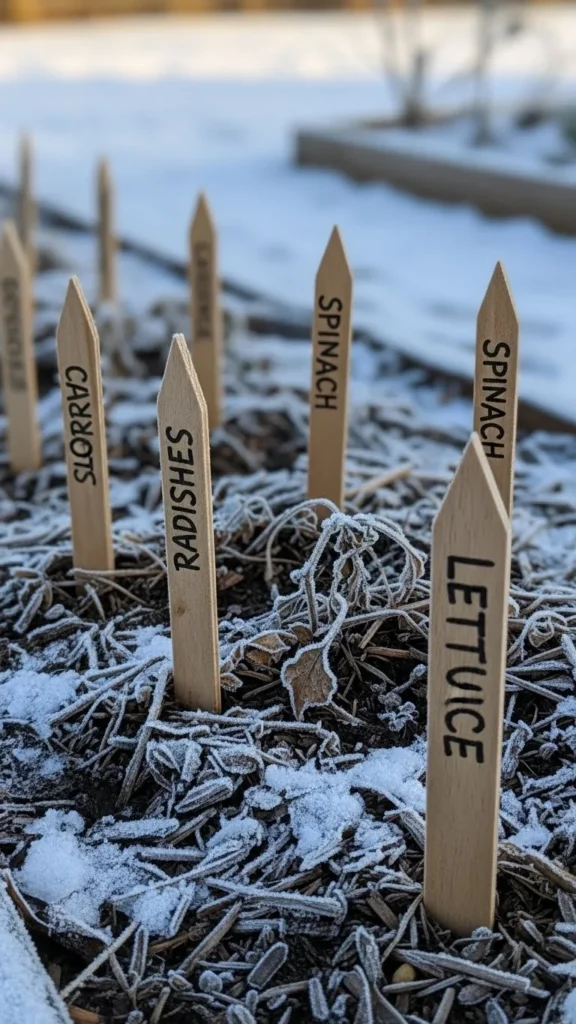
This step seems simple, but it’s often forgotten. Once snow falls, it’s easy to lose track of where your bulbs are hidden underground.
Use markers such as:
- Plant labels
- Garden stakes
- Decorative stones
- Painted rocks
This helps avoid accidental damage when you’re cleaning up in late winter or planning spring plantings.
Let Snow Work For You, Not Against You
Snow may look harsh, but it acts as a natural insulator. A blanket of snow can protect soil from extreme temperature drops.
If snow falls, avoid removing it from your bulb beds. Instead, gently pile clean snow from walkways onto those areas for extra warmth.
Do a Quick Check in Late Winter
As winter fades, give your bulbs a little attention to help them transition into spring.
Look for:
- Mulch that needs fluffing or thinning
- Signs of frost heave
- Early sprouting that needs protection from a sudden freeze
If a late frost is predicted, simply toss a light fabric cover or sheet over the area overnight.
Conclusion: Your Spring Flowers Depend on These Simple Winter Habits
Protecting bulbs during winter doesn’t require fancy tools or complicated techniques. With the right depth, proper mulch, pest protection, and a little seasonal awareness, your bulbs can rest peacefully all winter and burst into life exactly when you expect them.
If you’re dreaming of a garden full of bright tulips, cheerful daffodils, and sweet-scented hyacinths, these tips will help guarantee a colorful spring.
Save this guide for later—your future garden will thank you!

Leave a Reply