

Winter can be sneaky. One week your garden looks settled and calm, and the next, freeze-thaw cycles start pushing your favorite perennials right out of the ground. That slow lifting—called frost heave—can expose roots, dry out crowns, and weaken plants before spring even arrives. The good news? With a few smart, simple steps, you can protect your perennials all season long and wake up to a healthier garden in spring.
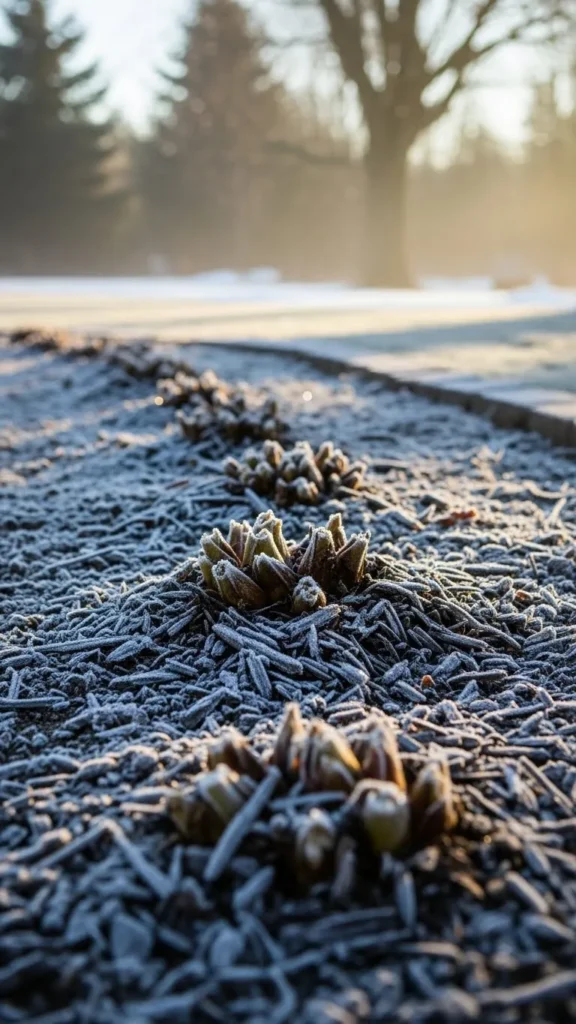
Below are practical, gardener-approved ways to stop frost heave before it causes damage.
What Frost Heave Is (and Why It Happens)
Frost heave occurs when soil repeatedly freezes and thaws. Moist soil expands as it freezes, then contracts as it thaws. That movement slowly pushes plant roots upward.
This is most common in:
- Clay or compacted soils
- Areas with poor drainage
- Winters with fluctuating temperatures
Once roots are exposed, plants lose insulation and moisture. Catching this early makes a big difference.
Mulch the Right Way (Timing Matters)
Mulch is your first and strongest line of defense—but only if you use it correctly.
Key rule:
Mulch after the ground freezes, not before.
If you mulch too early, you trap warmth and moisture, which can actually encourage frost movement later.
Use:
- Shredded leaves
- Straw
- Pine needles
- Bark mulch
Apply a 2–4 inch layer over perennial crowns once the soil is consistently cold.
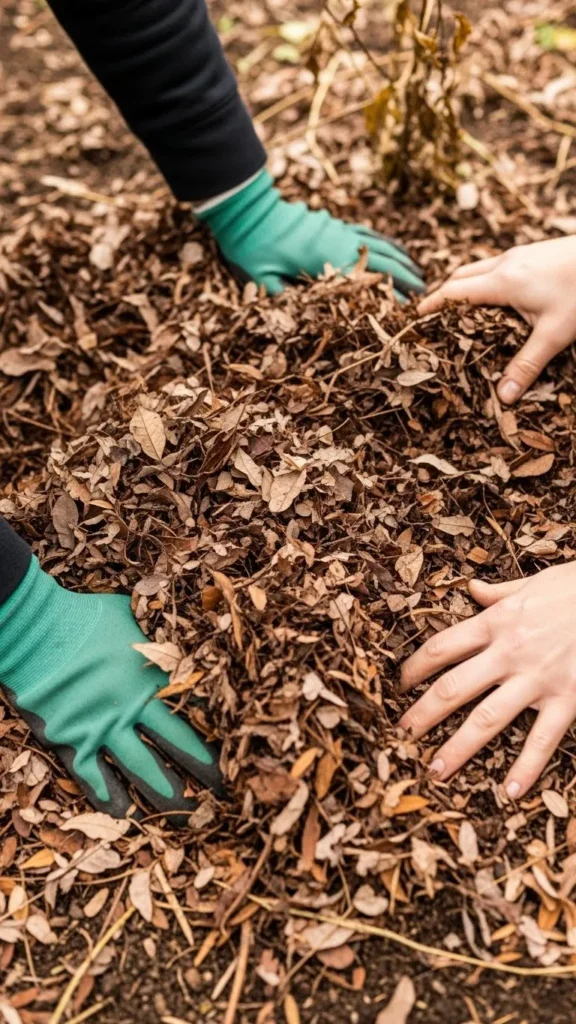
Mulching tips:
- Keep mulch loose, not packed
- Cover the root zone fully
- Avoid piling directly against woody stems
Improve Soil Drainage Before Winter
Wet soil freezes harder and moves more aggressively. Improving drainage reduces frost pressure on roots.
Easy fixes:
- Mix compost into garden beds in fall
- Avoid walking on beds (compaction worsens drainage)
- Create slightly raised planting areas
If your garden stays soggy in winter, consider adding organic matter every season. Better soil structure means less frost damage over time.
Water Before the First Deep Freeze
This step surprises many gardeners—but it works.
Moist (not soggy) soil actually insulates roots better than dry soil. Before the ground freezes solid:
- Water deeply once
- Do this after leaf drop but before hard freezes
Healthy, hydrated roots handle temperature swings far better than stressed ones.
Use Protective Covers During Extreme Cold
In areas with sudden temperature drops, temporary covers add extra insurance.
Good options:
- Garden fabric
- Burlap
- Evergreen boughs
Lay covers over mulch, not directly on soil, and secure them so wind doesn’t shift them.
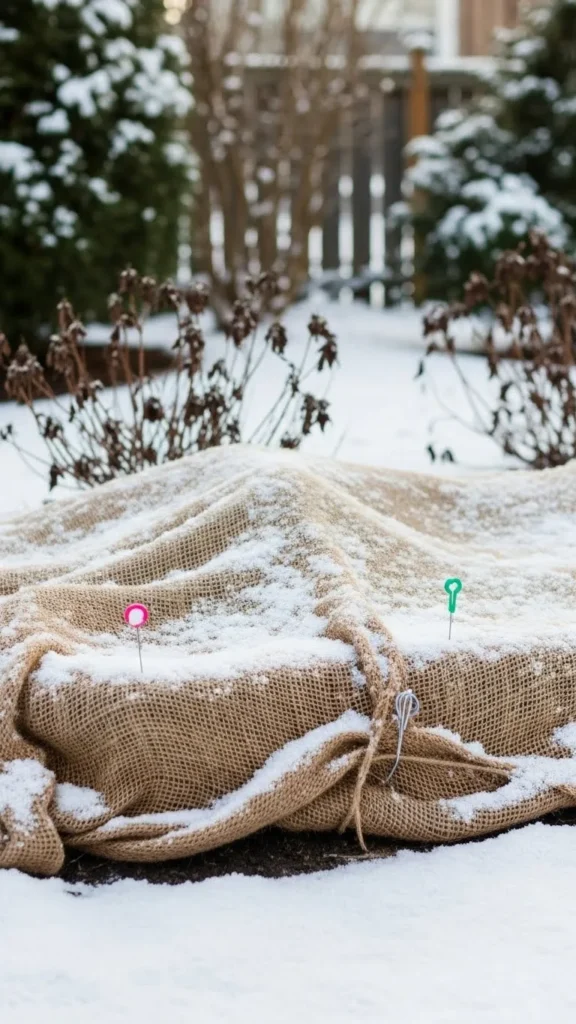
Remove covers in early spring once temperatures stabilize to prevent trapped moisture.
Replant Heaved Perennials Quickly
If frost heave already happened, don’t wait.
On a mild winter day:
- Gently press the plant back into place
- Add soil around exposed roots
- Re-mulch immediately
The faster you reset the plant, the better its chance of survival.
Choose Frost-Smart Planting Locations
Prevention starts at planting time.
When adding new perennials:
- Avoid low spots where water collects
- Plant at proper depth (crowns at soil level)
- Group plants with similar winter needs
South-facing slopes and wind-sheltered areas experience fewer freeze-thaw swings.
Check Beds After Thaws
Winter gardening isn’t over once snow falls.
After warm spells:
- Walk through beds
- Look for lifted crowns
- Re-cover exposed roots
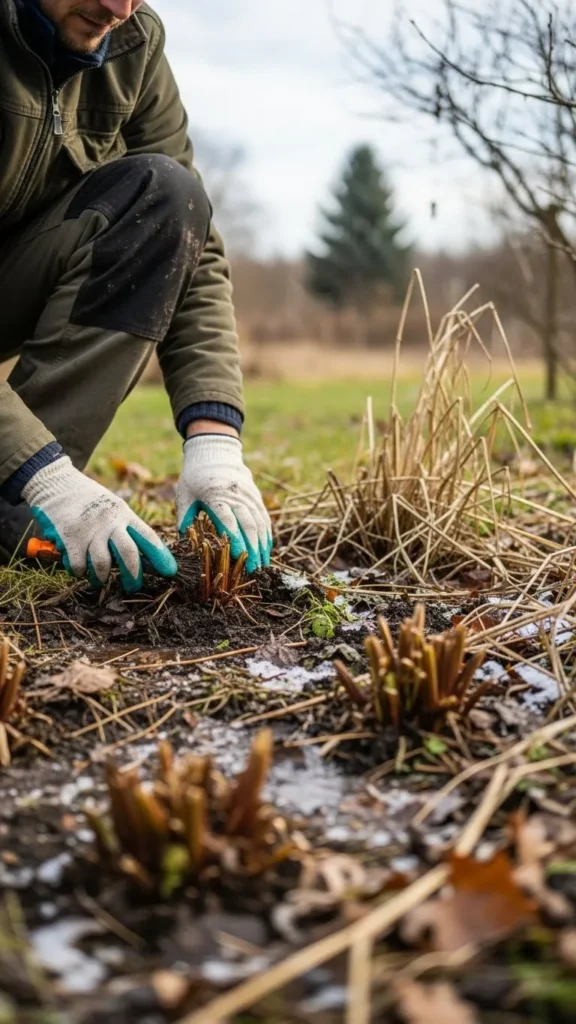
Five minutes of checking can save months of regrowth later.
Spring Cleanup: The Final Protection Step
As winter fades:
- Remove mulch gradually
- Let soil warm slowly
- Watch for plants that shifted
Resist the urge to clear everything at once. Slow transitions reduce stress on waking perennials.
Final Takeaway
Frost heave can look intimidating, but it’s completely manageable with the right habits. Mulch at the right time, improve drainage, protect roots, and stay observant through winter. Those small steps add up to stronger plants, fuller growth, and a garden that bounces back beautifully in spring.
Save this guide for fall prep—and your perennials will thank you next season.

Leave a Reply