

Winter might look quiet in the garden, but snow is secretly doing important work. When used correctly, it becomes slow-release, natural irrigation that nourishes soil, protects roots, and sets plants up for a strong spring start. The key is knowing when and how to let snow do its thing—and when to step in.
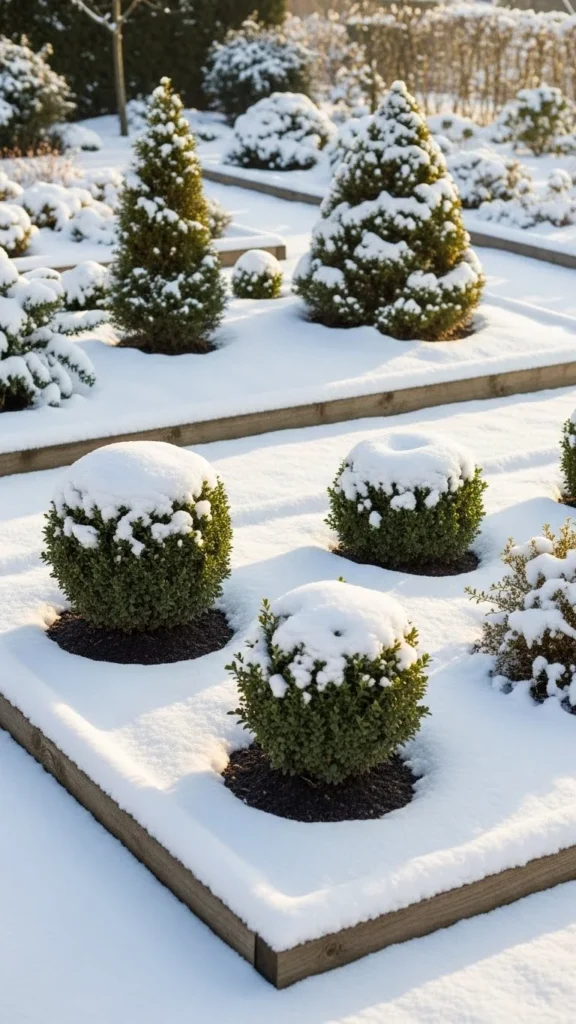
Why Snow Is One of Nature’s Best Irrigation Tools
Snow isn’t just frozen water. It melts slowly, soaking deeply into the soil instead of running off like rain. This gradual release helps:
- Prevent soil erosion
- Keep roots evenly hydrated
- Improve soil structure over time
- Reduce winter watering needs
As snow melts, it pulls oxygen into the soil and encourages healthy microbial activity—even during cold months.
When Snow Irrigation Works Best (And When It Doesn’t)
Snow irrigation isn’t automatic. Timing matters.
Snow works best when:
- Temperatures stay near freezing
- Soil isn’t already frozen solid
- Snow falls steadily, not as ice pellets
Snow is less helpful when:
- Ground is rock-hard frozen
- Snow melts too fast during sudden warm spells
- Ice layers block absorption
If meltwater can’t soak in, it runs off and doesn’t benefit plants.
How Snow Naturally Waters Your Soil
As snow melts, gravity does the work. Water seeps downward, reaching deeper root zones that summer watering often misses.
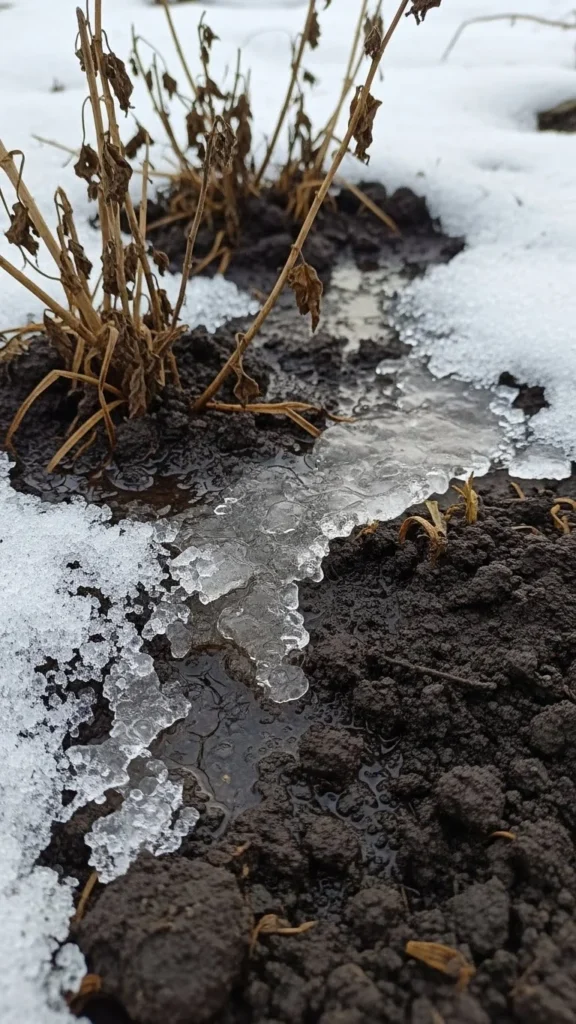
This slow infiltration:
- Rehydrates dry winter soil
- Reduces compaction
- Encourages deep root growth
It’s especially helpful for trees, shrubs, and overwintering perennials.
How to Use Snow as Irrigation the Right Way
Here’s how to work with snow instead of fighting it.
1. Let Snow Stay Where Plants Need It
Avoid shoveling snow off garden beds unless weight is damaging branches. Snow acts like a blanket, holding moisture in place.
- Leave snow over root zones
- Gently brush heavy buildup off shrubs
- Avoid piling salty snow near plants

2. Move Snow to Dry Areas (Yes, Really)
If parts of your yard stay dry all winter, relocate snow there.
Good spots include:
- Raised beds
- New plantings
- Wind-exposed areas
Use a shovel to lightly redistribute snow, keeping it fluffy—not packed.
3. Use Snow to Pre-Water Spring Beds
Late winter snowmelt prepares soil weeks before planting season.
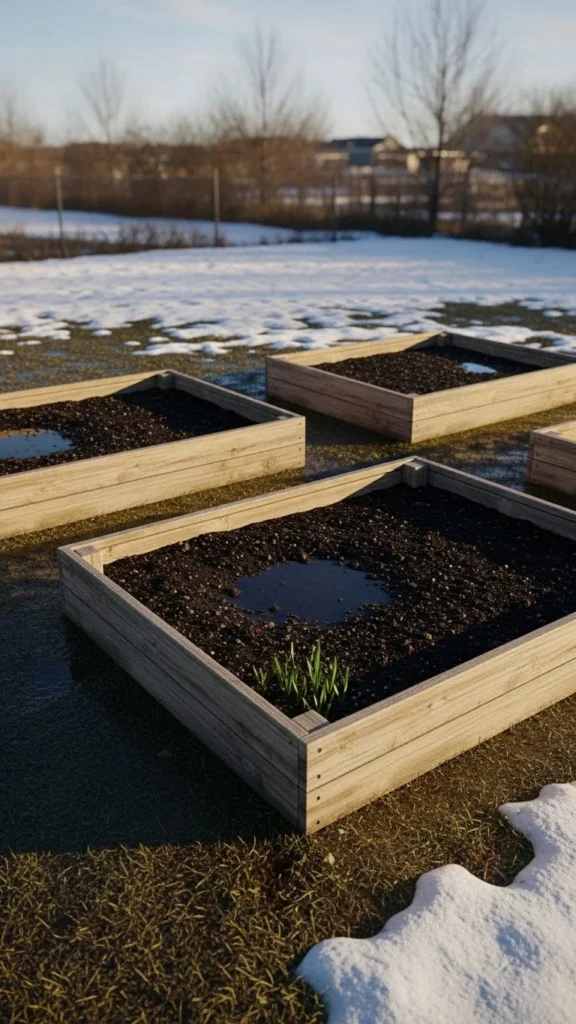
This helps:
- Reduce early spring watering
- Warm soil more evenly
- Activate soil life sooner
Snowmelt acts like a gentle soil wake-up call.
Plants That Benefit Most From Snow Irrigation
Not all plants respond the same way. Snow irrigation works best for:
- Trees and shrubs
- Perennials and native plants
- Fall-planted bulbs
- Cold-hardy vegetables
These plants rely on deep, steady moisture rather than surface watering.
Common Mistakes to Avoid
Even natural irrigation can backfire if misused.
Avoid these common errors:
- Compacting snow by walking on beds
- Creating icy layers that block absorption
- Letting meltwater pool near crowns
- Mixing de-icing products near plants
Snow should stay loose and breathable, not dense or frozen solid.
How Snow Improves Soil Long-Term
Snow isn’t just short-term hydration—it builds better soil over time.
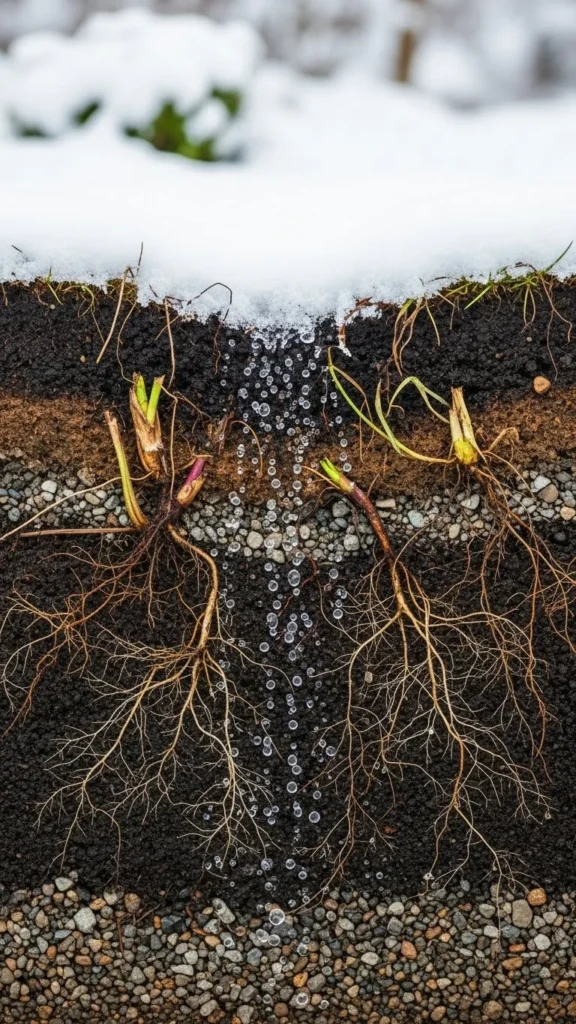
Long-term benefits include:
- Improved organic matter breakdown
- Better moisture retention
- Reduced soil cracking in spring
Think of snow as a seasonal soil conditioner.
Should You Add Mulch Over Snow?
Yes—light mulch over snow can improve results.
Best options:
- Straw
- Shredded leaves
- Pine needles
These materials:
- Slow melting even more
- Prevent runoff
- Keep moisture exactly where roots need it
Apply loosely so snow can still breathe.
Snow vs. Winter Watering: Which Is Better?
Snow wins for consistency. Manual winter watering is helpful during dry, snowless periods, but snow does the job naturally when available.
Snow advantages:
- Even coverage
- No evaporation loss
- Deep penetration
When snow is scarce, supplement with gentle watering during warm spells.
Final Takeaway: Let Winter Do the Work
Snow is one of the easiest, most overlooked garden tools. By letting it melt naturally, moving it where needed, and avoiding compaction, you turn winter weather into free, effective irrigation.
Your soil stays healthier. Roots stay hydrated. Spring growth starts stronger.
Save this guide for winter—and let snow work for your garden instead of against it.

Leave a Reply