

Imagine growing crisp lettuce, juicy tomatoes, and fragrant herbs—all without ever touching a handful of soil. Sounds futuristic, right? Welcome to the world of hydroponic gardening, where plants thrive in water enriched with nutrients instead of traditional dirt. It’s a clean, efficient, and space-saving way to grow your own food at home, whether you live in a cozy apartment or have a backyard to spare.
What Is Hydroponic Gardening?
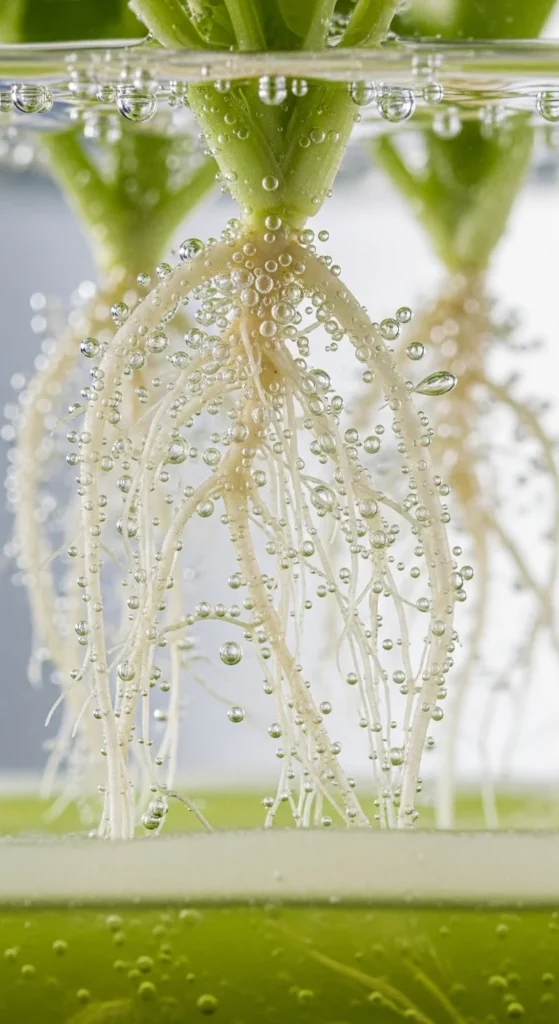
Hydroponic gardening is a method of growing plants in nutrient-rich water instead of soil. The plant roots sit directly in water or an inert medium like perlite or coconut coir, absorbing the perfect mix of minerals and oxygen for rapid growth. This system uses less space and water than traditional gardening, making it ideal for urban dwellers or eco-conscious gardeners.
Benefits of Going Soil-Free:
- Faster plant growth thanks to direct nutrient absorption.
- Year-round growing indoors or in greenhouses.
- Reduced pest and weed problems.
- Less water waste—hydroponic systems recycle their water.
Step 1: Choose the Right Hydroponic System
Before you start planting, decide which type of hydroponic system fits your needs and space. Here are a few popular options:
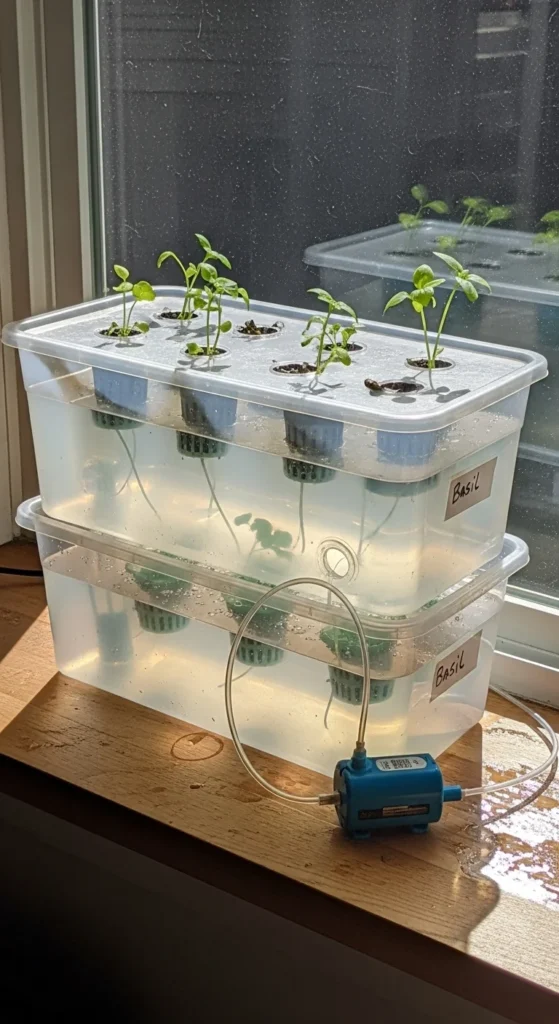
- Deep Water Culture (DWC): The simplest system for beginners. Plants float on a nutrient solution with air pumps supplying oxygen to the roots.
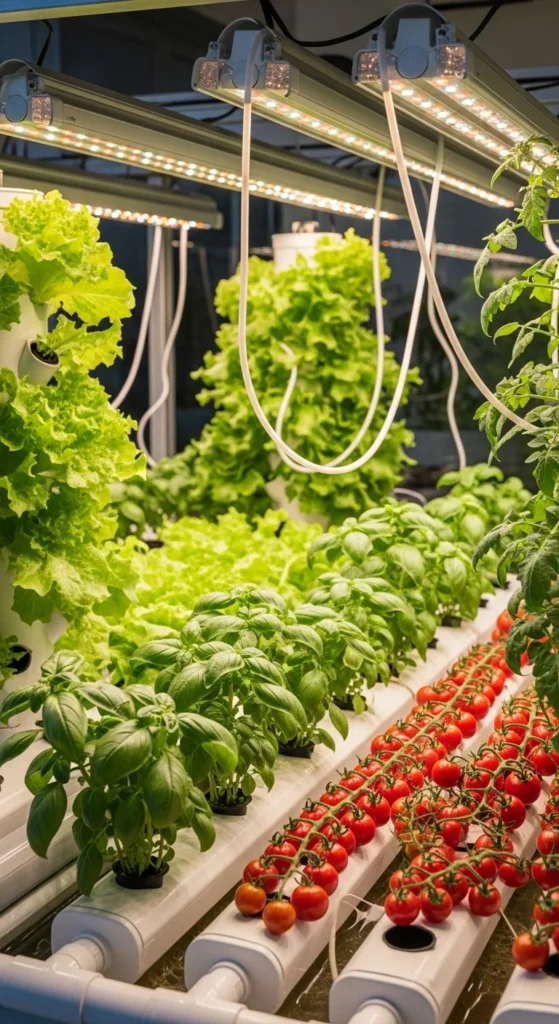
- Nutrient Film Technique (NFT): A constant flow of nutrient solution runs along the roots—perfect for leafy greens like lettuce and spinach.
- Ebb and Flow: The tray periodically floods with nutrients and then drains, giving roots both moisture and oxygen.
- Wick System: The most low-tech method—nutrients are drawn to the roots through absorbent wicks.
For beginners, Deep Water Culture is the easiest to set up and maintain at home.
Step 2: Gather Your Supplies
You don’t need a professional setup to get started. Here’s what you’ll need:
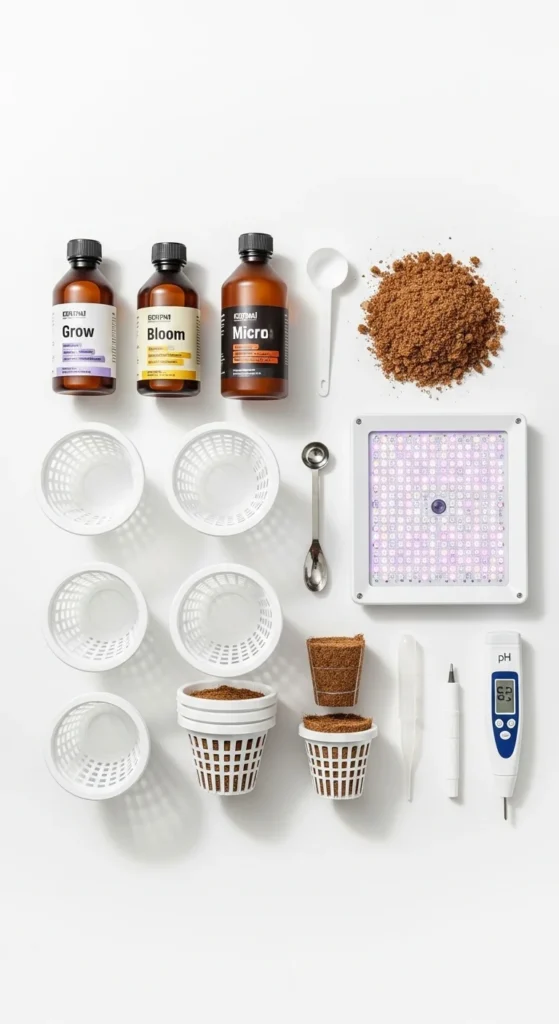
- Container or reservoir to hold your nutrient solution.
- Net pots for your plants.
- Growing medium like perlite, vermiculite, or coco coir.
- Hydroponic nutrient solution (available online or at garden stores).
- pH testing kit to keep the water balanced (around 5.5–6.5).
- LED grow lights if you’re gardening indoors.
Tip: Use distilled or filtered water to prevent mineral buildup that could affect nutrient balance.
Step 3: Select the Best Plants for Hydroponics
Not every plant loves water-based growing, but many thrive beautifully. Start with easy and fast-growing crops, such as:
- Lettuce
- Spinach
- Basil
- Mint
- Tomatoes
- Strawberries
These plants adapt quickly and will give you a sense of success early on. Once you’re comfortable, experiment with peppers, cucumbers, or even small root vegetables.
Step 4: Monitor and Maintain Your System
Hydroponics may be soil-free, but it’s not maintenance-free. To keep your plants thriving:
- Check nutrient levels weekly. Add more solution as plants absorb it.
- Monitor pH balance regularly—imbalanced water can stunt growth.
- Provide consistent light (12–16 hours per day for most plants).
- Clean your system every few weeks to prevent algae or bacteria buildup.
Tip: If your plants’ leaves start yellowing, it’s often a sign of nutrient deficiency or pH imbalance—easy fixes with regular testing.
Step 5: Harvest and Enjoy Your Soil-Free Produce
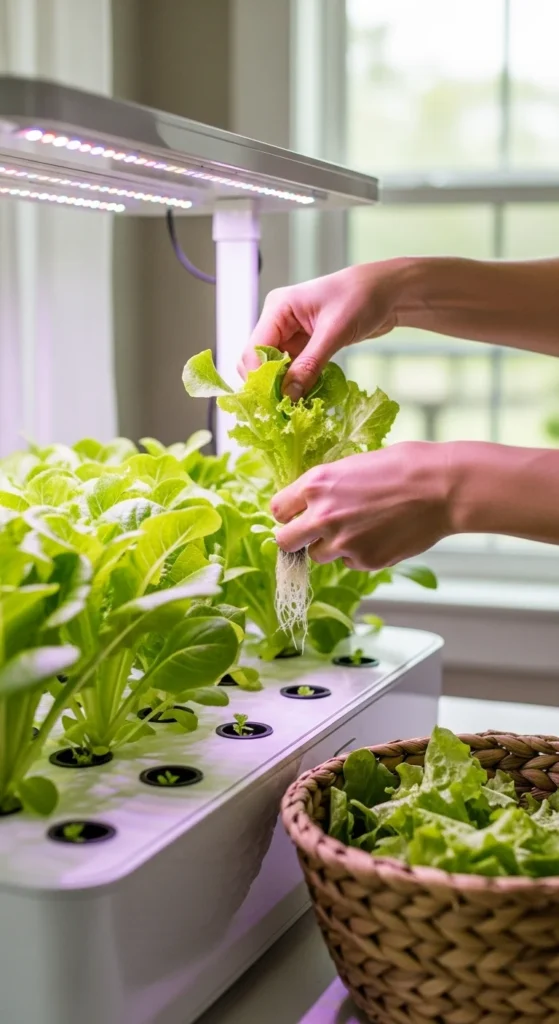
One of the best parts of hydroponic gardening is how fast and clean the harvest is. Since the roots aren’t in dirt, your greens come out spotless—ready to rinse and eat.
Use scissors to trim leaves or pick fruits, and your plants will often regrow for multiple harvests. You can also propagate new plants from cuttings to expand your hydroponic setup.
Bonus: Create a Mini Indoor Hydroponic Garden
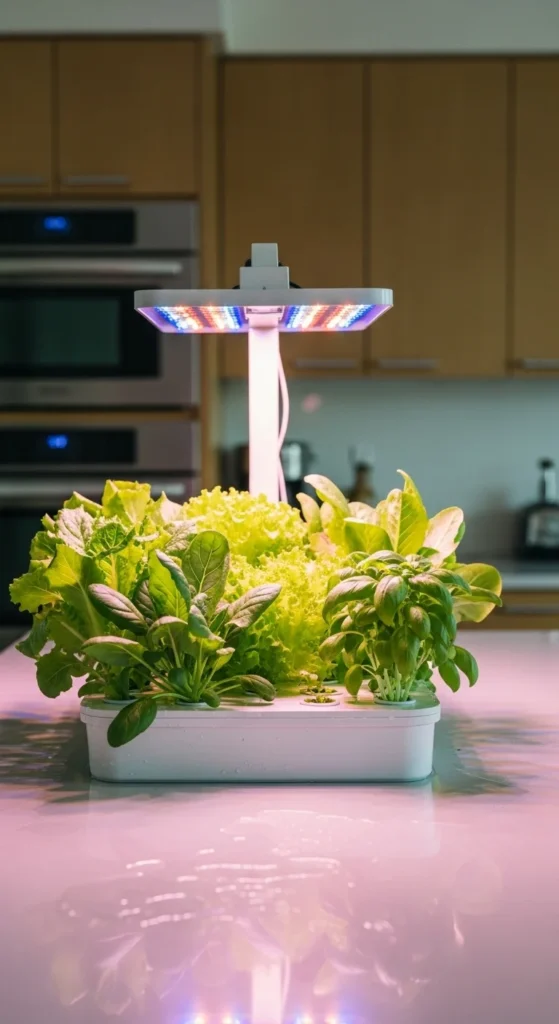
If you’re short on space, consider tabletop hydroponic kits. These compact systems fit on a kitchen counter and come with built-in lights and timers—perfect for herbs and salad greens. They’re also a fun educational project for kids or a relaxing hobby for adults.
Final Takeaway
Starting a hydroponic garden may seem high-tech, but it’s surprisingly simple once you get the hang of it. With the right setup and care, you’ll enjoy fresh, clean produce year-round—no soil, no mess, and no waiting for the right season.
So why not start your own soil-free garden today?
Save this guide for later and get ready to grow your first hydroponic harvest!

Leave a Reply