

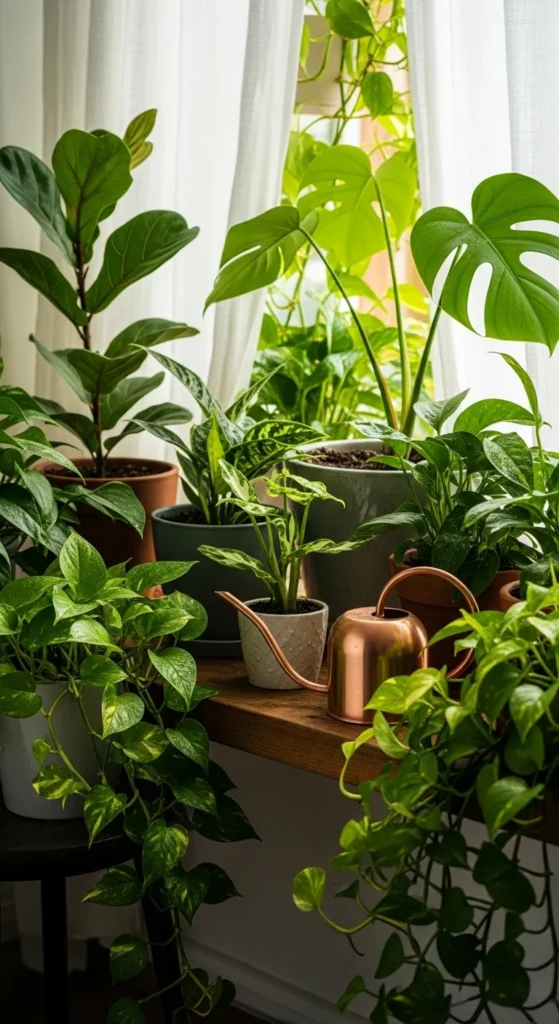
Indoor gardening brings calm, color, and cleaner air into your home. But keeping plants thriving indoors takes more than just water and sunlight. The right small changes — from clever watering tricks to simple DIY soil enhancers — can make all the difference. These 22 secret indoor gardening hacks will help you grow stronger, greener plants even in small spaces or low light.
1. Give Plants a Morning Shower
Plants love gentle humidity, especially after a night of dry indoor air. Use a fine mist spray to “shower” them in the morning. This helps remove dust and refreshes their leaves. You can even take small pots to the sink for a quick rinse under lukewarm water once a month. Just make sure excess water drains out completely. Regular light misting also discourages spider mites and keeps leaves looking bright and healthy.
2. Reuse Coffee Grounds in Soil
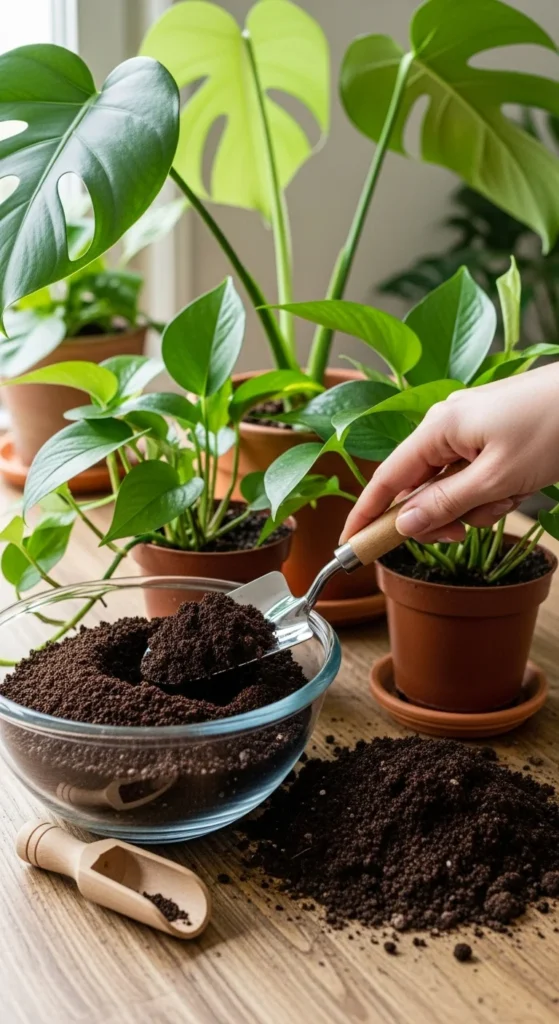
Coffee grounds are a free way to enrich potting soil. Once dried, sprinkle a small amount around your plant’s base or mix them into the top layer. The grounds add nitrogen and improve soil texture. But use them sparingly — too much can trap moisture. For a gentle approach, make “coffee compost” by mixing grounds with banana peels and crushed eggshells before adding it to your plants every few weeks.
3. Use Ice Cubes for Measured Watering
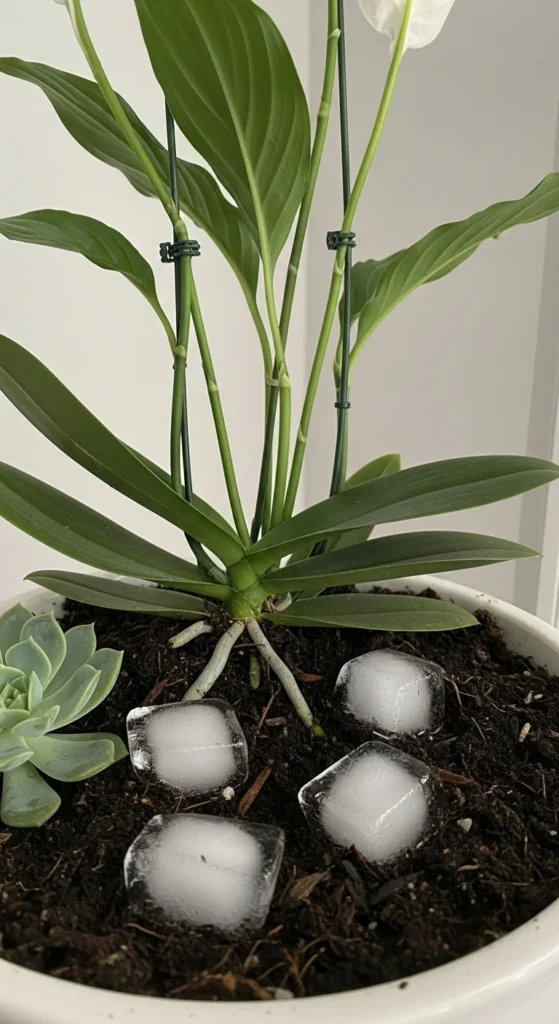
If you often overwater, try this trick: place a few ice cubes on the soil. As they melt, the water seeps slowly and evenly into the roots. This method works perfectly for orchids, peace lilies, and succulents. It’s an easy way to avoid soggy soil and root rot, especially for beginners or travelers who forget watering schedules.
4. Rotate Plants Weekly
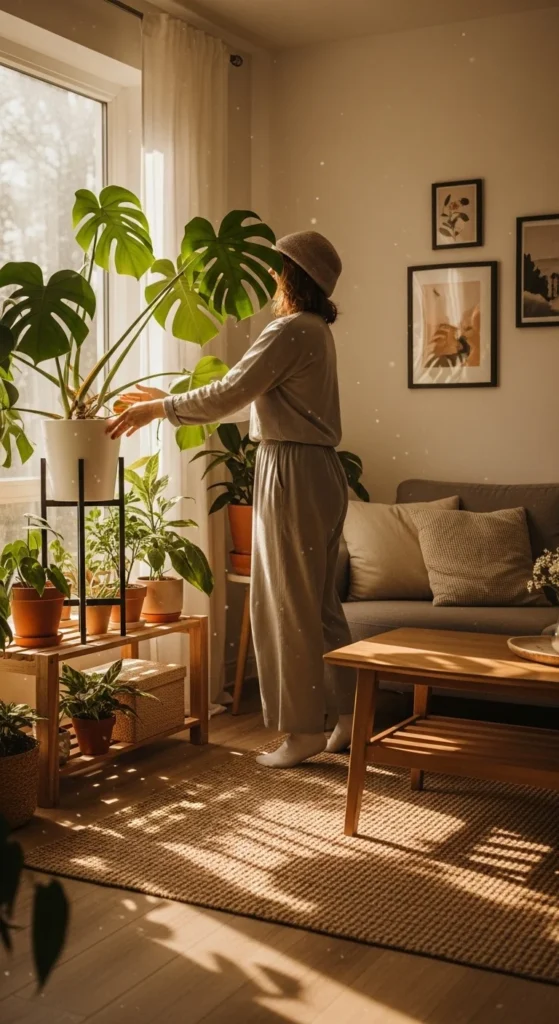
Plants grow toward light sources, which can make them lean over time. Rotating your pots every week gives all sides equal light, leading to balanced growth. Mark one side of your pot with a small sticker to remember where you started. This simple habit keeps your plants evenly shaped and prevents them from getting lopsided.
5. Create a Humidity Corner
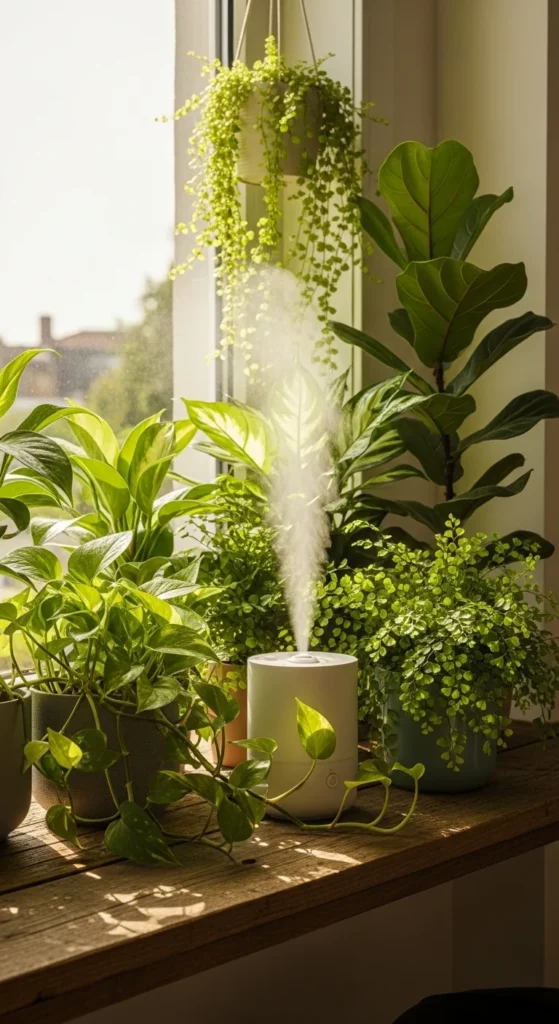
Grouping plants together creates a mini ecosystem. As each plant releases moisture, the others benefit. Add a small humidifier or place a tray filled with water and pebbles nearby. This simple setup raises humidity naturally. It’s perfect for tropical plants like ferns, calatheas, and philodendrons that crave moist air.
6. Add Cinnamon to Prevent Mold
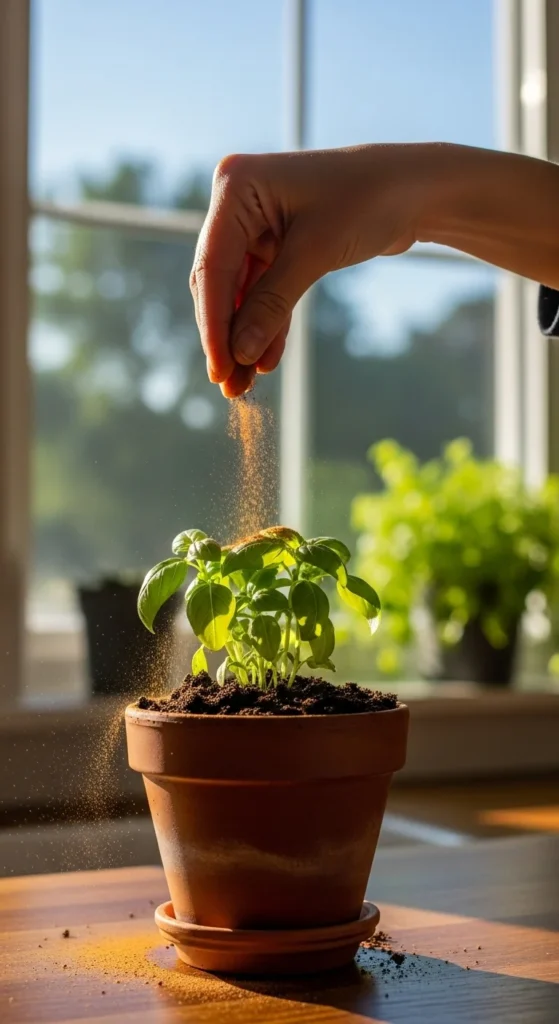
Cinnamon isn’t just for baking — it’s a natural antifungal. Sprinkle a thin layer on soil surfaces to stop mold or fungus from forming. It also protects seedlings from damping off (a common issue where sprouts suddenly wilt). It’s safe, smells great, and costs almost nothing.
7. Use Banana Peels as Natural Fertilizer
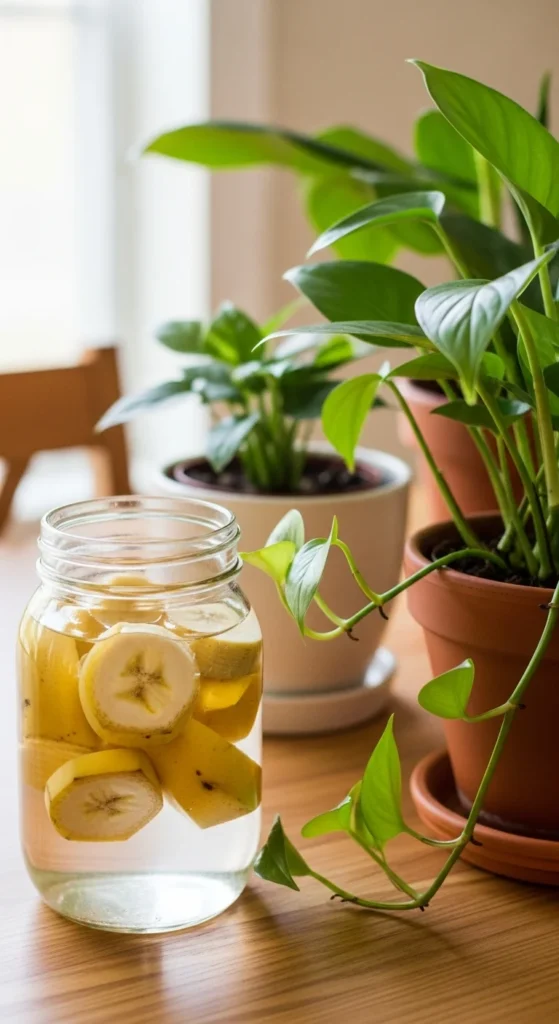
Bananas are full of potassium and phosphorus — both vital for healthy growth. Soak banana peels in water for two days, strain, and use the liquid to water your plants. It’s a gentle, organic fertilizer that gives leaves a rich green color. You can also chop peels and bury small bits in the soil for a slow nutrient release.
8. Dust Leaves Regularly
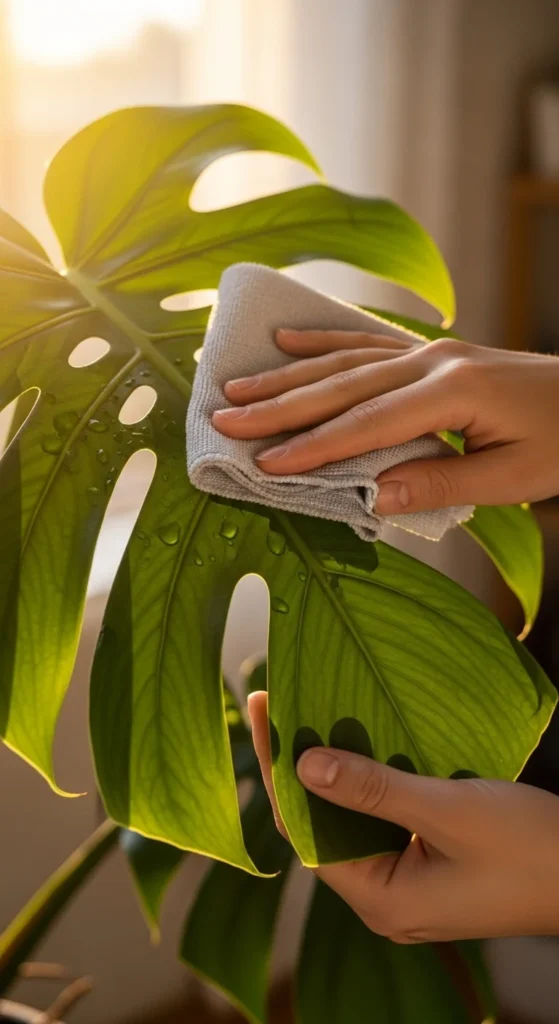
Dust blocks sunlight and clogs pores (stomata), making it harder for plants to breathe. Wipe leaves every two weeks using a damp cloth. For large leaves, mix a drop of olive oil in water to add extra shine. Avoid commercial sprays — they often leave residue. Clean leaves not only look better but also photosynthesize more efficiently.
9. Add Pebbles to Drainage Trays
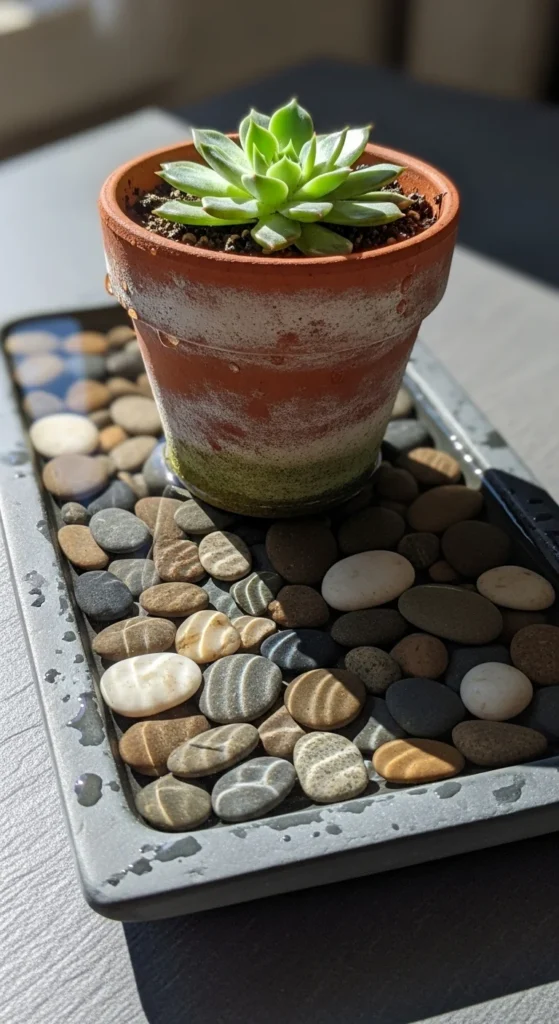
Pebble trays help keep humidity levels stable without waterlogging roots. Fill a shallow dish with pebbles, pour water halfway up, and place your pot on top. As the water evaporates, it adds moisture to the air around your plant. This trick works wonders in dry rooms or during winter heating months.
10. Use Leftover Aquarium Water
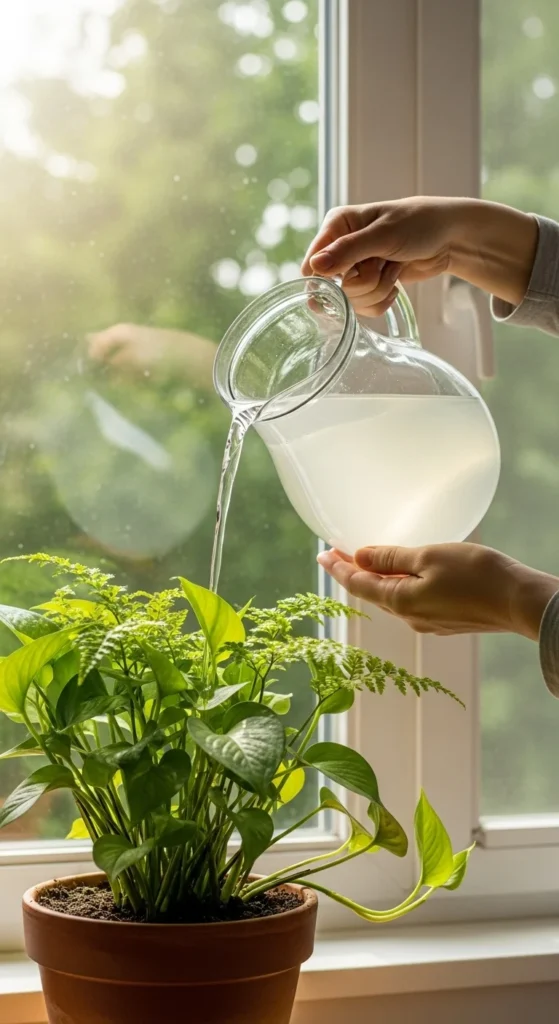
If you have a fish tank, don’t waste that nutrient-rich water during cleanings. It’s filled with beneficial bacteria and natural nitrogen. Use it instead of tap water — your plants will love it. Just skip this method if you’ve used salt or chemical treatments in the tank.
11. Add Activated Charcoal for Fresh Soil
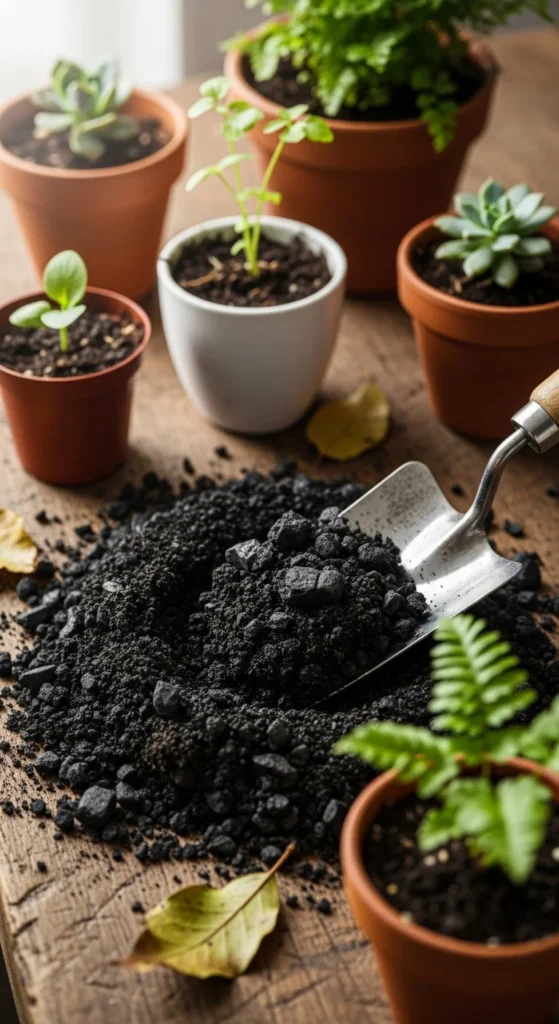
Activated charcoal absorbs toxins and odors, keeping soil fresher for longer. Mix a small scoop into your potting mix or place a thin layer at the bottom of planters before adding soil. It improves drainage and prevents root rot, especially in closed terrariums or pots without many drainage holes.
12. Use Eggshells to Strengthen Soil
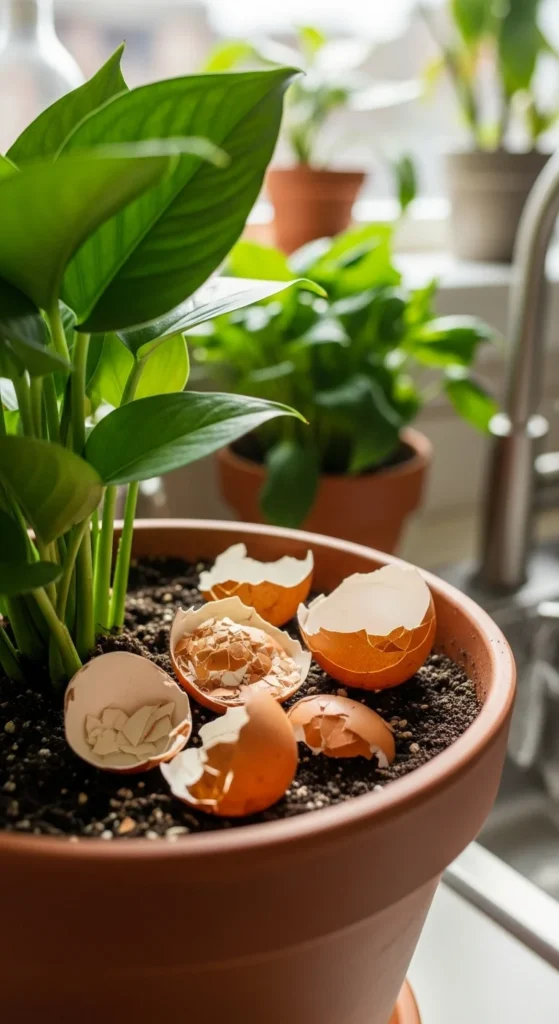
Rinse and dry eggshells, then crush them into tiny pieces. Mix into soil or sprinkle on top. The calcium in shells strengthens roots and balances acidity. You can even blend them with banana peel “tea” for an all-natural nutrient boost.
13. Make DIY Self-Watering Bottles
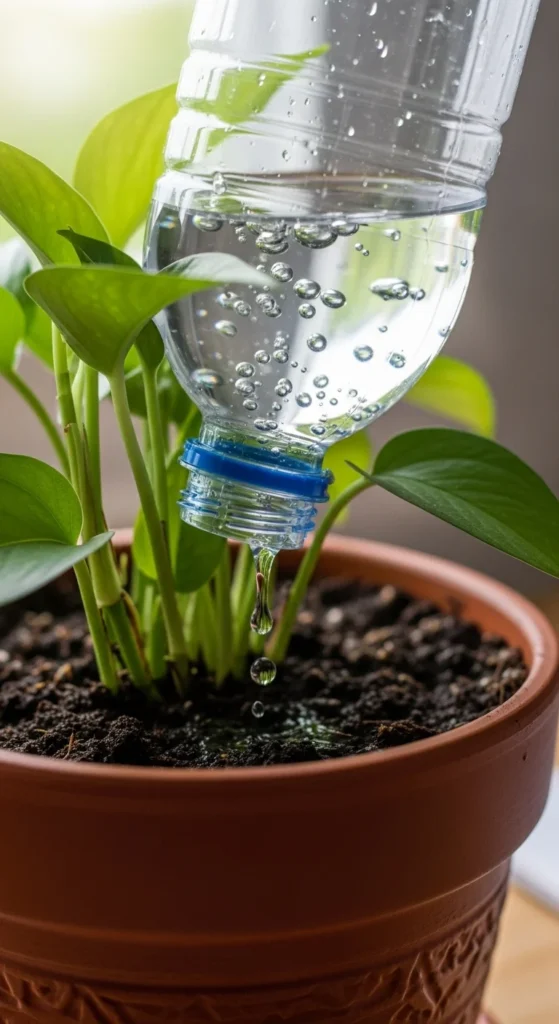
Cut a small plastic bottle in half, fill it with water, and poke a tiny hole in the cap. Flip it upside down into your pot’s soil. Water releases slowly over time, keeping soil evenly moist. It’s perfect for busy people or frequent travelers.
14. Use Grow Lights in Dark Corners
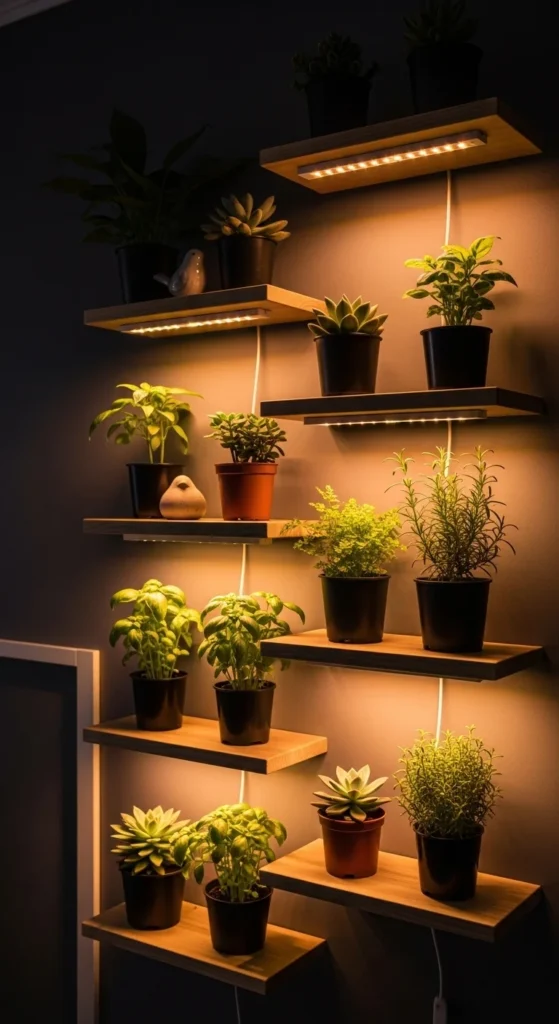
If your plants struggle with light, use energy-efficient LED grow lights. Position them 6–12 inches above the plants and run them for 10–12 hours daily. Choose bulbs with a “full spectrum” label to mimic natural sunlight.
15. Prune Dead Leaves Promptly
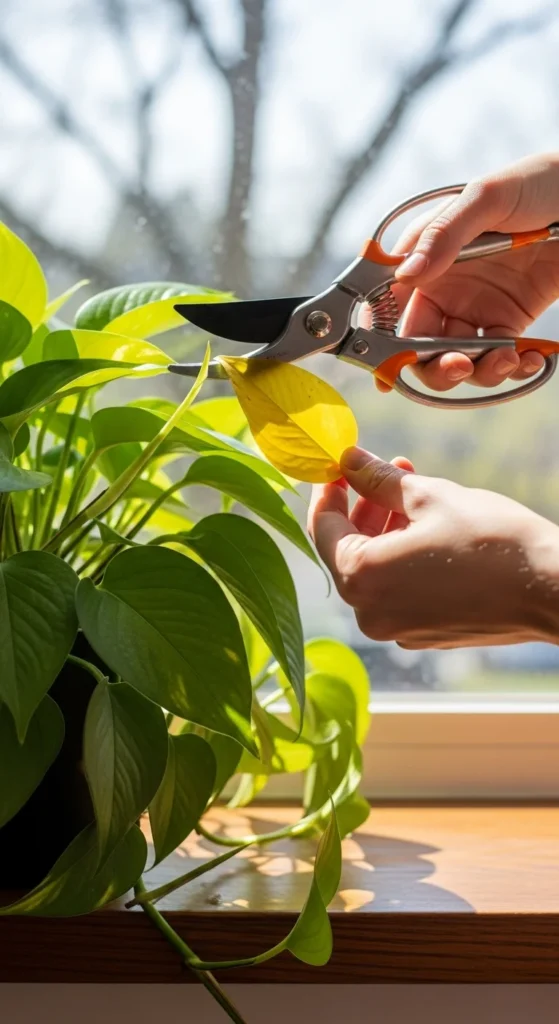
Dead or yellowing leaves drain energy from your plant. Trim them off as soon as they appear. Regular pruning encourages new growth and improves airflow. Always use clean scissors or pruning shears to avoid spreading disease.
16. Repot When Roots Peek Out
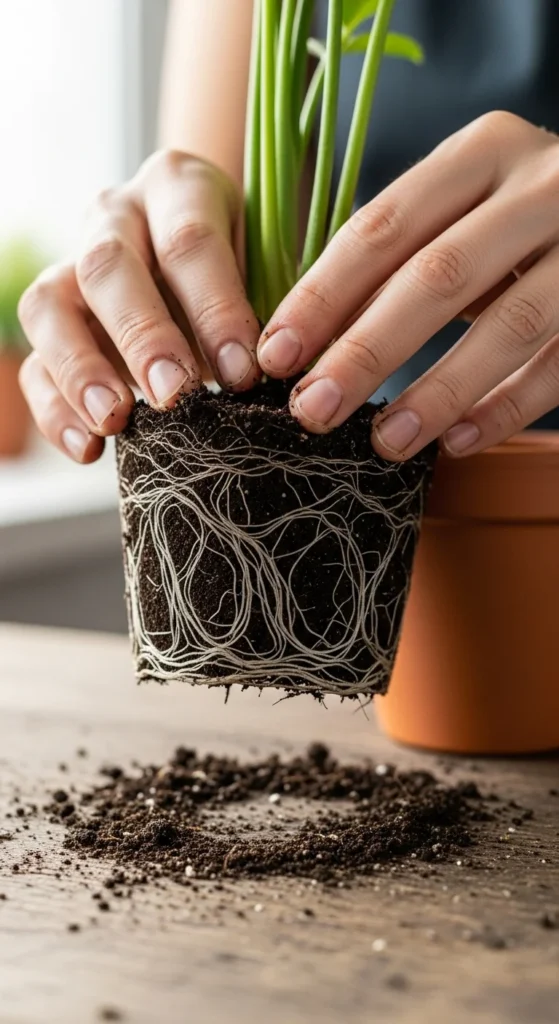
When roots start poking from drainage holes, it’s time to repot. Choose a pot one size larger and fresh, nutrient-rich soil. Repotting gives roots more room and prevents stunted growth. Spring is usually the best season for it.
17. Recycle Old Tea Bags
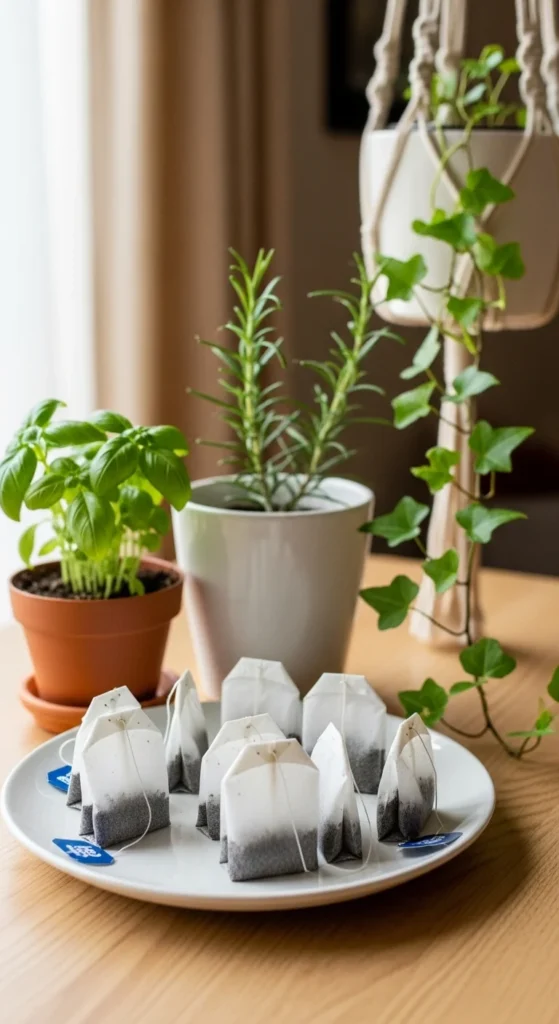
Used tea bags make great compost or mulch. Once cooled and opened, mix the leaves into your soil. They add gentle acidity and improve moisture retention. You can even steep used bags in water for a mild “tea fertilizer.”
18. Try Epsom Salt for Greener Leaves
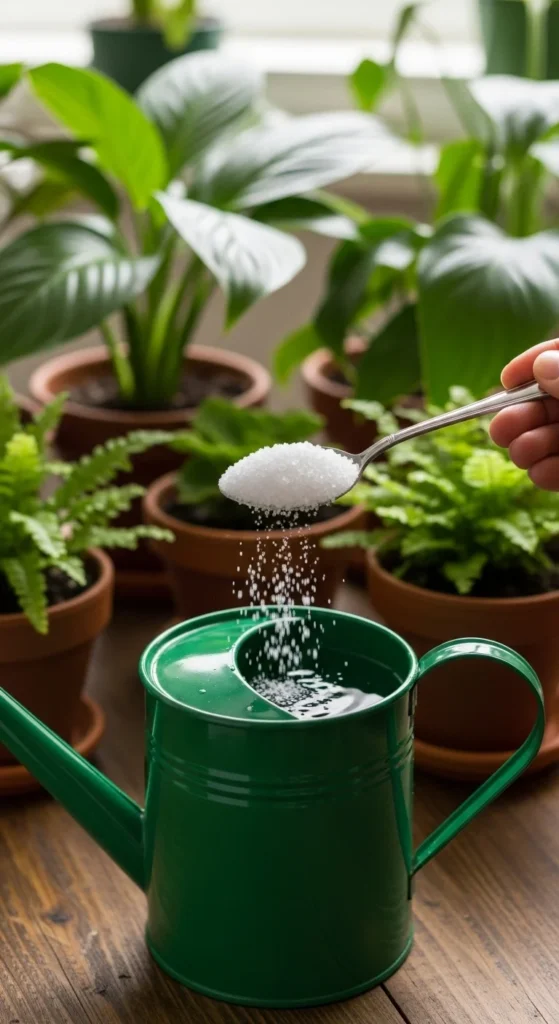
Mix one tablespoon of Epsom salt per liter of water and use it monthly. It adds magnesium and sulfur, helping plants maintain rich green leaves. Just don’t overuse it — once a month is plenty for indoor plants.
19. Add Vinegar for Acid-Loving Plants
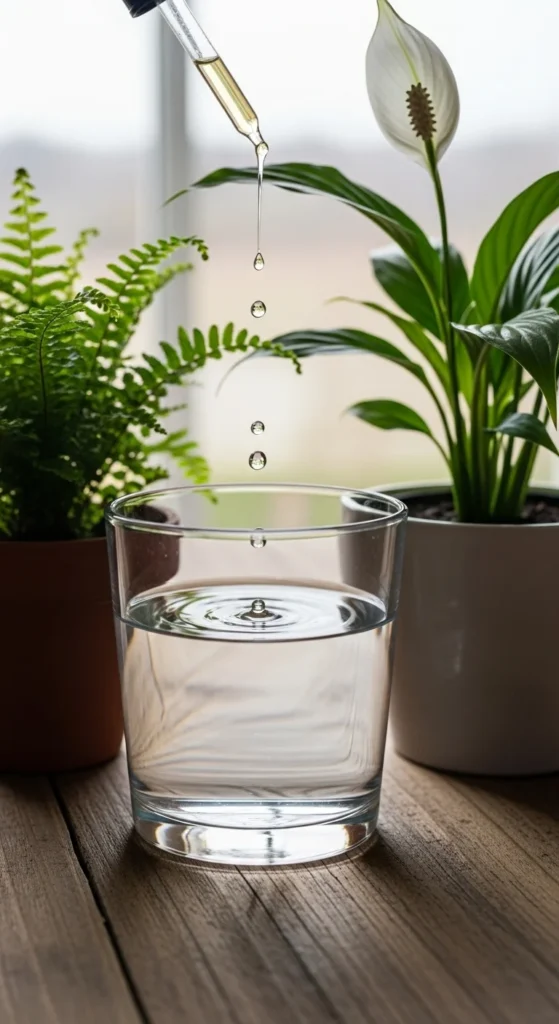
Mix one teaspoon of apple cider vinegar per liter of water to slightly acidify it. Use occasionally for plants that love acidic soil, such as ferns or gardenias. This helps balance pH and encourages better nutrient absorption.
20. Give Plants a Vacation Outdoors
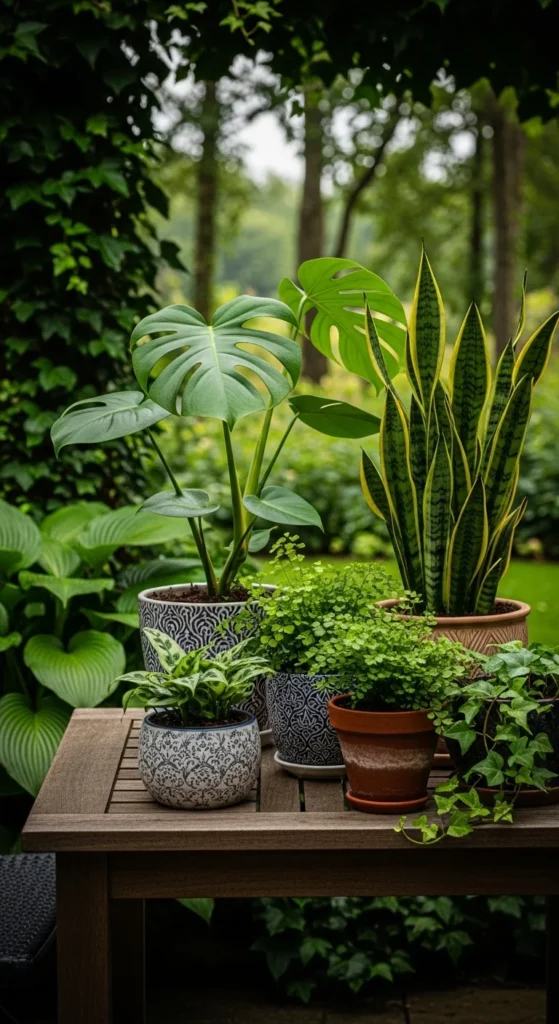
When weather is mild, move your plants outside for a few days. The fresh air, gentle rain, and real sunlight do wonders. Just keep them shaded at first to prevent shock. Bring them back indoors before temperatures drop.
21. Reuse Rainwater for Watering
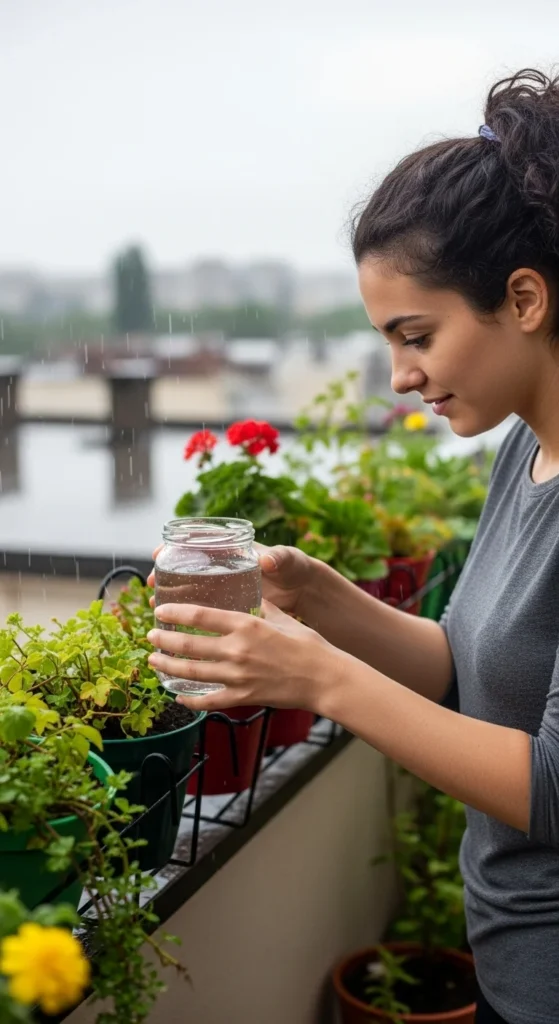
Rainwater is soft and chlorine-free — far better than tap water. Collect it in clean jars or buckets during showers. Use it within a few days for watering. This helps prevent mineral buildup in soil and makes houseplants thrive naturally.
22. Keep a Plant Journal
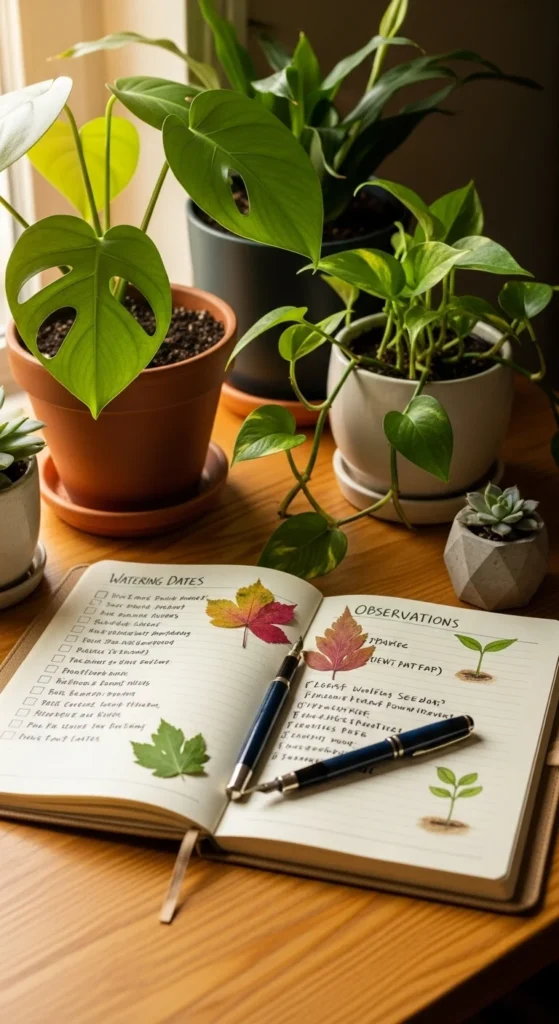
Tracking your plant care helps you notice patterns — when they grow fastest, when leaves droop, or which fertilizers work best. Use a simple notebook or a notes app to jot down watering days and sunlight changes. Over time, this habit makes you a more attentive and confident indoor gardener.
Conclusion
Indoor gardening is both relaxing and rewarding. These 22 practical hacks help your plants stay lush without expensive tools or complicated methods. From reusing kitchen scraps to creating humidity corners, each small step makes a big difference. Start with one or two tips today — your plants will thank you with brighter leaves and healthier growth year-round.

Leave a Reply