

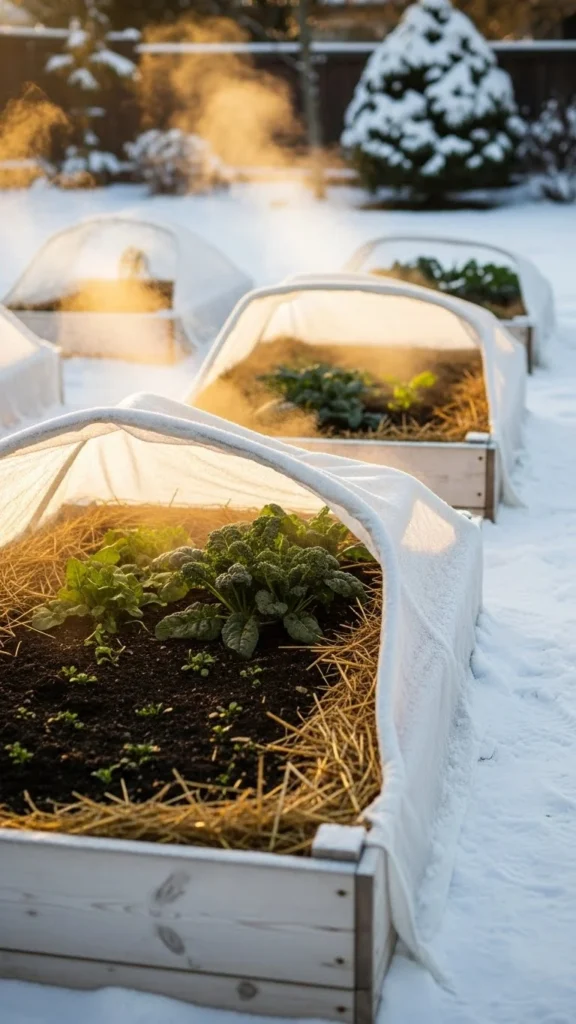
Keeping plants alive through cold months comes down to warmth, insulation, and simple protection layers that trap heat where it matters: around the roots. These insulated garden bed ideas help gardeners stretch their growing season, shield tender plants, and create pockets of warmth even during heavy frost. Each idea is budget-friendly, easy to build, and practical for everyday gardeners who want reliable results without complicated setups.
1. Straw-Packed Wooden Raised Bed
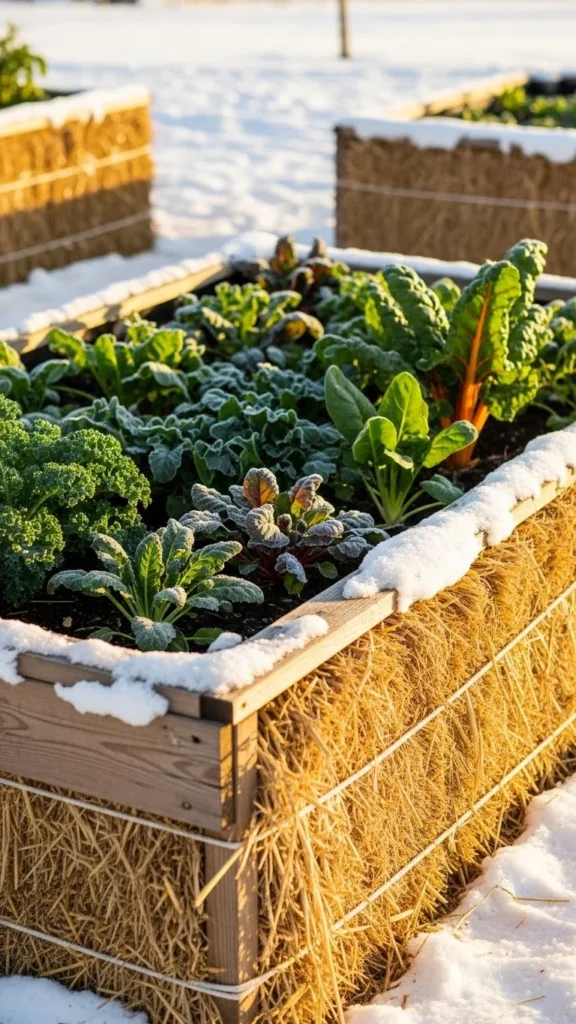
Packing straw around wooden raised beds is a simple trick that works well in cold climates. The straw acts like a natural blanket around the soil, keeping warmth inside. Create a barrier by stacking straw bales or stuffing loose straw between double wooden walls. This setup helps stop cold air from reaching the soil.
Keep the bed covered with a lightweight frost cloth at night. Add a few bricks along the edges to keep it secure during windy weather. This method works especially well for root crops, herbs, and winter greens. You can use leftover straw from fall decorations to keep costs low. Replace wet straw when needed so it stays dry and effective. This bed style is perfect for anyone who wants quick warmth with very little building work.
2. Insulated Metal Bed Wrapped in Bubble Film
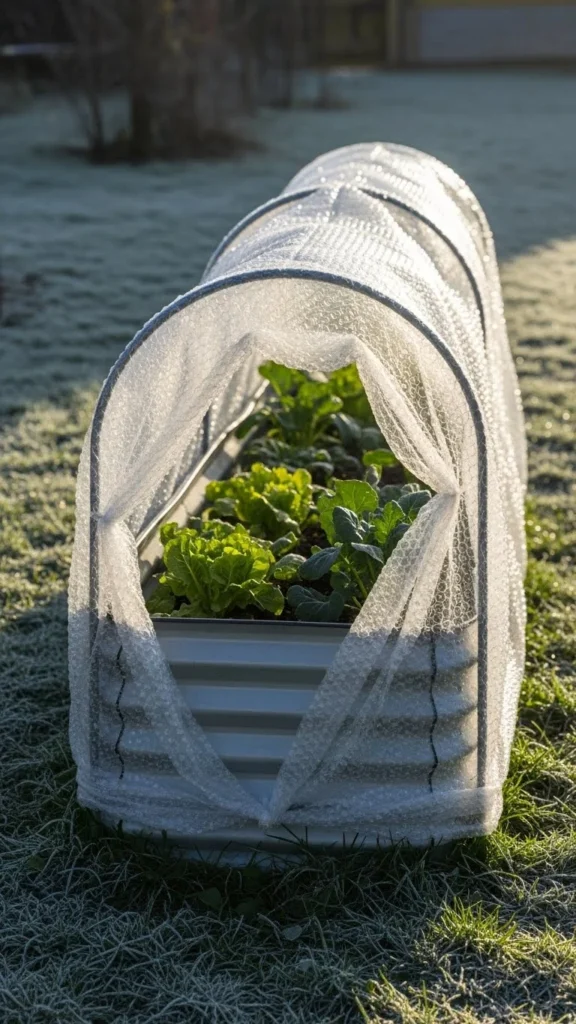
Metal beds cool down fast in winter, but wrapping them in bubble film helps hold warmth. Bubble film traps small pockets of heated air and creates a protective layer around the bed walls. It’s light, easy to attach, and reusable.
Wrap the exterior of the bed tightly and secure it with twine or clips. Add a cover made from poly sheeting to trap even more warmth during freezing nights. This setup works well for small raised beds or larger metal troughs. Gardeners love this idea because the wrapping can be removed once spring arrives. For extra warmth, line the inner walls with cardboard before adding soil. It adds a subtle layer of insulation that costs almost nothing. The result is a cozy growing space that protects greens, herbs, and winter flowers.
3. Cedar Bed with Reflective Interior Panels
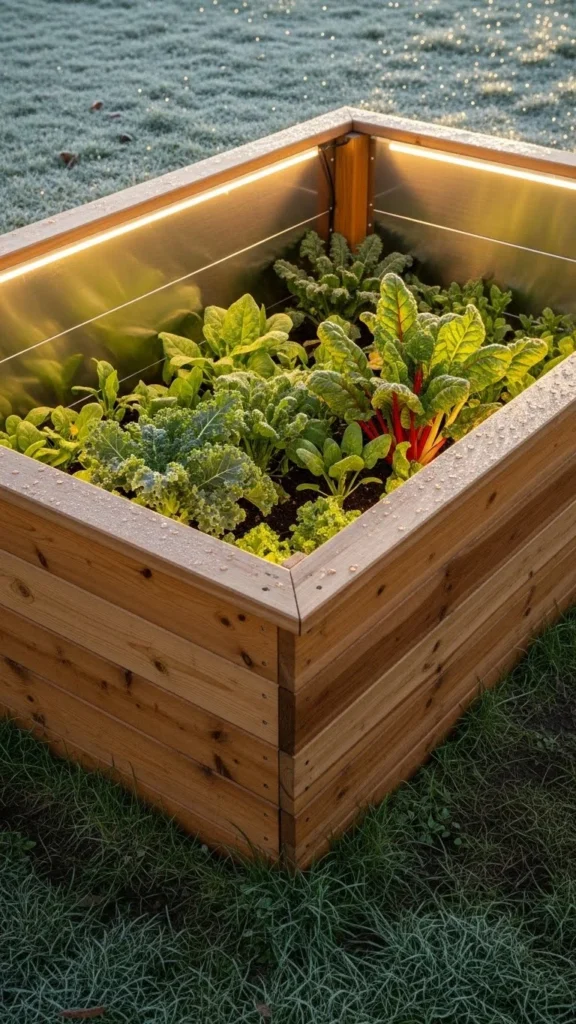
Adding reflective panels inside a cedar bed helps direct sunlight toward the soil. These panels keep warmth inside and reduce heat loss during cold evenings. You can use basic reflective insulation sheets found in hardware stores. Cut them to size and staple them directly to the inner walls.
This setup works especially well in gardens that get morning or afternoon sun. The cedar frame also holds heat naturally. Combine the reflective interior with a clear cover for extra warmth. Many gardeners pair this design with heat-loving winter crops like spinach or mache. You can even reuse the reflective panels every year. This bed feels warm during the day, even when outside temperatures dip.
4. Compost-Fueled Hot Bed
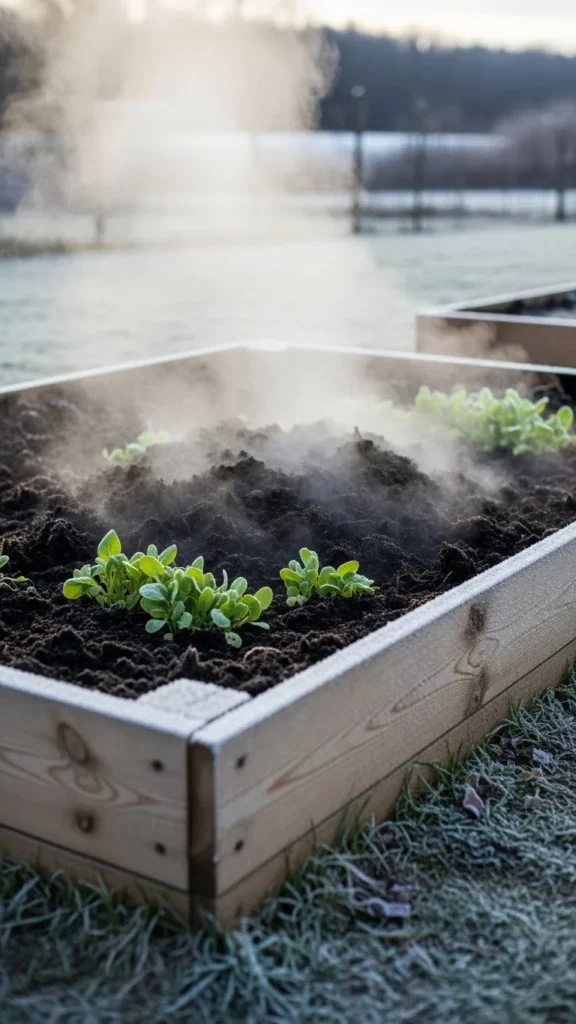
If you want a warm garden bed with no electricity, a compost-fueled hot bed works beautifully. Fresh compost generates natural heat as it breaks down. Place a thick layer of compost at the bottom, then add soil on top. The warmth will rise and keep the roots protected.
You can refresh the compost layer throughout winter by adding kitchen scraps, leaves, or grass clippings. Cover the bed with a simple wood frame topped with plastic sheeting to trap rising heat. This method is popular with gardeners who want early spring seedlings. It helps lettuce, radishes, and kale stay alive even during unexpected temperature drops. The setup also improves soil quality for the next season.
5. Double-Walled Wooden Bed with Insulation Fill
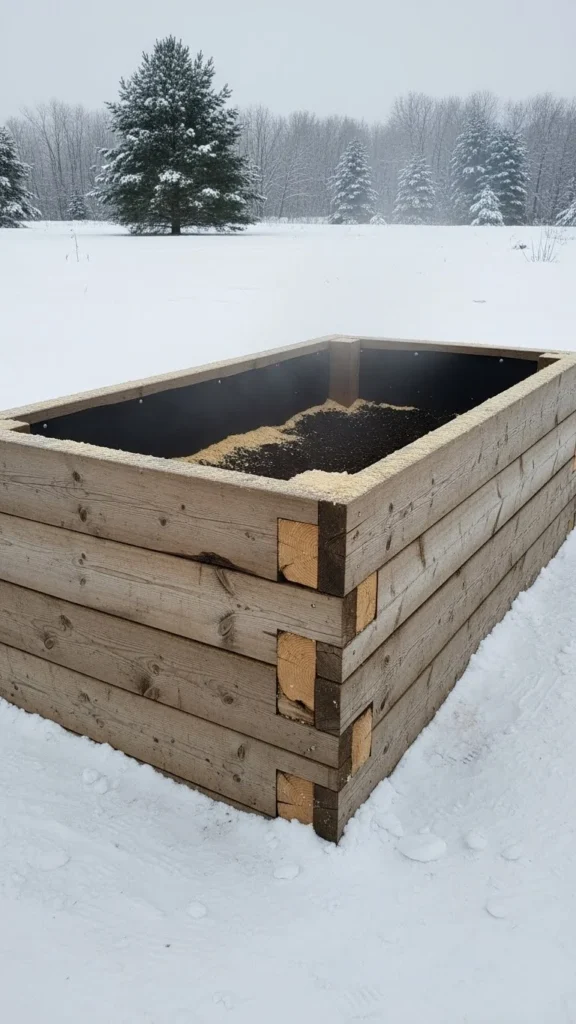
A double-walled wooden bed creates a thick buffer against cold temperatures. The space between the walls can be filled with sawdust, leaves, shredded paper, or straw. These natural fillers trap heat and keep the inner soil warm.
Build two identical frames and nest one inside the other. Pack the gap tightly. This insulated style works best for gardeners who want long-term winter beds that stay warm even during extreme frost. Add a polycarbonate top for even more warmth. This idea is durable, budget-friendly, and perfect for overwintering herbs or perennial vegetables. You can refill the insulation each season as materials break down.
6. Hoop-Top Insulated Bed

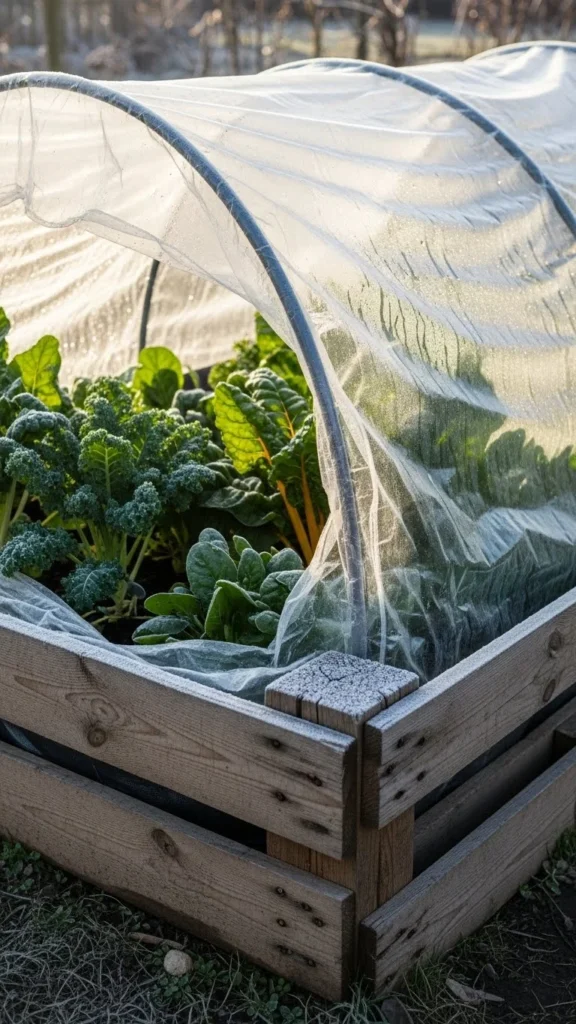
Adding a simple hoop top turns any raised bed into a warm mini-greenhouse. The structure traps daytime warmth and shields plants from wind. Use PVC or metal hoops and stretch a clear plastic sheet or frost cloth across the top.
You can lift the cover during warmer days and close it at night. This method protects leafy greens, carrots, and herbs wonderfully. For extra insulation, line the bed walls with cardboard or straw. This design also helps reduce moisture loss during dry winter air. It’s a perfect choice for gardeners who want a low-cost but effective warming method.
7. Stone-Lined Heat-Retaining Bed
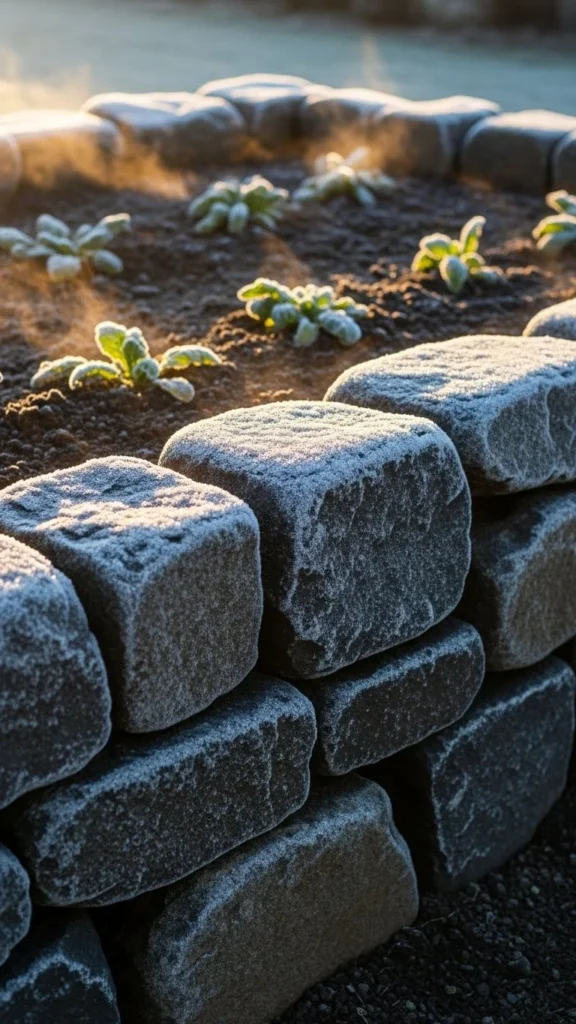
Stones absorb sunlight during the day and release gentle warmth after sunset. Lining a raised bed with stones helps regulate temperature naturally. Place the stones tightly along the inner or outer bed walls.
This setup works well for winter greens, carrots, and hardy herbs. For better results, use darker stones because they hold warmth longer. You can also pair this method with a frost cloth topper for extra protection. Gardeners love stone-lined beds because they blend beautifully into natural landscapes while improving root warmth with no extra work.
8. Straw Bale Perimeter Bed
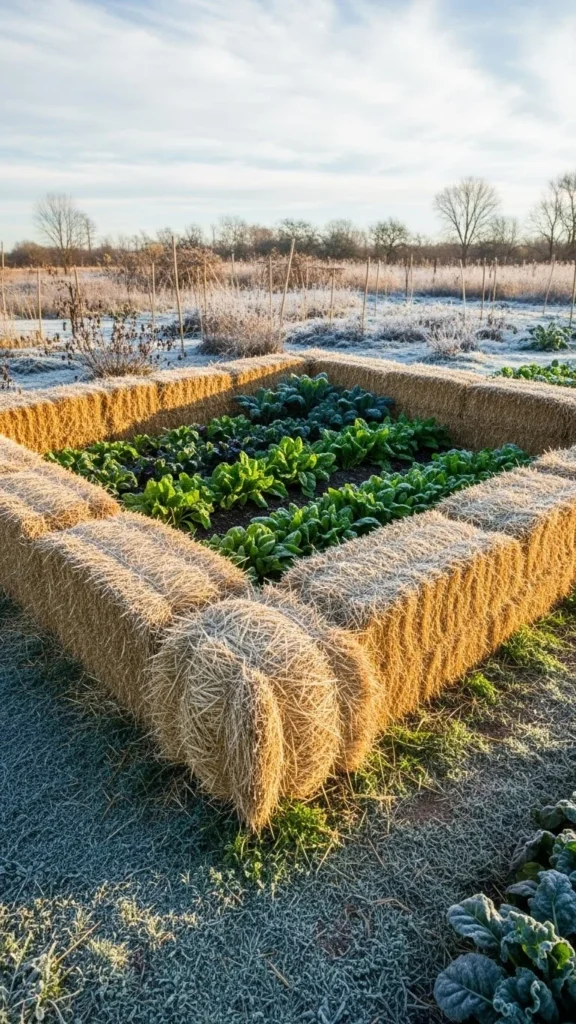
Straw bales naturally trap warmth, making them excellent walls for winter beds. Build a perimeter using full bales, then fill the middle with rich soil. The thick sides create a warm pocket that shields plants from cold air.
This method is great for large or oddly shaped beds. Replace old bales annually or compost them. For added warmth, lay a frost cloth over the top during extra cold nights. This style is perfect for gardeners wanting a fast, low-effort bed that thrives through winter.
9. Insulated Bed with Old Blankets Under Mulch
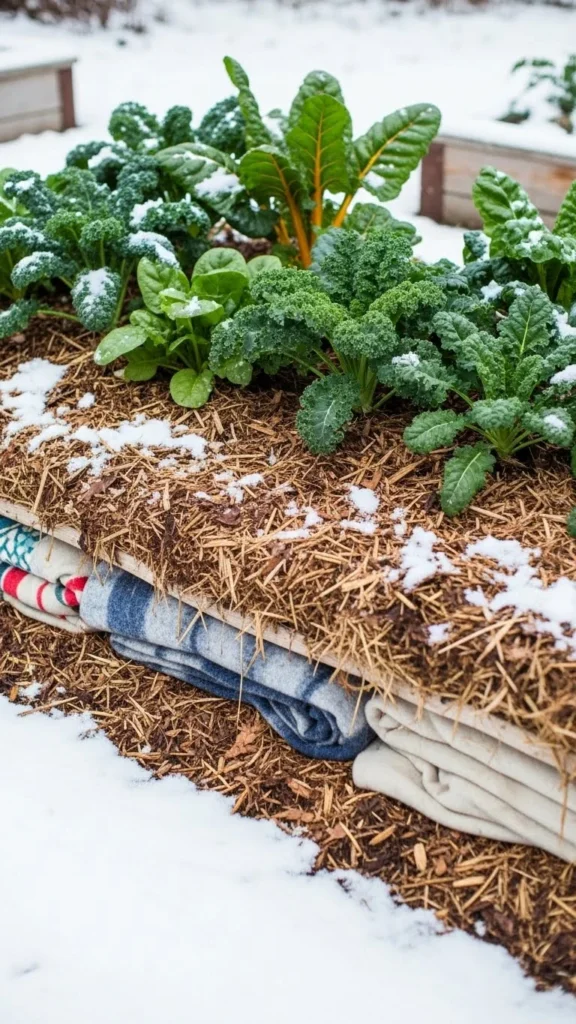
You can repurpose old cotton or fleece blankets as insulation under mulch. Lay them directly over the soil and add mulch or straw on top. This creates a warm cushion that protects roots.
This trick works especially well for perennials and herbs that struggle in sharp temperature drops. Use breathable fabrics so moisture doesn’t gather underneath. Add a frost cloth as a top layer for extra warmth. This is one of the easiest and most budget-friendly ways to keep soil warm through winter.
10. Plastic-Wrapped Pallet Bed
Pallets make great frames for winter beds. Wrap the exterior tightly with plastic film to stop cold air from entering through gaps. This also helps trap warmed air inside the soil area.
This method works best for gardeners who love upcycling materials. Pallet beds are quick to build and easy to insulate. Add a top cover made from plastic sheeting or old greenhouse panels. Grow hardy greens, garlic, or turnips in this setup. It’s a reliable and simple way to keep warmth where it matters.
11. Soil-Mounded Insulated Bed

A mounded soil bed traps warmth better than flat soil. Add a thick mulch layer, such as leaves or wood chips, to protect the mound. This style works well for root vegetables and overwintering flowers.
You can also cover the mound with a lightweight plastic tunnel for extra warmth. This design is simple, affordable, and ideal for gardeners who want a natural insulation method. Replenish the mulch through the season to maintain protection.
12. Polycarbonate-Walled Garden Bed
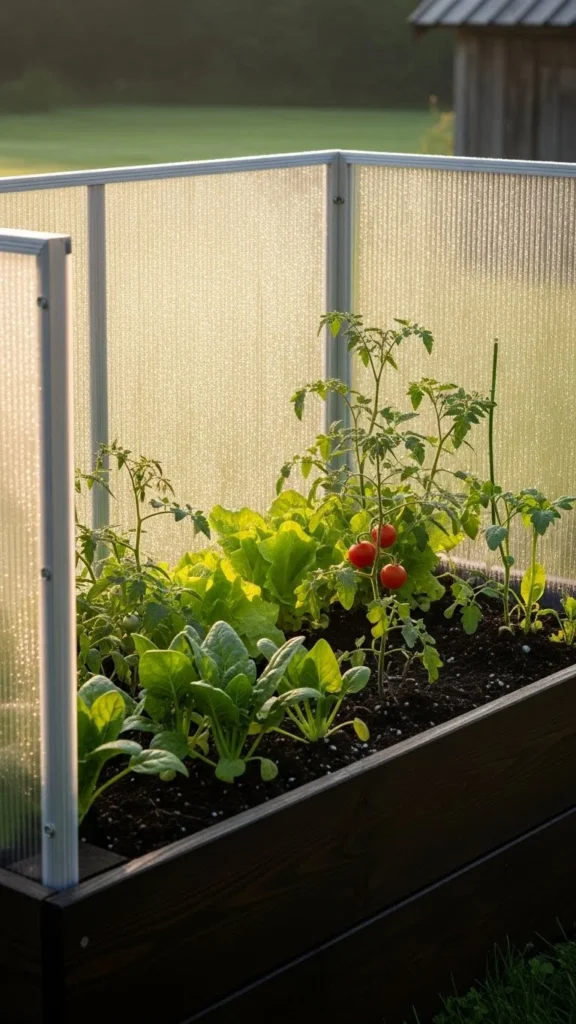
Polycarbonate panels hold warmth well and allow plenty of sunlight in. Build a bed using these panels as the outer walls. The interior stays warm even when temperatures fall quickly.
Pair this design with soil warmers or layers of mulch for increased protection. The panels last for years and are strong enough to handle winter storms. This bed style works perfectly for herbs, winter greens, and early seedlings.
13. Leaf-Stuffed Insulated Bed
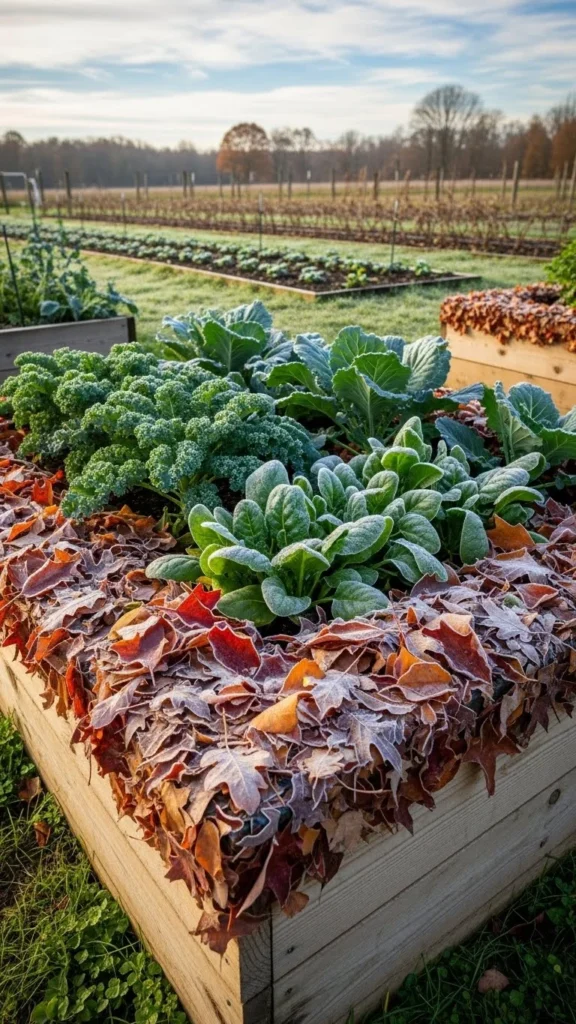
Dry leaves act as natural insulation. Stuff them between double walls or pile them tightly along the outer edge of a raised bed. Leaves trap pockets of warm air and keep frost from chilling the soil.
This method is perfect for gardeners who want a free insulation material. Refill the leaves as they compress. Cover the bed with plastic sheeting or a frost cloth for added warmth.
14. Garden Bed with Heat-Absorbing Black Liner
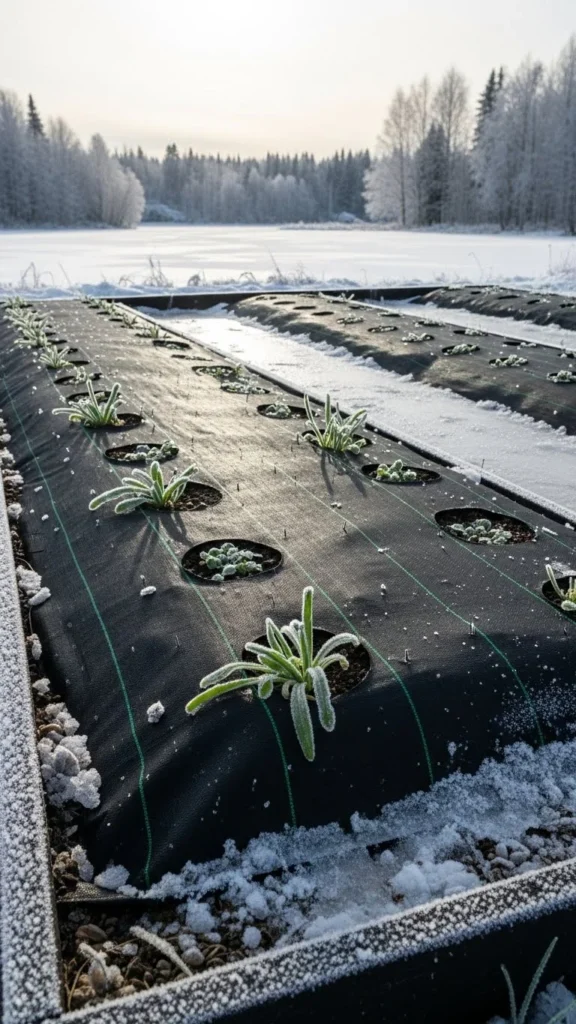
Black liners absorb sunlight and help warm the soil naturally. Attach black fabric to the inside walls of the bed or lay it on the soil surface before adding mulch.
This method works well for smaller beds or for areas that receive strong sunlight. The fabric is inexpensive and easy to install. Pair it with row covers for even more warmth. This approach is great for winter herbs and leafy greens.
15. Mulch-Heavy Winter Bed
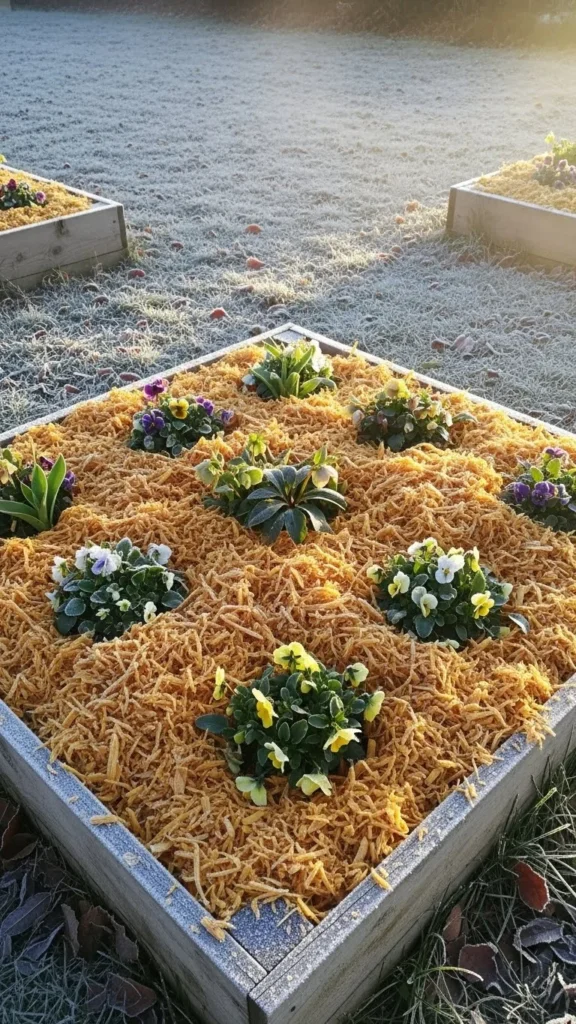
Mulch is one of the simplest ways to warm a garden bed. A deep layer prevents rapid temperature changes and shields delicate roots. Use straw, shredded leaves, wood chips, or even pine needles.
Add more mulch as it settles. This style works for nearly any crop and keeps soil workable through much of winter. Combine it with side insulation or a hoop cover for even stronger protection.
16. Earth-Sheltered Corner Bed
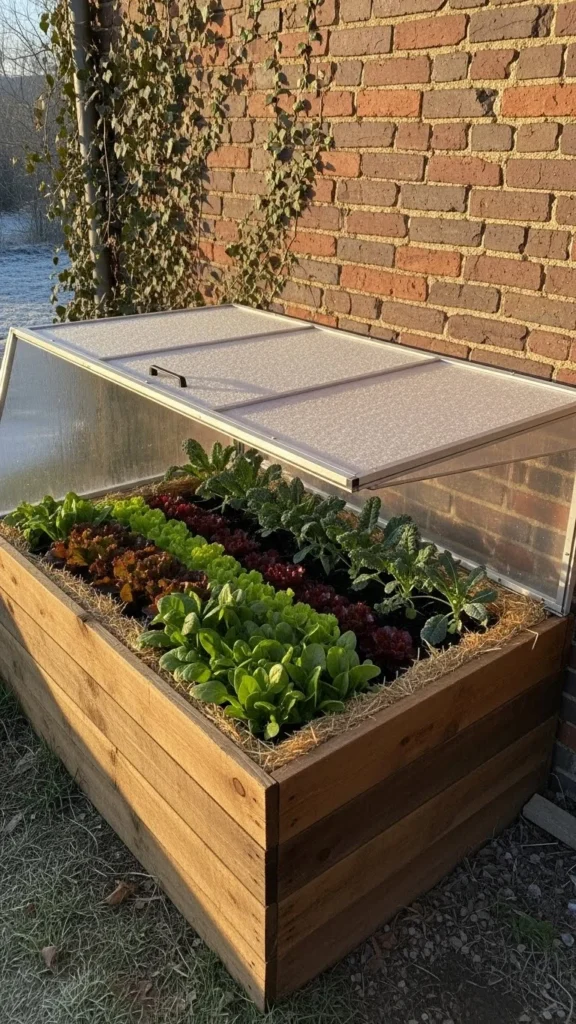
Placing a garden bed against a south-facing wall helps capture radiant warmth. The wall blocks wind and reflects heat toward the soil. Add straw or bubble film along the exposed sides to increase warmth even more.
This setup works great for small backyards or patios. Grow tender herbs, spinach, or winter lettuces in this location. The design uses existing structures to create a naturally warm pocket.
17. Cold-Frame Bed with Hinged Top
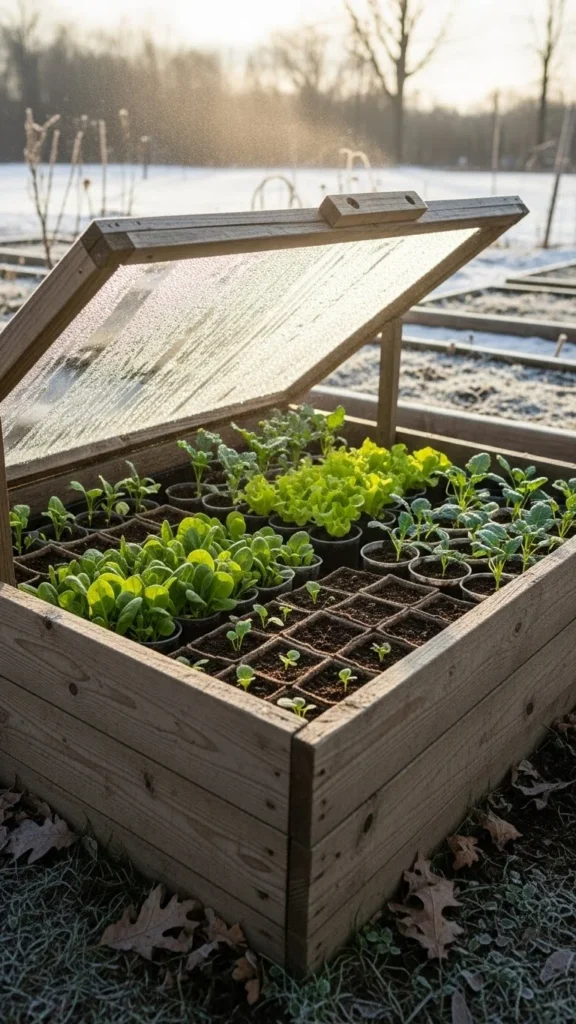
A cold-frame bed offers warmth, protection, and full control of ventilation. Build a box with a clear lid made from polycarbonate or old windows. The lid traps warmth while still allowing sunlight through.
Open the top slightly during warm afternoons to prevent excess heat. This setup keeps plants alive through harsh winters and allows early spring planting. Add mulch inside for root protection.
18. Hay-Insulated Garden Trough
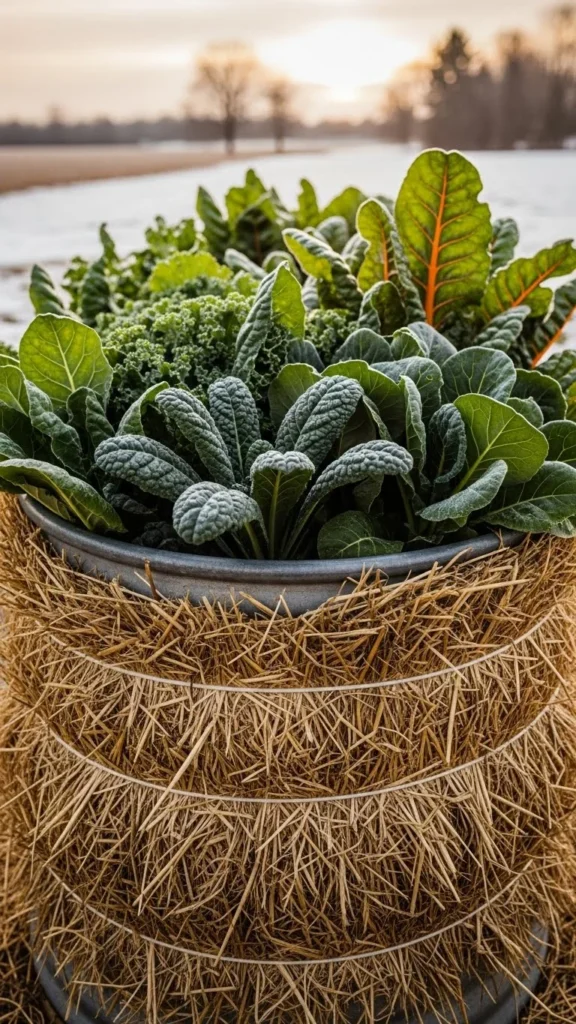
Metal troughs cool quickly, but adding hay around the outside keeps warmth in. Tie the hay in place with twine or rope. This creates a rustic but effective insulated bed.
This method works for patios or rooftop gardens where space is tight. Pair it with a simple plastic cover for extra warmth. Grow greens, carrots, or winter herbs with confidence.
19. Garden Bed with Heat-Collecting Water Jugs
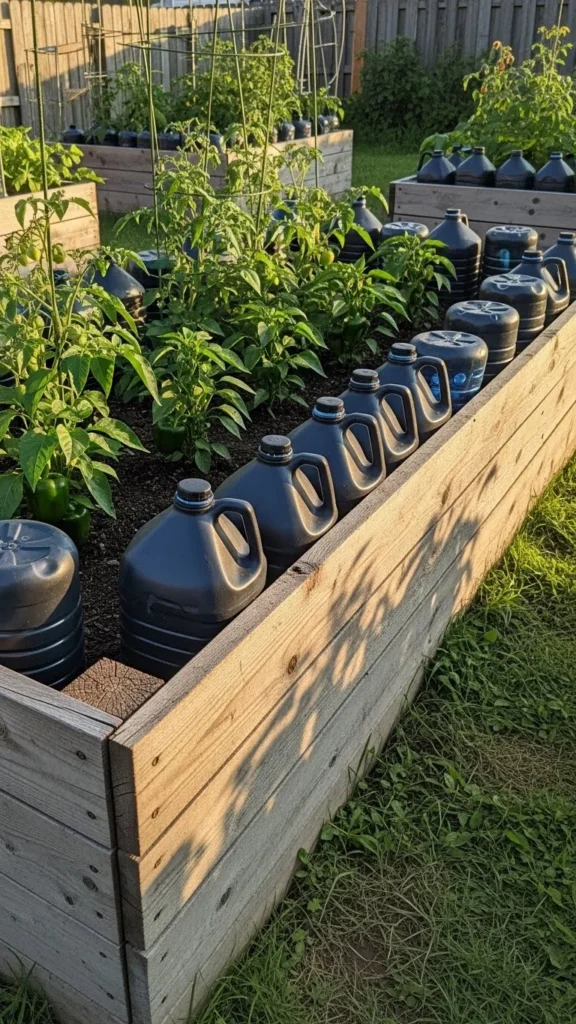
Water jugs painted dark absorb sunlight and release heat slowly through the night. Place them along the edges of a raised bed. They create a gentle warming effect that protects cold-sensitive crops.
Use recycled plastic jugs to keep costs low. Replace the water as needed during freeze-thaw cycles. Pair this method with a hoop cover for better results. It’s a clever way to extend harvest time without electricity.
20. Insulated Bed with Wool Fabric Layers
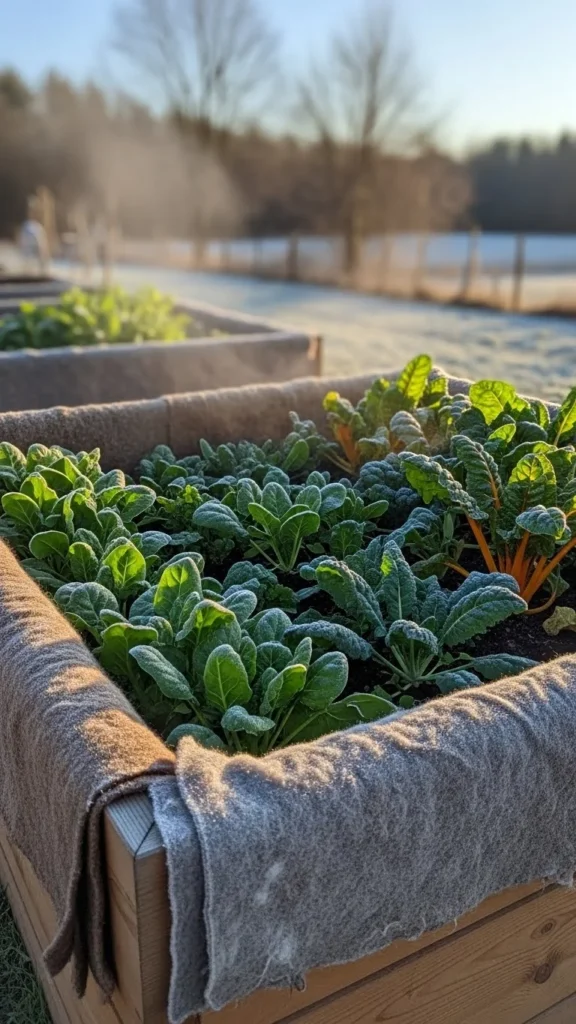
Wool holds warmth very well. Line the inner walls of a raised bed with old wool blankets or fabric scraps. Add a frost cloth on top to complete the protection.
This method is helpful for herbs, flowers, and perennials that struggle with sharp cold snaps. Replace fabric as it becomes damp over time. This is one of the easiest ways to create a warm bed using items already at home.
21. Greenhouse-Top Hybrid Bed
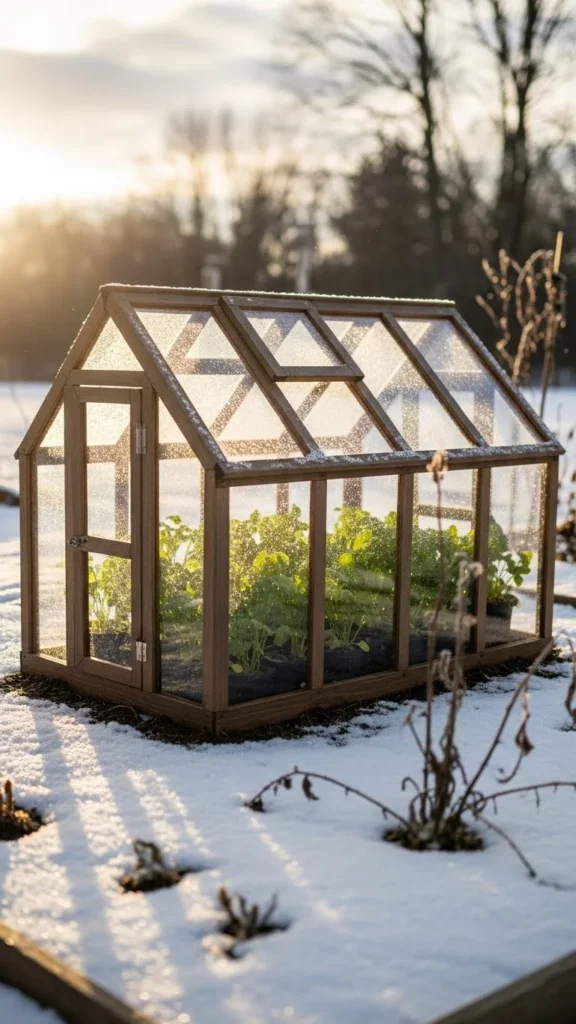
A mini-greenhouse top creates a fully insulated ecosystem above the soil. Use clear panels or plastic sheets over a lightweight frame. Warm air builds throughout the day and stays close to the plants.
This hybrid design works great for winter vegetables or propagation. Add insulation along the lower walls for stronger warmth. It’s ideal for gardeners who want four-season growing.
22. Fabric-Wrapped Wooden Bed
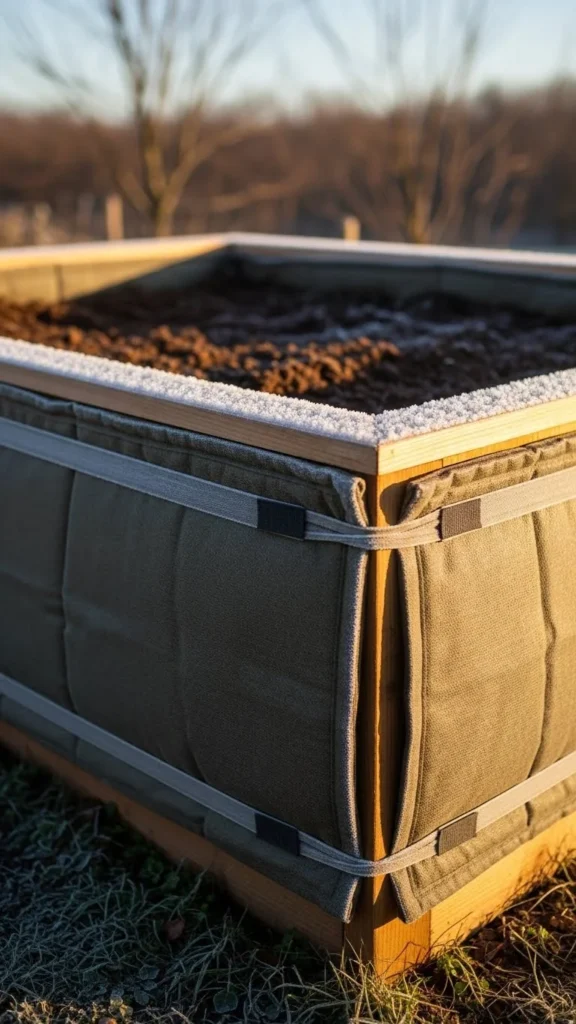
Outdoor fabric creates a windproof barrier that helps keep soil warmer. Wrap the sides tightly and secure the edges. Add extra layers for stronger insulation.
This design works for windy gardens or open yards where plants lose heat quickly. Combine with a frost cloth or plastic top for additional warmth. It’s a simple fix that delivers reliable cold protection.
23. Cob-Insulated Earthen Bed
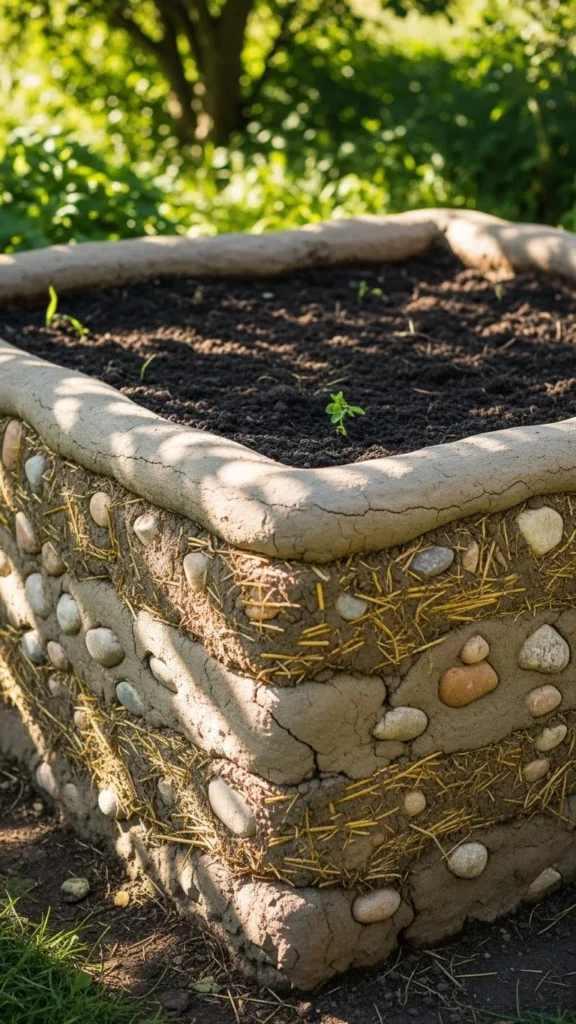
Cob walls hold heat well thanks to their dense structure. Build a low earthen frame and pack it tightly. The thick walls warm slowly but stay warm for long periods.
Use this style for overwintering herbs and root crops. Cover the top with a plastic tunnel for extra warmth. Cob beds blend beautifully into natural spaces and provide long-lasting insulation.
24. Plastic Bottle-Filled Insulated Bed
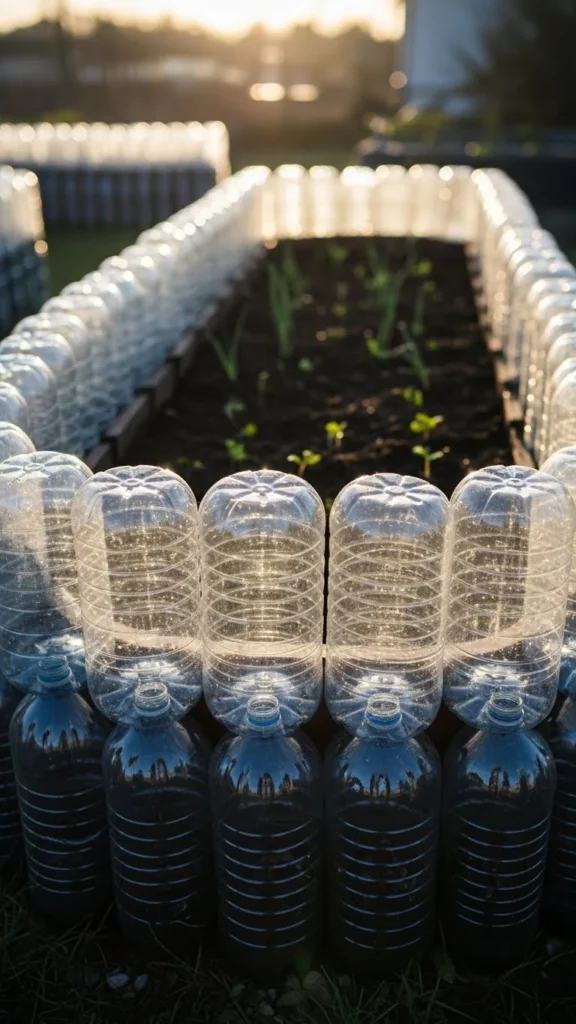
Filling the outer walls with empty plastic bottles traps warm air in each bottle, creating a surprisingly effective insulation wall. Use bottles of similar size for clean stacking.
This is perfect for gardeners who want a zero-cost insulation method. Add mulch inside the bed and a frost cloth on top. This design keeps roots warm even during sharp temperature drops.
25. High-Wall Timber Bed with Insulated Corners
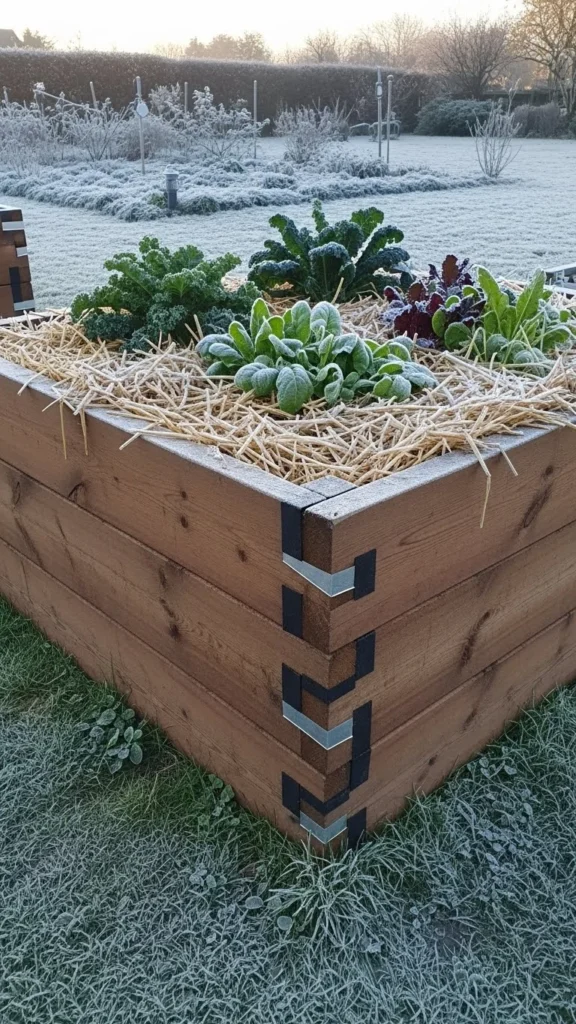
Tall timber beds hold warmth better than shallow ones. Add extra insulation in the corners by stuffing straw, leaves, or wool fabric inside. Corners lose heat quickly, so this trick creates a warmer internal pocket.
Add mulch on top and a hoop cover for stronger protection. This bed style works well for hearty winter crops and early spring planting. It’s a durable design that makes winter gardening far easier.
Conclusion
Warm insulated beds help gardeners protect their plants during cold spells, stretch the growing season, and keep soil lively even when frost settles in. With simple materials like straw, mulch, leaves, fabric, and clear covers, anyone can create a protected space where winter crops stay strong. Choose a few ideas that fit your yard and start building steady warmth around your plants today.

Leave a Reply