

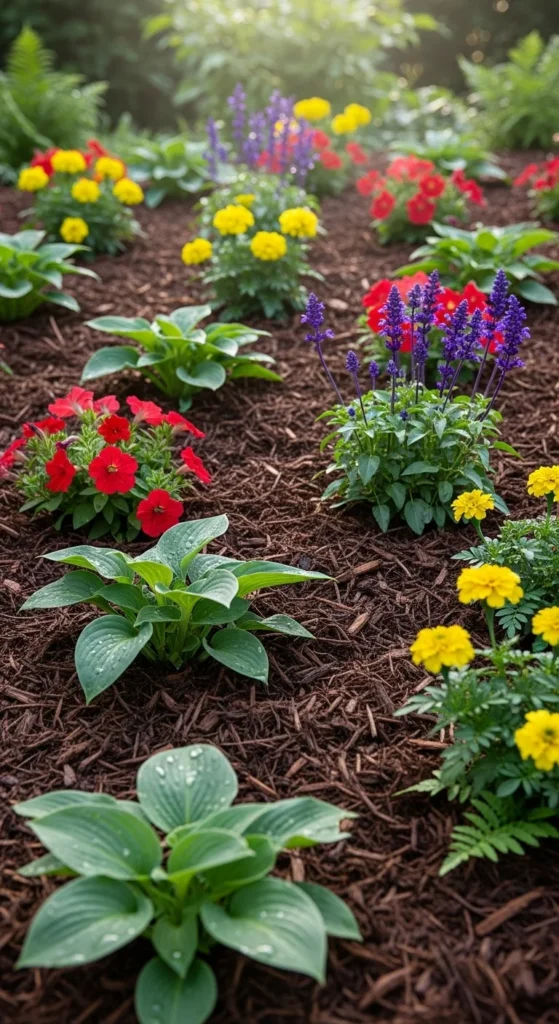
Keeping plants thriving year-round doesn’t have to be complicated. The secret often lies in something simple—mulching. This natural layer of protection does much more than make your garden look neat. It nourishes the soil, controls temperature, conserves moisture, and keeps weeds under control. Whether you’re growing vegetables, flowers, or shrubs, learning why mulching matters can transform your garden’s health and save you time and effort.
1. Retains Moisture in the Soil
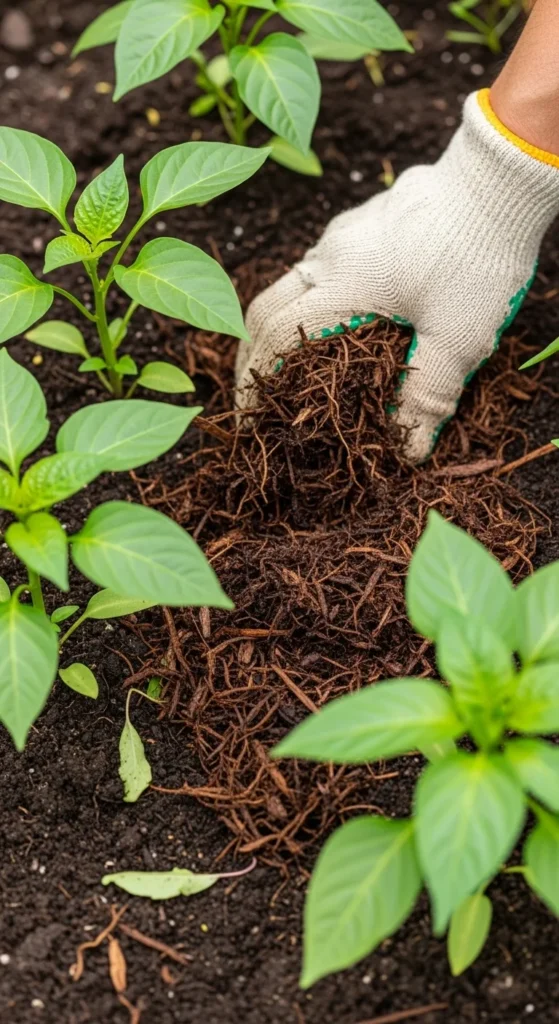
Mulch acts like a sponge. It traps water in the soil, keeping plant roots hydrated even on hot days. This means you can water less often and still maintain steady growth. Organic mulch like wood chips or straw absorbs rainfall and releases it slowly into the ground. Try adding a 2–3-inch layer around your plants but leave a small gap near the stems to prevent rot. For budget gardeners, shredded leaves collected in fall work beautifully as free mulch.
2. Regulates Soil Temperature
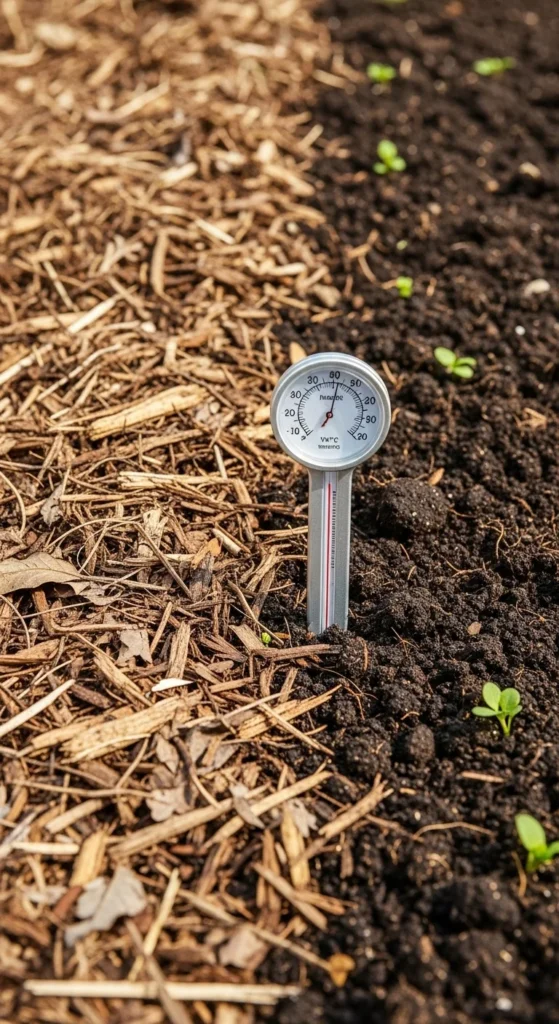
Temperature swings can stress roots. Mulch keeps things steady by insulating the soil—cooler in summer, warmer in winter. Plants love stability, and this layer of protection helps them survive seasonal changes. In colder climates, mulching before frost helps bulbs and perennials overwinter safely. Even a simple DIY mix of grass clippings and leaves will do the job.
3. Prevents Weed Growth
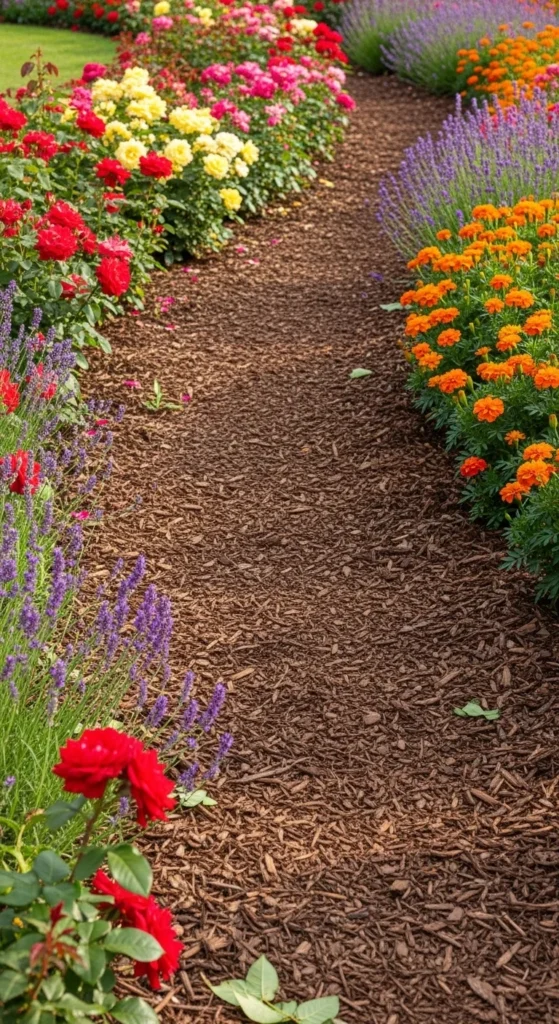
Weeds steal water, sunlight, and nutrients. A thick mulch layer blocks sunlight, stopping new weeds from sprouting. It also makes pulling existing weeds easier since the soil stays soft. Use bark chips, straw, or composted mulch for effective coverage. For extra weed resistance, layer old newspaper beneath the mulch—it’s an easy, eco-friendly barrier.
4. Improves Soil Fertility
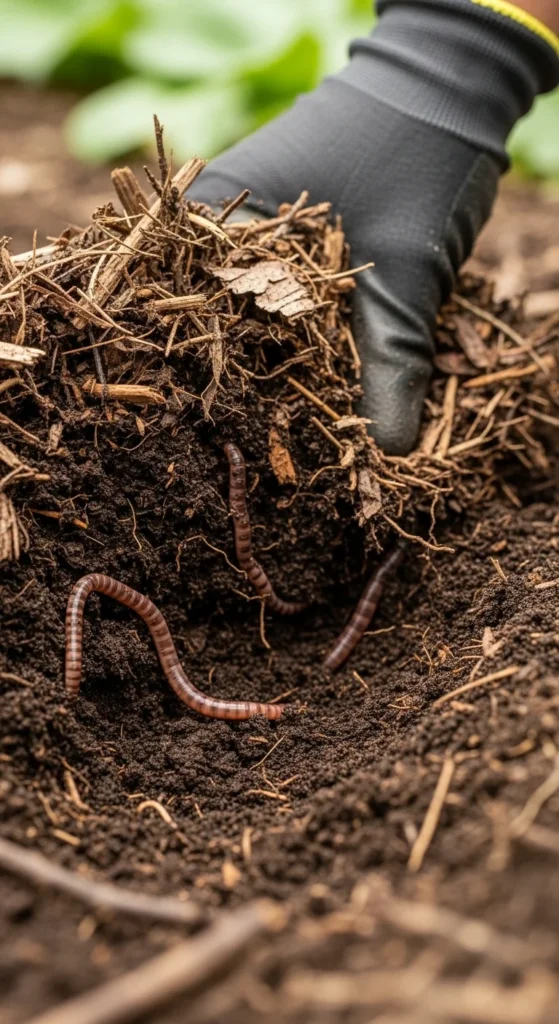
Organic mulch breaks down slowly, adding nutrients back into the soil. As it decomposes, it feeds microorganisms and improves soil texture. Over time, this process enhances fertility and promotes strong root growth. You can recycle your yard waste—shredded leaves, grass, or compost—as mulch instead of buying new material.
5. Reduces Soil Erosion
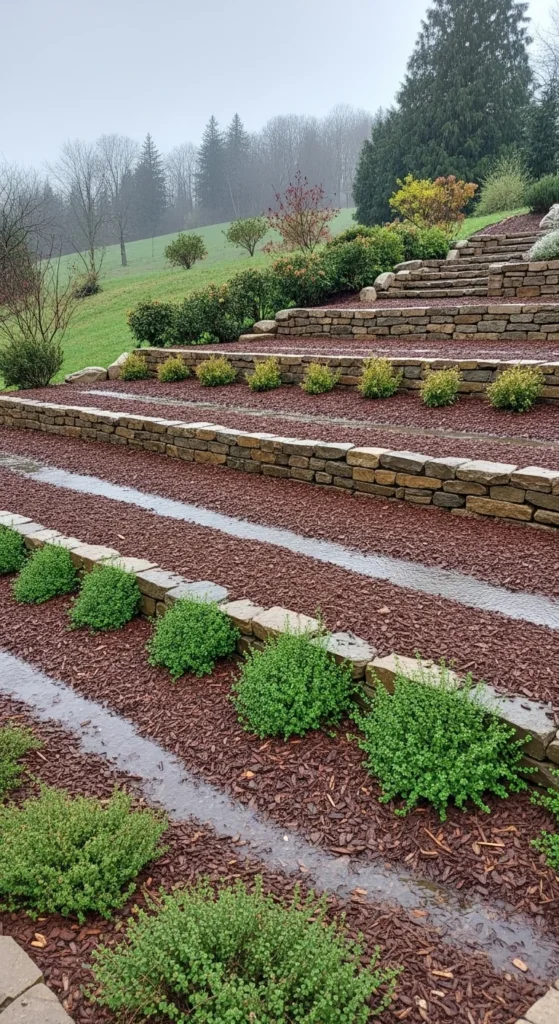
Rain and wind can strip away topsoil. Mulch helps anchor it by absorbing impact and slowing down water flow. This keeps your soil where it belongs—around your plants. Use heavier mulch like wood chips or bark on slopes for extra stability. It’s an affordable fix for erosion-prone areas.
6. Enhances Garden Appearance
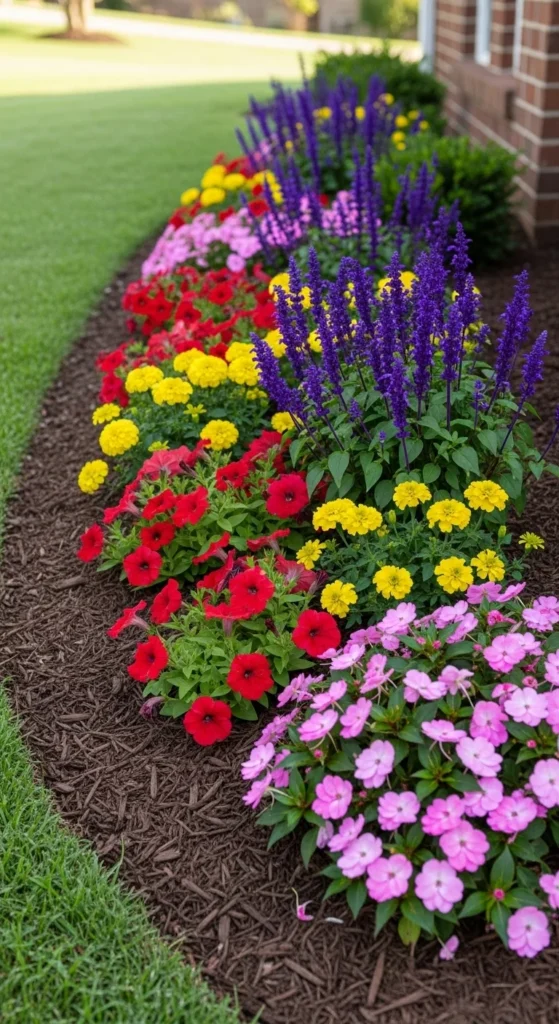
Mulch gives your garden a clean, finished look. The contrast between mulch and green plants highlights your landscaping design. Whether you prefer natural wood tones or decorative stones, mulching instantly adds polish. Refresh it every season for a tidy, professional touch that makes your garden feel well-kept.
7. Protects Plant Roots
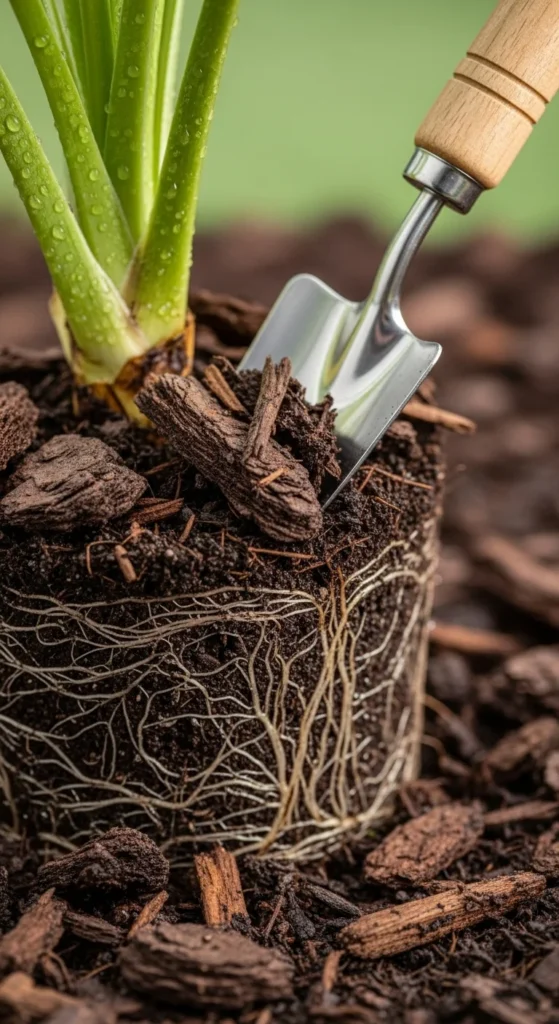
Extreme temperatures and drying winds can harm roots. Mulch shields them by creating a cushion that keeps the soil soft and safe. It’s especially helpful for shallow-rooted plants and young transplants. Keep the mulch layer even and avoid piling it against stems.
8. Encourages Beneficial Microbes
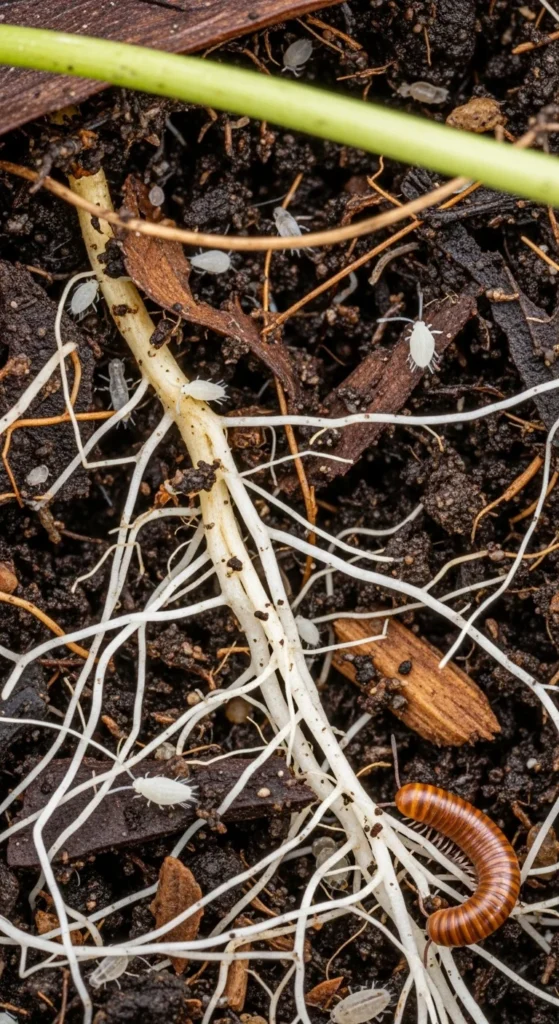
Healthy soil teems with life. Mulch supports beneficial bacteria, fungi, and earthworms by providing them food and moisture. These tiny workers aerate the soil and break down nutrients plants can easily absorb. Natural mulch, such as compost or straw, promotes this micro-ecosystem effortlessly.
9. Saves Time on Garden Maintenance

Less watering, fewer weeds, and minimal soil work—mulching lightens your workload. Once applied, it continues working quietly for months. A simple once-a-year refresh keeps your garden in great shape with minimal effort. It’s perfect for busy homeowners or anyone who prefers a low-maintenance garden.
10. Prevents Soil Compaction
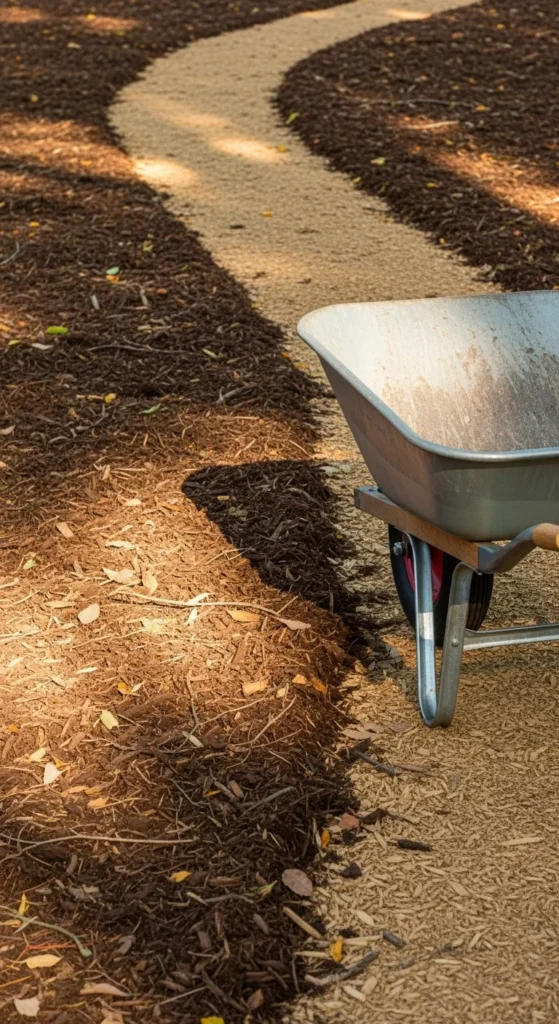
Walking, rain, or watering can pack down soil, making it hard for roots to grow. Mulch absorbs pressure and keeps soil airy. This improves water absorption and root expansion. Apply mulch around pathways or high-traffic areas to protect delicate root zones.
11. Reduces Splash-Back of Soil
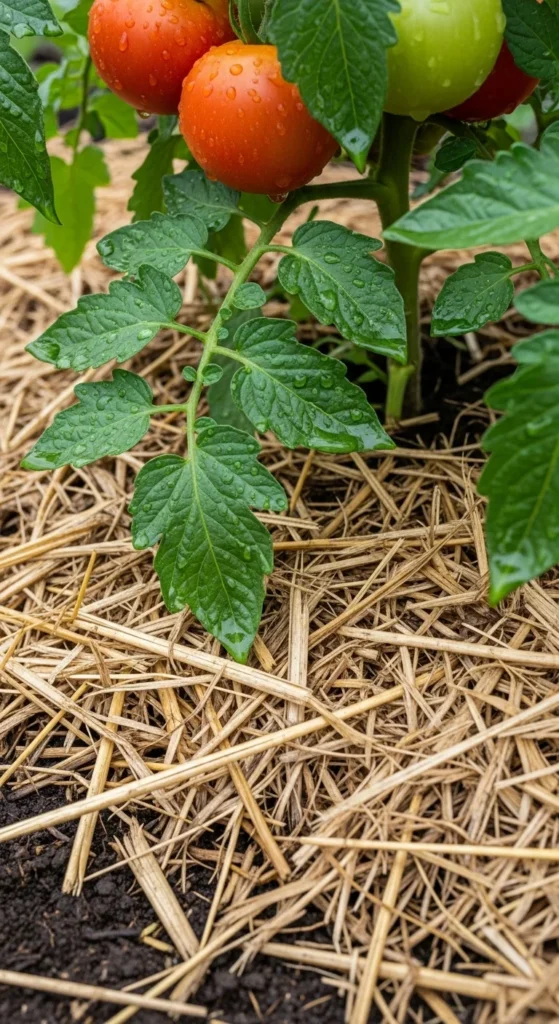
When rain hits bare soil, it splashes dirt onto leaves, spreading diseases. Mulch acts as a natural barrier. It keeps leaves clean and reduces the spread of soil-borne pathogens. For vegetables like tomatoes or peppers, this simple step can make a big difference in plant health.
12. Cuts Down on Water Bills
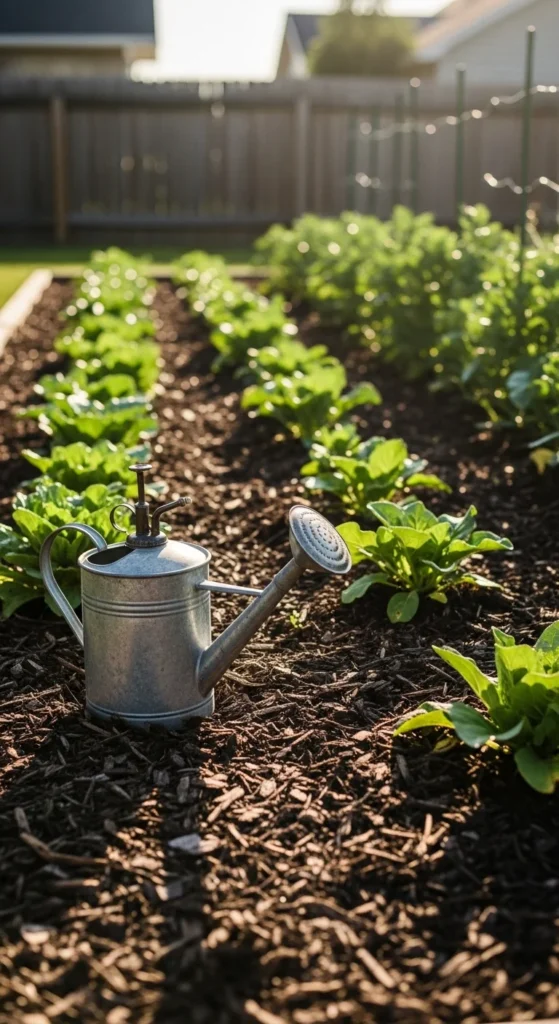
Mulching helps the soil hold moisture longer, reducing how often you water. This means you’ll use less water while keeping plants healthy. It’s an eco-friendly and cost-saving technique, especially valuable in dry or drought-prone areas.
13. Adds Organic Matter
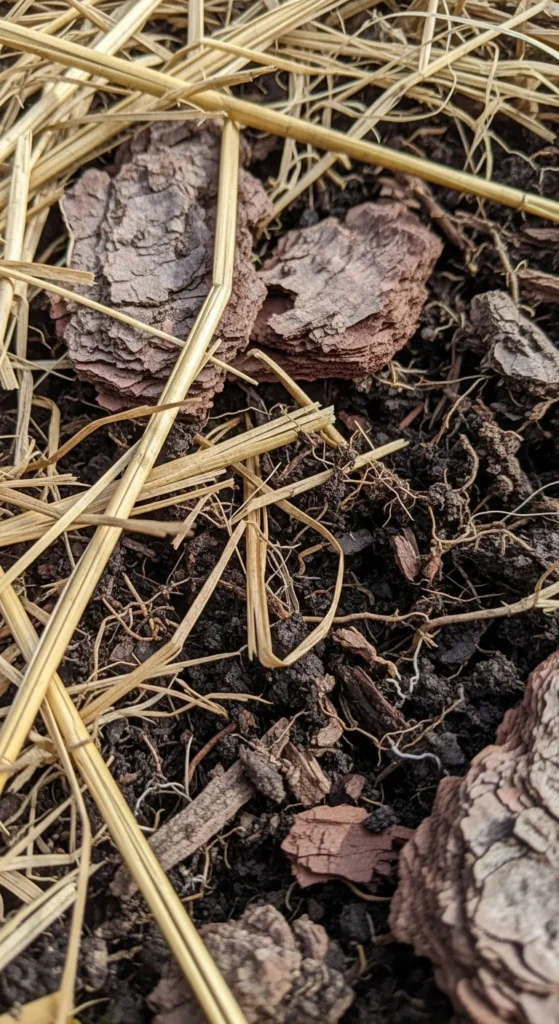
Over time, mulch becomes part of the soil, enriching it with organic matter. This creates a nutrient-rich environment where plants thrive naturally. Instead of removing old mulch, mix it into the soil before adding a new layer each season.
14. Encourages Earthworms
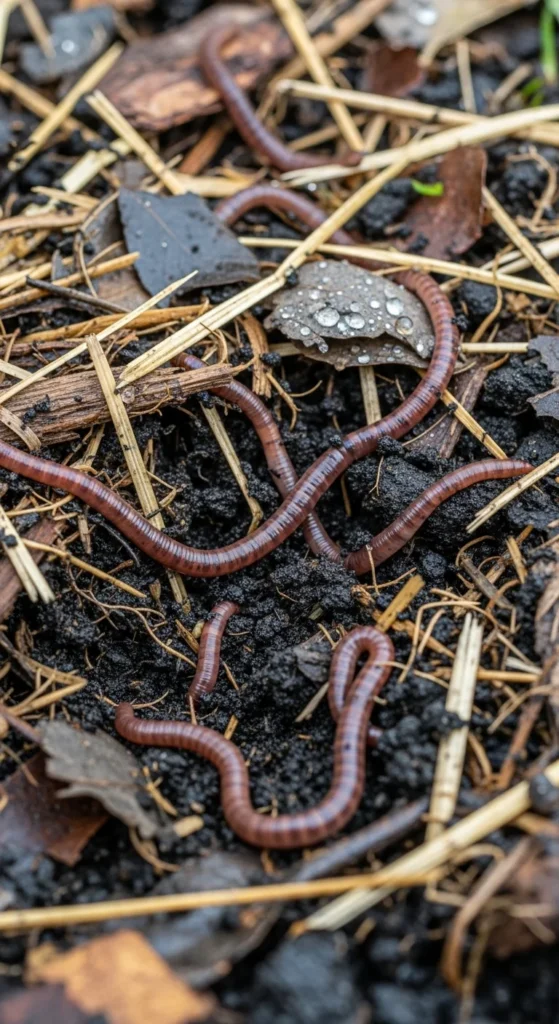
Earthworms love mulch-covered soil because it’s moist and full of food. They help aerate the soil and increase nutrient cycling. Their presence is a sign of good soil health. To attract more worms, use untreated organic materials like straw or leaf mold.
15. Suppresses Plant Diseases
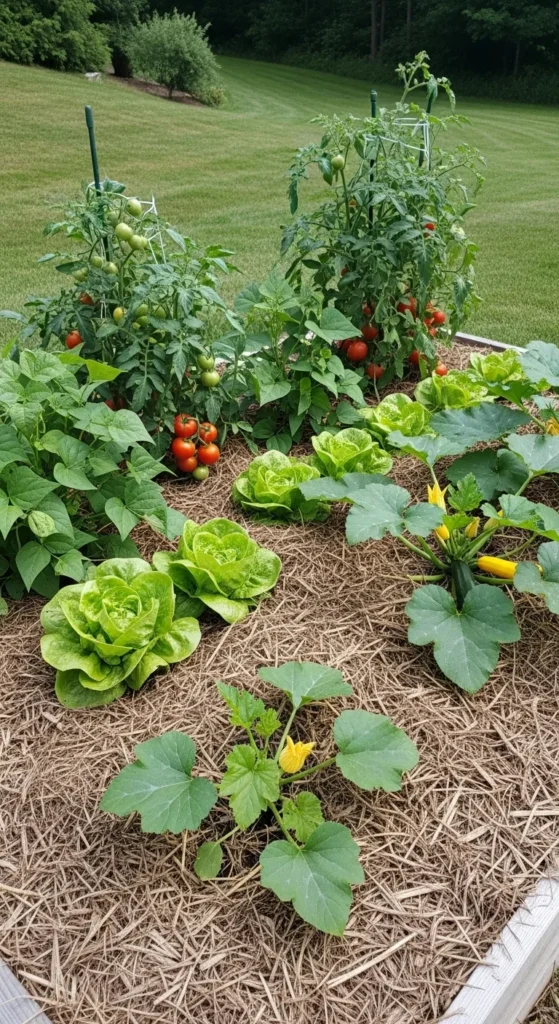
Mulch minimizes contact between soil and leaves, reducing the spread of fungal diseases. It also keeps humidity balanced, which discourages mildew. Refreshing mulch annually maintains this protective barrier and helps prevent future outbreaks.
16. Helps Germinate Seeds Safely
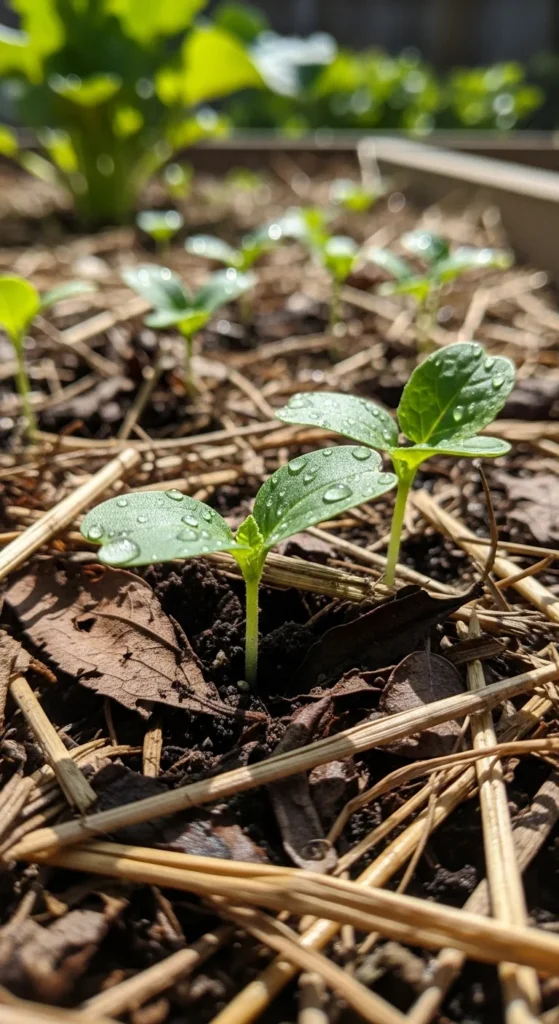
A light mulch layer around seeds or young plants maintains steady moisture and warmth. It prevents crusting on the soil surface, helping delicate shoots break through easily. Use straw or compost for a gentle covering that supports early growth.
17. Reduces Waste by Recycling Yard Materials
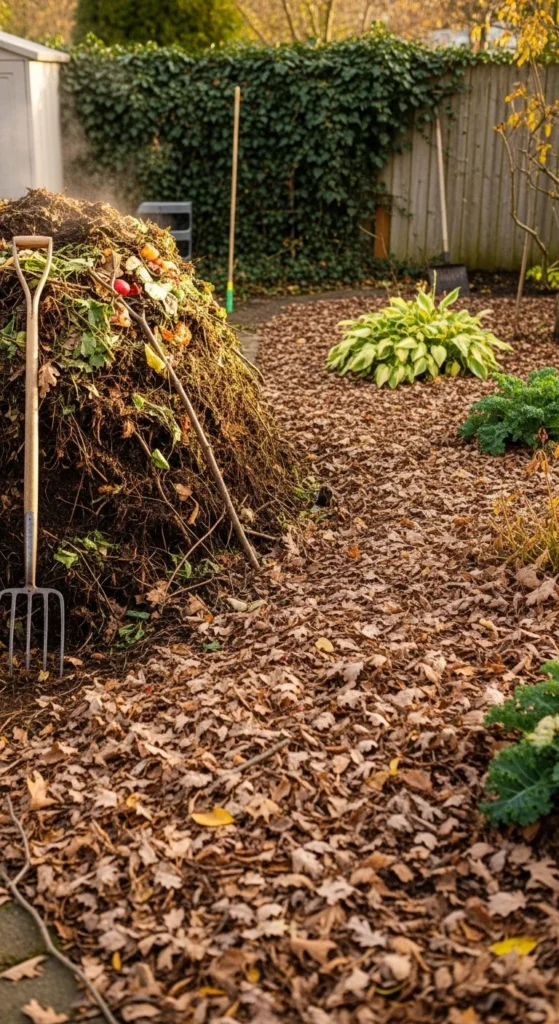
Instead of tossing away yard debris, repurpose it. Shredded leaves, pine needles, and grass clippings make excellent mulch. This sustainable approach cuts costs and reduces landfill waste—great for both your garden and the environment.
18. Keeps Fruits and Vegetables Cleaner
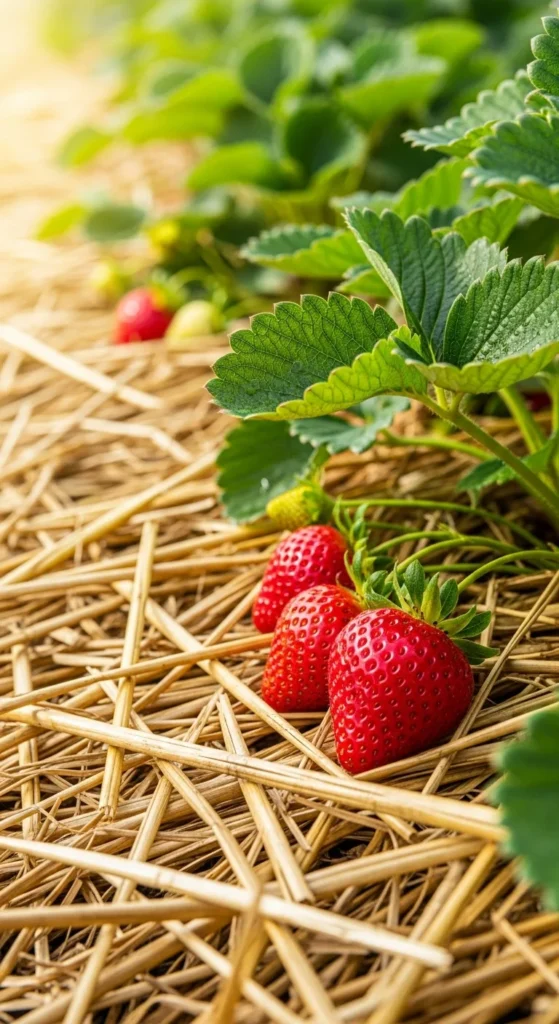
Mulch keeps produce from touching muddy soil. Your strawberries, cucumbers, and melons will stay cleaner and less likely to rot. It’s a simple way to get fresher, more appealing harvests without extra washing.
19. Creates Habitat for Pollinators
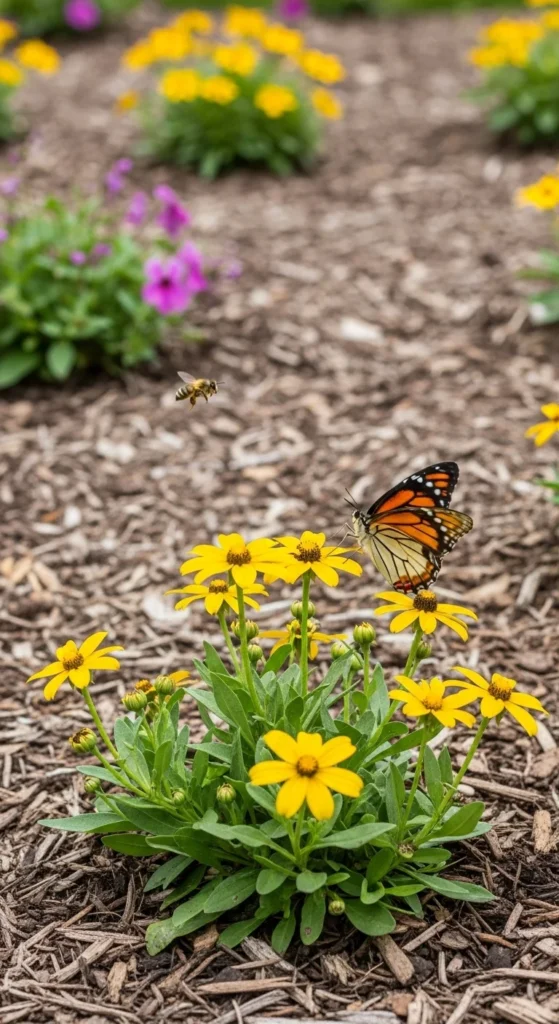
Mulched areas with native plants attract bees, butterflies, and other pollinators. The soil’s consistent moisture supports flowering and provides safe ground for beneficial insects. Use organic mulch to avoid harming wildlife.
20. Protects Trees and Shrubs
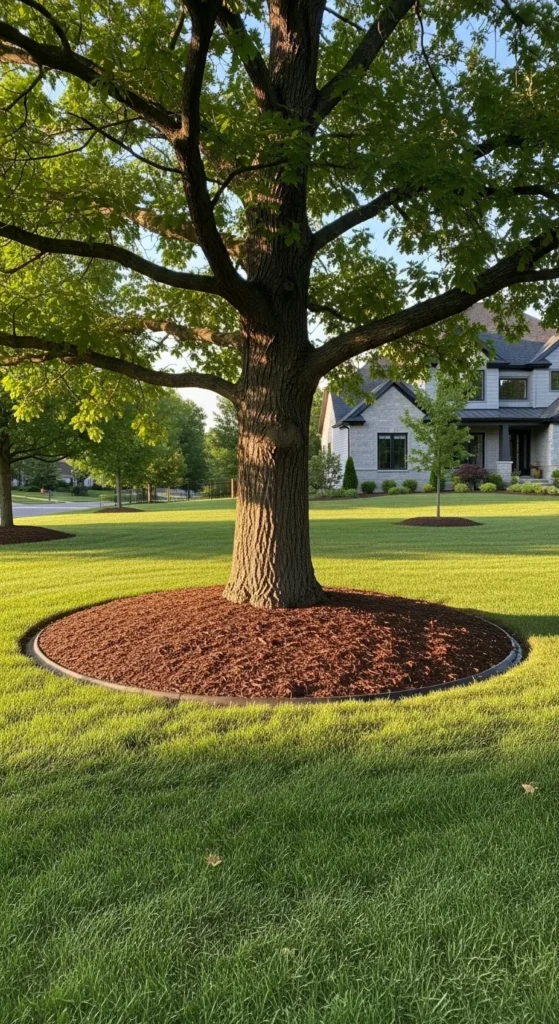
Mulch shields tree roots from lawnmower damage and prevents soil drying. A wide mulch ring improves soil structure and helps retain nutrients. Keep mulch a few inches away from the trunk to avoid rot.
21. Helps Control Pests Naturally
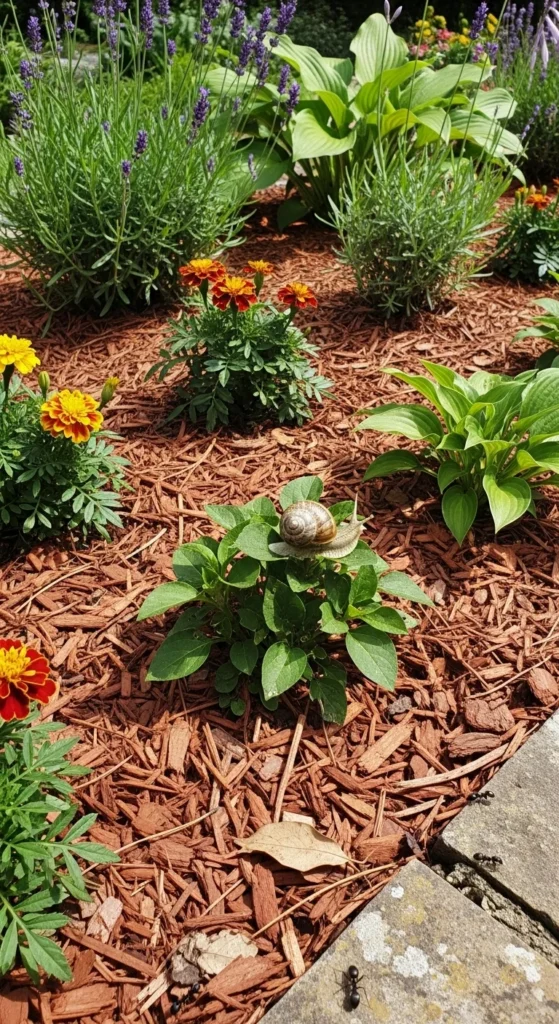
Certain mulches—like cedar or pine—naturally repel pests. You can also sprinkle crushed eggshells around plants to discourage snails. This natural protection reduces your need for chemical treatments.
22. Minimizes Dust and Mud
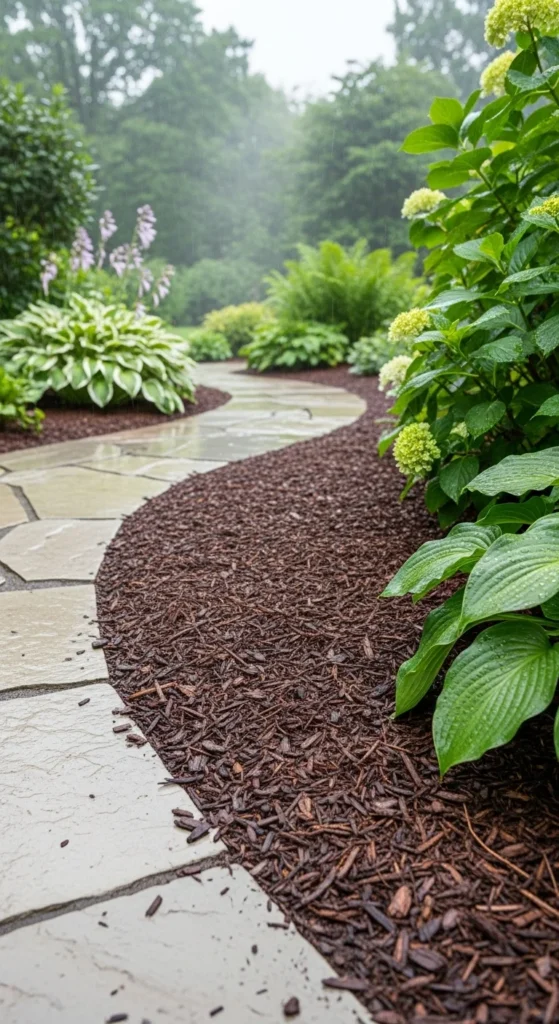
Mulch helps keep your garden neat by reducing dust in dry weather and mud after rain. It’s especially useful around walkways or patios. You’ll enjoy cleaner shoes and less mess in the house.
23. Saves You Money Over Time
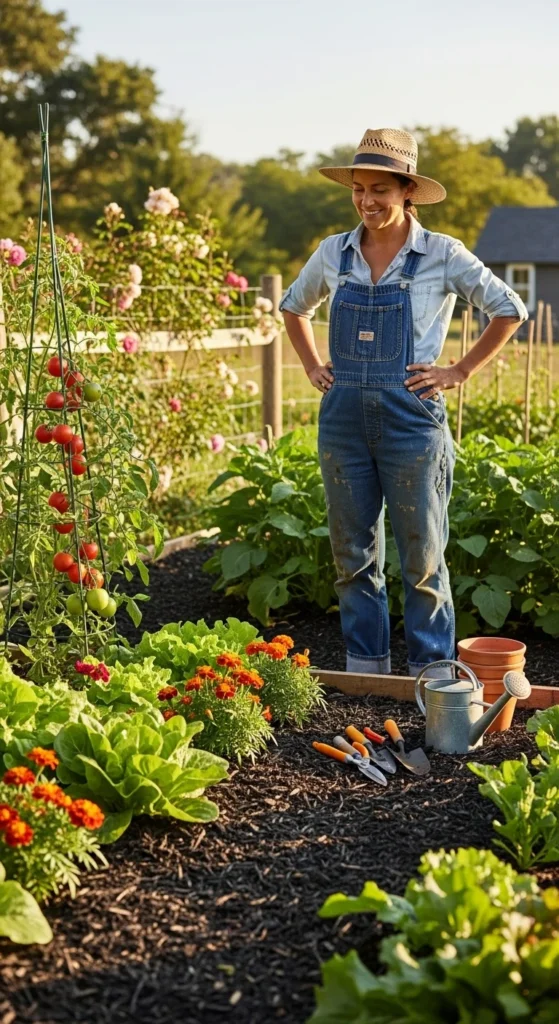
Mulching is one of the simplest ways to save money. It reduces watering, fertilizer use, and plant replacement costs. A few bags of mulch can last months, making it one of the smartest investments for any gardener.
Conclusion
Mulching is more than just a finishing touch—it’s a powerful ally for every gardener. From improving soil health and saving water to reducing maintenance and supporting pollinators, its benefits are endless. With a little effort and the right materials, you can create a thriving, resilient garden that practically cares for itself. Start small, stay consistent, and your plants will reward you season after season.

Leave a Reply