

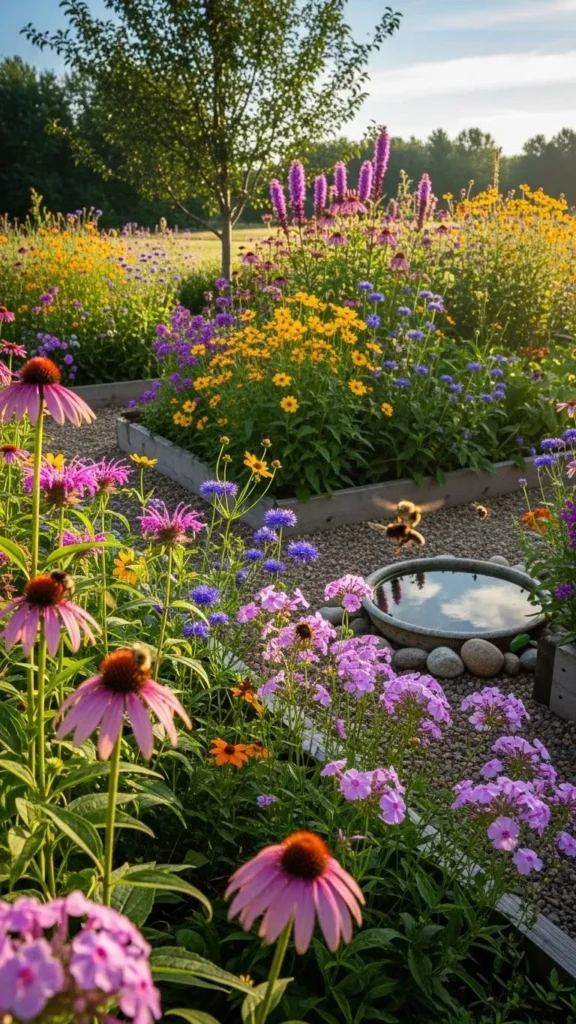
Bees arrive quickly when a garden feels welcoming, easy to explore, and full of simple food sources. A pollinator garden does not require rare plants or expensive materials. Small choices add up fast. The ideas below focus on easy layouts, low-cost plants, and simple setups that invite bees to visit and stay. Each idea works in yards, side spaces, balconies, and even containers. Pick one or mix several. Results often appear within days once flowers open.
1. Native Wildflower Patch
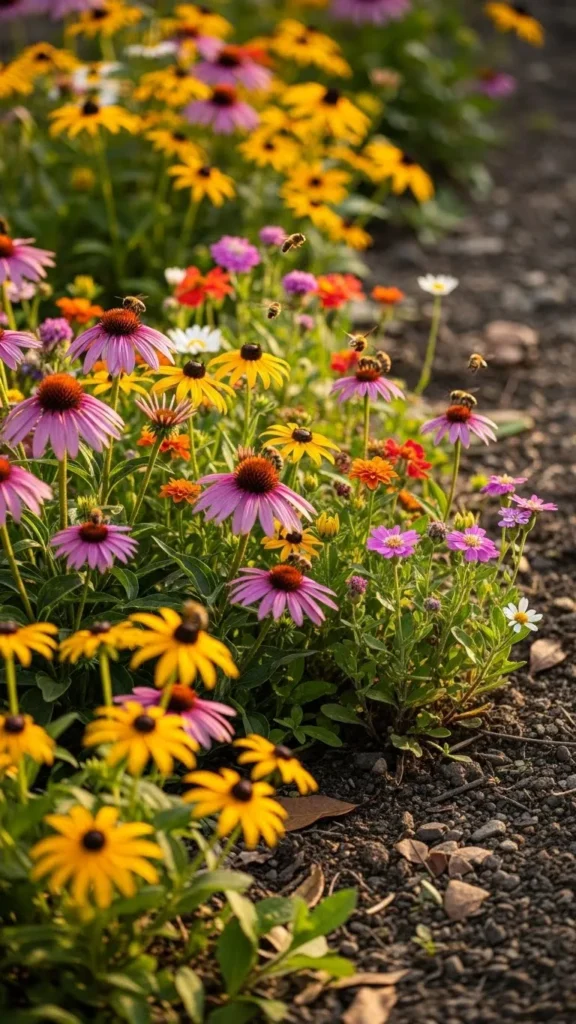
Native flowers speak the local bee language. They recognize the shapes, colors, and bloom cycles. Start small. Even a 3-by-3-foot patch works. Use seed mixes labeled for your region. Scatter seeds in loosened soil. Water lightly for the first weeks.
Skip mulch early so seeds reach sunlight. Once plants grow, mulch lightly to hold moisture. If space feels tight, swap lawn grass for wildflowers along borders. Bees find these areas quickly.
Budget tip: Buy seed packets instead of plant starts. One packet covers a surprising amount of ground. Save seed heads in fall for next year.
Native patches also reduce maintenance. Many return each year with little effort. Let plants reseed naturally. A slightly untidy look signals food nearby. Bees arrive early and return often.
2. Clusters of One Flower Type
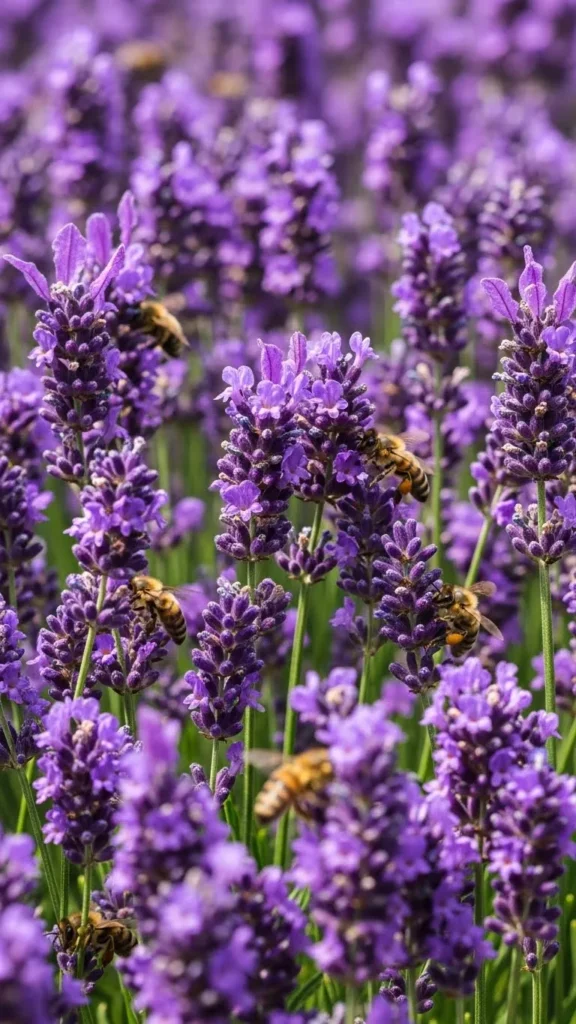
Bees prefer clear targets. Grouping the same flower helps them gather pollen faster. Plant at least three of the same variety together. Larger groups work even better.
Choose easy growers like lavender, zinnias, or cosmos. Keep clusters close so bees hop instead of search. This saves their energy and increases visits.
Containers work too. Line three pots side by side on a patio. Use matching plants. Place them where sunlight hits most of the day.
Budget tip: Split mature plants in early spring. Many perennials divide easily. One plant can become two or three.
Clusters also look tidy and planned. They add structure without extra work. Bees learn these spots quickly and return daily once blooms open.
3. Open-Face Flowers Only
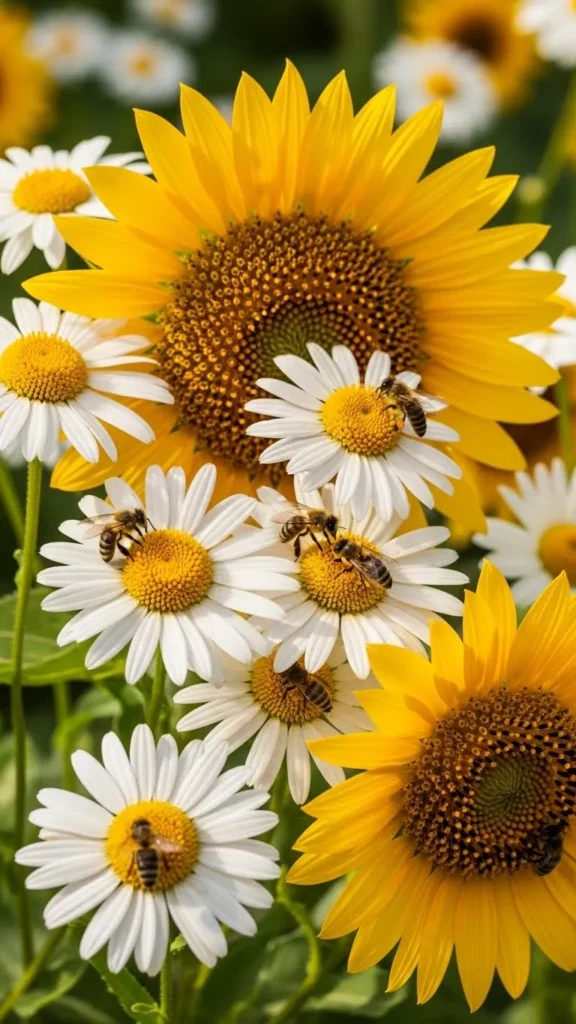
Simple flowers matter. Bees struggle with tight, layered petals. Open centers allow easy access to pollen and nectar.
Grow daisies, sunflowers, coreopsis, and asters. These flowers act like landing pads. Bees spend less time searching and more time feeding.
Avoid double-bloom varieties. They often look full but offer little food. Read plant tags carefully.
Budget tip: Sunflowers grow fast from seed and fill space quickly. Mix tall and short types for variety.
Open-face blooms also help beginner gardeners. They tolerate heat and uneven watering. Plant them in sunny spots and watch activity increase within days of opening.
4. Bloom Timing From Spring to Fall
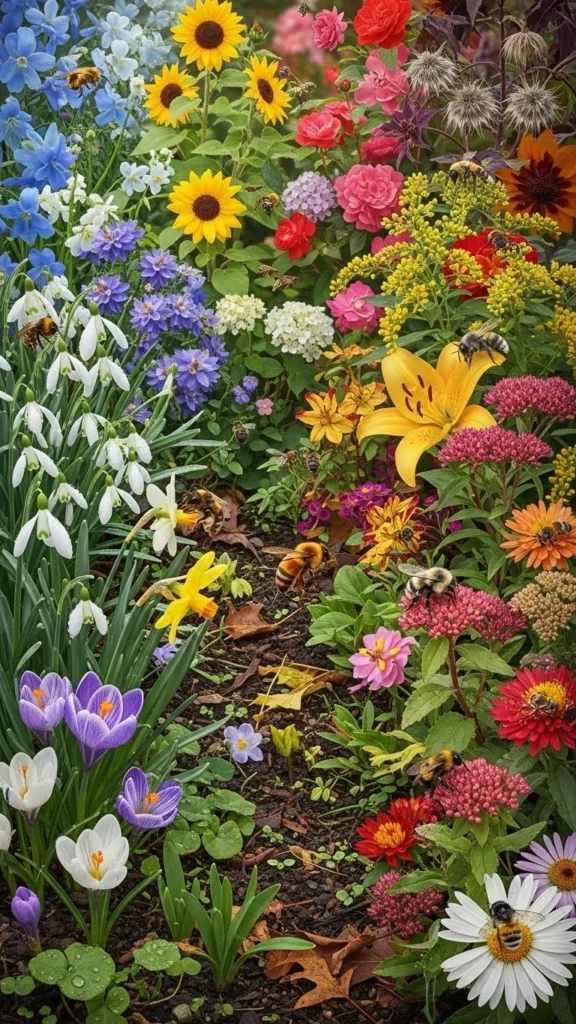
Bees search for food across many months. A garden that blooms only briefly leaves gaps. Mix early, mid, and late bloomers.
Spring options include crocus and lungwort. Summer brings bee balm and echinacea. Fall favorites include goldenrod and asters.
Plant a few from each season. Even one plant per phase helps. Bees remember gardens that provide steady food.
Budget tip: Ask neighbors for plant divisions. Many perennials spread fast and share easily.
Staggered bloom timing keeps your garden active longer. It also supports different bee species with varying schedules. Activity stays steady from early warmth through cooler days.
5. Herbs Left to Flower
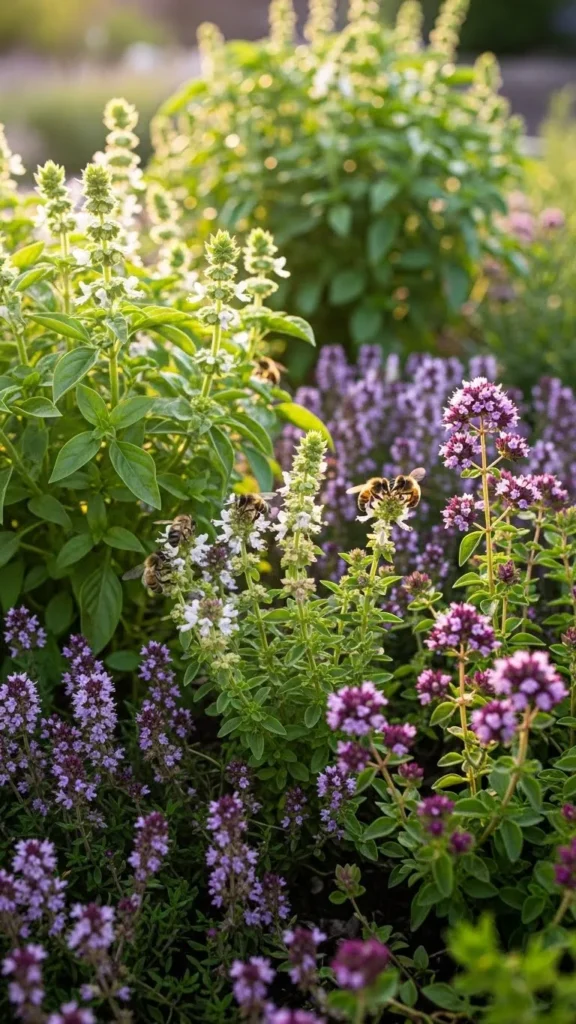
Herbs double as bee magnets once they flower. Basil, thyme, oregano, and mint draw heavy traffic.
Let a few plants grow tall instead of trimming. Flowers appear quickly and last weeks. Place herbs near walkways so you notice activity.
Containers work well for herbs. Set them near sunny doors or windows. Bees find them fast.
Budget tip: Herbs grow easily from cuttings or seed. One plant often supplies both kitchen use and flowers.
Flowering herbs add scent and movement. They require little care and reward you twice. Bees often return daily until blooms fade.
6. Shallow Water Station
Bees get thirsty. A shallow water source helps them stay longer. Use a plant saucer or shallow bowl.
Add pebbles or marbles so bees land safely. Change water every few days to keep it clean.
Place the dish near flowers but not hidden. Sunlight helps bees spot it.
Budget tip: Reuse old dishes or lids. No special purchase needed.
Water stations support bees during hot days. Gardens with water often see repeat visits since bees meet multiple needs in one place.
7. Untidy Corners
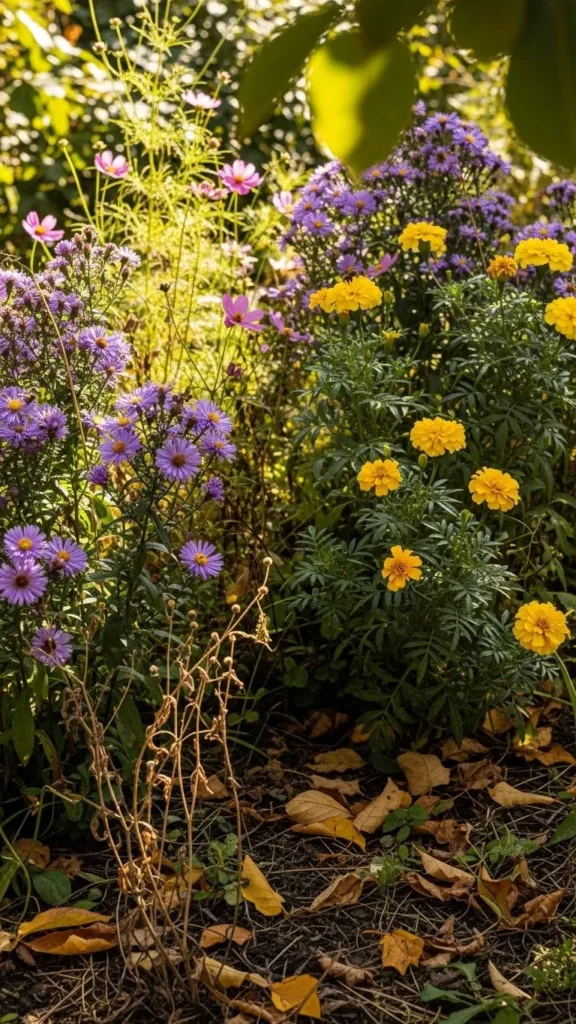
Perfection scares pollinators away. Leave small messy spots. Fallen leaves, stems, and hollow stalks offer shelter.
Skip heavy cleanup in fall. Let stems stand through winter. Many bees rest or nest inside them.
Budget tip: Doing less saves money and time.
These corners blend easily behind shrubs or fences. They create safe zones without extra planting. Bees often nest nearby once they feel secure.
8. Raised Beds With Mixed Heights
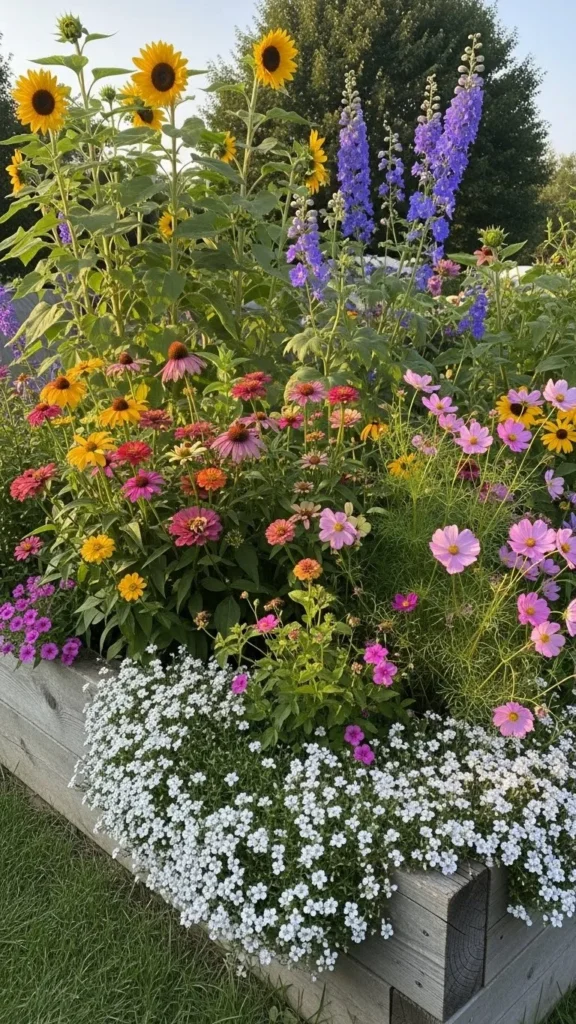
Layered plants guide bees naturally. Tall blooms catch attention. Short plants fill gaps.
Mix heights in raised beds or borders. Sunflowers or hollyhocks at the back. Mid plants like coneflowers in the center. Low flowers like alyssum at the front.
Budget tip: Use scrap wood or blocks for simple raised frames.
Mixed heights add depth and make food visible from many angles. Bees move smoothly between layers, spending more time feeding.
9. Pathway Edges With Flowers
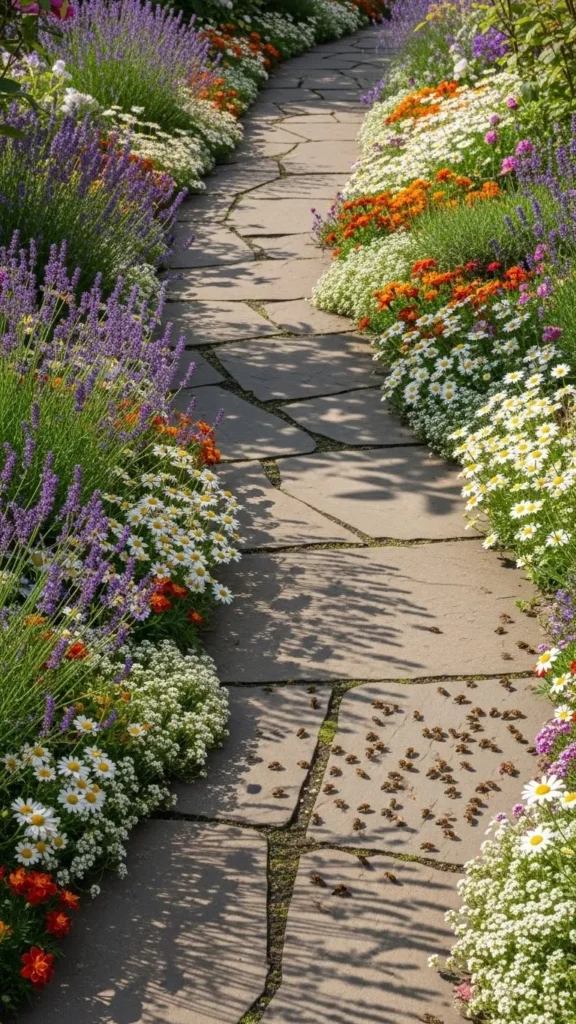
Line walkways with flowers instead of grass. Bees travel along edges naturally.
Low growers like creeping thyme or alyssum work well. They handle foot traffic nearby and spread slowly.
Budget tip: Divide plants over time to extend borders.
Flowered edges turn unused space into feeding zones. Bees pass through often and stop to collect pollen along the way.
10. Single-Color Sections
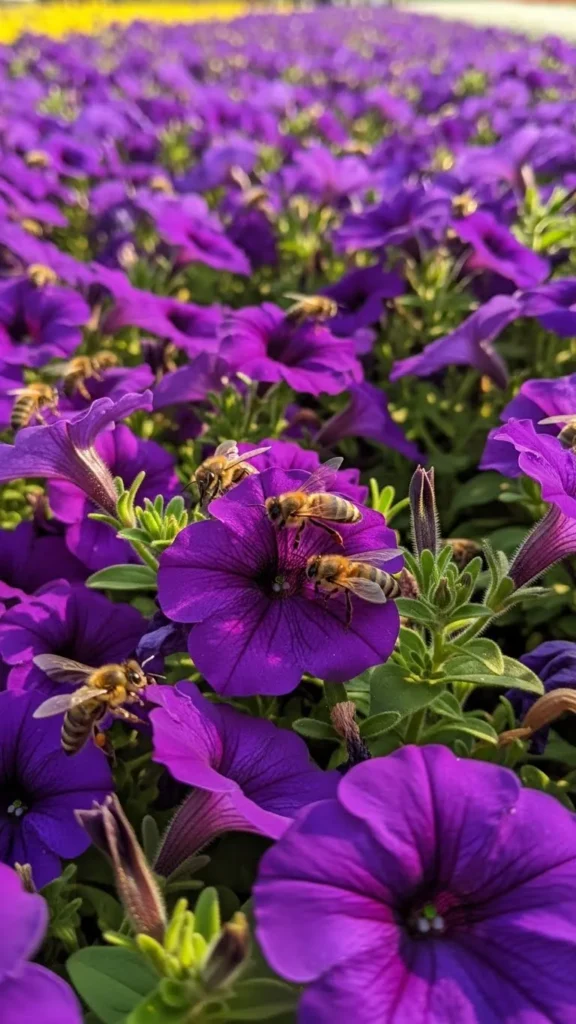
Color signals matter. Bees notice strong color blocks faster than mixed shades.
Choose one color per section. Purple, blue, and yellow attract attention quickly.
Containers help create color zones even in small areas.
Budget tip: Buy seed packets by color group.
Clear color areas help bees focus. They learn where food sits and return with ease.
11. Small Flowering Trees
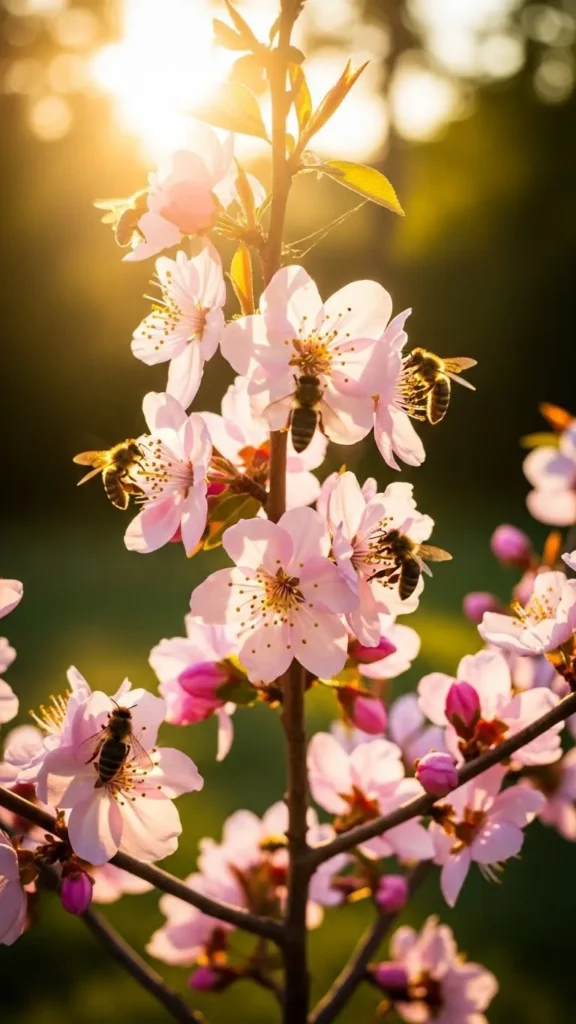
Trees provide large food sources in compact form. Crabapple, redbud, or serviceberry work well.
Plant one where sun reaches branches. Blossoms draw bees from far away.
Budget tip: Choose young trees. They cost less and grow fast.
Flowering trees feed many bees at once. Even one tree changes garden activity dramatically.
12. Vertical Flower Panels
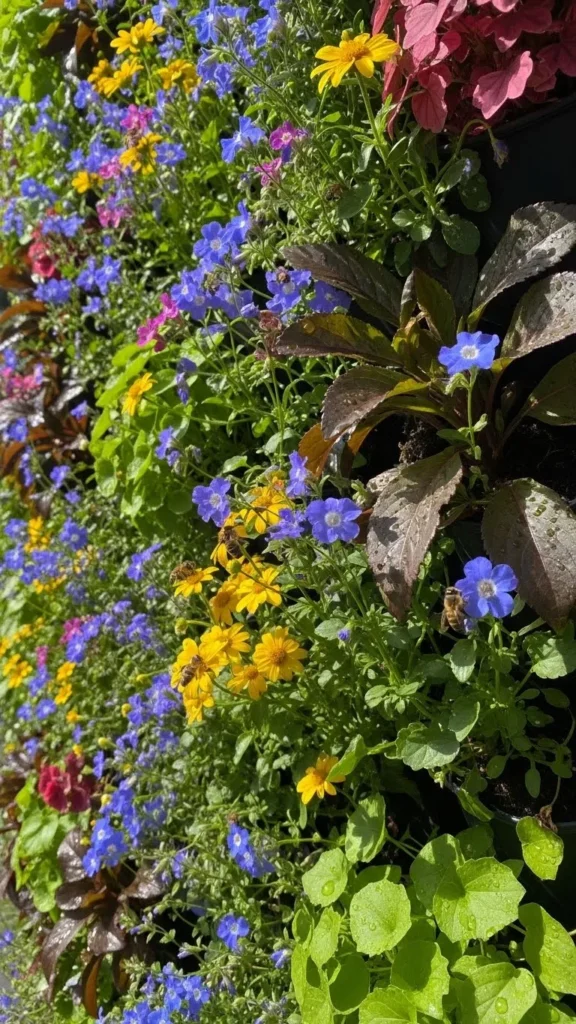
Walls and fences hold flowers too. Use pocket planters or hanging baskets.
Grow trailing blooms like nasturtium or calibrachoa. Bees explore vertical spaces easily.
Budget tip: Repurpose pallets or shoe organizers.
Vertical flowers add food without using ground space. Bees adapt quickly and follow bloom paths upward.
13. Window Box Blooms
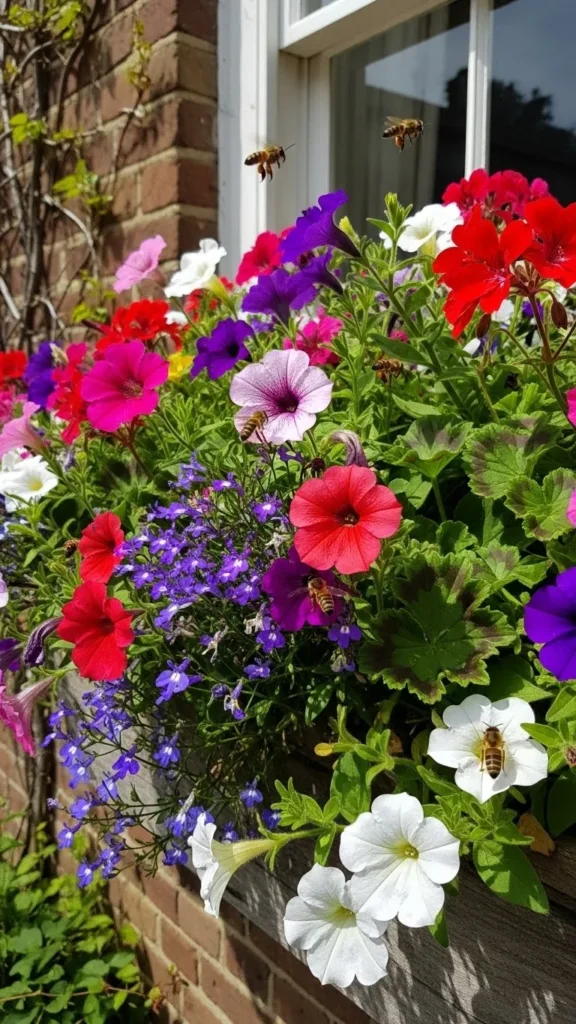
Window boxes act like beacons. Place them where sun hits daily.
Use open-face flowers and herbs. Water regularly.
Budget tip: DIY boxes from scrap wood.
Bees spot window blooms while flying. These boxes often receive early visits during morning hours.
14. Ground Covers That Flower
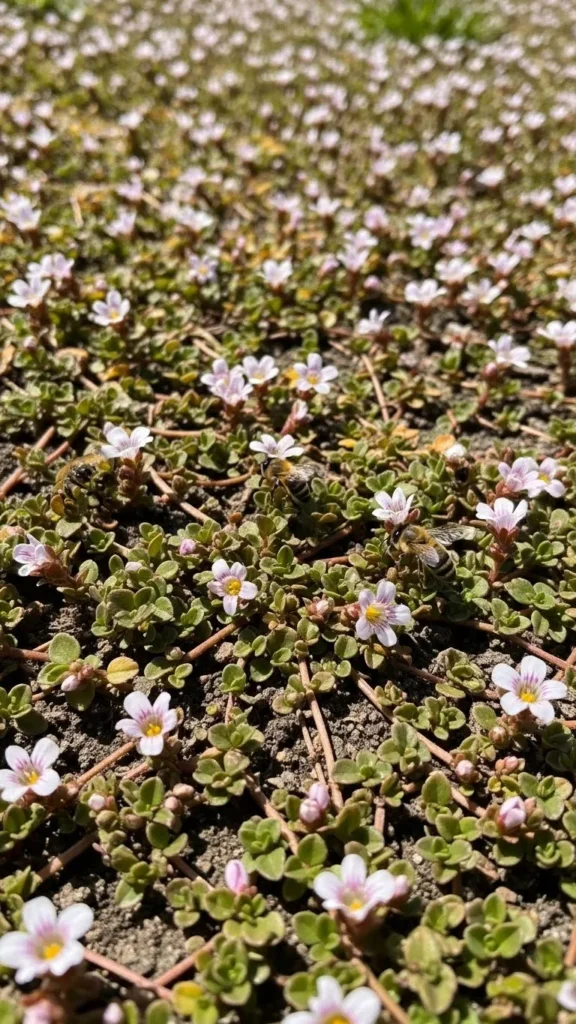
Flowering ground covers fill gaps. They keep soil cool and feed bees.
Creeping thyme and clover work well. They spread without much care.
Budget tip: Start with small plugs and let them spread.
Ground covers create wide feeding mats. Bees move across them with ease.
15. Sunny Seating Areas
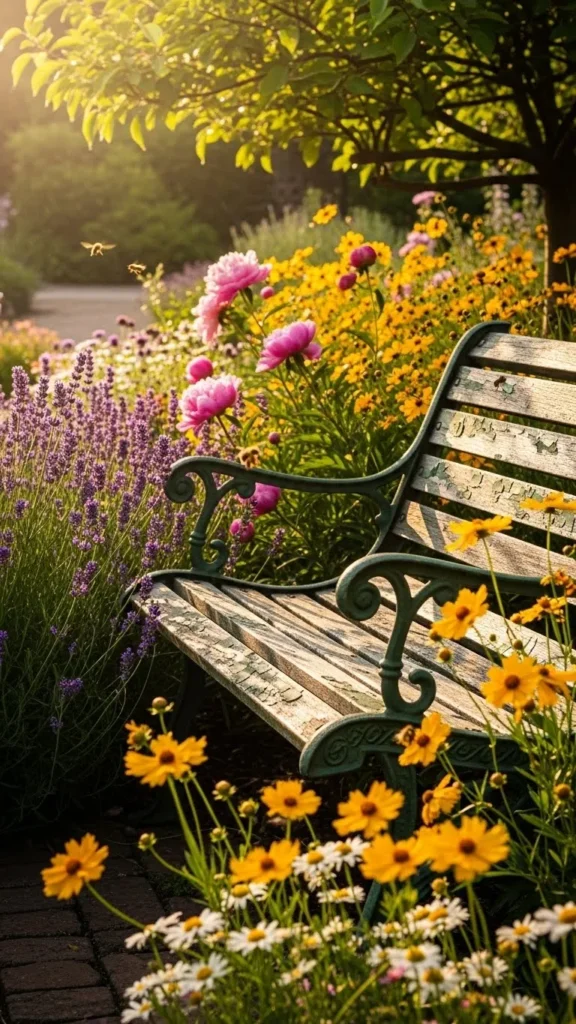
Plant flowers near places you sit. Bees feel calm around steady human presence.
Choose gentle bloomers like lavender and salvia.
Budget tip: Add potted flowers around existing seating.
You enjoy the view while bees work nearby. This setup makes activity easy to notice.
16. Recycled Container Gardens
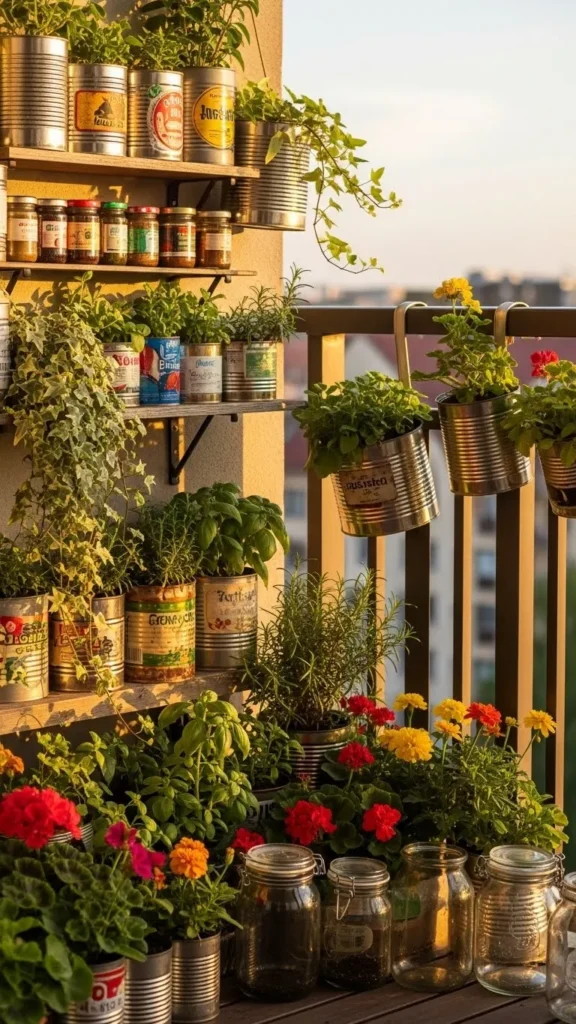
Buckets, tins, and tubs grow flowers well. Add drainage holes and soil.
Mix heights and colors. Group containers together.
Budget tip: Use items already at home.
Containers allow quick changes. Move them where bees gather most.
17. Sun-Facing Fence Line
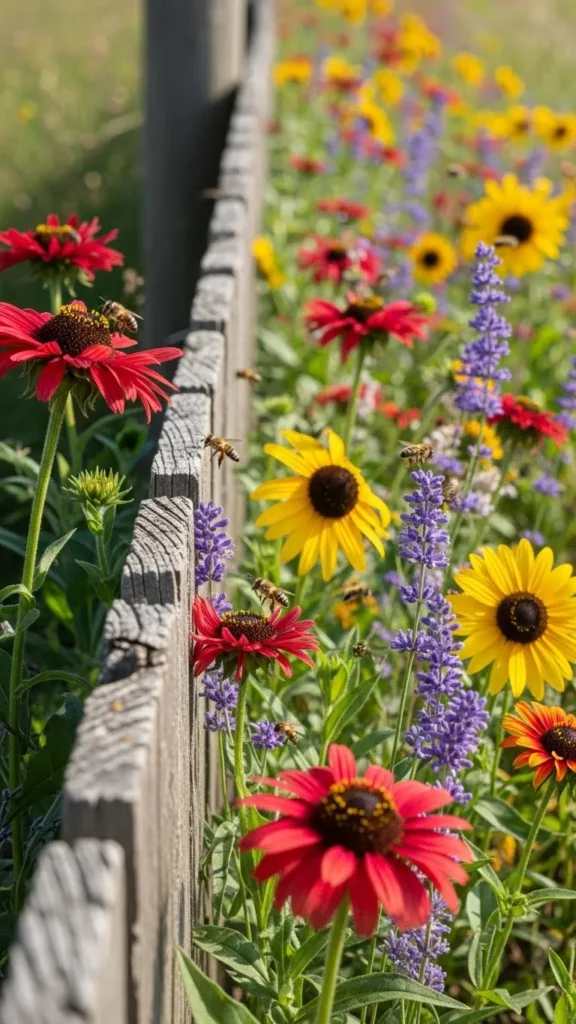
Fences reflect heat and block wind. Plant flowers along their base.
Climbing plants add vertical food sources.
Budget tip: Train plants using string or wire.
Fence lines guide bees naturally along blooms. Visits increase fast once flowers open.
18. Minimal Lawn Sections
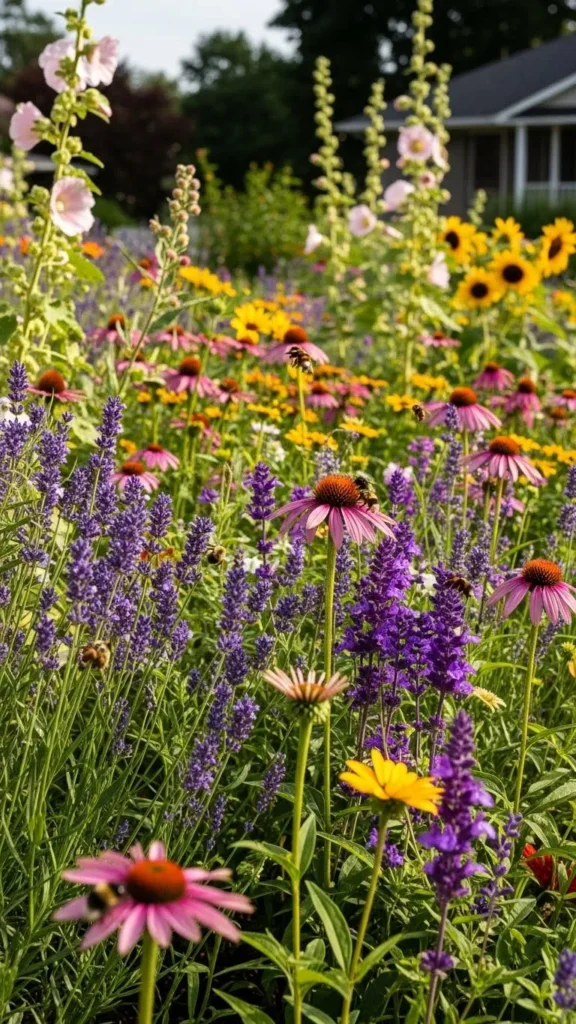
Reduce grass. Replace small patches with flowers.
Grass offers no food. Flowers change that quickly.
Budget tip: Sheet mulch with cardboard and soil.
Even small lawn changes draw bees. Less mowing saves time and money.
19. Repeating Plant Patterns
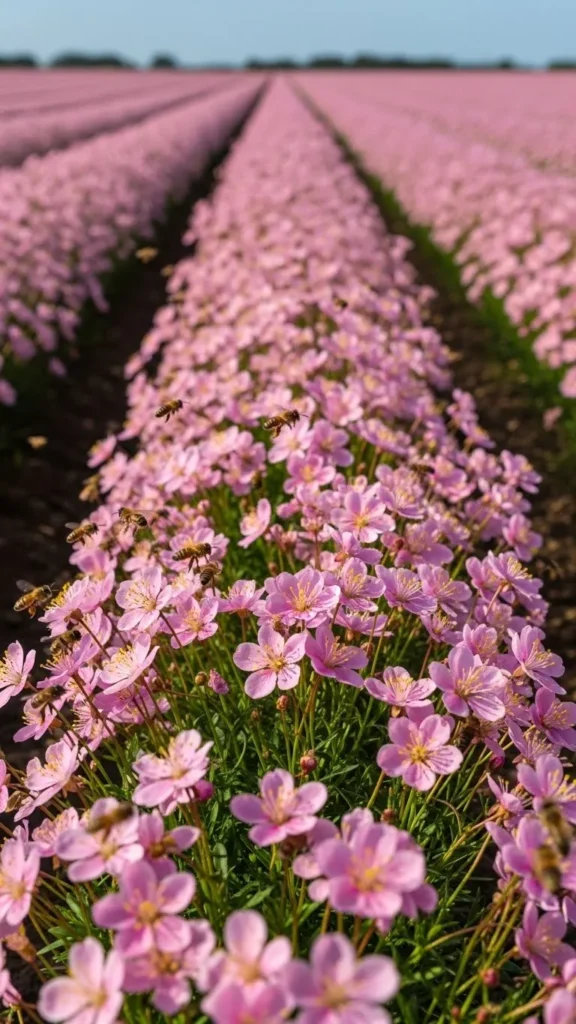
Repeating plants help bees learn routes. Use the same flower every few feet.
Paths become predictable feeding lanes.
Budget tip: Propagate cuttings to repeat plants.
Patterns guide bees smoothly through the garden.
20. Early Morning Sun Zones
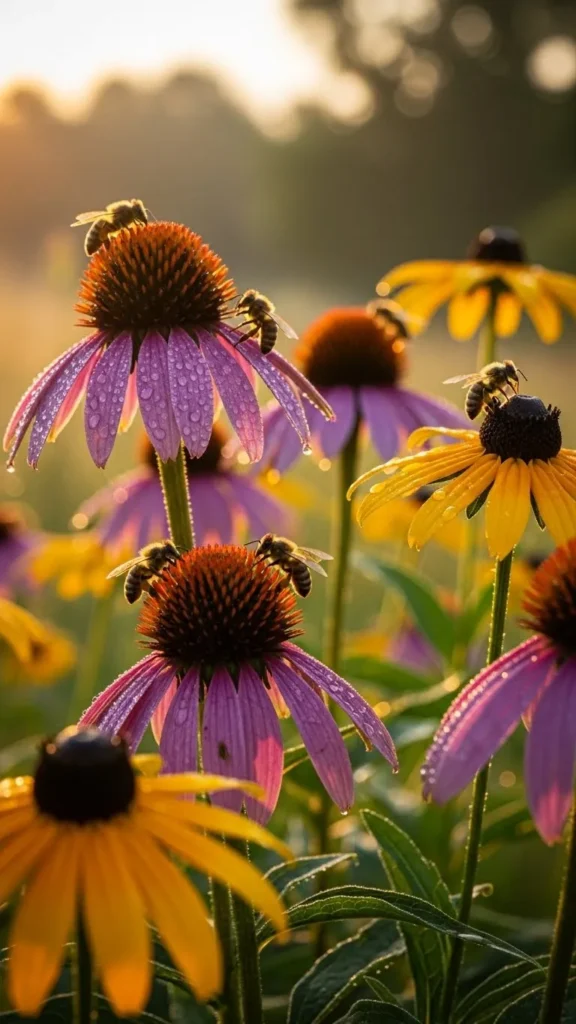
Bees feed early. Place flowers where morning sun arrives first.
Avoid shaded corners.
Budget tip: Observe sunlight before planting.
Morning zones receive early visits and steady activity.
21. Balcony Bee Corners
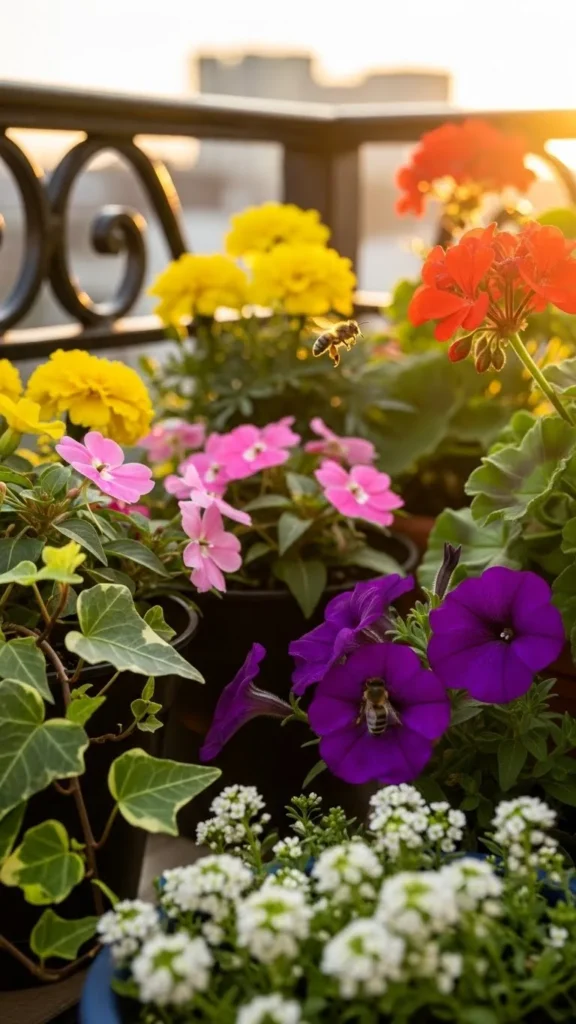
Balconies still attract bees. Use railing planters and pots.
Choose compact flowers.
Budget tip: Lightweight containers reduce cost.
Bees explore higher spaces easily when food appears.
22. Wildflower Seed Paths
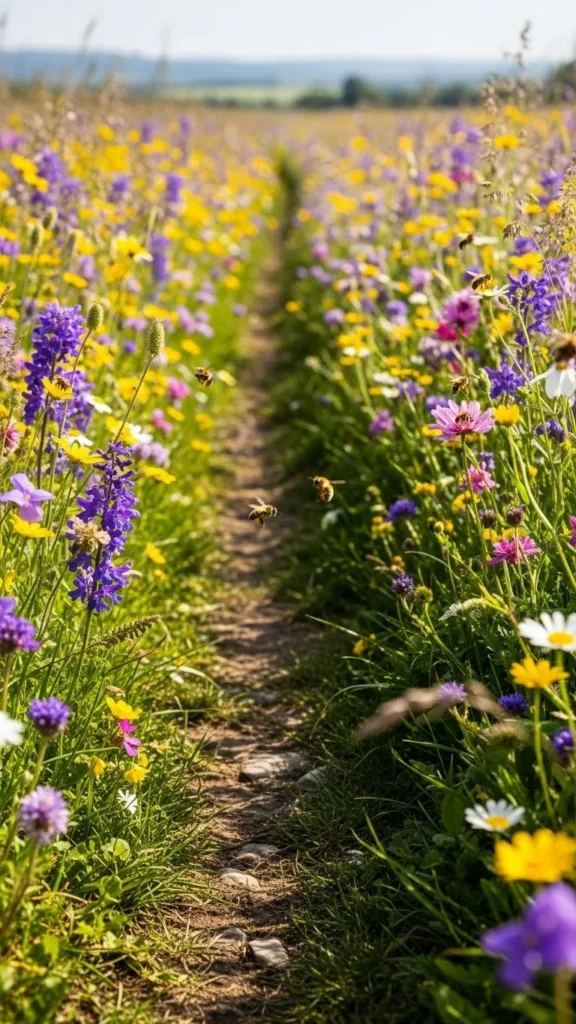
Scatter seed along unused edges. Let flowers define paths.
Budget tip: Mix leftover seeds together.
Paths become feeding lanes bees follow naturally.
23. Flowering Shrubs
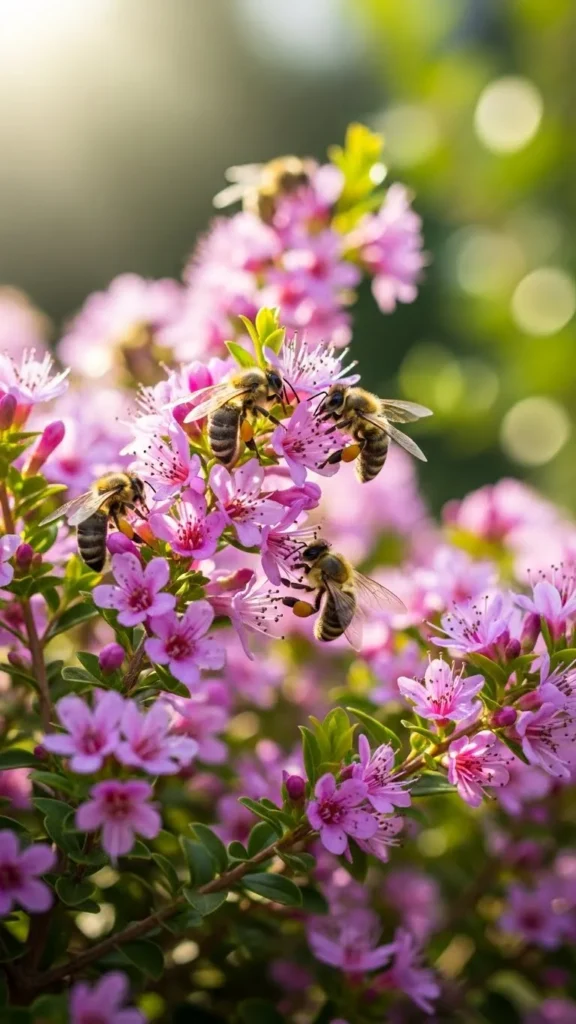
Shrubs offer long bloom periods. Choose varieties with simple flowers.
Budget tip: Buy smaller shrubs and wait.
Shrubs anchor gardens and provide steady food.
24. Sunny Porch Pots
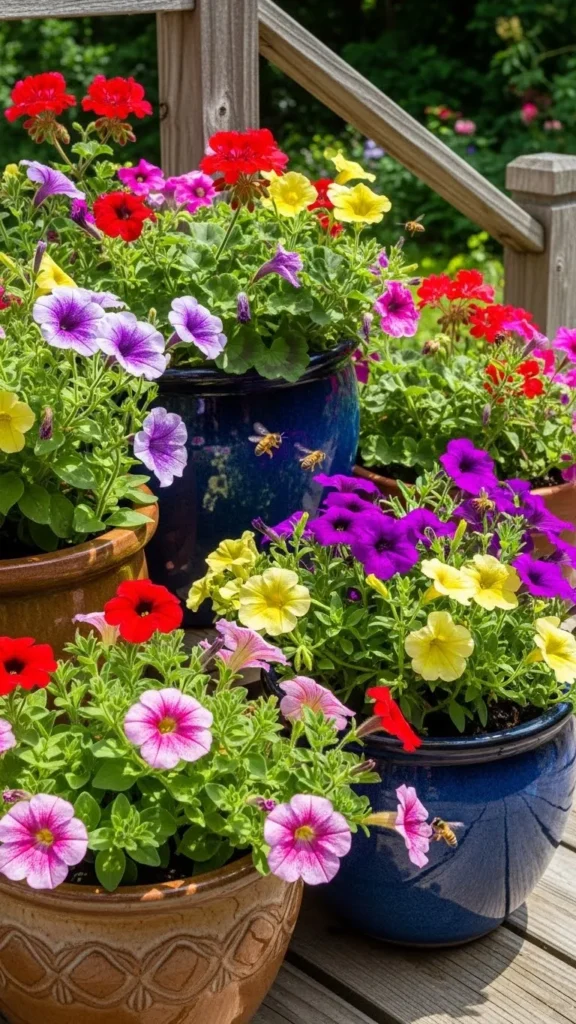
Porches hold warmth. Flowers thrive here.
Rotate pots to follow sun.
Budget tip: Use one soil mix for all pots.
Porch blooms catch bees passing by.
25. Mixed Native Grasses and Flowers
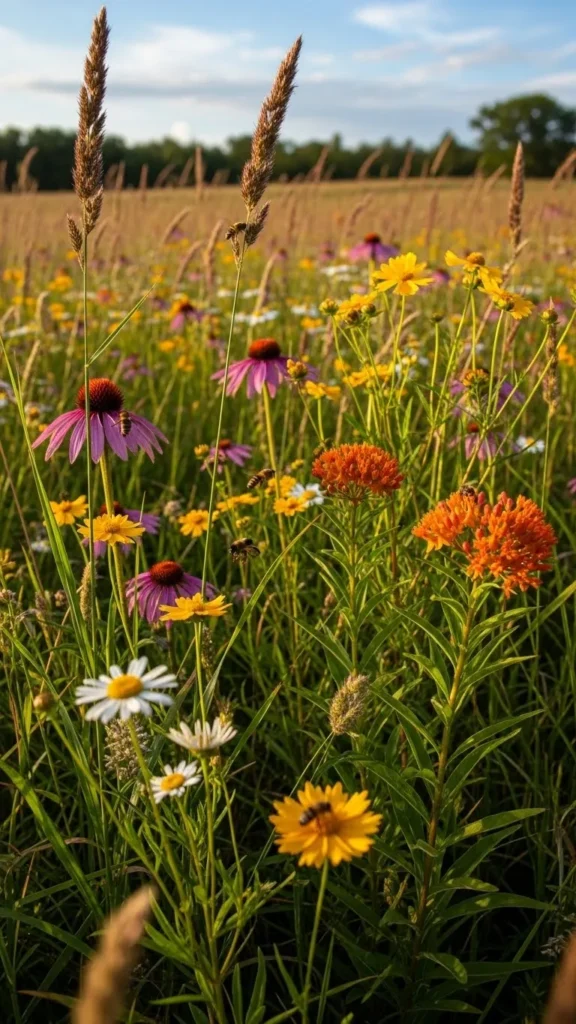
Grasses add shelter. Flowers add food.
Budget tip: Seed mixes cost less than individual plants.
This mix supports feeding and resting areas together.
26. Let Plants Go to Seed
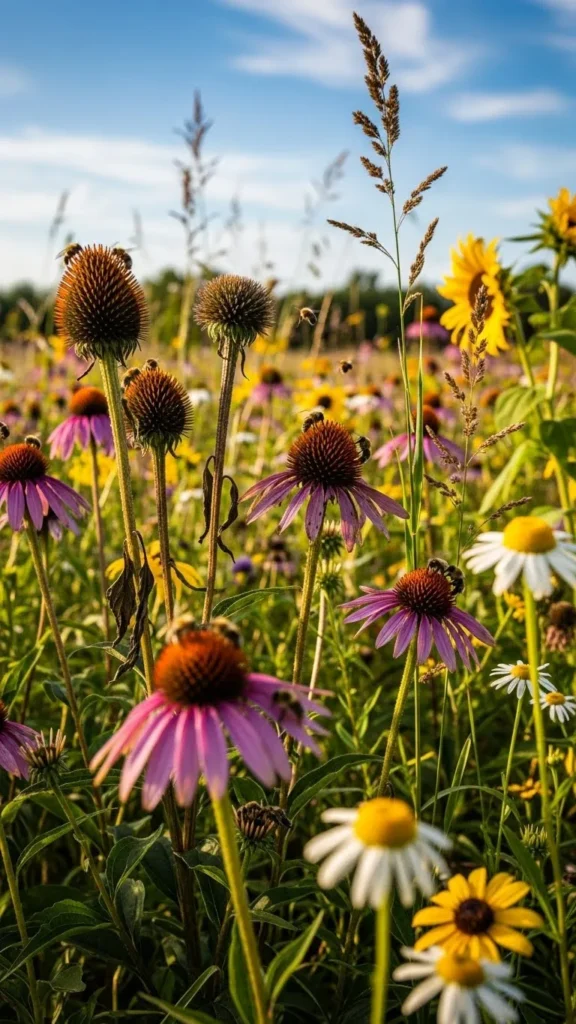
Allow plants to finish their cycle. Late flowers still feed bees.
Seeds drop and return next year.
Budget tip: Save seeds for replanting.
Natural cycles keep gardens active without extra work.
Conclusion
A bee-friendly garden grows from simple choices made with care. Grouped flowers, steady blooms, water, and relaxed spaces invite bees quickly and keep them nearby. You do not need a large yard or expensive plants. Start with one idea and watch activity increase. Each small change turns your space into a reliable food stop bees remember and revisit.
Leave a Reply