

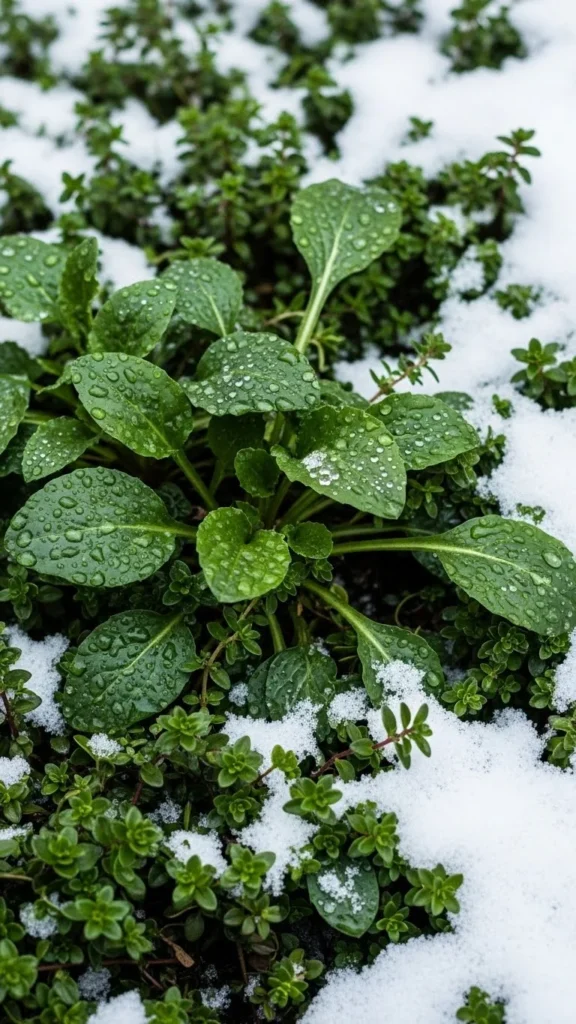
Winter can make yards look flat and empty, but some groundcovers stay bold and green even under snow. These hardy plants spread low, handle cold snaps, and keep the landscape looking alive when everything else fades. This list gives simple, practical ideas anyone can use. Each option grows well in cold climates, works in small or large spaces, and fits tight budgets. You’ll find choices for slopes, borders, shady corners, or open areas that need color.
1. Creeping Thyme
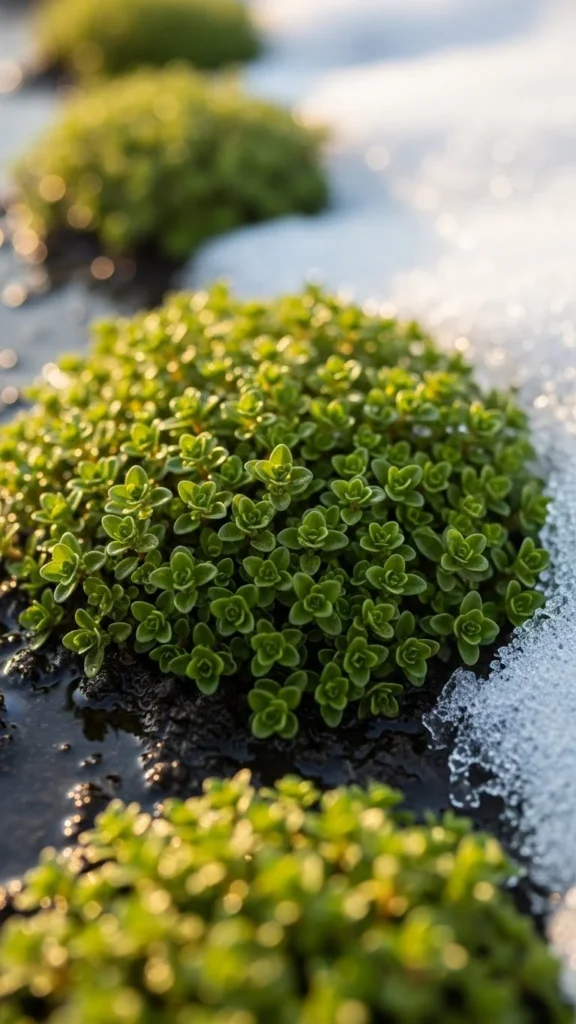
Creeping thyme stays close to the ground and keeps its green color during winter. It spreads slowly, making it perfect for walkways and edges. The tiny leaves hold their shape even after light snowfall. This plant also works well between stepping stones, giving the area a tidy look without much work. If your soil is dry or sandy, this plant handles it well. Water lightly during fall so the roots settle before freezing begins. For a budget-friendly idea, buy one pot and divide it into small clumps. Spread the clumps every few inches and let them fill in on their own. You can also trim it back in early winter to keep it compact. Creeping thyme is simple, strong, and fits any style—especially if you want low-maintenance winter color.
2. Cushion Moss
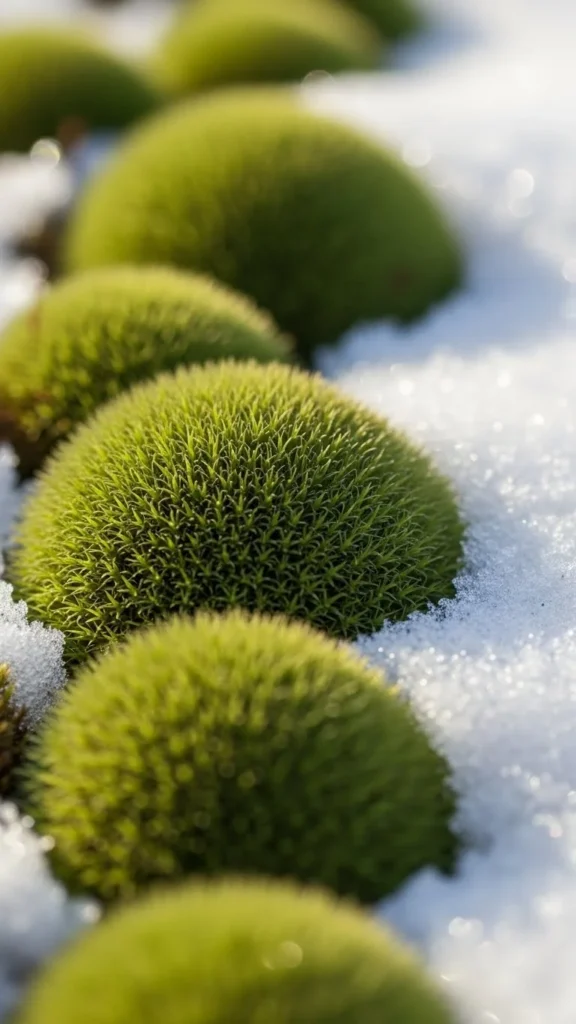
Cushion moss creates soft domes that stay green even when surrounded by frost. It thrives in shady spots where few plants grow, especially under trees or along damp pathways. The rounded clumps add a gentle, natural look to winter landscapes. You can collect small moss patches from your own yard and replant them in new areas for free. Just press the moss onto moist soil and keep it lightly watered until cold weather settles in. It holds color all winter, even when temperatures drop. If you want a calm, forest-like corner in your garden, this is a smart choice. Keep leaves brushed off during fall so the moss can breathe. Cushion moss works well with stone borders, wooden paths, or shaded containers.
3. Snow-In-Summer
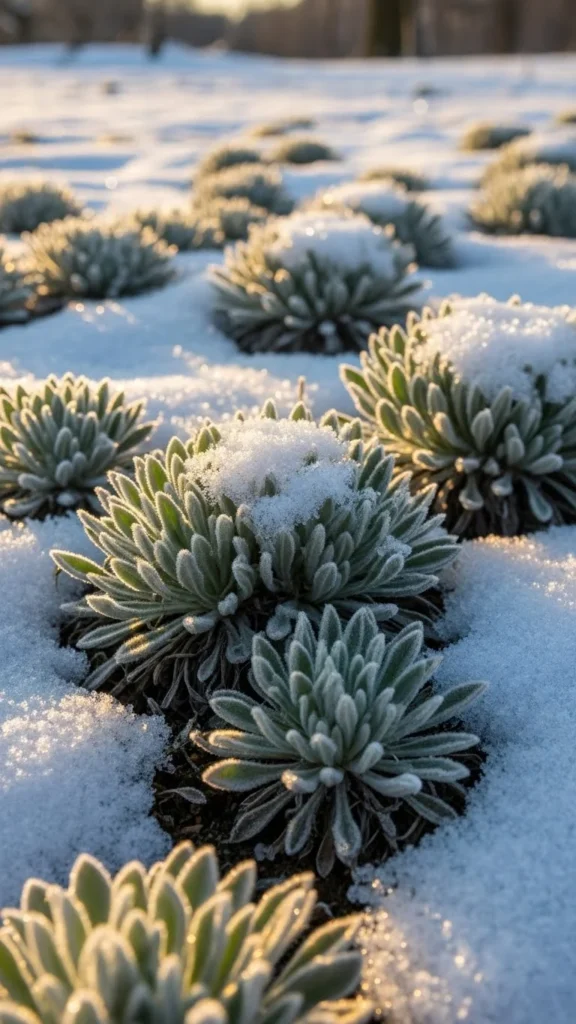
Snow-in-summer keeps its silver-green leaves through winter and brightens areas with its soft color. It hugs the ground tightly, making it strong against cold winds. This plant spreads fast, so you only need a few starter plugs. Place them near borders or slopes where the foliage can shine against winter snow. Water during fall to root them well. Then let them rest through the cold months. If you want fuller coverage, trim straggling stems before frost. The plant forms a solid winter carpet without needing special care. You can divide older clumps in spring to create new patches for free. Snow-in-summer is a great way to add brightness to dull winter corners.
4. Wintergreen
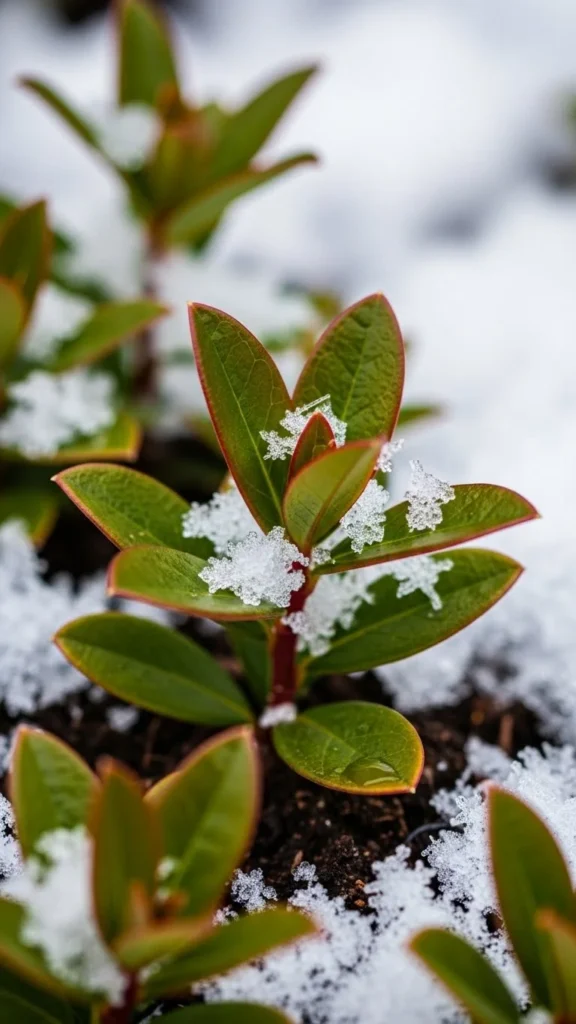
Wintergreen stays bold and shiny all winter. The leaves are thick and deep green, giving your yard a strong evergreen touch. It grows best in shaded spaces and spreads slowly, so it’s easy to manage. You can plant it near walkways or under shrubs for extra color during the cold months. Add pine needles around the base for a natural, inexpensive mulch. This helps the soil stay moist and keeps weeds away. Wintergreen works well in rocky areas too. If you want a low-cost method to expand it, divide established plants into small pieces and replant them a few inches apart. The glossy leaves stand out nicely against winter snow and bring life to darker corners. Wintergreen is sturdy, simple, and always green.
5. Ajuga
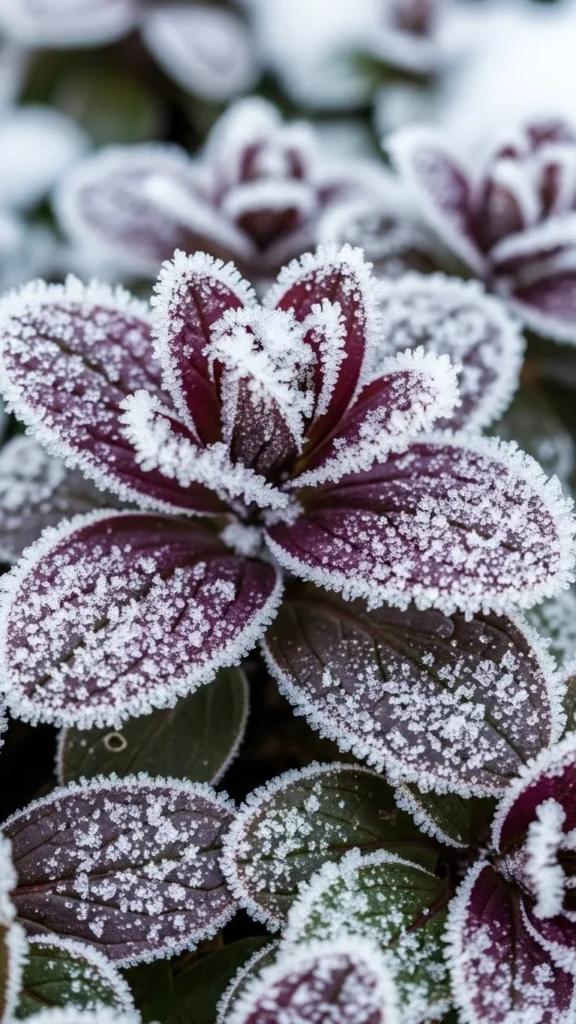
Ajuga spreads in a dense mat that stays colorful through winter. The leaves can be purple, green, or bronze, giving your landscape variation even in the cold season. It grows quickly, so buying a few starter plants is enough to fill a large area. Ajuga is perfect for slopes, tricky corners, or open areas where you want something low and dependable. Water once in fall to help roots settle. After that, it handles the cold on its own. You can pull small runners and move them to empty spots for free coverage. Keep it trimmed if you want a neater winter look. Ajuga brings winter color with almost no effort.
6. Irish Moss
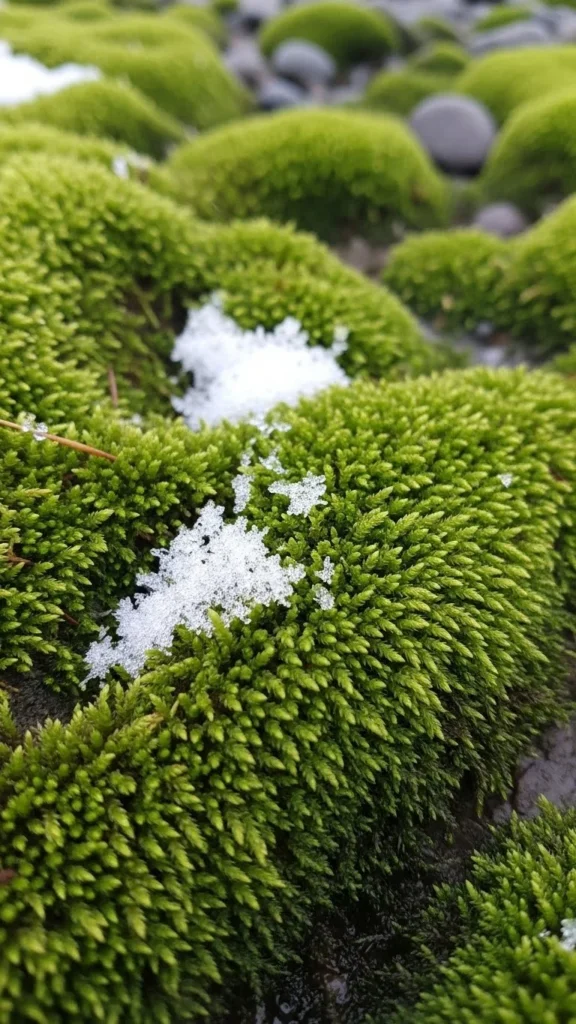
Irish moss forms a tight carpet that stays bright green even in freezing temperatures. It gives a soft, even look to garden beds and grows well between stepping stones. This small plant loves gentle moisture, so water lightly before winter arrives. You can divide a single patch into several smaller pieces to save money. Press each piece firmly against the soil so it stays in place during early frosts. Irish moss handles light foot traffic too, which makes it useful for walkways. Sweep debris away during fall so the carpet stays healthy. Irish moss offers winter color without taking up much space.
7. Creeping Jenny
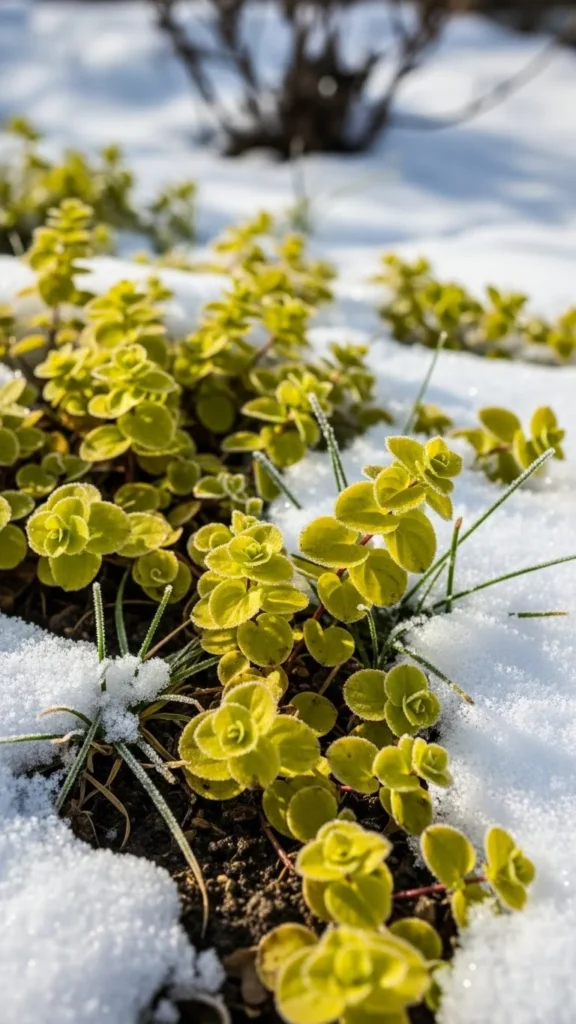
Creeping jenny adds warm green or golden tones even during the coldest months. It spreads quickly and fills bare spots with trailing vines. This plant looks beautiful spilling over rocks or edging garden borders. Trim long stems in fall so the plant stays compact through winter. You can root new stems in a cup of water for a free supply of plants. Once rooted, tuck them into open soil areas. Water lightly until frost comes. Creeping jenny is flexible and works in sun or partial shade. It gives your winter yard a soft, flowing look that stays colorful no matter the temperature. Creeping jenny is great for beginners who want quick coverage.
8. Hens and Chicks
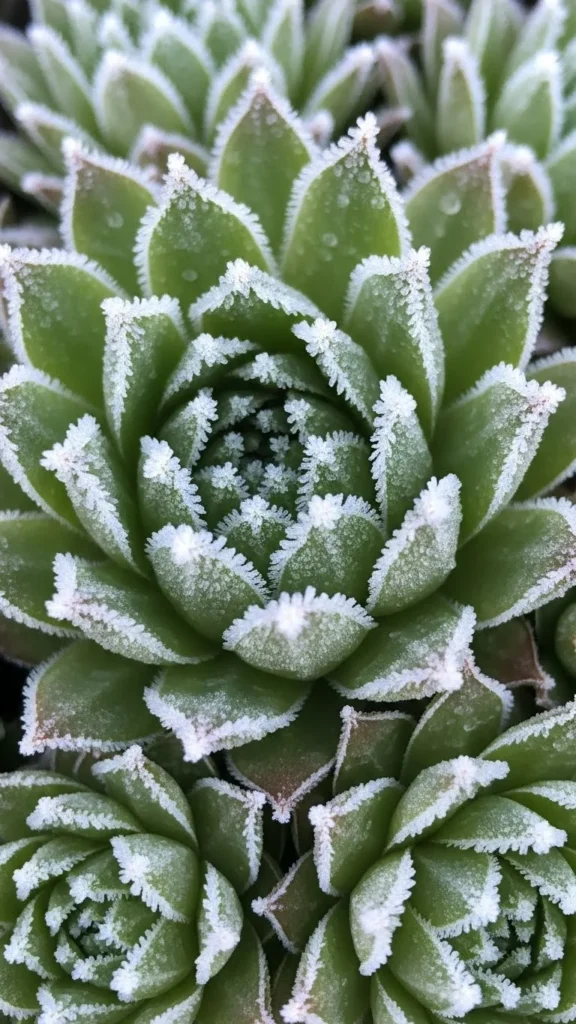
Hens and chicks stay green and firm through snow, frost, and freezing winds. Their rosette shape adds interesting texture to winter beds. They work in rock gardens, containers, and borders. You can plant them in gravel or sandy soil to keep them happy. These plants produce lots of small offsets, which you can gently twist off and move to new areas for free. Place them in groups for a cleaner winter layout. Hens and chicks hold their color with little care and use very little water. Once planted, they handle cold weather with ease. Hens and chicks are perfect if you want simple winter greenery that also looks sculptural.
9. Woolly Thyme
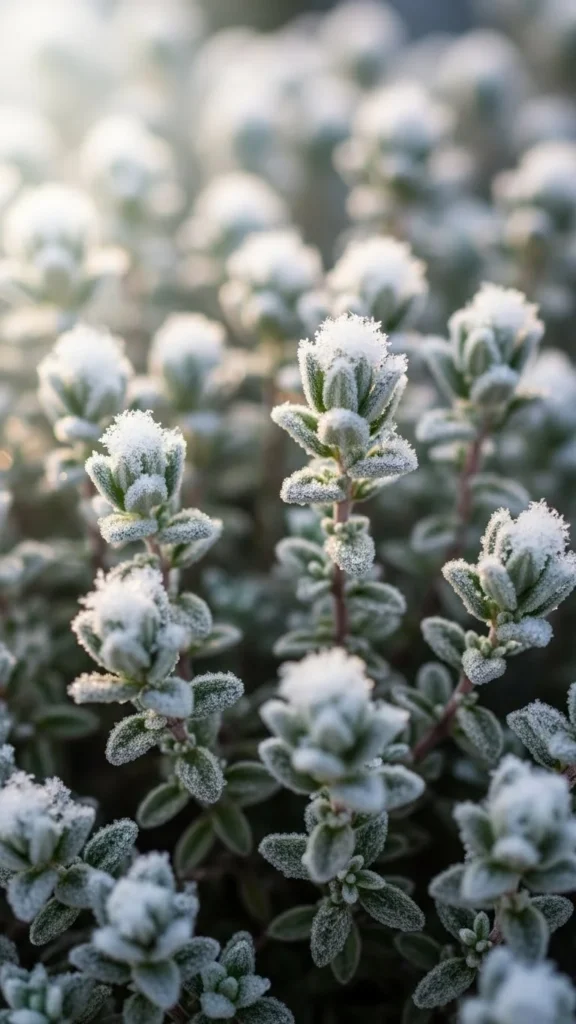
Woolly thyme offers a soft, fuzzy texture that stays green even when temperatures drop. It spreads slowly and works well along pathways or between stones. The plant’s low height makes it strong during winter storms. You only need a small amount to start a patch. Divide it into pieces and plant each one a few inches apart. Water once before frost and then leave it alone. Woolly thyme pairs well with rocks and rustic garden edges. Brush off heavy snow so the stems don’t bend. It keeps its color and soft texture all winter long. Woolly thyme brings a gentle look to winter landscapes.
10. Sedum Acre
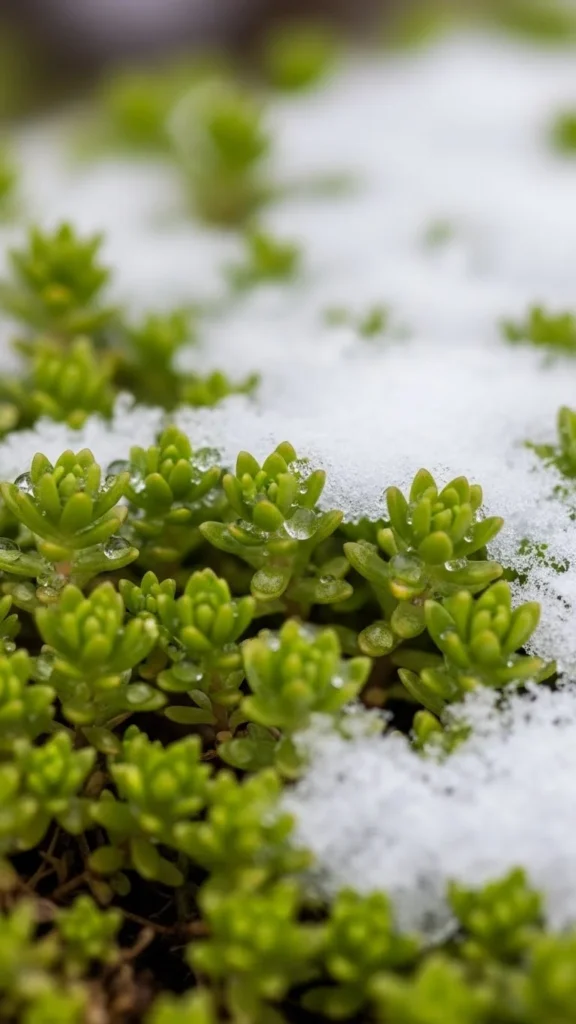
Sedum acre is a small succulent groundcover that stays green through long winters. Its tiny leaves form a dense layer that protects the soil below. It grows fast and fills wide spaces without much watering. You can plant it in sandy, rocky, or dry areas. It handles tough conditions well. For an affordable approach, take small cuttings from an established patch and set them directly into the soil. They root quickly and spread by themselves. Sedum acre works near stone paths, walls, or open beds. Sweep away debris before winter to keep airflow around the plant. Sedum acre is tough, simple, and reliable in cold weather.
11. Vinca Minor

Vinca minor stays green year-round and forms tidy vines that handle snow with ease. It spreads well in shady spots where grass struggles. The leaves stay glossy even after frost, making it a strong winter choice. Plant a few small pots and let them fill open spaces. Trim extra-long vines in fall so the plant stays neat. You can root cuttings in moist soil for free expansion. Vinca minor looks great under shrubs, near borders, or next to pathways. It creates a calm, clean winter backdrop. Vinca minor is a dependable choice for cold climates.
12. Periwinkle
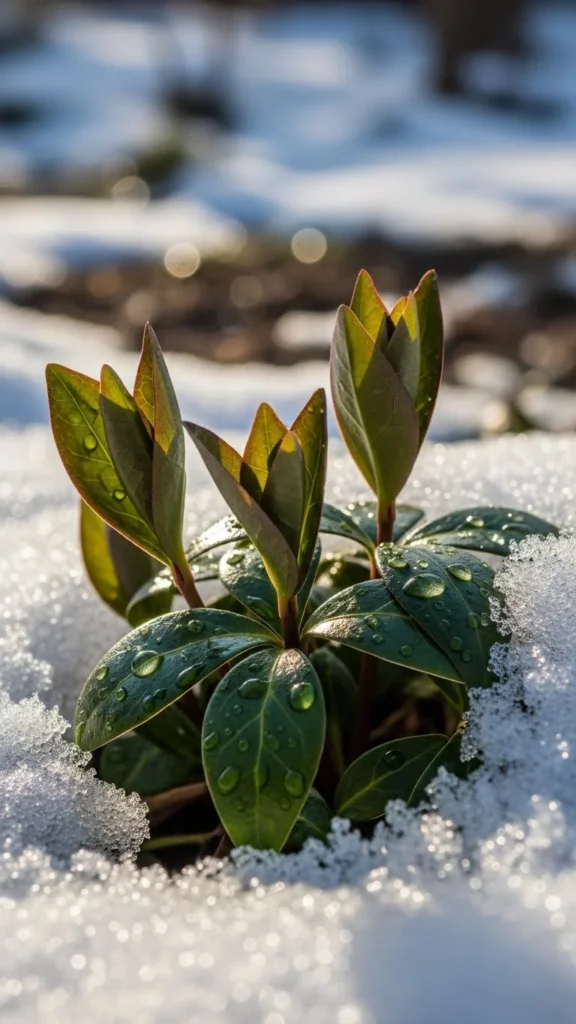
Periwinkle stays green and tidy during winter, even in shaded corners. The vines creep low and cover the soil evenly. This plant handles slopes and troublesome areas very well. You can buy one tray of small starters and spread them out for plenty of coverage. Water lightly during fall so the roots settle before frost. Clip back any long strands to keep it compact. Periwinkle works nicely along fences or under trees, creating a soft winter carpet. If you want to fill gaps without spending more, root a few cuttings in damp soil. Periwinkle offers simple winter greenery and requires little care.
13. Pachysandra
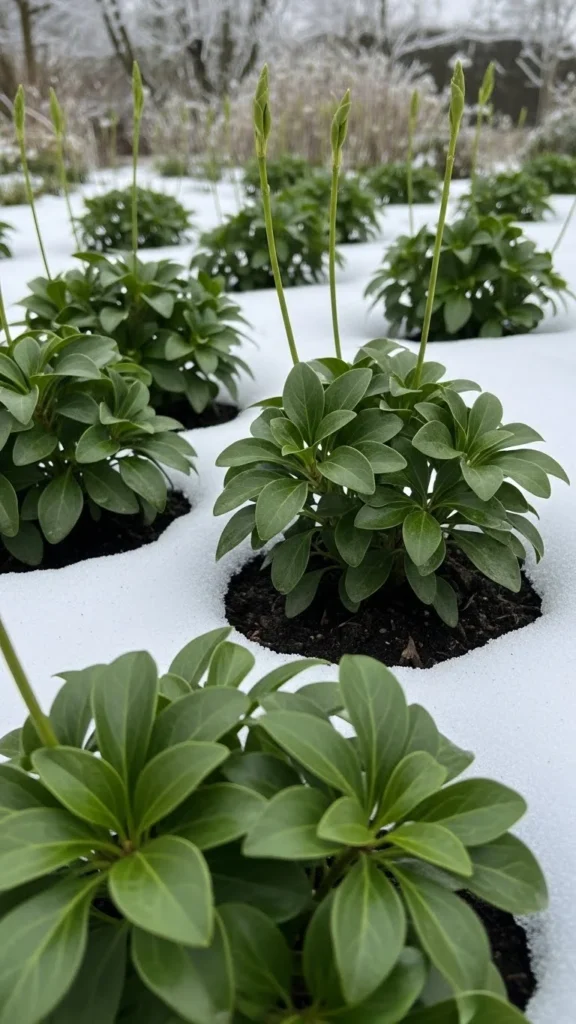
Pachysandra is a shade-loving groundcover that stays green all winter. Its thick leaves create a smooth, even layer that covers bare soil. It thrives under large trees where other plants struggle. Plant small plugs in fall for the best results. Mulch lightly with leaves to keep moisture in the soil. Once it spreads, you can divide older clumps to create new patches without spending extra. Pachysandra needs little trimming and stays tidy through cold months. It offers fullness and texture when most gardens look empty. Pachysandra works well in shaded winter landscapes.
14. Bearberry
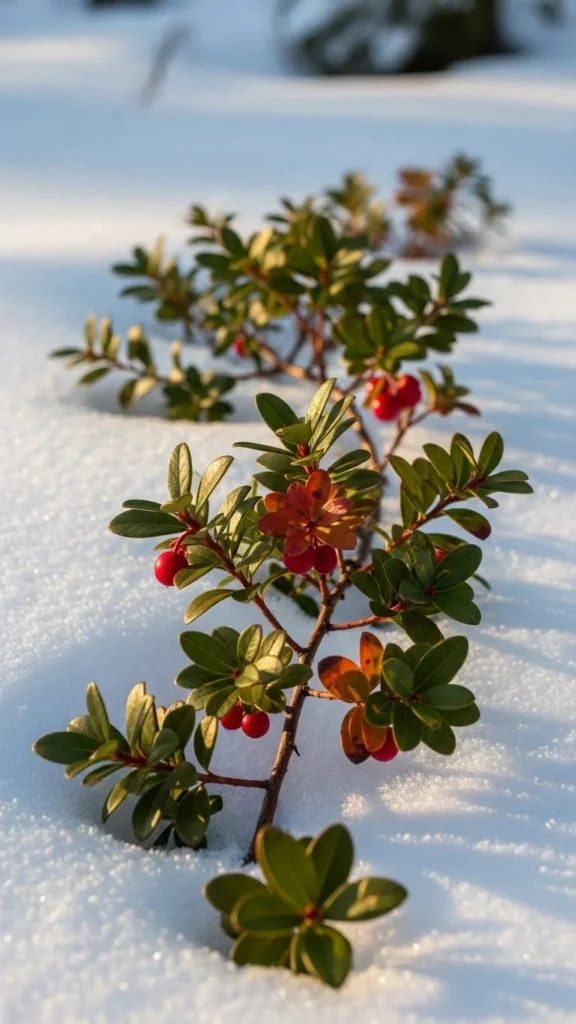
Bearberry forms low, woody vines that stay green and strong through winter. The leaves are glossy and hold their shape even in harsh weather. This plant grows well on slopes or rocky areas. It spreads slowly, but once settled, it creates long-lasting coverage. Water lightly during fall to help rooting. You can plant small sprigs taken from established plants to save money. Bearberry looks best when allowed to trail naturally along edges or rock beds. It brings color and structure to winter gardens without much effort. Bearberry is great for cold, open spaces.
15. Lamium
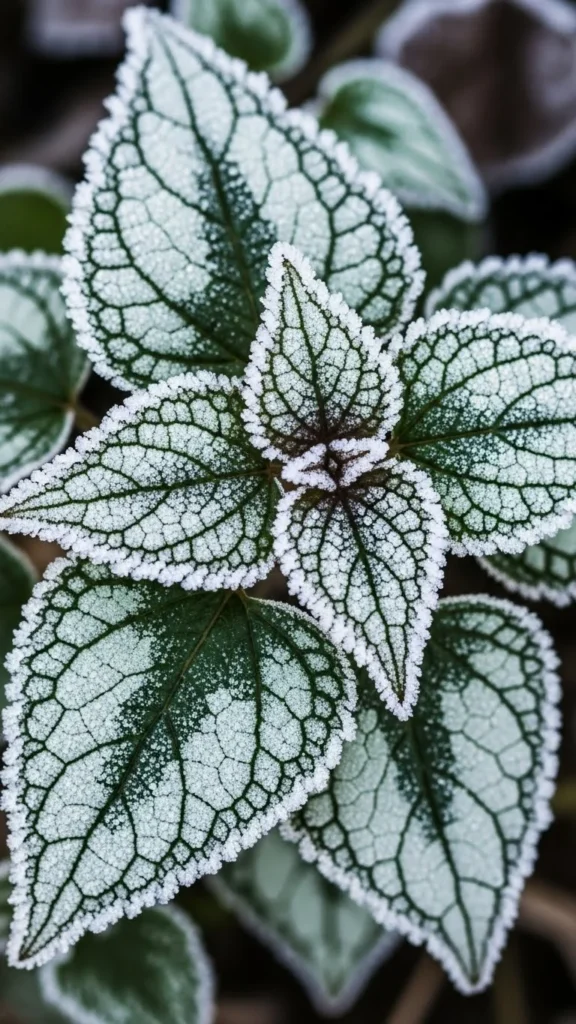
Lamium keeps its patterned leaves through winter, giving your yard extra brightness. Its low, creeping shape covers soil quickly. You can plant it in shade or light sun. The leaves stay colorful even when temperatures fall. Start with a few small pots and let them spread. Trim long runners in late fall for a cleaner winter look. Lamium is soft to touch and makes dull corners look alive. If you want more plants without buying extras, divide existing clumps. Lamium gives your winter garden a silver-and-green touch.
16. Dead Nettle
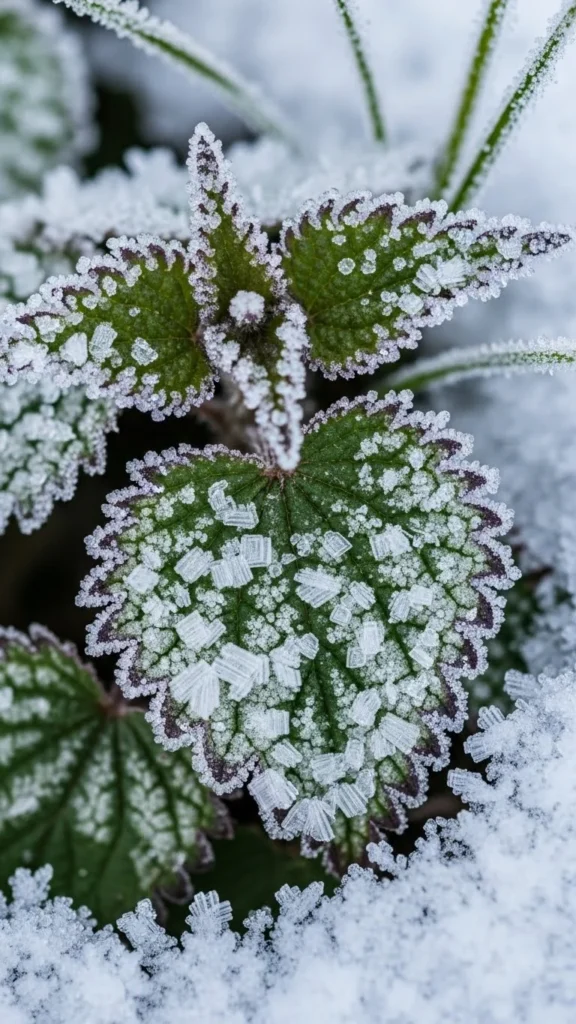
Dead nettle has soft, patterned leaves that stay green through cold weather. It spreads easily and fills shady spots with color. You can place it under shrubs, along fences, or near walkways. Water once in fall so the roots settle. After that, it handles winter well. If your budget is tight, divide a single pot into several small pieces and plant them separately. Dead nettle brightens winter beds with its bold leaf markings. Keep heavy snow brushed off so stems stay upright. Dead nettle adds visual interest even in the coldest months.
17. Rock Cress
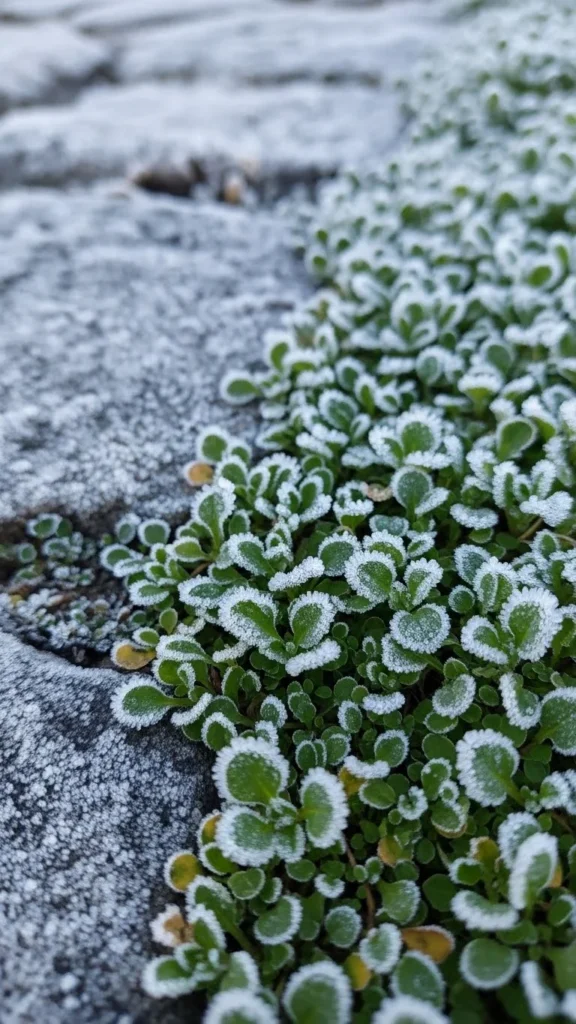
Rock cress stays low and compact during winter, keeping its green foliage even under snow. It works well in rock gardens, borders, and slopes. The plant forms small, dense mounds that protect the soil. Start with a few small plugs and space them apart. They will fill in naturally by early spring. Water lightly before freezing weather begins. You can divide older mounds to spread coverage without buying more. Rock cress adds structure and color to winter landscapes. Rock cress is strong and steady through cold months.
18. English Ivy
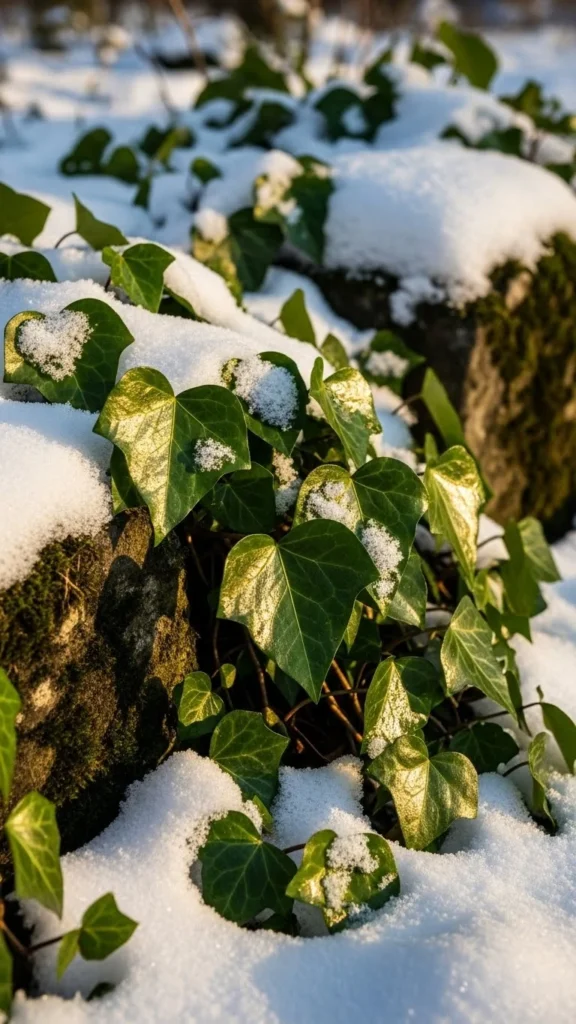
English ivy stays green no matter how cold it gets. The vines spread quickly and cover large spaces with deep color. You can plant it along fences, walls, or open soil areas. Trim it back in fall so it stays controlled during winter. For an affordable way to grow more, root stem cuttings in a jar of water. Once rooted, plant them in empty spaces. English ivy creates a clean winter background and pairs well with stone or wood features. English ivy is a strong winter groundcover for large areas.
19. Candy Tuft
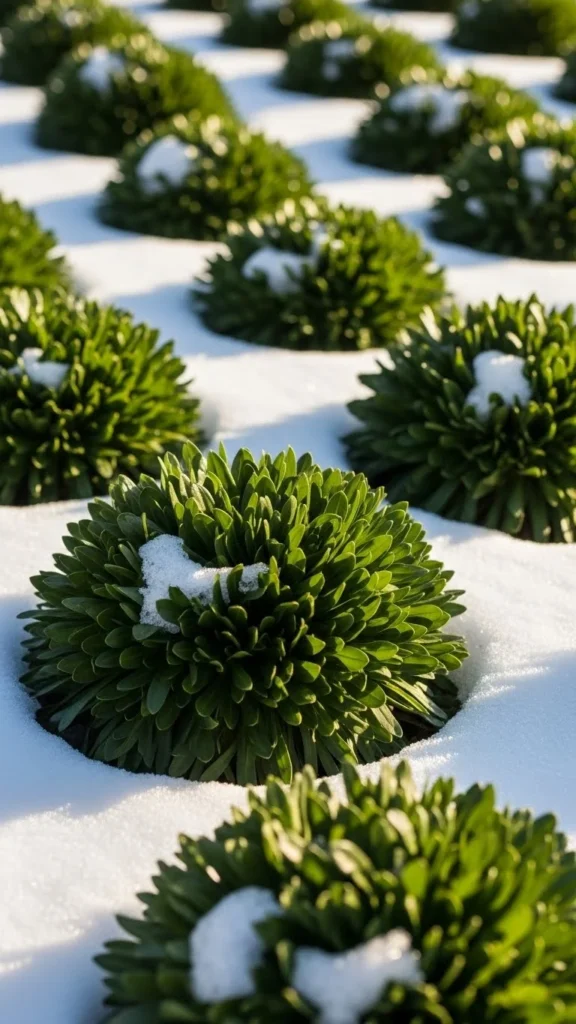
Candy tuft keeps a dark green mound of leaves throughout winter. It stays low and forms rounded shapes that look neat even in cold weather. This plant works well along borders or in front garden beds. Plant small clusters a few inches apart. They will connect over time. Water once in fall, then let winter moisture do the rest. You can divide older plants in spring to create fresh clumps for free. Candy tuft gives winter gardens a tidy, structured look. Candy tuft is simple, clean, and dependable in cold climates.
20. Blue Star Creeper
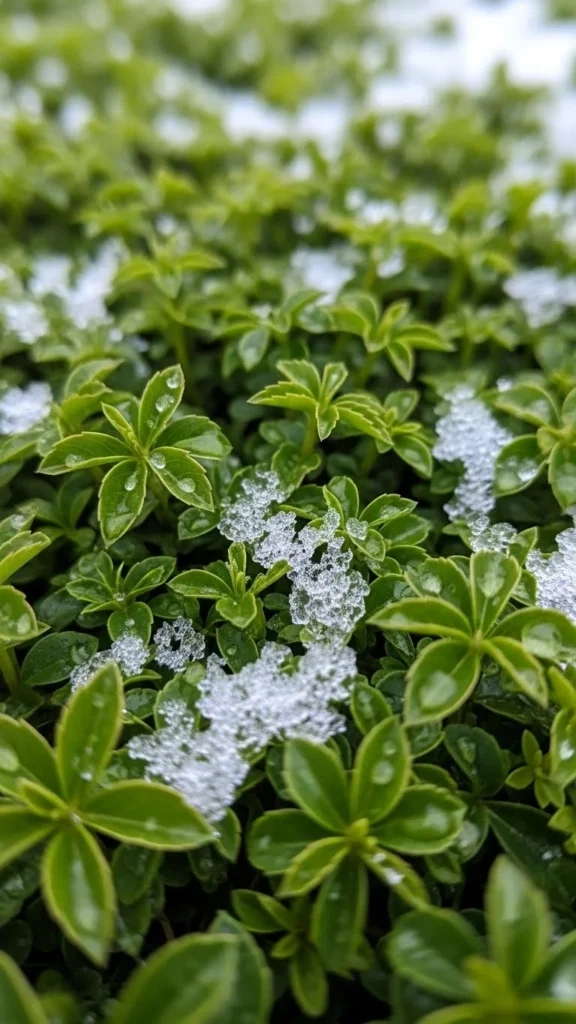
Blue star creeper stays green through winter and creates a fine-textured carpet. It works well between stepping stones, along pathways, or in open patches of soil. Water lightly before frost so the roots hold firmly. You can pull small sections apart and replant them to cover bigger areas without extra cost. Keep leaves and debris brushed away so the mat stays healthy. Blue star creeper brings a smooth, even look to winter landscapes. Blue star creeper is a great choice for high-traffic areas.
21. Mondo Grass
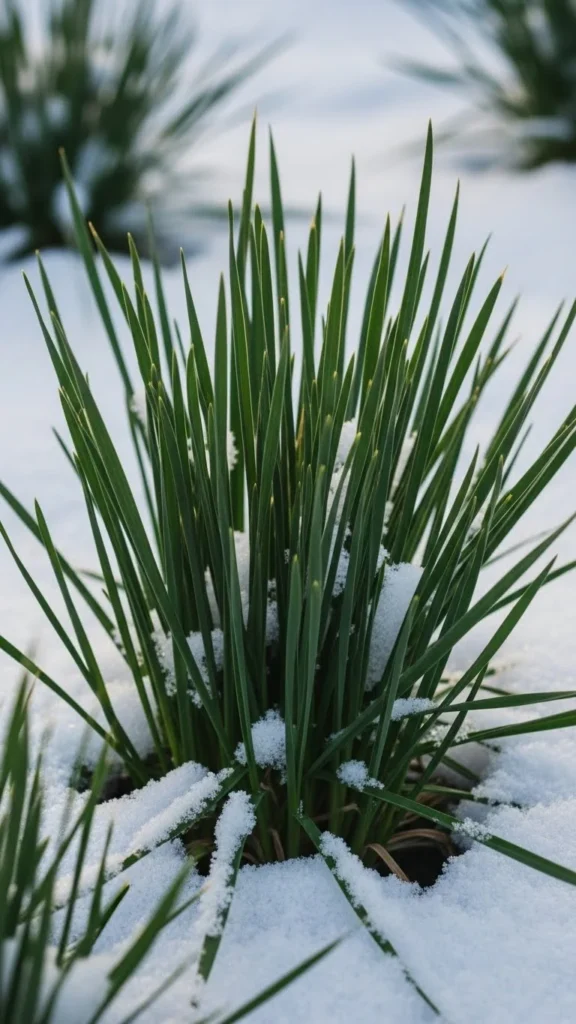
Mondo grass keeps its dark green blades all winter. The clumps look tidy and provide height compared to flat groundcovers. It works well along borders or in mixed beds. Plant small clumps a few inches apart so they can spread slowly over time. Water once in fall to help them root well. Mulch lightly around them to protect the base. You can divide larger clumps in spring for free plants. Mondo grass adds a clean, upright look to winter gardens. Mondo grass holds its shape in cold months with little effort.
22. Siberian Carpet Cypress
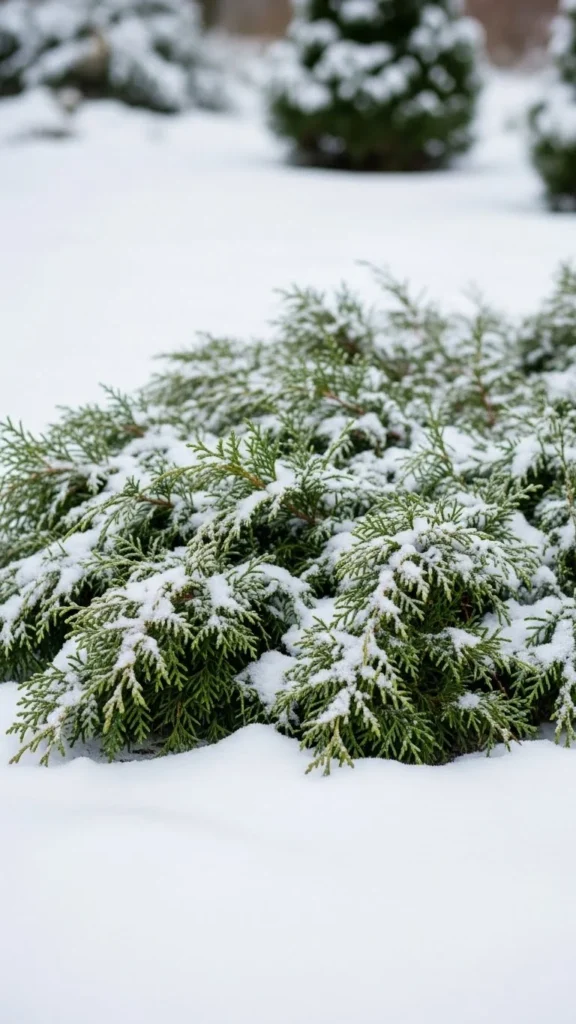
Siberian carpet cypress stays low and evergreen through snow and frost. Its feathery foliage gives a soft, flowing look to winter beds. This plant handles cold climates well and spreads slowly. Plant it in open or slightly sloped areas where you want gentle texture. Water once during fall. After that, it keeps going on its own. To save money, buy small starter plants and let them expand naturally. Keep heavy snow brushed off to protect branches. Siberian carpet cypress brings softness to winter landscapes.
23. Creeping Phlox
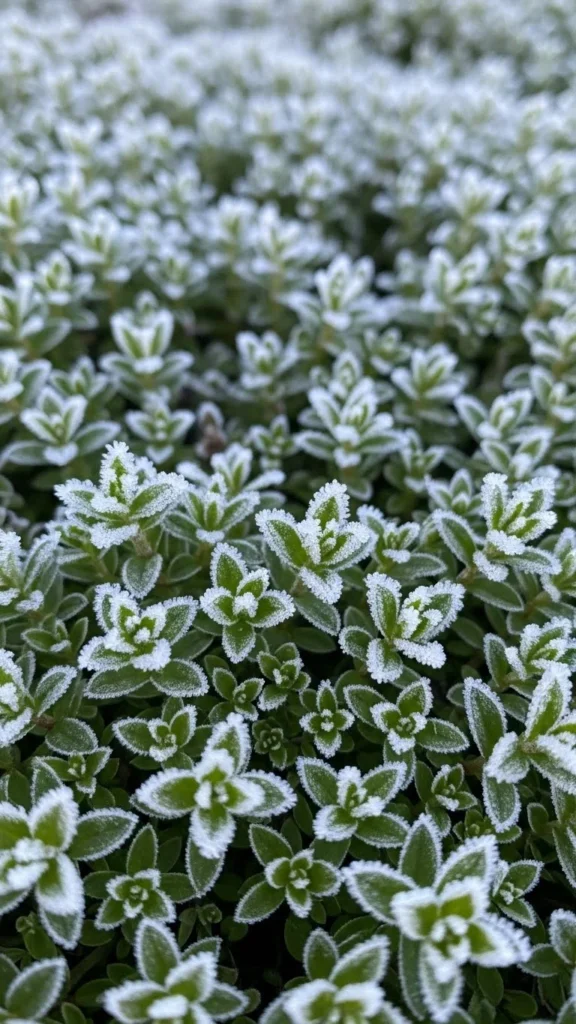
Creeping phlox stays green through winter and spreads in a thick carpet. It works well on slopes, edges, and rocky areas. The foliage stays firm even during long cold spells. Plant small pots in fall so they root before freezing. Water lightly. You can take small clumps from established plants and move them to new spots. Creeping phlox creates a clean winter base that transitions smoothly into spring color. Creeping phlox is great for year-round coverage.
24. Korean Rock Fern
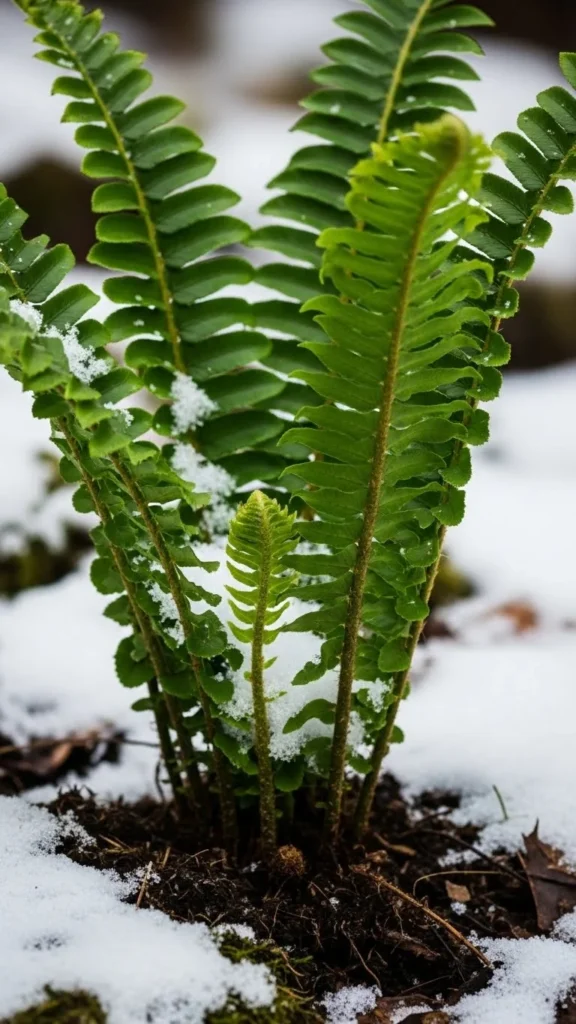
Korean rock fern keeps its fronds green through most winters. It offers height and texture when other plants look flat. You can place it near rocks, walls, or shaded beds. Water once before frost. Add a thin layer of leaves around the base for simple insulation. The fern spreads slowly, but you can divide it in spring for more plants. Korean rock fern brings structure to winter gardens without requiring much care. Korean rock fern stands tall and graceful in cold weather.
25. Labrador Violet
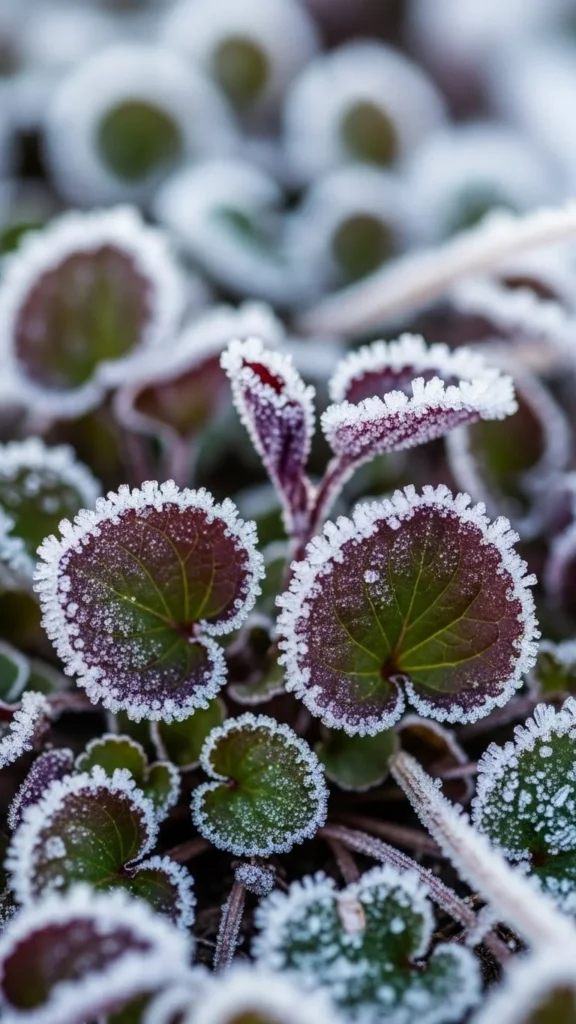
Labrador violet holds its color during winter, showing deep green and hints of purple. It spreads gently and works well in shaded corners. The leaves stay low and form a tidy winter carpet. Plant a few small pots and space them apart. They will fill in by themselves. Water once before frost. Clear fallen leaves so the foliage can breathe. You can divide older clumps to grow more without paying extra. Labrador violet brings soft color to cold garden spaces. Labrador violet is a simple, charming winter groundcover.
Conclusion
Greenery during winter makes a yard feel alive, calm, and well cared for. These groundcovers stay colorful under snow, handle freezing temperatures, and grow with little effort. Many can be spread for free by dividing older plants, which helps you fill large areas without stretching your budget. Choose a few that match your yard’s light and soil, and you’ll enjoy a vibrant winter landscape that stays full of color month after month.

Leave a Reply