

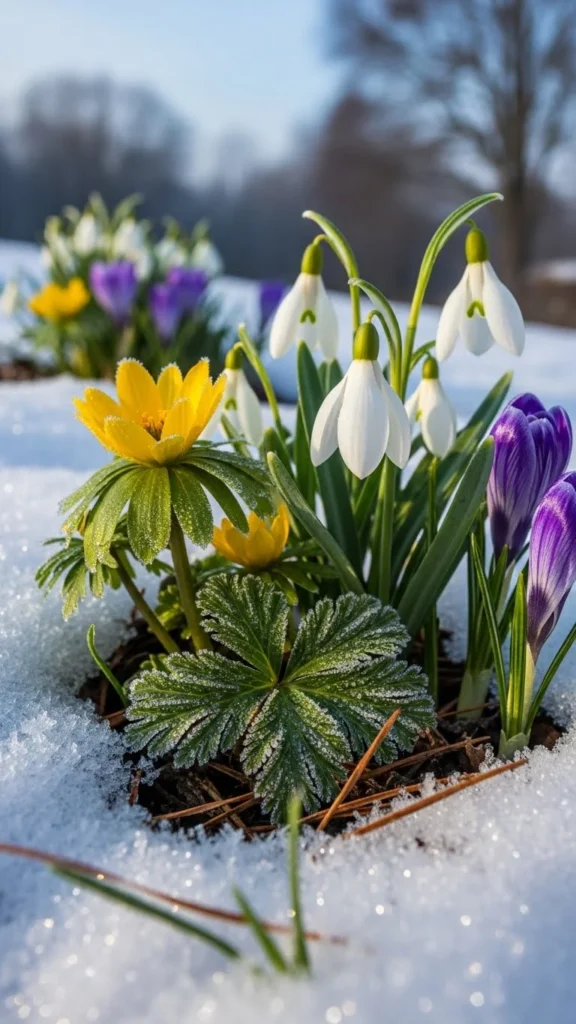
Gardens don’t have to fade when temperatures drop. Many bulbs thrive in icy weather and send up vibrant color while everything else sleeps. These snow-hardy varieties are simple to grow, gentle on the budget, and perfect for gardeners who want brightness during late autumn, winter, or early spring. Below, you’ll find practical ideas, easy care tips, and bulbs that reward you with cheerful blooms in the coldest months.
1. Snowdrop (Galanthus)
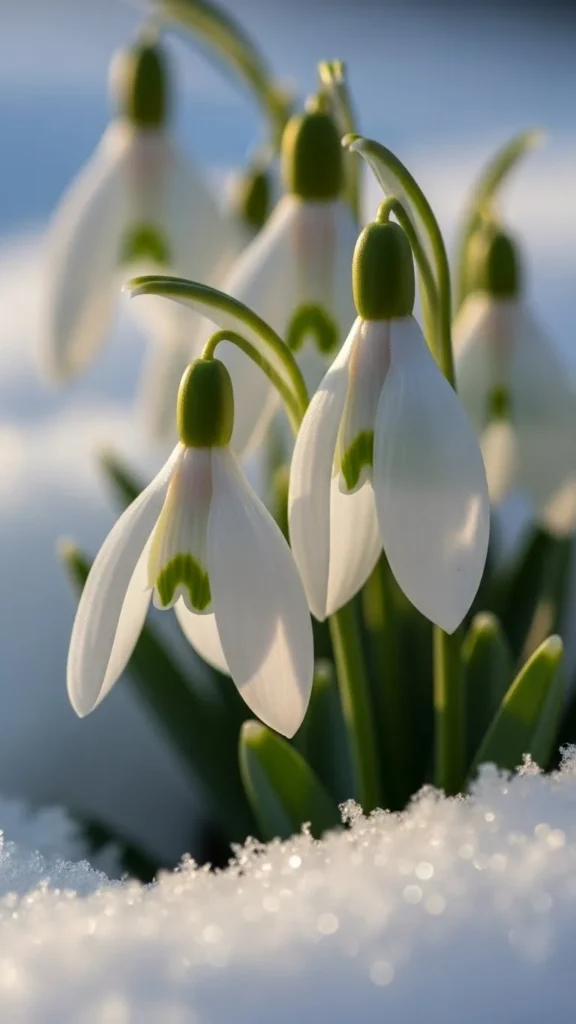
Snowdrops offer tiny bells that brighten icy mornings. They return each year with very little effort. Plant clusters near paths so you can enjoy them up close. Choose low-cost multi-packs and tuck them into narrow spaces where other plants might fail. Add a thin layer of compost when planting, but keep the process simple. Snowdrops are dependable and spread gently over time. Water lightly after planting, then let the season do the rest. For anyone starting a cold-month garden, this bulb is a friendly choice that brings quiet charm without complicated care.
2. Winter Aconite
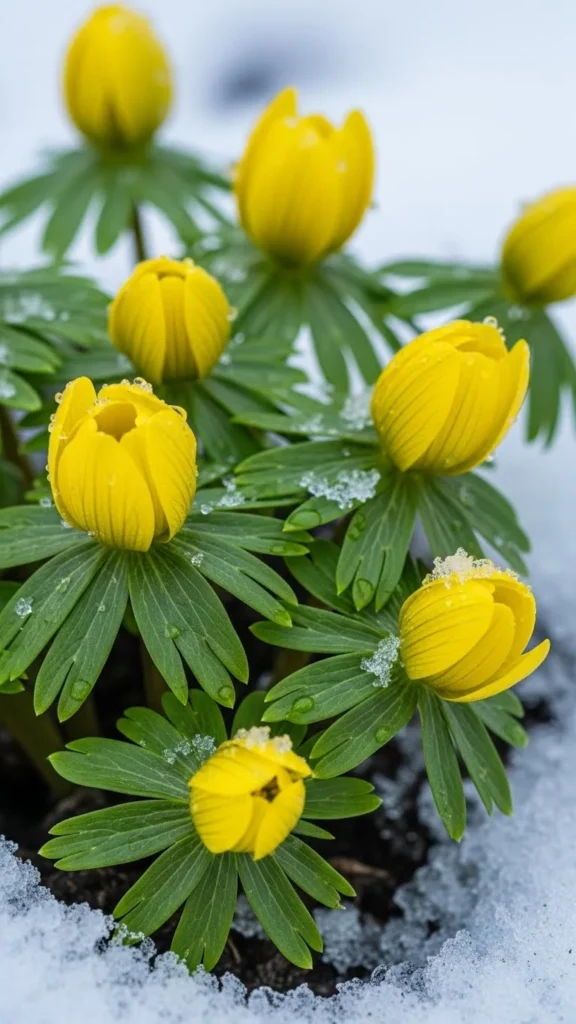
Winter aconite pops up with golden flowers that stand out against frosty ground. These bulbs are small and inexpensive, so you can plant lots of them at once. Soak the tubers for a few hours before planting to help them settle faster. Place them in small drifts for a natural look. They spread slowly, filling empty winter patches. A simple sprinkle of leaf mulch once a year keeps them happy. If you like bright and cheerful color before spring arrives, aconite is an easy win.
3. Crocus Vernus
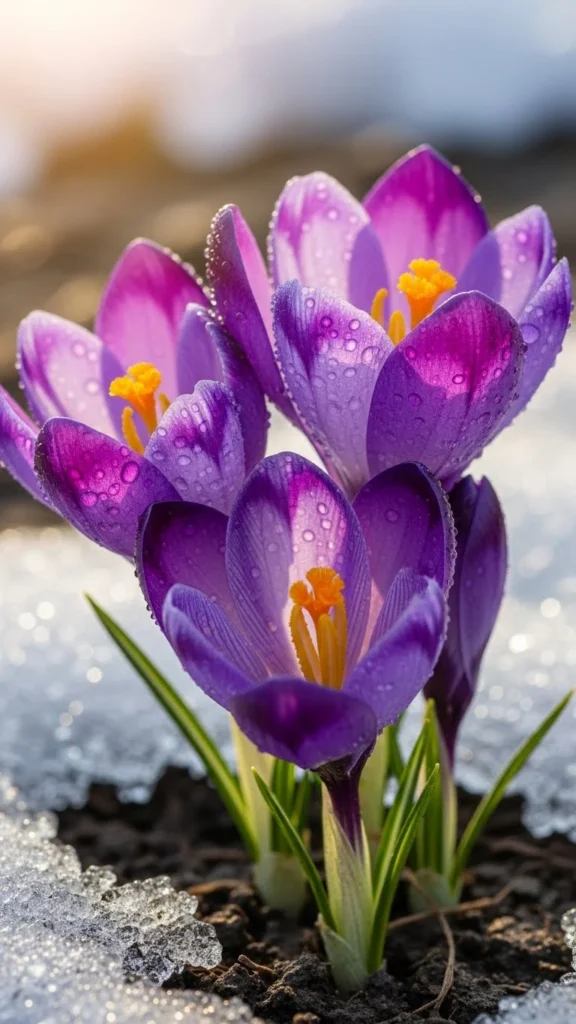
These crocuses deliver bold color in late winter when you crave something lively. Bulbs are very budget-friendly and ideal for mass planting. Mix a few colors for variety. Place them along walkways or in lawn pockets for surprise blooms. They don’t require special soil—average garden beds work fine. Water once after planting and leave them alone. They return each year and often multiply. For renters or beginners, crocus vernus is an easy choice that brings simple joy.
4. Siberian Squill (Scilla siberica)
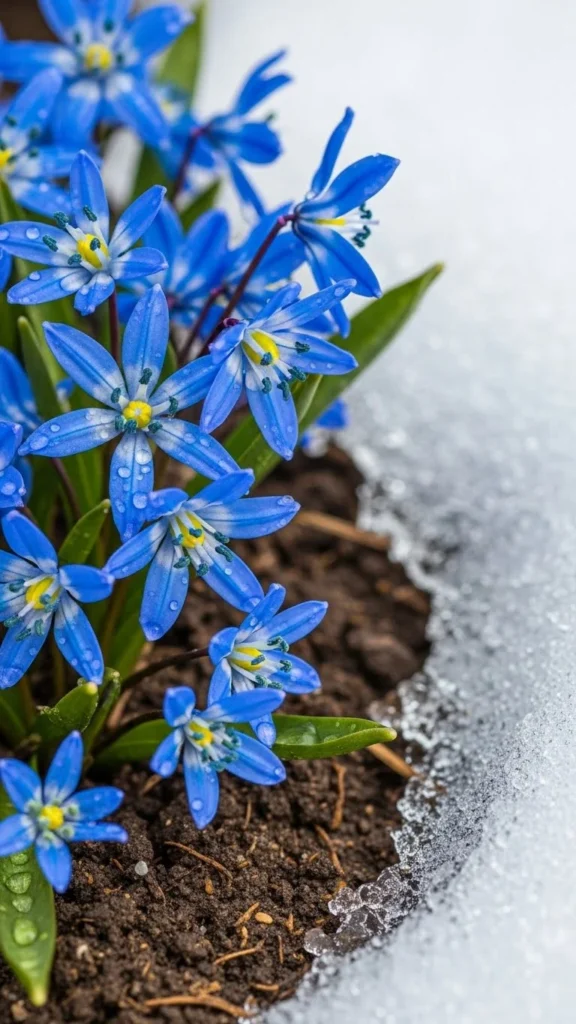
Siberian squill spreads carpets of blue during late winter. These bulbs are tiny, so you can plant large groups without spending much. Scatter them loosely for a natural sweep of color. They thrive under trees where other flowers struggle. Keep watering minimal—snowmelt often does the work. Once they settle, they return every year with stronger clumps. For anyone hoping to add winter magic with minimal effort, squill delivers beautiful results.
5. Glory-of-the-Snow (Chionodoxa)
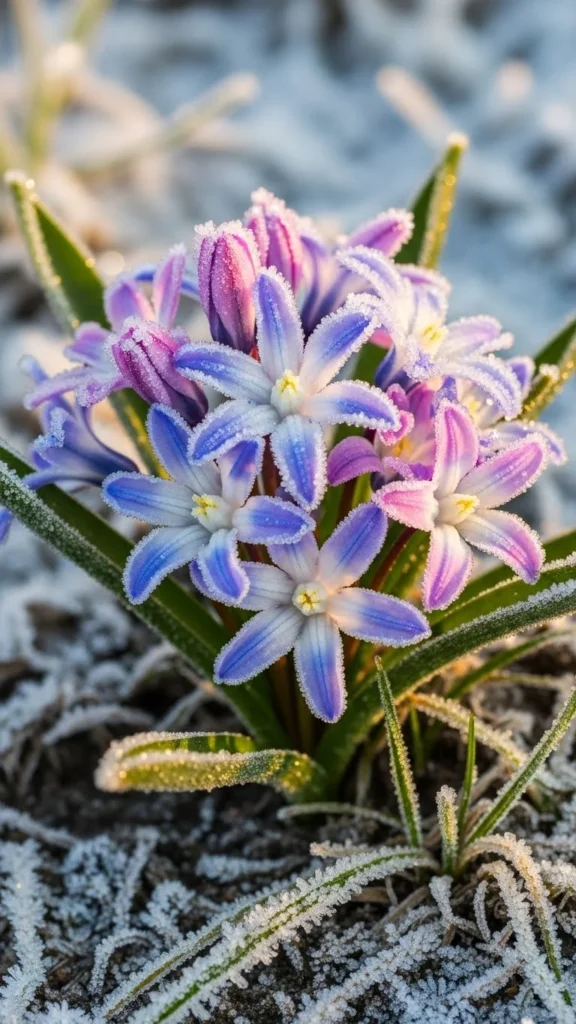
This bulb shines early, often while snow still covers the yard. With star-shaped blooms, it adds charming touches of color to cold weeks. Pick mixed bags for variety without extra cost. Chionodoxa grows well in rocky areas or tight garden corners. Plant them in small groups for the best effect. They spread slowly and create lovely drifts over time. No fancy tools are required—just plant, water once, and let them settle until next year.
6. Winter Iris (Iris unguicularis)
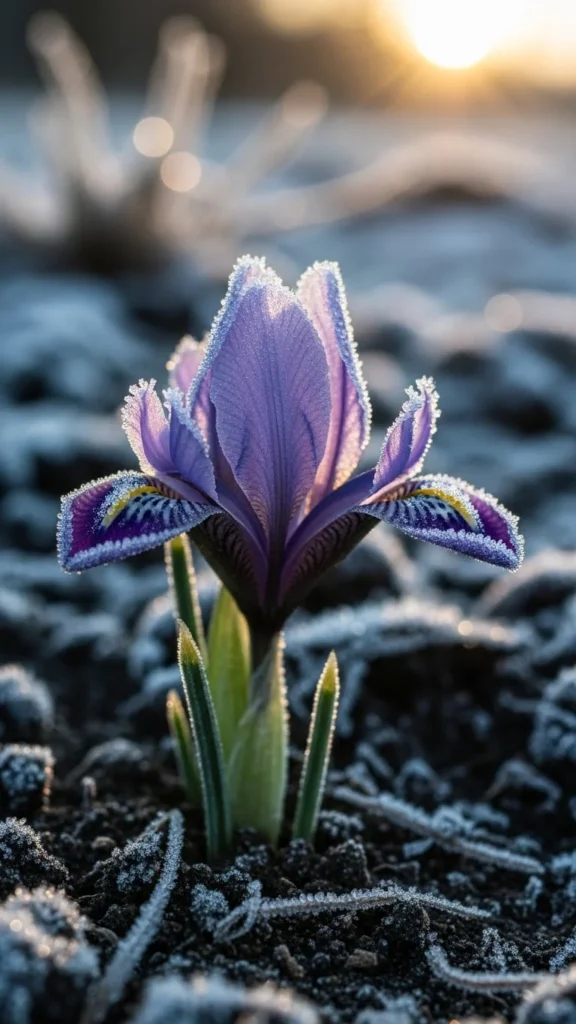
Winter iris brings elegant color when other plants stay dormant. The blooms feel delicate but handle cold well. Pick a sunny spot near a wall for extra warmth. These rhizomes are still affordable if you buy smaller starter pieces. Trim old leaves in autumn so new blooms stand out. They need little water during the cold season. For gardeners wanting a more graceful look, winter iris adds soft beauty right when you want it most.
7. Daffodil (Narcissus)
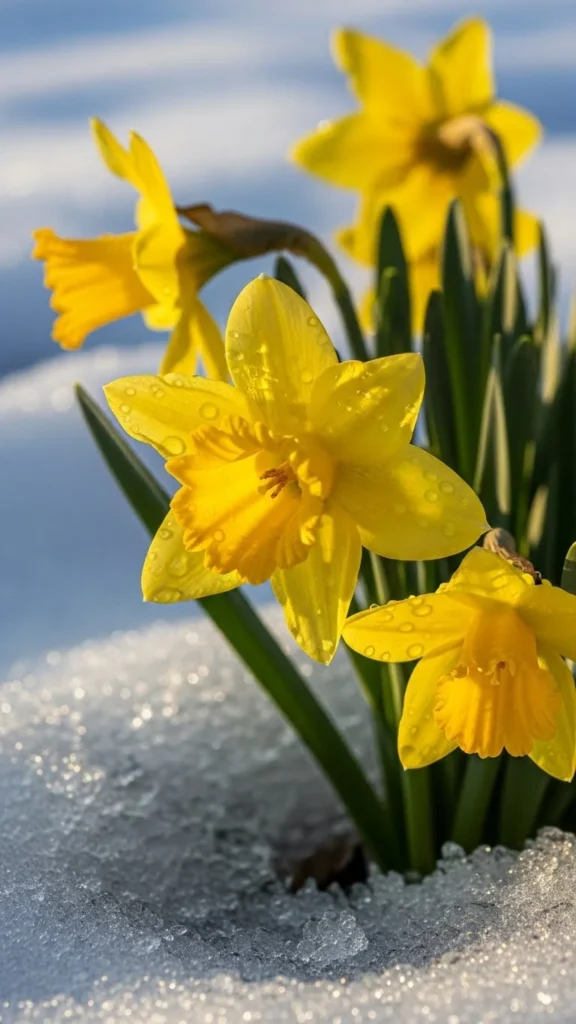
Daffodils are classic early-season bulbs that thrive in chilly ground. They’re widely available and come in many styles. Buy them in bulk to save money. Plant them in loose clusters along borders or tree lines. They handle frost well and bloom reliably each year. Just add a scoop of compost during planting. Water once, then leave them alone. Daffodils add cheerful color right when winter feels longest.
8. Early Tulip Varieties
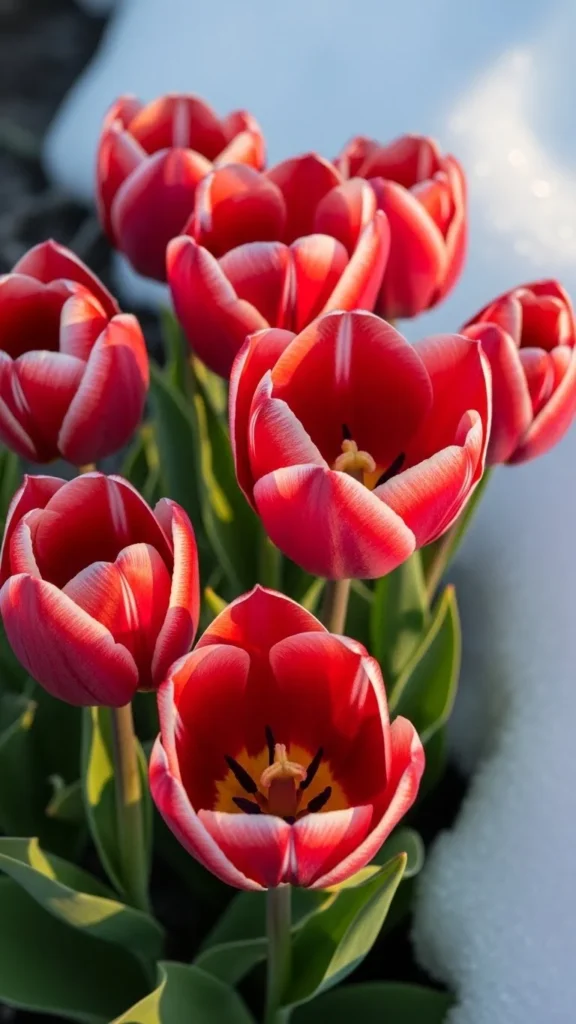
Some tulip groups flower earlier than others and push through cold soil with strong stems. Look for early varieties in budget bundles. Plant them deeper than expected to help them stay insulated. Mix colors for a bold display. They enjoy sunny spots but tolerate chilly nights. Keep watering simple—just enough to settle the soil. Even beginners can bring early-season charm to patios, beds, or balconies with a few tulip clusters.
9. Reticulated Iris (Iris reticulata)
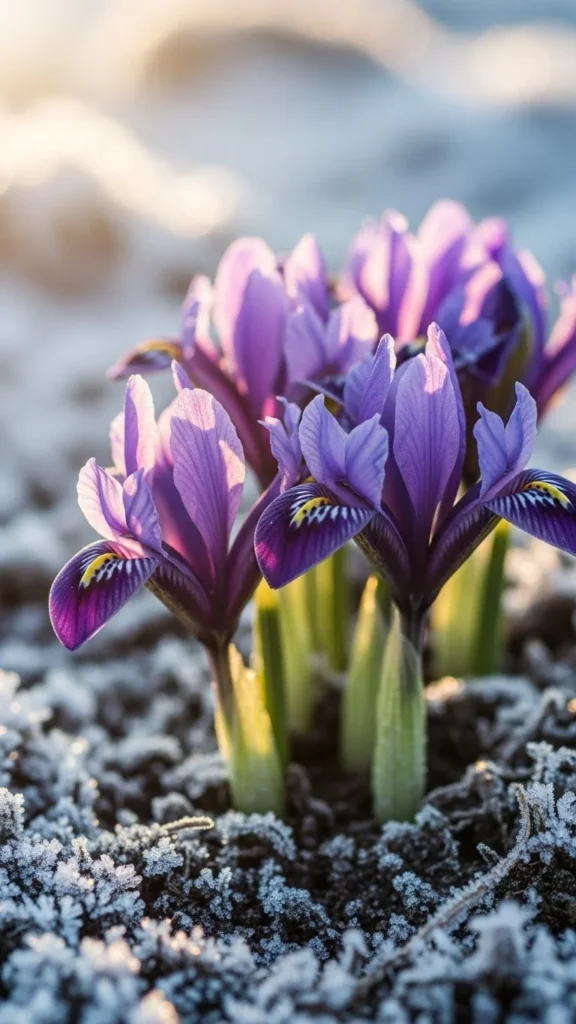
Reticulated iris blooms very early and brings detailed purple petals with striking patterns. These bulbs are inexpensive and great for filling small gaps. Add a little sand if your soil holds water. They stay short, making them perfect along paths. Watering is minimal, especially in cold months. Once planted, they return each year with little care. Their strong color is a simple way to brighten dull winter landscapes.
10. Winter Cyclamen (Cyclamen coum)
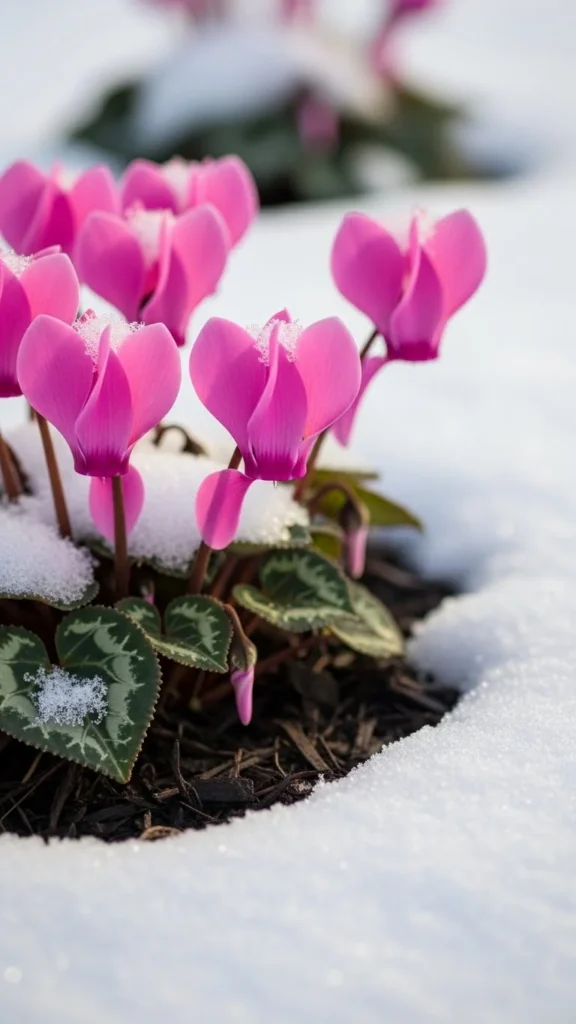
Winter cyclamen appears delicate but tolerates cold well. The rounded petals and marbled leaves add charm to shaded areas. Choose small nursery trays for low-cost planting. Spread compost lightly and tuck them under shrubs. They bloom when little else does. Water only during dry spells. Cyclamen creates small pockets of color that make outdoor spaces feel cared for even in colder months.
11. Allium ‘Hair’
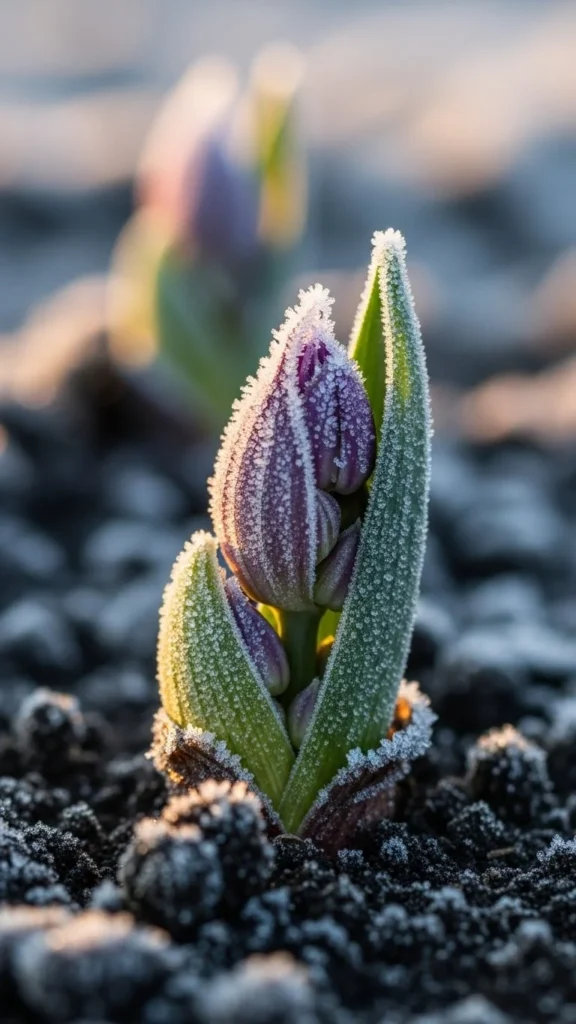
This quirky allium produces unique flowers in late winter or early spring. Bulbs are still affordable and easy to plant. Add them to beds that need height. They handle cold soil well and appreciate sunny spots. Water just once after planting. Their unusual blooms spark interest without requiring complex care. Perfect for gardeners wanting something fun and simple.
12. Grape Hyacinth (Muscari)
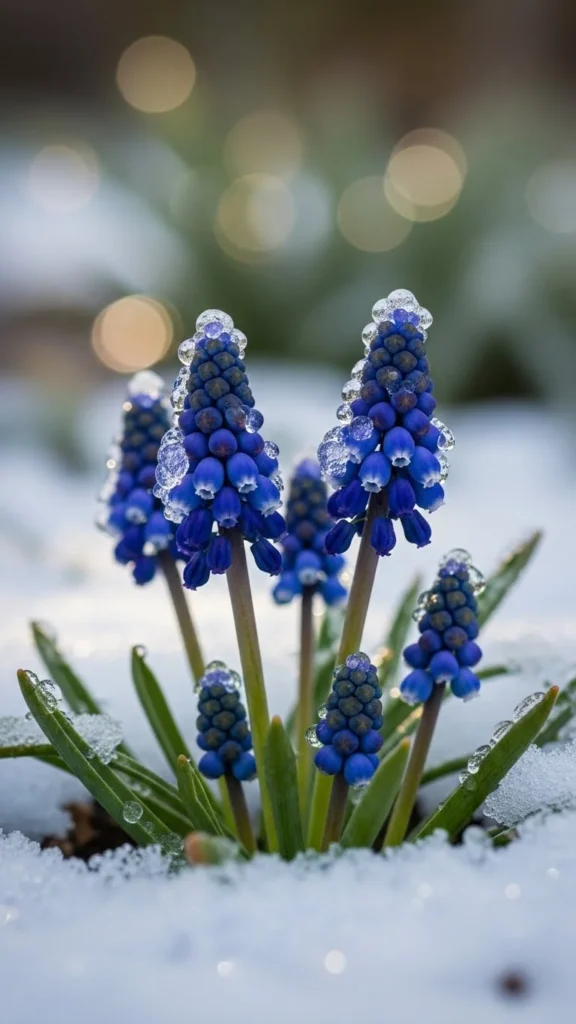
Muscari produces small clusters of blue bells that appear early and spread gently over time. You can plant dozens at a low cost. Add them to borders, rock gardens, or around shrubs. They thrive with very little water and return every year. Mix them with other early bulbs to create a layered look. Their compact shape makes them great for tight spaces.
13. Grecian Windflower (Anemone blanda)
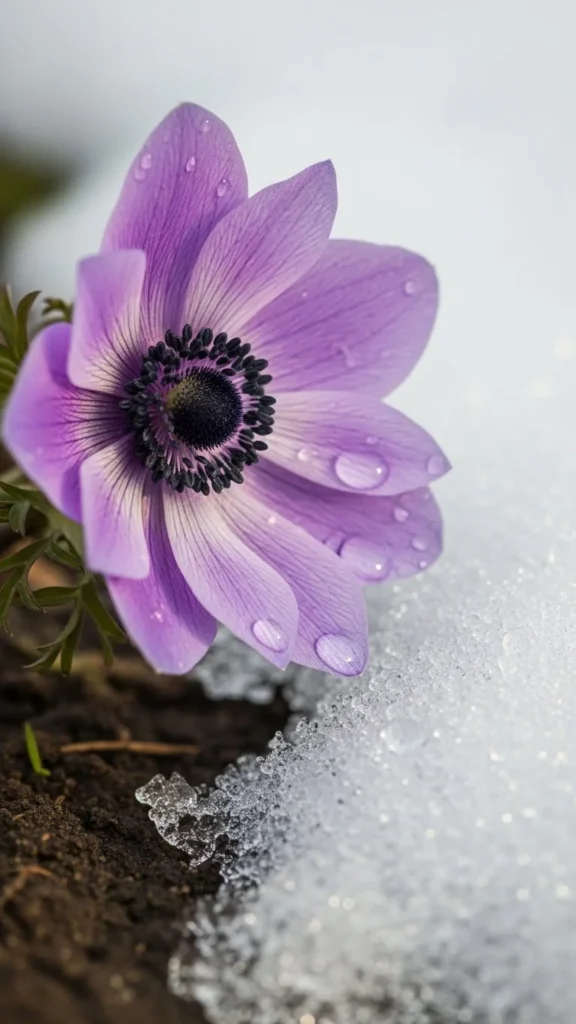
Windflowers bring daisy-like blooms in cheerful colors. They handle cold soil well once established. Buy dried tubers in bulk to save money. Soak them overnight before planting. Tuck them in groups under trees or near shrubs. Water lightly and let snowmelt support them. Their simple charm enhances garden beds when winter feels longest.
14. Leucojum aestivum (Summer Snowflake)
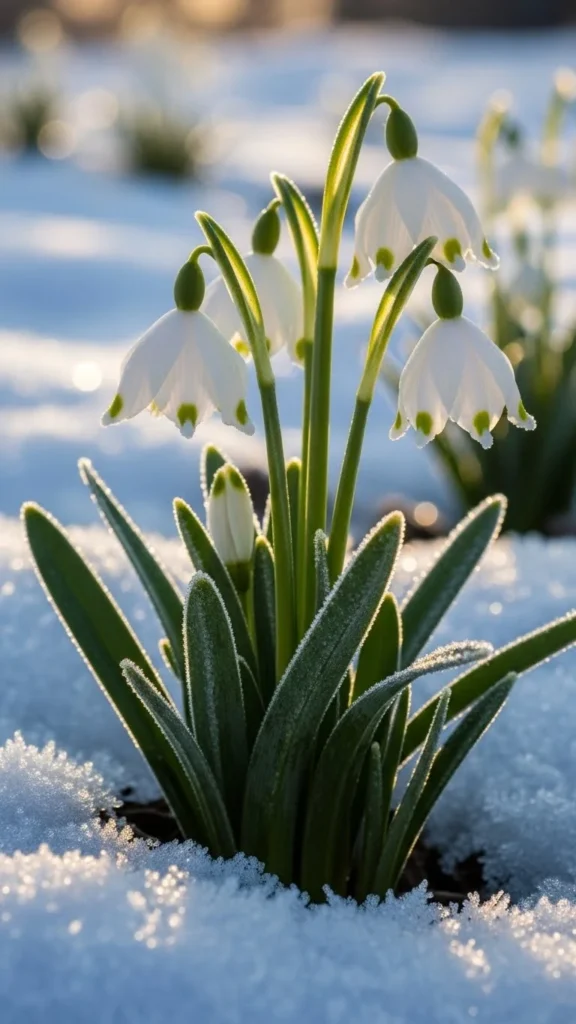
Despite the name, these bulbs often bloom in earlier months and handle cold soil well. Their nodding bells look elegant but grow with very little effort. Plant them in moist areas or near downspouts. They multiply over time, saving you money long-term. Keep watering simple. For gardeners wanting gentle white blooms during chilly seasons, this bulb performs reliably.
15. Winter-Scented Hyacinths
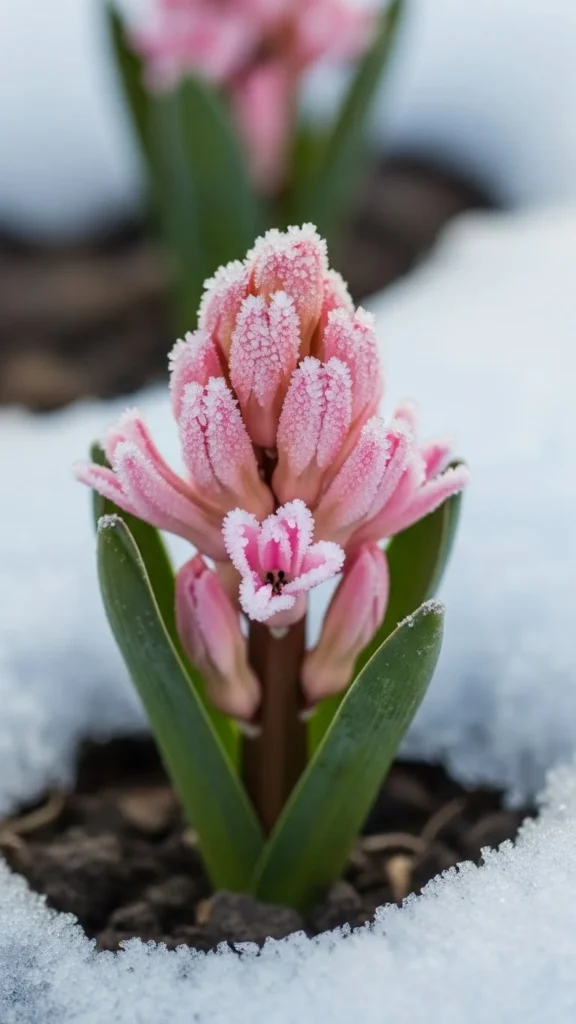
Some hyacinths open early and tolerate cold conditions. Buy mixed trays to keep cost low. Plant near doorways so the fragrance greets you on cold mornings. Add just a bit of compost for support. Water once and leave them alone. They come back each year with fuller clusters. These blooms make winter gardens feel cared for without complicated upkeep.
16. Triteleia laxa
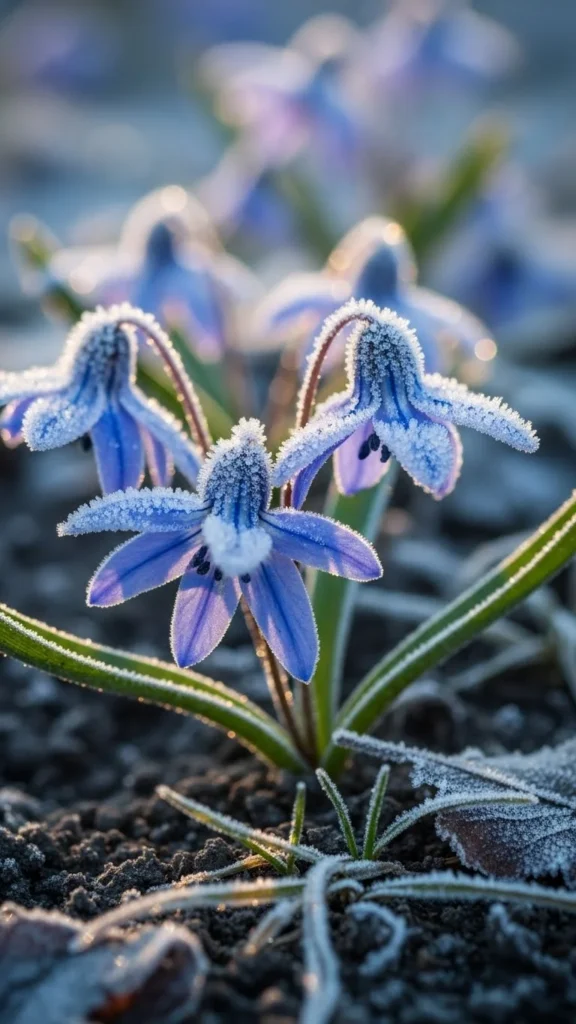
Triteleia produces star-like flowers in cooler months and works well in borders or rock gardens. Bulbs remain inexpensive and easy to plant. Choose sunny spots for best color. They tolerate dry soil, so watering stays minimal. Add a handful of gravel for drainage if your soil is heavy. These flowers bring soft blue tones that pair well with other early blooms.
17. Ranunculus asiaticus
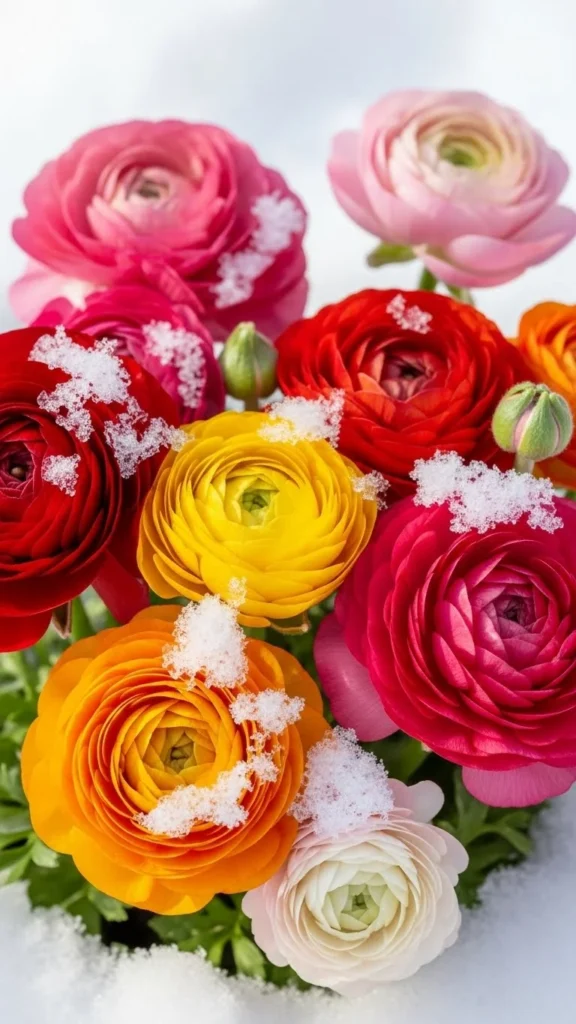
Ranunculus offers lush, layered blooms in many colors. Though delicate-looking, they tolerate cold soil once planted properly. Buy tubers in multi-packs for savings. Soak them briefly before planting. Add a bit of compost and keep watering light. Their full blooms make small spaces feel abundant. They’re ideal for borders, pots, or walkway edges.
18. Fritillaria meleagris
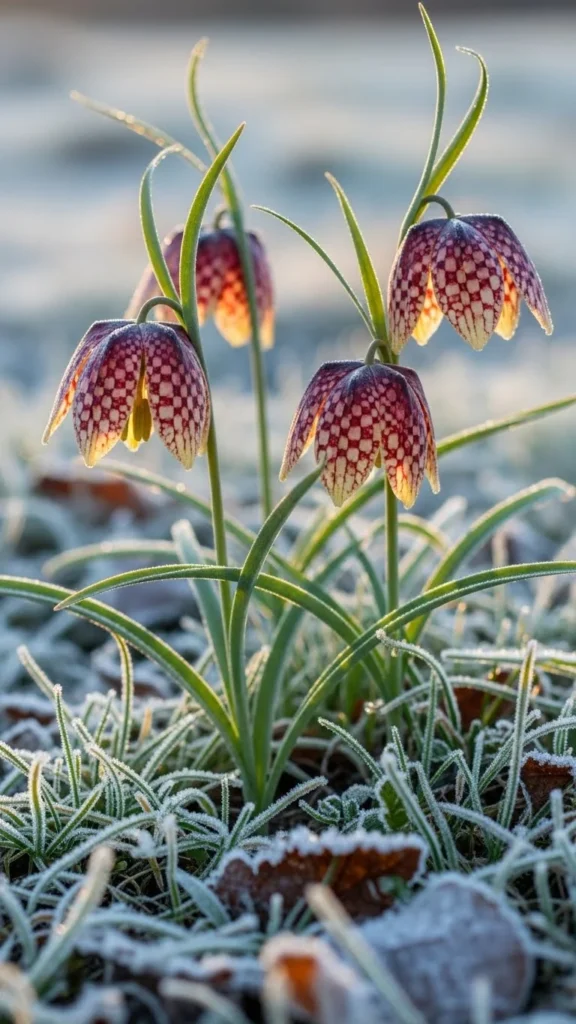
These bulbs produce patterned, nodding flowers that appear early in the season. They handle cold well, especially in damp spots. Choose mixed packs to add visual interest. Plant in groups for a striking effect. Keep watering light. Their unique texture adds personality to winter beds without adding work.
19. Pushkinia scilloides
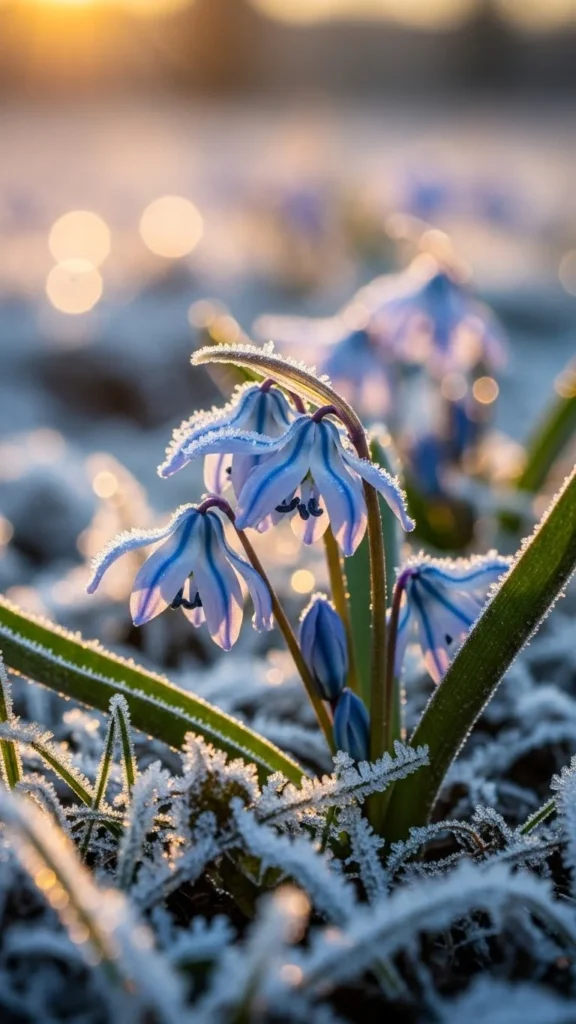
Pushkinia brings pale striped flowers that look gentle but thrive in cold ground. Bulbs are inexpensive and ideal for mass planting. Add them to borders or near shrubs. Water once after planting and let the season handle the rest. These flowers soften garden edges during late winter and early spring.
20. Ornithogalum umbellatum (Star of Bethlehem)
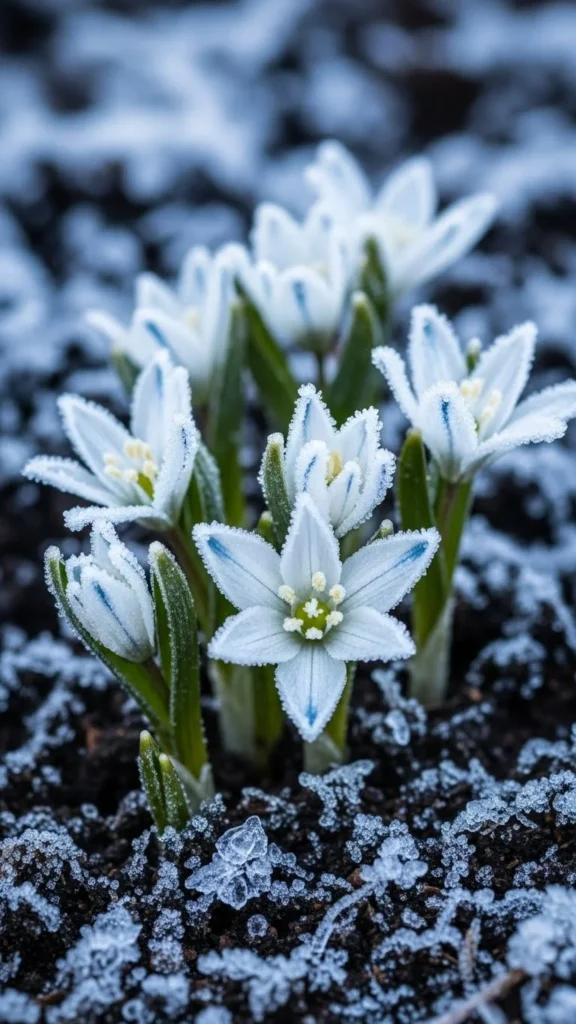
Star of Bethlehem produces clean white flowers that brighten cool periods. These bulbs spread easily, making them a smart budget choice. Add them to open areas where you want full coverage. They tolerate neglect well. Just plant, water once, and let them settle. Their bright shapes bring calm energy to outdoor spaces.
21. Spring Snowflake (Leucojum vernum)
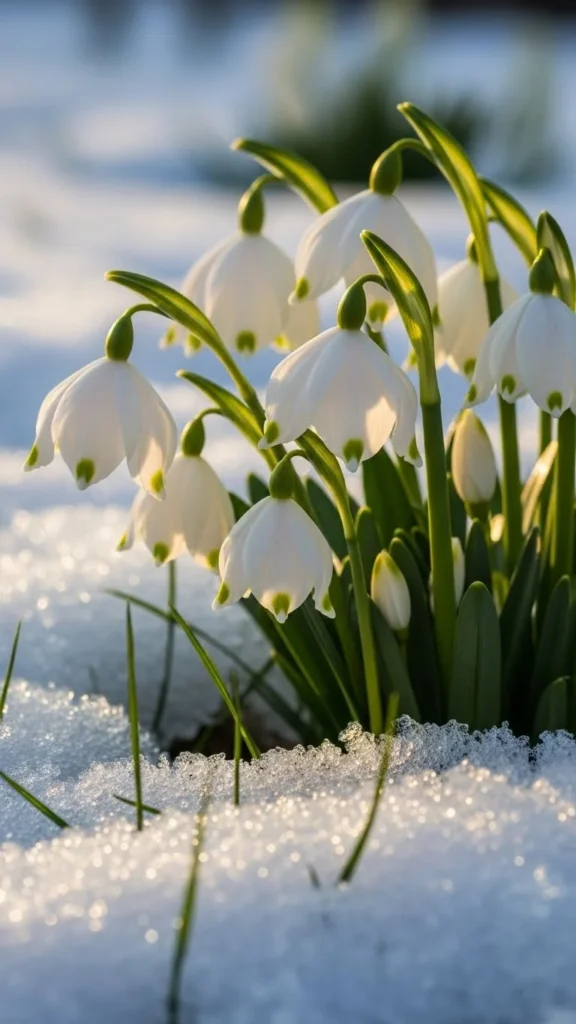
Spring snowflake blooms early and tolerates frost without trouble. Buy small pots or bulbs in discounted bundles. Plant them in moist areas or near shade trees. They return year after year. Low watering and simple soil prep keep them happy. Their soft bells add gentle charm to late-winter gardens.
22. Camassia cusickii
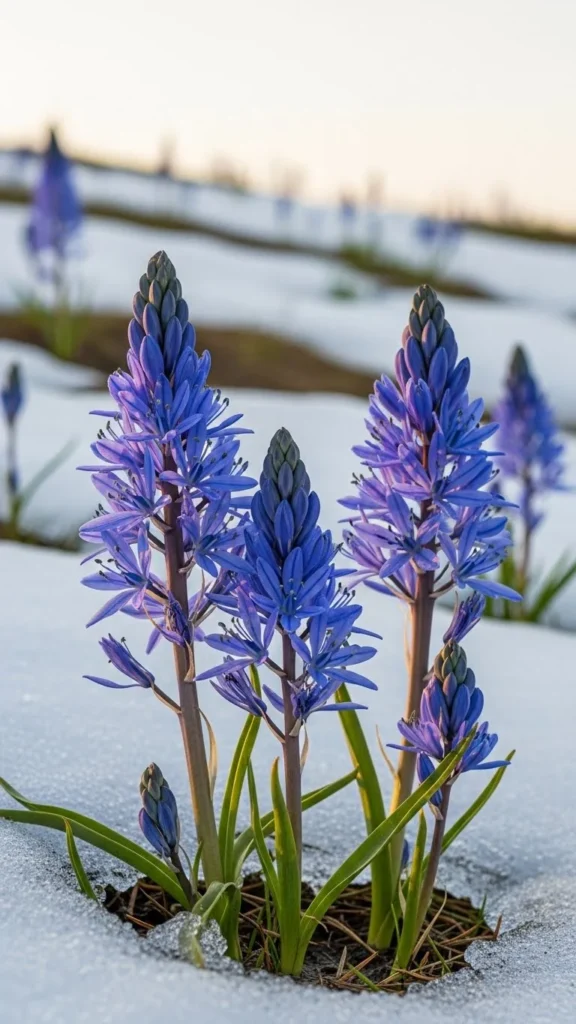
Camassia grows tall flower spikes that open in cooler seasons. Bulbs may look large, but they’re still affordable in small groups. Plant them at the back of borders for height. They need little water, and snowmelt supports them well. Camassia brings a graceful look to early-season landscapes without adding work to your routine.
Conclusion
Cold months don’t have to mean dull gardens. These snow-hardy bulbs offer bright color, simple care, and long-term value. Pick a few favorites, plant them in easy clusters, and enjoy the reward as they bloom through frost and snow. Your outdoor spaces will feel alive even in the chilliest weeks.

Leave a Reply