

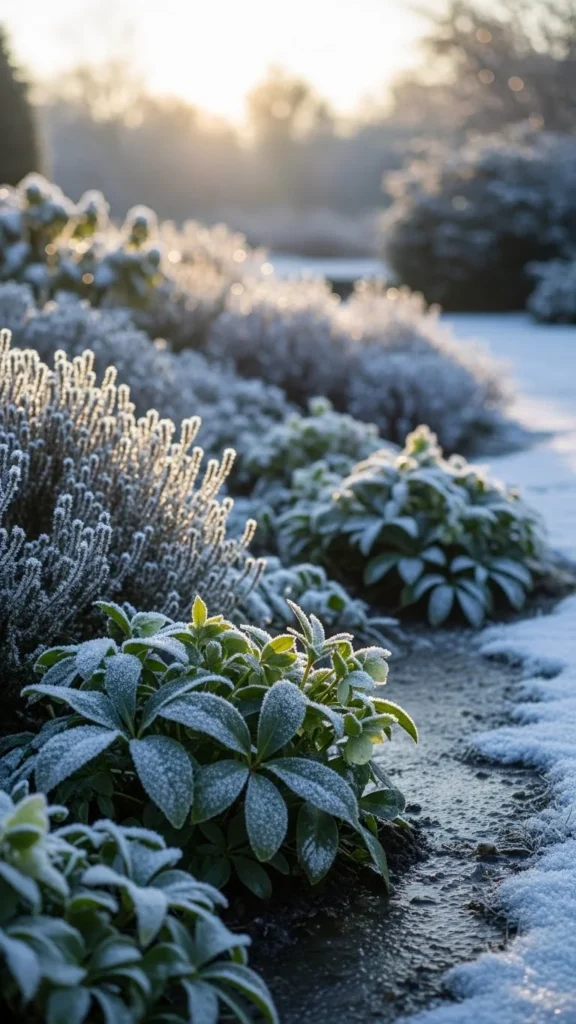
Winter gardening doesn’t have to stop when temperatures drop. Many plants hold their shape, color, and structure even when everything else is covered in frost. These snow-resistant options stay strong, making them perfect for cold climates, long winters, and gardeners who want reliable landscaping all season. Below, you’ll find hardy picks that tolerate freezing weather, keep your yard attractive, and bring dependable interest during the coldest months.
1. Wintergreen Boxwood
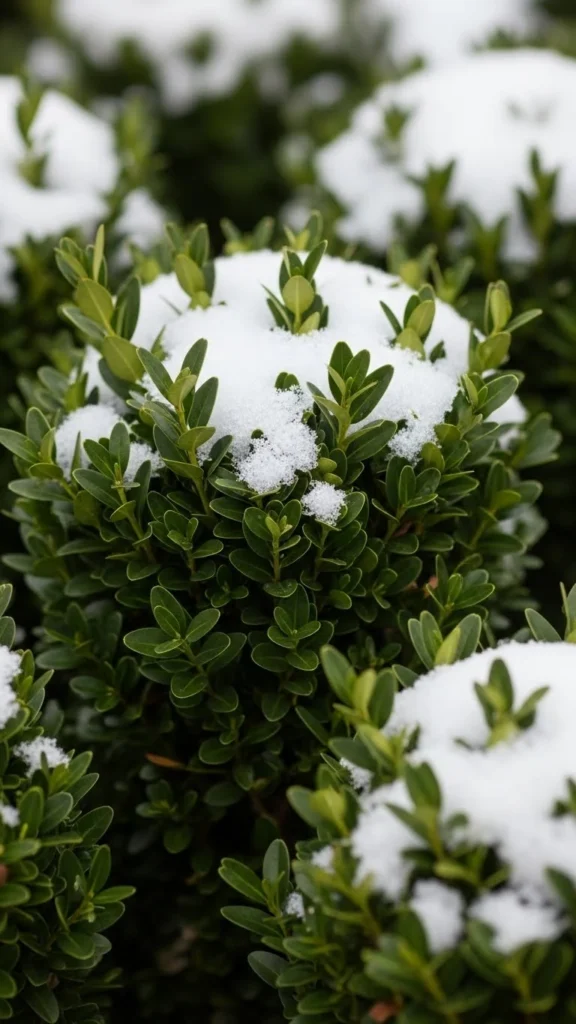
Wintergreen boxwood is a garden classic because it keeps its deep green color even during freezing spells. You can shape it into small hedges, round mounds, or simple borders. It works for front yards, patios, and walkway edges. The plant stays compact, so it fits well in small areas. Keep the soil slightly moist, but don’t overwater in cold months. Mulch around the base to hold warmth. If you’re gardening on a budget, start with smaller nursery pots and let them grow into place over time. A single plant can handle snow without collapsing, making it a reliable choice for long winters. If you want extra winter style, place a pair of boxwoods near your entryway. They hold up through storms and look tidy all season. This plant is perfect for maintaining structure when everything else fades.
2. Hellebore (Lenten Rose)
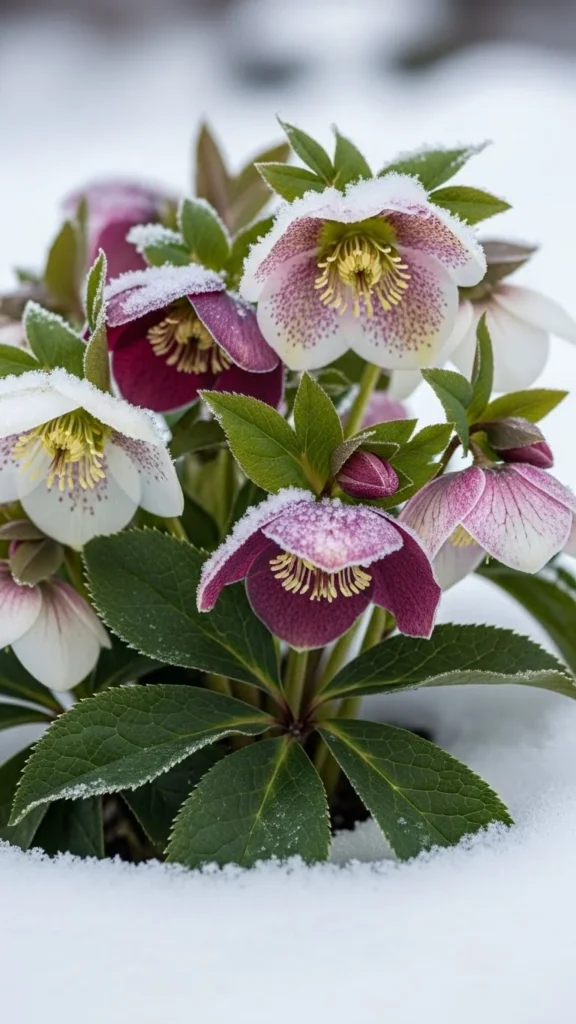
Hellebores stand out because they bloom during the coldest months. Their downward-facing flowers push through icy soil and snow without damage. They come in soft pinks, whites, purples, and greens, giving winter gardens a gentle touch of color. The foliage is thick and sturdy, helping the plant survive harsh nights. They prefer shady corners, making them useful under trees or next to fences. For an affordable setup, plant two or three together so they fill out over time. Add leaf mulch for extra insulation during early winter. Once established, they return every year with little effort. If you want a simple winter project, trim old leaves to let new blooms shine. Hellebores are long-lasting, dependable, and perfect for anyone who wants winter flowers without stress.
3. Siberian Iris
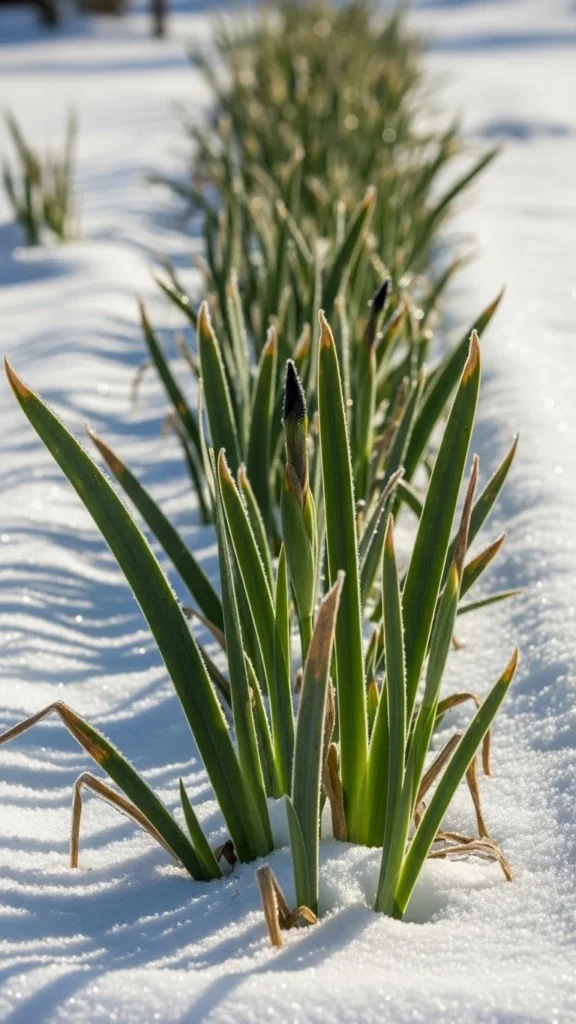
Siberian iris plants hold their form even after snowfalls. The leaves stay upright, offering structure when most perennials collapse. In spring, they produce graceful blooms in shades of blue, purple, and white. Plant them in clusters along fences, ponds, or borders. They prefer slightly moist soil, so add mulch to keep the ground stable during cold periods. If you’re saving money, divide mature clumps and replant them across your yard. This helps you fill spaces without buying more plants. Their tall blades look elegant against snow and remain visible all winter. As temperatures rise, the foliage greens up again and sets the stage for spring flowers. This plant is a solid choice for gardeners who want height and movement, even in freezing weather.
4. Red Twig Dogwood
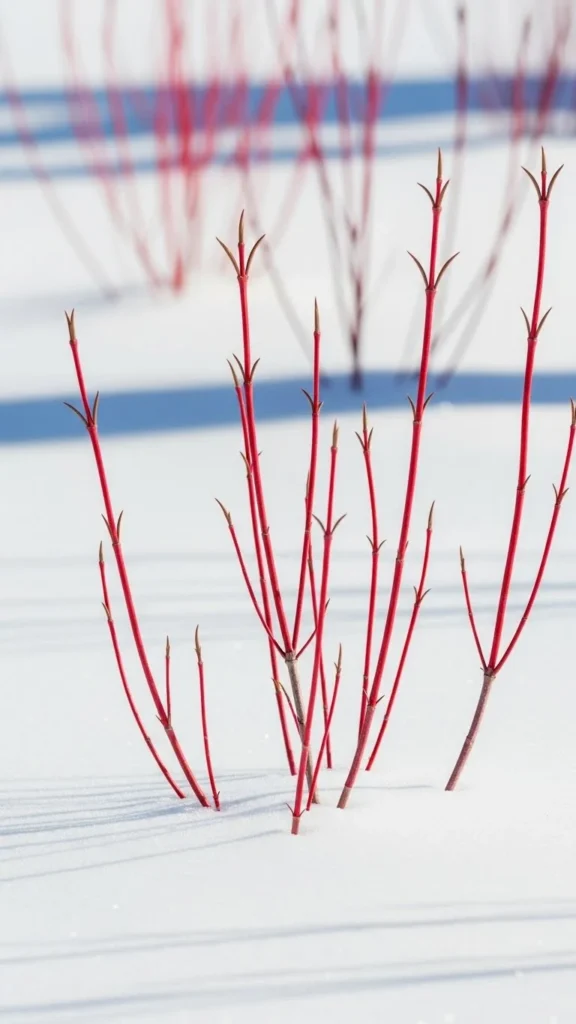
Red twig dogwood is famous for its striking stems. The vivid red branches brighten winter landscapes and look incredible after snowfall. It grows well along fences or property lines. The plant handles freezing temperatures easily and grows back even after heavy storms. For a budget-friendly approach, buy smaller shrubs since they grow quickly. Add a dark mulch at the base to make the red stems stand out even more. This shrub is ideal if you want winter color without flowers. The branches also attract birds, adding extra interest to your yard. Prune older stems in late winter to encourage new, brighter growth. This simple habit keeps the plant vibrant season after season.
5. Mountain Laurel
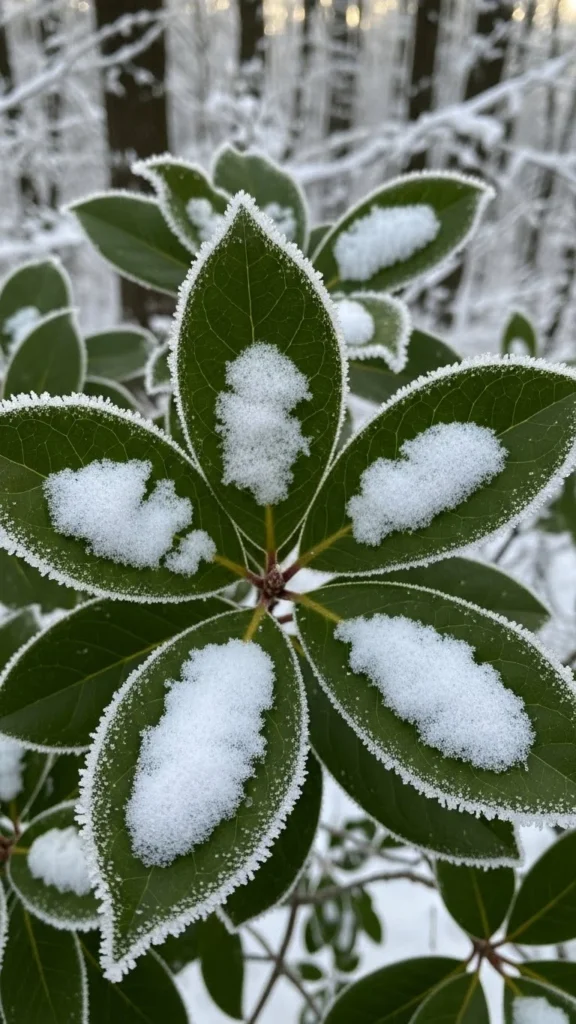
Mountain laurel thrives in cold climates and keeps its glossy foliage through winter. The leaves stay firm, even when covered in ice. In spring, it produces clusters of soft, star-shaped blooms. Plant it in partial shade for best growth. Mix organic matter into the soil to keep it loose and healthy. If you want to save on costs, select younger shrubs—they establish quickly. Water during dry winter stretches, but avoid soaking the soil. This shrub works well for privacy or as a backdrop in woodland-style gardens. The evergreen leaves make your landscape feel alive during winter, and the plant stays tidy with minimal shaping.
6. Creeping Juniper
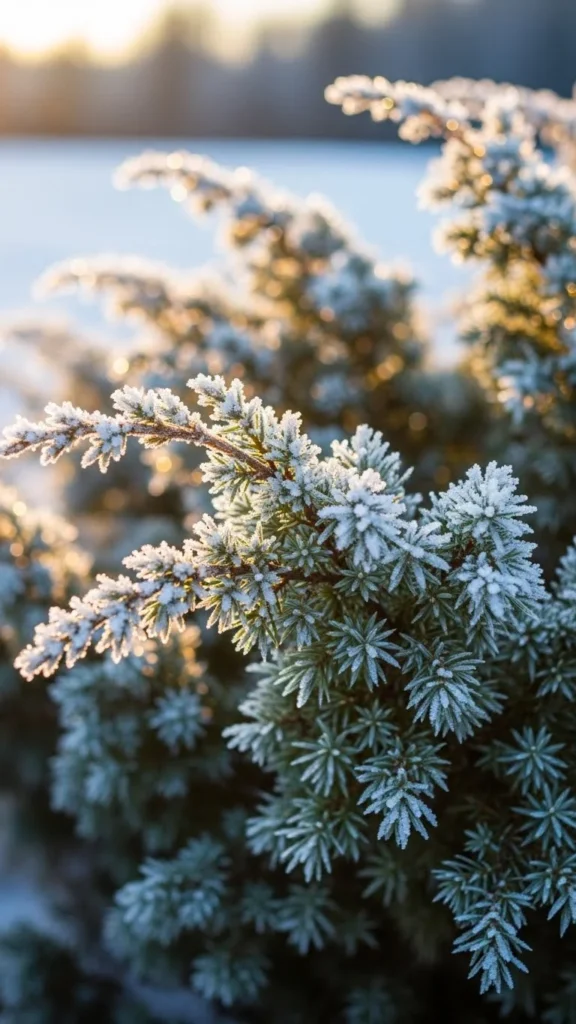
Creeping juniper is a tough groundcover that handles freezing temperatures without stress. The foliage stays colorful through winter, shifting to soft blue or green tones. It spreads slowly, filling empty spaces and preventing soil erosion. Plant it on slopes, rock gardens, or along paths. For affordable landscaping, start with small plugs spaced wide apart—they’ll connect over time. Once established, it needs little care. The branches hold their shape even under snow, giving your yard low, textured interest. This plant is great for gardeners who want simple, long-lasting coverage that stays strong through cold months.
7. Feather Reed Grass
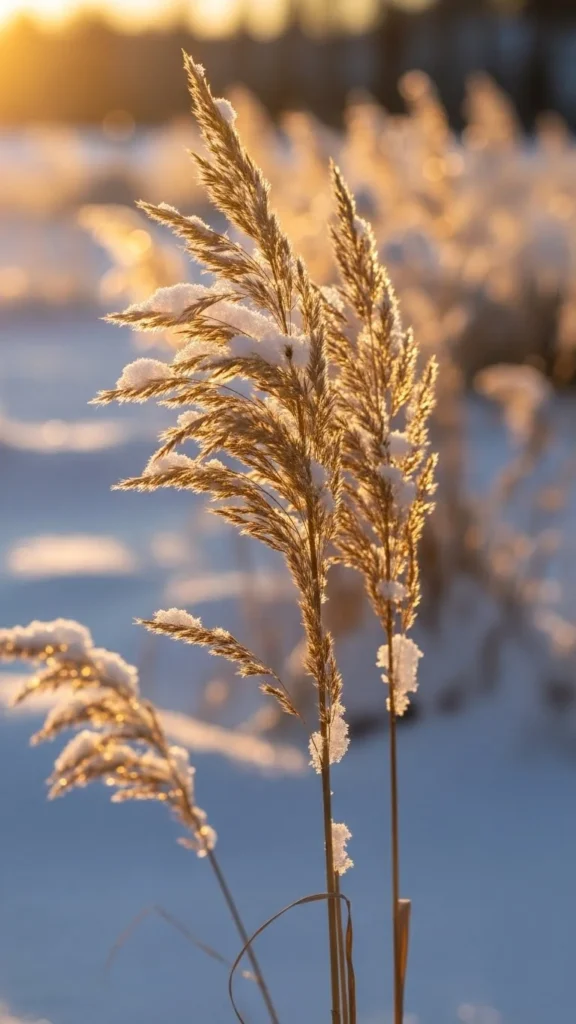
Feather reed grass brings height and movement to winter landscapes. Its tall plumes stay upright even in heavy snow. The golden seed heads catch light beautifully on cold mornings. Plant it as a backdrop or use it to frame small shrubs. For a budget option, divide mature clumps and replant along walkways or fences. The grass holds its color through winter and adds structure when other plants fade. Trim in early spring to make room for new growth. This grass is perfect for adding style with very little effort.
8. Snowdrops
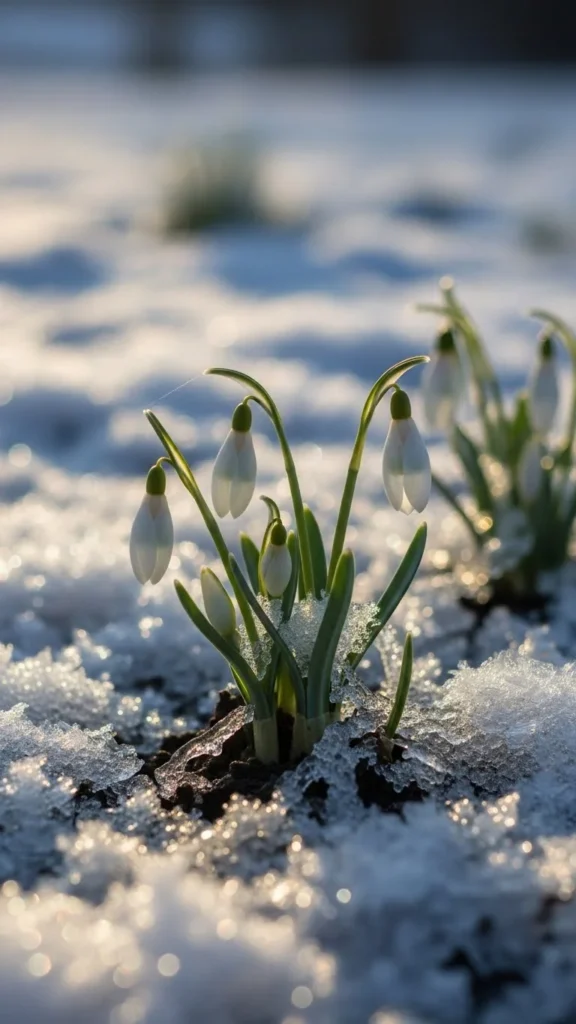
Snowdrops are among the earliest flowers to appear. They push through frozen ground and bloom while snow still covers the yard. Their white, bell-shaped flowers hang gracefully, bringing gentle charm to winter beds. Plant them in clusters along borders or near tree bases. They multiply over time, giving you more plants each year without extra spending. Add a thin layer of mulch in fall to help bulbs stay insulated. Snowdrops look best in natural drifts, so scatter bulbs instead of planting rows. These small flowers create a peaceful winter scene while signaling the return of warmer days.
9. Japanese Yew
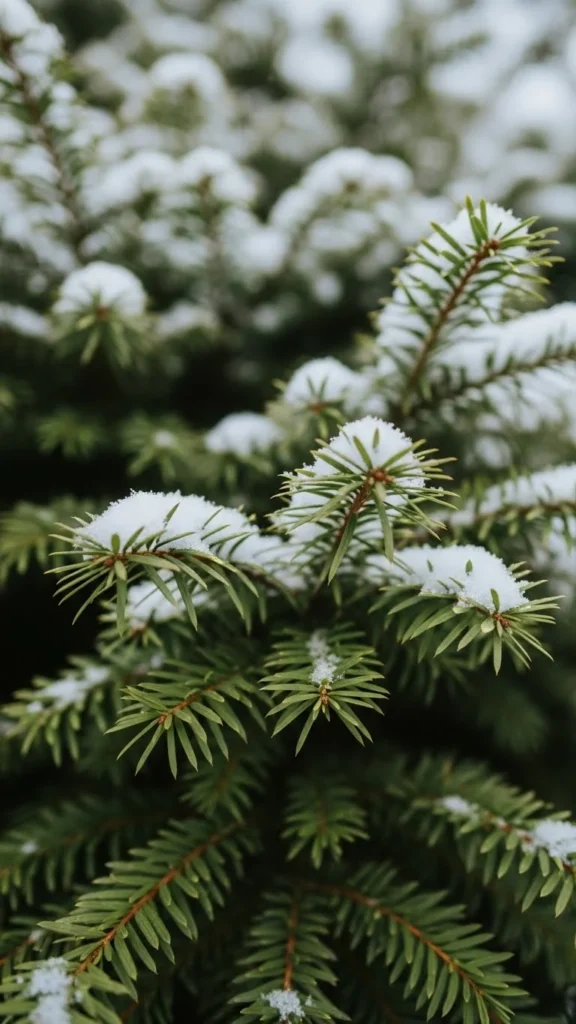
Japanese yew shrubs stay strong in harsh winter conditions. The needles hold their color and shape through snowstorms. They’re easy to trim, making them ideal for hedges, screens, or foundation plantings. For affordable landscaping, buy smaller plants—they grow steadily each year. Keep the soil well-drained to prevent root issues during long cold periods. Add mulch to help regulate temperature around the base. This shrub works well in both formal and natural landscapes. Its dark green color provides a calm backdrop for other winter plants.
10. Lamb’s Ear
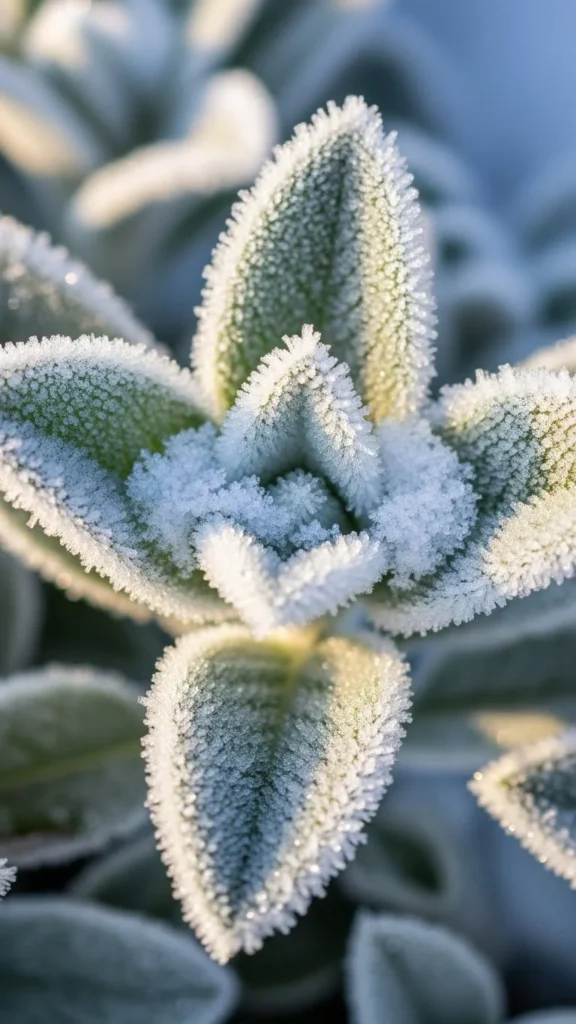
Lamb’s ear keeps its silky texture and silver color through most winters. The leaves feel soft and are surprisingly tough under cold weather. Plant it along borders or walkways for a simple, low-maintenance accent. It spreads slowly, so one starter plant can fill a small area over time. Trim it lightly in fall to keep it neat. Add a little mulch to protect the crown during extremely cold nights. This plant holds its charm year-round and doesn’t need much care, making it great for beginner gardeners.
11. Coral Bells
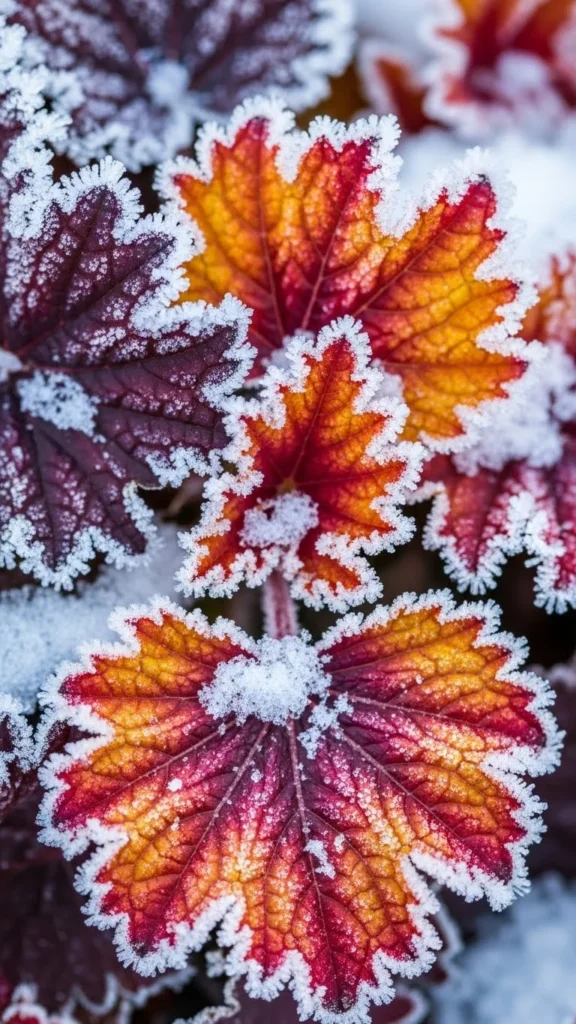
Coral bells bring color to winter gardens thanks to their vibrant foliage. You can find varieties in shades of burgundy, lime, caramel, or charcoal. The leaves stay visible even when temperatures fall. Plant them in partial shade for best color. For an affordable design, mix different shades together for contrast. Keep the soil lightly moist during dry winter days. Add a thin layer of compost around the plant to maintain warmth. Coral bells work well around patios, walkways, or containers where you want color without flowers.
12. Blue Spruce
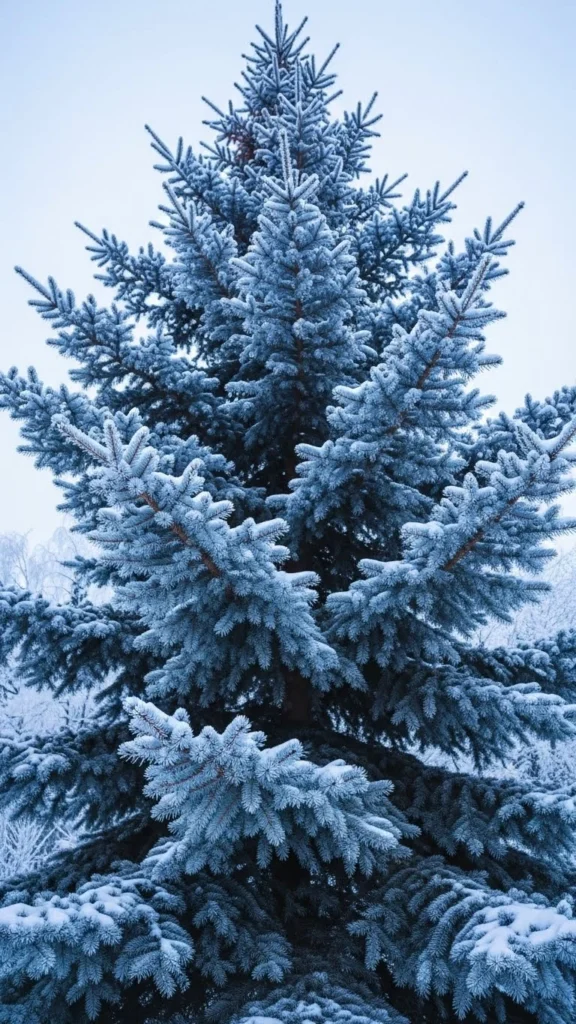
Blue spruce trees are winter icons. Their needle color stands out beautifully against snow. They stay sturdy during storms and offer year-round structure. Plant them as statement trees or use smaller varieties for compact yards. Start with young trees if you want a budget-friendly option—they grow slowly but steadily. Water during warm winter days if the soil becomes dry. Add mulch around the base but leave space near the trunk for airflow. Blue spruce adds style, height, and strong winter presence.
13. Witch Hazel
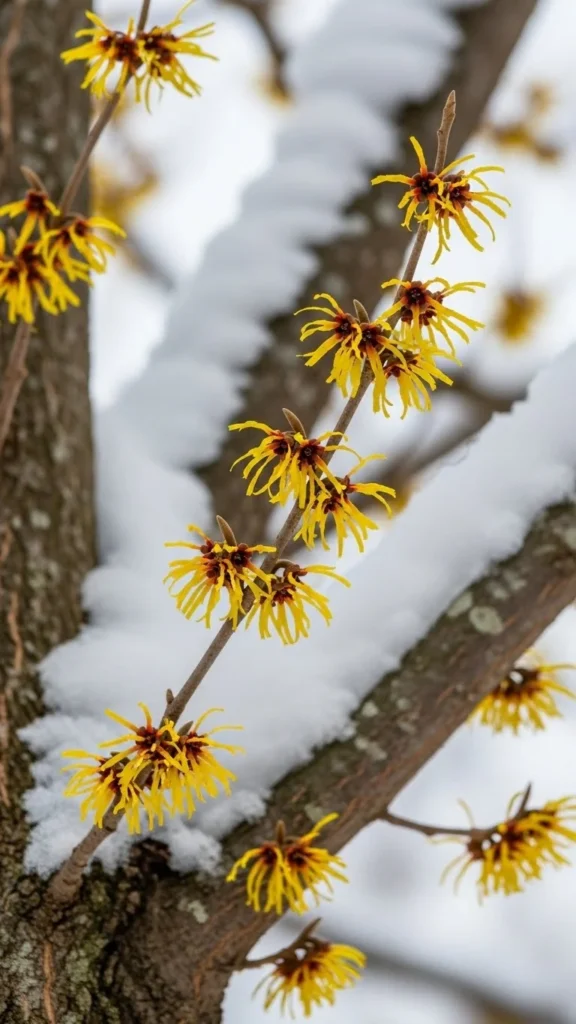
Witch hazel is one of the few shrubs that blooms during late winter. Its ribbon-like flowers appear even when snow is on the ground. Plant it near windows or paths so you can enjoy the winter color. It prefers well-drained soil, so add compost before planting. For an affordable approach, choose smaller nursery shrubs. Once established, it grows wider each year. These blooms bring unusual charm to winter landscaping and offer early interest before spring arrives.
14. Heather
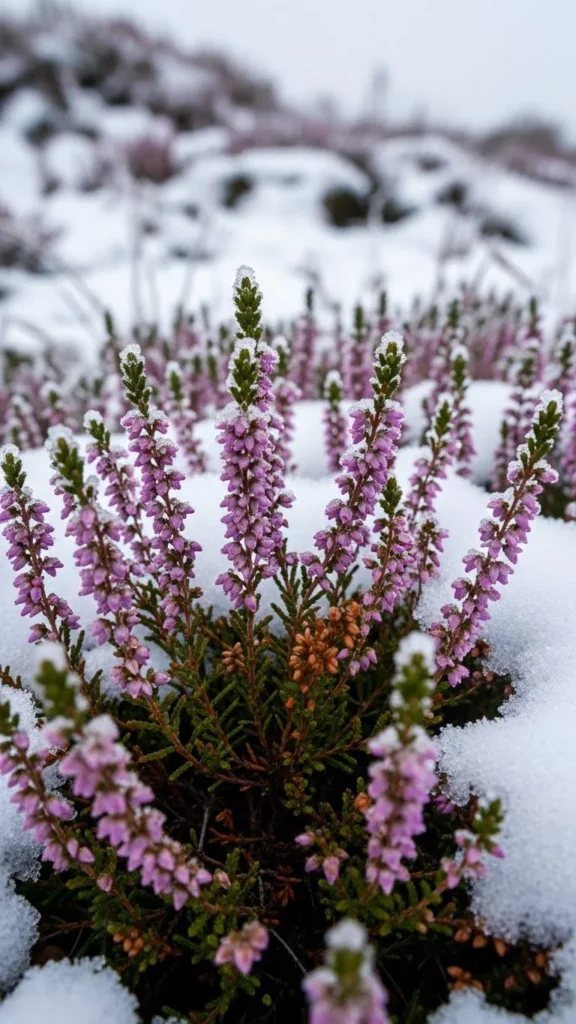
Heather thrives in cold climates and often blooms during winter. The small flowers add color when the garden feels empty. Plant it on slopes, rock gardens, or along walkways. It prefers slightly acidic soil, so add pine needles as a natural mulch. The plant spreads gently and fills gaps over time, making it budget-friendly. Its evergreen foliage stays visible under snow and adds texture all season.
15. Dwarf Alberta Spruce
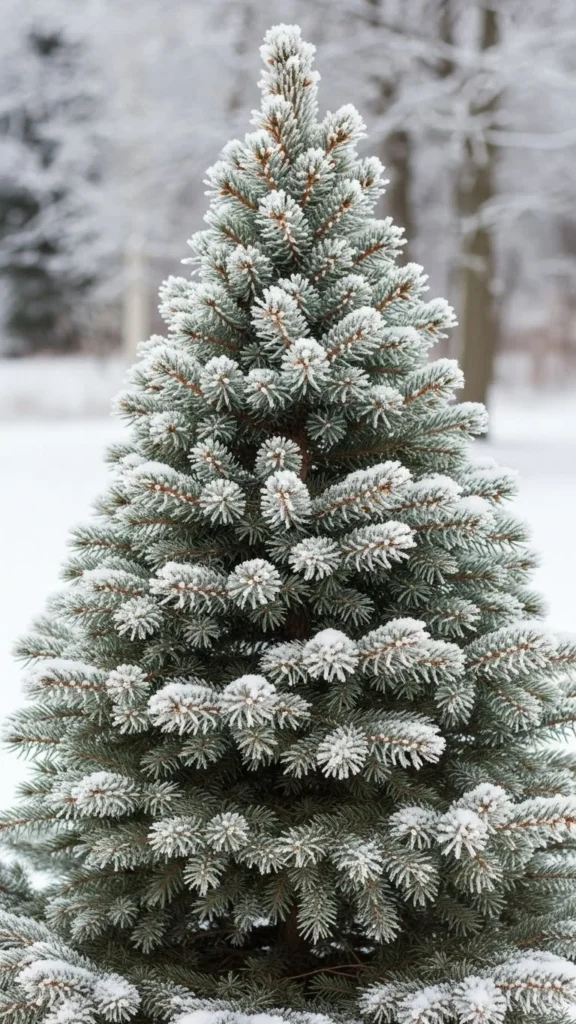
Dwarf Alberta spruce trees look like miniature Christmas trees all winter. Their perfect shape and dense needles stay firm through bitter cold. Plant them in containers, entryways, or small gardens. Choose younger trees to save on cost—they grow slowly but maintain their iconic shape. Water sparingly during winter dry spells. A thin layer of mulch helps regulate soil temperature. These small evergreens add charm and structure without taking much space.
16. Sedum (Stonecrop)
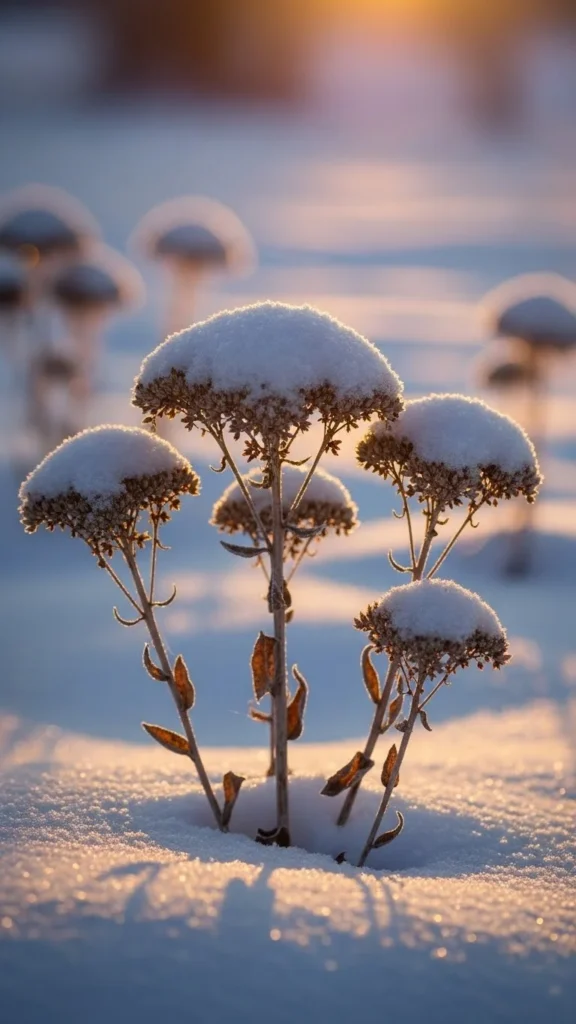
Sedum plants remain attractive in winter thanks to their durable stems and seed heads. Even after the growing season ends, the dried forms hold shape through snow. Plant sedum in sunny spots and well-drained soil. For a budget choice, divide existing clumps and spread them across your garden. The winter silhouettes look sculptural and add height to otherwise flat beds. In spring, trim the dried parts for fresh growth. Sedum is low-maintenance and fits into nearly any landscape.
17. Rose Campion
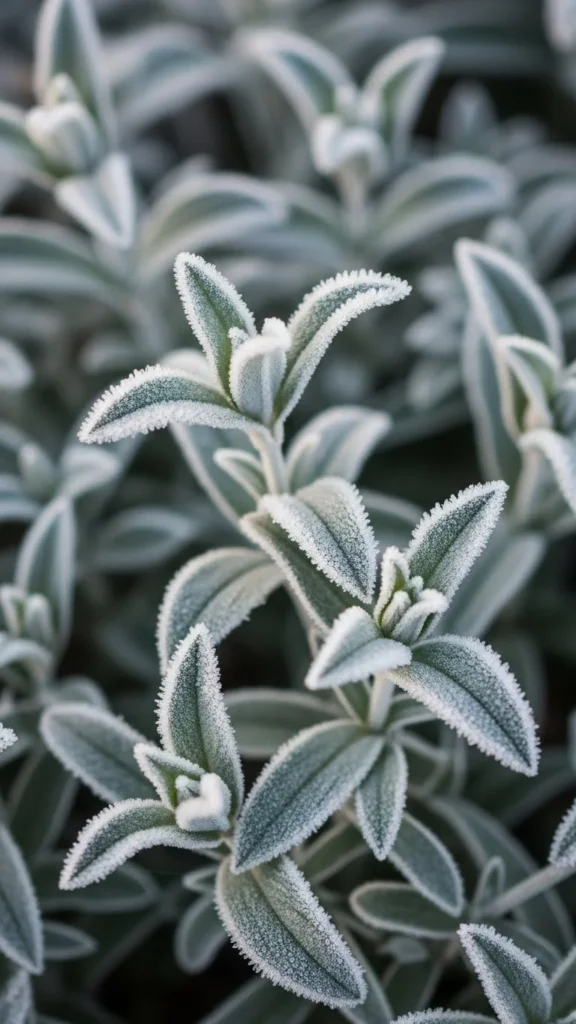
Rose campion’s fuzzy leaves stay striking through cold weather. The silver tones brighten snowy areas and pair well with darker plants. Plant it along borders or mix it with evergreens. It tolerates poor soil, so you won’t need expensive amendments. Add light mulch before freezing nights. The plant returns each year and spreads gently, giving you more coverage over time. Its winter foliage adds gentle contrast without extra work.
18. Austrian Pine
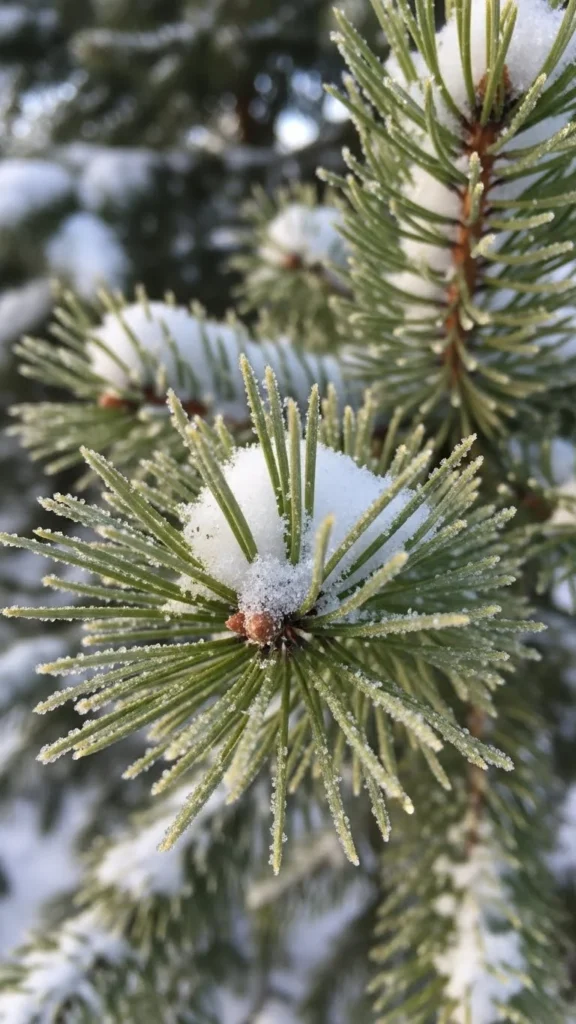
Austrian pine trees handle snow and freezing wind extremely well. Their dense needles stay rich and full. Plant them as windbreaks, privacy screens, or standalone features. For affordable planting, choose smaller nursery stock. Water occasionally in winter during long dry periods. Add mulch to help reduce temperature swings. These trees stay impressive all year and create structure even when the rest of the garden is dormant.
19. Winterberry Holly
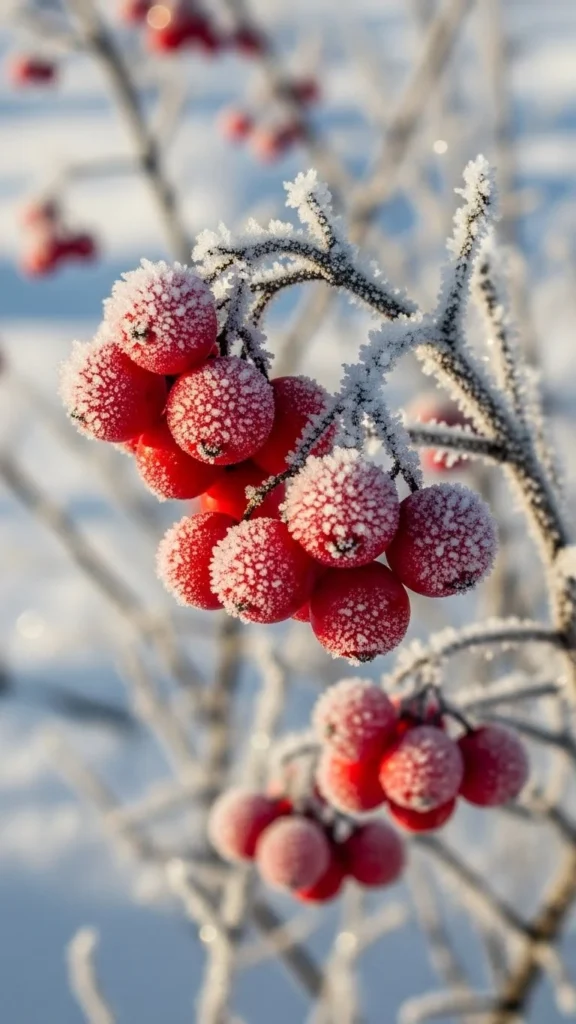
Winterberry holly stands out in winter with bright red berries that stay visible long after leaves fall. Plant it near walkways or windows so the berries can be seen during snowy days. It grows well in moist soil, so add mulch to maintain moisture. For a budget trick, buy one female and one male plant to get berries—they’ll pollinate each other. Birds love the berries, adding wildlife interest to your yard. This shrub offers color when everything else turns brown.
20. Ornamental Kale
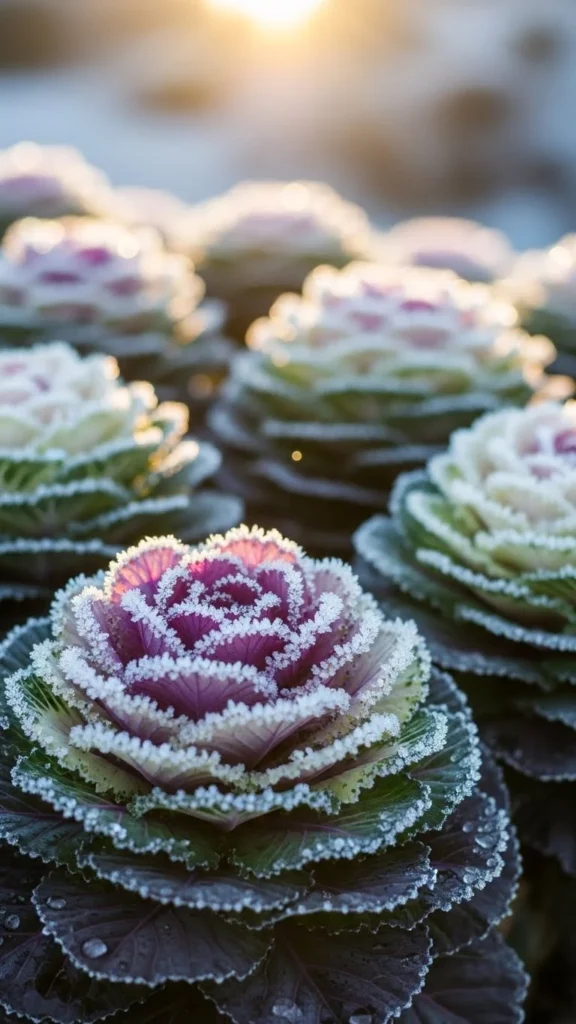
Ornamental kale stays colorful even during freezing spells. The leaves become brighter as temperatures drop, making them perfect for winter beds and containers. Plant them along entryways or in patio pots for a seasonal display. For an affordable setup, group three or five plants together for fullness. Water lightly during dry spells. These plants stay attractive until deep winter and add bold texture to cold landscapes.
21. Yarrow
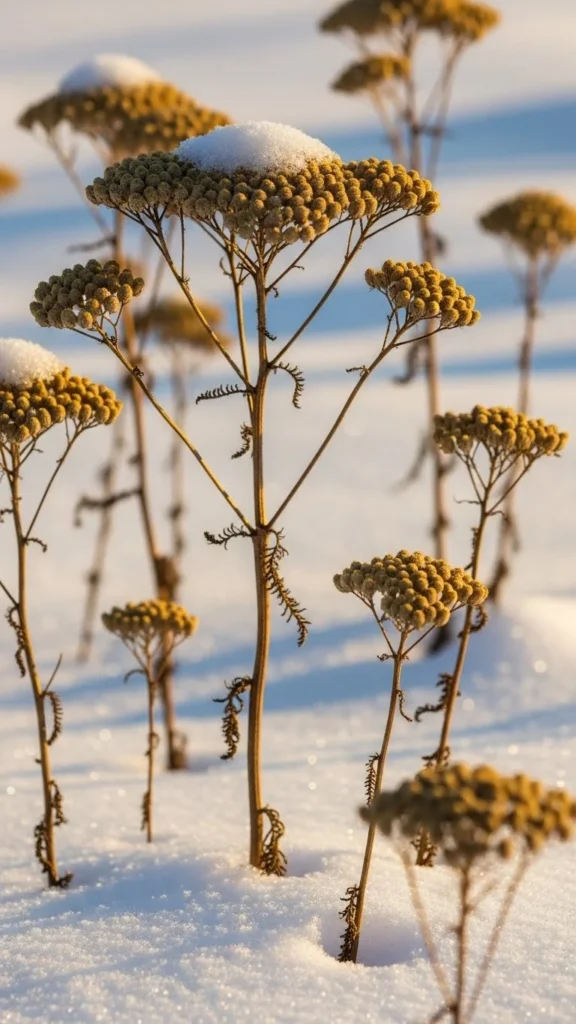
Yarrow keeps its shape through winter thanks to its firm stems and seed heads. The dried forms stand tall even after snowfall, giving your yard gentle height. Plant yarrow in sunny spots with well-drained soil. It spreads easily, making it a budget-friendly filler plant. Leave the dried stems during winter for texture, then trim in early spring. This plant is simple, dependable, and great for low-care winter structure.
22. Dog-tooth Violet
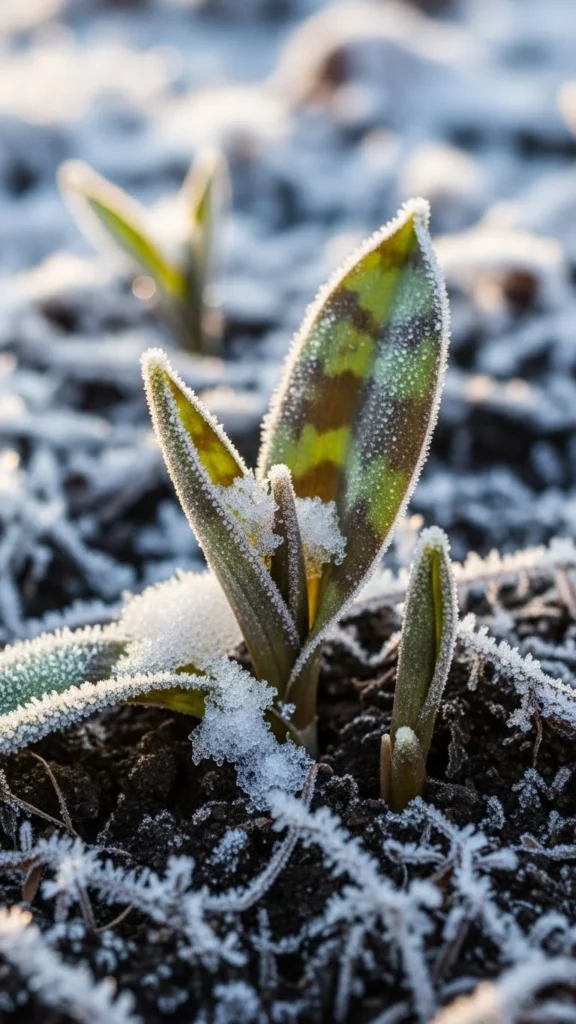
Dog-tooth violet appears early in the year, with leaves that push through cold soil. The plant tolerates freezing temperatures and often blooms when snow is still around. Plant it in lightly shaded areas. Add leaf mulch to help keep the soil steady through winter. The bulbs multiply over time, giving you more plants without extra cost. This plant adds early interest before other flowers wake.
23. Golden Mop Cypress
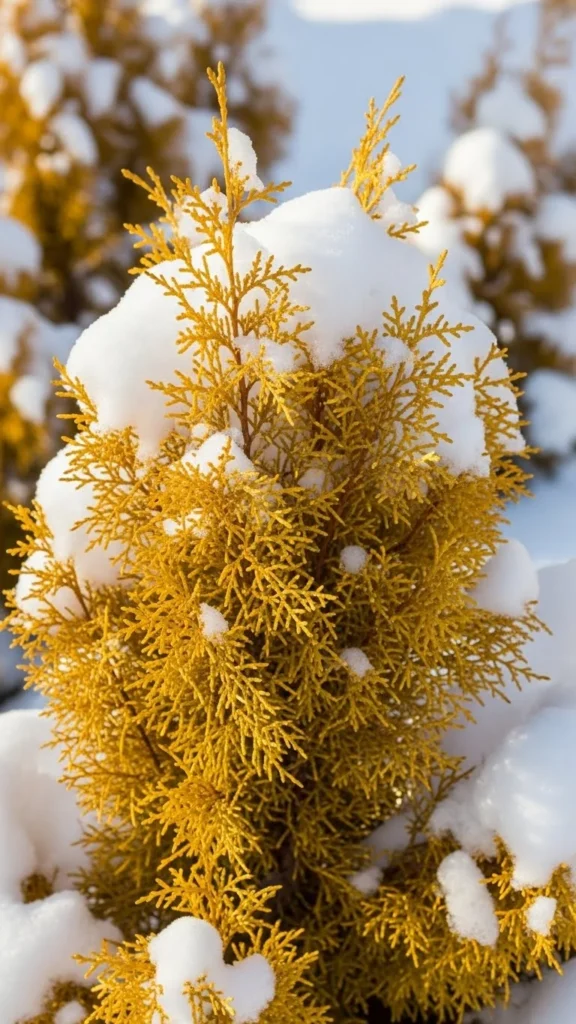
Golden mop cypress brings warm color to cold landscapes. Its golden strands stay bright even during freezing weather. Plant it near walkways or garden corners to create contrast against darker plants. Choose smaller shrubs if you’re working on a budget—they grow steadily. Add mulch to protect the roots during very cold spells. The plant stays fluffy and cheerful all winter.
24. Pussy Willow
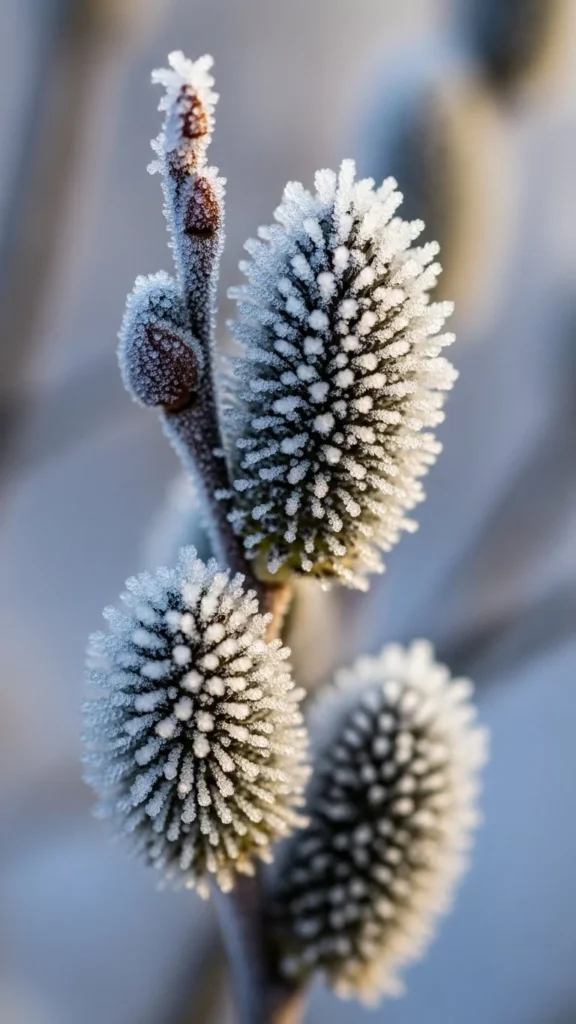
Pussy willow branches form soft catkins in late winter, often while snow is still on the ground. Plant it near water features or fence lines. It tolerates cold very well and grows quickly. For a low-cost approach, start with a small sapling and let it develop naturally. Prune lightly in early spring to shape it. The textured catkins bring gentle charm to the winter landscape.
25. Ninebark
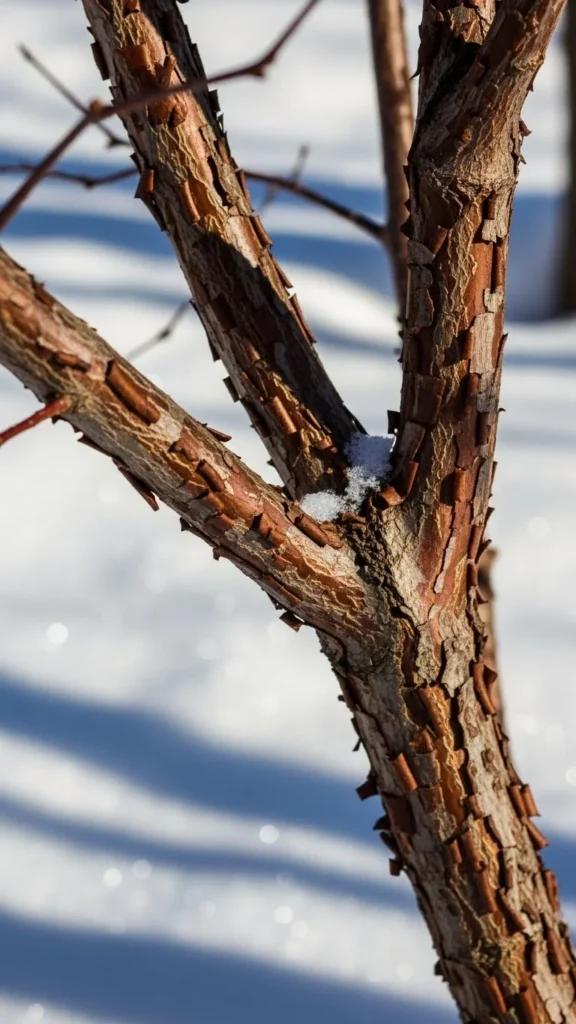
Ninebark shrubs stay interesting all winter thanks to their textured bark and strong branch structure. The peeling outer layer creates natural patterns that stand out after snowfall. Plant it along borders or property lines. It handles cold well and needs little care. For budget planting, divide older shrubs. Add mulch to stabilize the soil temperature. Ninebark adds depth and structure even when leaves drop.
26. Creeping Thyme
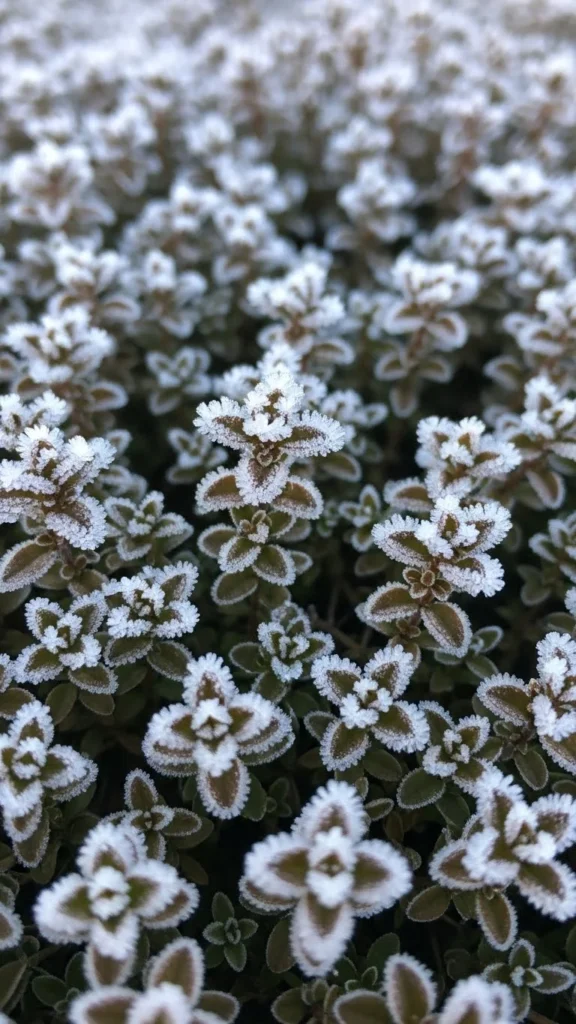
Creeping thyme handles cold surprisingly well for a groundcover. The tiny leaves stay bright and firm through light snow. Plant it between pavers, along steps, or as a lawn alternative. It spreads gently, giving you more coverage each season. Choose small starter trays if you’re saving money. Add light mulch near the roots to support winter growth. In spring, the plant wakes quickly and fills gaps naturally.
27. English Ivy
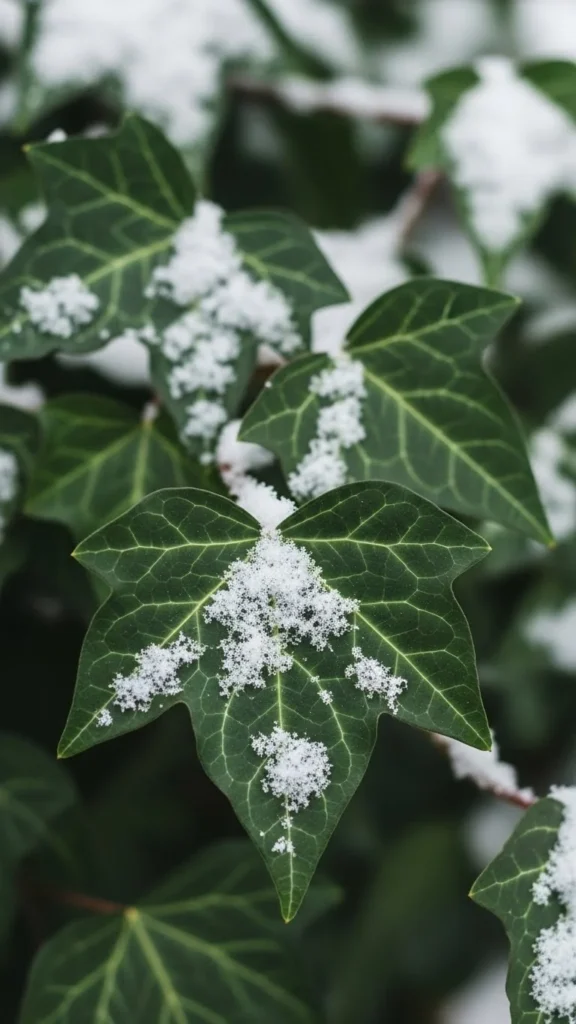
English ivy also holds its shape during winter. The glossy leaves stay strong through freezing nights. Plant ivy along walls, fences, or shady corners. It spreads well, making it an affordable groundcover or climbing plant. Keep it trimmed to prevent overgrowth. Add mulch around the base to give extra warmth during harsh cold snaps. This plant offers evergreen coverage when the rest of the garden goes quiet.
Conclusion
Snow-resistant plants make winter landscapes feel full and alive. With the right mix of evergreens, shrubs, perennials, and groundcovers, you can create a yard that stays attractive even through freezing temperatures. These hardy choices stand strong, add color, and give your garden structure when everything else slows down. Pick a few favorites, plant them this season, and enjoy a winter garden that holds steady all year.

Leave a Reply