

Want to grow a garden that’s bursting with life, color, and flavor—without the use of harsh chemicals? Transitioning to organic gardening is one of the best ways to nurture your plants, protect pollinators, and create a truly sustainable backyard haven. Whether you’re starting from scratch or simply rethinking your current methods, going organic is easier than you might think.
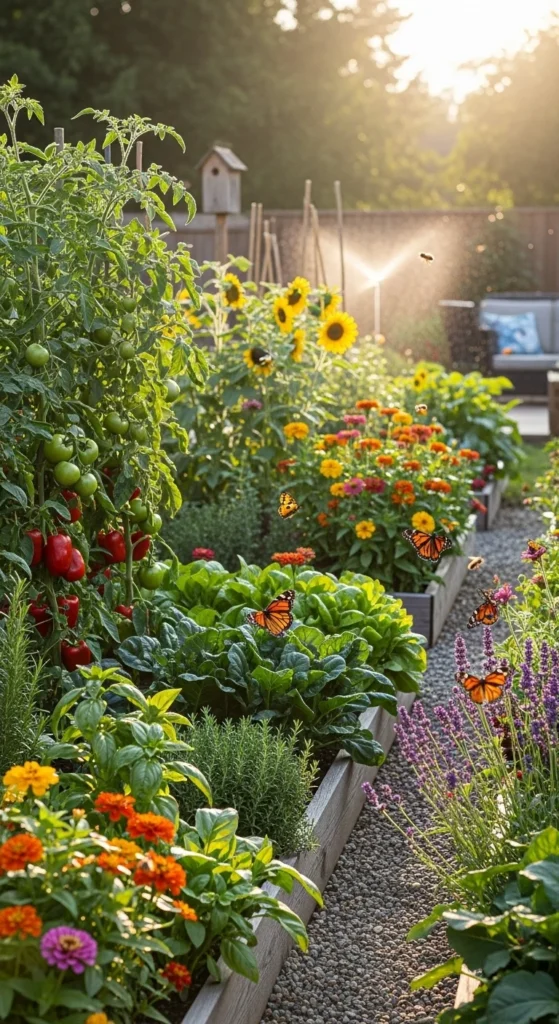
Why Go Organic?
Before diving in, it’s worth understanding why organic gardening is so powerful. It’s not just about skipping synthetic fertilizers and pesticides—it’s about building a healthy ecosystem.
- Healthier soil: Organic practices enrich soil life, helping plants grow stronger naturally.
- Safer food: No chemical residues on your fruits and vegetables.
- Environmental impact: Reduces pollution, conserves water, and supports pollinators.
- Long-term sustainability: Builds soil fertility and resilience year after year.
Transitioning doesn’t have to happen overnight. Start small, stay consistent, and watch your garden—and confidence—flourish.
Step 1: Start with Healthy Soil
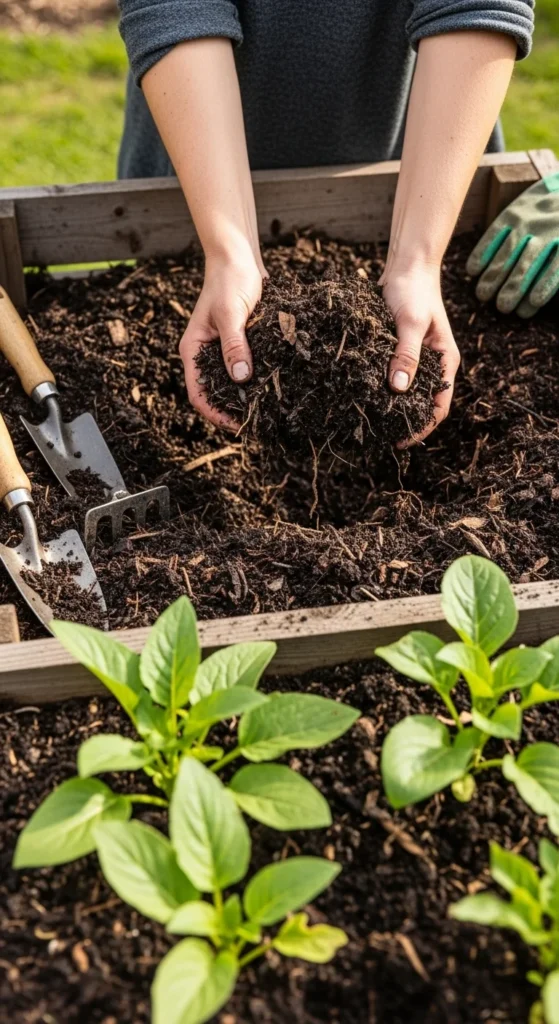
Healthy soil is the foundation of every thriving organic garden. Instead of relying on chemical fertilizers, focus on feeding your soil naturally.
- Add compost—made from kitchen scraps, leaves, and grass clippings—to boost nutrients.
- Mix in organic matter like aged manure or worm castings for microbial health.
- Avoid over-tilling to protect the delicate web of organisms below the surface.
You can test your soil’s pH with a home kit and adjust naturally using lime or sulfur if needed.
Step 2: Choose Organic Seeds and Plants
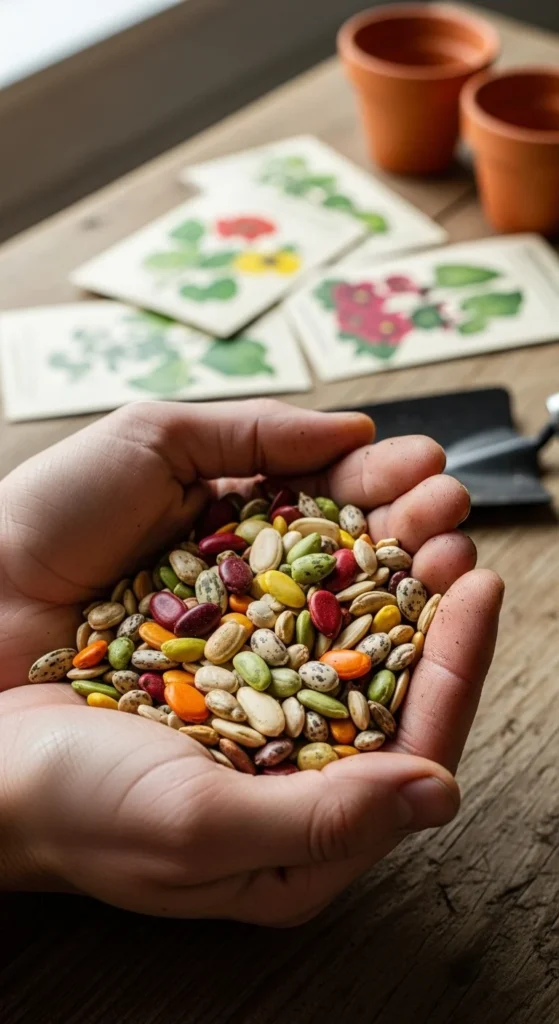
Once your soil is ready, the next step is choosing what to grow. Opt for organic or heirloom seeds whenever possible—they’re grown without chemical treatments and often have better flavor and resilience.
Tips for choosing the best varieties:
- Look for plants labeled “certified organic” or “non-GMO.”
- Select native plants suited to your local climate for easier maintenance.
- Start small with easy crops like lettuce, tomatoes, basil, and marigolds.
Step 3: Ditch Synthetic Fertilizers and Go Natural
Chemical fertilizers may give quick results, but they harm long-term soil health. Instead, nourish your plants the natural way.
Try these organic options:
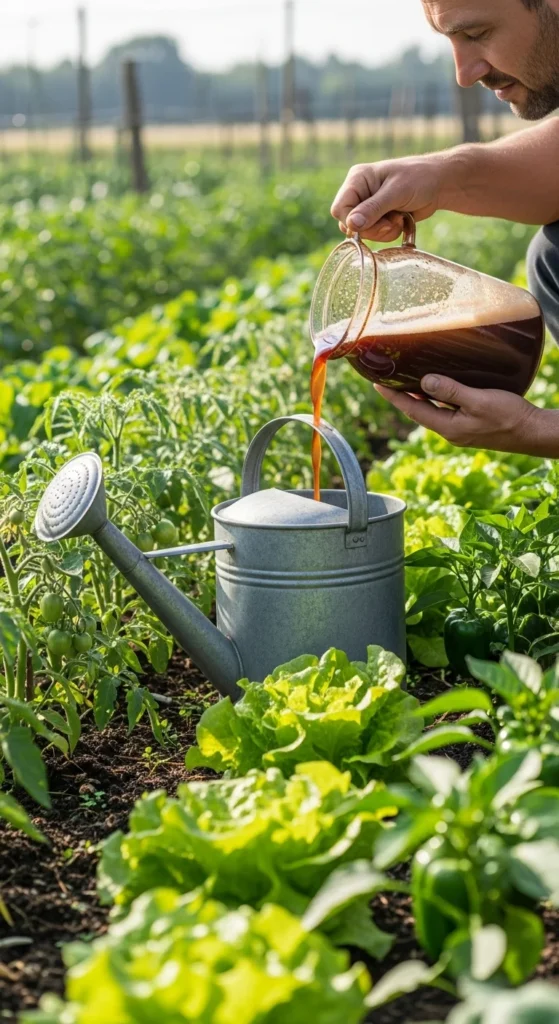
- Compost tea: A gentle liquid fertilizer made by steeping compost in water.
- Fish emulsion or seaweed extract: Great for leafy greens and flowering plants.
- Bone meal and blood meal: Provide essential nutrients slowly over time.
Feed your garden consistently, but avoid over-fertilizing—organic growing is about balance, not speed.
Step 4: Control Pests the Natural Way
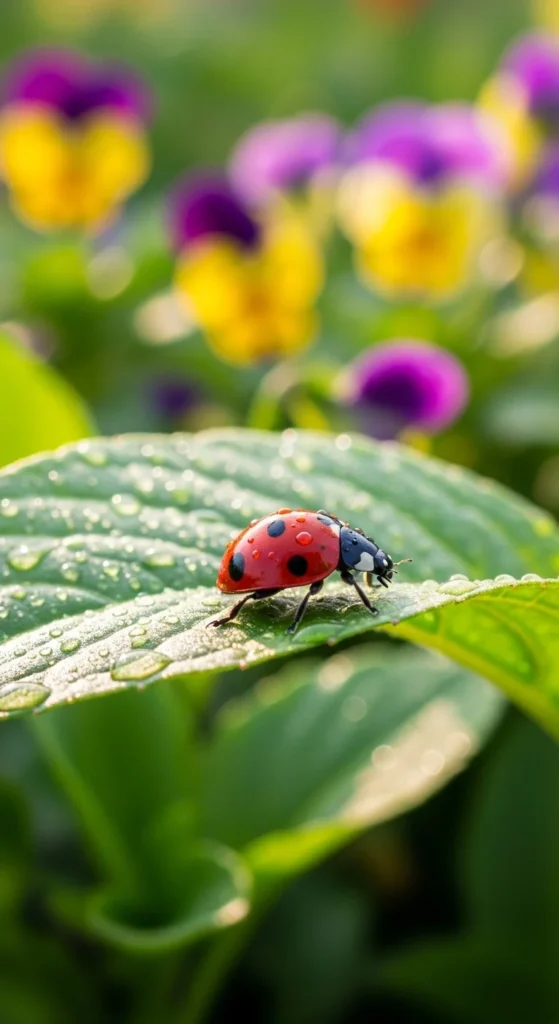
Say goodbye to harsh pesticides and hello to natural pest control. An organic garden encourages balance—good bugs like ladybugs and bees help keep harmful pests in check.
Here’s how to keep your plants safe:
- Plant companion crops (like basil near tomatoes or marigolds near cucumbers) to deter pests.
- Use neem oil or insecticidal soap sparingly when needed.
- Invite beneficial insects by planting pollinator-friendly flowers.
Healthy soil and diverse planting often prevent most pest problems before they start.
Step 5: Practice Smart Watering and Mulching
Water is essential—but how and when you water matters just as much as how much.
- Water early in the morning to minimize evaporation.
- Use soaker hoses or drip irrigation for efficient watering.
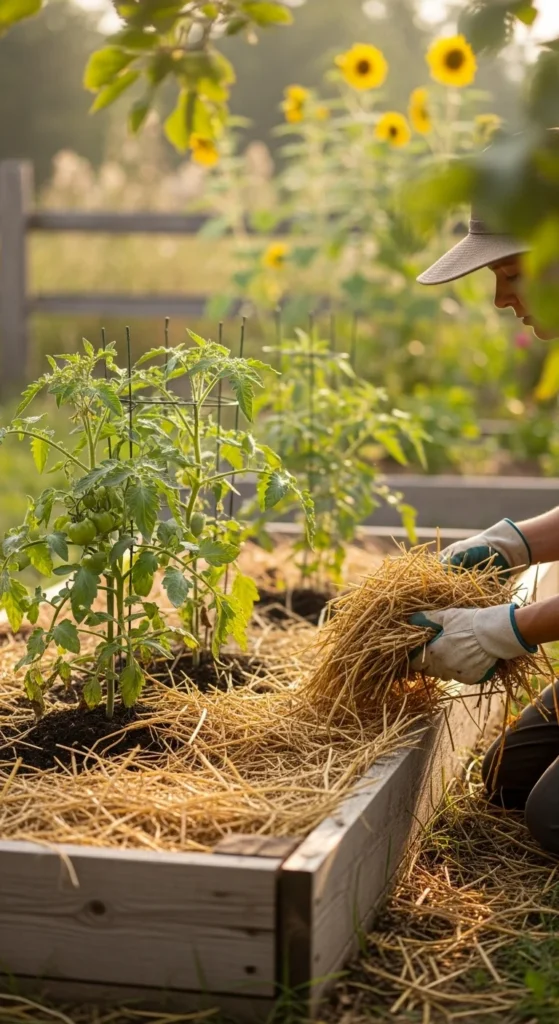
- Add mulch (like straw, bark, or shredded leaves) around your plants to retain moisture and block weeds.
Mulching not only saves time but also keeps your garden looking neat and well-tended.
Step 6: Keep Learning and Adapting
Organic gardening is a journey of observation and learning. What works for one garden might need tweaking for another. Take notes each season—what grew best, what struggled, and how the soil responded.
Join local gardening communities, visit farmers’ markets, or follow organic gardeners online for new ideas. The beauty of organic gardening is that it evolves as you do.
Final Takeaway
Transitioning to organic gardening doesn’t require perfection—it’s about progress. Each small change you make creates a ripple effect toward a healthier, more sustainable planet. From composting and natural pest control to nurturing pollinators and soil life, every step counts.
So grab your gloves, dig in, and start creating your own green oasis today.
Save this guide for later and share it with a friend who loves gardening!

Leave a Reply