

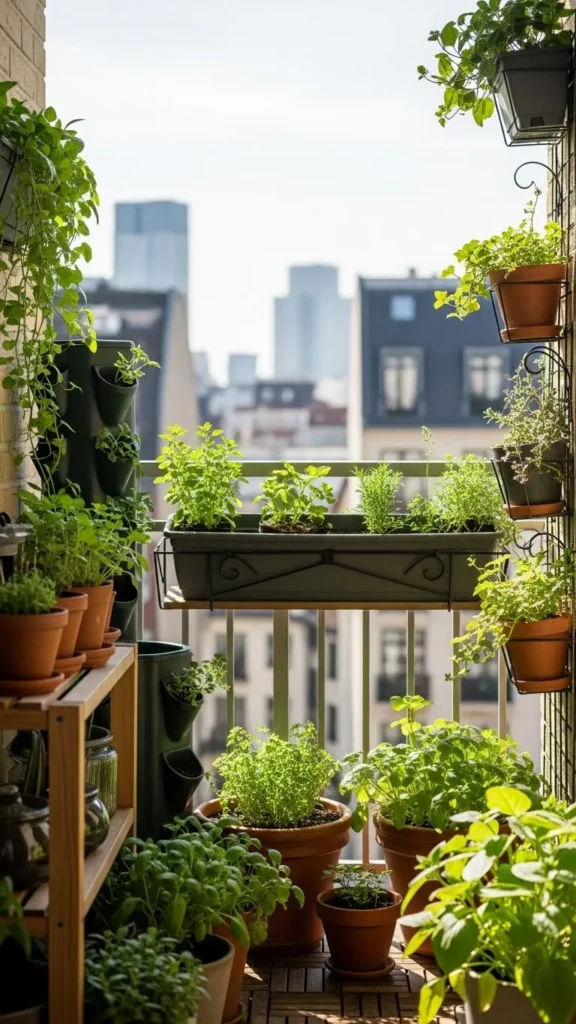
Urban gardening is about turning overlooked corners into productive green space. Small patios, balconies, rooftops, and even windows can support real plant growth with the right approach. This guide focuses on practical urban gardening ideas that fit tight spaces, tight budgets, and busy schedules. Each idea works in apartments, rentals, or shared housing. You’ll find simple setups, easy plant choices, and DIY methods that rely on common items. If you want plants that fit your space instead of fighting it, these ideas help you grow steadily without stress.
1. Balcony Container Clusters
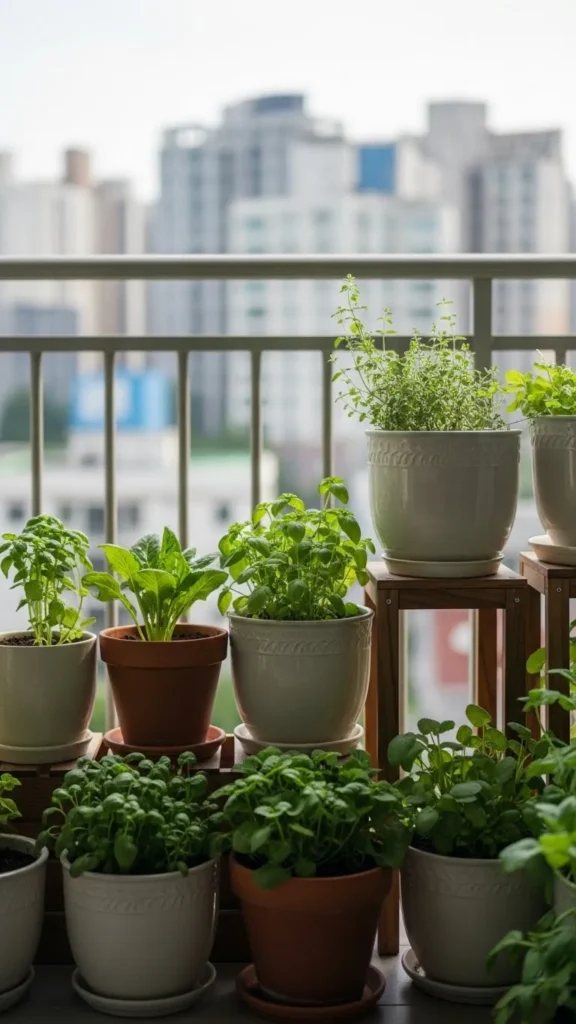
Grouping containers keeps plants easier to water and manage. Use three to five pots instead of spreading them out. Mix sizes for depth. Place taller plants in back and low growers in front. This layout saves floor space and keeps soil from drying unevenly.
Choose lightweight containers if weight matters. Repurpose buckets or storage bins with drainage holes. Herbs, lettuce, and peppers grow well in this setup. Rotate pots weekly so all sides receive light.
Use a shallow tray under the cluster to catch runoff. It reduces mess and protects flooring. If sunlight is limited, place the cluster where light hits longest during the day. One well-planned cluster often grows more food than scattered pots.
2. Window Sill Herb Rows
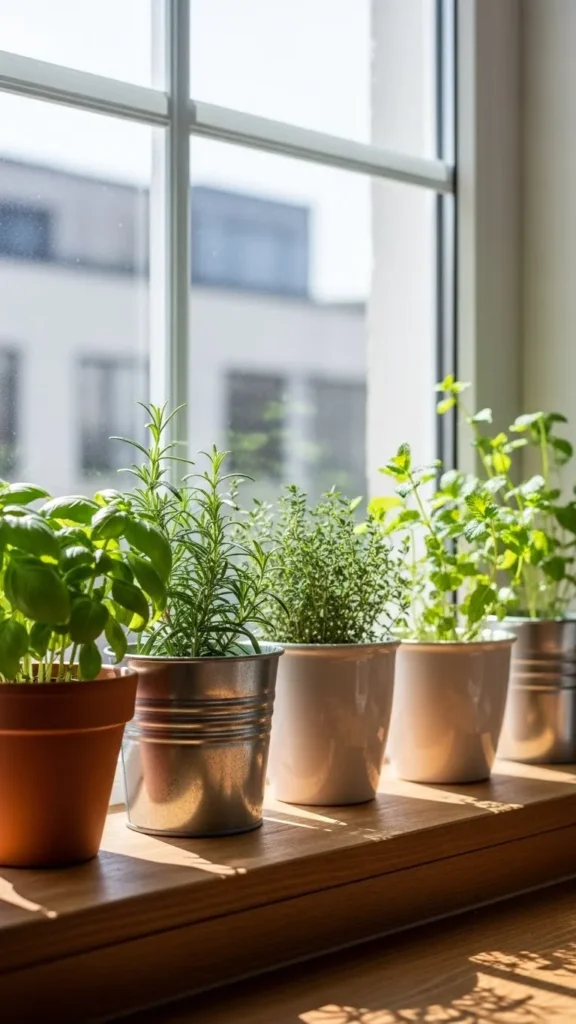
Window sills work well for herbs that enjoy steady light. Basil, mint, and chives stay compact indoors. Keep pots narrow so they don’t block light.
Reuse food containers or jars with drainage added. Line them in a straight row to simplify watering. Water lightly and often. Indoor soil dries slower than outdoor pots.
Rotate herbs every few days to keep stems straight. Trim often. Regular trimming keeps plants productive and prevents crowding. This setup fits rentals and requires no tools or outdoor access.
3. Vertical Pocket Planters
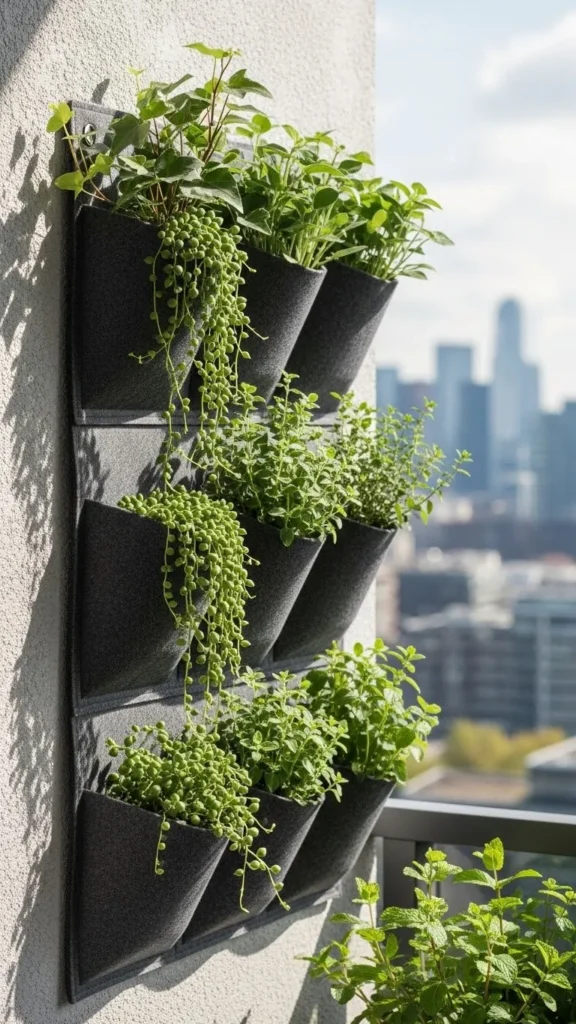
Vertical pockets turn blank walls into growing zones. Fabric planters are lightweight and hang easily with hooks. Each pocket holds shallow-root plants like greens or strawberries.
Water from the top and let gravity handle the rest. Place a tray underneath to protect floors. These planters work well where floor space is limited.
DIY option: sew felt pockets or reuse hanging shoe organizers. Keep sun exposure even by rotating the planter weekly. Vertical growing keeps plants reachable and tidy.
4. Stackable Crate Gardens
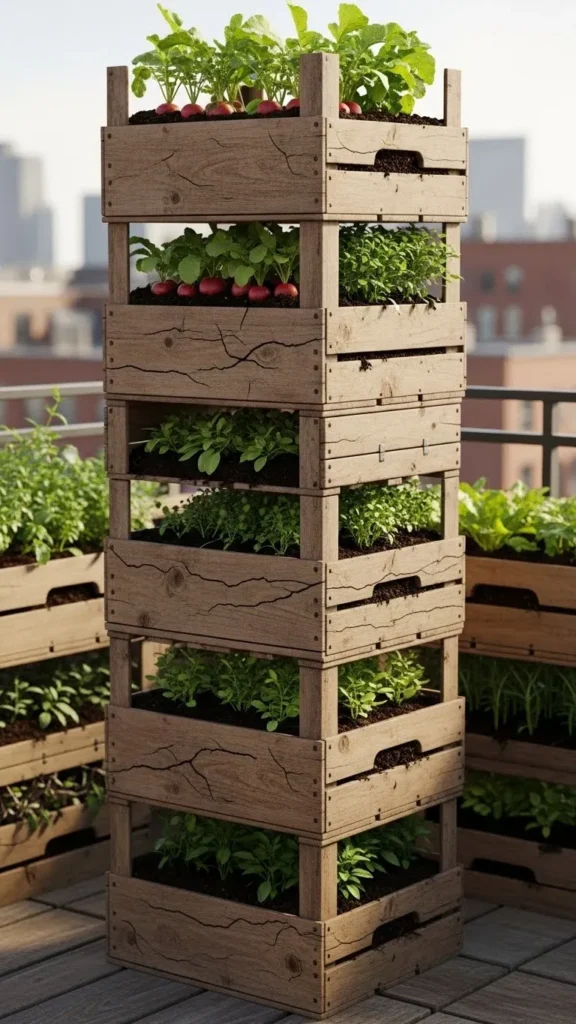
Wooden crates stacked securely create layers for planting. Line crates with landscape fabric before adding soil. Grow shallow-root crops like spinach or radishes.
Stagger crates so light reaches each level. Secure them against a wall for safety. This setup works well on patios and rooftops.
Crates are often free from markets or stores. Sand rough edges before use. This approach adds height without permanent fixtures.
5. Rail-Mounted Planters
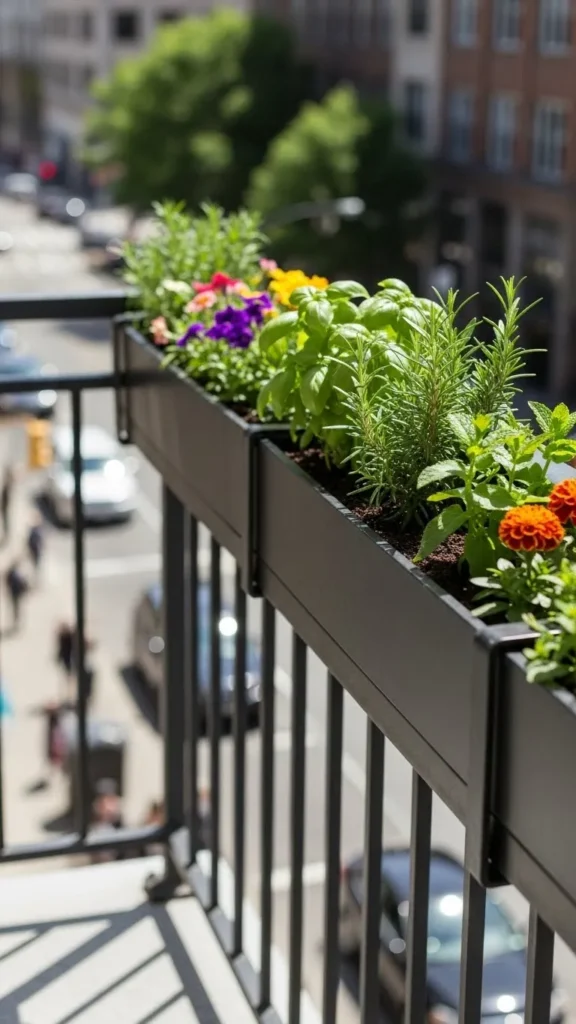
Balcony rail planters free up floor space. Choose secure brackets rated for outdoor use. Plant lightweight crops like herbs or trailing greens.
Water carefully to avoid dripping below. Line planters with coconut fiber to help soil stay put.
These planters work well for renters since they remove easily. Keep weight balanced along the rail for safety.
6. Indoor Grow Shelf
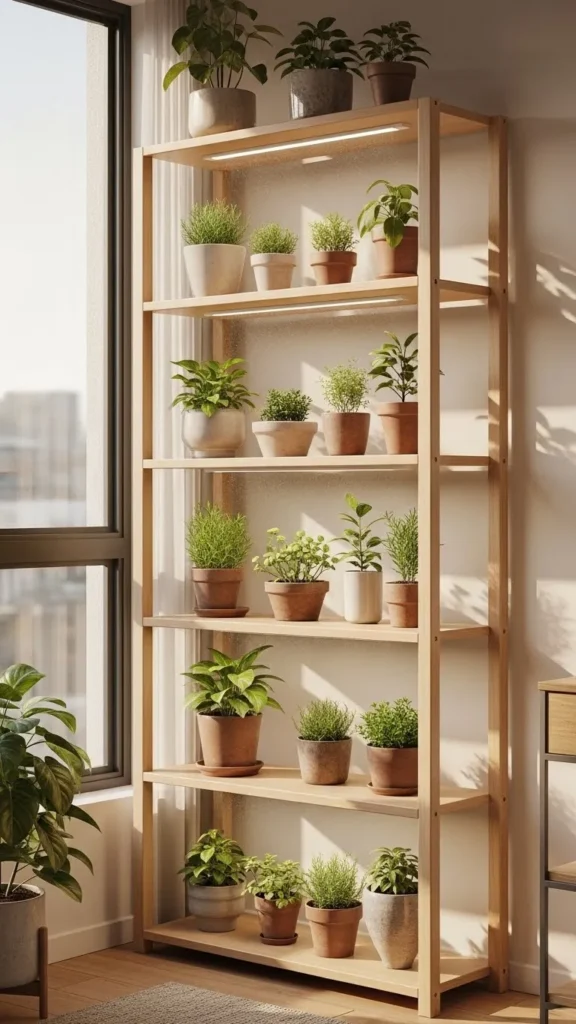
A basic shelf near a window creates layered growing space. Add clip-on grow lights if sunlight is limited. Use timers to keep light consistent.
Shelves allow multiple plant stages in one spot. Seedlings on top. Mature plants below.
Use plastic trays to protect shelves from moisture. This setup works year-round and suits small apartments.
7. Hanging Basket Greens
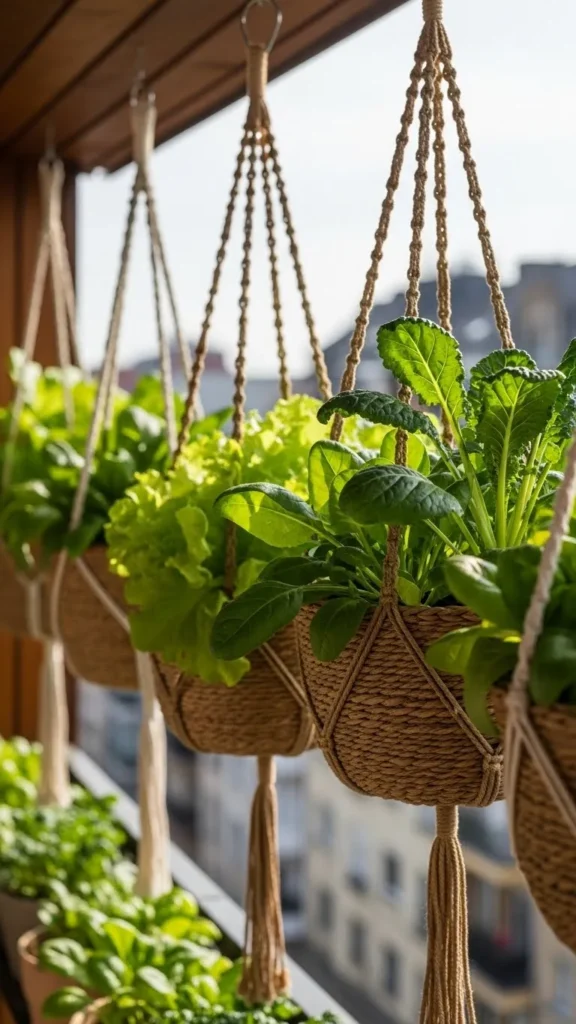
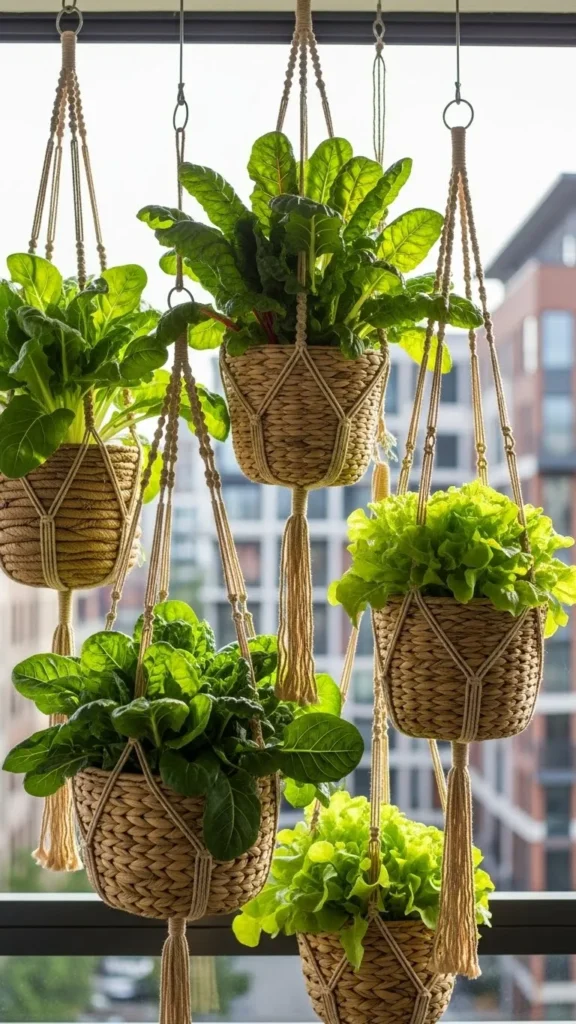
Hanging baskets use overhead space. Greens like arugula and lettuce stay light and compact.
Use coco liners for drainage. Water slowly to prevent runoff.
Hang baskets where light reaches but wind stays mild. This keeps leaves intact and soil stable.
8. Recycled Bucket Planters
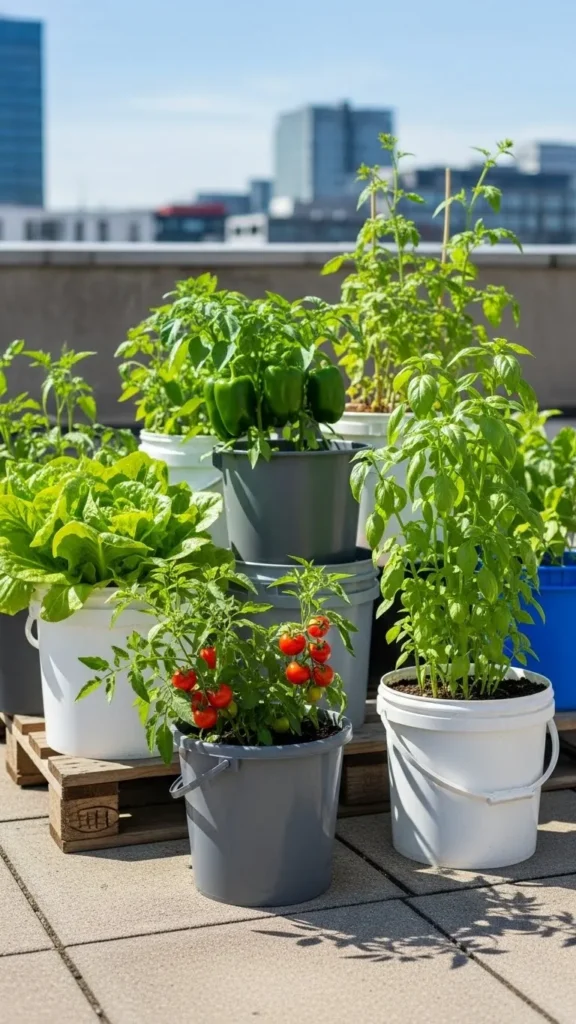
Buckets are affordable and durable. Drill drainage holes before planting.
They hold enough soil for tomatoes, beans, or peppers. Place on trays to manage water.
Label buckets with plant names using tags instead of writing on containers. This keeps things tidy.
9. Narrow Trough Gardens
Trough planters fit slim spaces. They line walls or railings well.
Plant shallow crops in rows. Thin seedlings early to prevent crowding.
Use lightweight soil mixes to reduce strain on structures.
10. Corner Ladder Planters
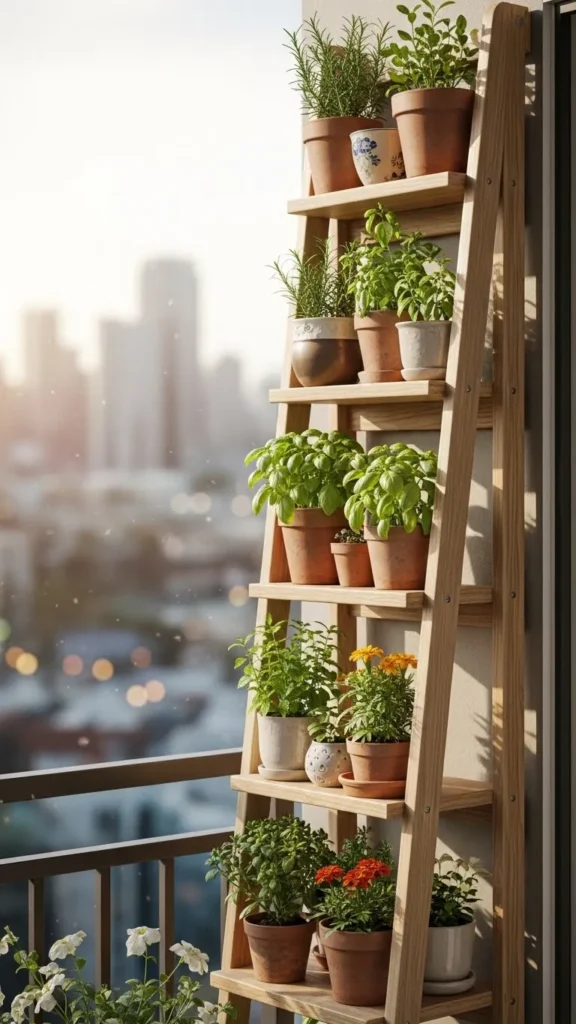
Ladders create vertical tiers in corners. Place heavier pots on lower rungs.
This design keeps plants organized and reachable.
Repurpose old ladders with minimal tools.
11. Mason Jar Hydroponics
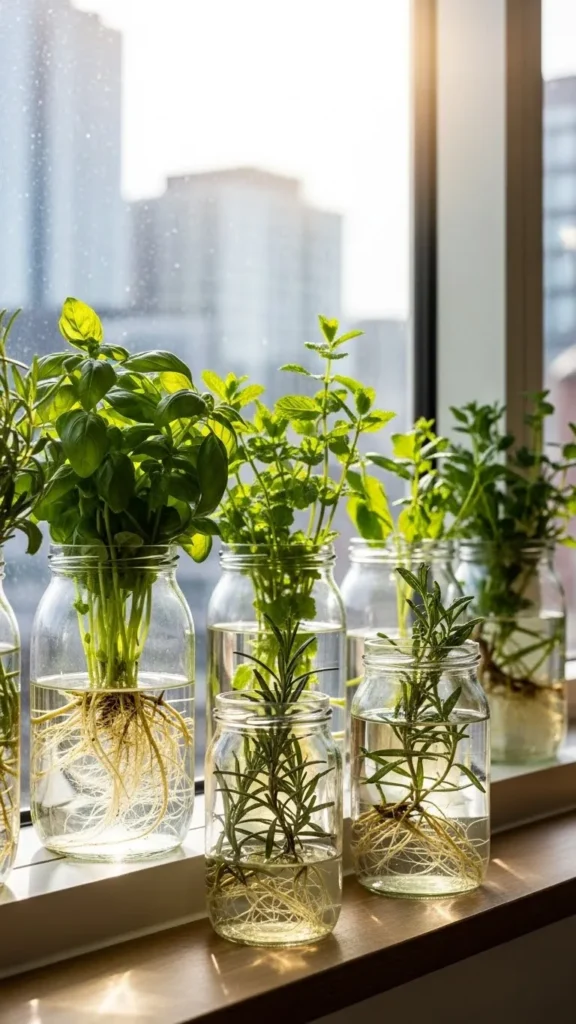
Hydroponics skip soil entirely. Herbs grow in water with nutrients.
Change water weekly. Keep jars clean to prevent buildup.
This setup suits kitchens with limited space.
12. Rolling Plant Carts
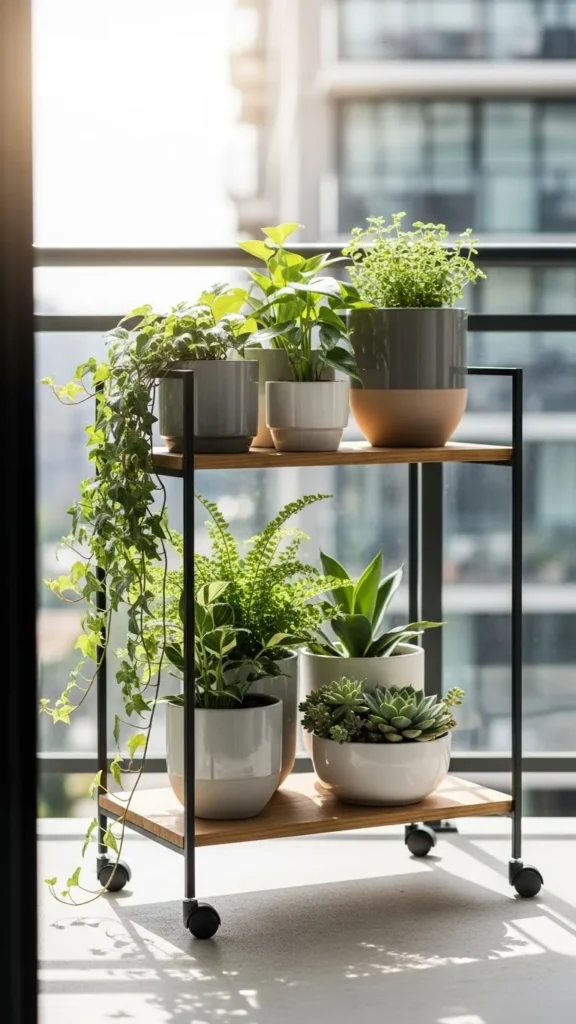
Rolling carts help chase sunlight. Move plants as light shifts.
They also simplify cleaning and watering.
Choose carts with locking wheels for stability.
13. Under-Table Grow Zones
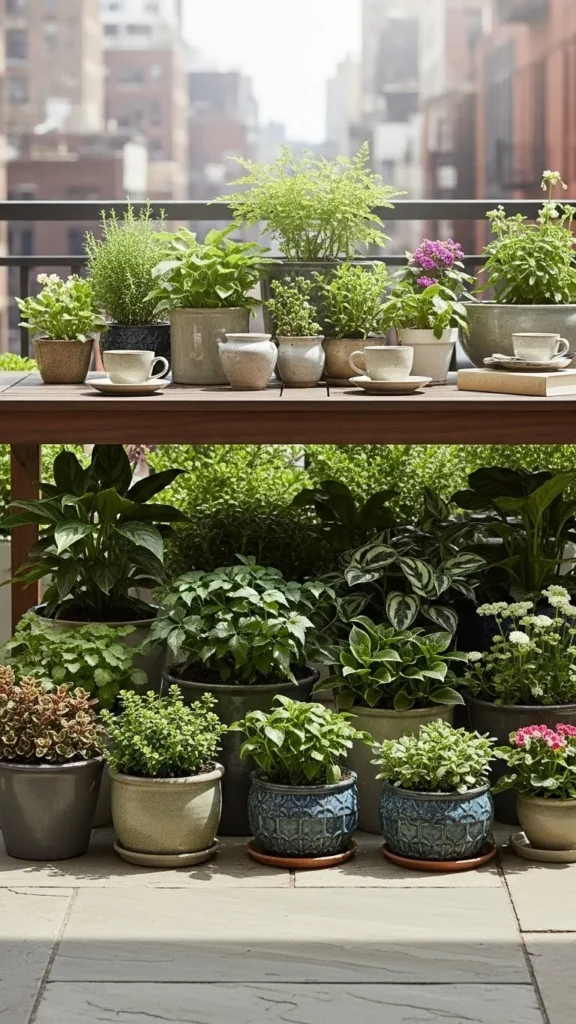
Use shaded spots under furniture for shade-tolerant plants.
Greens handle lower light well.
This turns unused space into productive space.
14. Rooftop Raised Boxes
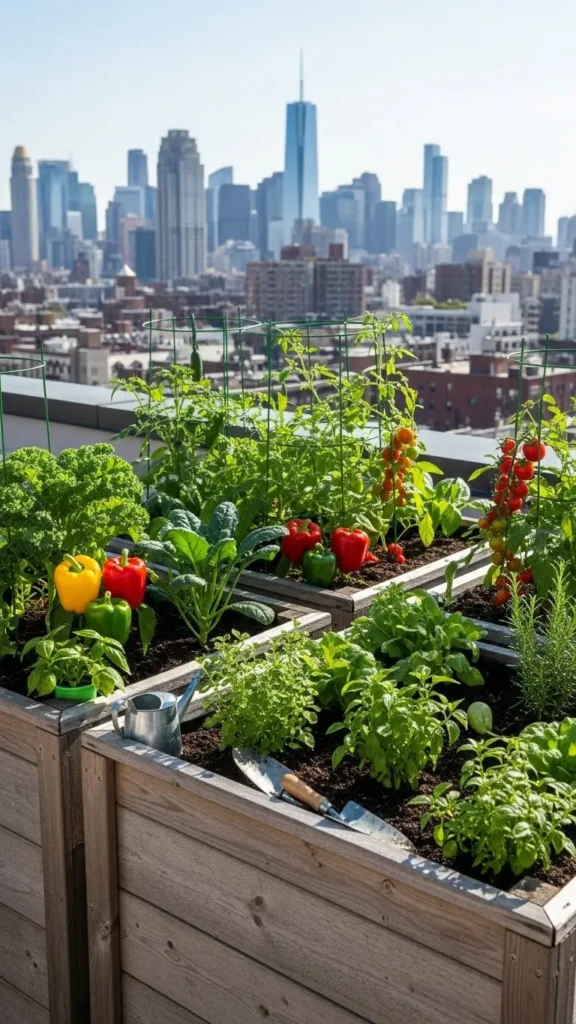
Shallow raised boxes work well on rooftops.
Use lightweight materials. Secure against wind.
Group boxes to retain warmth.
15. Indoor Trellis Vines
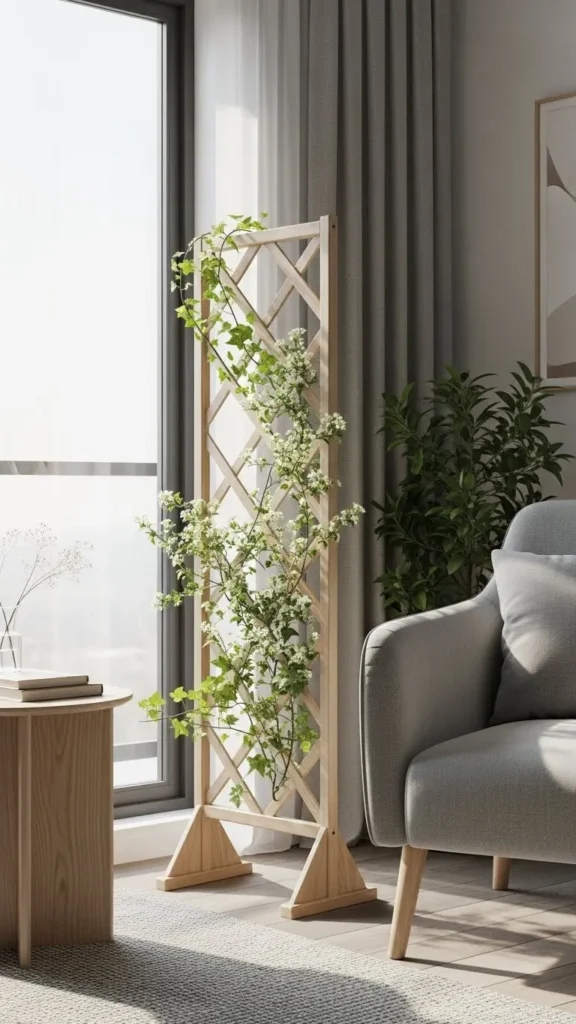
Vines grow upward instead of outward.
Beans and peas adapt well indoors.
Use string or wire for support.
16. Kitchen Scrap Regrow Station
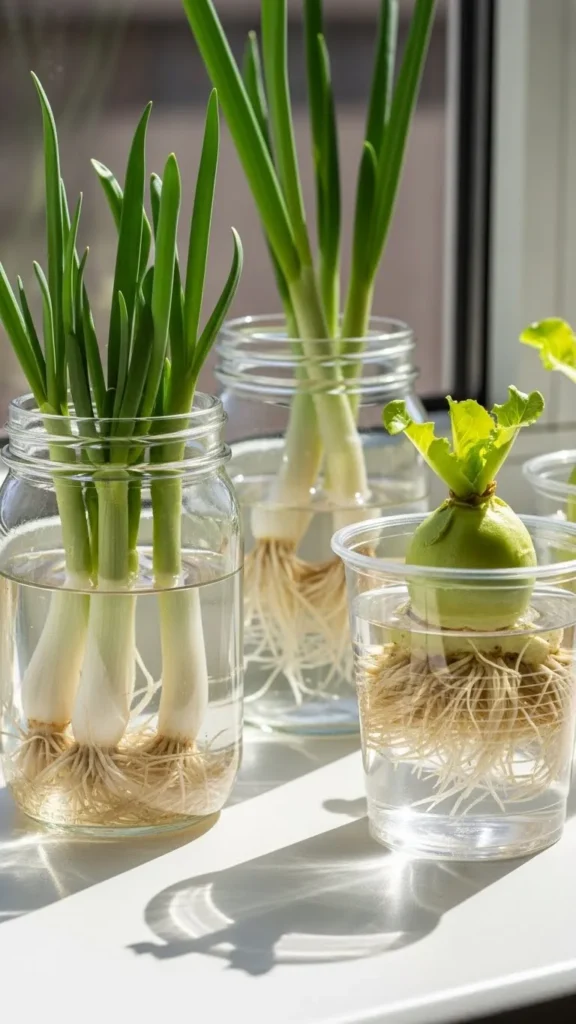
Many vegetables regrow from scraps.
Change water often.
This method costs nothing and adds quick results.
17. Folding Table Gardens
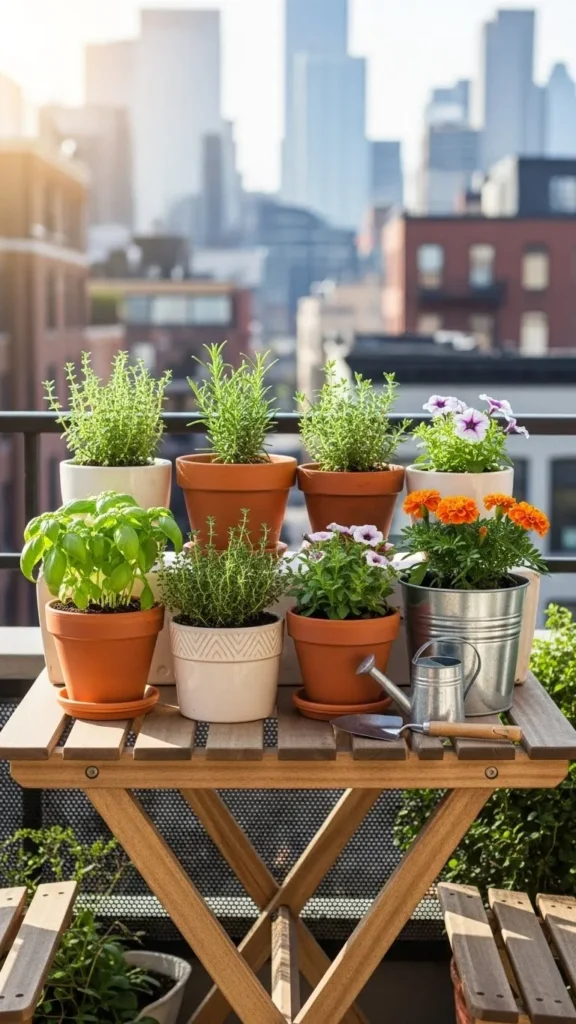
Tables create temporary grow surfaces.
They fold away when space is needed.
Use trays to protect surfaces.
18. Stair-Step Planter Boxes
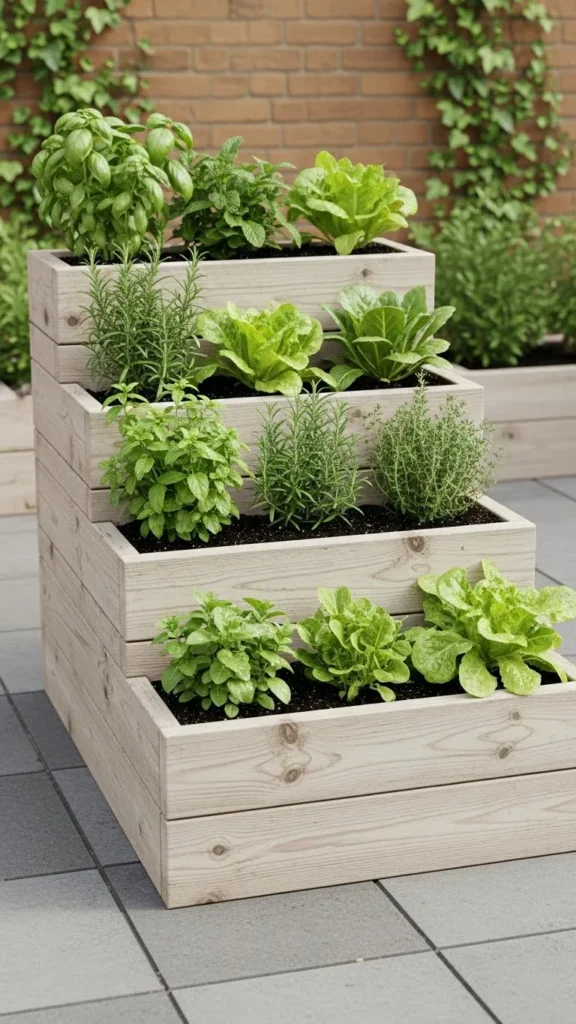
Tiered boxes allow light reach.
Build with basic lumber.
This design suits narrow patios.
19. Bathroom Humidity Plants
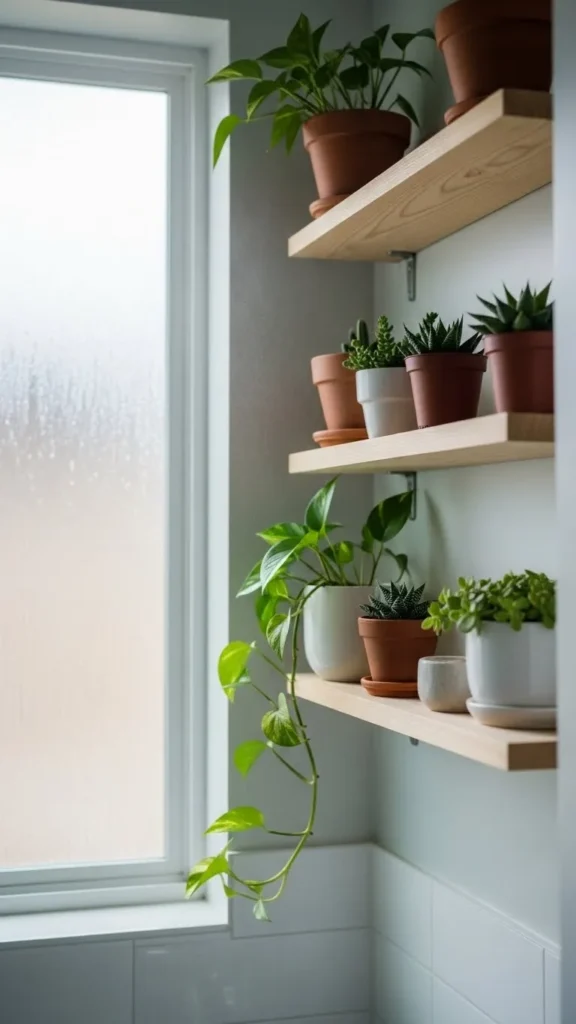
Bathrooms support plants that enjoy moisture.
Use shelves near windows.
Ferns and herbs adapt well.
20. Window Box Vegetables
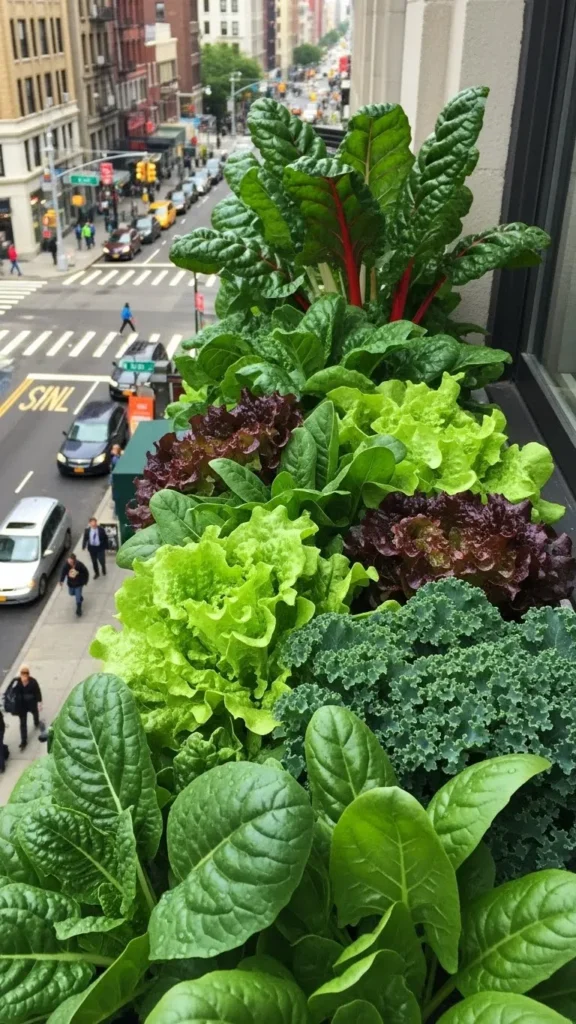
Window boxes grow more than flowers.
Secure brackets well.
Harvest often to keep plants compact.
21. Compact Compost Buckets
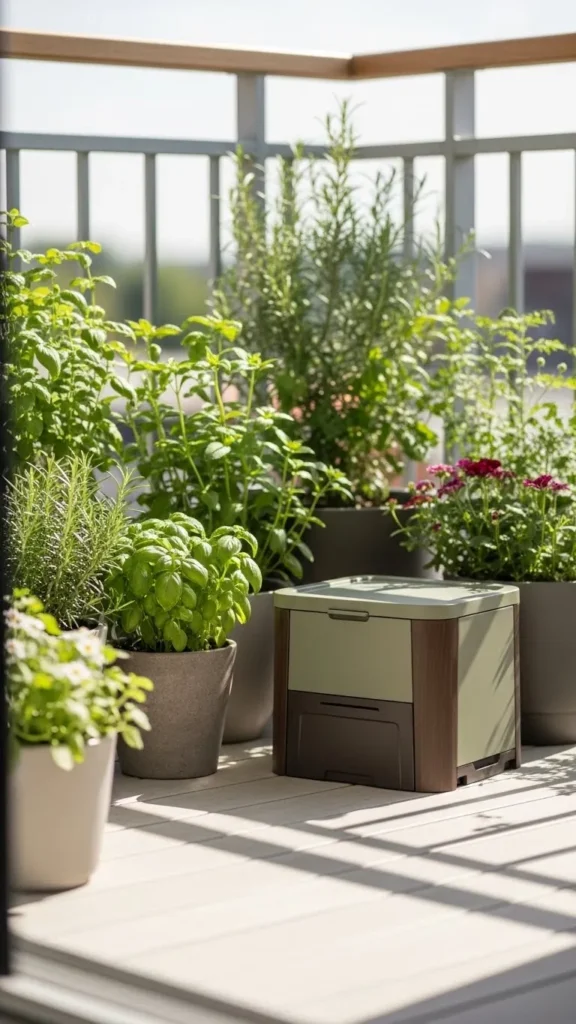
Mini compost systems reduce waste.
Use sealed bins to control odor.
Finished compost enriches container soil.
22. Indoor Seedling Station
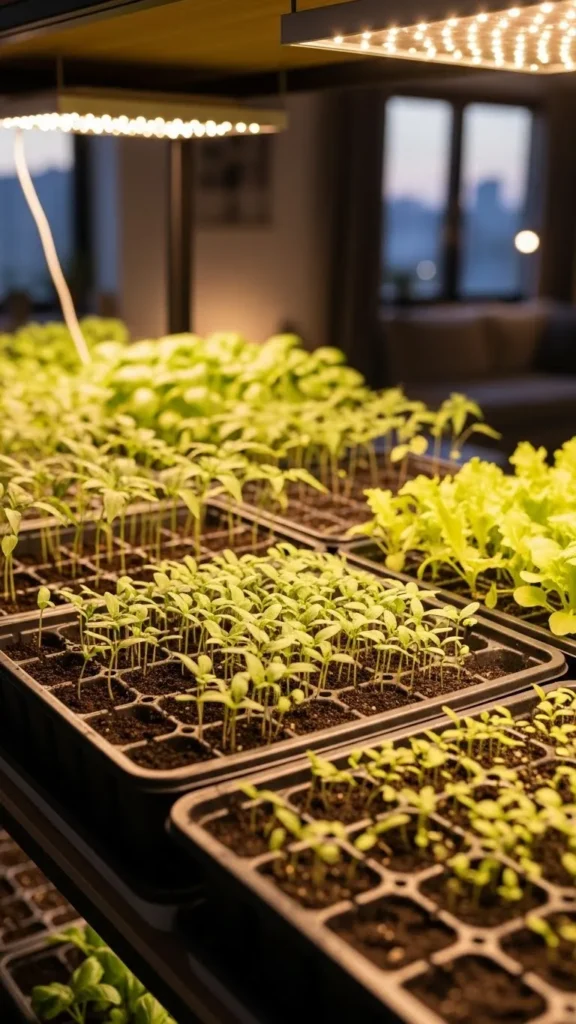
Start plants indoors before moving them outside.
This saves money on seedlings.
Use recycled containers.
23. Wall-Mounted Shelves
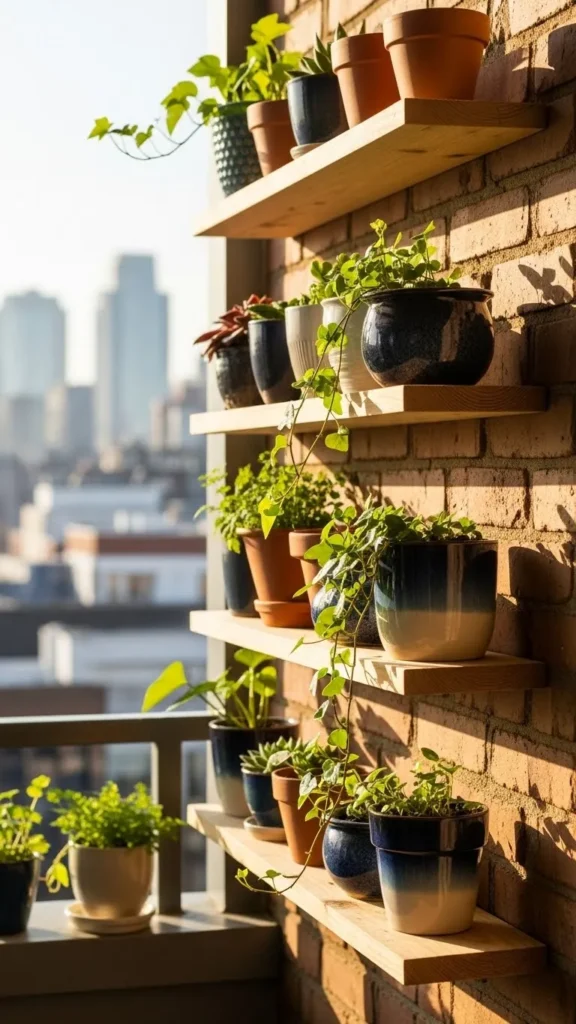
Shelves keep pots off the floor.
Secure anchors properly.
This setup suits herbs and flowers.
24. Grow Bags on Hooks
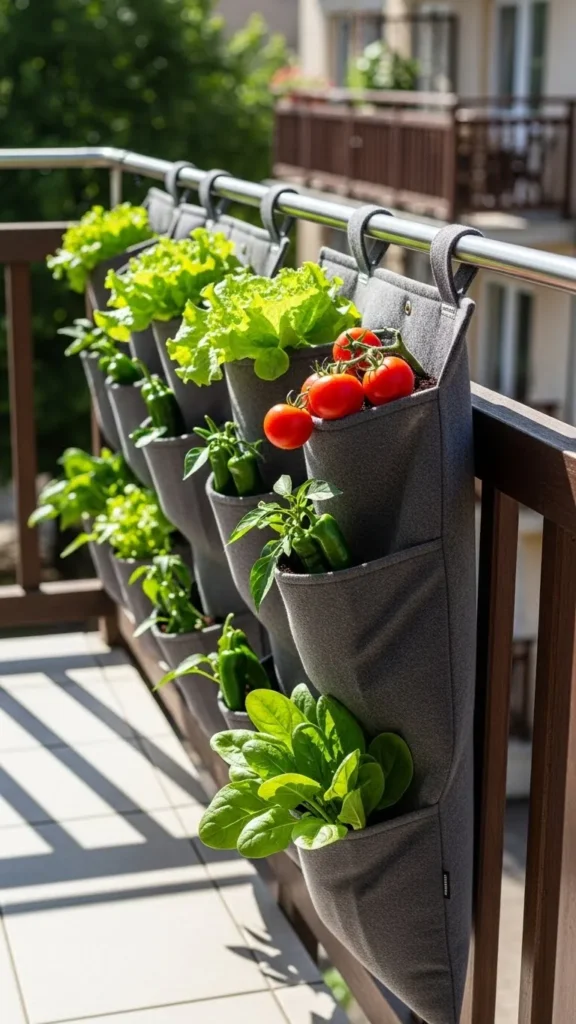
Grow bags stay light and breathable.
Hang them to save space.
Water slowly to manage runoff.
25. Desk-Side Greens
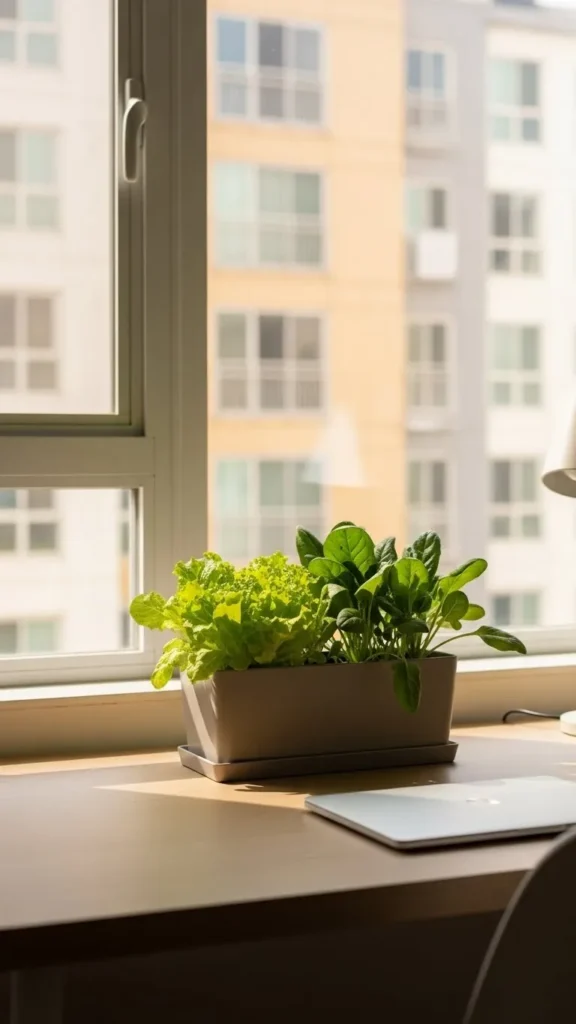
Small plants fit workspaces.
They grow quietly without clutter.
Harvest leaves as needed.
26. Corner Floor Pots
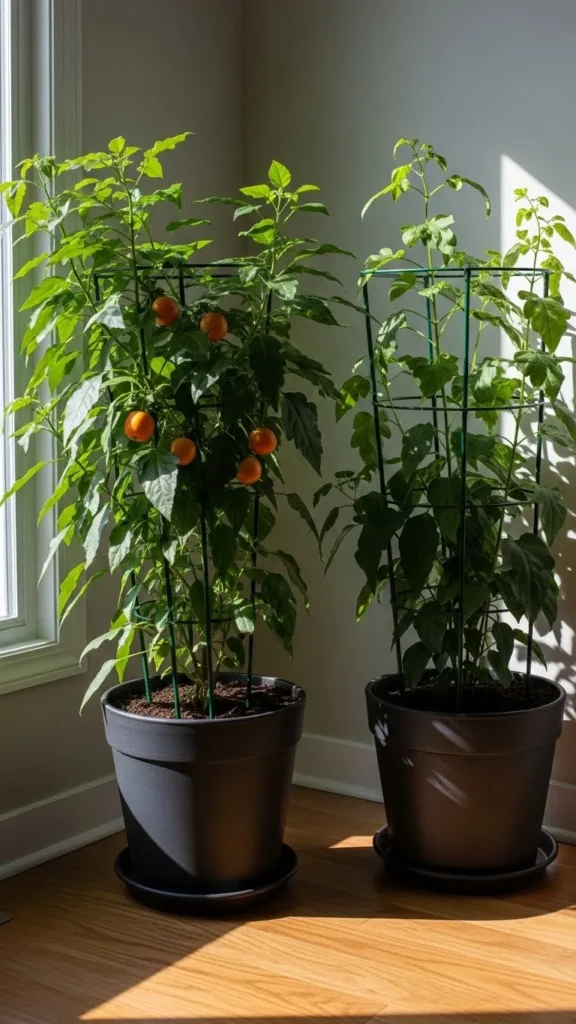
Corners often stay unused.
Tall pots fit fruiting plants well.
Rotate for even growth.
27. Shared Community Containers
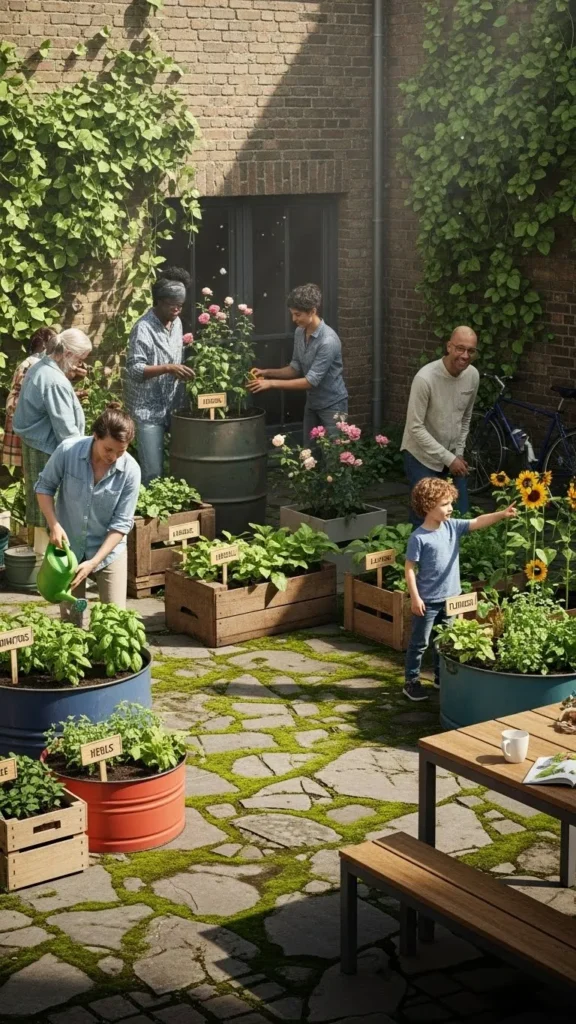
Shared spaces support shared gardens.
Use labeled containers to stay organized.
This spreads cost and effort.
28. Seasonal Crop Rotation Pots
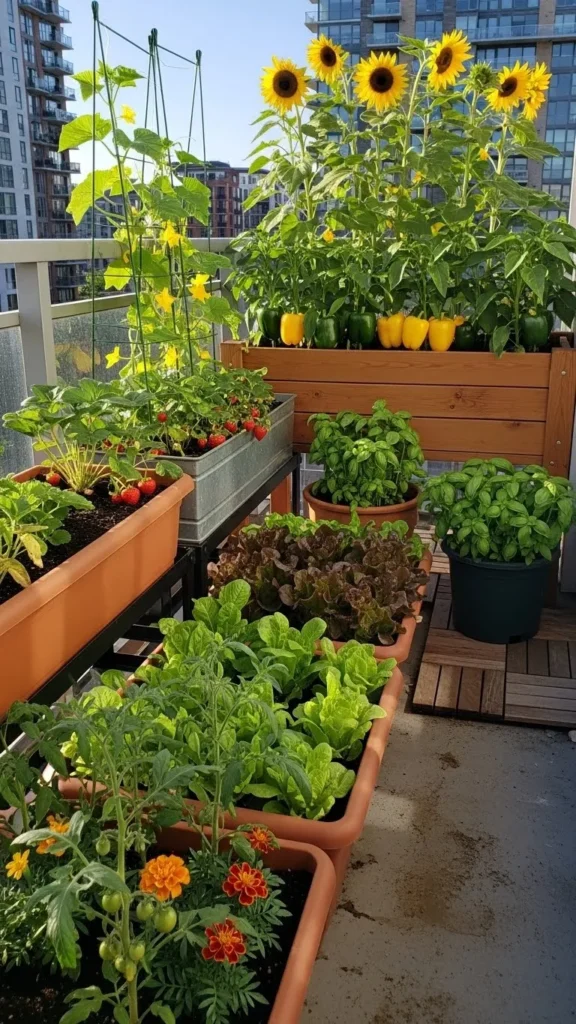
Rotate crops by season.
This keeps soil productive.
Reuse the same containers year-round.
Conclusion
Urban gardening works when plants fit your space, time, and budget. These ideas show how everyday areas can support real growth without permanent changes. Start with one setup and expand gradually. Small actions add up. Save the ideas that match your space and try one this week.
Leave a Reply