

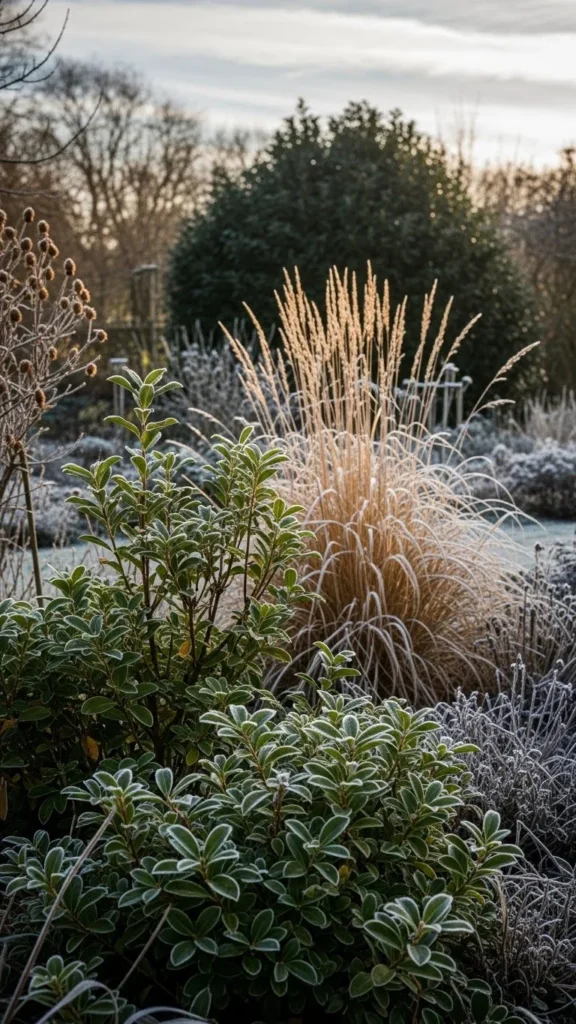
Winter wind can flatten weak plants fast. Strong gusts snap stems, loosen roots, and leave beds looking messy. This guide focuses on winter plants that hold their shape, even in exposed gardens. Each option below stays upright through cold weather and steady wind. You will also find simple planting tips, budget-friendly ideas, and easy ways to help plants stay anchored without complex setups or expensive materials.
1. Boxwood Shrubs
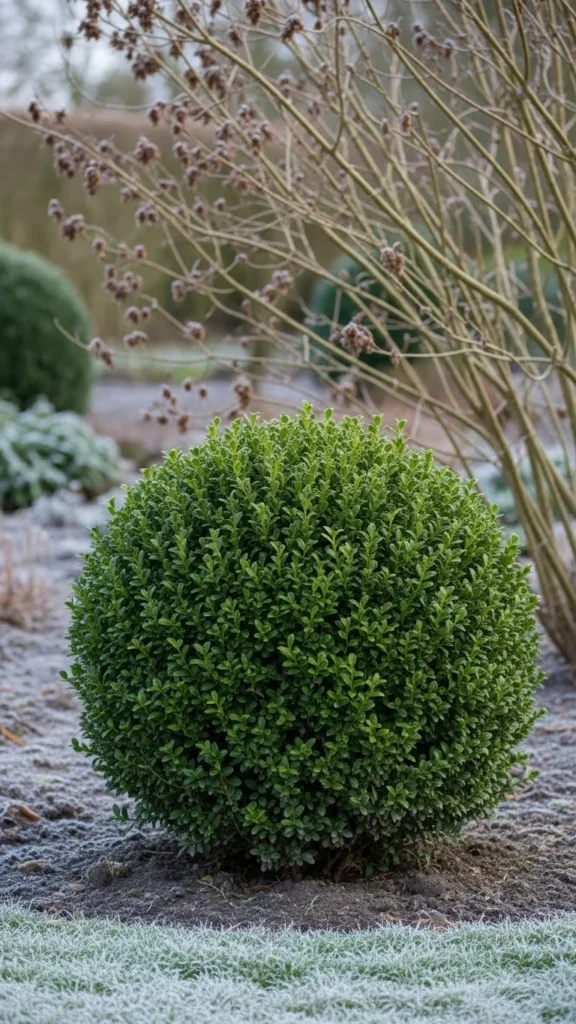
Boxwood shrubs stand up well to winter wind because of their tight growth and woody stems. Their compact form reduces surface area, so gusts slide past instead of pushing them over. This makes them ideal for exposed borders, walkways, and front gardens.
Plant boxwood in well-packed soil. Press soil firmly around the root ball during planting. A shallow trench around the base helps water settle roots early on. Mulch with bark or wood chips to keep soil stable without trapping moisture.
For budget setups, buy smaller plants. They establish faster and cost less. Space them closer for quicker coverage and shared wind protection. If your area gets strong gusts, position boxwood near fences or low walls to block direct force.
Avoid loose compost-heavy soil. Heavier garden soil mixed with grit improves grip. Once established, boxwood rarely leans or spreads. Trim lightly in early winter to keep edges tight. Clean lines reduce wind drag and help plants stay upright all season.
2. Dwarf Yew
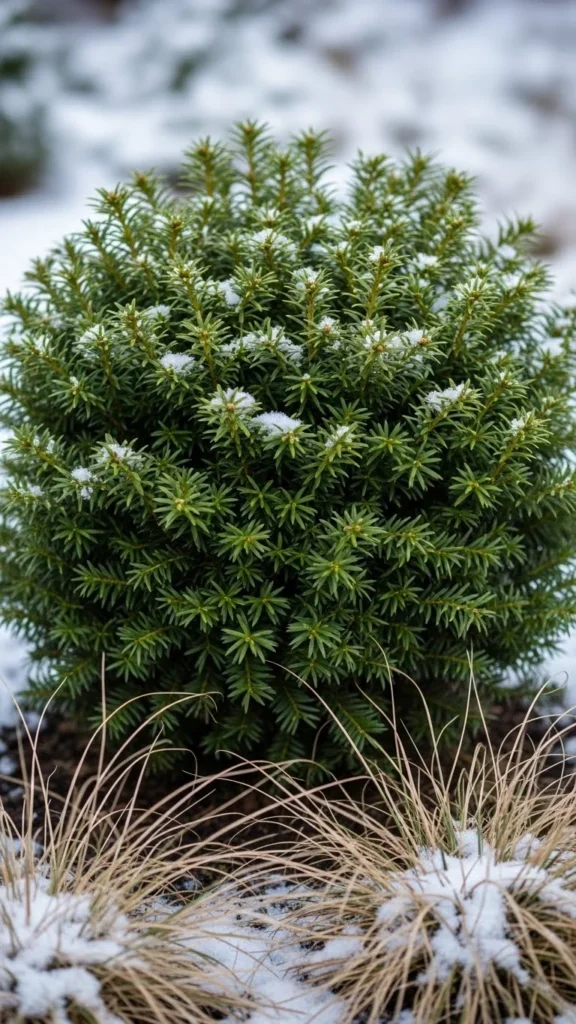
Dwarf yew handles winter wind with ease due to its dense branching and strong root system. The flexible needles bend without snapping, which keeps the plant stable during storms.
Plant yew in firm soil with good drainage. Mix existing soil with gravel to improve hold. Avoid raised mounds in windy spots, as height increases exposure. Ground-level planting keeps roots protected.
Budget tip: bare-root yew plants cost less and settle quickly. Water well during planting week to lock soil around roots. Once settled, yew holds position even in open gardens.
Trim lightly to maintain shape. A rounded form resists wind better than sharp angles. Dwarf yew works well along paths or as low hedging. It also pairs nicely with stone edging, which adds extra ground weight.
3. Lavender (Woody Varieties)
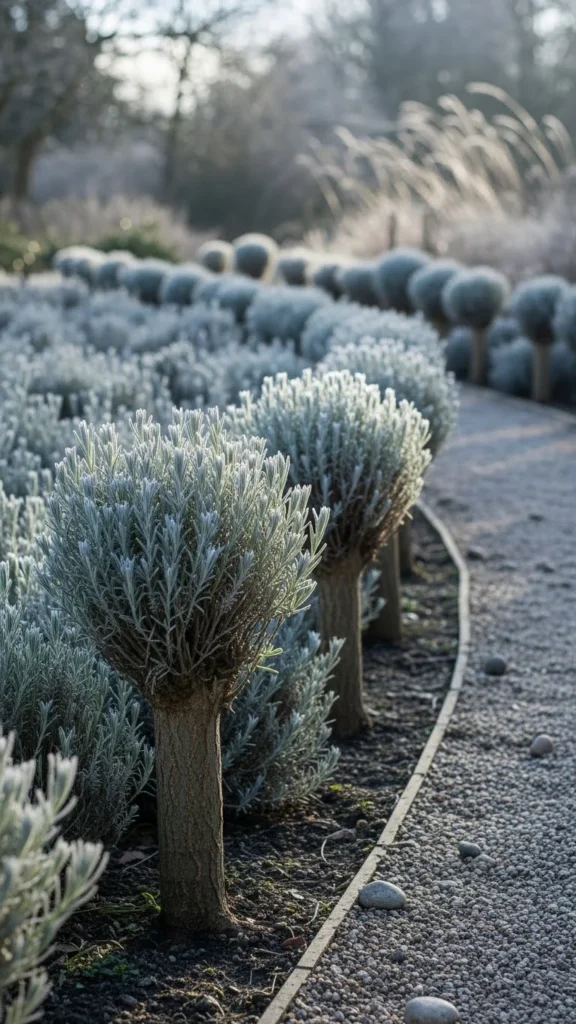
Woody lavender varieties remain upright through winter when planted correctly. Their stiff lower stems anchor the plant, while narrow leaves reduce wind resistance.
Choose gravel-heavy soil. Lavender roots grip better in gritty ground. Avoid rich compost that stays loose. Plant slightly lower than soil level and firm the base with hands or feet.
For low-cost planting, propagate from cuttings in late summer. These plants adapt well to local conditions and hold firm during winter weather. Gravel mulch adds weight and keeps stems dry.
Do not cut back fully before winter. Leaving woody structure helps the plant stay upright. Lavender works well along paths, walls, or sloped ground where drainage is natural and wind passes over instead of through.
4. Japanese Holly
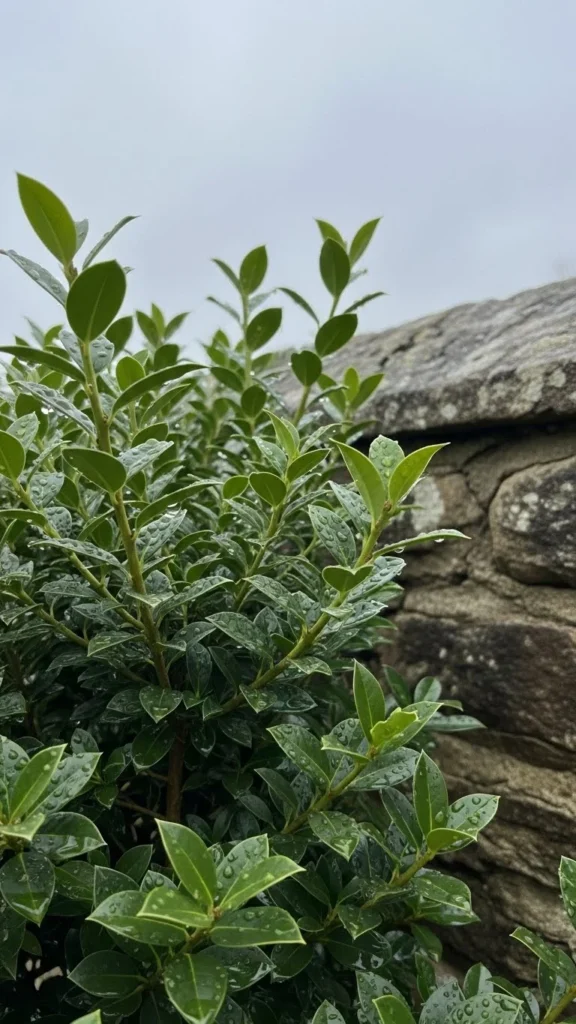
Japanese holly stays upright thanks to its stiff stems and compact growth habit. The small leaves limit wind pull, making it reliable in open areas.
Plant in slightly acidic soil and press firmly during planting. Add a thin layer of stone mulch for added weight. This keeps roots anchored during repeated gusts.
Budget-friendly tip: buy young plants and space closer together. Grouping shrubs helps them support each other naturally. Japanese holly also works well as a low hedge in windy zones.
Minimal pruning keeps structure solid. Avoid thinning too much, as density improves resistance. This shrub performs well near driveways, fences, and exposed corners.
5. Ornamental Cabbage
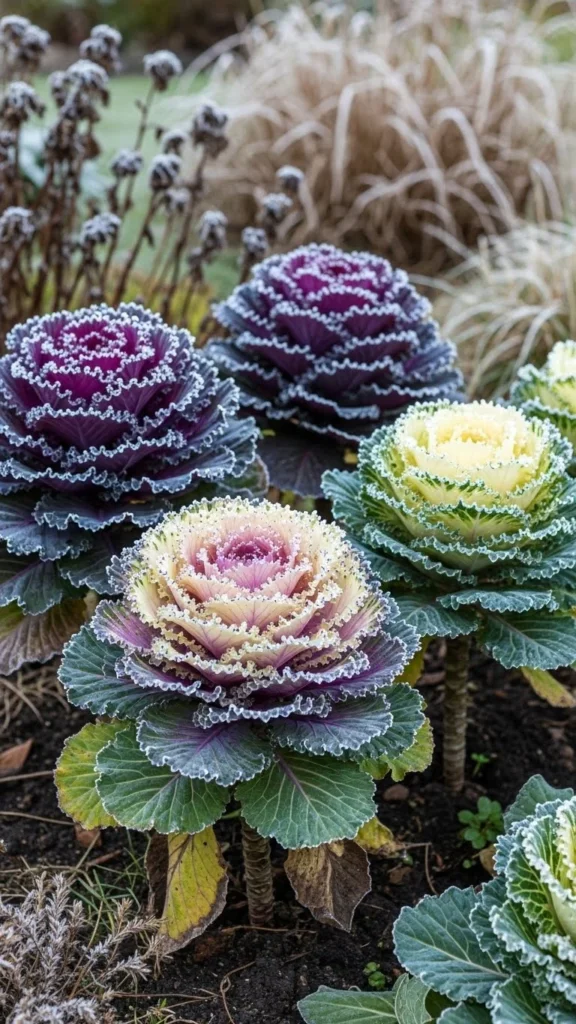
Ornamental cabbage stays grounded because of its low center of gravity. Thick stems and heavy leaf clusters keep it stable even during harsh wind.
Plant deep so the stem base sits below soil level. Firm soil around the base using hands. Avoid loose potting mixes outdoors.
Use recycled containers or grow from seed for low-cost planting. Space plants close to reduce airflow between them. This simple trick improves stability.
Ornamental cabbage works well in raised beds with weighted soil or in-ground borders. Pair with stones or edging bricks for added support.
6. Hellebores

Hellebores handle winter wind due to their thick stems and deep roots. Their nodding flowers reduce pressure from gusts.
Plant hellebores in compact soil and avoid raised planting. Mulch lightly with leaf mold to keep roots protected.
Buy young plants or divide existing clumps to save money. Once settled, hellebores stay put for years.
Place near walls or shrubs for partial wind cover. Their structure holds well through cold months without staking.
7. Winter Heather

Winter heather resists wind thanks to its low growth and spreading roots. It hugs the ground rather than reaching upward.
Plant in groups for better coverage and shared support. Press soil firmly and avoid loose mulch.
Cuttings root easily, making this a cost-saving choice. Heather works well on slopes and open beds.
8. Dwarf Juniper
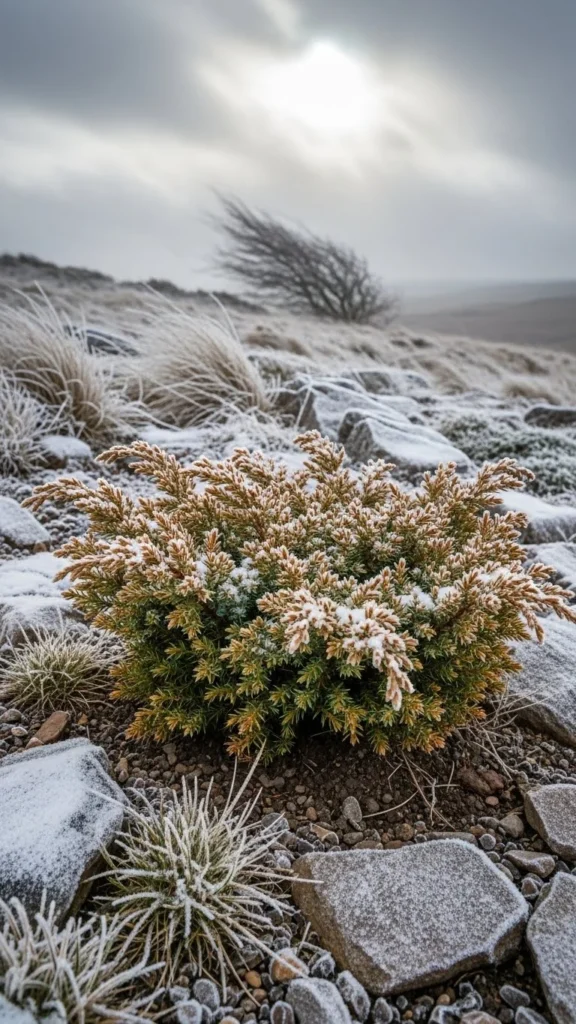
Dwarf juniper spreads outward rather than upward, which keeps it steady in strong wind.
Plant in gritty soil and avoid rich compost. Rocks placed around the base add extra stability.
Propagate from cuttings for budget-friendly expansion. Juniper suits exposed gardens and slopes.
9. Evergreen Euonymus
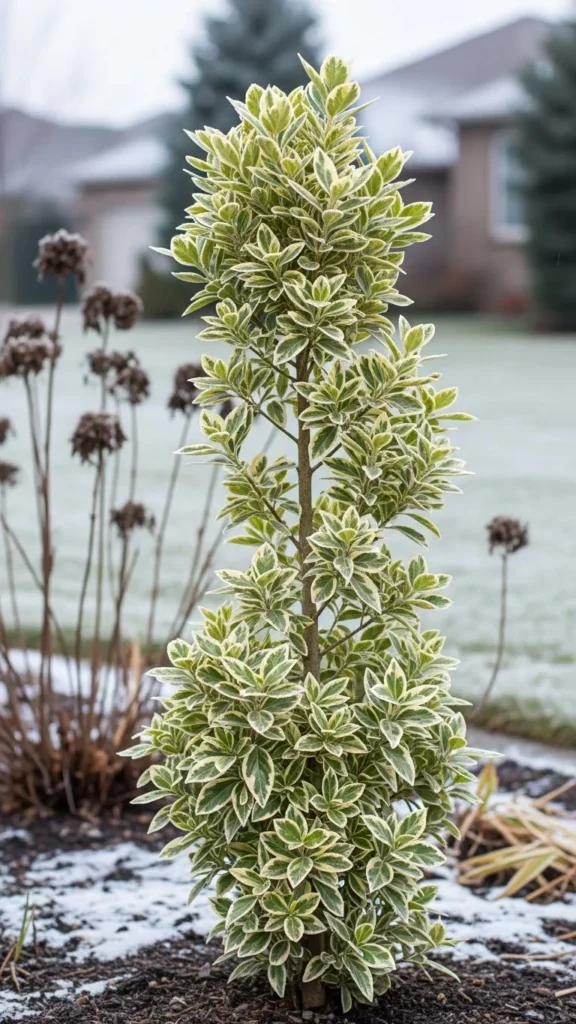
Euonymus remains upright due to flexible stems and dense branching.
Plant deep and firm soil well. Mulch lightly with bark.
Buy small plants and let them mature naturally. Avoid heavy pruning before winter.
10. Russian Sage (Established Plants)
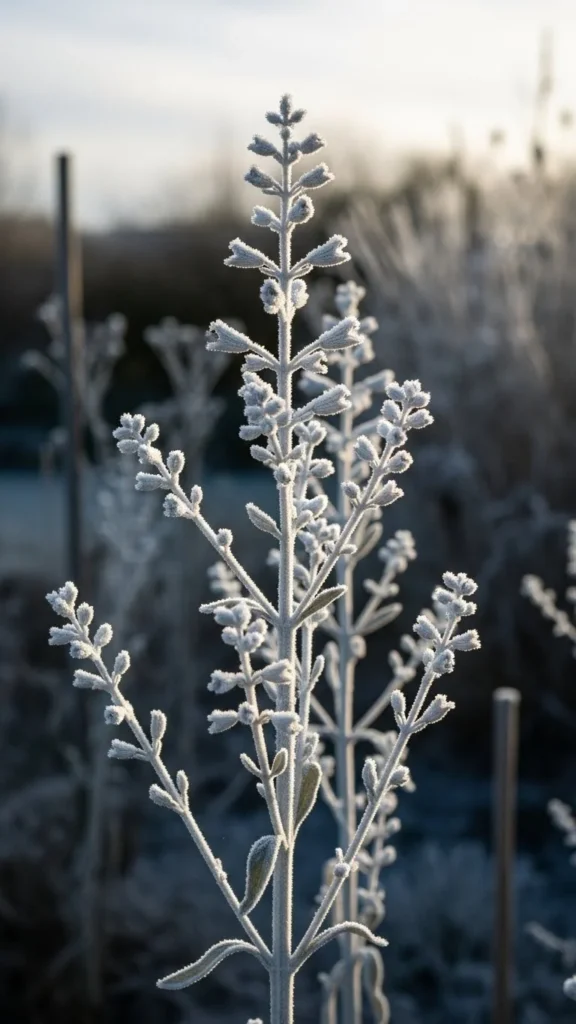
Older Russian sage plants develop woody bases that resist wind well.
Plant in well-drained soil and avoid soft compost. Leave stems intact through winter.
Divide mature plants to save money and maintain strength.
11. Bergenia
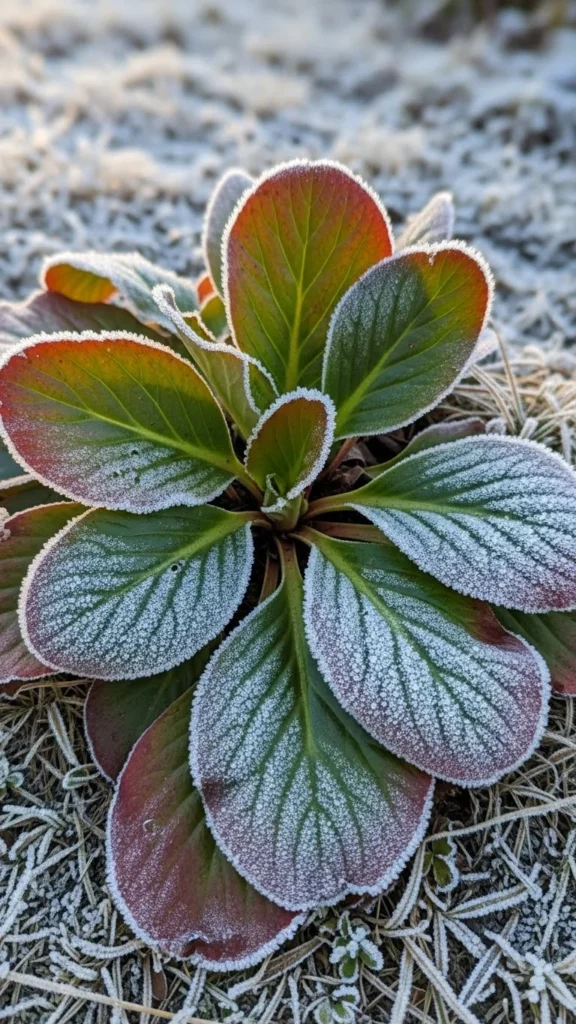
Bergenia stays grounded due to thick leaves and spreading roots.
Plant shallow and press soil tight. Works well near edges.
Divide clumps for easy propagation.
12. Sea Thrift
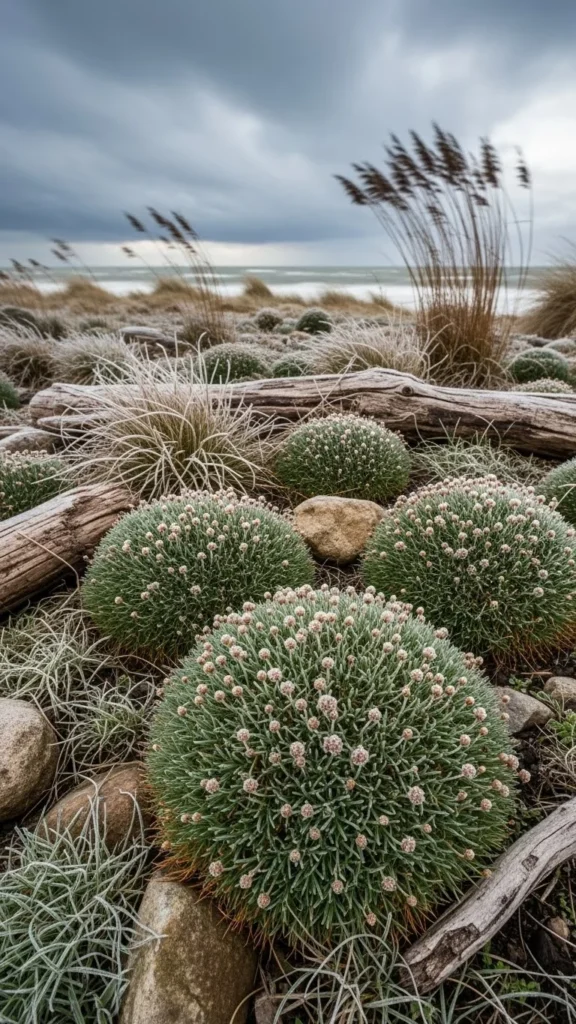
Sea thrift thrives in windy sites due to its compact form.
Plant in sandy soil and group closely.
Seed-grown plants offer low-cost coverage.
13. Carex (Evergreen Sedge)
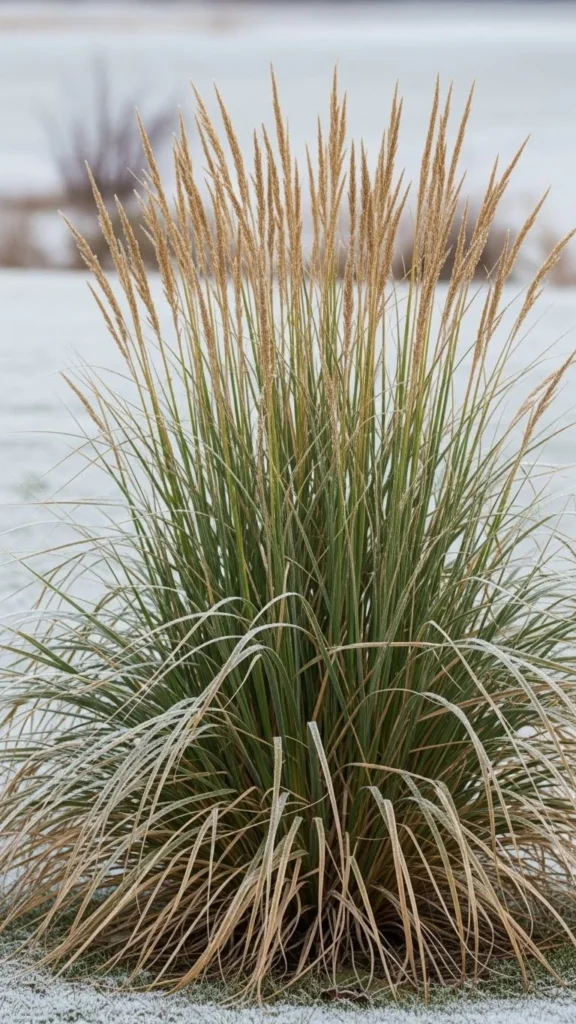
Carex bends without breaking, keeping shape in wind.
Plant in clusters and avoid rich soil.
Divide clumps every few years.
14. Rosemary (Upright Varieties)
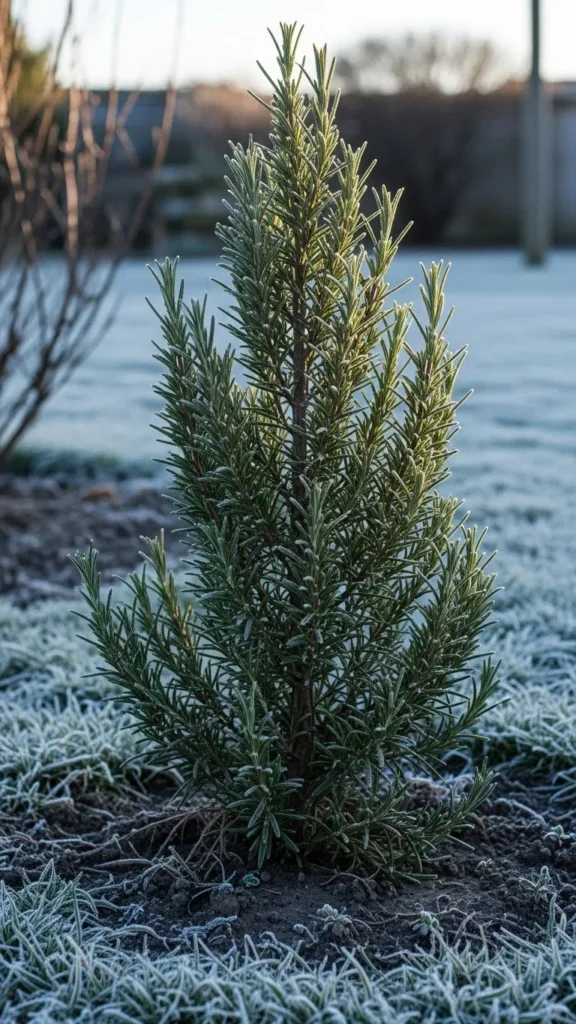
Woody rosemary resists wind once established.
Plant near walls and use gritty soil.
Grow from cuttings for savings.
15. Spurge (Euphorbia)
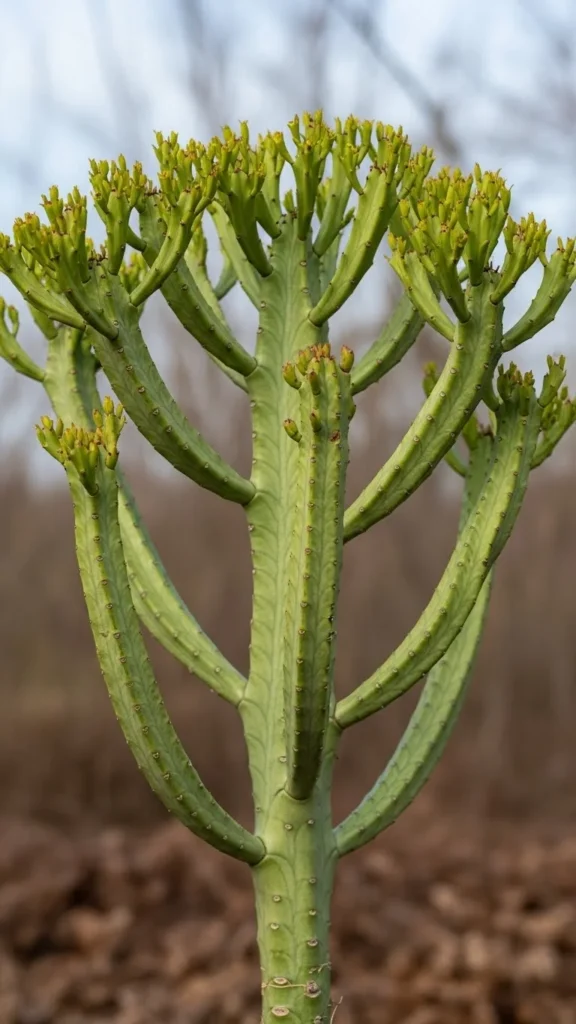
Spurge stays upright due to thick stems.
Plant in well-drained soil and avoid excess mulch.
Self-seeding helps expand beds cheaply.
16. Winter Savory
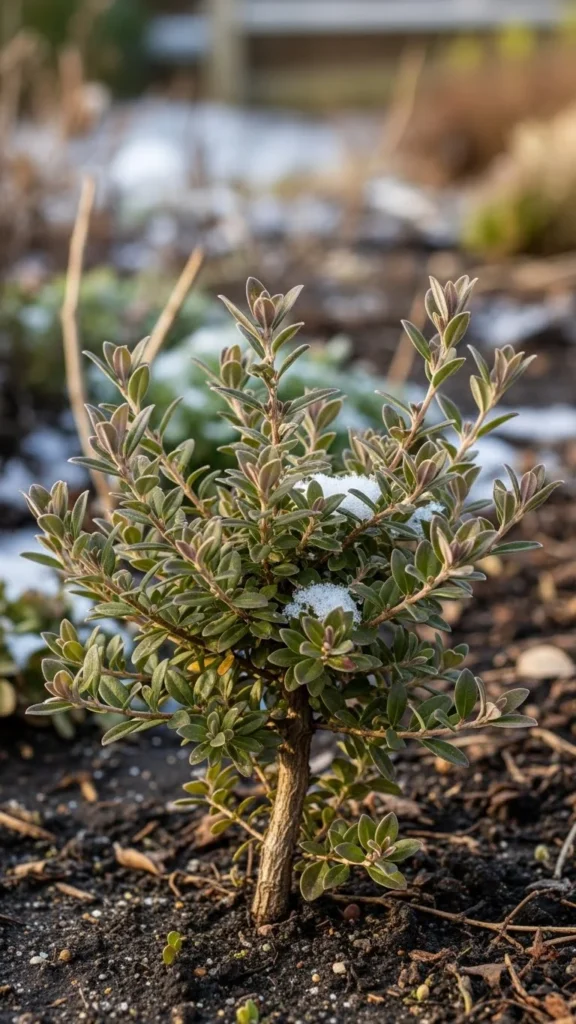
Winter savory has a sturdy base that holds well.
Plant deep and trim lightly before cold sets in.
Grow from cuttings to save money.
17. Stonecrop

Stonecrop remains upright due to heavy stems.
Plant in rocky soil for grip.
Divide clumps for easy expansion.
18. Dwarf Pine

Dwarf pines resist wind with strong trunks.
Plant young trees and firm soil well.
Mulch with gravel for stability.
19. Bearberry

Bearberry hugs the ground, avoiding wind pressure.
Plant on slopes or open beds.
Propagate easily from runners.
20. Snowdrops
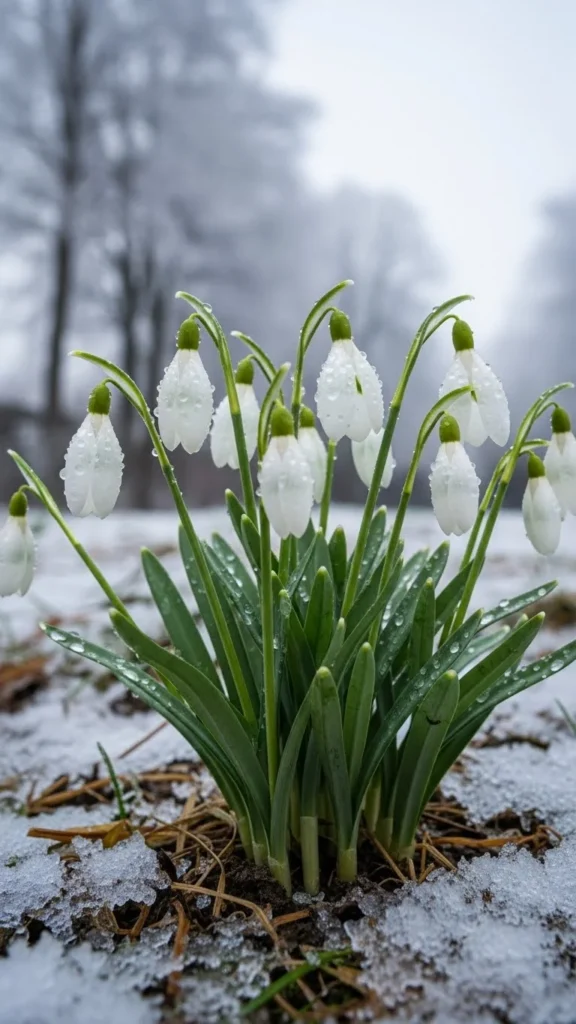
Snowdrops bend without snapping.
Plant bulbs deep for stability.
Natural spreading keeps costs low.
21. Dwarf Bamboo (Clumping Types)
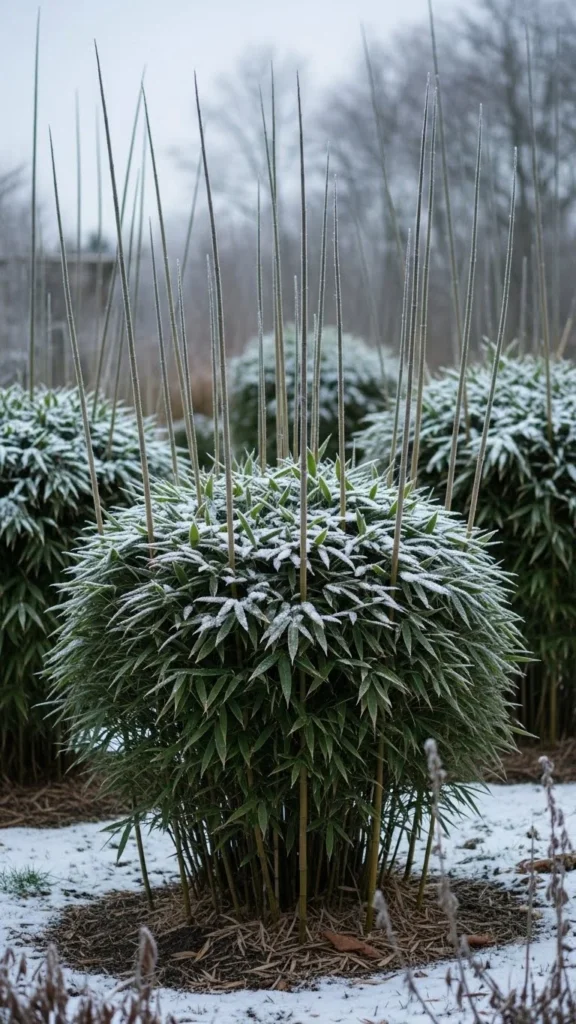
Clumping bamboo stays upright without spreading.
Plant in firm soil and avoid loose mulch.
Divide clumps to expand affordably.
22. Winter Jasmine
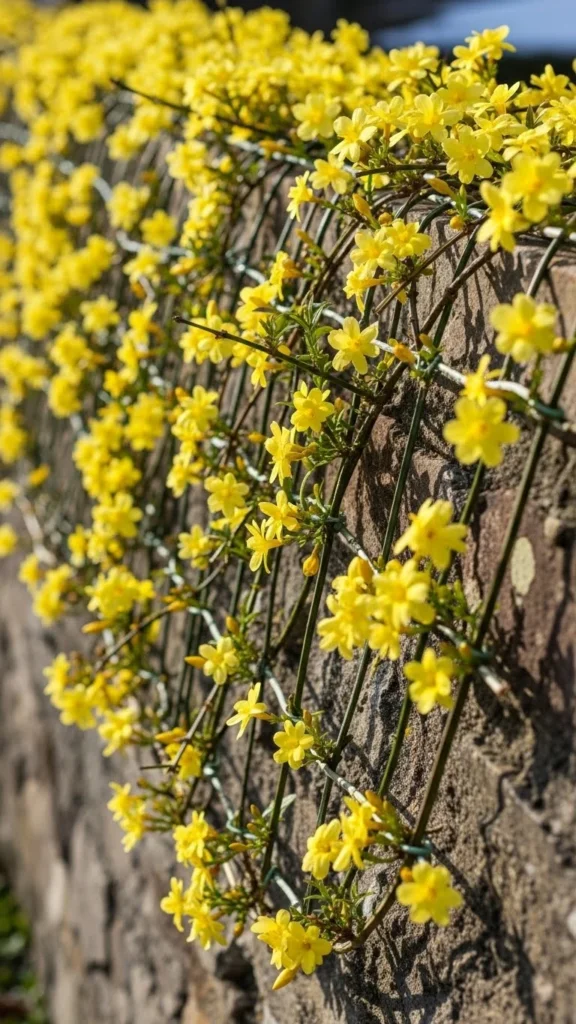
Winter jasmine stays steady when trained close to ground.
Use simple ties for early support.
Cuttings root easily.
23. Evergreen Thyme
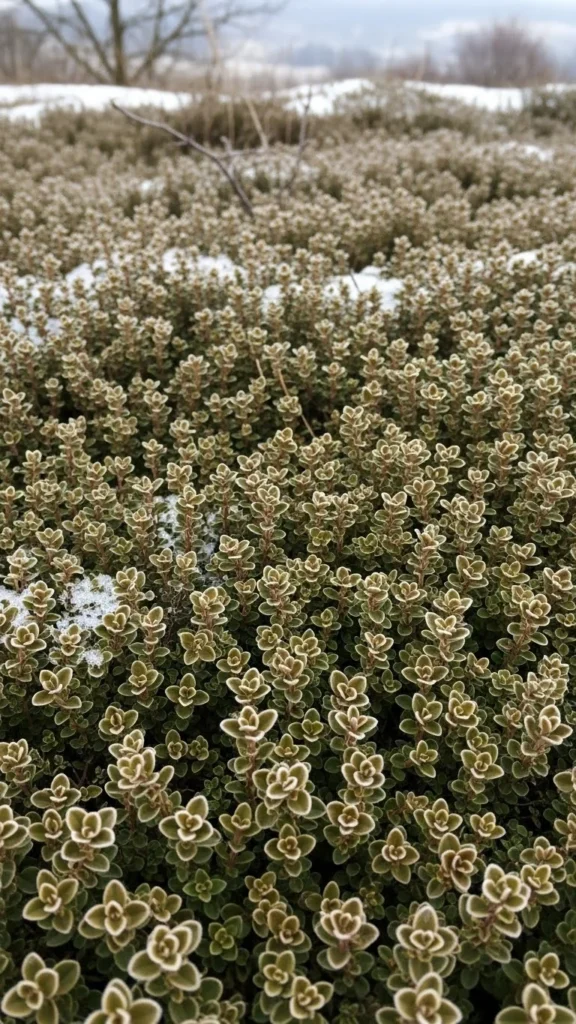
Thyme hugs soil and resists movement.
Plant in gravel-rich soil.
Divide mats for savings.
24. Dwarf Box Honeysuckle
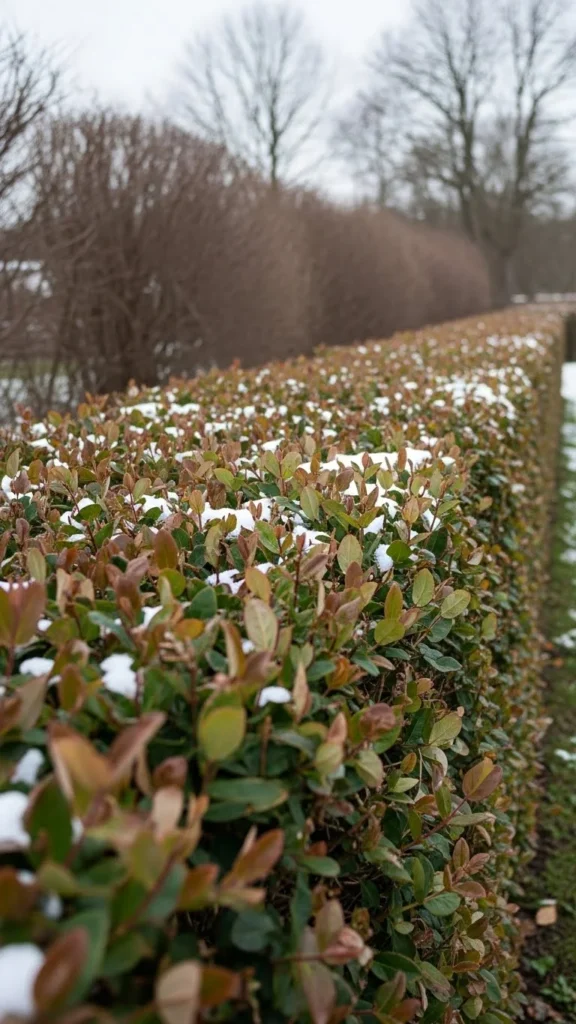
This plant stays compact and firm.
Plant close for mutual support.
Minimal care required.
25. Cotoneaster

Cotoneaster handles wind due to flexible branches.
Plant in firm soil and avoid raised spots.
Layering branches creates new plants easily.
Conclusion
Wind does not have to flatten your winter garden. These plants stay upright through cold months with the right planting approach. Focus on firm soil, compact growth, and simple positioning. Many of these choices cost little to establish and last for years. Pick a few that suit your space, plant with care, and enjoy a winter garden that keeps its shape no matter how strong the breeze.

Leave a Reply