

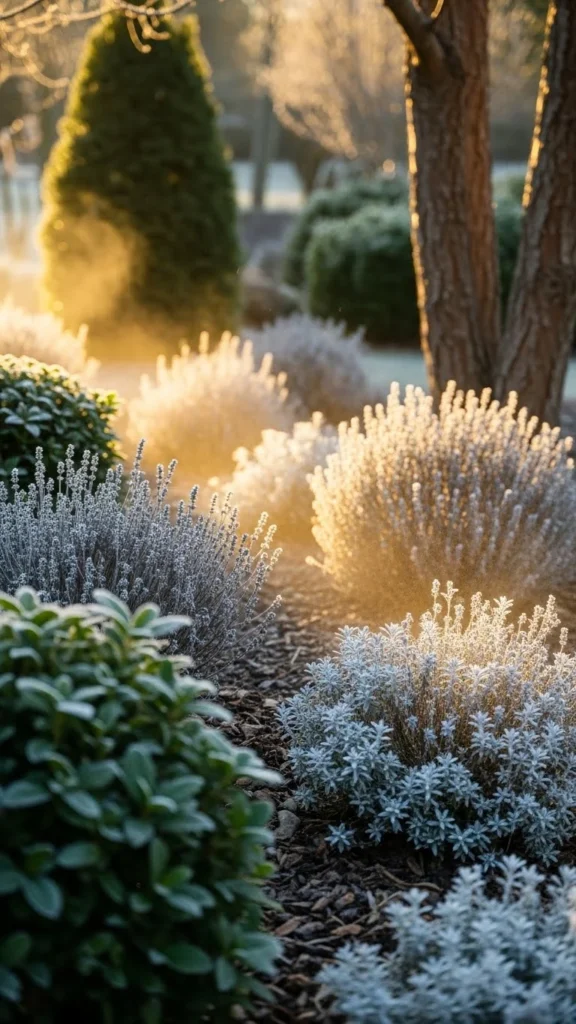
Winter doesn’t have to feel dull or scentless. Many plants keep their fragrance even when temperatures drop, filling your yard with calming, cozy aromas. Some release soft herbal notes, while others surprise you with sweet, floral hints on cold days. This guide shares simple, affordable choices you can grow in small yards, porch containers, or narrow garden beds. Each option is easy to work with and offers gentle winter fragrance that makes stepping outside feel special.
1. Winter Daphne
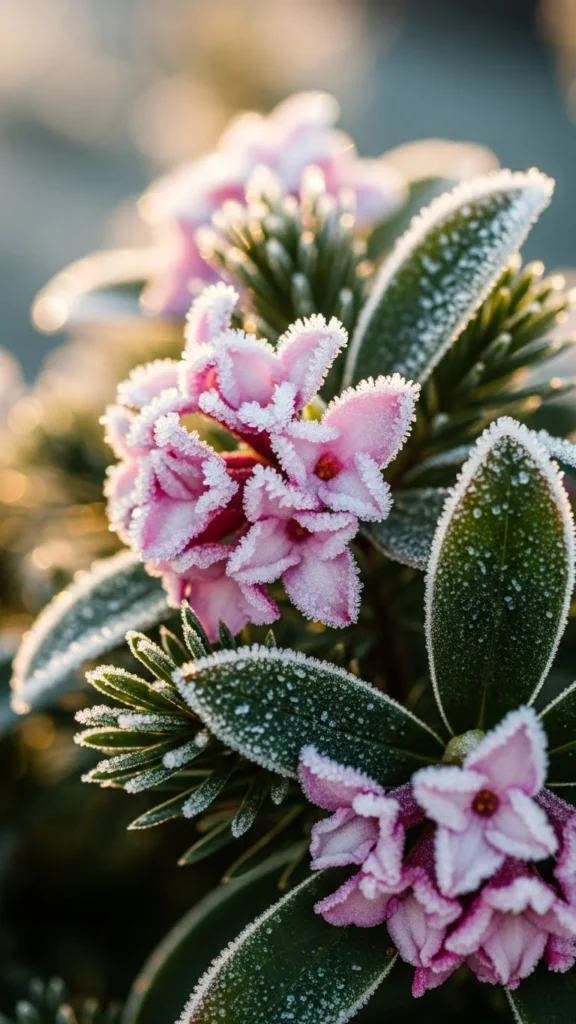
Winter daphne carries a soft scent that drifts through the yard on cold mornings. The foliage stays glossy all year, making it look tidy even in harsh weather. It works well near paths or entryways where the fragrance feels close. Keep the soil lightly mulched to help it stay comfortable during freeze-thaw cycles. If you’re working on a budget, start with a small plant instead of a full shrub; it fills out over time. You can tuck it into a simple ceramic pot for extra protection in colder zones. Place the pot near a walkway where people pass often. The scent feels strongest on calm winter days. Water lightly during long dry spells so the soil never goes bone-dry. A little shade helps prevent leaf scorch in late winter.
2. Sweet Box
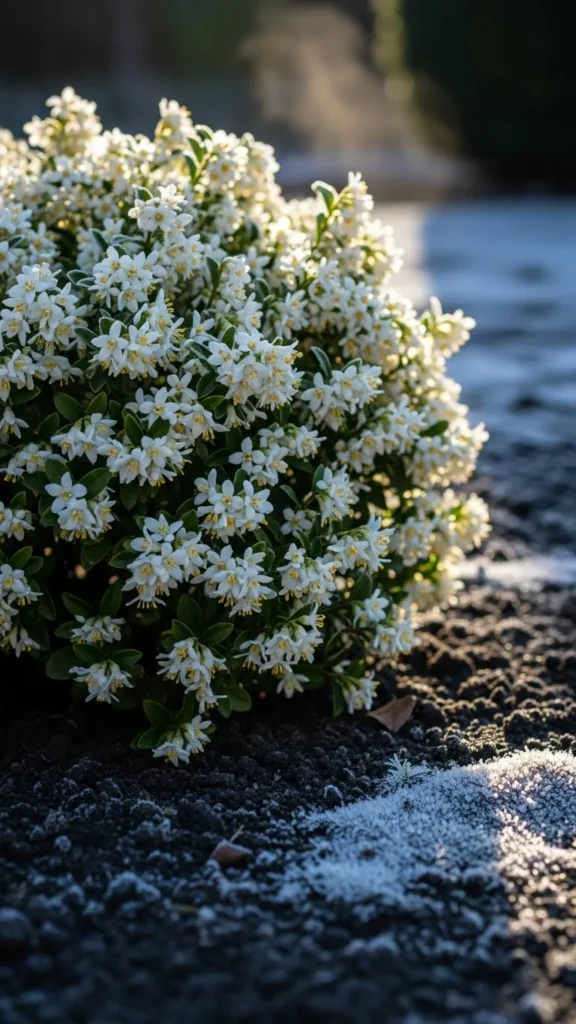
Sweet box brings a soft, sweet aroma during late winter. The flowers look small but give off noticeable scent. It thrives in shade, which makes it ideal for tucked-away corners. If you’re working with a tight budget, choose starter plants since they spread slowly. Once established, they form a low hedge for walkways or patios. Add a thin layer of bark mulch to help hold moisture during cold spells. You can also plant sweet box near your back door so you catch the scent every time you step outside. Its evergreen leaves stay dark and glossy, creating structure when the rest of the garden looks bare. Keep pruning gentle; this plant prefers to grow naturally. Water only when the soil starts to feel dry. It also pairs well with ferns or hellebores for a simple winter grouping.
3. Witch Hazel
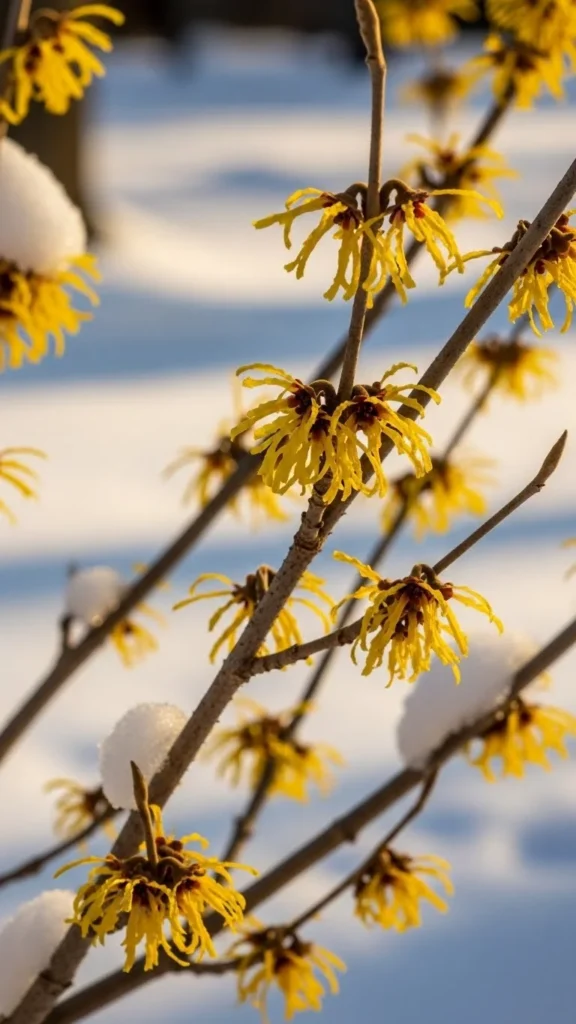
Witch hazel shines in winter with its bright, ribbon-like flowers and light fragrance. The scent drifts nicely on crisp afternoons. Plant it where you can see the blooms from inside your home; they bring color on dull days. If your budget is tight, purchase a young shrub and allow it to mature naturally. Add compost around the roots during fall to help it stay strong through freeze cycles. The branches spread out gracefully, giving your yard a sculptural look. Water during long dry periods, especially if planted the same year. This shrub works well as a winter focal point in a corner of the yard or beside a fence. You can underplant it with low-growing herbs for extra fragrance layers.
4. Rosemary (Hardy Varieties)
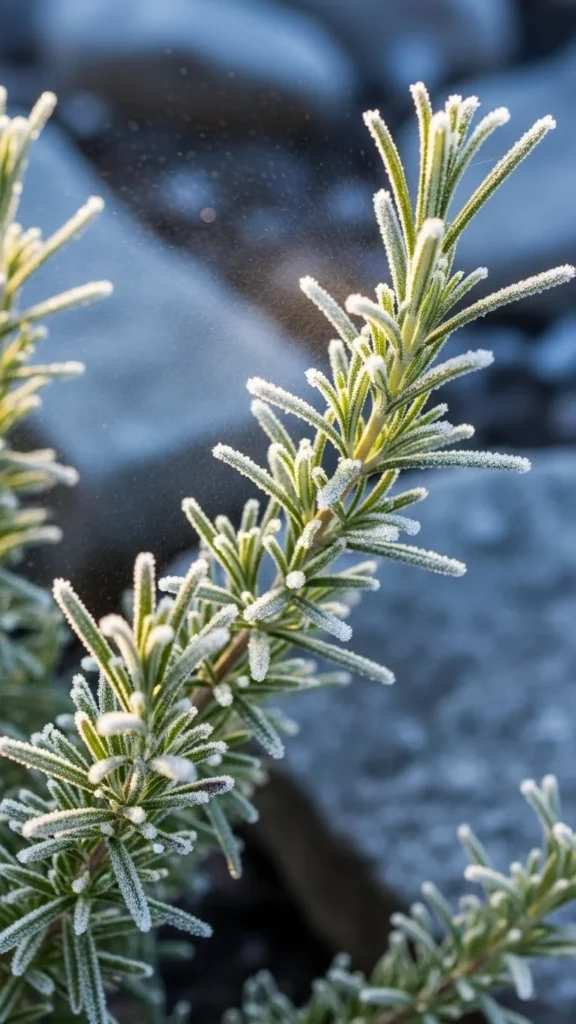
Hardy rosemary adds crisp herbal scent even in winter. The foliage stays upright, giving your garden a tidy look. Plant a small bundle near steps or outdoor seating so the scent brushes the air when you pass. You can grow it in a pot if winters are severe. Wrap the pot with burlap or place it near a sheltered wall. If you’re saving money, start with small cuttings; rosemary grows slowly but reliably. Let the soil stay on the drier side, especially during cold months. Avoid heavy watering. Trim lightly during early winter to shape the plant. A small sprig can be brought indoors for cooking, giving you extra value from one plant.
5. Winter Honeysuckle
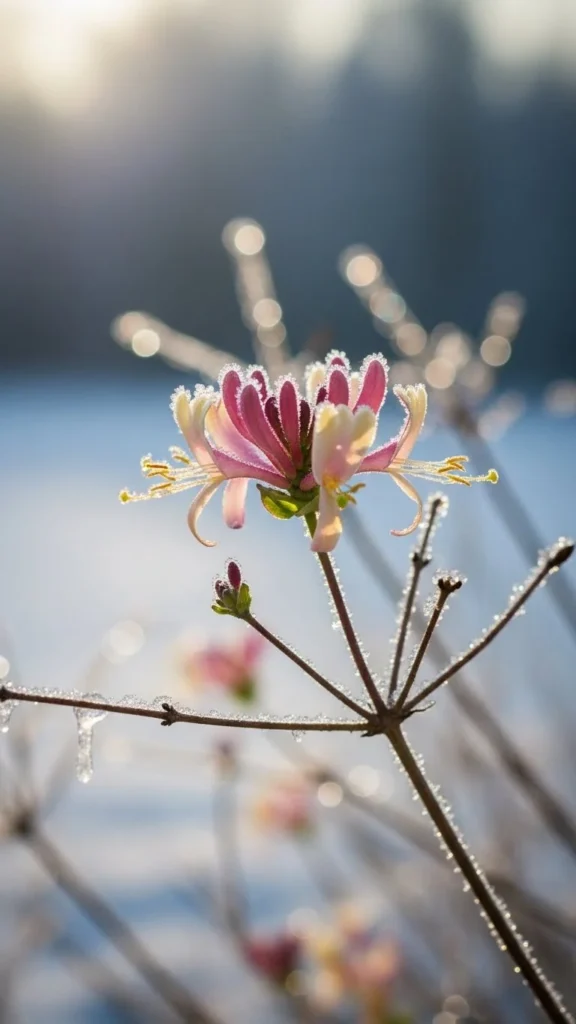
Winter honeysuckle blooms when most plants rest, filling the yard with gentle perfume. The white flowers appear on bare branches, creating a pretty contrast against cold ground. Plant it near a fence or along the edge of your yard to create a scented boundary. If you’re sticking to a budget, choose a smaller shrub size; this plant grows steadily. Add compost each fall for strong root growth. Prune lightly in early spring to keep it neat. Place a bench nearby so you can sit and enjoy the scent on warm winter afternoons. Water only when needed. Winter honeysuckle also attracts early pollinators, helping your garden wake up naturally.
6. English Lavender (Cold-Tolerant Types)
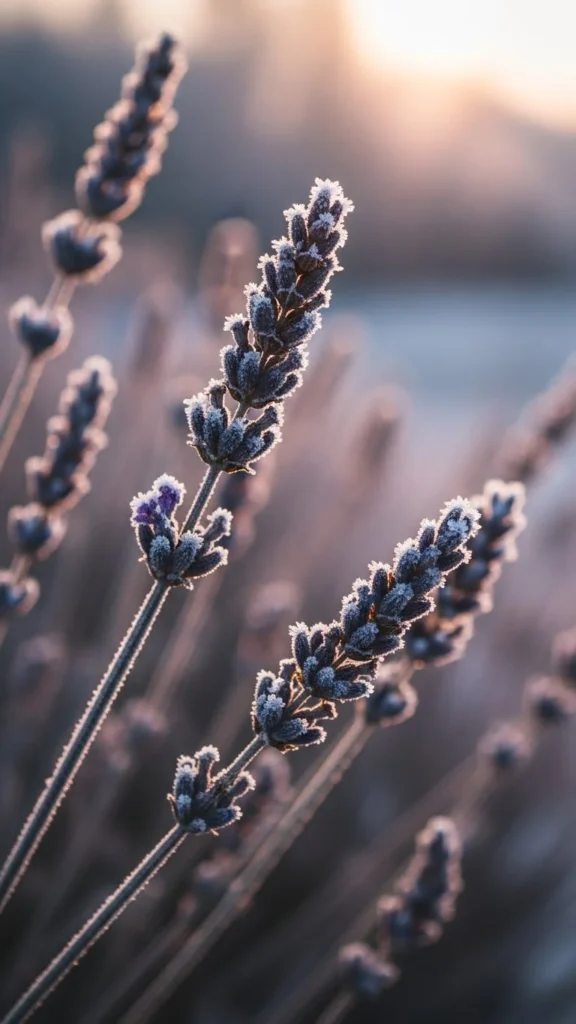
Cold-tolerant lavender varieties hold scent even through frost. The silvery foliage adds calm color to winter beds. Plant them along borders or in rows near pathways. The scent rises when sunlight warms the leaves. If you’re staying budget-conscious, start with plugs or small plants. Keep the soil a bit sandy so it drains well. Too much moisture causes problems in winter. Place gravel around the base to lift the stems off wet soil. Trim lightly during fall and early spring. Lavender also grows well in clay pots, which you can move to sheltered spots during harsh cold snaps. Try using simple terracotta for a rustic look.
7. Sarcococca Confusa
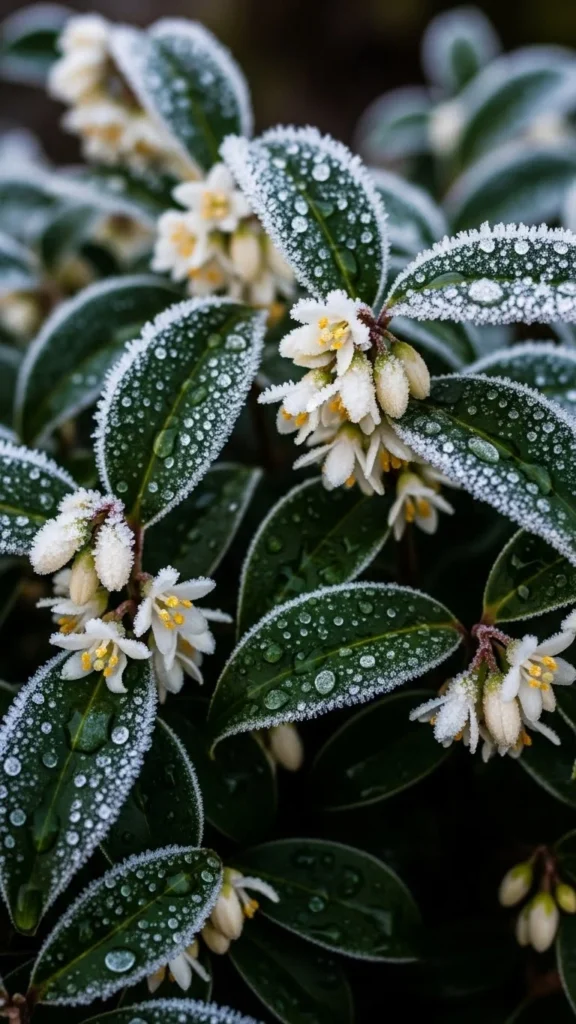
Sarcococca confusa delivers sweet aroma during late winter. The flowers remain small but surprisingly fragrant. This plant thrives in shade and works beautifully under tall trees. If you’re on a budget, choose younger plants—they spread slowly. Water sparingly as they settle in. Once mature, they form dense, evergreen mounds that help define walkways. Add a touch of compost each fall. Keep mulch thin so stems breathe. The scent feels strong in sheltered spaces, so plant it near your home’s side path or porch. You can also cluster three small plants together for a fuller look.
8. Bay Laurel
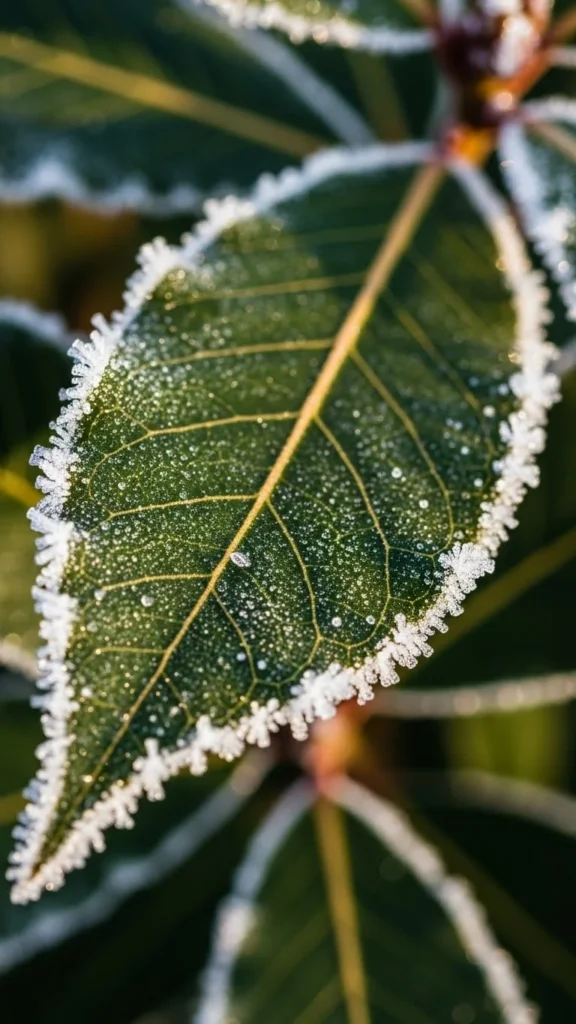
Bay laurel holds its aroma year-round, even through cold months. The leaves release scent when touched, so planting near steps or gates makes sense. You can grow it in a container if your winters get harsh. Wrap the pot with jute or place it in a corner shielded from wind. If you’re watching your budget, buy a small starter plant and shape it slowly. Bay grows steadily but doesn’t demand much. Water lightly during warm winter spells. Trim sparingly to keep the form tidy. The plant also doubles as a kitchen helper, so you get extra value.
9. Juniper
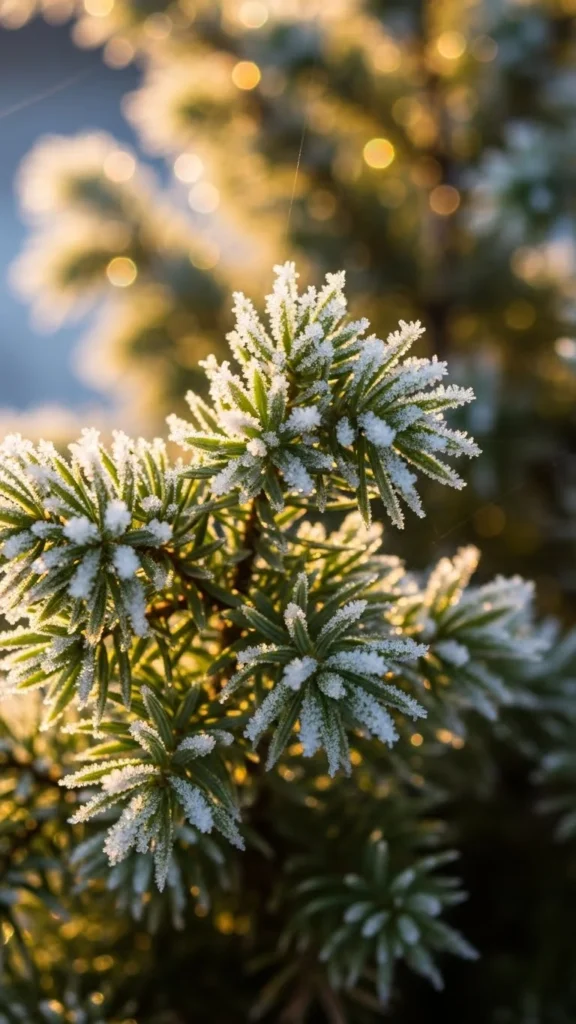
Juniper brings crisp scent even on freezing mornings. The evergreen needles keep their color, giving your yard steady structure. Plant it as a low hedge or a single focal point. If your budget is tight, buy smaller plants; they spread well over time. Juniper loves dry soil, making it easy to maintain. Add gravel around the base to prevent soggy conditions. Place it near paths so the scent mixes with winter air as you walk by. This plant stays strong during cold snaps and offers layers of fragrance when warmed by sun.
10. Paperbush (Edgeworthia)
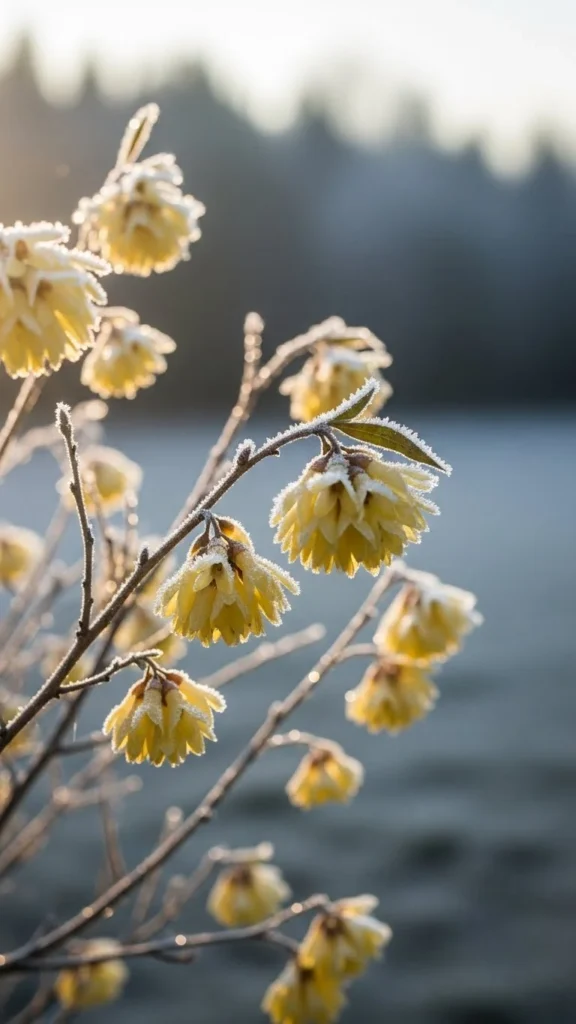
Paperbush produces sweet-scented blooms during late winter. The flower clusters glow against bare branches, making them noticeable from a distance. Plant it near windows so you enjoy the scent indoors too. If you’re saving money, choose smaller shrub sizes; paperbush fills out beautifully over time. It prefers a sheltered location, so place it near a wall or fence. Add mulch to keep soil comfortable. Water lightly during extended dry periods. The plant pairs well with evergreens, creating a nice winter mix of scent and shape.
11. Viburnum × bodnantense
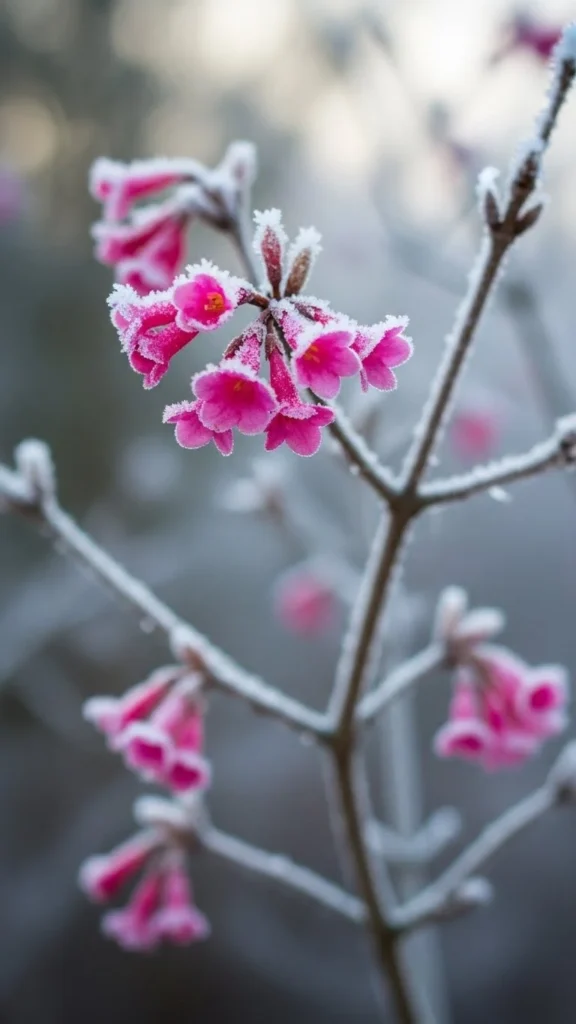
This viburnum variety blooms early with soft scent and pink flowers. The fragrance carries well through calm winter air. Plant it near patios or decks for easy enjoyment. If you want to stay on budget, start with one shrub and let it grow naturally. It becomes fuller each year. Add a thin layer of compost in fall to keep it steady. Prune lightly after blooms fade. Water only if conditions stay dry for weeks. This plant brings color and aroma when little else grows.
12. Wintergreen
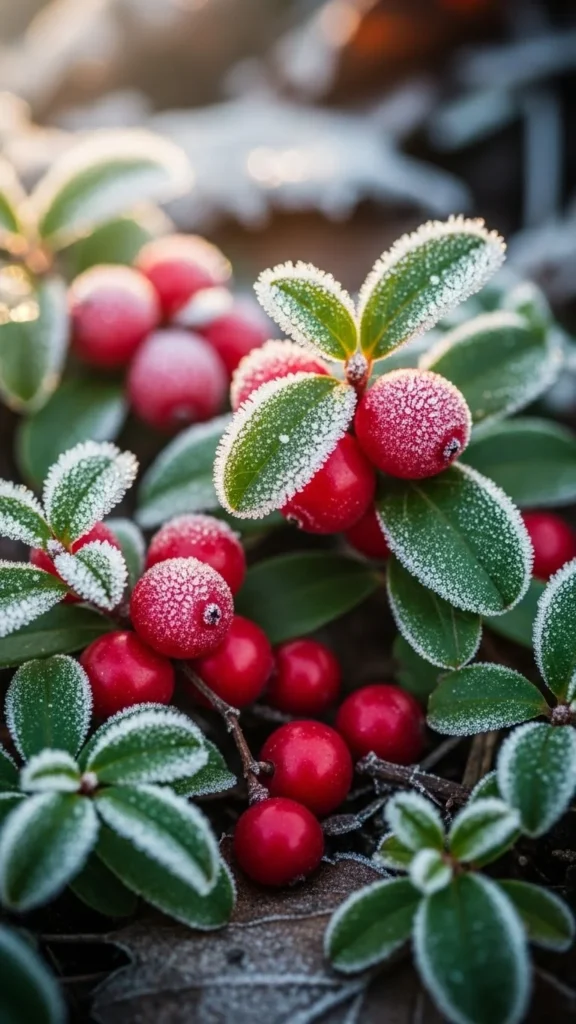
Wintergreen carries a gentle minty scent that lingers through winter. The red berries and shiny leaves add brightness to shady areas. Plant it as a groundcover near paths or around shrubs. If you’re watching costs, buy one or two small pots and let them spread naturally. Keep soil lightly moist but not wet. Add pine needles as mulch for a natural finish. The scent often releases when the leaves warm up on sunny winter afternoons. This plant grows low, making it great for filling gaps in quiet corners.
13. Snowdrops (Fragrant Types)
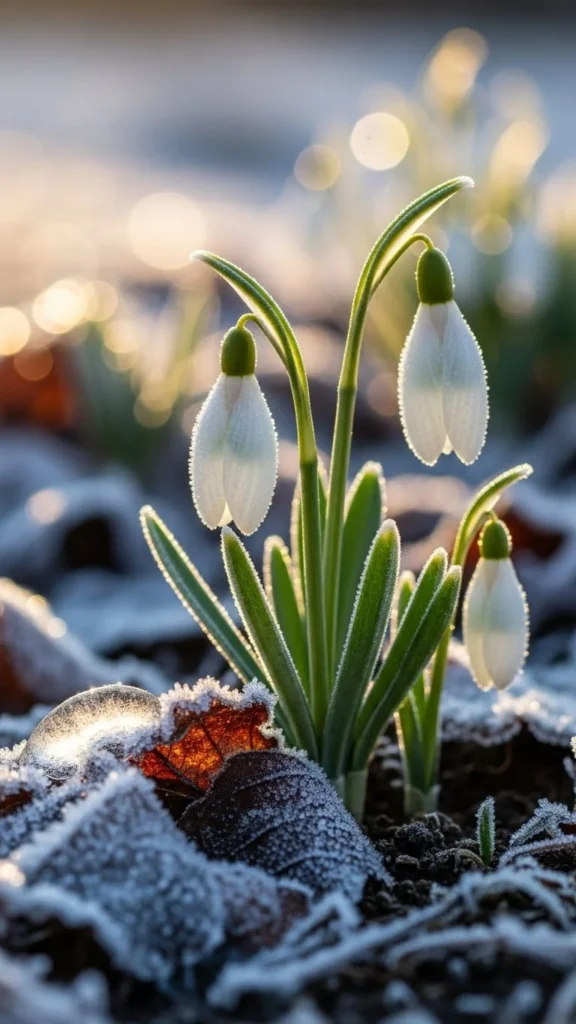
Some snowdrop varieties offer gentle winter scent. The tiny white flowers bring charm to bare soil. Plant them in clusters along walkways or at the base of shrubs. If your budget is tight, purchase bulbs in bulk—they’re usually inexpensive. Plant them in fall for winter blooms. Water lightly after planting and let nature handle the rest. Snowdrops return each year and slowly spread. Their fragrance feels soft but pleasant when you lean close. Mix them with winter heathers for added color.
14. Korean Spice Viburnum
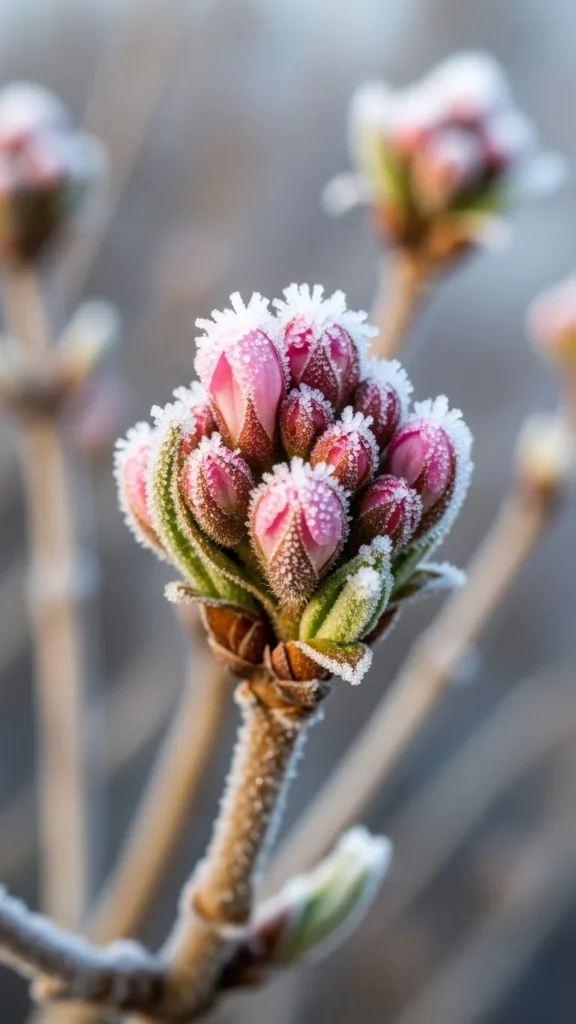
Korean spice viburnum brings sweet fragrance as buds start opening late in the cold season. The clusters show soft pink hints before turning white. Plant it near your entrance or driveway. If you’re working with a smaller budget, buy younger plants; they mature nicely. Add mulch to help roots stay comfortable. Water sparingly during long dry spells. Prune only after blooming. This shrub looks neat all year and brings strong aroma once temperatures shift toward early spring.
15. Mahonia
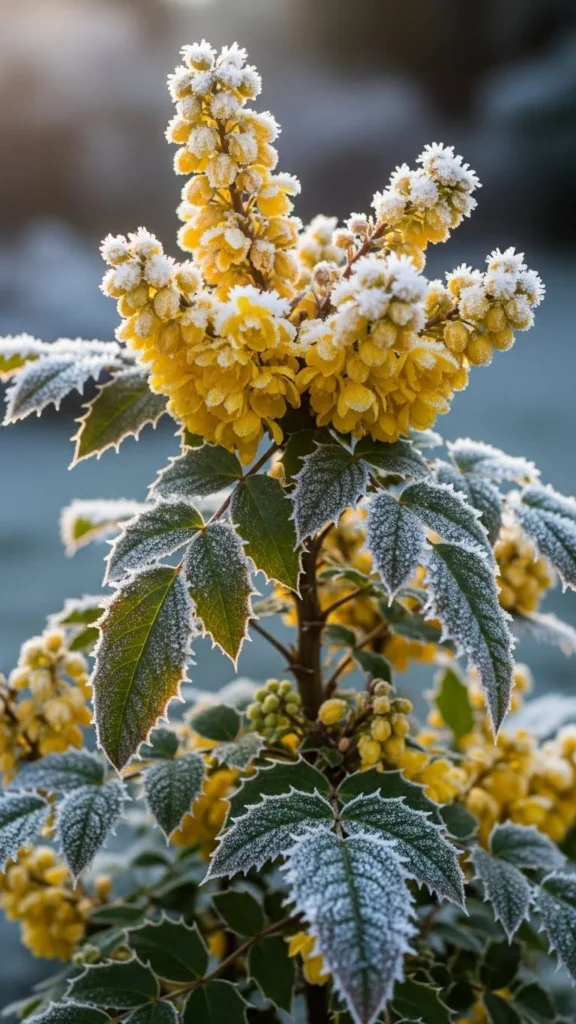
Mahonia adds lemony fragrance during winter months. Its bright yellow flowers stand out against dark foliage. Plant it in a partially shaded spot. If you’re saving money, choose a starter plant—mahonia grows into a tall, striking shrub over time. Add compost each fall. Keep soil lightly moist. The fragrant flowers appear even in cold weather. Place it near a walkway or corner where you want winter color and scent. Birds also visit mahonia berries later in the season.
16. Christmas Box
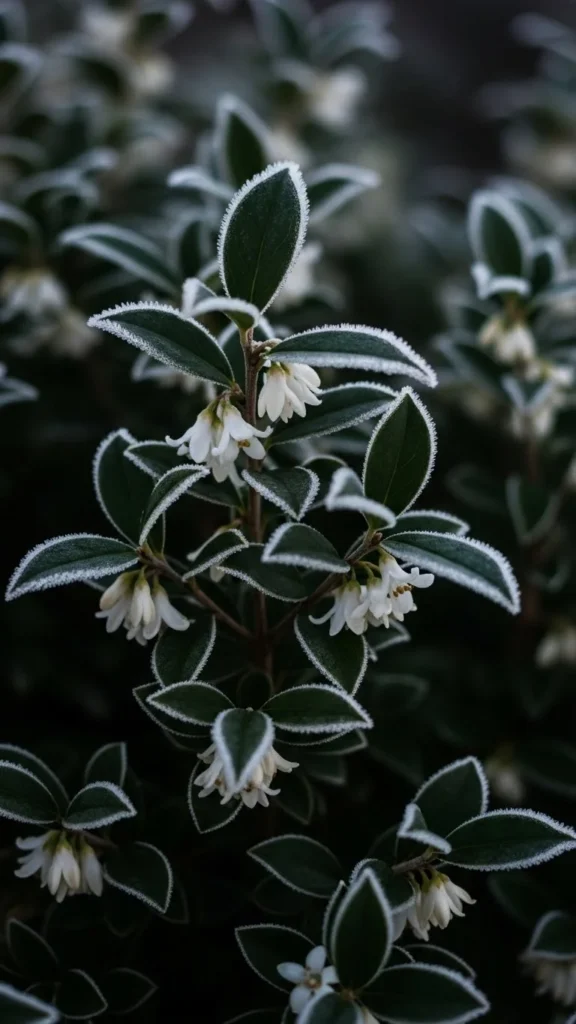
Christmas box brings strong winter fragrance from tiny white flowers. The evergreen leaves stay tidy, making it perfect for shady pathways. If you’re watching your spending, buy smaller sizes; they fill out with time. Add mulch during fall to help them stay comfortable. Water sparingly. The scent becomes noticeable in calm air, so plant them near sheltered garden corners. Christmas box pairs well with ferns or hellebores for easy, low-maintenance winter layers.
17. Hellebore (Fragrant Varieties)
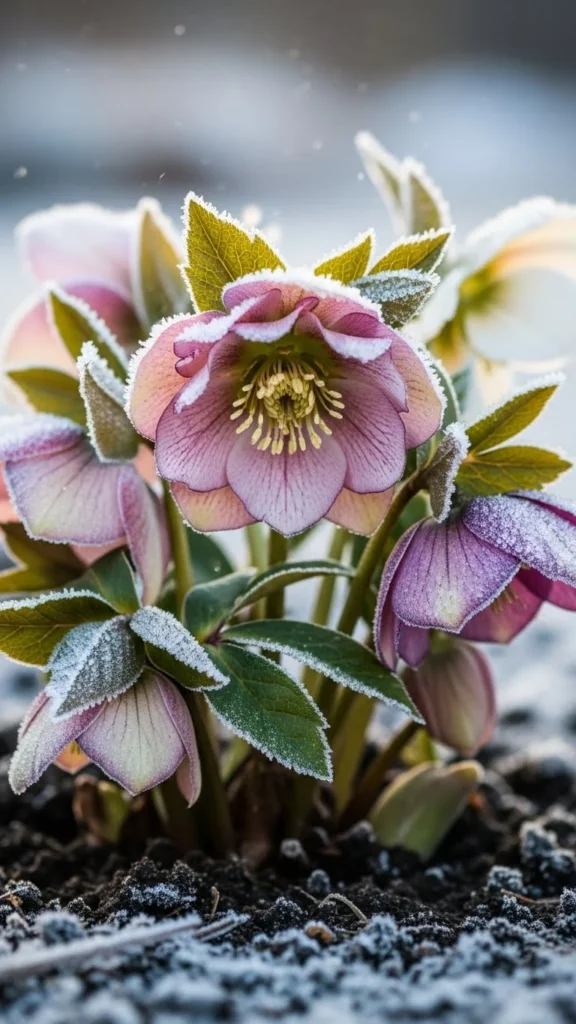
Some hellebore varieties carry subtle fragrance. Their blooms appear even in mid-winter, adding interest to shaded spots. Plant them near seating areas so you can admire the flowers. If you’re managing costs, purchase small potted varieties—they grow slowly but steadily. Add compost in fall. Keep mulch thin so stems stay firm. The flowers hang slightly downward, so place them on a gentle slope for better viewing. Their scent feels soft but pleasant, especially on sunny days.
18. Winter Jasmine
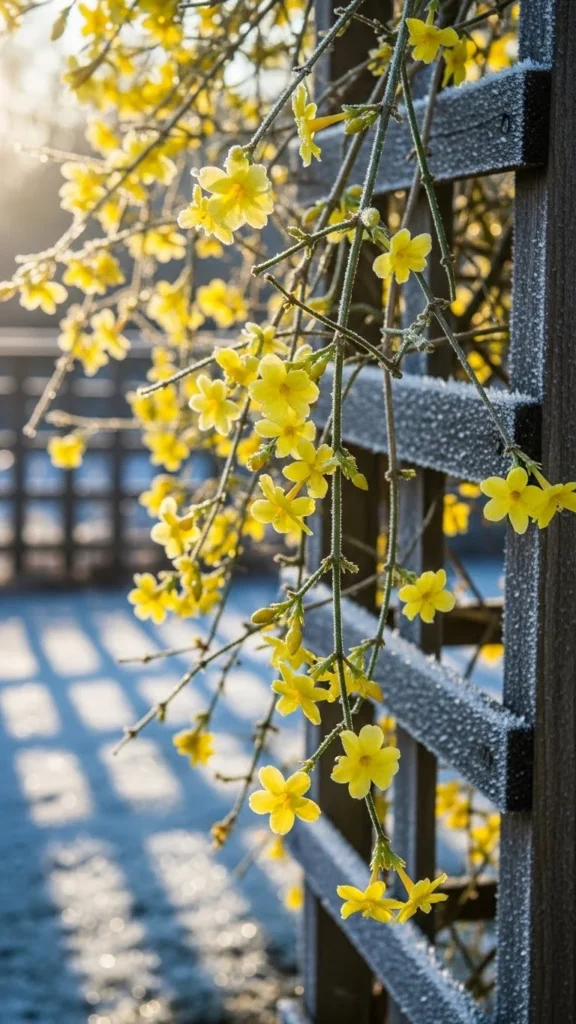
Winter jasmine offers a light scent alongside bright yellow blooms. Train it along a fence or trellis for a cheerful winter display. If you’re saving money, buy a small starter plant—it climbs steadily. Water only during long dry spells. Add mulch to help protect roots. Winter jasmine brightens any cold area with its color and gentle fragrance. Place it where sunlight can hit the blooms for best scent. The plant stays easy to maintain once settled.
19. Lemon Thyme
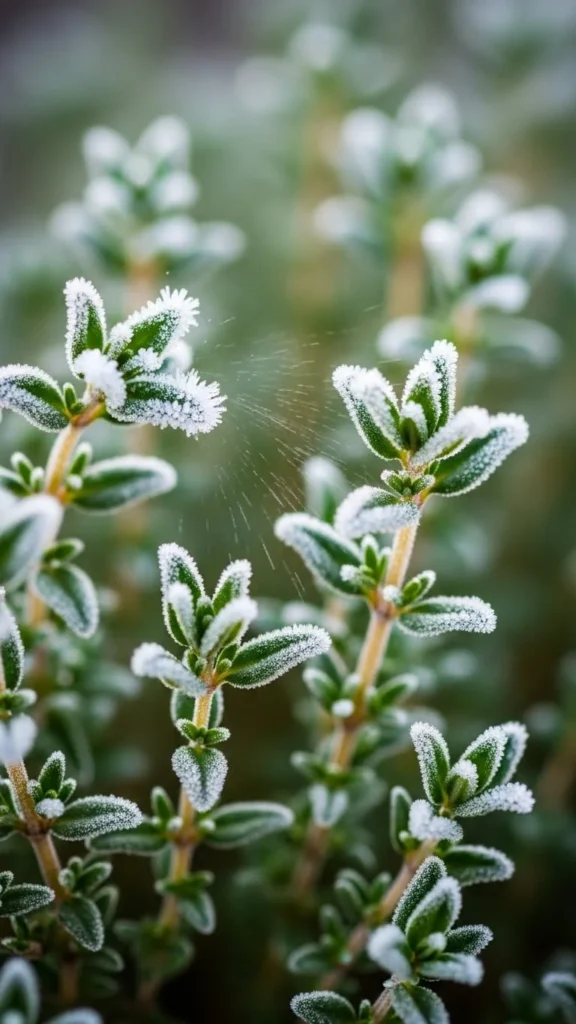
Lemon thyme keeps its citrus aroma through cold months. The compact shape works well for borders, containers, or gaps in stone pathways. If you’re keeping expenses low, buy one small pot and divide it the following year. Let the soil stay dry between waterings. Add gravel for drainage. The plant releases its scent when brushed by hand or warmed by afternoon sun. Place it near steps so you walk past it often. It also grows well indoors if you want a kitchen companion.
20. Sage (Hardy Varieties)
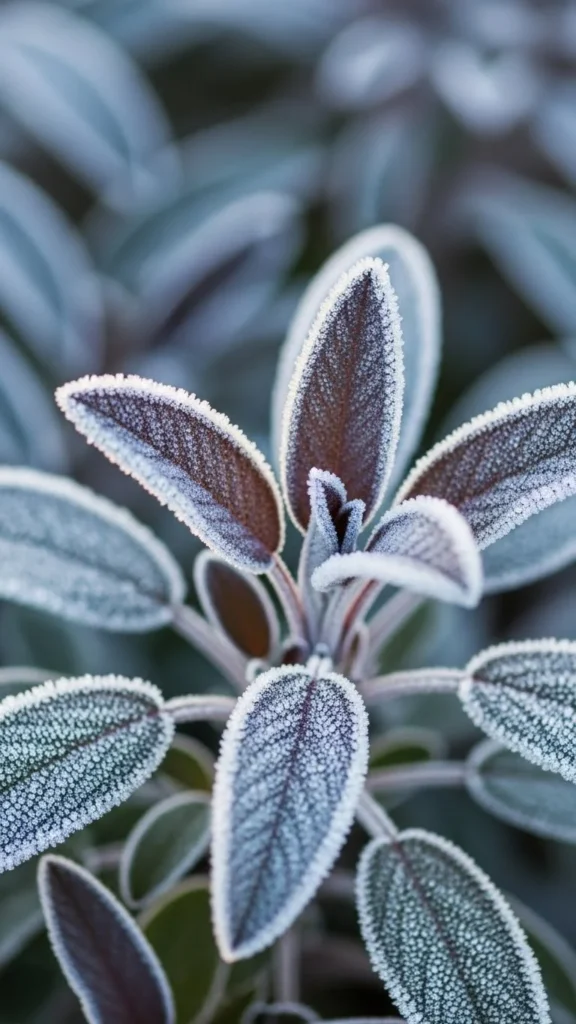
Hardy sage holds its earthy scent even in winter. The textured leaves add interest to quiet beds. Plant it near pathways or raised beds for easy access. If you’re sticking to a budget, choose small plants and let them grow naturally. Keep soil on the dry side. Add light mulch to help during freeze cycles. Trim lightly to maintain shape. The scent intensifies when sunlight warms the leaves. Sage also works well in pots on patios or porches.
21. Mountain Pepper
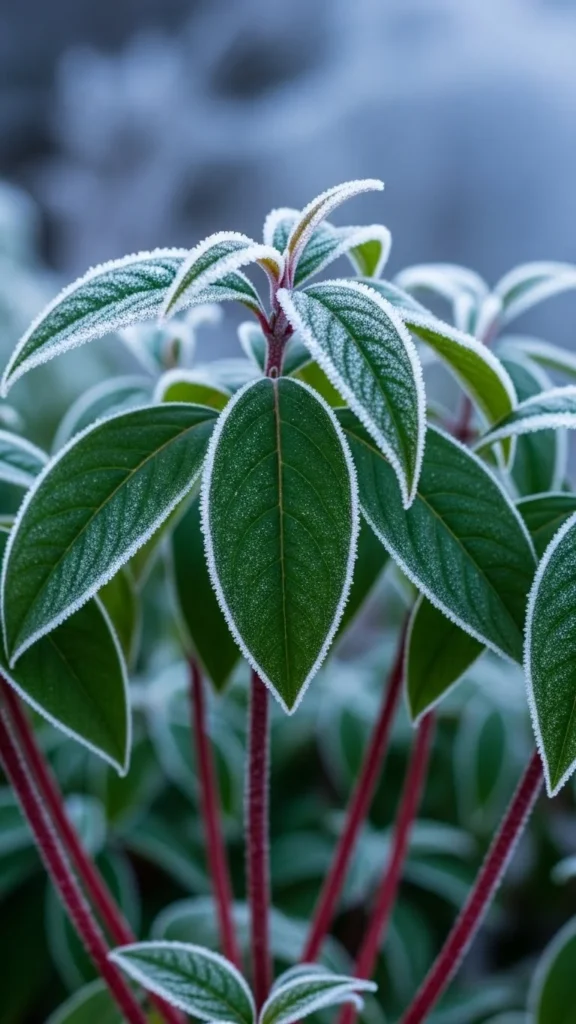
Mountain pepper produces aromatic leaves that stay fragrant in cold weather. The red stems add color to the winter landscape. Plant it in a sheltered corner with partial shade. If you’re saving money, start with a small plant; it grows steadily. Water lightly during warm spells. Add mulch to help regulate temperature. The leaves release scent when rubbed, making this plant a fun addition near seating areas. It also brings structure with its upright form.
22. Winter Pansies (Fragrant Varieties)
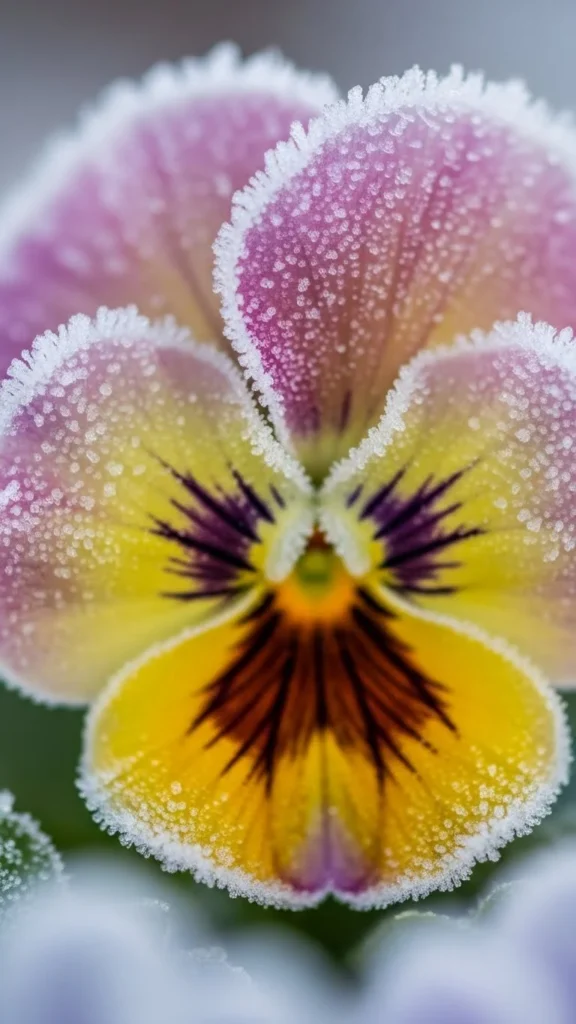
Some winter pansies carry gentle perfume that surprises you on sunny winter days. They bloom long through the cold season, keeping color in your yard. Plant them near porch steps or walkways for easy viewing. If you’re sticking with a modest budget, buy a multipack of young plants; they settle in quickly. Add compost during planting. Water lightly but regularly. Their fragrance becomes noticeable when sunlight hits the petals. You can mix them with violas for extra charm.
23. Winter Heathers
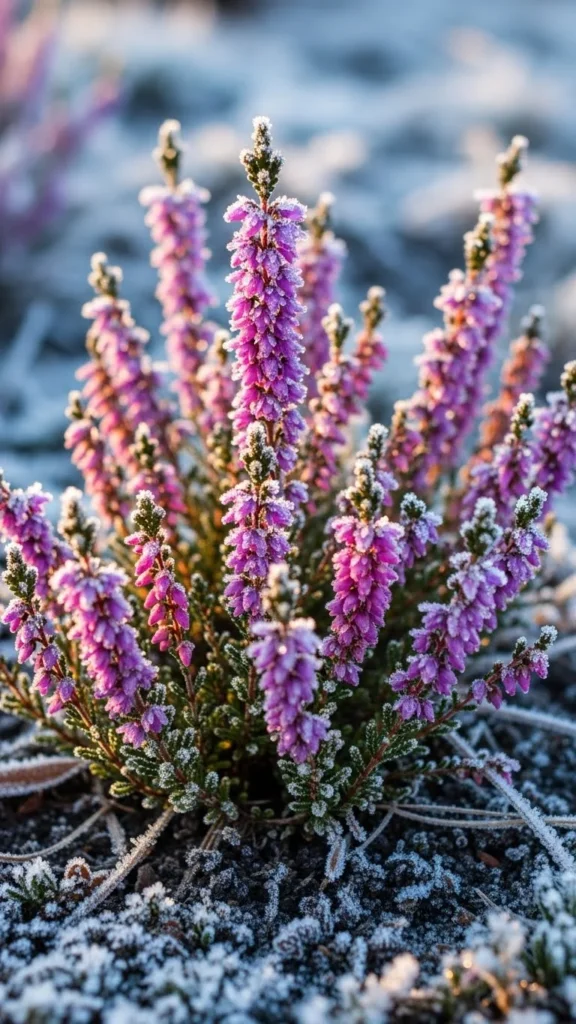
Winter heathers bring soft floral scent and bright color through the cold months. Their low growth helps fill empty garden spaces. Plant them in groups for stronger impact. If you’re on a budget, buy smaller pots—they spread nicely. Add sandy soil for better drainage. Water during dry spells, but avoid overwatering. Their fragrance feels mild but pleasant when you pass close by. Winter heathers also attract pollinators when weather warms slightly.
Conclusion
Winter fragrance makes your yard feel alive even on the coldest days. These plants offer scent, color, and structure without demanding complex care or big spending. Start with one or two varieties and place them near entries, paths, or windows where you enjoy them most. With simple steps and thoughtful placement, your outdoor space can smell inviting all winter long.

Leave a Reply