

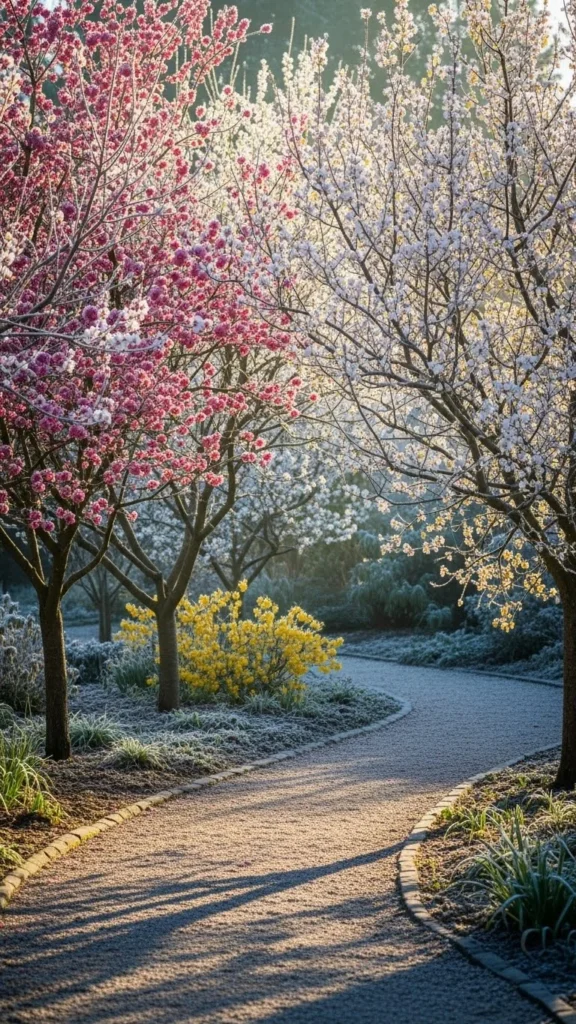
Winter can feel long, cold, and colorless. But some trees don’t wait for spring. They open their blossoms right when days feel darkest. These winter-blooming trees bring soft petals, light fragrance, and calm beauty to any outdoor space. This guide shares trees that flower in late fall, mid-winter, or early spring, so your yard can stay bright even when temperatures drop. You’ll also get simple care tips, easy planting ideas, and budget-friendly ways to bring these quiet blooms into small or large garden spaces.
1. Witch Hazel
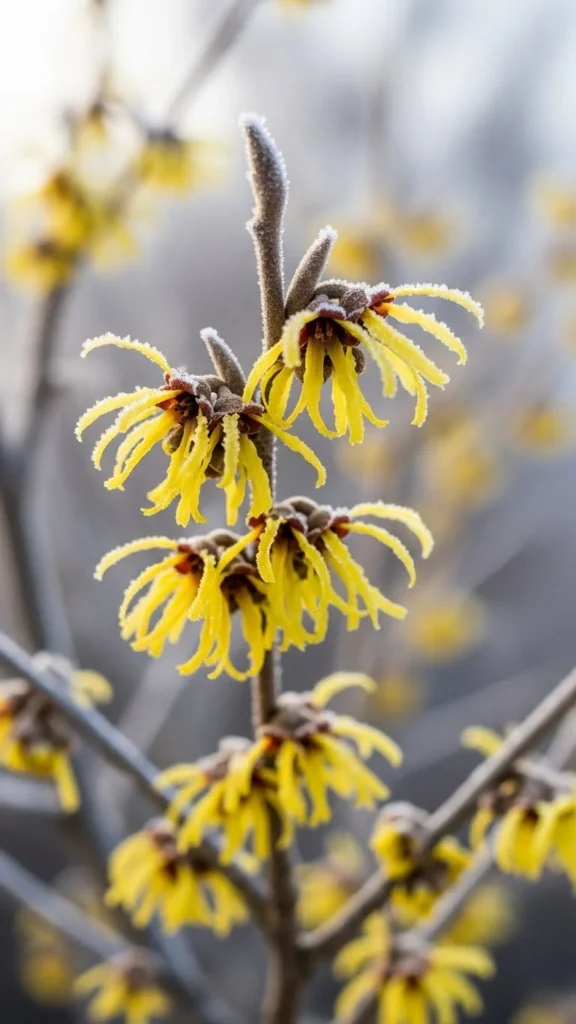
Witch hazel stands out during cold months because it blooms when most plants go dormant. The tiny ribbon-like flowers add cheerful color. This tree works well in small yards and corner spaces. Try planting it near a walkway so you can enjoy the flowers up close.
Keep the soil slightly moist. Add a layer of mulch to help protect the roots from freezing. If you want a simple DIY project, place a few solar lanterns around the base of the tree. The warm light will highlight the yellow blooms at night and make your garden feel more welcoming.
You can buy young witch hazel trees at garden centers for a reasonable price. Pick a sunny or lightly shaded area. Once it settles in, it becomes easy to care for through winter.
2. Japanese Apricot
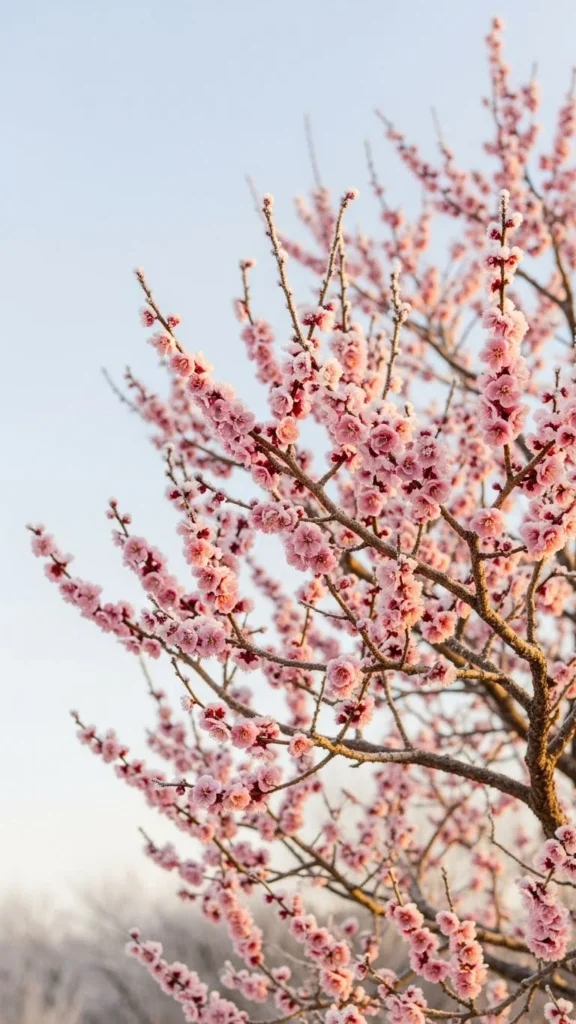
The Japanese apricot tree is one of the earliest bloomers of the colder season. Its pink blossoms appear before leaves arrive, giving the branches a soft, airy look. This tree brings a calming charm to any yard.
Choose a sunny spot with well-drained soil. Water it lightly during dry weeks. A simple way to save money is to amend your soil with homemade compost. This helps the roots take hold without buying expensive products.
For a cute DIY idea, place a small bench nearby. The flowers create a peaceful backdrop for morning tea or quiet breaks. If space is tight, choose a dwarf variety. It grows well in large pots and still blooms beautifully through winter.
3. Wintersweet
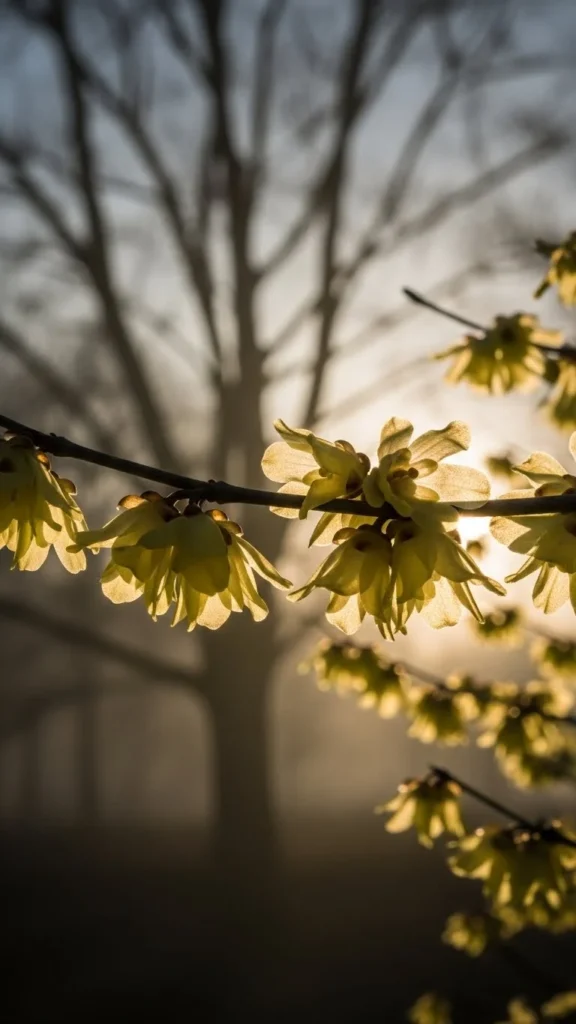
Wintersweet has delicate yellow blooms that appear in mid-winter. Even in cold air, the flowers open steadily and hold their shape. This tree is perfect for gardeners who want subtle color and gentle fragrance.
Pick a sunny location. Wintersweet tolerates cold soil well, so you don’t need to baby it. Add mulch to help keep warmth around the roots. A budget idea is to use shredded leaves from your yard instead of buying mulch.
You can also cut a few branches and place them in a vase indoors. The flowers open even after cutting, giving your home a soft winter look. Place the tree near a fence or wall so the bare structure behind it helps highlight the blooms.
4. Forsythia Tree Form
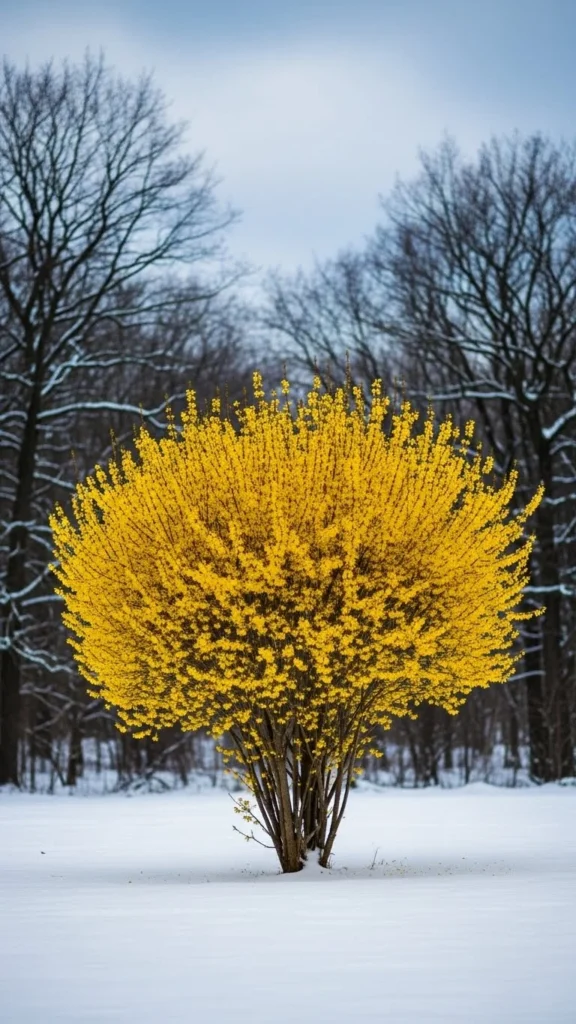
Forsythia usually grows as a shrub, but tree-form versions bring height and structure. The golden blooms appear late in winter and create a burst of color before spring arrives.
Choose a sunny area. Forsythia grows quickly and doesn’t ask for much care. Trim it lightly after blooming to keep the shape tidy. You can use fallen branches for simple DIY plant supports in your garden beds.
If you’re on a budget, buy a small tree-form plant and let it grow naturally. With time, it develops a beautiful umbrella shape. Pair it with dark mulch or evergreen ground covers to make the yellow flowers stand out even more.
5. Camellia ‘Yuletide’
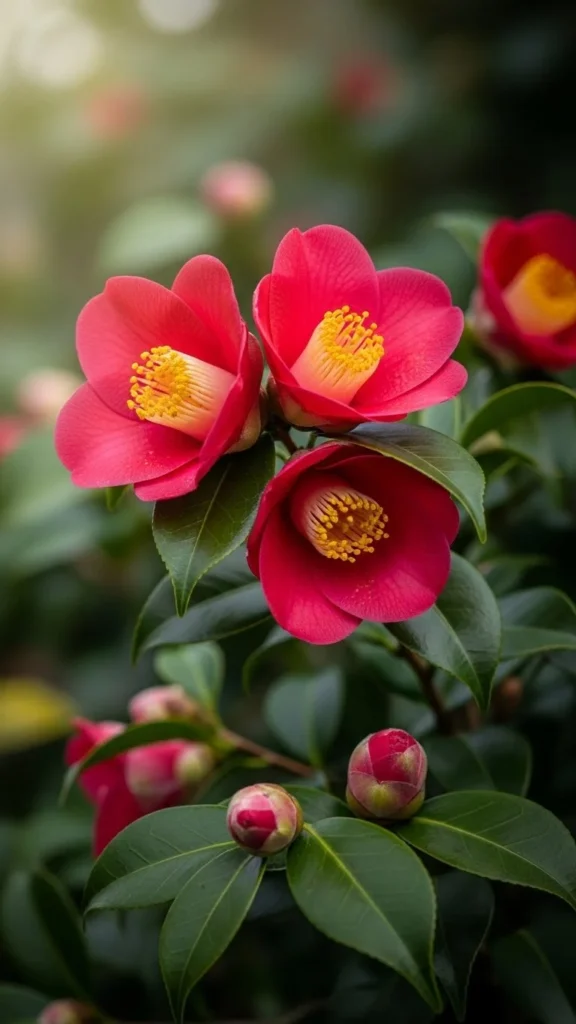
This camellia variety blooms in late fall and early winter. Its red petals and bright centers look lively even on cloudy days. The evergreen leaves stay glossy all year, giving your yard a polished look.
Plant it near your home’s entrance to enjoy the blooms every time you walk outside. Water regularly but lightly. A simple DIY trick is to add pine needles around the base. They help the soil stay slightly acidic, which camellias enjoy.
If you like winter color without much effort, this tree earns a spot in your garden. It also works well in budget-friendly containers if you don’t have space in the ground.
6. Paperbush (Edgeworthia)
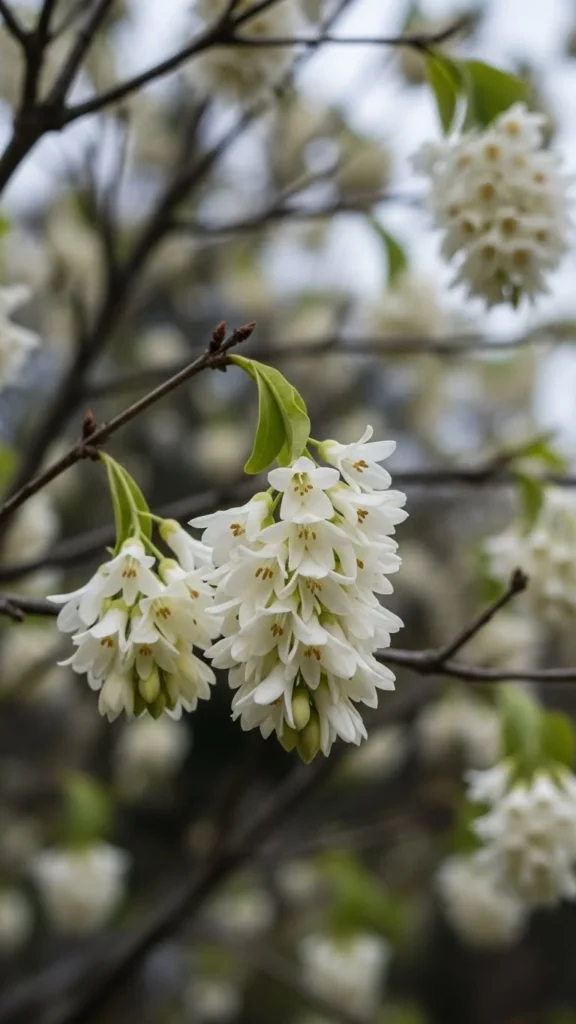
Paperbush opens round clusters of creamy flowers that look soft and warm against winter’s cold scenery. It’s a small tree that fits nicely in tight spaces.
Pick a partly shaded spot. Paperbush loves moist soil, so add compost to help it stay hydrated. A simple drip line made from recycled water bottles can help provide slow watering without much cost.
This tree also pairs well with winter ferns or low evergreen plants. Their deep green color makes the pale blooms look brighter. Paperbush is especially charming near patios, where you can admire its winter flowers without stepping into the cold.
7. Winter Jasmine Tree-Form
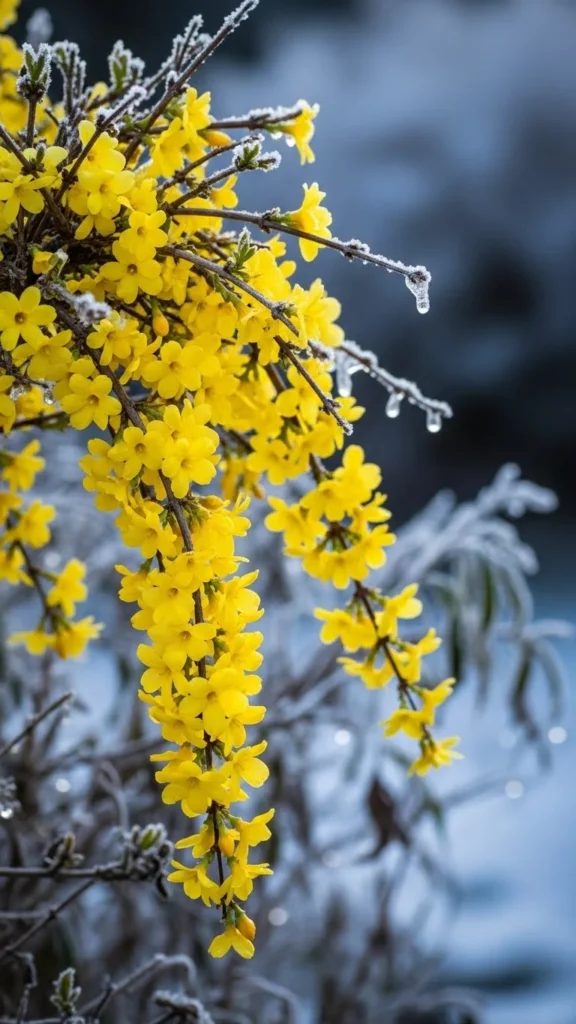
Winter jasmine usually grows as a vine, but trained tree-form versions create a fountain shape full of flowers. The bright blooms appear early in the season.
Pick a sunny place. Winter jasmine handles dry spells well. Add simple stakes or bamboo to support branches as it grows. These can be made from trimmed yard branches to save money.
Place it near a wall or fence. The yellow blossoms pop against darker backgrounds. If you enjoy DIY projects, wrap soft LED lights around the trunk for gentle nighttime sparkle without harming the plant.
8. Cornelian Cherry Dogwood
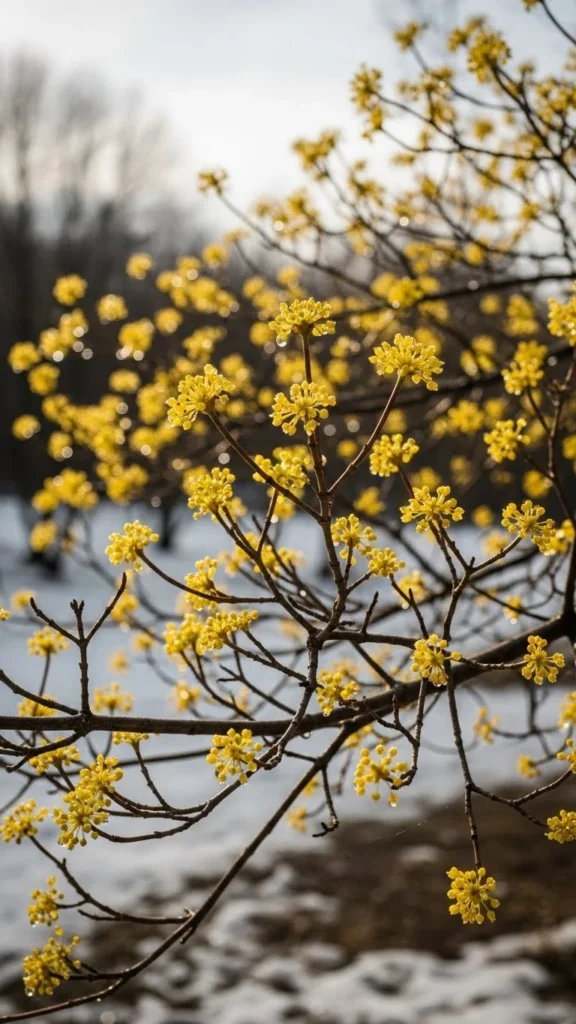
This small dogwood blooms early in the year with clusters of tiny golden flowers. It adds a cheerful glow when the landscape feels quiet.
Choose a sunny or lightly shaded area. Water during dry patches. An easy DIY idea is to create a simple stone border around the tree using rocks from your yard. It helps define the space without spending much.
The tree grows slowly but rewards you with reliable winter color each year. Plant it where you can see it from a window so you can enjoy the blooms without stepping outside.
9. Higan Cherry
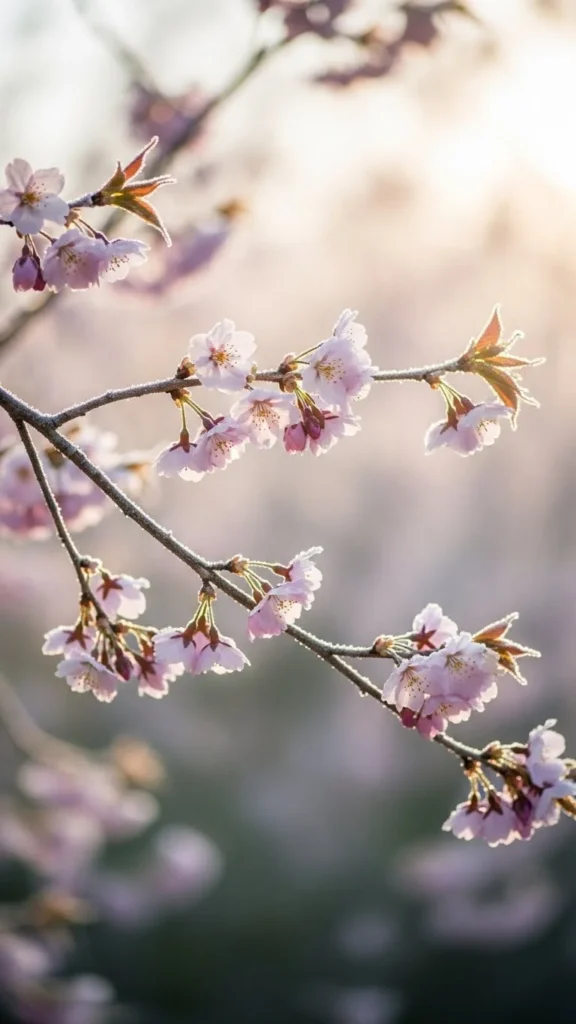
Higan cherry trees offer delicate pink blossoms during late winter. The petals look gentle and light, perfect for brightening quiet days.
Pick a sunny location with plenty of space for the tree to spread. Use mulch to help protect the roots from extreme cold. A simple DIY project is to add a small path of stepping stones near the tree. It creates a pretty spot for photos in early spring.
This tree grows well even in smaller suburban yards. The early flowers bring life to the garden long before other trees begin to wake up.
10. Winter Hazel
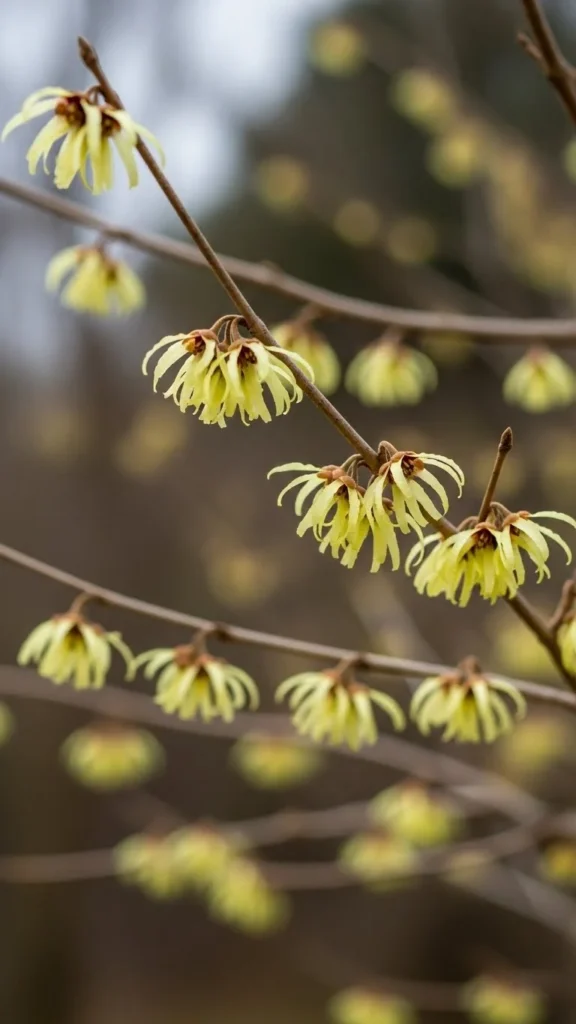
Winter hazel offers soft yellow flowers that open just before spring. They look like tiny hanging bells and bring gentle brightness to cold days.
Plant it in partial shade for best results. Keep the soil lightly moist. A low-cost tip is to mix compost from kitchen scraps into the soil before planting.
Place this tree near a walkway or patio so you can see the flowers up close. The blooms sway lightly in winter winds, adding movement to otherwise still garden spaces. Pair with mossy stones or evergreen shrubs for a simple natural design.
11. Winter Redbud
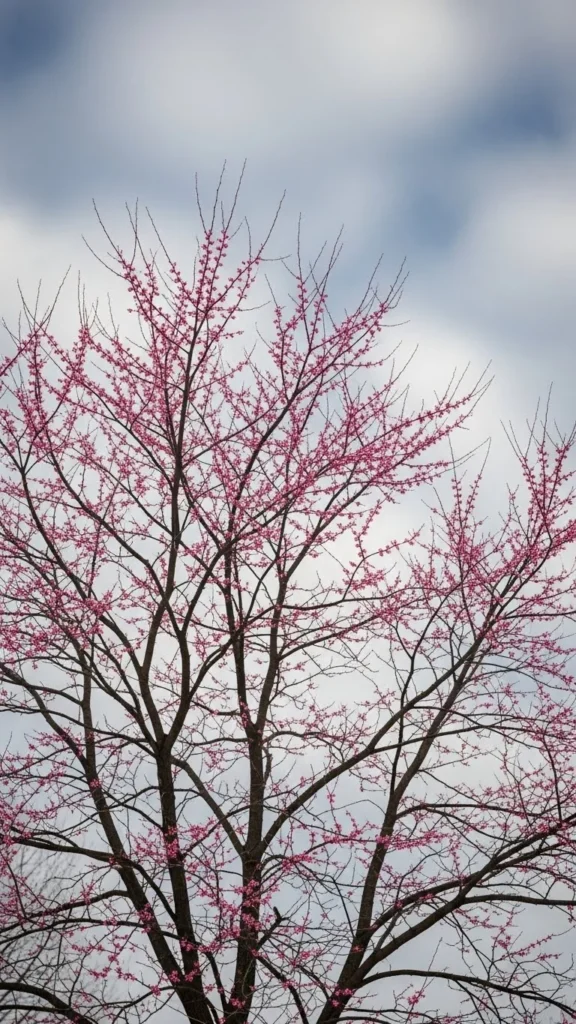
Winter redbuds begin forming bright buds long before spring. Their pink tones add color even before the flowers fully open.
Choose a sunny location. Redbuds grow well in most soils. Add a layer of leaf mulch in fall. This keeps the roots warm without spending extra.
A fun DIY idea is to place a small wooden sign near the tree with the planting year. As the tree grows, you’ll enjoy seeing its progress each winter. The soft buds are especially pretty after a light frost.
12. Flowering Quince (Tree-Trained)
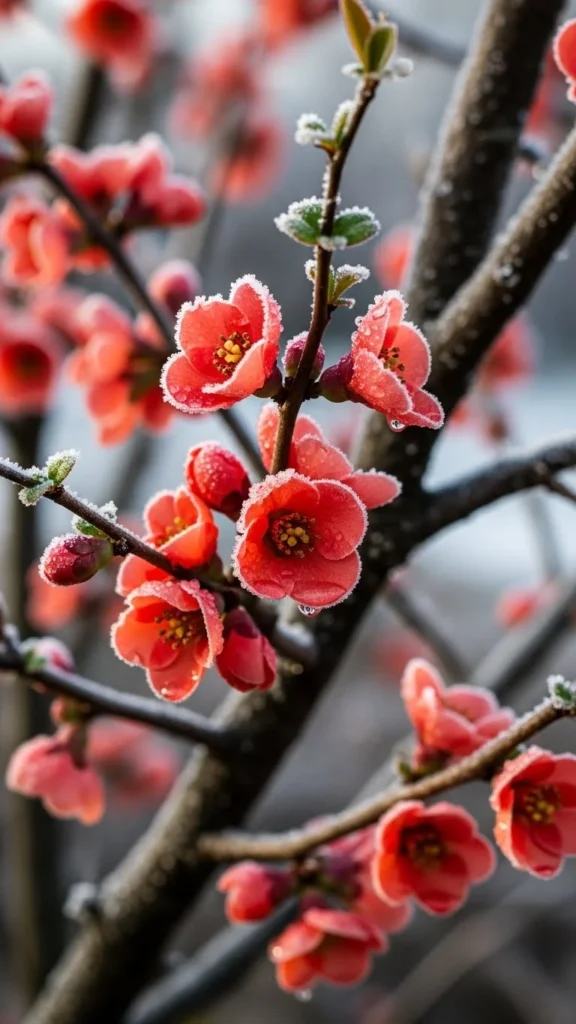
Flowering quince usually grows as a shrub, but tree-trained shapes create a neat, sculptural look. The coral-red blooms stand out beautifully against winter’s gray landscape.
Pick a sunny spot. Water lightly during dry spells. Quince is hardy and handles cold without much care. A budget-friendly tip is to prune extra branches and use them as indoor cut stems. They bloom in warm indoor air.
Place the tree near an entryway or gate. The blooms arrive early and make visitors feel welcomed even in colder months.
13. Persian Ironwood
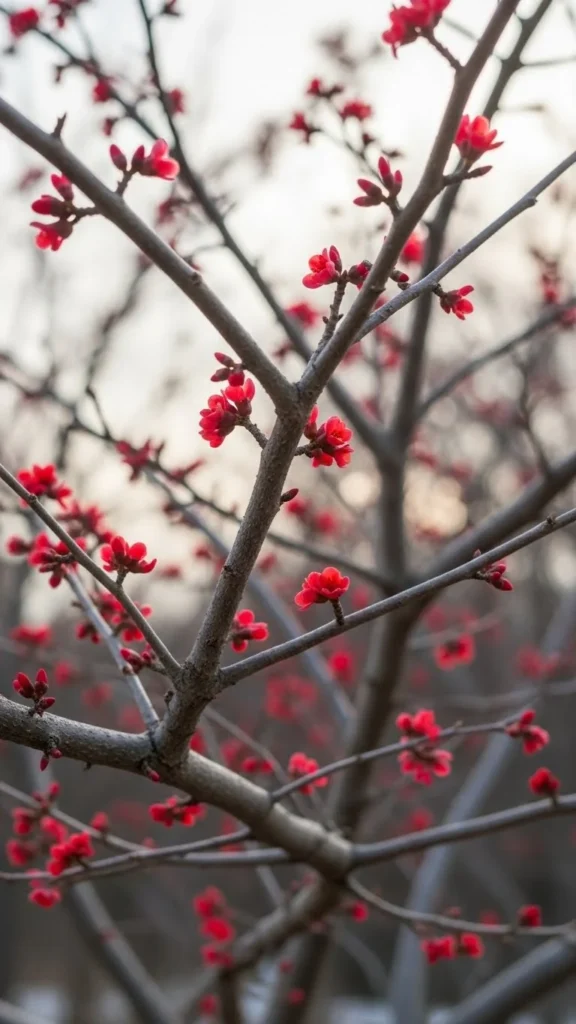
Persian ironwood produces small, deep-colored blooms in late winter. They may be tiny, but they create a striking contrast against bare branches.
Choose a sunny location with space for the tree to spread. Add a ring of mulch to help hold warmth. Use gathered yard leaves to avoid extra cost.
This tree also offers beautiful fall color, making it a year-round feature. In winter, the blossoms give your yard soft pops of red that look stunning after a light frost.
14. Silk Tassel Tree
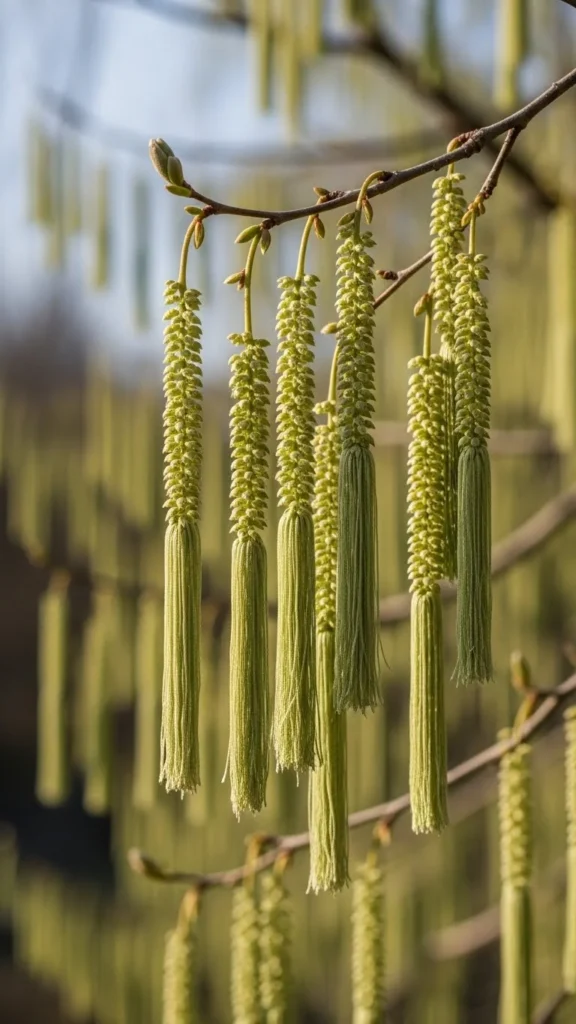
Silk tassel trees bloom with long catkins that sway gently in cold wind. The unusual shape adds texture and softness to winter gardens.
Choose a sunny or lightly shaded area. Keep the soil moist but not soggy. A simple DIY idea is to place dark stones or mulch under the tree. The pale catkins stand out more with contrast.
This tree works well for narrow spaces or along fences. Plant two together for a more dramatic winter display.
15. Snowbell Tree (Early Bloom Form)
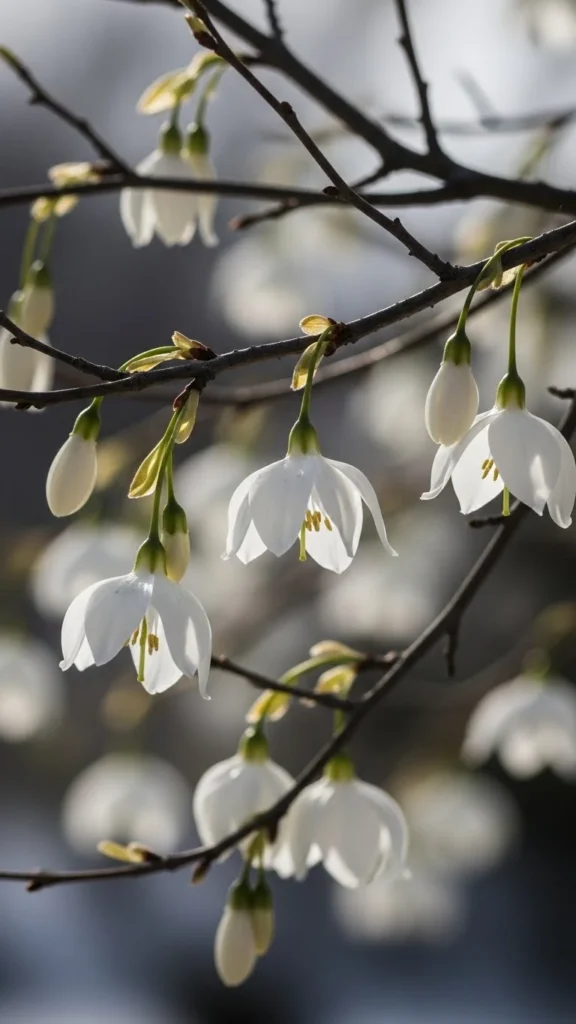
Early-bloom forms of snowbell trees bring white, bell-shaped flowers during the colder season. The blooms look clean and soft, giving yards a peaceful feel.
Pick a spot with afternoon shade. Add compost to create richer soil. Water lightly every week if there is no rain.
A budget-friendly trick is to place a few flat stones under the tree to create a small sitting spot. The white flowers look pretty from below, especially on overcast days.
16. Magnolia ‘Royal Star’
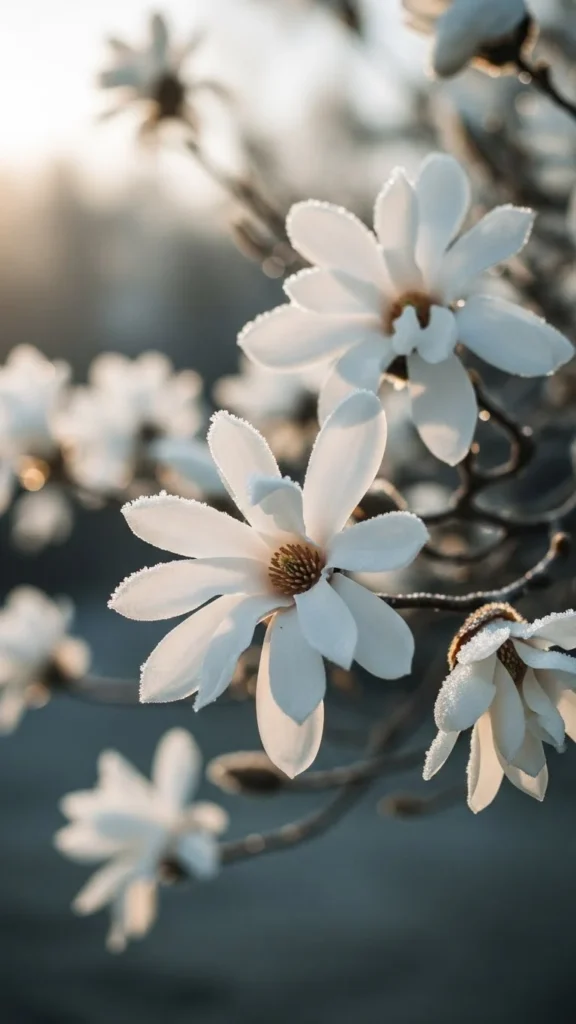
‘Royal Star’ magnolia opens early with white star-shaped blooms. They create a clean, elegant look during late winter.
Plant it in a sunny area. Keep the soil slightly moist. Mulch helps protect the roots during cold nights. If you enjoy DIY touches, add a simple wooden bench nearby. It lets you admire the blooms up close.
This magnolia grows well in small or medium yards. The bright flowers bring calm beauty before spring arrives.
17. Korean Spice Viburnum (Tree-Trained)
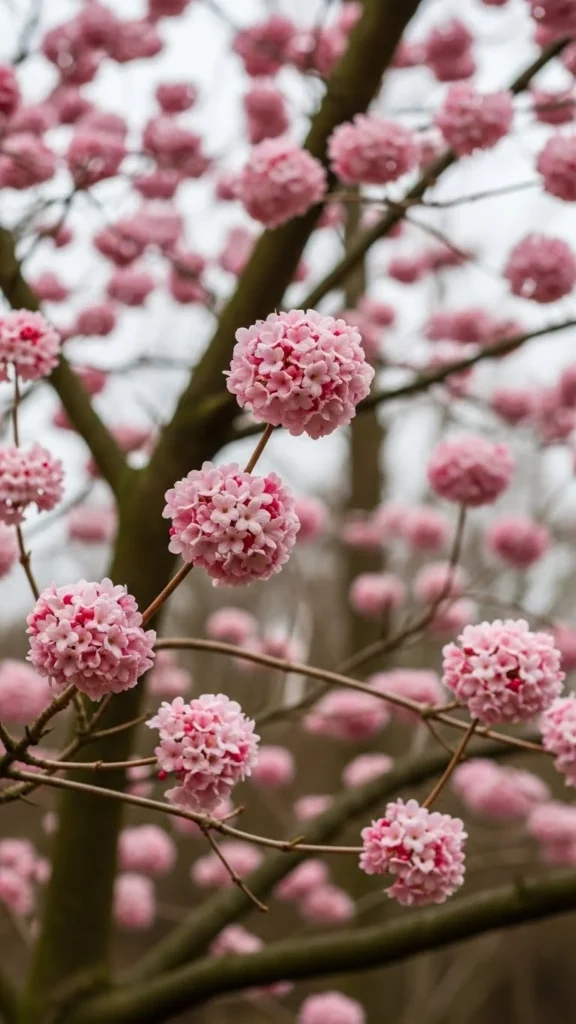
Tree-trained Korean spice viburnum gives round clusters of pink blooms during early spring. The flowers appear when temperatures are still cold, making them a welcome sight.
Pick a sunny or lightly shaded area. Add mulch for warmth. A cost-saving tip is to prune branches lightly and use them in table arrangements for late-winter gatherings.
This tree works especially well near patios or windows. You’ll enjoy the gentle color even on gloomy days.
18. Mediterranean Redbud
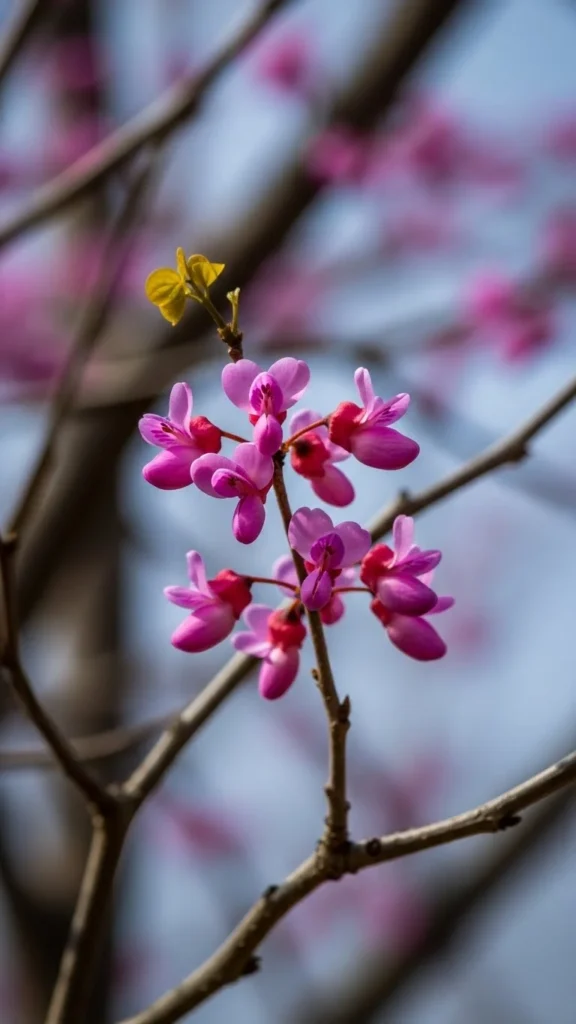
Mediterranean redbud brings early bright pink blooms that stand out against bare winter branches. It creates a cheerful look before most trees wake up.
Pick a sunny spot. This tree handles various soils well. Add a simple edging of stones to give it a neat appearance without spending money.
Place it near a pathway so you can walk under its branches. The early blossoms make the space feel warm even on cold mornings.
19. Callery Pear (Early Bloom Type)
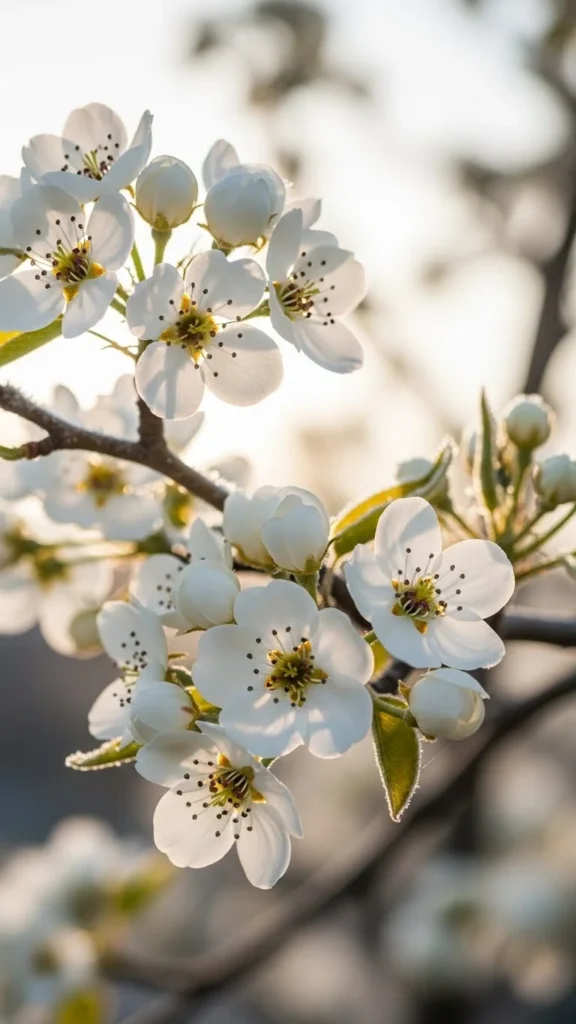
Certain types of Callery pear trees bloom in late winter, offering clouds of white flowers that look peaceful and clean.
Choose a sunny area. Keep the soil slightly moist. Add a simple border using recycled bricks for a tidy look.
These trees grow quickly, so plant them with enough space. The white blooms brighten your yard long before other trees begin showing signs of life.
20. Winter Olive
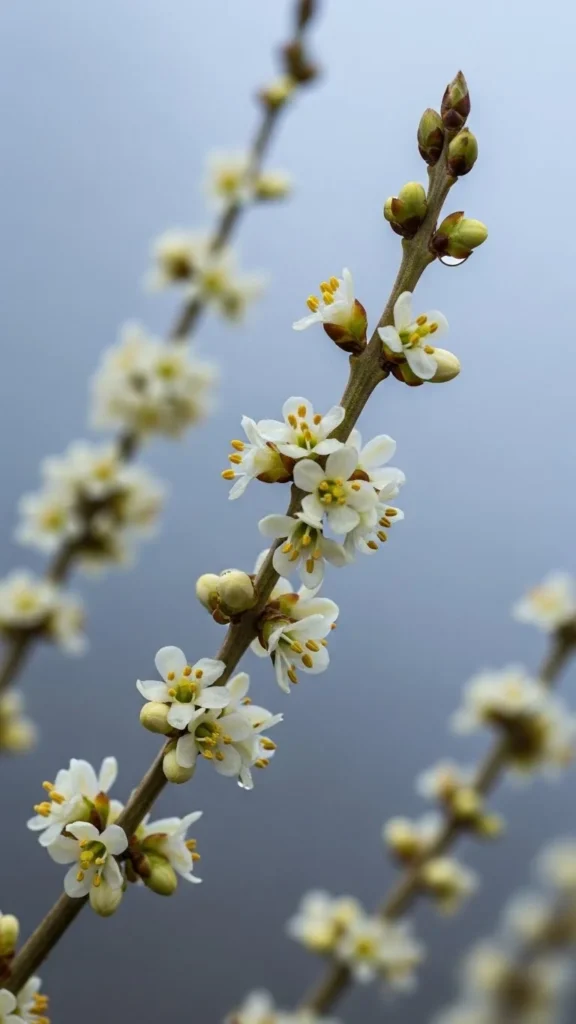
Winter olive produces small, pale blossoms early in the season. The flowers may be tiny, but they offer gentle brightness when the landscape feels gray.
Pick a sunny or lightly shaded area. Add leaf mulch for low-cost root protection. Water lightly every week if the soil dries out.
Pair it with simple evergreen shrubs to create contrast. The blossoms look especially nice after a light frost.
21. Pink Dawn Viburnum (Tree Form)
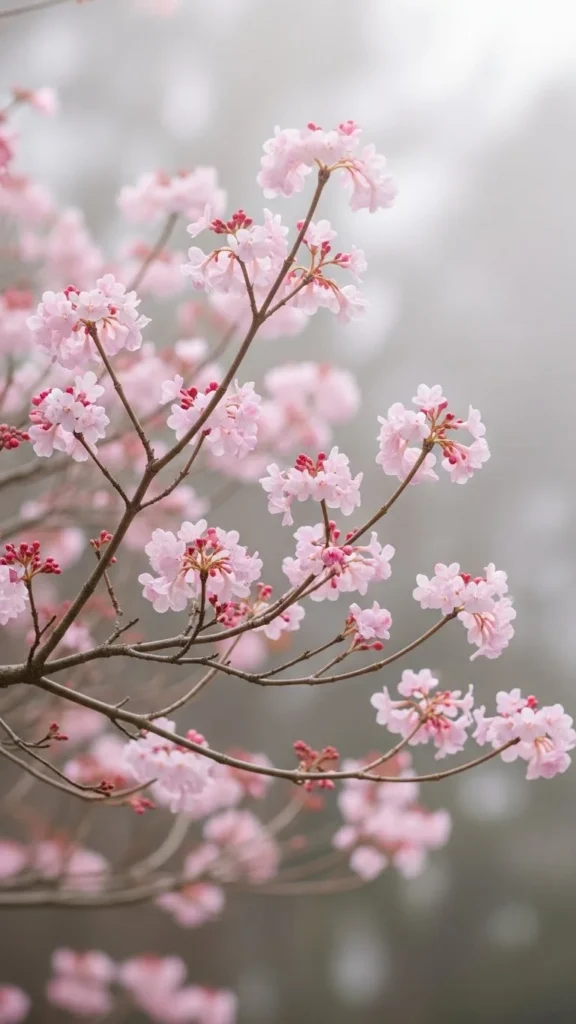
Pink Dawn viburnum opens pale pink flowers during late winter. The color adds warmth to colder days and looks lovely in small yards.
Choose a sunny area. Add compost to help the tree settle in. For a DIY touch, place a small solar lantern nearby. The soft light brings out the pink tones at night.
This tree is easy to grow and fits well in front yards, side gardens, or along walkways.
22. Winter Cherry (Prunus x subhirtella ‘Autumnalis’)
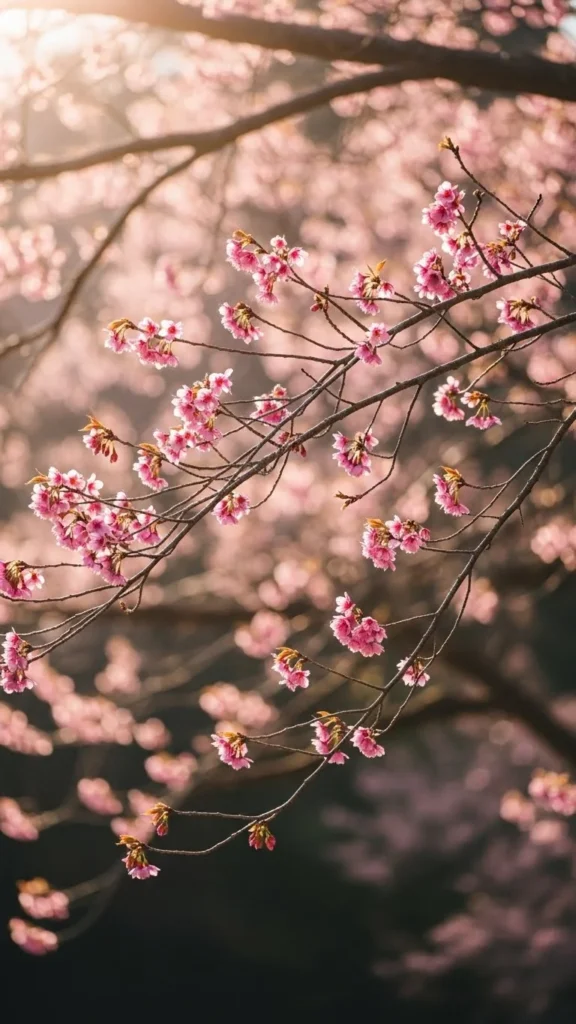
Winter cherry blooms on and off from fall through winter. Its soft pink flowers appear during warm spells, making each blooming moment feel special.
Pick a sunny space. Water lightly. A cost-saving idea is to use natural leaf mulch instead of store-bought options.
This tree brings gentle cheer during long cold months. Plant it where you can see it from inside your home so each bloom feels like a small bright moment.
Conclusion
Winter doesn’t have to feel dull or colorless. These trees bring soft blooms, gentle fragrance, and bright branches when the season feels slow. With simple care, small DIY touches, and thoughtful placement, any yard can feel lively even on the darkest days. Pick a few favorites, plant them in spots you walk past often, and enjoy the quiet beauty they bring all winter long.

Leave a Reply