

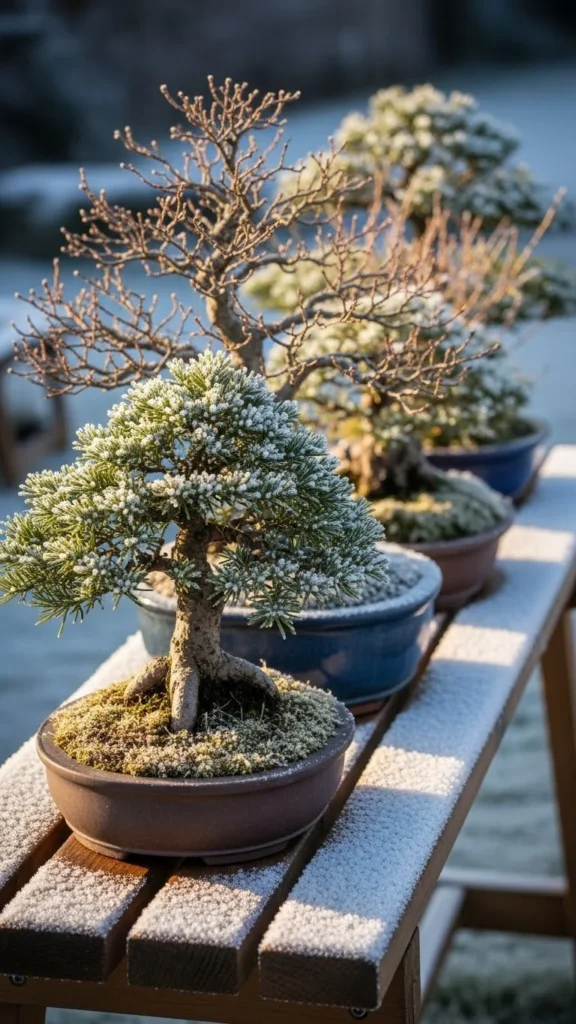
Winter can be tough on bonsai, especially when temperatures fluctuate and indoor air becomes dry. This guide walks through simple, practical techniques that help your miniature trees stay strong through the cold season. Each tip focuses on small actions anyone can do at home—no special tools or complicated steps required. Whether your bonsai sits indoors or outdoors, these ideas make winter care calmer, cheaper, and far more effective.
1. Know Your Bonsai’s Cold Tolerance
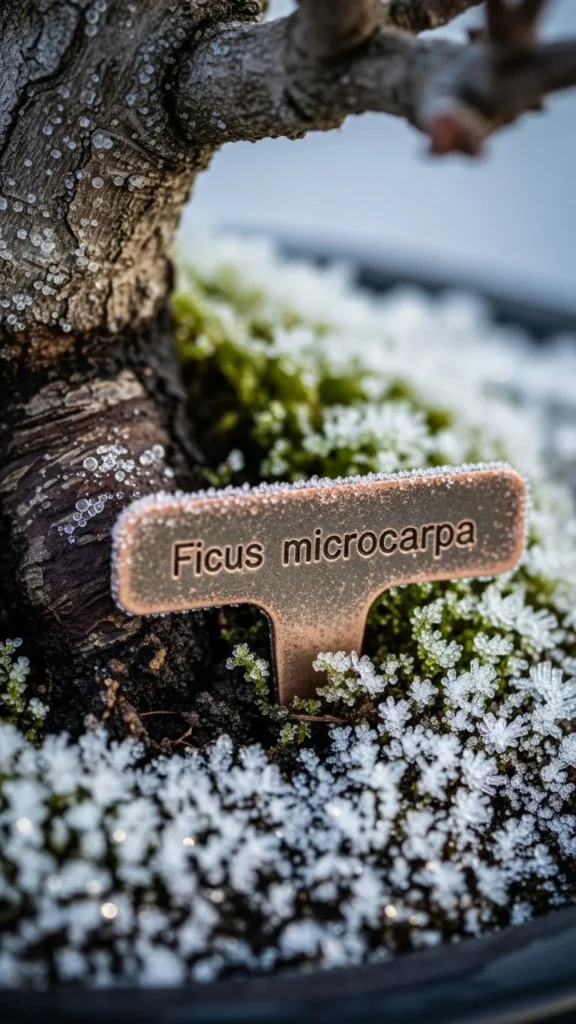
Understanding your bonsai’s cold tolerance helps you decide how and where to place it during the colder months. Each species reacts differently, so take a moment to double-check what your particular tree prefers. Some outdoor varieties enjoy chilly air, while others weaken quickly when exposed to frost. Keep a simple notebook or phone list of your tree types. This makes winter planning easier because you know which ones must come indoors early. If you’re unsure, observe leaf color and dryness patterns throughout fall. They often hint at stress before temperatures drop. For an inexpensive solution, print small weather-tolerance tags and attach them to each pot. This helps you avoid last-minute moves when cold snaps arrive.
2. Bring Sensitive Bonsai Indoors Before Frost Hits
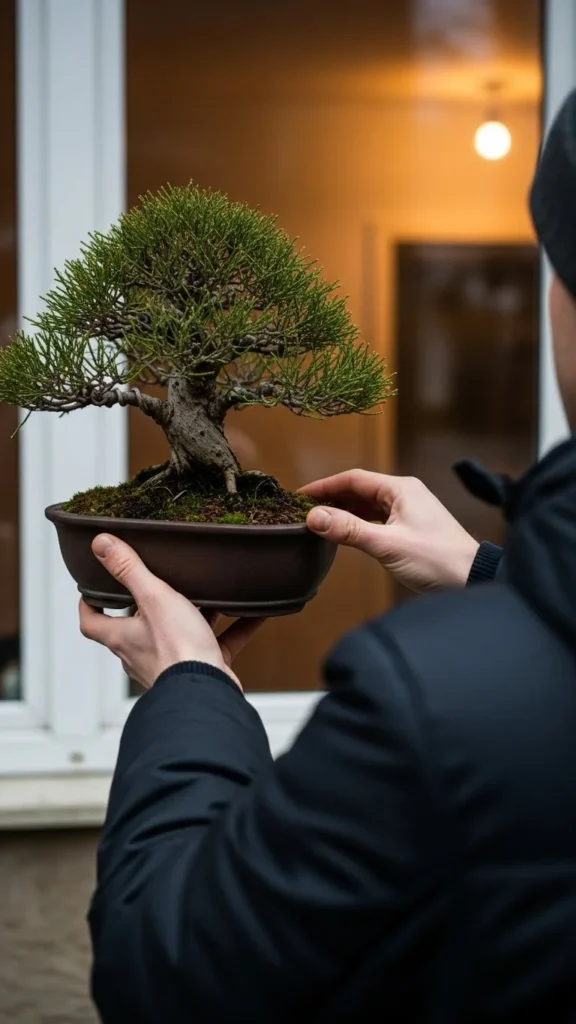
Cold nights can damage tender roots quickly, so moving delicate species indoors at the right time matters. Watch your local weather app closely as autumn ends. When nighttime temperatures hover near freezing, shift sensitive trees into a sheltered space. A spare room, hallway, or enclosed porch works well. Place the pot on a small tray lined with pebbles to manage moisture. Keep the move gentle so roots and branches stay stable. If you have many bonsai, set up a simple rolling cart to transport them safely instead of carrying each one by hand. This small trick saves time and protects fragile branches.
3. Choose a Cool Indoor Spot for Dormant Bonsai
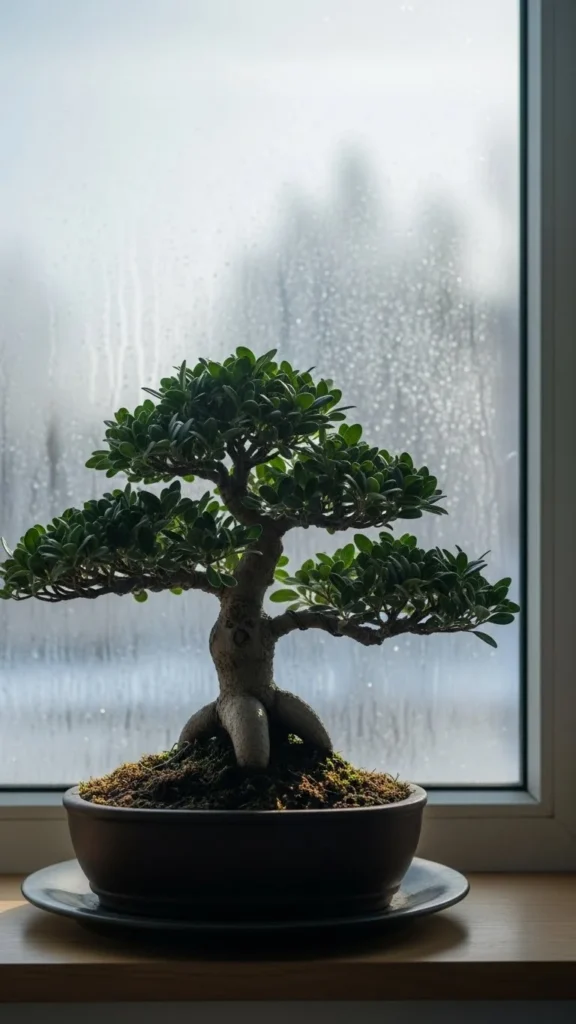
Dormant bonsai prefer cooler indoor conditions, not warm living rooms. A bright basement window, enclosed sunroom, or unheated guest room often keeps temperatures steady enough for winter rest. Look for places that stay cool but never freezing. Avoid heating vents and radiators because they dry the soil too fast. If your home is warm, raise the pot slightly on a wooden stand to keep air flowing. This prevents hot air pockets from forming around the container. Budget-friendly digital thermometers help you monitor the space. Place one near the tree so you can check conditions each day with a quick glance.
4. Reduce Watering to Match Slower Growth
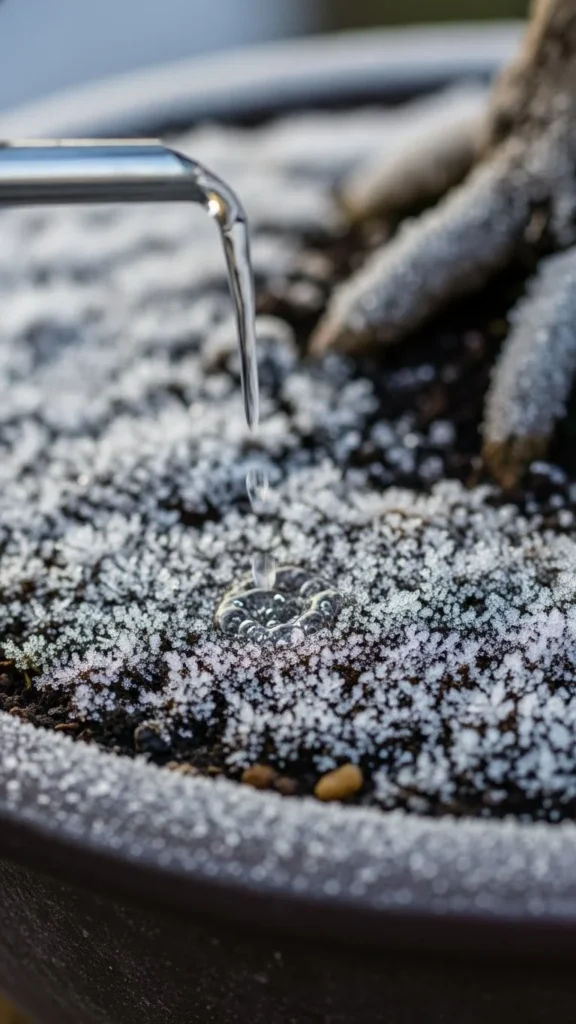
Bonsai use far less water during winter. Overwatering is a common problem, so switch to a slower routine. Check soil by touching the top inch with your fingertip. If it feels cool and slightly dry, it’s ready for a light drink. Water slowly so moisture spreads evenly through the small pot. Let extra water drain completely. A simple plastic saucer prevents spills on indoor floors. If you’re unsure about timing, set a gentle reminder on your phone every few days. Adjust based on how quickly the soil dries. This keeps roots comfortable without soaking them.
5. Improve Drainage to Prevent Root Rot
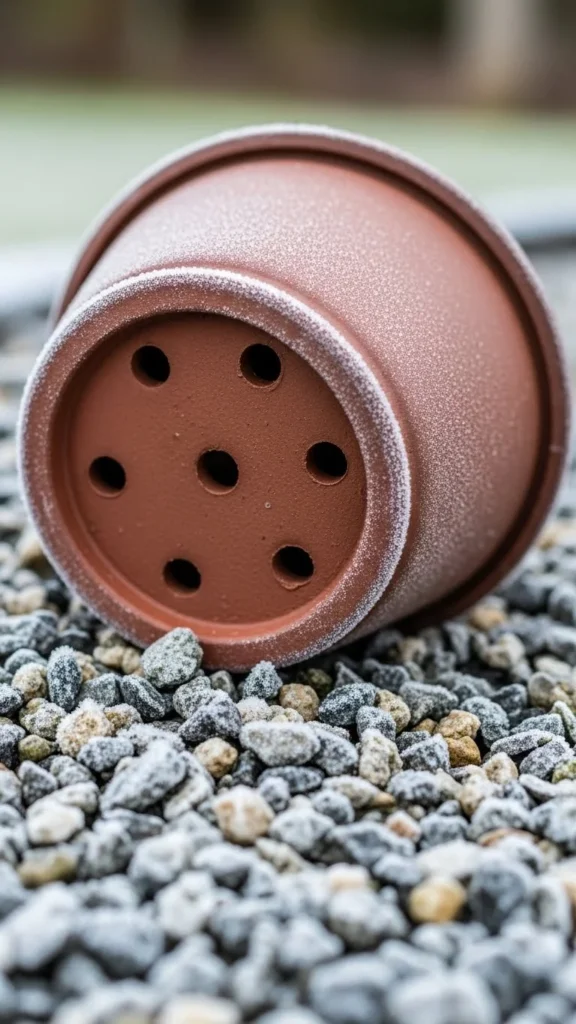
Winter soil stays wet longer, which can suffocate roots. To avoid this, check that drainage holes remain open. Sometimes old soil or fallen needles clog them. Use a wooden skewer to clear the openings gently. Add a thin bottom layer of gravel if your pot tends to hold water. This inexpensive trick improves airflow around the roots. If your bonsai looks stressed, consider repotting in early spring with a fresher mix. For now, just keep the soil loose and breathable. Pay attention to how long water sits in the tray—empty it often.
6. Protect Outdoor Bonsai from Sudden Temperature Drops
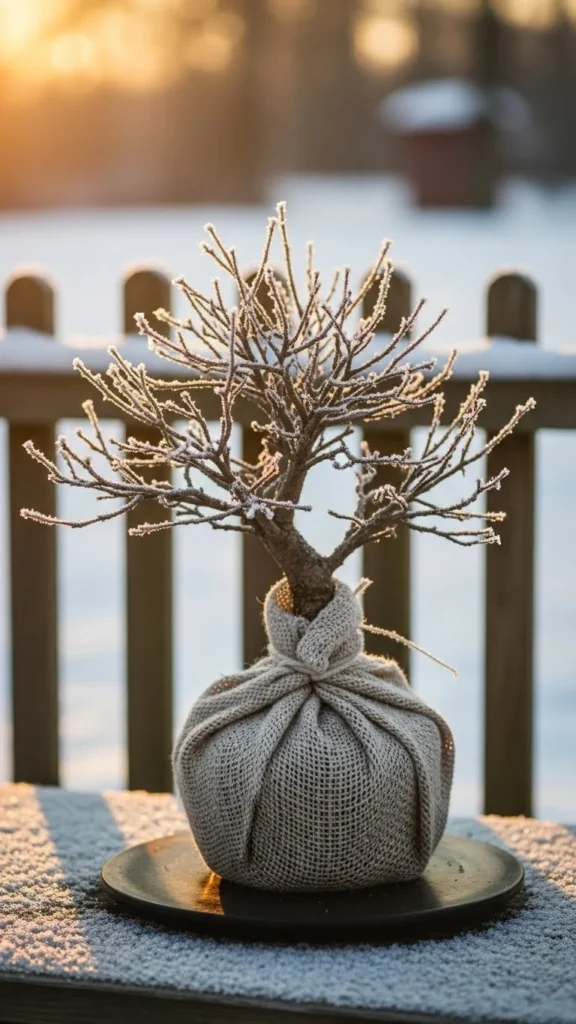
Outdoor bonsai manage cold weather better than indoor species, but sudden temperature changes can still shock them. Wrap pots with simple burlap or old towels to insulate the roots during sharp drops. Don’t wrap the branches—only the pot. Place the tree against a wall for added shelter from wind. If heavy snow is predicted, move it onto a raised bench or inside a garage for one night. You don’t need expensive covers; recycled fabric scraps work well. Secure them with clothespins or soft twine. Remove the wrap when temperatures rise again to prevent excess moisture buildup.
7. Keep Bonsai Away from Indoor Heating Sources
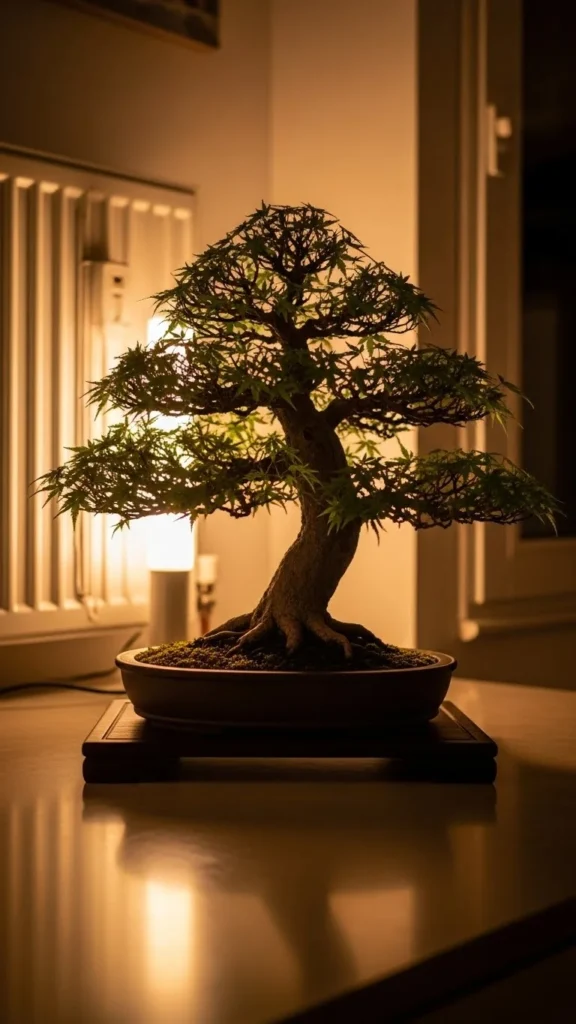
Indoor heaters dry out bonsai quickly and create hot spots that weaken branches. Even a small shift in placement makes a big difference. Position your tree several feet from vents or space heaters. If you can’t avoid warm airflow, create a simple barrier using a book, cutting board, or decorative screen. This redirects the hot draft. Check leaves and needles daily for dryness. If tips turn crunchy, the tree may be too close to heat. A quick relocation usually solves the problem. This small adjustment protects moisture levels through the season.
8. Mist Gently to Add Light Humidity
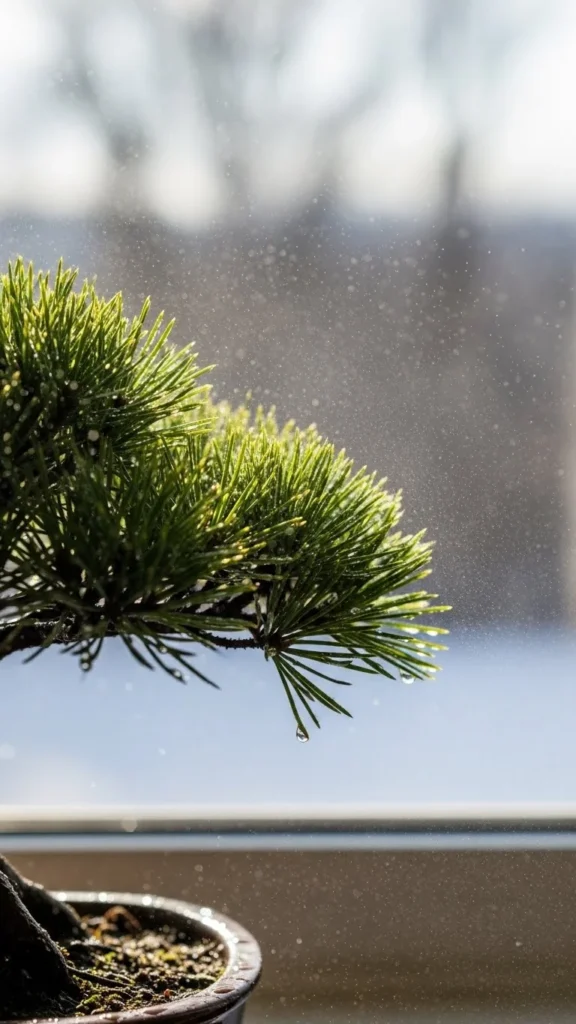
Indoor air dries out during winter, so a soft mist once or twice a day helps many species. Use a spray bottle with a fine setting so droplets don’t overwhelm the leaves. Mist in the morning when sunlight is bright. This helps surfaces dry naturally. A budget-friendly humidity tray filled with pebbles adds extra moisture without increasing watering needs. If your indoor air is extremely dry, consider placing the tree near an aquarium or water bowl. These small steps stabilize humidity levels without complicated equipment.
9. Monitor Soil Moisture with a Simple Stick Test
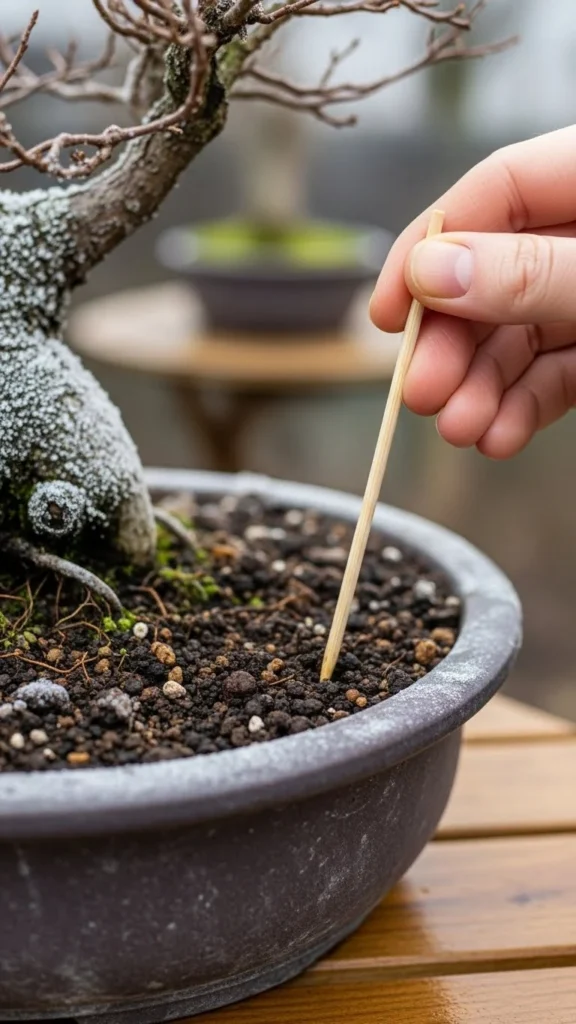
Soil moisture can be hard to judge in winter. A wooden skewer solves this quickly. Insert it into the soil, wait a moment, and pull it out. If the stick comes out mostly dry, it’s time to water. If it’s damp, wait longer. This method helps you avoid guessing. Keep a few skewers nearby so you can test several trees in a row. Write the species name on each one to keep things organized. This tiny tool makes winter watering far easier.
10. Increase Light Levels for Indoor Bonsai
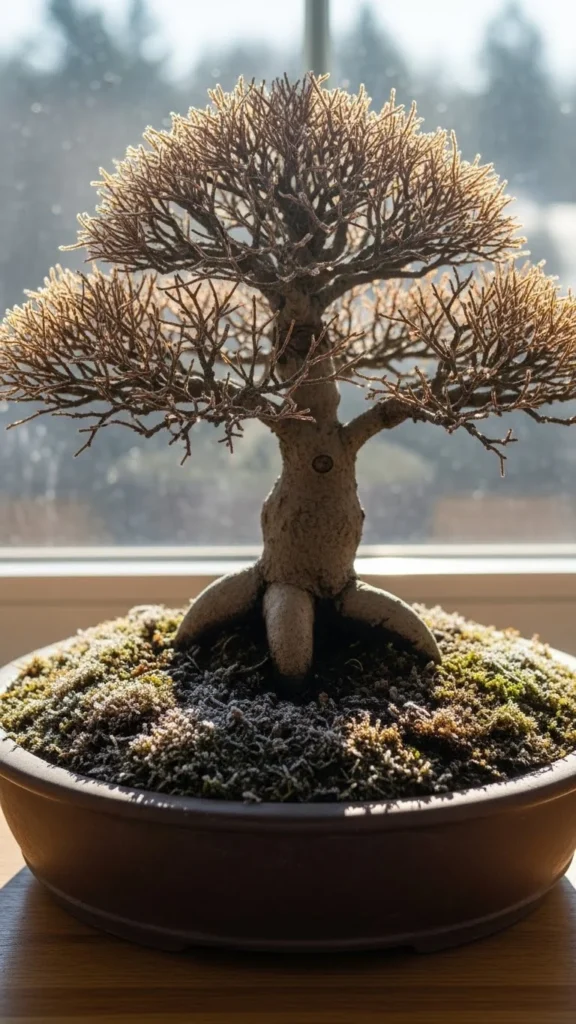
Winter days are short, so indoor bonsai often need more light. Move them to your brightest window. South-facing spaces usually work well. Rotate the pot a little each week so branches grow evenly. If your home lacks strong natural light, try a small grow light placed several inches above the tree. Choose an energy-saving bulb to keep costs low. Set it on a simple timer so the light cycle stays steady. This keeps your bonsai growing gently without stretching toward dim light.
11. Clean Dust Off Indoor Bonsai Leaves
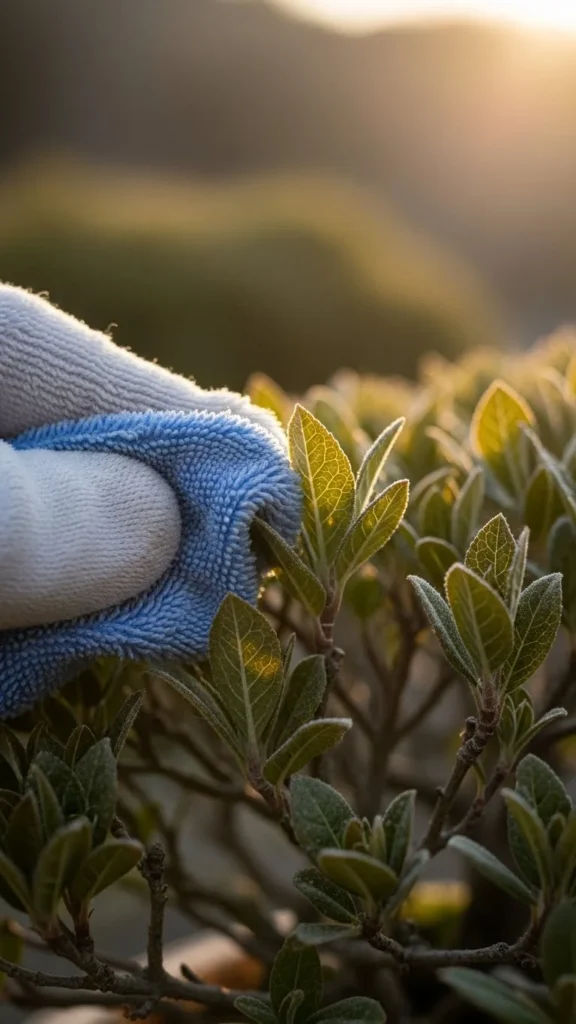
Dust builds quickly during winter because windows stay closed. A gentle wipe helps leaves breathe better. Use a soft, damp cloth to clean each leaf. Work slowly so you don’t bend delicate branches. For needle species, use a soft paintbrush instead. This low-cost habit improves light absorption, especially when days are short. Once a month is usually enough. While cleaning, check for any pale spots or strange patterns. These early signals help you spot problems before they worsen.
12. Add Mulch Around Outdoor Bonsai Pots
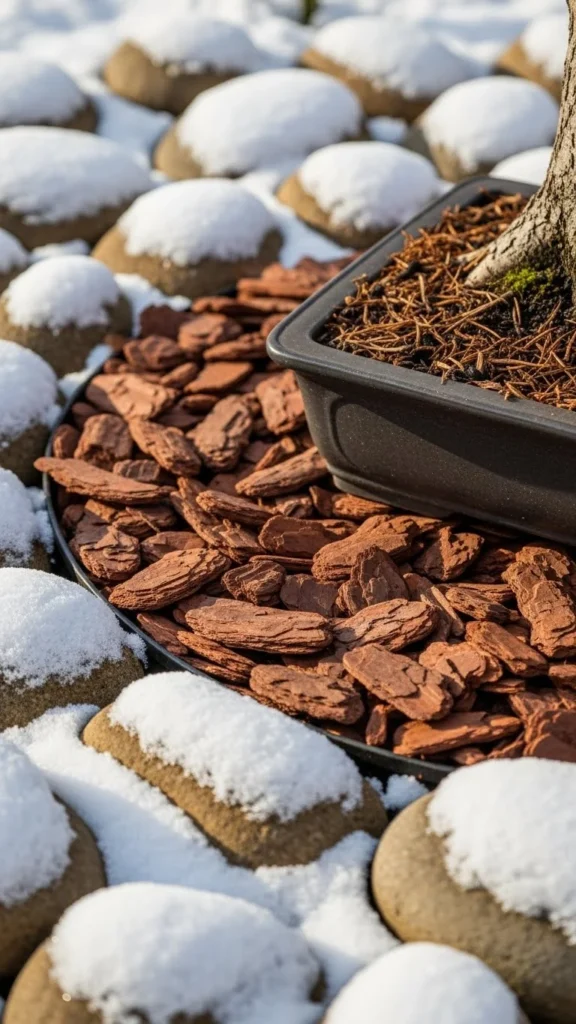
Outdoor pots lose heat faster than the ground. A light mulch layer helps keep roots warmer. Pine needles, shredded leaves, or small bark pieces all work well. Spread them around the pot, not over the soil surface. The goal is to insulate the container. If you have several bonsai outdoors, group them together and surround them with mulch for extra protection. This simple trick reduces temperature swings and protects delicate root systems.
13. Create a Windbreak for Outdoor Bonsai
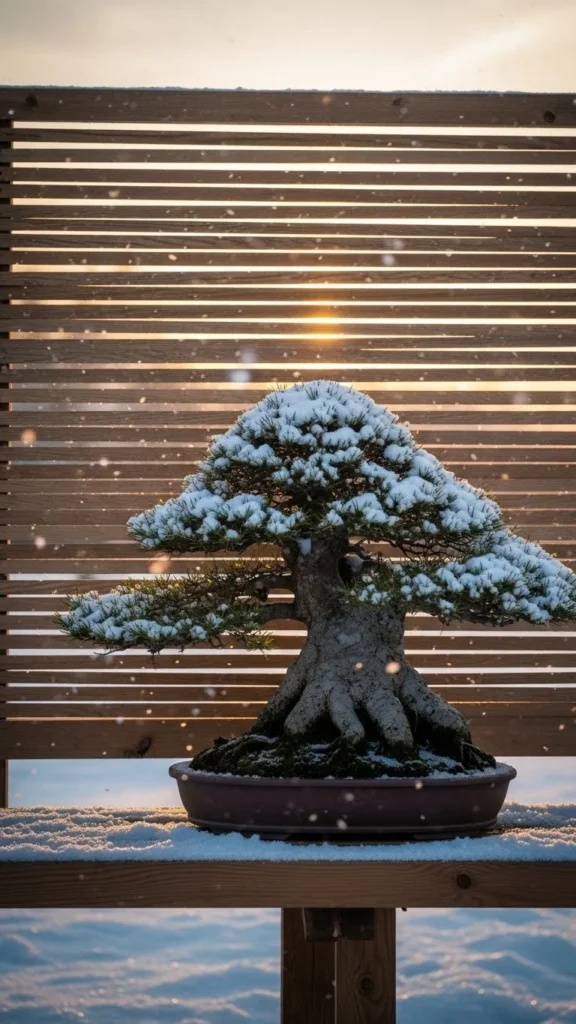
Winter wind dries out branches and draws moisture from soil. Setting up a small windbreak helps a lot. Use scrap wood, a low pallet, or even stacked pots to create a barrier. Place it on the windy side of your yard. You don’t need a fancy structure—anything that slows wind is enough. Check it after large storms to keep it stable. This small shield helps your bonsai stay hydrated and reduces winter stress.
14. Avoid Over-Pruning During the Cold Months
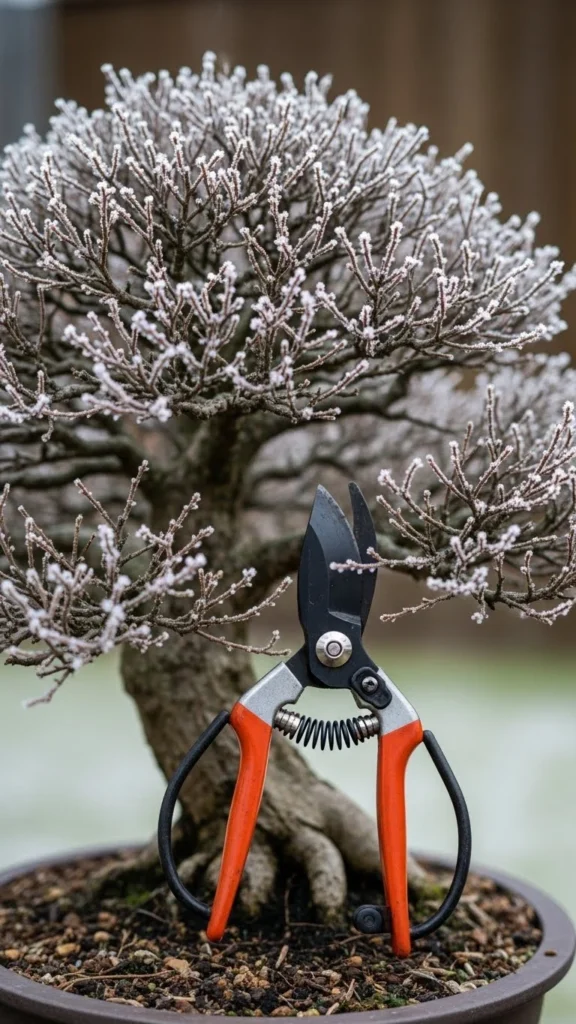
Pruning heavily during winter can weaken your bonsai because growth slows dramatically. Instead, limit trimming to removing dead twigs or broken pieces. Save larger shaping tasks for spring. If you spot crossing branches, gently guide them apart rather than cutting immediately. This temporary fix works well until warmer weather returns. Keep your tools clean and dry, ready for spring work. Winter is more about preservation than form.
15. Protect Roots by Raising Pots Off Frozen Ground
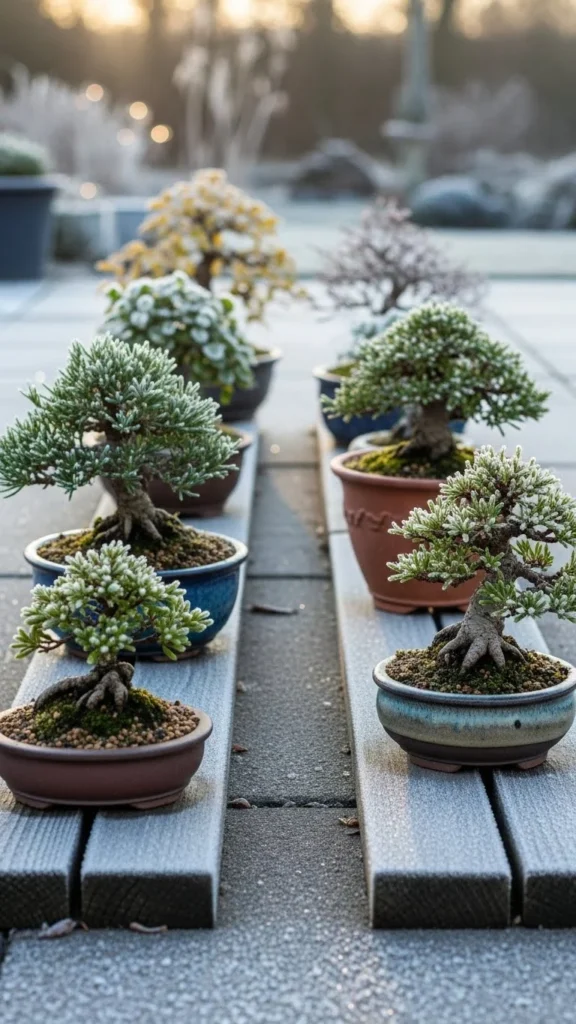
Placing pots directly on frozen ground exposes them to extreme cold. A small lift makes a huge difference. Use bricks, spare tiles, or wooden slats to create a small platform. This keeps cold from transferring directly into the roots. It also improves drainage during snowmelt. If your bonsai sits on a balcony, add rubber pads under each pot to prevent slipping. These materials are cheap and often already available around the house.
16. Check for Pests Even During Winter
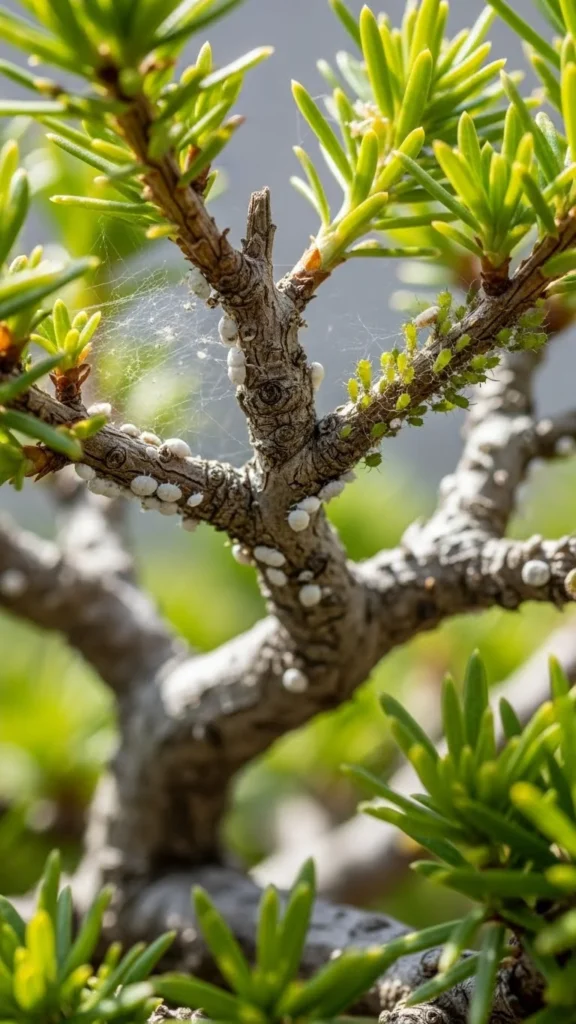
Winter doesn’t stop pests entirely. Some insects hide in soil or under leaves. Once a week, inspect your bonsai using a magnifying glass or your phone’s zoom. Look for tiny webs, sticky spots, or pale patches. Remove pests with a cotton swab dipped in mild soapy water. Keep infected trees apart until they recover. Adding this small step to your winter routine prevents bigger problems later.
17. Use Gentle Fertilizer Sparingly
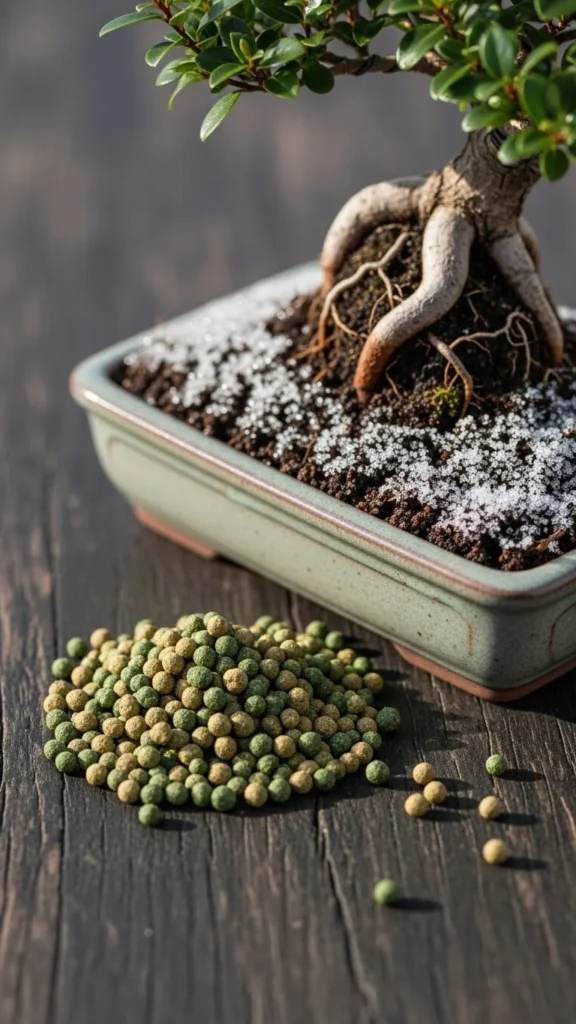
Bonsai grow slowly in winter, so heavy feeding does more harm than good. If your species requires nutrients during dormancy, use a very light amount. Choose a gentle formula and apply sparingly. Avoid liquid feeds unless your tree is actively growing indoors. Always water lightly afterward so nutrients spread evenly. This step supports the tree without overwhelming it. Keep a small notebook of your feeding schedule so you don’t repeat doses.
18. Rotate Bonsai Correctly to Prevent Leaning
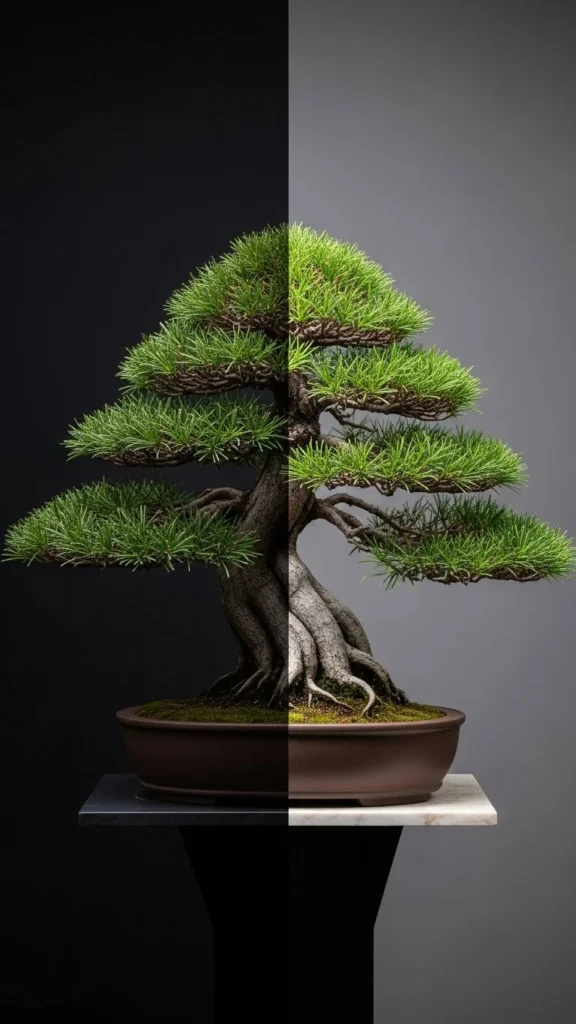
Weak winter light often causes bonsai to lean. Rotate the pot slightly each week to balance growth. Mark one side with a small sticker so you know where you started. This tiny habit helps branches stay symmetrical. If your tree already leans, support it gently with a soft tie connected to a chopstick or stake. Make adjustments slowly. Winter is a great time to correct posture without aggressive shaping.
19. Keep Soil Aerated with Light Surface Loosening
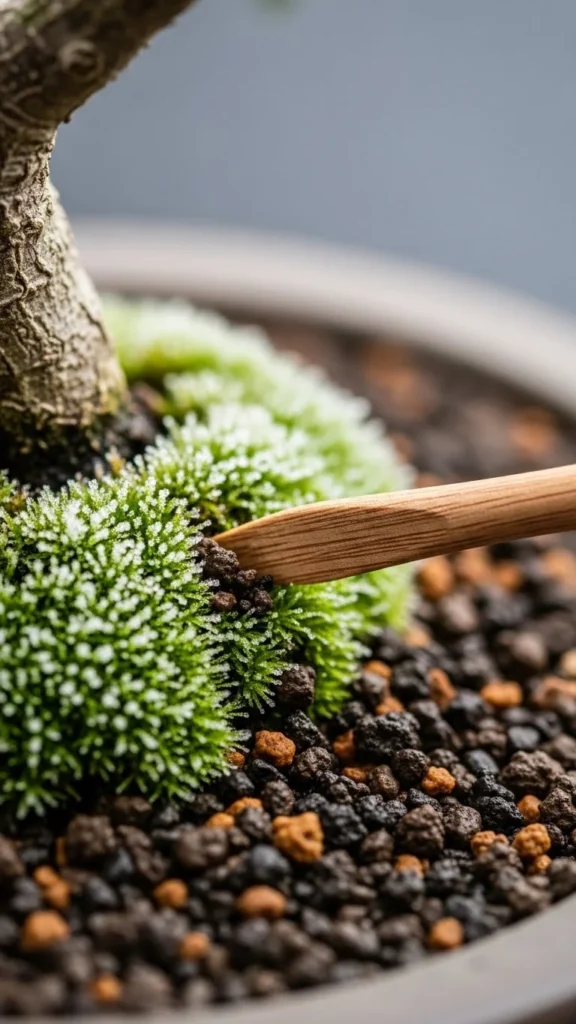
Winter watering creates compact soil. Gently loosening the surface helps water flow more evenly. Use a chopstick or wooden skewer to poke soft holes without disturbing roots. Work slowly and stay near the top layer. This simple step improves airflow and prevents soggy spots. If moss covers the soil, lift a small section before loosening. Replace it afterward to keep the look tidy. This keeps your bonsai comfortable until repotting season.
20. Watch for Branch Cracking from Heavy Snow
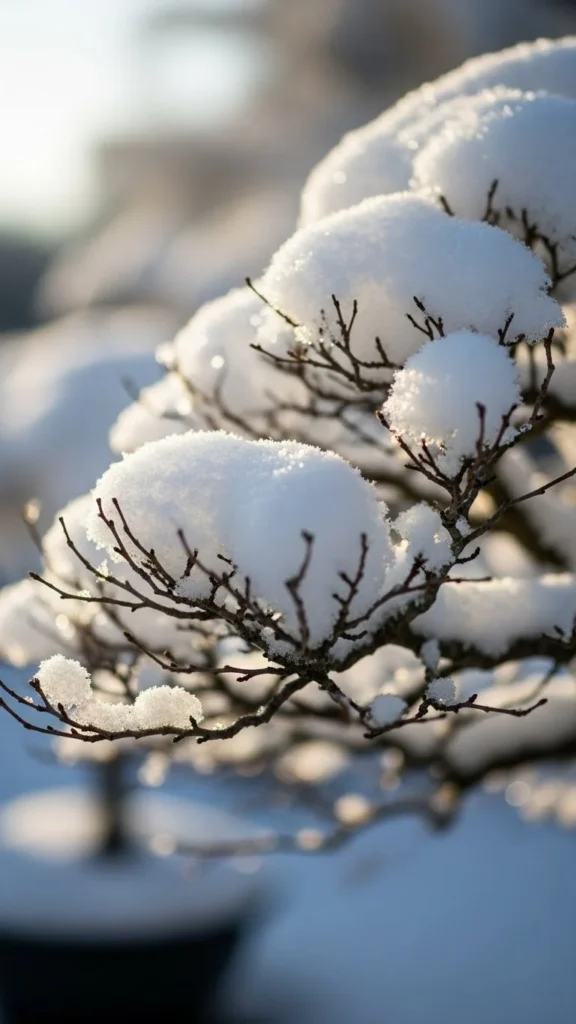
Snow can weigh down bonsai branches and cause cracks. Check trees after snowfall and gently shake off the excess. Use a soft brush for stubborn clumps. Avoid bending branches with your hands—they can snap more easily in the cold. If a branch cracks, support it with garden tape until spring. Keeping your bonsai under a small awning or temporary cover during storms prevents heavy buildup.
21. Store Outdoor Bonsai in an Unheated Garage for Harsh Winters
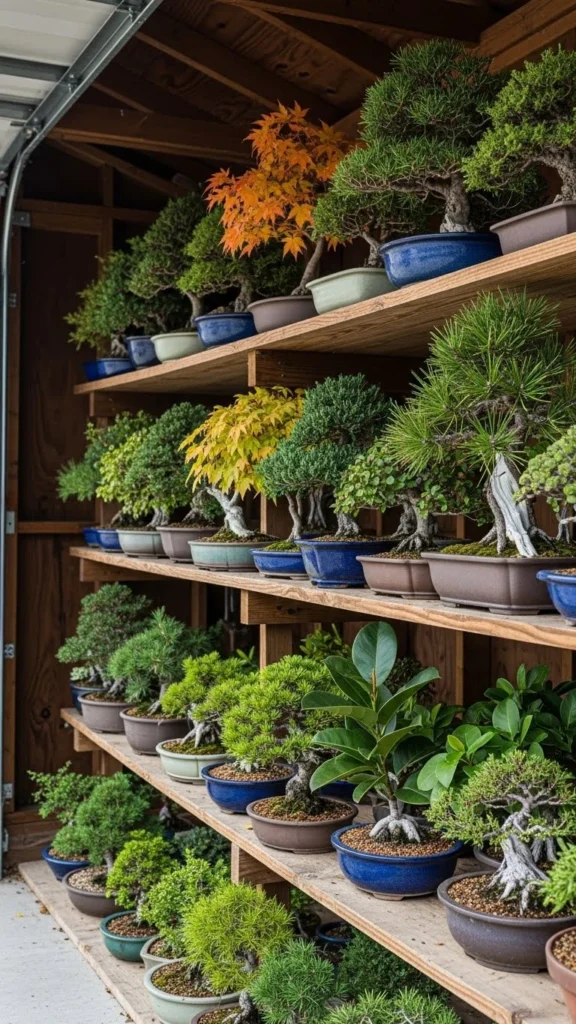
In regions with intense winter cold, outdoor bonsai benefit from garage storage. The space stays cold enough for dormancy but avoids severe freezes. Place trees on shelves or pallets to keep airflow consistent. Check soil moisture weekly. Do not place them near car exhaust areas. A garage window provides enough light for dormant trees. This setup protects roots through long winters without needing complex equipment.
22. Use Simple Insulating Wraps for Pots
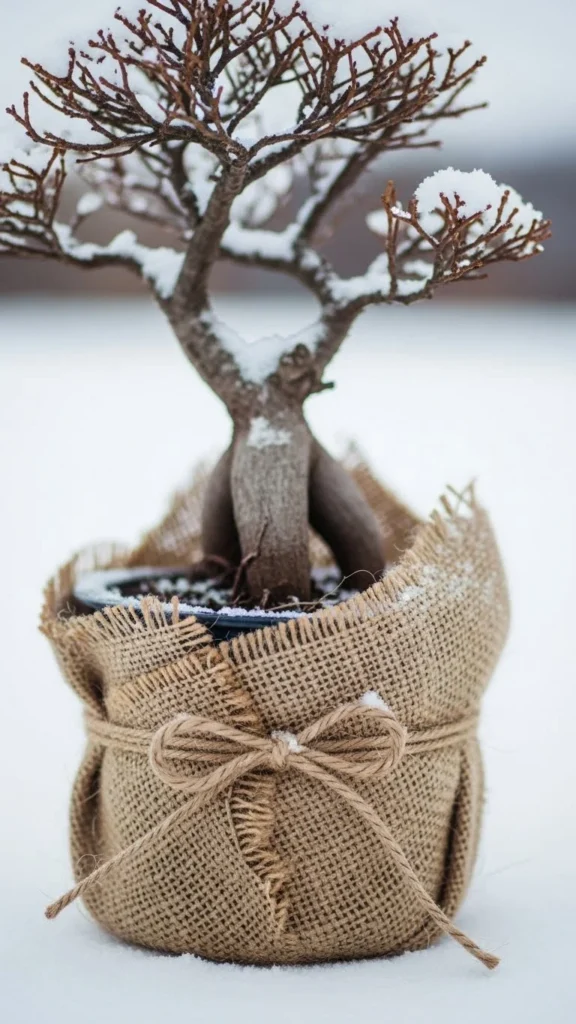
Wrapping pots helps stabilize temperature in small containers. Burlap, bubble wrap, or old scarves work surprisingly well. Wrap only the pot—not the branches—and secure with soft twine. This protects the root zone without trapping humidity around the plant. Replace wraps if they become soggy after rain or melting snow. This budget-friendly method keeps your bonsai steady through chillier nights.
23. Provide Gentle Airflow Indoors
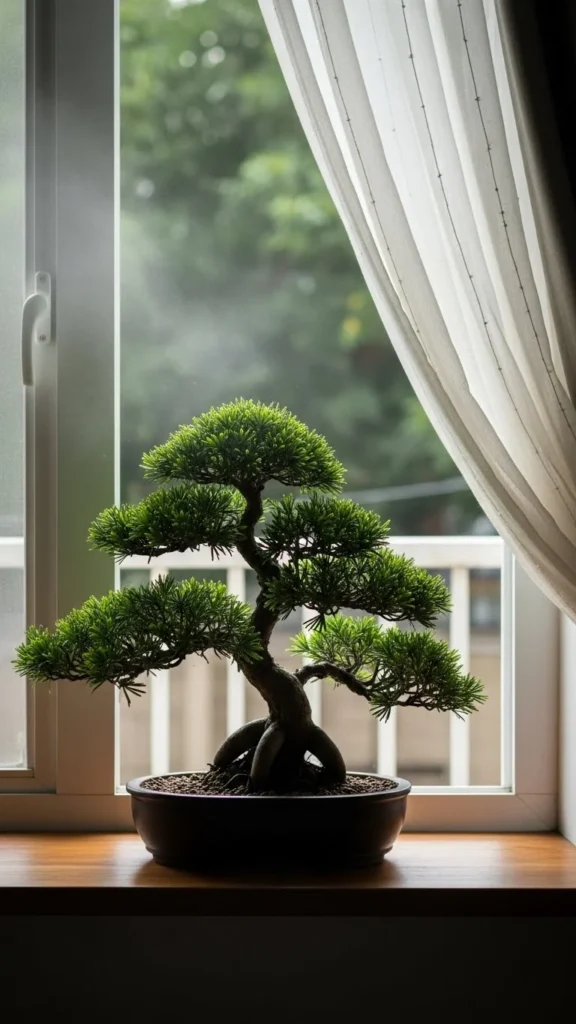
Still air indoors can promote mold. A little airflow helps keep leaves dry and branches strong. Crack open a window for a few minutes each day. If your room stays too still, place a small fan nearby on a very low setting. Point it away from the tree so the airflow stays subtle. This tiny habit reduces moisture buildup and keeps the environment healthier for your bonsai.
24. Keep Bonsai Clean by Removing Fallen Leaves
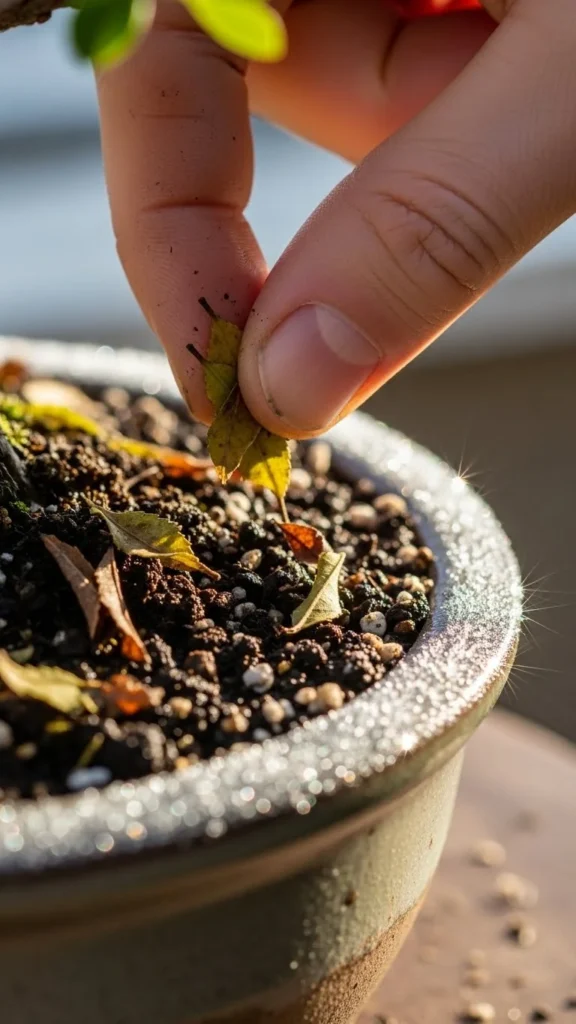
Fallen leaves left on the soil can trap moisture and hide pests. Clean them off whenever you notice buildup. This also helps you monitor soil condition more easily. Keep a small bowl near your bonsai station for collecting debris. If multiple trees drop leaves at once, observe them closely. Sudden changes may signal stress. Removing debris creates a healthier environment during the colder months.
25. Track Your Bonsai’s Winter Progress
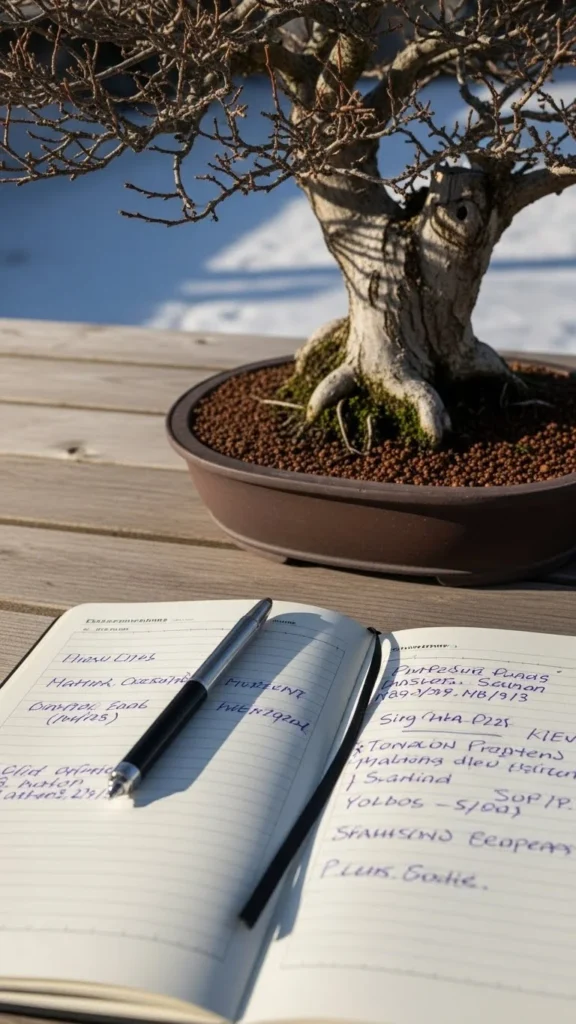
Keeping brief notes helps you stay organized. Record watering dates, temperature changes, leaf behavior, and general appearance. This makes patterns easier to spot. You don’t need long entries—just a few words per week. Over time, this record helps you adjust your routine and care strategies for future winters. A simple notebook or phone app works perfectly. Making observations part of your routine keeps the tree healthier and simplifies troubleshooting.
Conclusion
Winter bonsai care doesn’t have to feel complicated. Small, steady habits—watching temperature shifts, adjusting watering, checking light levels, and protecting roots—make all the difference. With these 25 tips, you can guide each tree through the cold season with calm, confidence, and a simple hands-on approach. Take a few minutes today to apply one or two steps, and your bonsai will reward you with stronger growth once warmer days return.

Leave a Reply